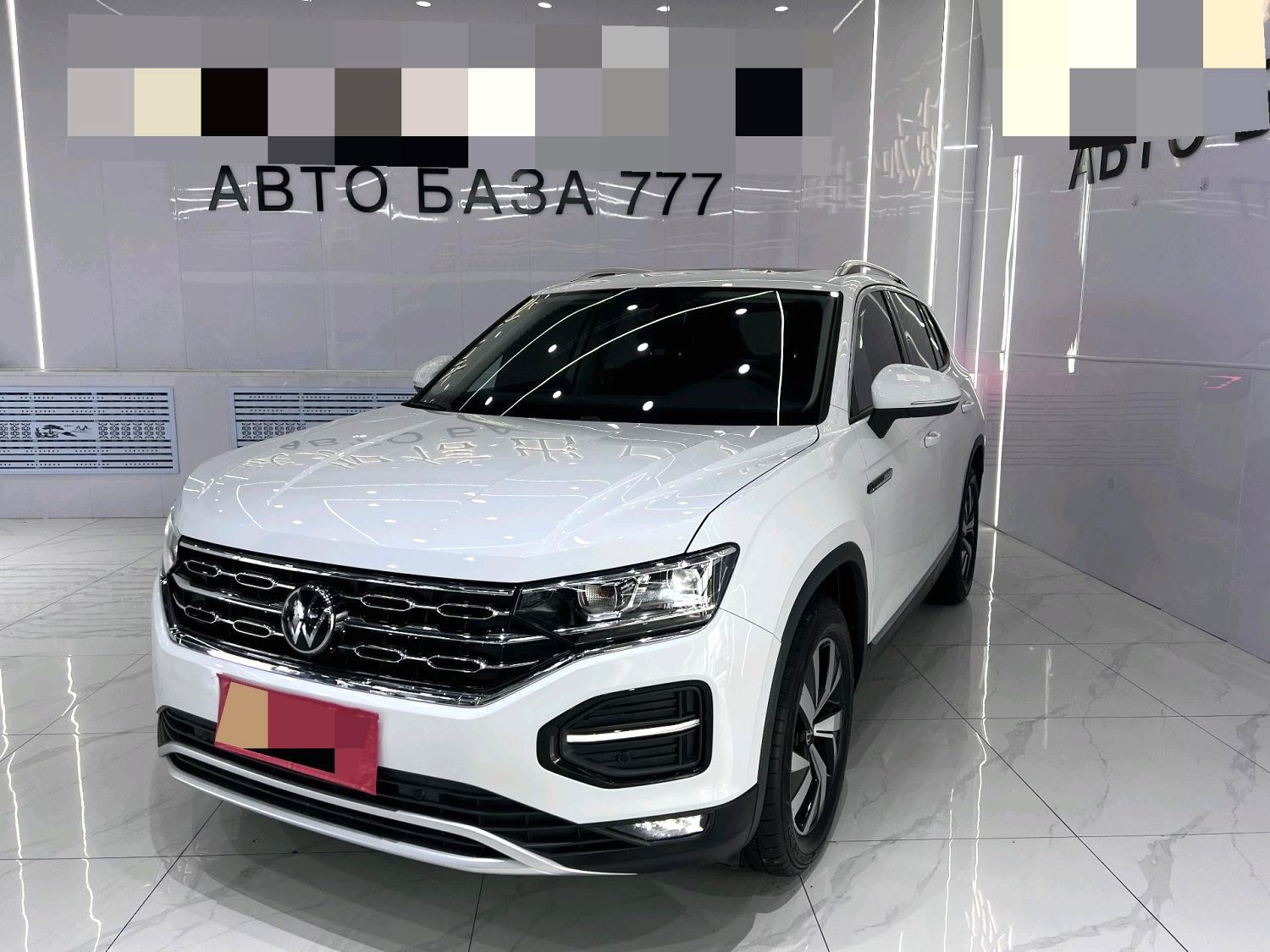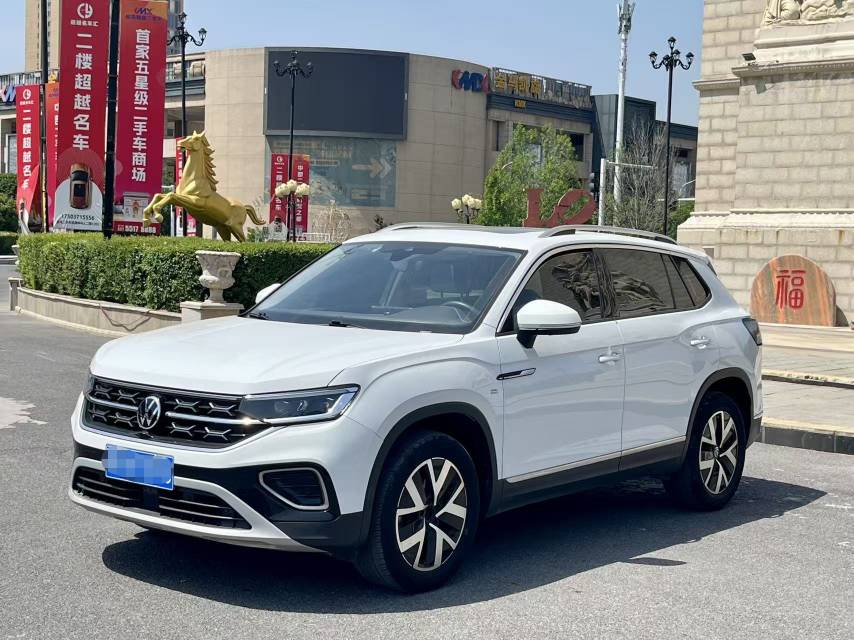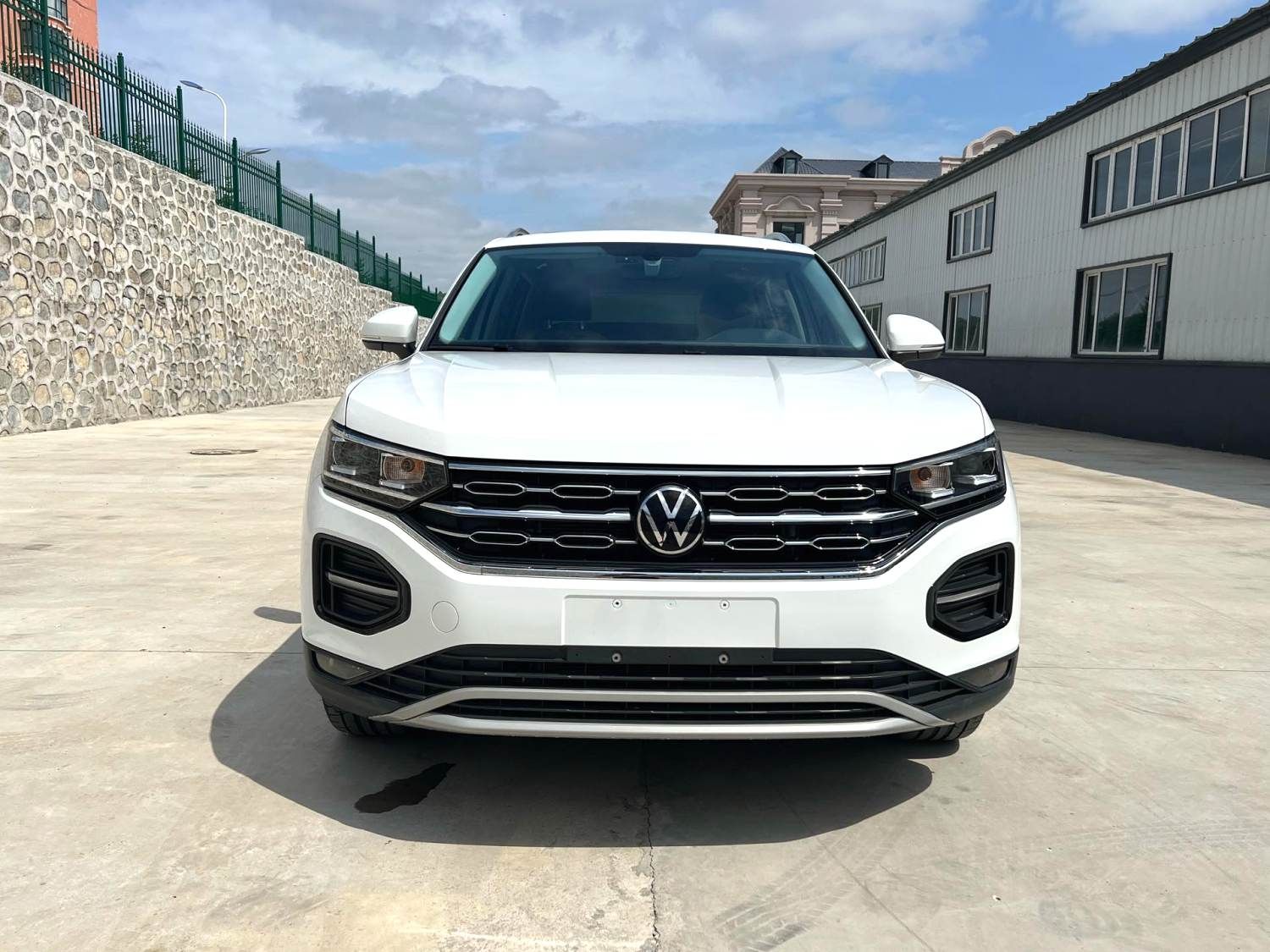
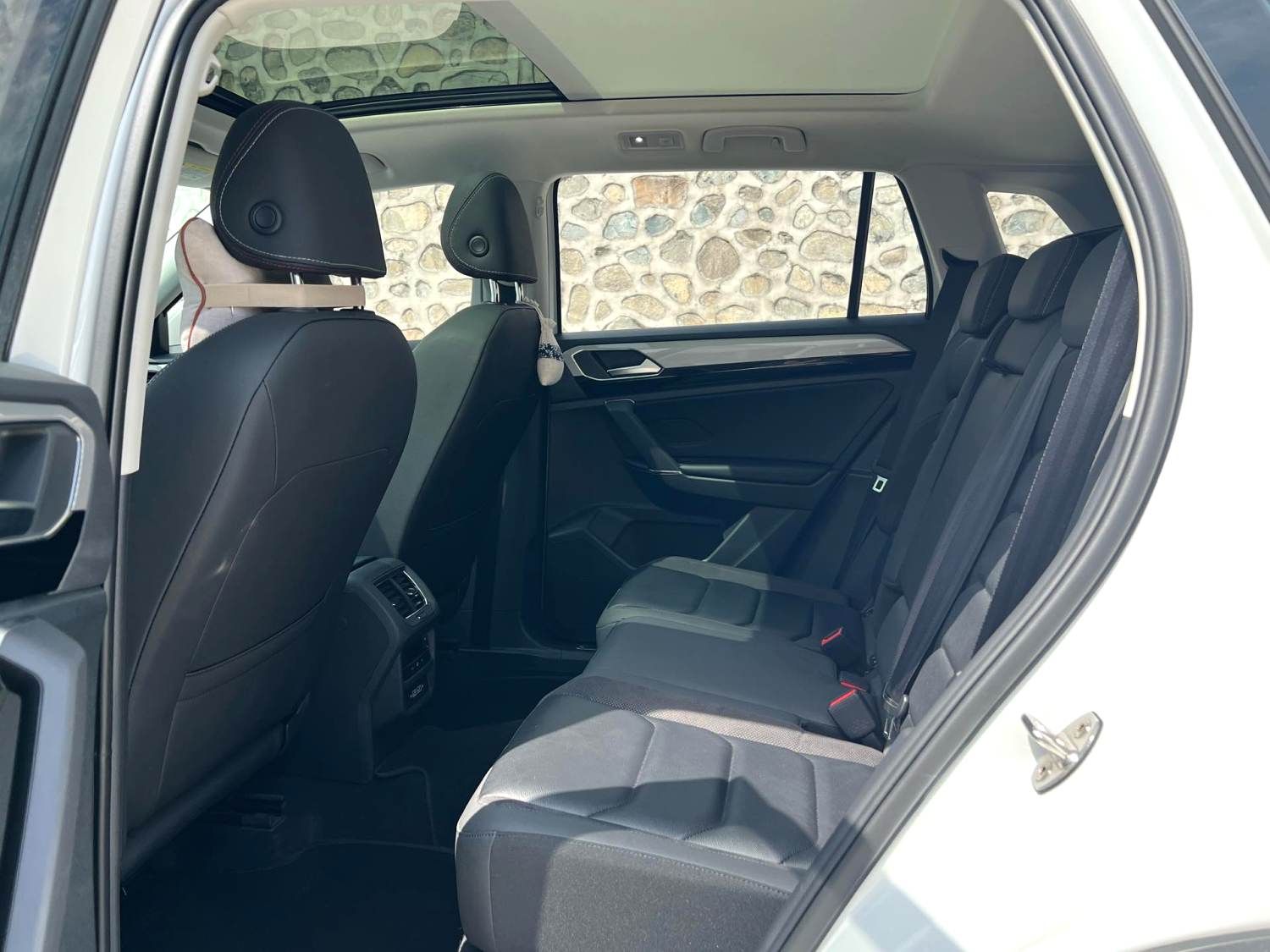
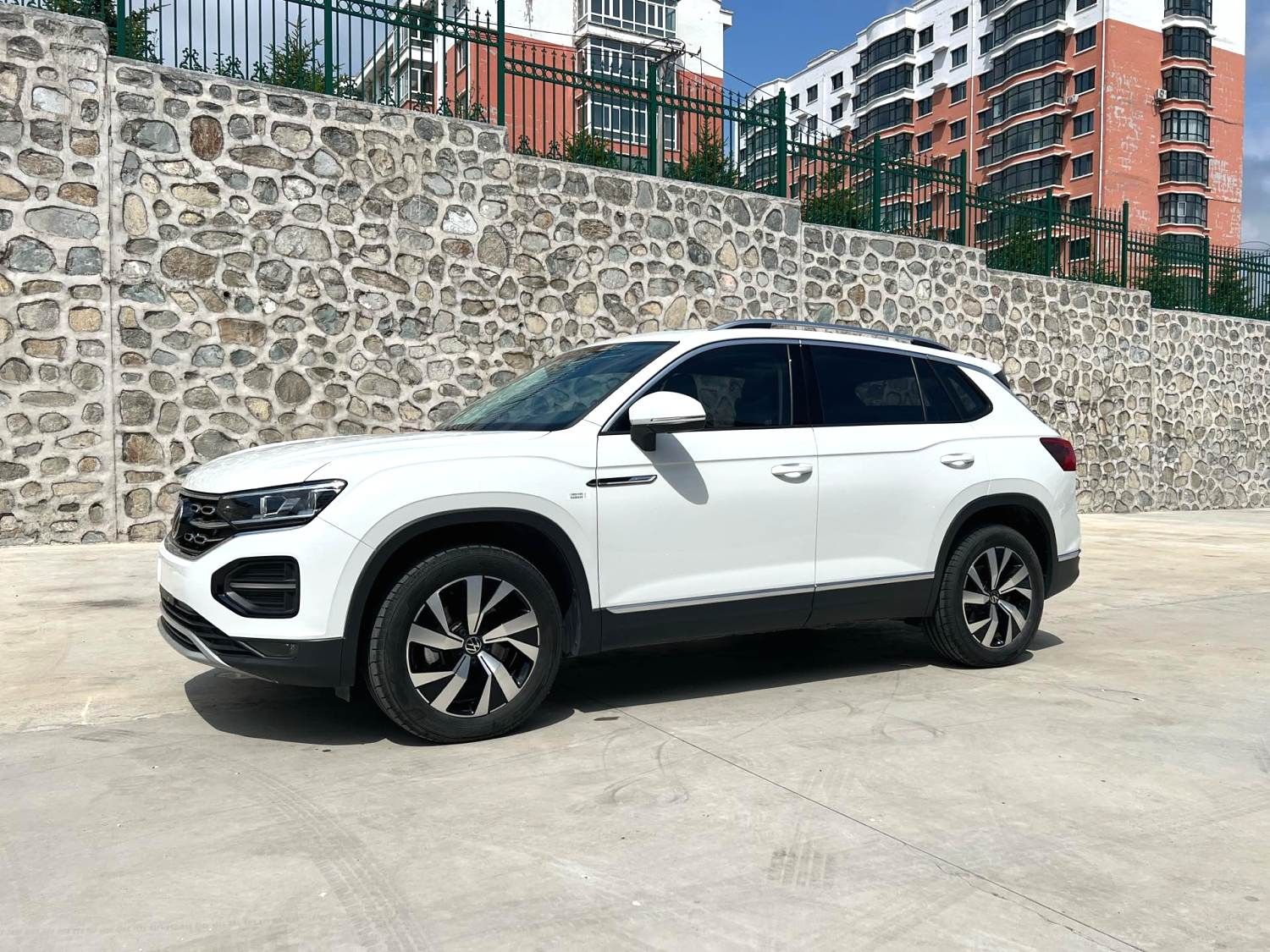
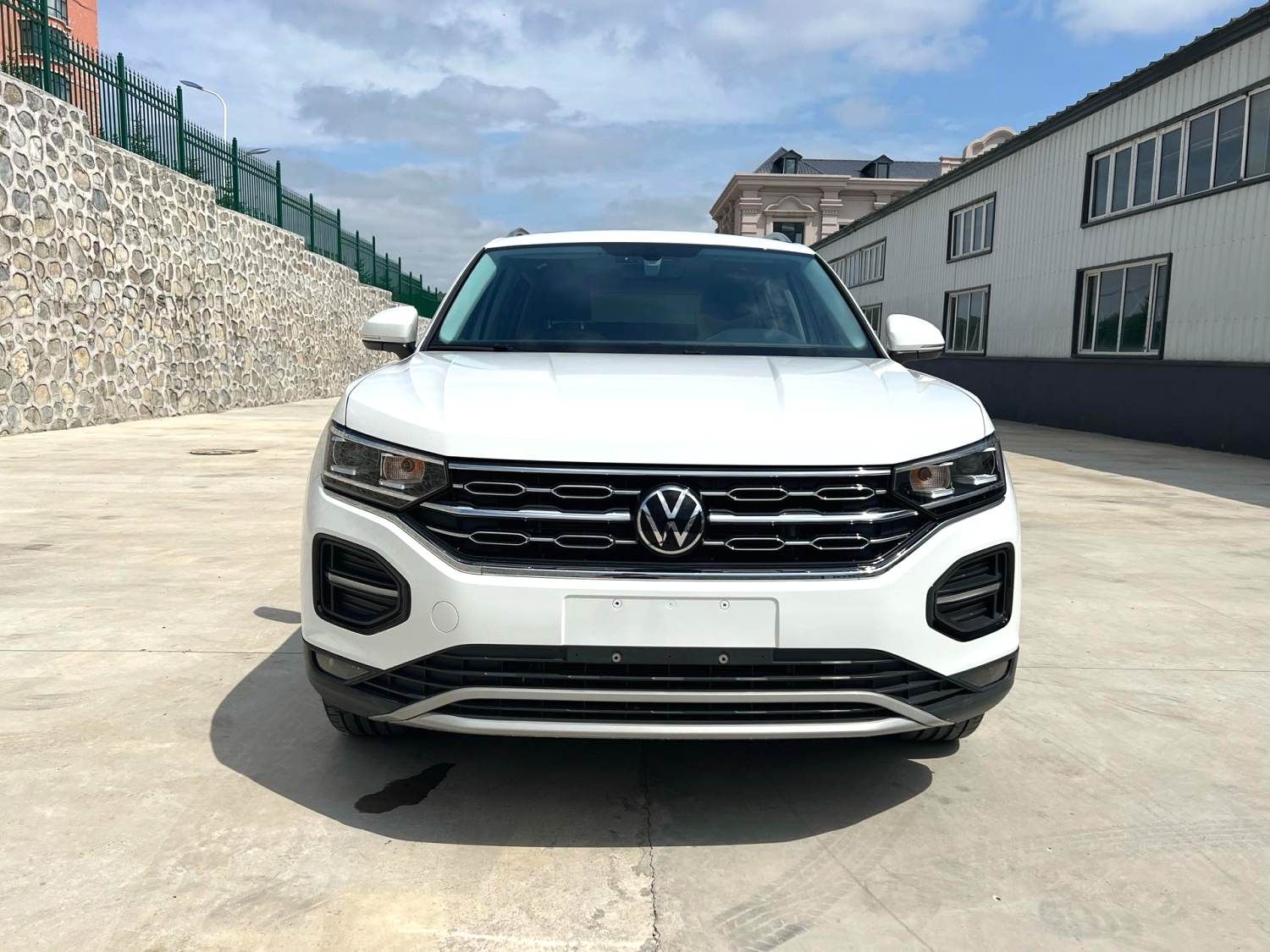
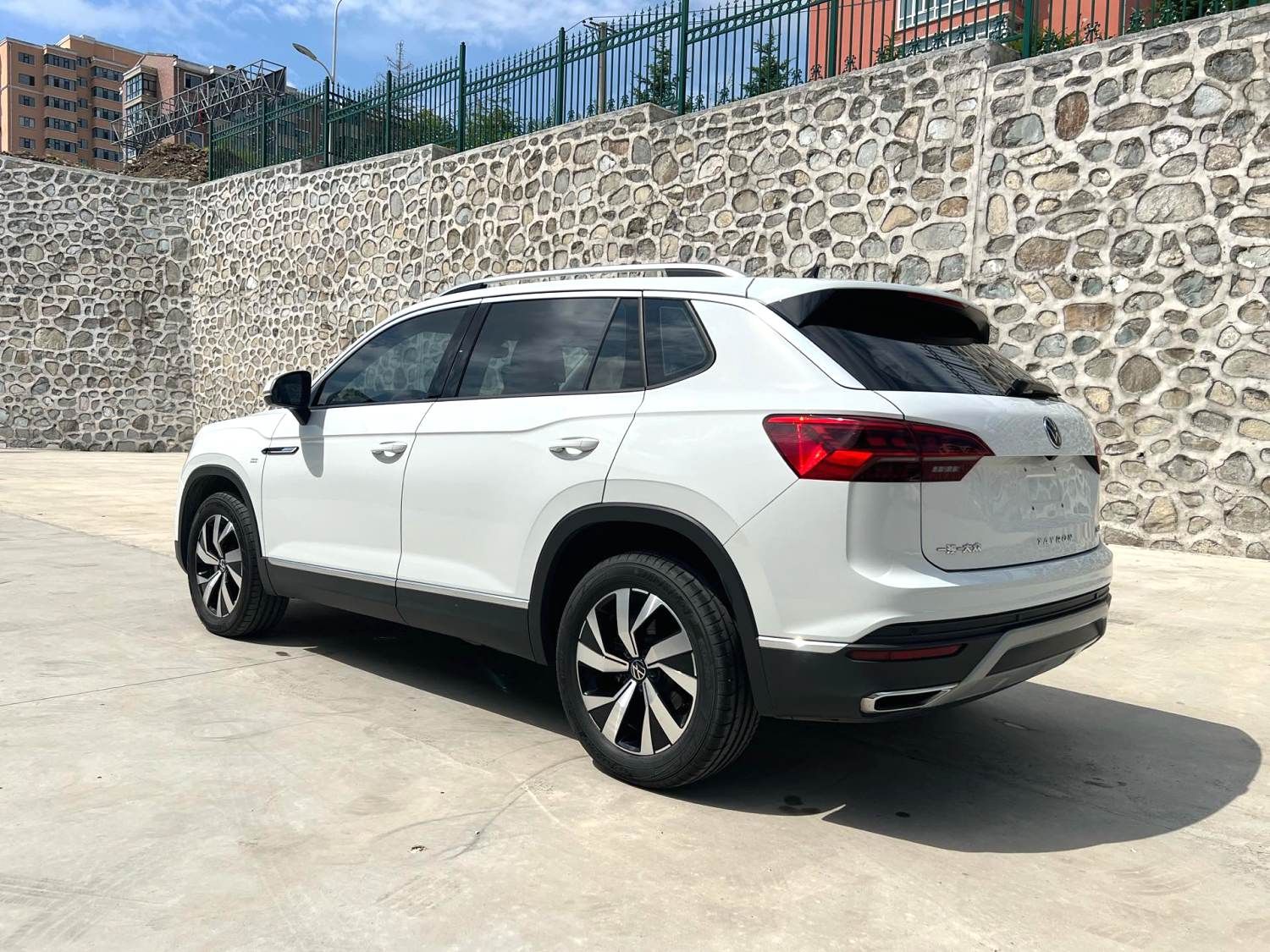
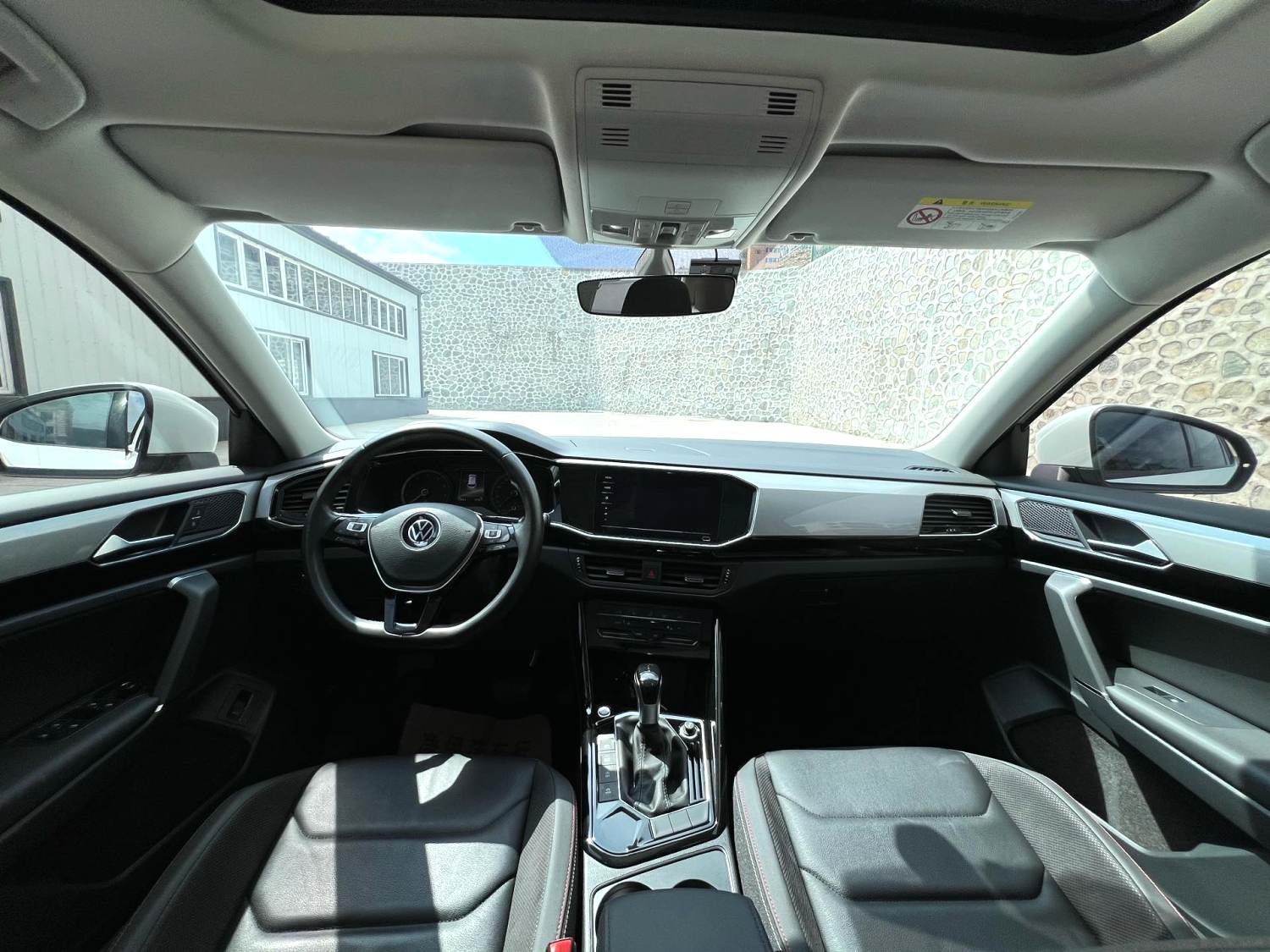
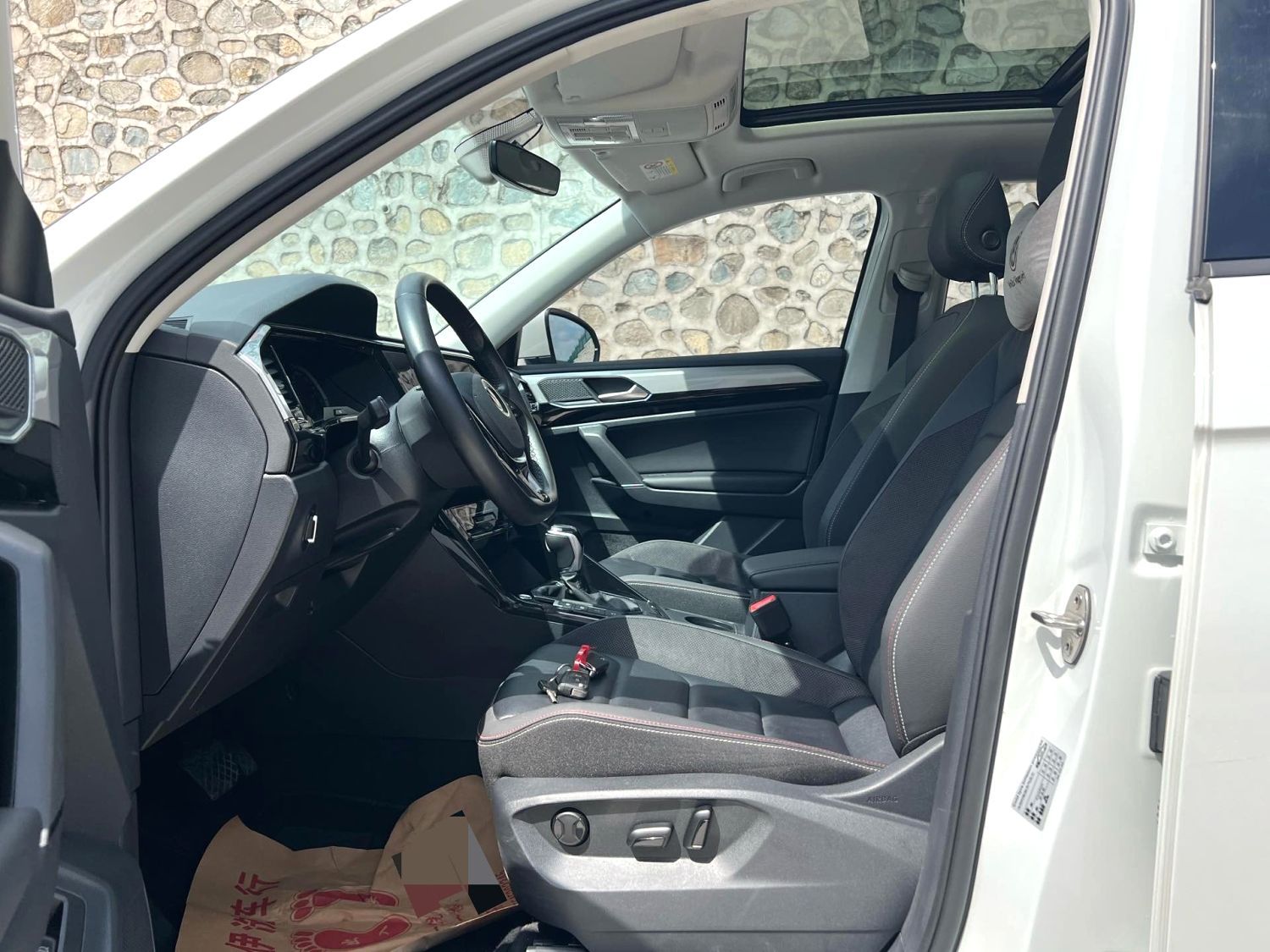



Basic Information

BrandVolkswagen
SeriesTayron
Year2022
First Registration2022/08
Mileage17,661km
Transfer Count0times
Fuel-
Transmission-
Engine-
ColorWhite
Seats-

Condition Description

Original paint on iron parts

Forward collision warning, active braking system, driver fatigue warning, vehicle stability control, tire pressure monitoring, cruise control, rear parking sensors, reversing camera, electronic parking brake, auto hold, driving mode selection, engine start-stop, leather-trimmed seats, 12-way power driver's seat, 12-way power passenger seat, power panoramic sunroof, leather multi-function steering wheel, color LCD instrument cluster, auto-dimming rearview mirror, single-color ambient lighting, 8-inch central control screen, smartphone connectivity, vehicle networking, front USB ports. Features include: Wi-Fi hotspot connectivity, remote control, hands-free power tailgate, keyless entry and start for the front seats, tri-zone automatic climate control, rear air vents, independent rear air conditioning, LED daytime running lights, LED headlights, LED front fog lights, LED taillights, automatic headlights, cornering lights, one-touch windows for all windows, power adjustable, heated, and folding exterior mirrors (with folding mirrors when locking the car and tilting them down when reversing), rain-sensing wipers, roof rack, and 18-inch alloy wheels.

Q&A

More

Which import documents do I need for a used car from China, and who issues each one?

The standard set is: 1. Commercial invoice and sales contract - issued by the exporter; the basis for customs valuation. 2. Packing list - exporter; details the vehicle and any spare parts shipped with it. 3. Bill of lading - issued by the shipping line; your proof of ownership of the cargo. Never pay the full balance before receiving at least a copy of it. 4. Certificate of origin - issued by the China Council for the Promotion of International Trade (CCPIT); some countries require it for preferential duty rates. 5. Export customs declaration - Chinese customs; confirms the car was legally exported. 6. Pre-shipment inspection report - issued by companies like Intertek, SGS or the EAA scheme, if your country mandates it. Ask the exporter for scanned copies of all documents before shipping so you or your broker can verify completeness.
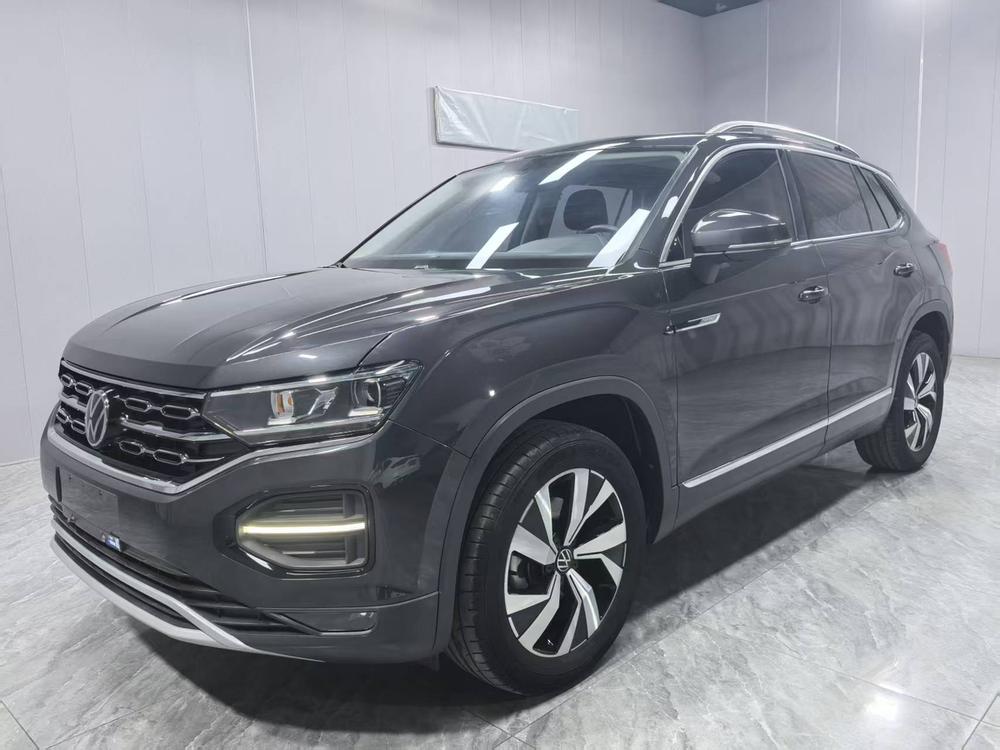
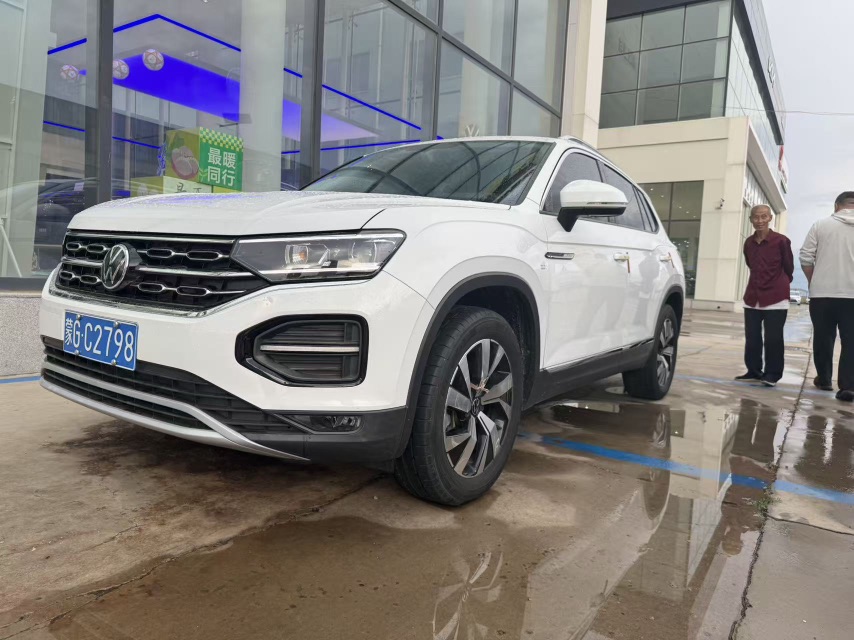
What is a Certificate of Origin and why do I need one when importing a car from China?

A Certificate of Origin (C/O) is an official document stating where the vehicle was manufactured. Customs authorities use it to decide which tariff rates and trade agreements apply to your import. Why it matters: many countries offer preferential tariffs for certain origins. With a valid C/O, such as the ASEAN-China Form E or a GSP Form A, you may pay reduced or zero duty. Without it, you typically pay the standard, higher rate. The certificate must match the vehicle exactly: VIN, make, model and invoice details. It is usually issued by the China Council for the Promotion of International Trade (CCPIT) or customs authorities. Practical tips: request the C/O before shipment, because adding it later is slow; check that your country's customs accepts the specific C/O format; and confirm with your broker whether your vehicle category qualifies for preferential rates. This single document can save you thousands in duty.

Are the quality assessment standards for used commercial vehicles (pickups, light vans) the same as for passenger cars?

Completely different. The assessment of commercial vehicles focuses on: the extent of wear/deformation in the cargo area, whether the frame has been twisted due to overload, the fatigue of the leaf springs, and the emissions of the diesel engine. Minor exterior scratches carry very little weight in the assessment of commercial vehicles.