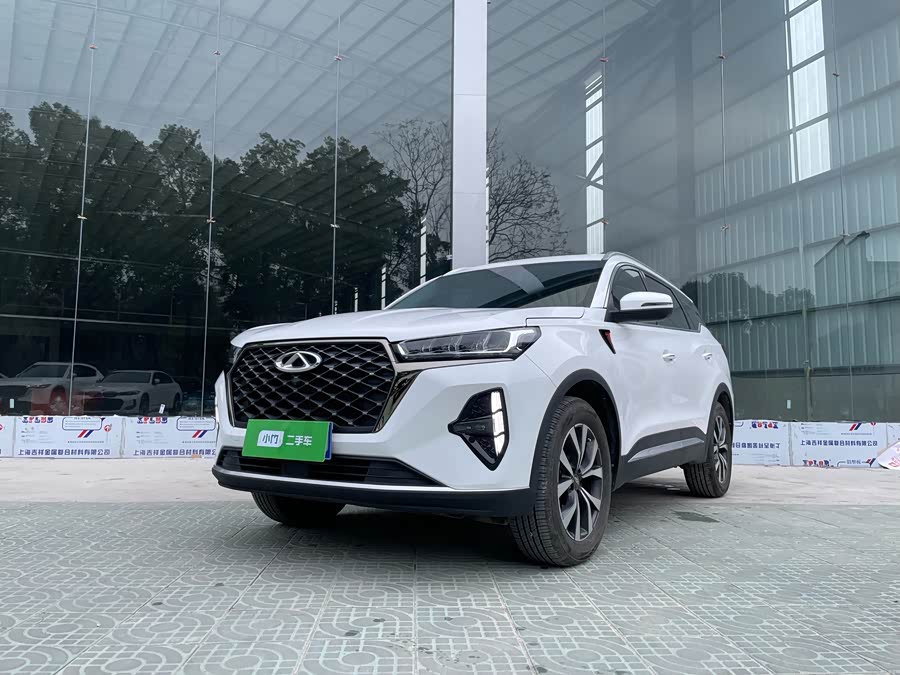
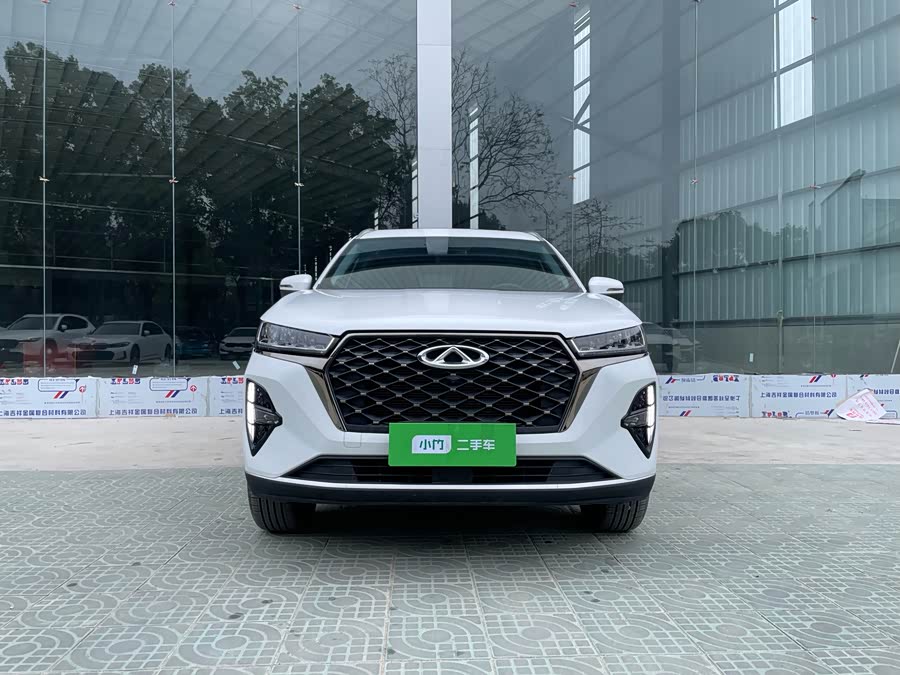
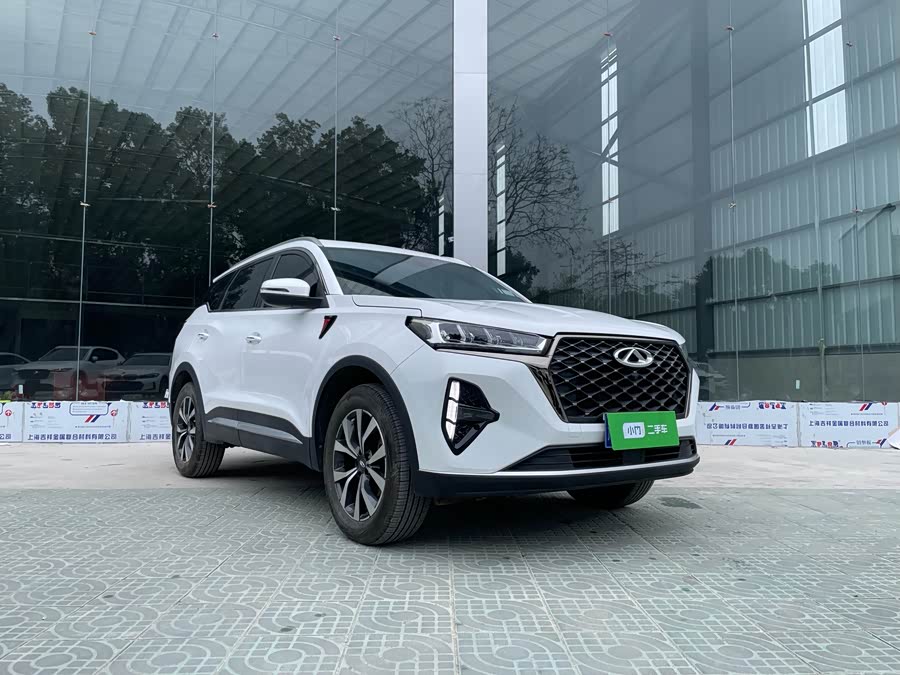
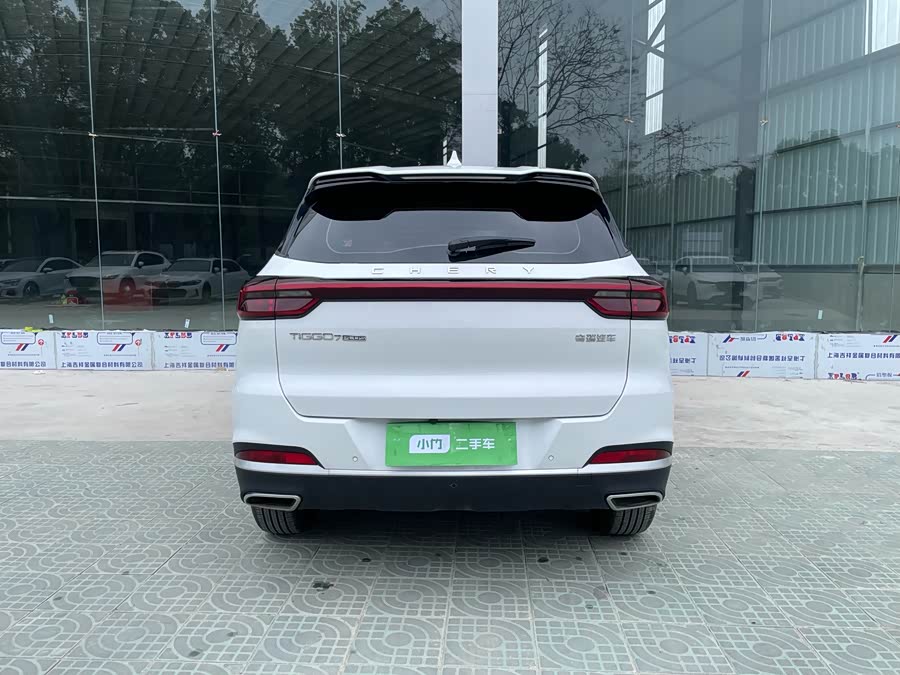
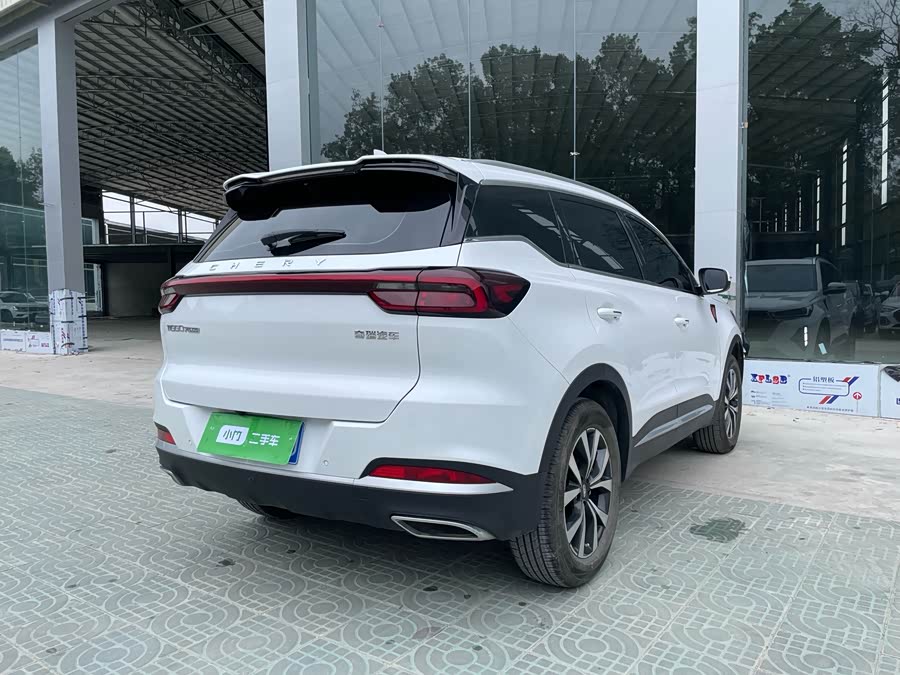
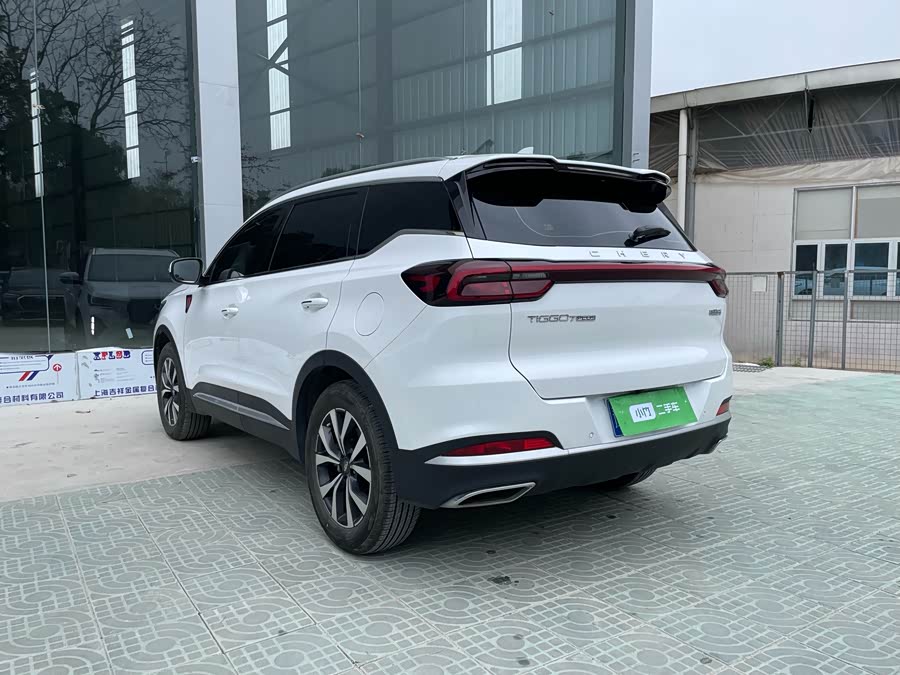
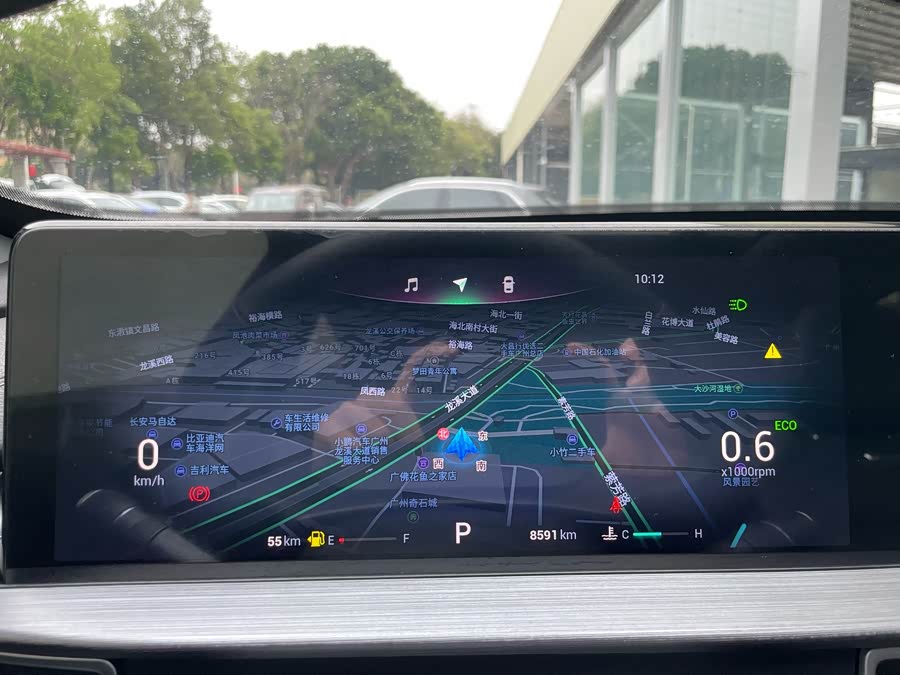
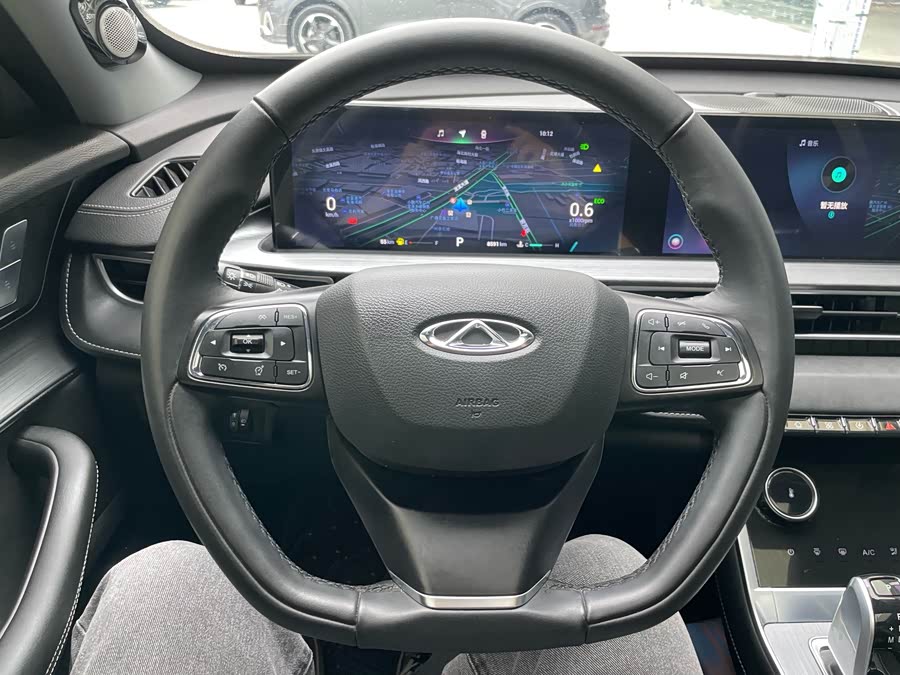
Basic Information

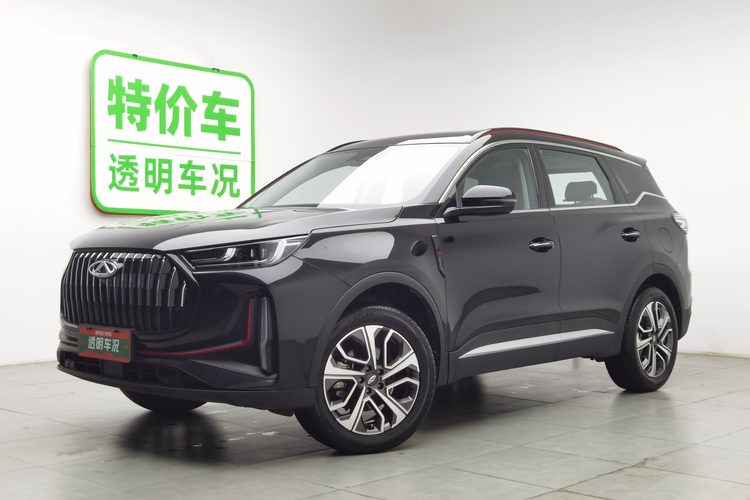
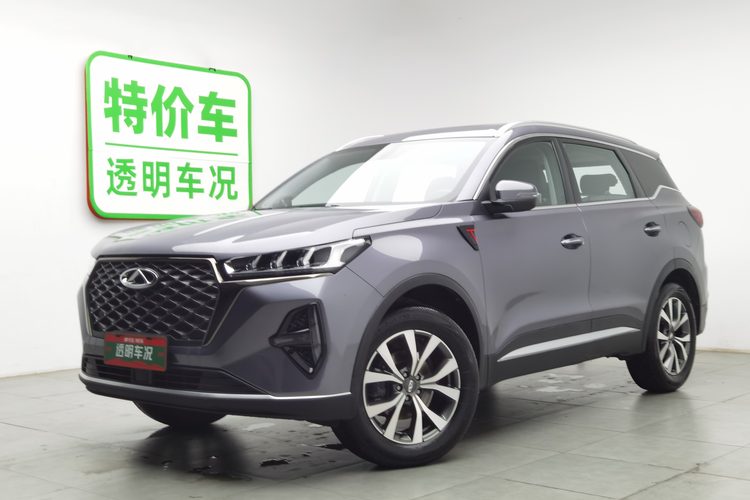
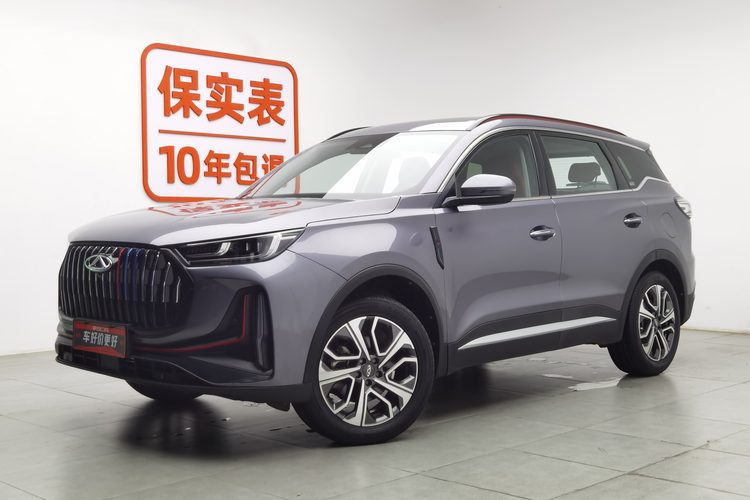
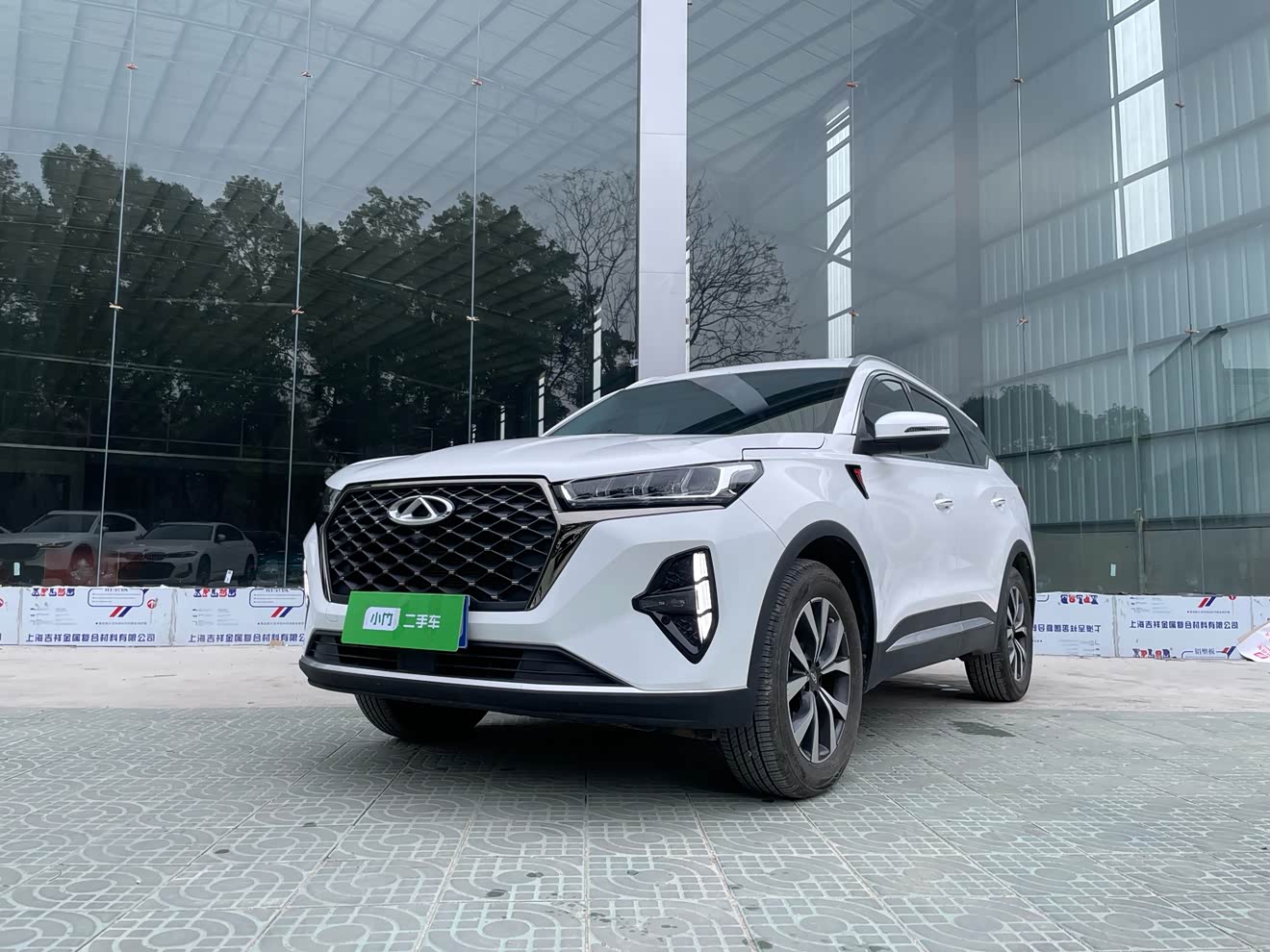
BrandChery
SeriesTiggo 7 Plus
Year2021
First Registration2021/11
Mileage8,000km
Transfer Count2times
FuelGasoline
TransmissionCVT
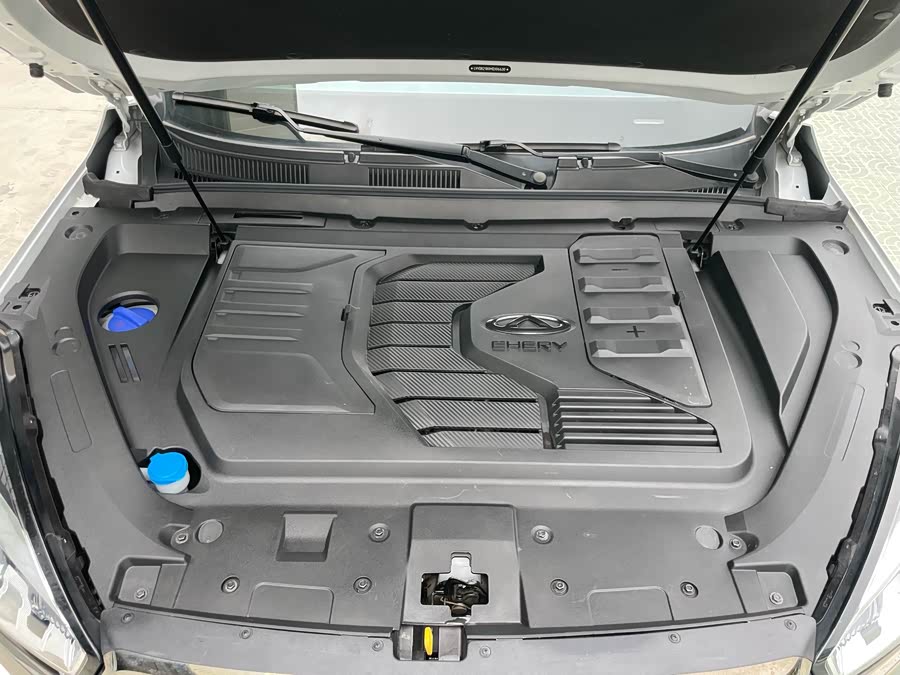
Engine1.5T 156 L4
ColorWhite
Seats-

Condition Description

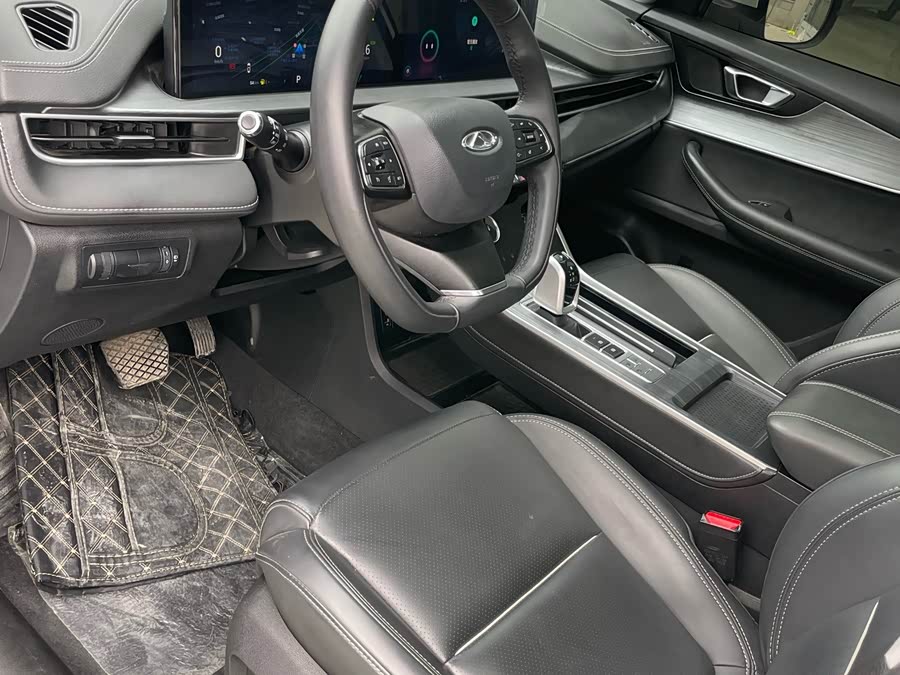
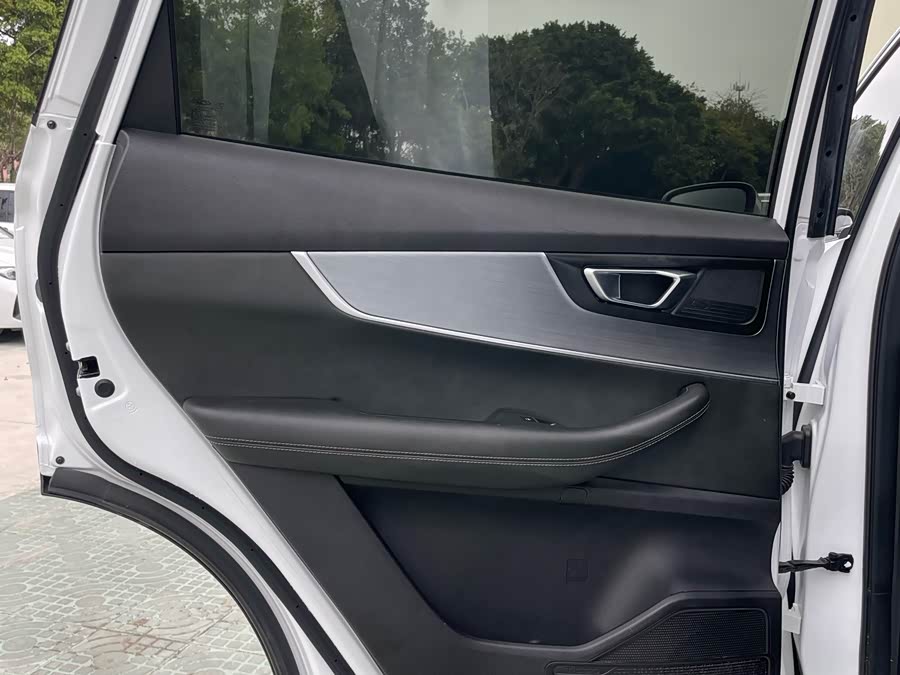
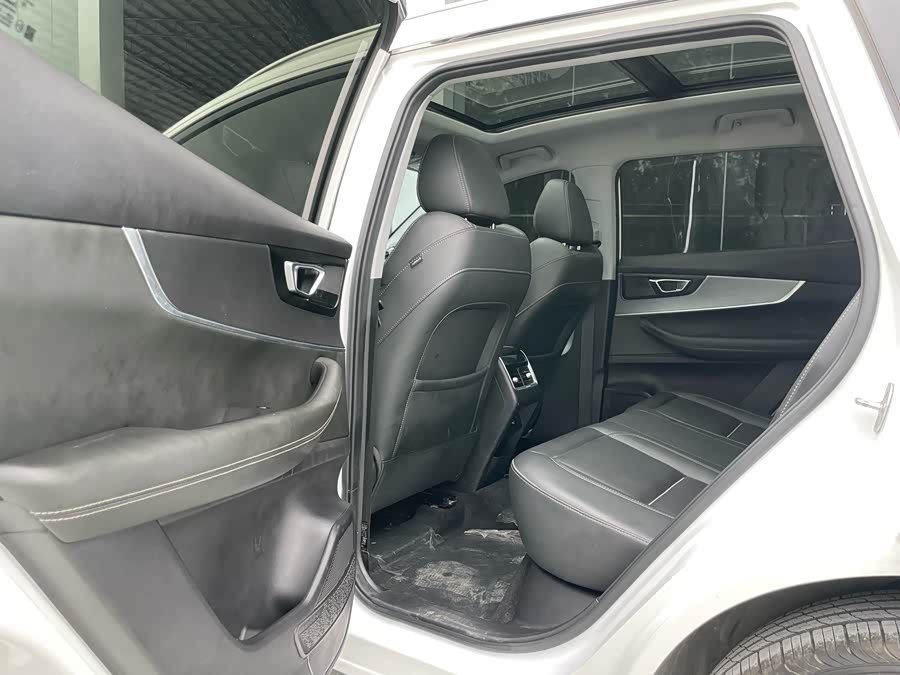
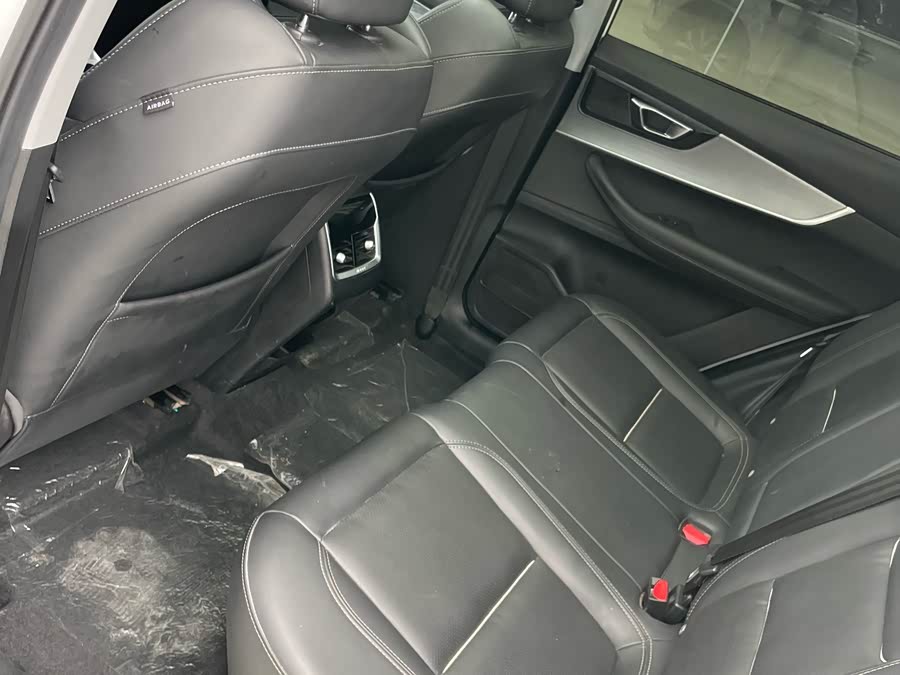
very good

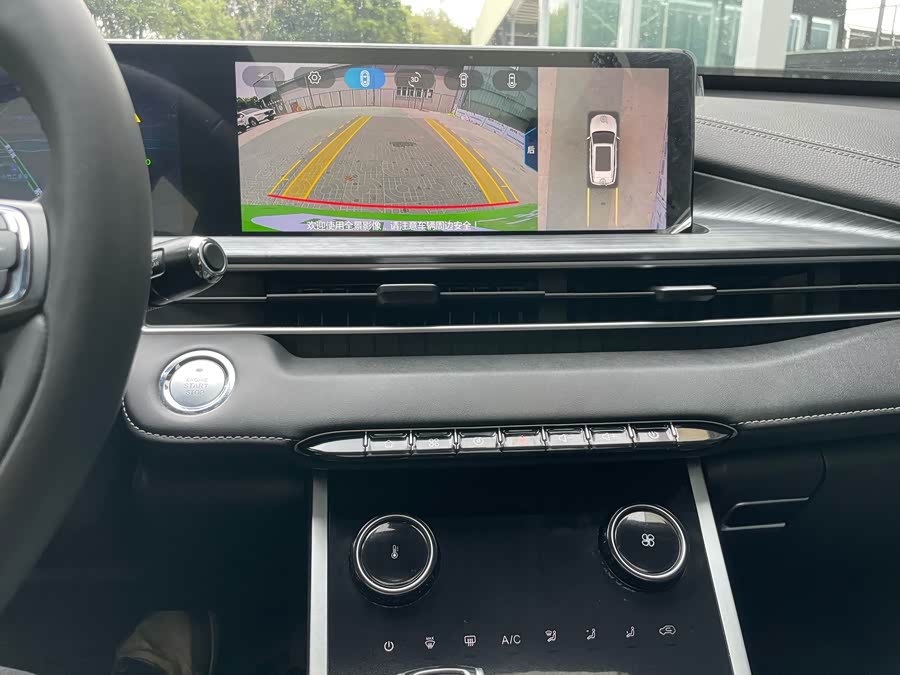
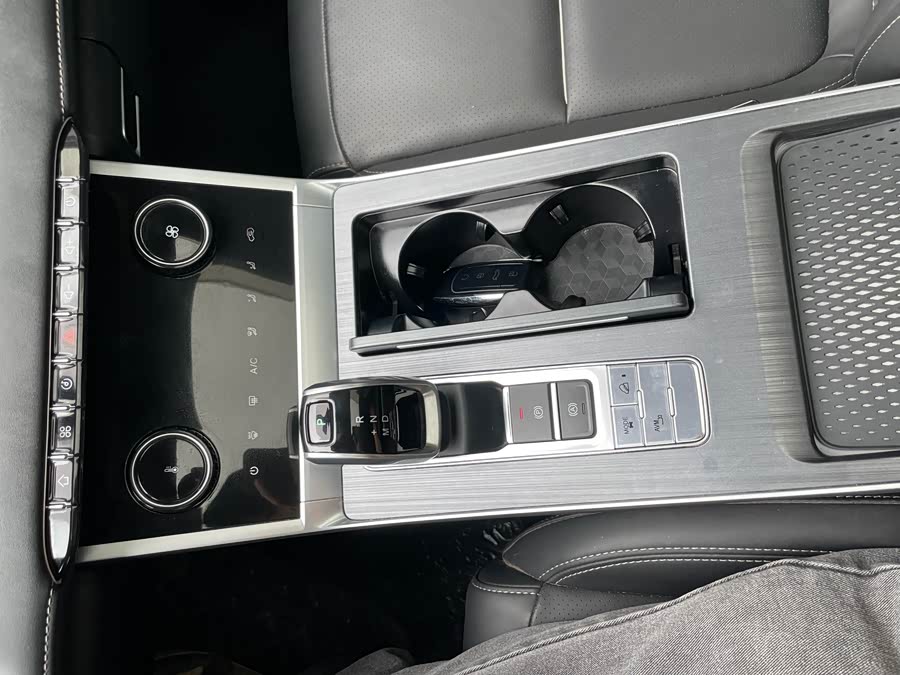
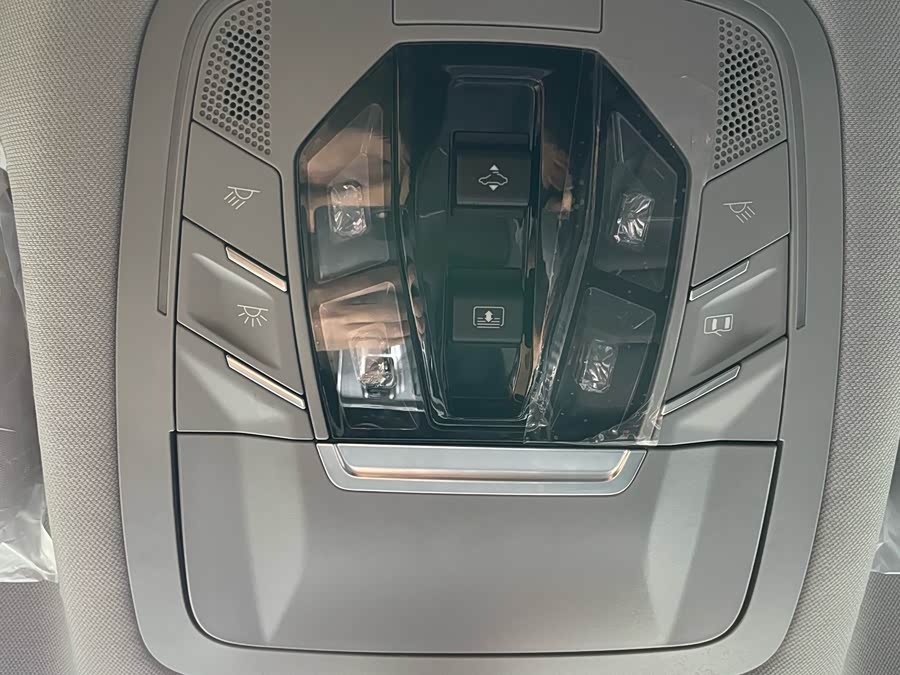
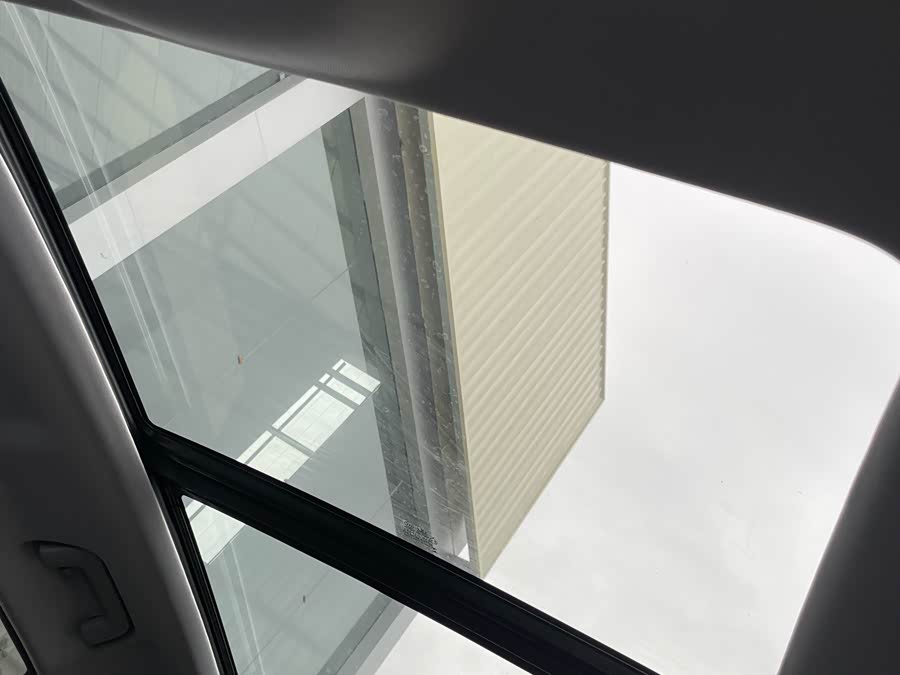
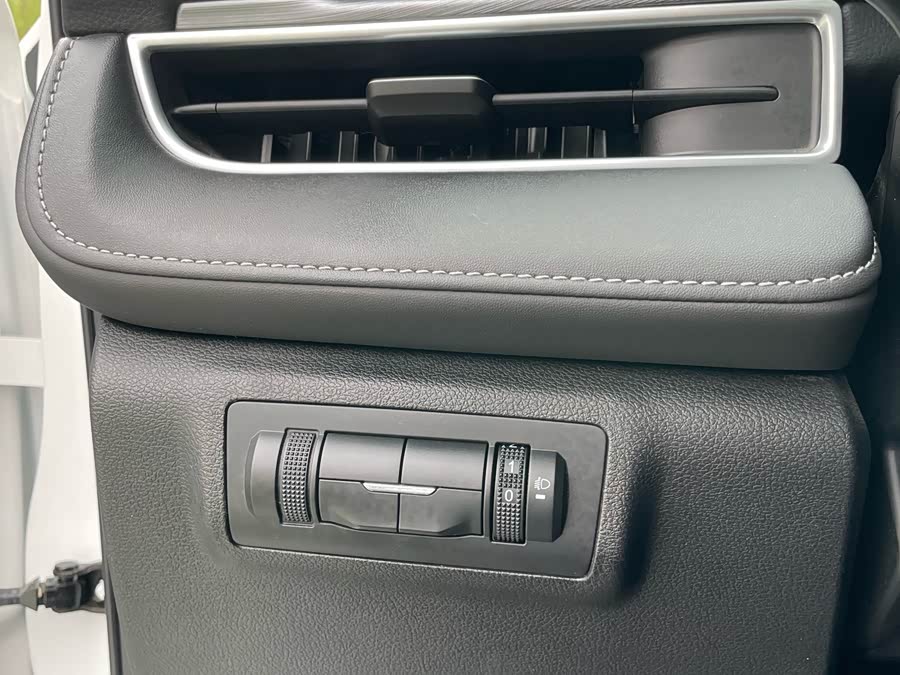
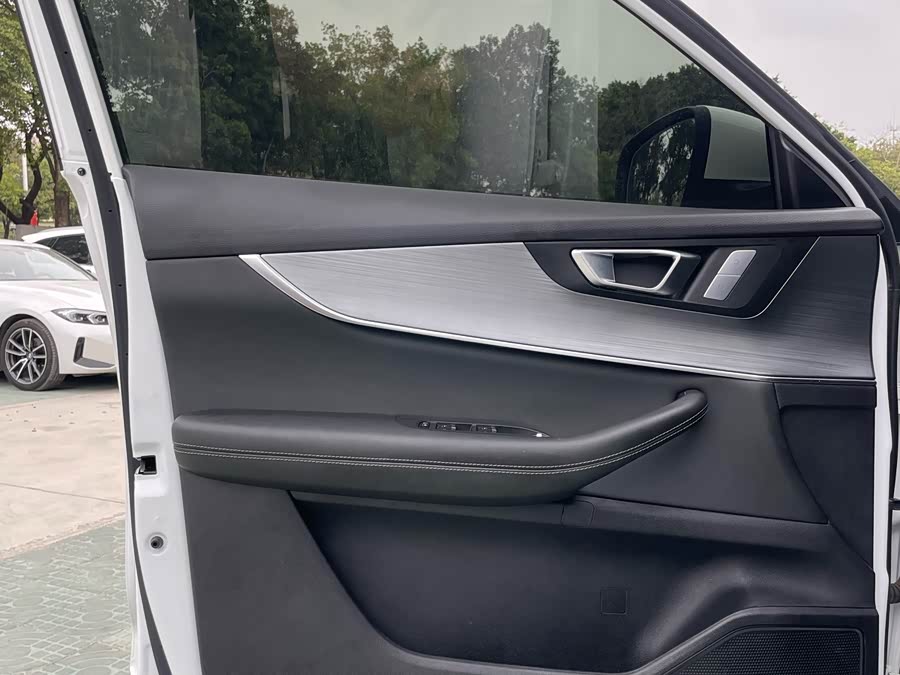
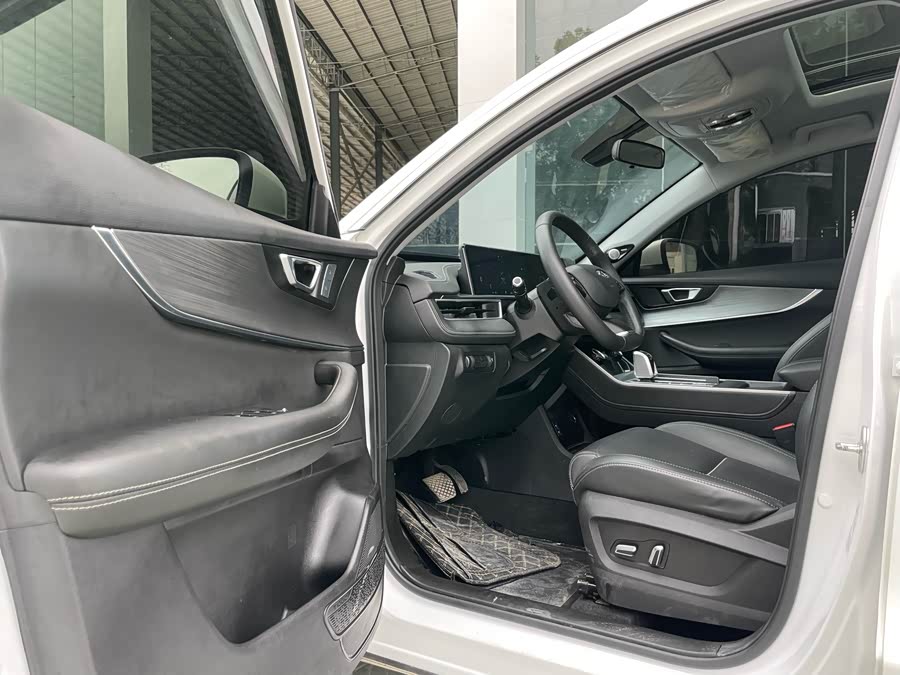
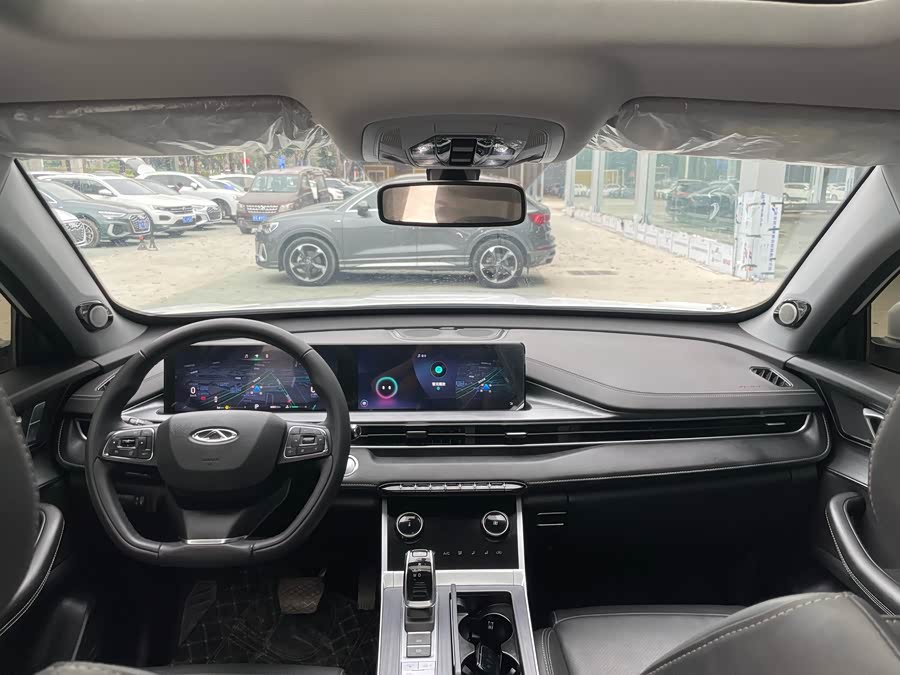
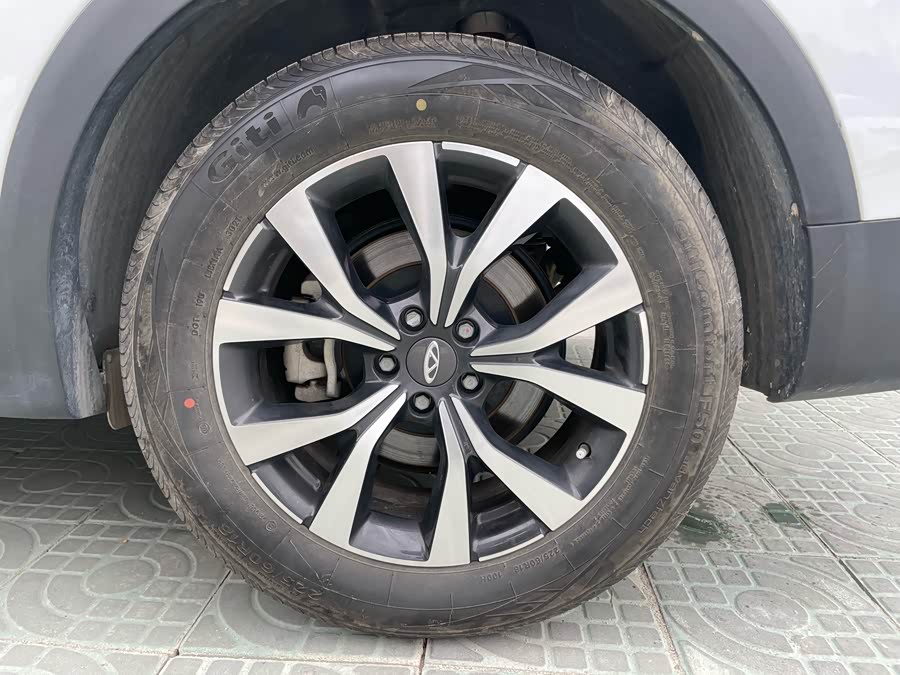
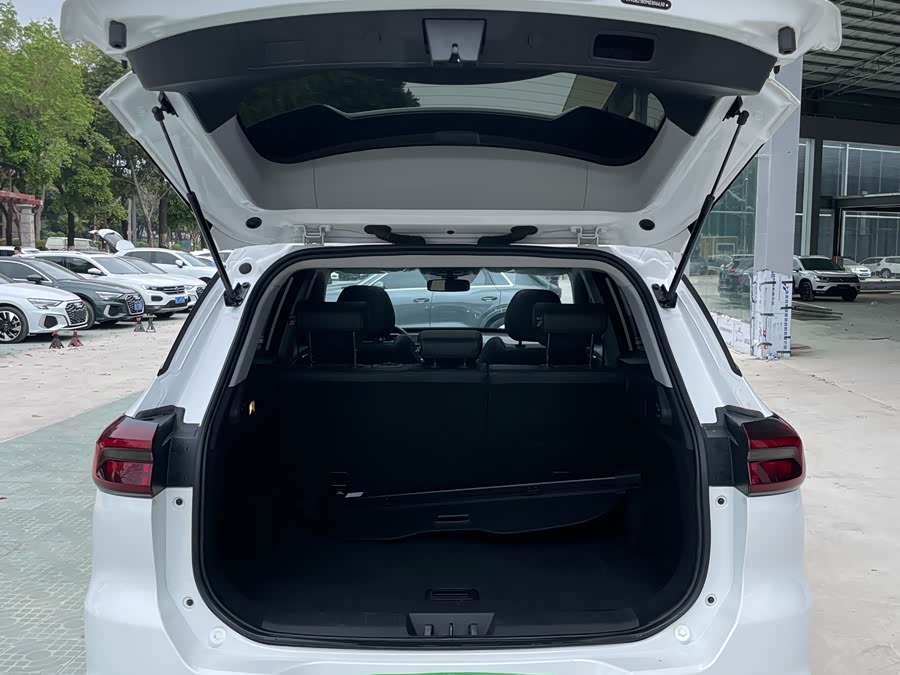
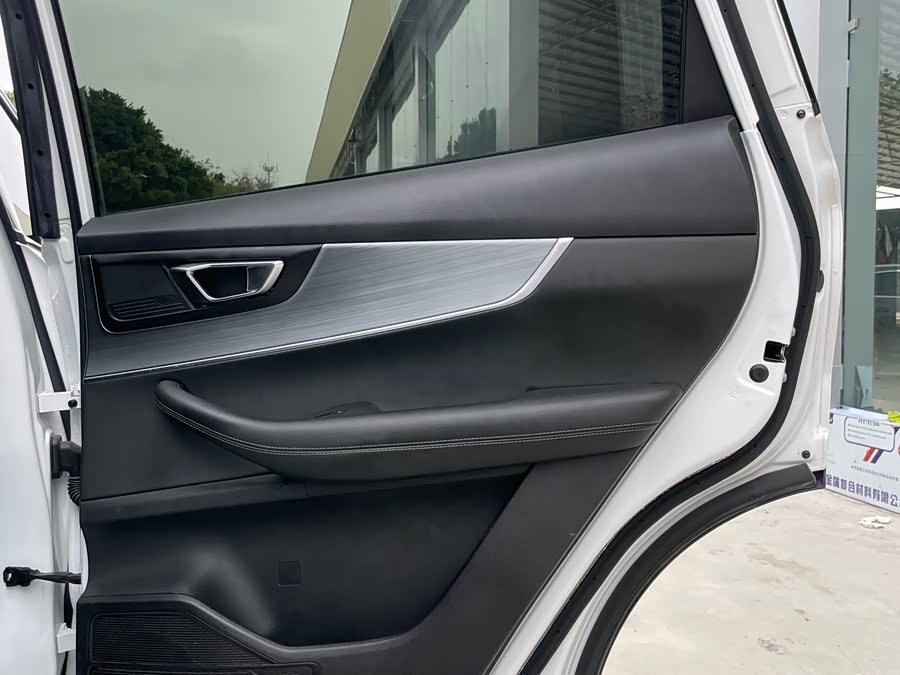
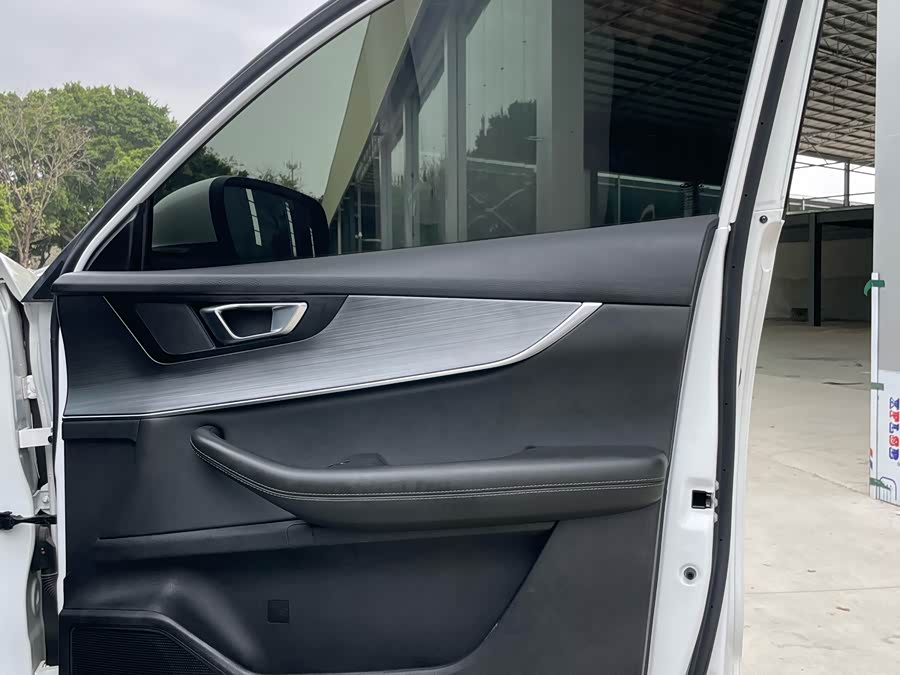
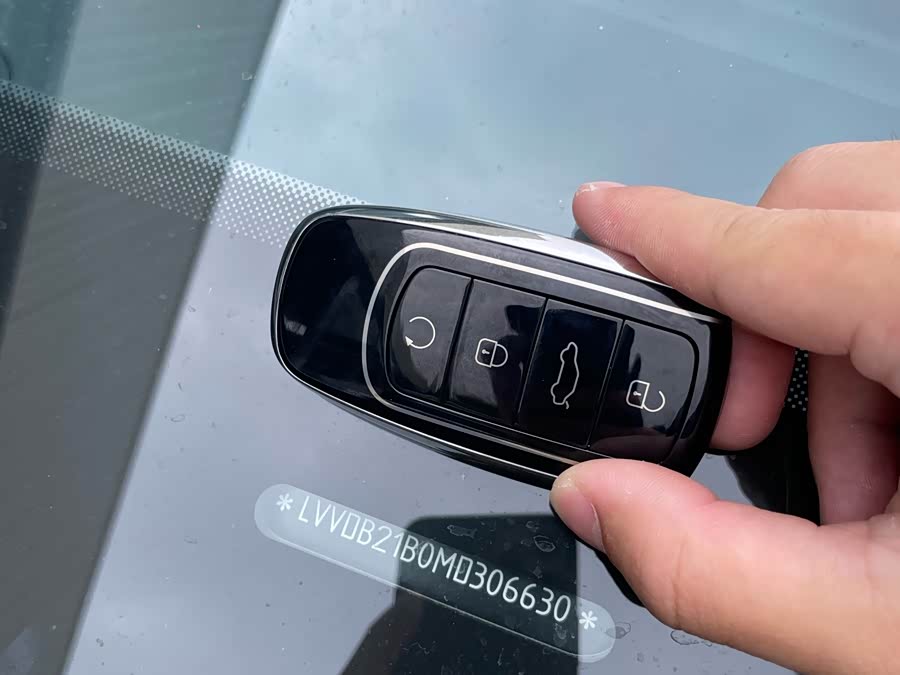
【Vehicle Identification Number】306630 【Vehicle Name】2021 Chery Tiggo 7 PLUS 1.5T CVT Premium Edition 【Drive Type】Dual Zone 【Color】White 【Manufacture Date】21.10 【Mileage】8,000 km 【Engine Displacement】1.5T 【Condition】Original Paint 【Keys】2 【Insurance】27.1 million RMB 【Origin】Guangzhou 【Additional Features】Heated Seats 【Vehicle Configuration】18-inch Wheels, Active and Passive Safety Systems, Tire Pressure Monitoring System, Rear Parking Sensors, 360° Panoramic View, Panoramic Sunroof, 12.3-inch Central Control Screen, Mobile App, Power Driver's Seat, Heated Seats

Configuration Highlights

ISOFIX Child Seat Anchors
Auto Hold
Keyless Start System
Digital Instrument Cluster
Bluetooth/Hands-free
Connected Car
OTA Updates
Cornering Lights
PM2.5 Air Filter
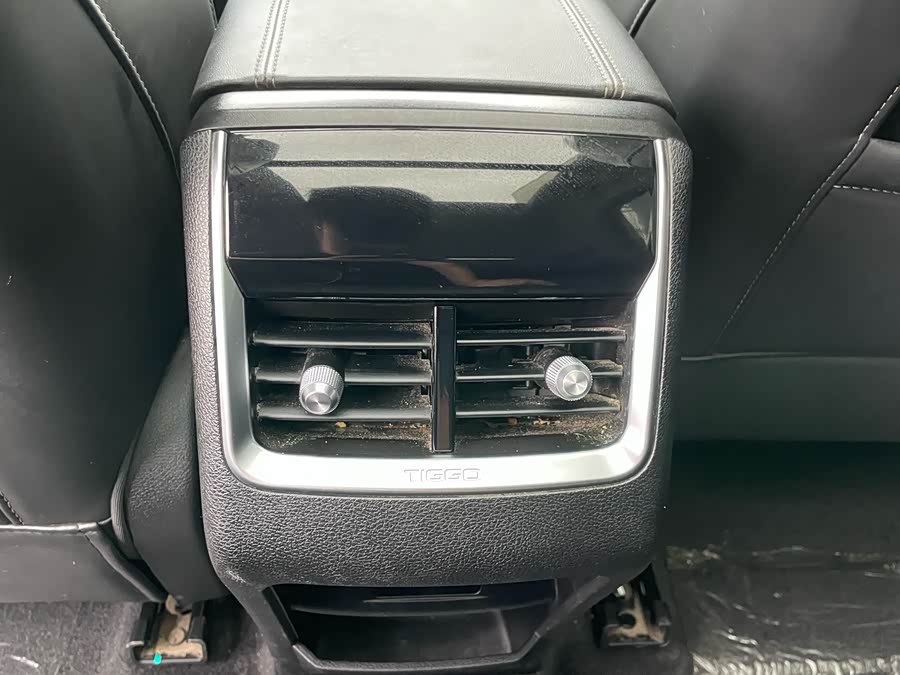
Rear Air Vents

Accident & Maintenance Records

Accident Record

🔗 Open Link

Maintenance Record

🔗 Open Link

Document Information

Inspection Expiry Date2027/11
Warranty Expiry Date-
Insurance Expiry Date2026/11

Q&A

More

After the vehicle arrived at the port, it was found that the rubber parts of the chassis (such as dust covers and engine mounts) had extensive cracking. Does this fall under the compensation for "certain repair parts compensation"?

Absolutely not. The aging and cracking of rubber parts are inevitable over time and are a normal manifestation of vehicle depreciation. Our compensation only covers sudden and catastrophic mechanical failures, such as engine cylinder scoring or transmission gear breakage.

Why do some low-mileage, relatively new "almost new cars" get sold by their original owners?

There are various reasons, including but not limited to: financial needs, restrictions from lottery policies, moving abroad, or dissatisfaction with certain features of the vehicle. We will ensure that the vehicle was not sold due to catastrophic failures by ruling out major accidents, water damage, and flooding.

When checking the history records, can you distinguish whether the vehicle was involved in a "single-vehicle accident (like hitting a wall)" or a "multi-vehicle rear-end collision"?

If insurance claims records are accessed, there will usually be notes like "the insured vehicle is fully responsible for hitting a fixed object" or "third-party liability insurance payment." We can roughly reconstruct the accident scene based on this and cross-verify the stress points on the vehicle's frame with paint thickness gauge data.