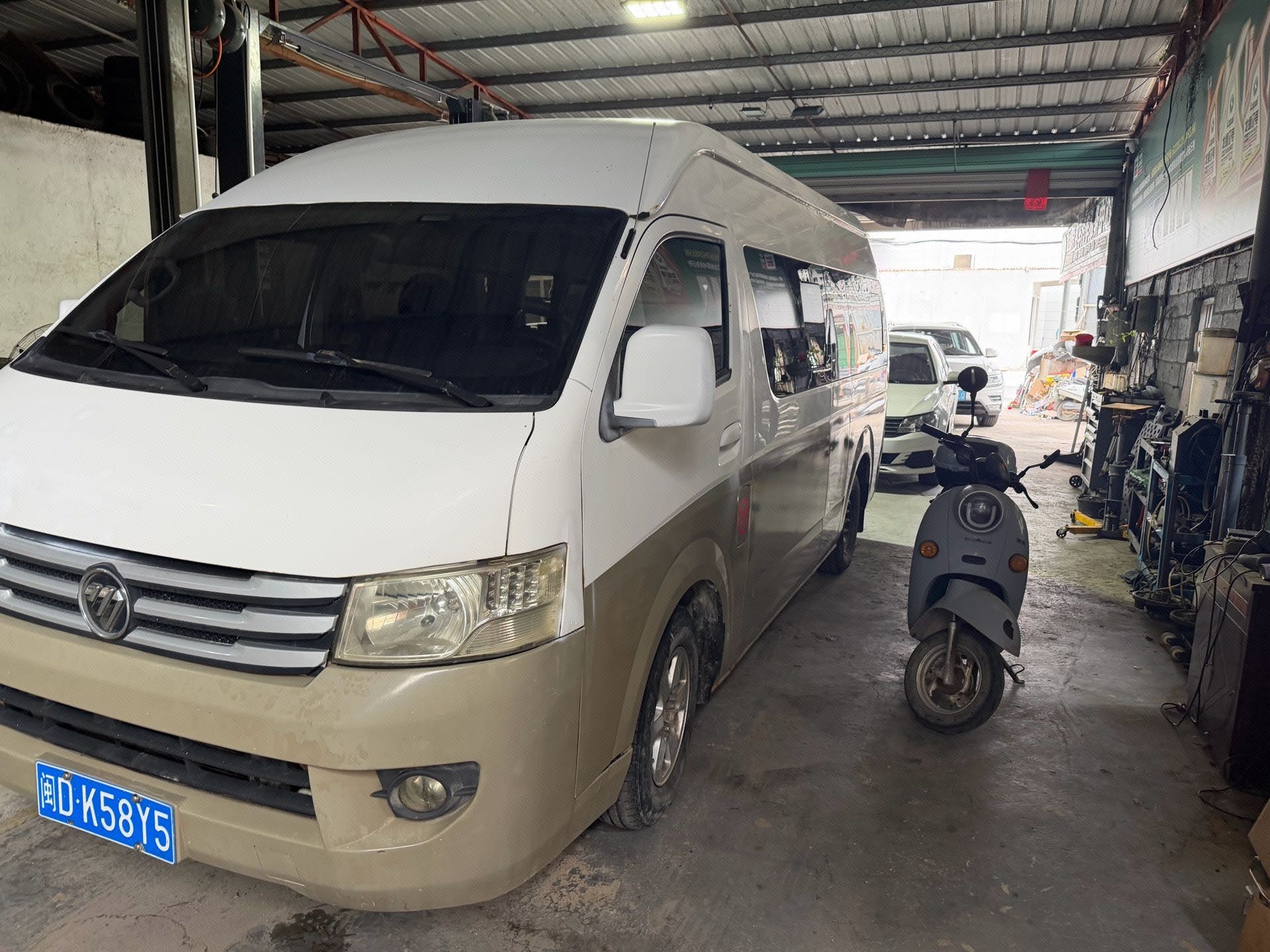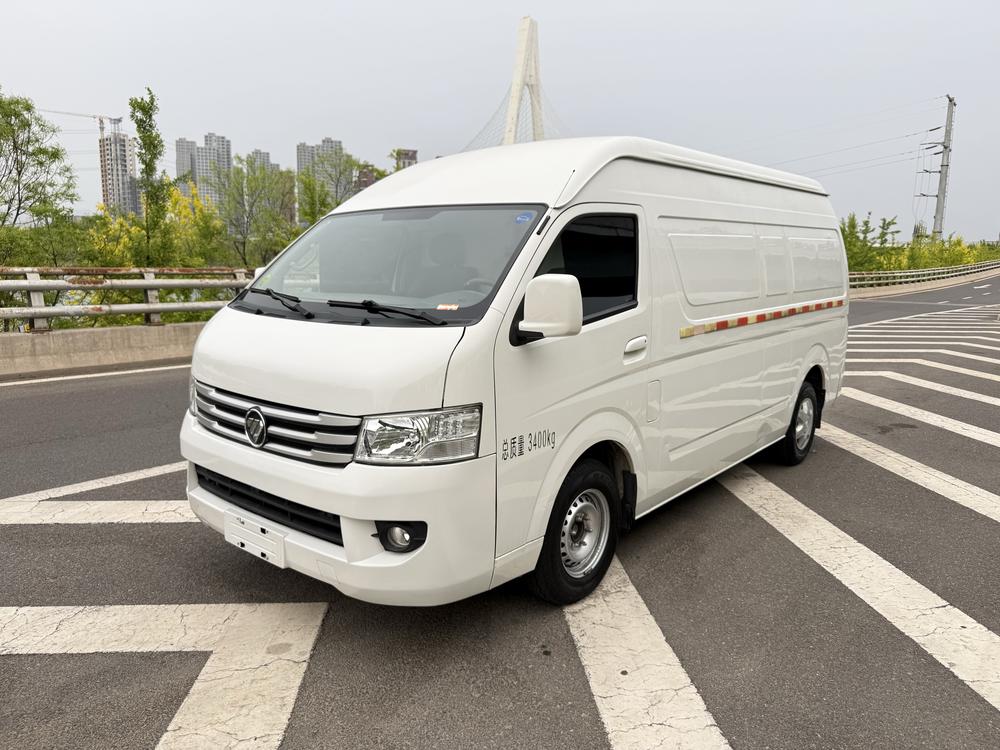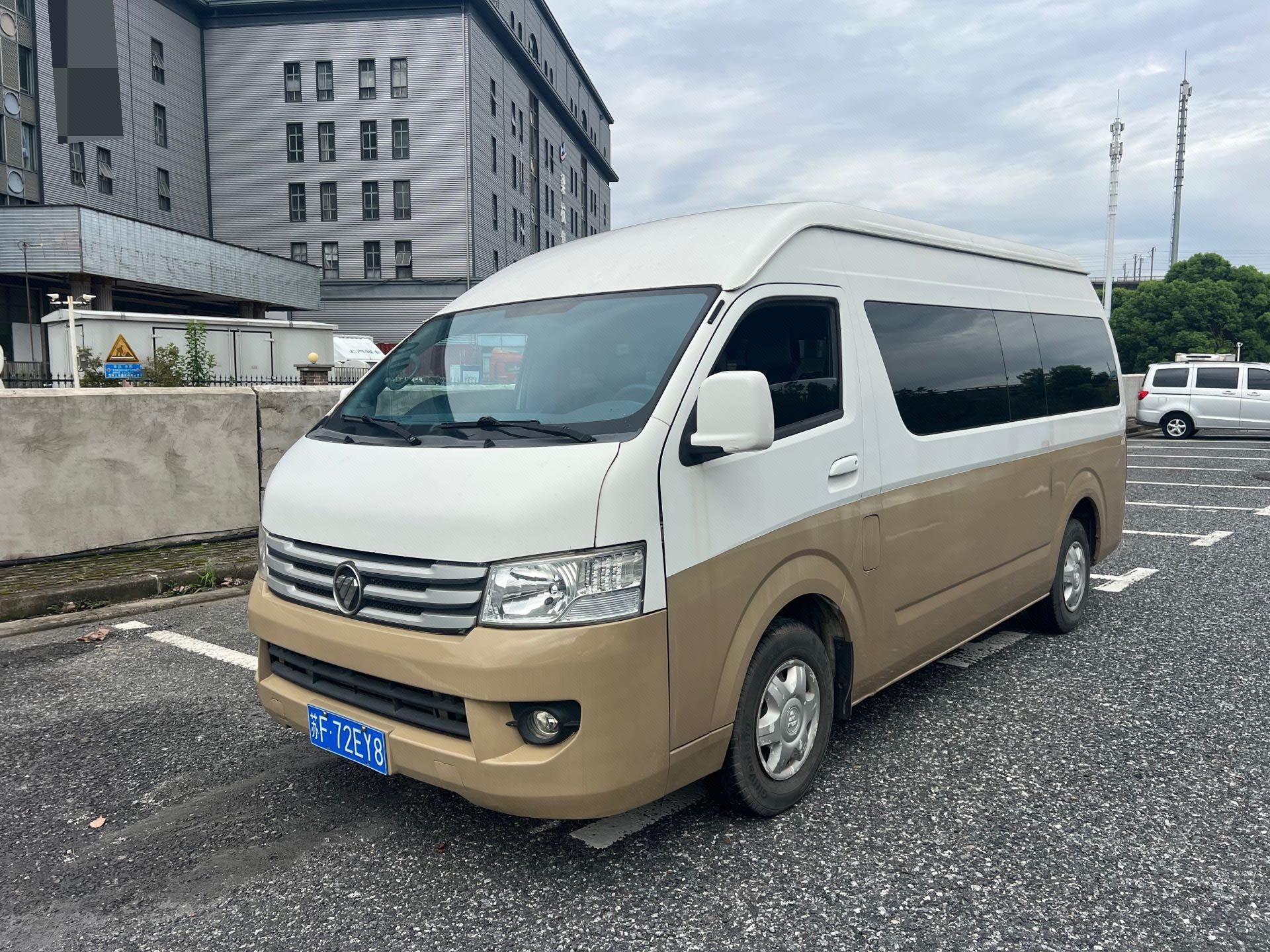

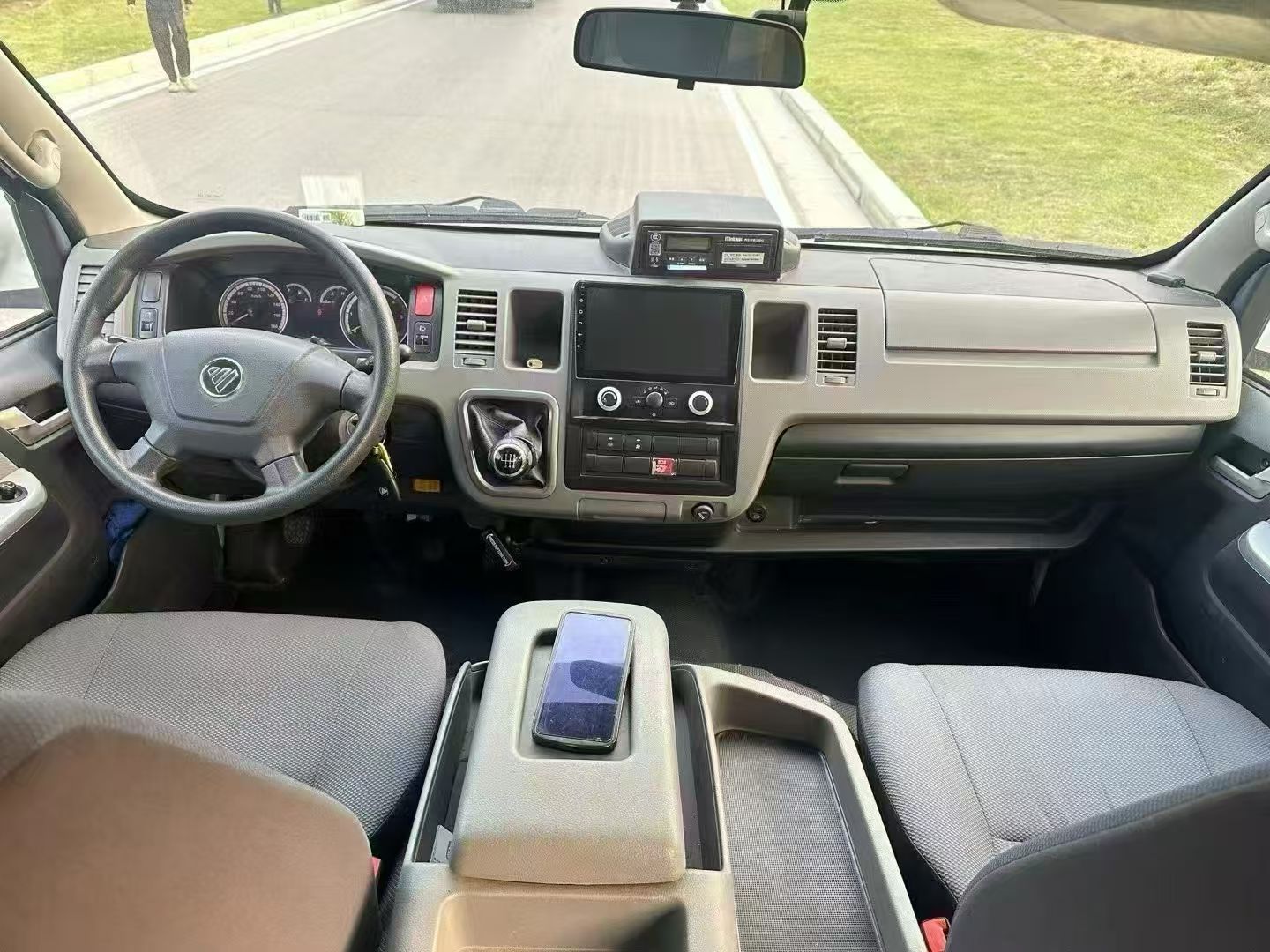


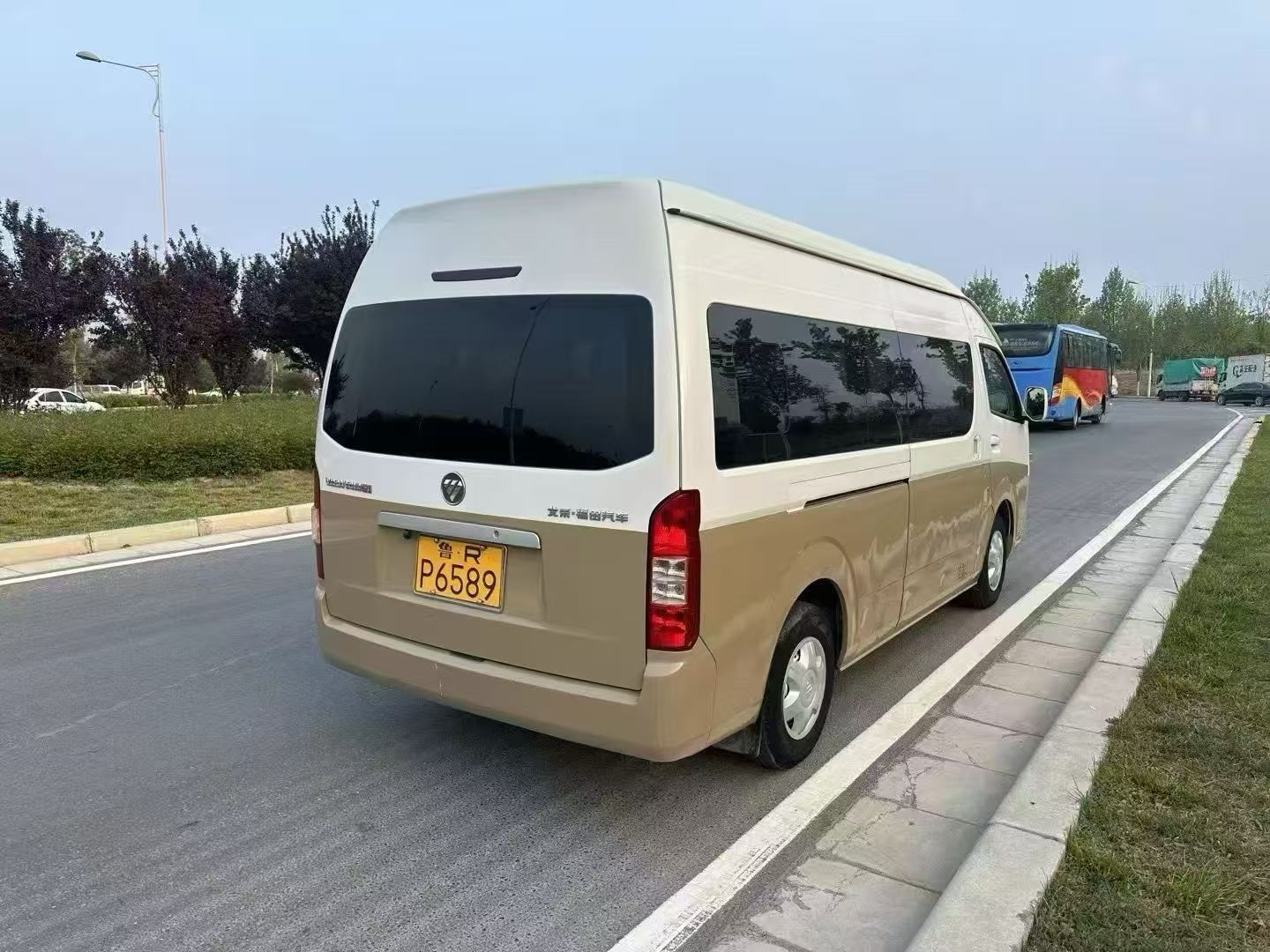




Basic Information

Brand-
Series-
Year2017
First Registration2017/05
Mileage132,000km
Transfer Count0times
FuelDiesel
TransmissionManual
Engine2.8T 110 L4
ColorWhite
Seats-

Condition Description

Original

Q&A

More

How can I judge the real mechanical condition of a used car from China without seeing it in person?

Remote mechanical assessment relies on documented evidence: 1. Cold-start video: Ask for a video of the engine starting from cold — listen for rattles, watch for smoke (blue = oil burning, white = possible head gasket issue). 2. OBD scan: A full diagnostic scan reveals fault codes in the engine, gearbox, and electronics. Request the raw scan report, not a screenshot summary. 3. Service records: Cross-check mileage against maintenance records and inspection stickers; consistent records indicate a cared-for car. 4. Fluid check: Photos of the oil dipstick and coolant color tell a lot — milky oil or rusty coolant are red flags. 5. Test drive video: A short drive video shows gear shifts, braking, and steering behavior. Combine these with the pre-shipment inspection report. A seller who refuses to provide cold-start video or OBD data is a warning sign.


What is a Certificate of Origin and why do I need one when importing a car from China?

A Certificate of Origin (C/O) is an official document stating where the vehicle was manufactured. Customs authorities use it to decide which tariff rates and trade agreements apply to your import. Why it matters: many countries offer preferential tariffs for certain origins. With a valid C/O, such as the ASEAN-China Form E or a GSP Form A, you may pay reduced or zero duty. Without it, you typically pay the standard, higher rate. The certificate must match the vehicle exactly: VIN, make, model and invoice details. It is usually issued by the China Council for the Promotion of International Trade (CCPIT) or customs authorities. Practical tips: request the C/O before shipment, because adding it later is slow; check that your country's customs accepts the specific C/O format; and confirm with your broker whether your vehicle category qualifies for preferential rates. This single document can save you thousands in duty.

What seasonal factors should I consider when scheduling my car's shipment from China?

Timing your shipment can save money and avoid delays. Peak season: August to October and the weeks before Chinese New Year are the busiest—rates rise and space is tight, so book 3-4 weeks ahead. Chinese New Year (late January or February) shuts down factories and ports for about two weeks. Weather: summer brings typhoons to South China ports such as Shenzhen and Guangzhou, which can delay departures; winter fog affects northern ports like Tianjin and Qingdao. Consider the destination too: shipping to Europe or the Gulf during winter is fine, but if your car will travel by rail or road through Central Asia, deep-winter departures face cold-weather handling requirements and slower border crossings. Practical tip: if you're not in a hurry, shipping in the off-season (March to June) is usually 10-20% cheaper. Always confirm the vessel's estimated departure and arrival dates in writing, and ask for tracking once the car is loaded.