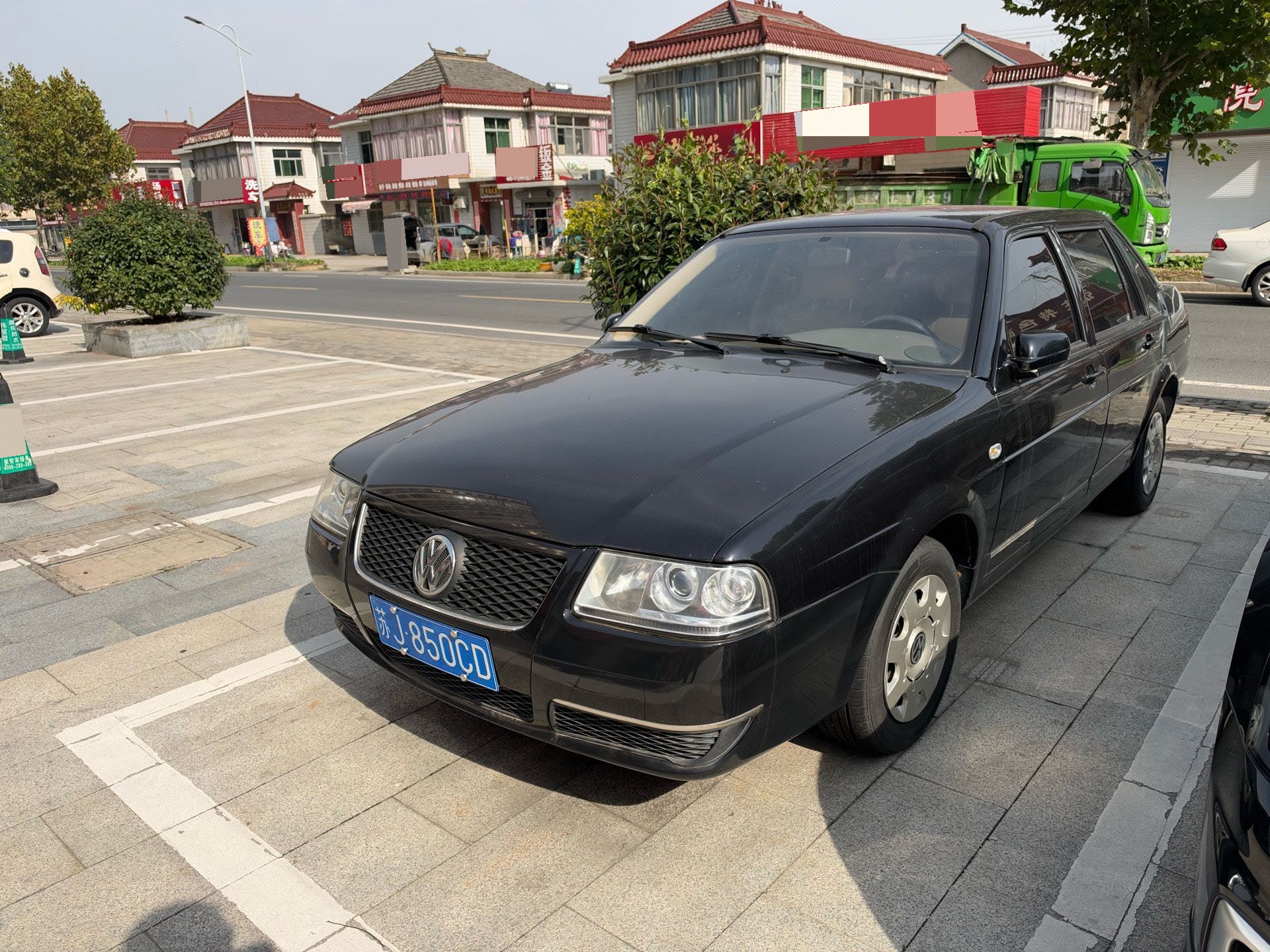
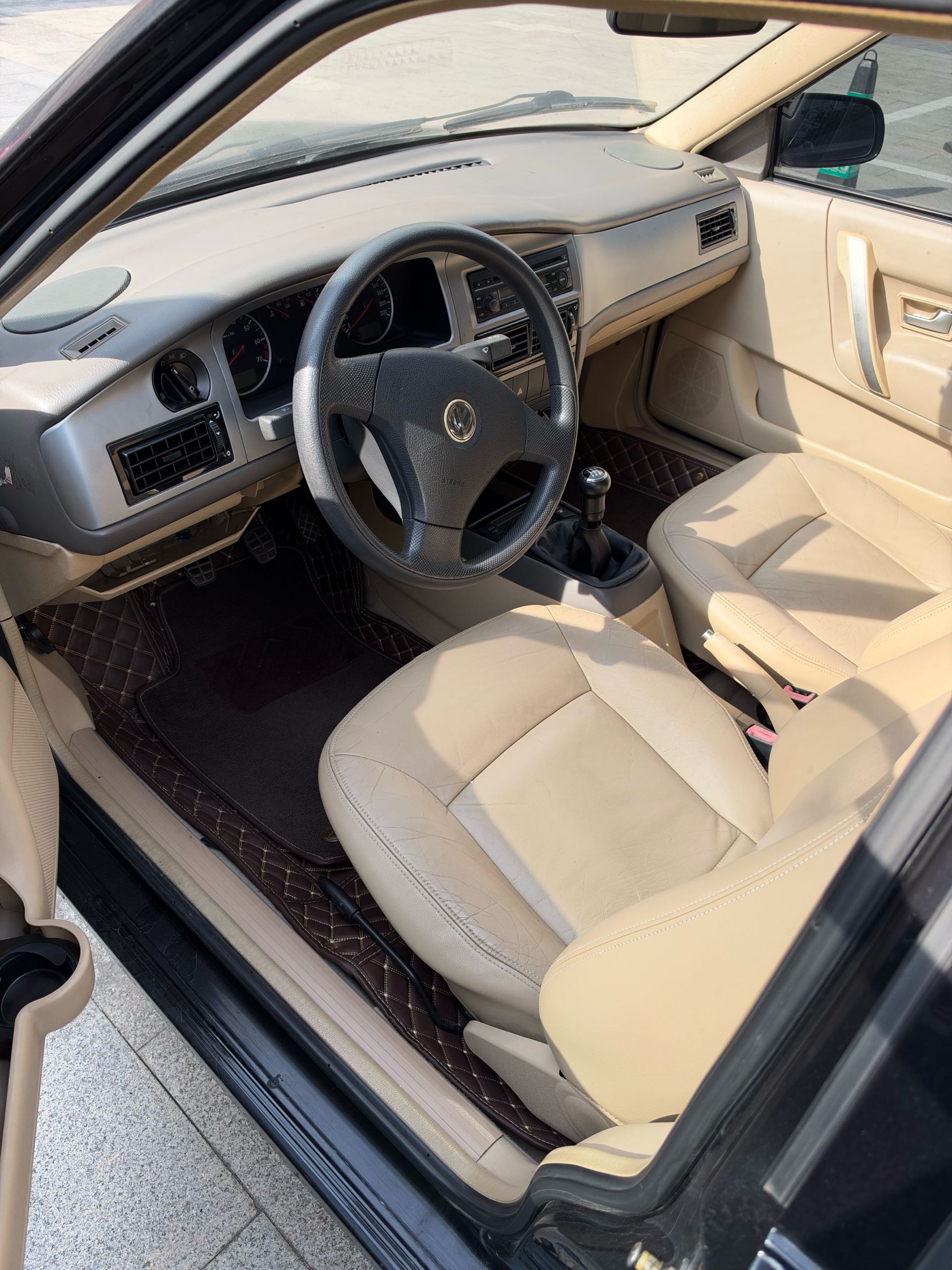
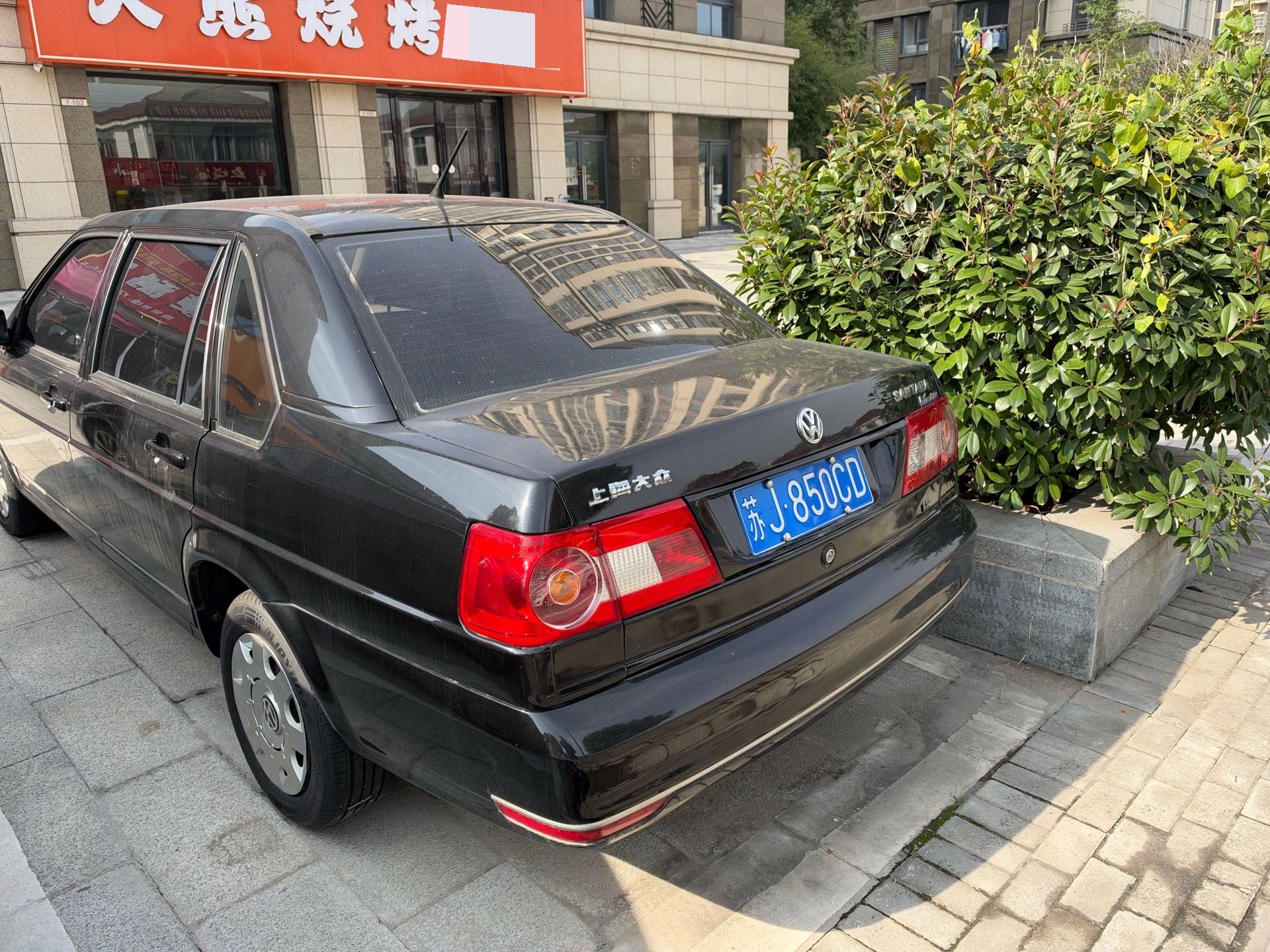
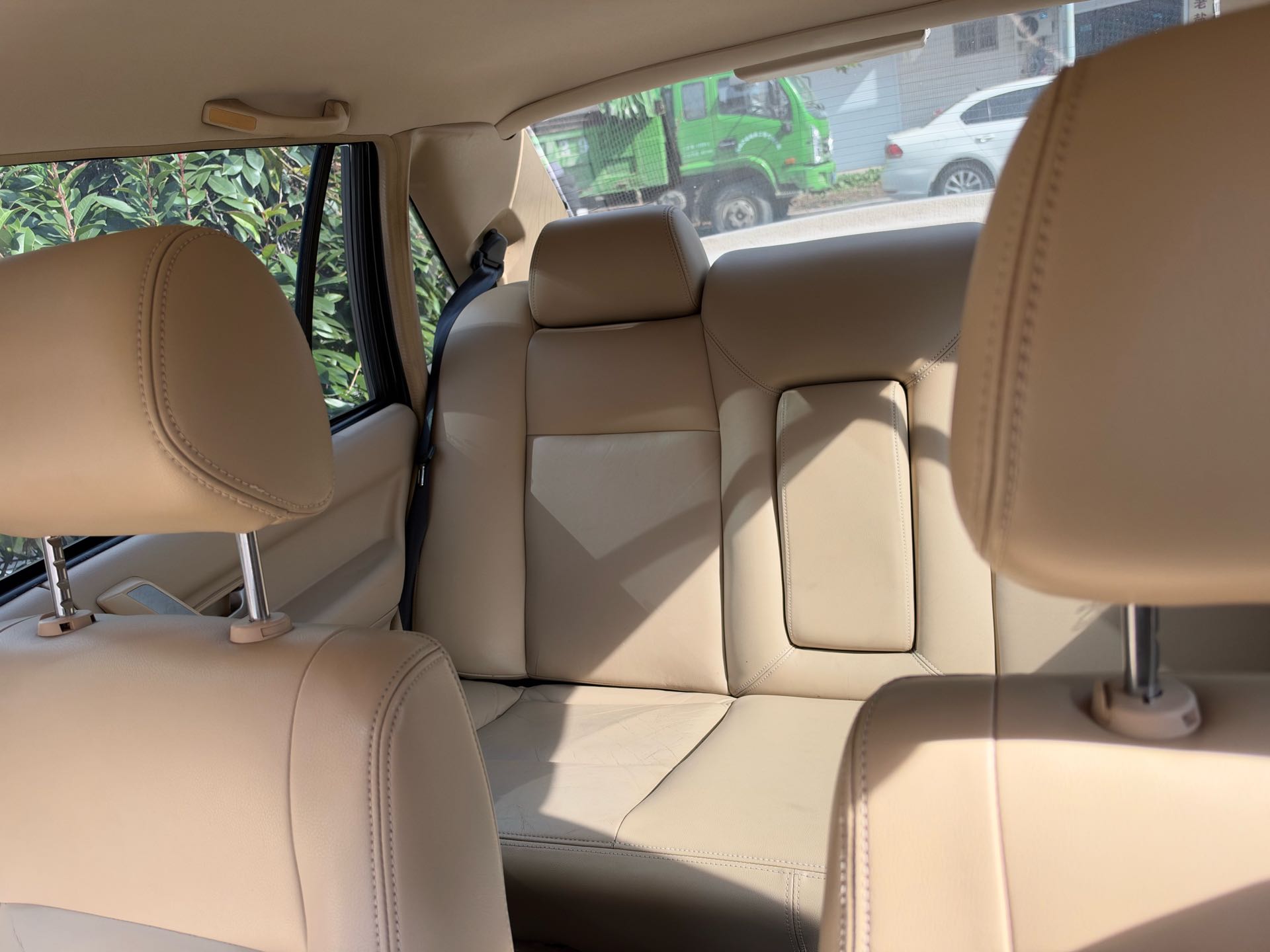
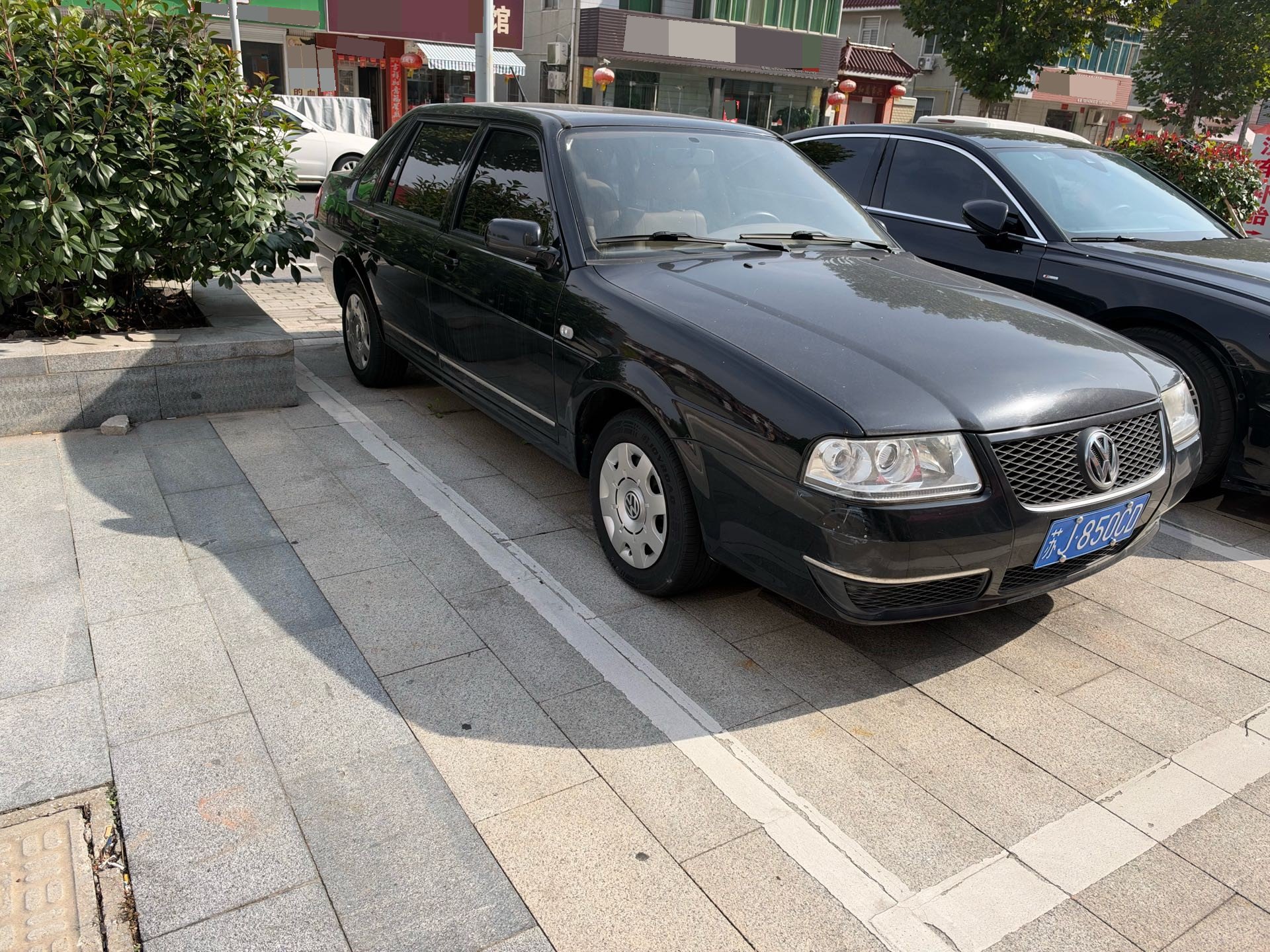



Basic Information

Brand-
Series-
Year2012
First Registration2012/08
Mileage100,000km
Transfer Count0times
Fuel-
Transmission-
Engine-
ColorBlack
Seats-

Document Information

Inspection Expiry Date-
Warranty Expiry Date-
Insurance Expiry Date2027/08

Q&A

More

What should a purchase contract with a Chinese used-car exporter include to protect me?

A solid contract is your main protection in a cross-border deal. It should specify: 1. Vehicle identification: VIN, year, mileage, trim level, and photos of the actual car appended as an annex — not just「a 2021 Toyota」. 2. Condition guarantees: no accident, no flood or fire damage, no structural repairs, supported by a third-party inspection report referenced in the contract. 3. Price and Incoterm: total amount, currency, the named port, and whether freight and insurance are included. 4. Payment schedule: e.g., 20–30% deposit after contract signing, balance against copy of the Bill of Lading. Avoid 100% upfront. Use T/T to the company's corporate bank account only — never a personal account. 5. Timeline: inspection date, estimated loading date, and latest shipment date, with remedies if delayed. 6. Dispute clause: governing law and arbitration (CIETAC or your local chamber) rather than foreign court litigation. Ask for the contract in English (or bilingual) with the supplier's company chop. A company that refuses a written contract or pushes for full prepayment is a red flag.


What does the real landed cost of importing a used car from China look like, and which line items do buyers most often underestimate?

A realistic landed cost has five layers: the car price, export-side fees (deregistration, export license, inland trucking to the port), international freight and insurance, destination duties and taxes, and local charges (port handling, inspection, registration). Buyers most often underestimate three items. First, destination duties are calculated on the customs value, which may include freight, so a cheap car can still attract significant tax. Second, port and terminal charges at both ends add up; demurrage fees apply quickly if documents are late. Third, compliance costs such as homologation, emissions testing, or translation of documents can run into hundreds of dollars depending on the country. Ask every exporter for a written, itemized quote to your port, not just an FOB price, and keep a 5% contingency. Quotes that look unusually cheap usually hide costs in the freight or handling lines.

Which electrical features should I test remotely before buying a used Chinese car—windows, sunroof, infotainment, sensors?

Electrical faults are among the most annoying problems to discover after import, because they rarely stop the car from running. Ask the seller for a live video walkthrough testing each item: all four windows up and down, sunroof open/close, central locking (including with the key and remote), infotainment touchscreen, Bluetooth pairing, all cameras (reversing and 360-degree if fitted), parking sensors, interior and exterior lights, and the horn. Also watch the dashboard during startup: every warning light should illuminate briefly and then go out. A light that never appears, or stays on, tells you something needs attention. Pair this with an OBD scan to catch stored fault codes the seller might not mention. If a feature "only works sometimes," assume it is broken and price the repair into your offer.

大众 2009款 桑塔纳 志俊 1.8 舒适版 手动挡

大众 2009款 桑塔纳 志俊 1.8 舒适版 手动挡

EXW: $2,273
Car CodeSWA1905616
Publish Date2026/11/11
