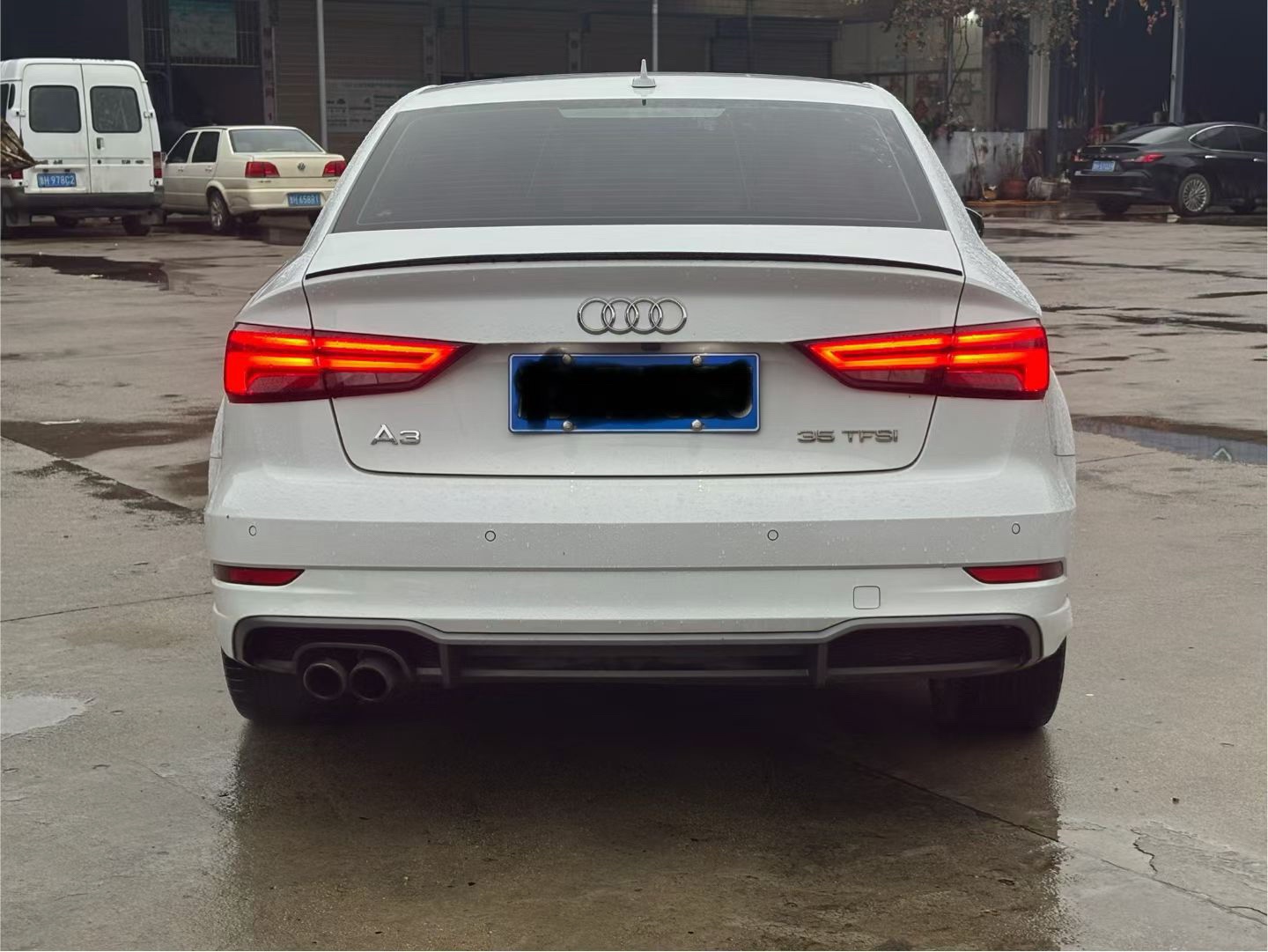



24H

Basic Information

Brand-
Series-
Year2018
First Registration2018/09
Mileage93,000km
Transfer Count0times
Fuel-
Transmission-
Engine-
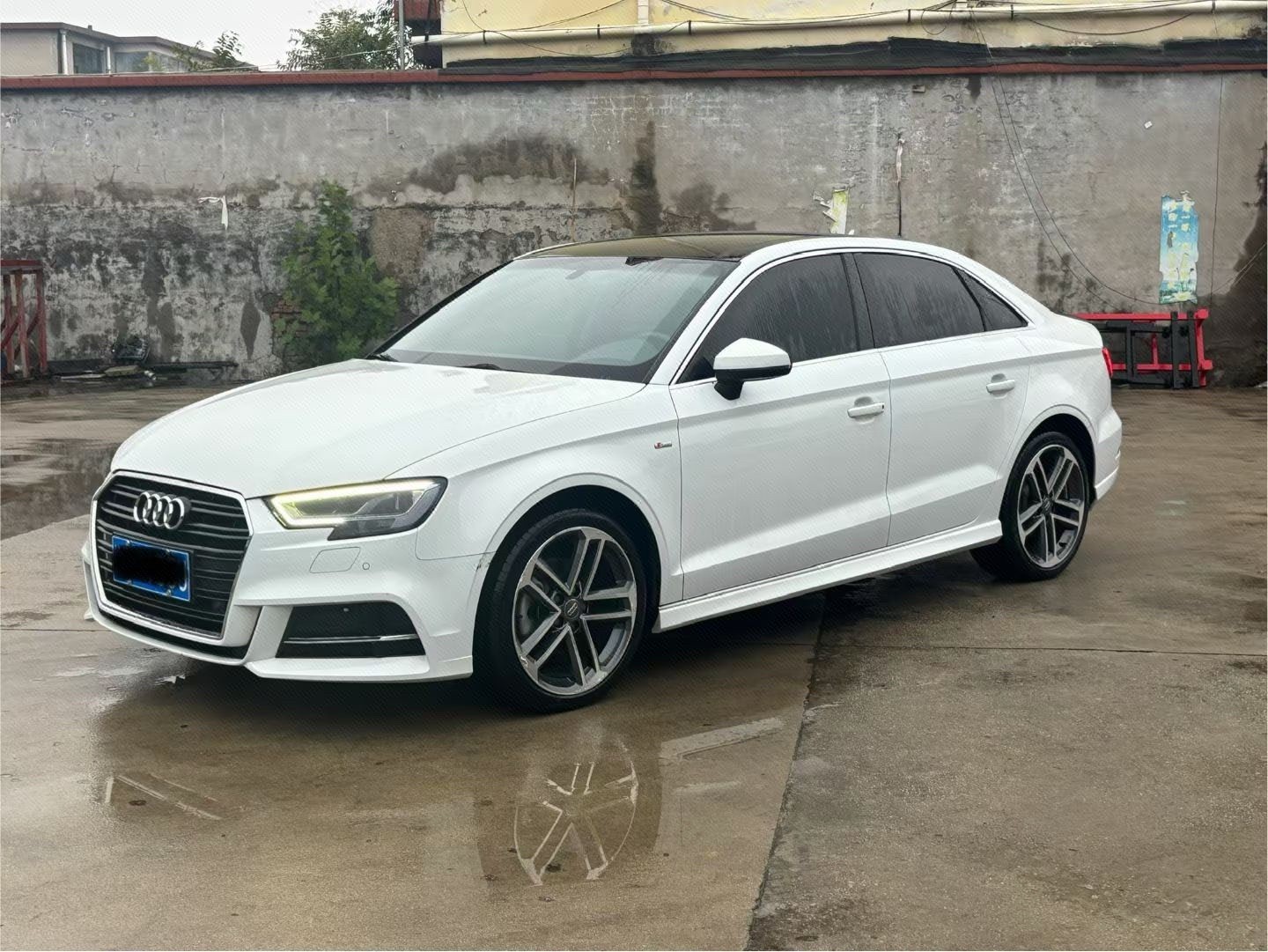
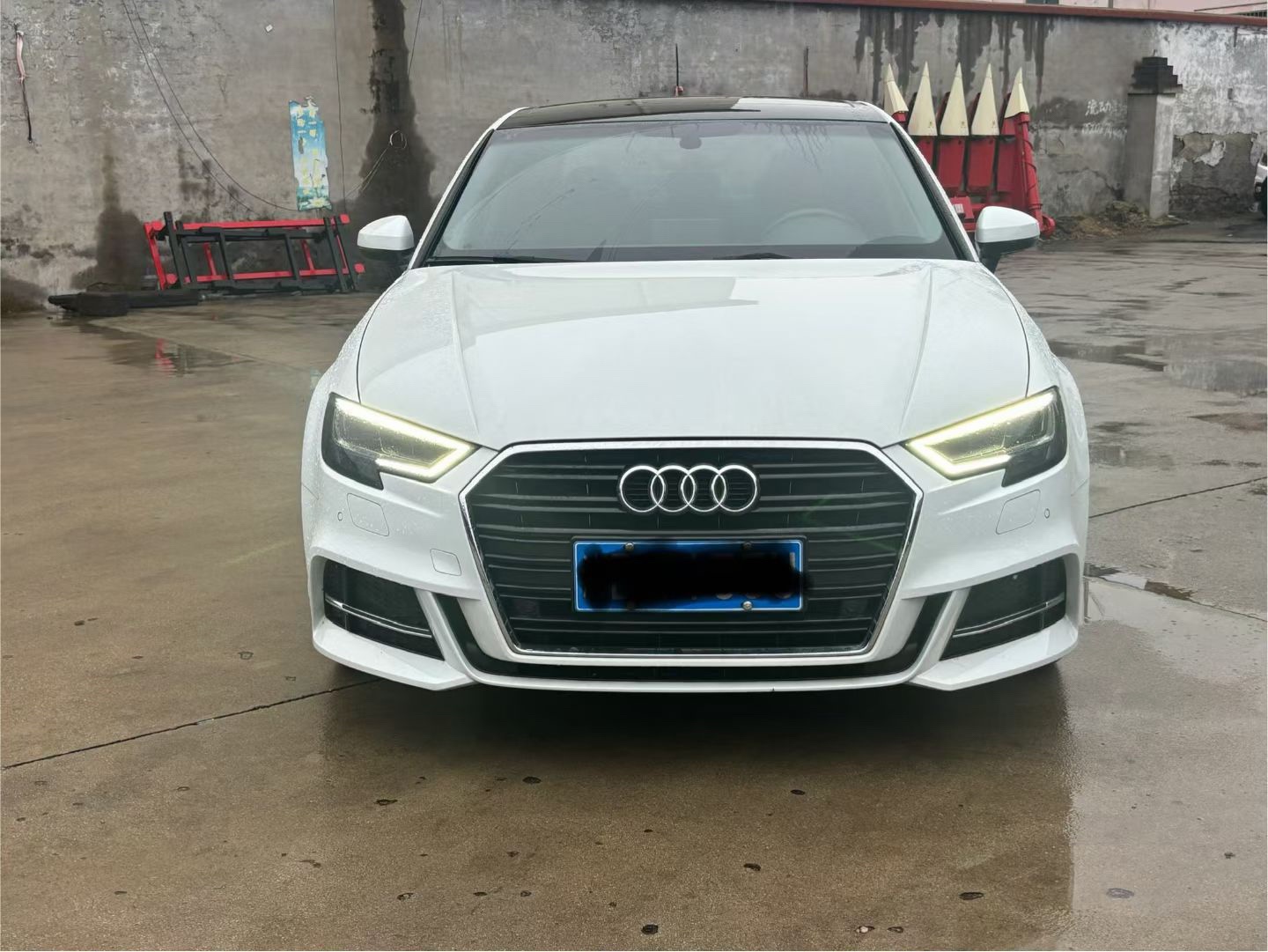
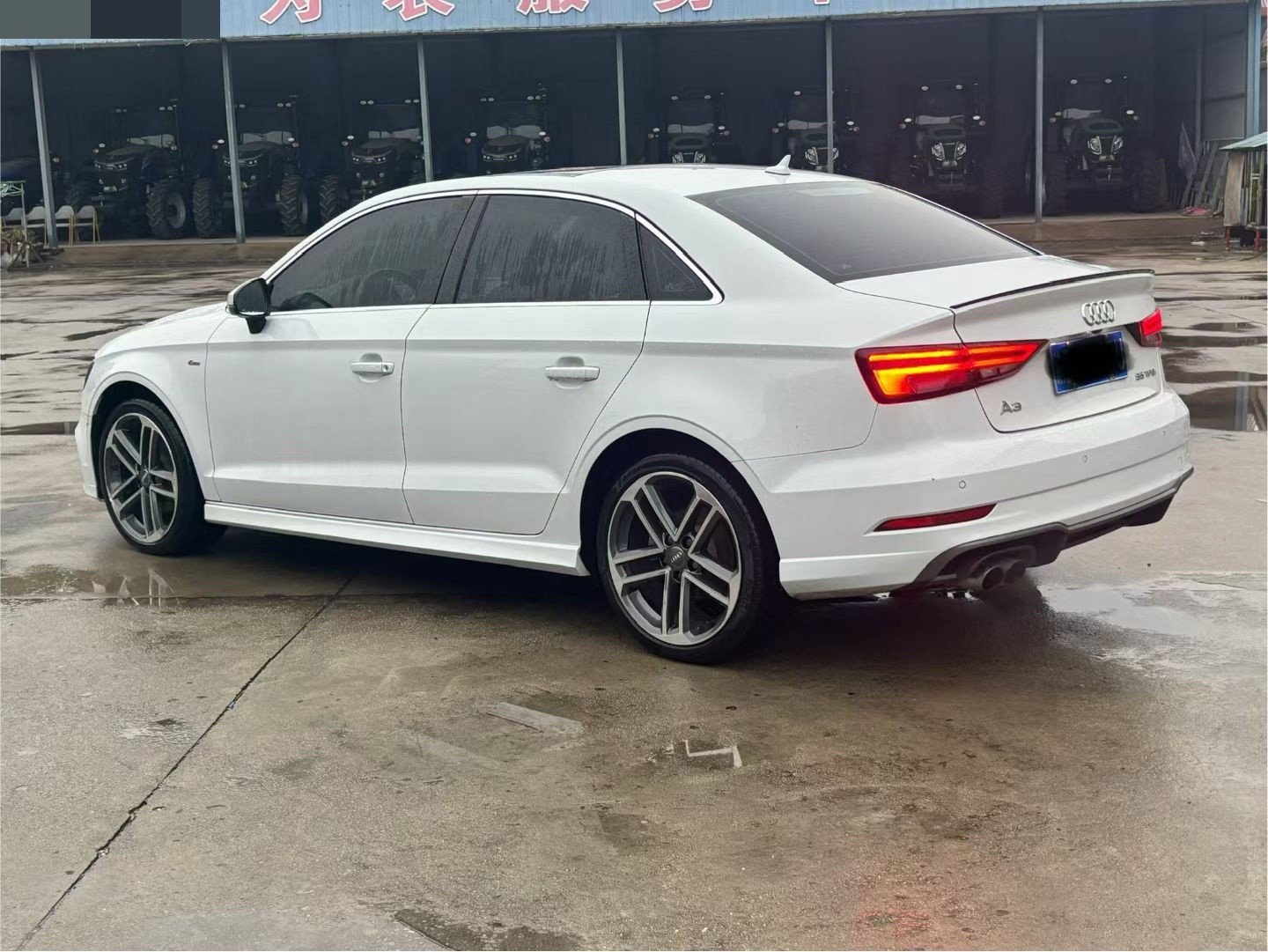
ColorWhite
Seats-

Condition Description

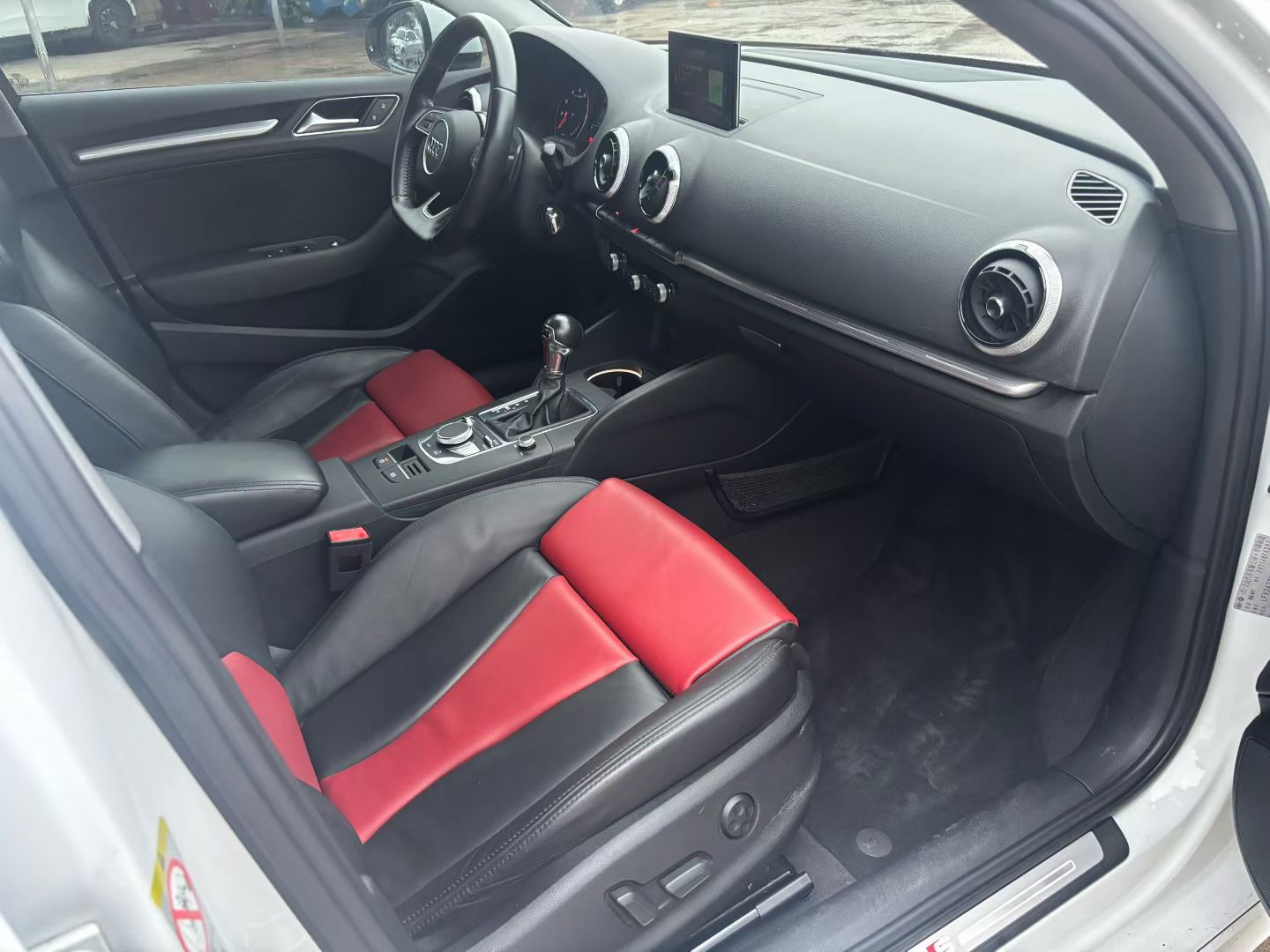
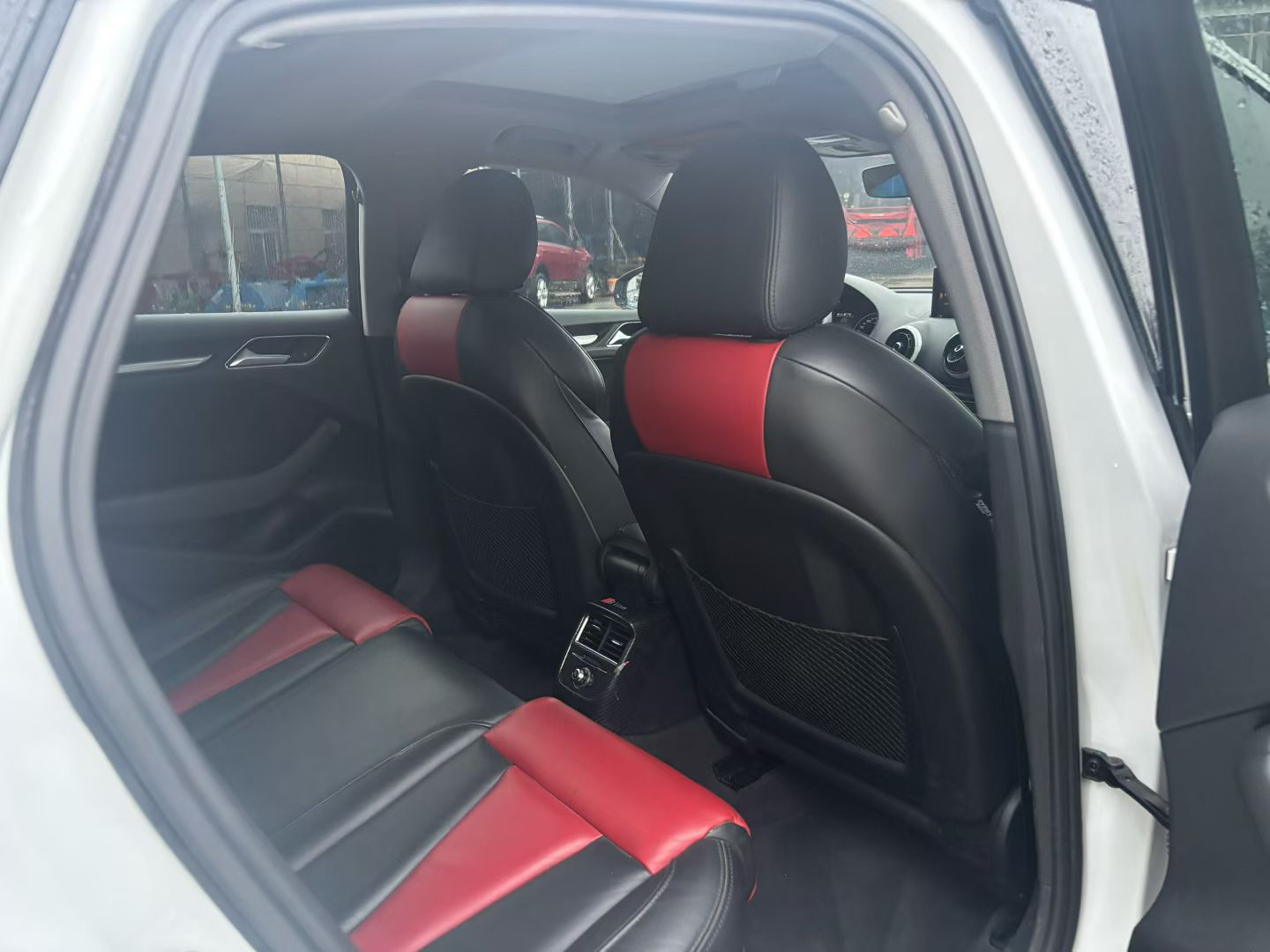
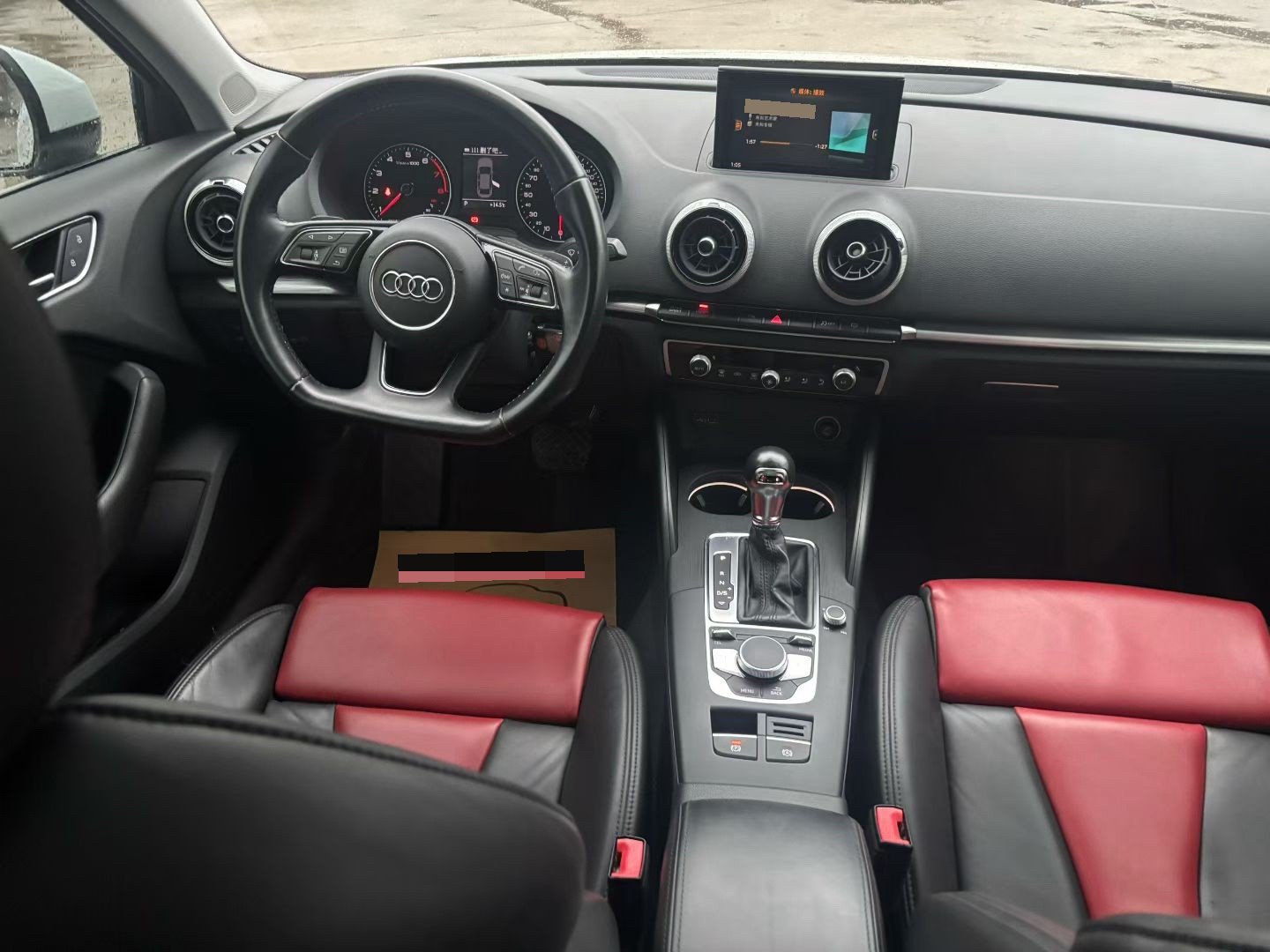
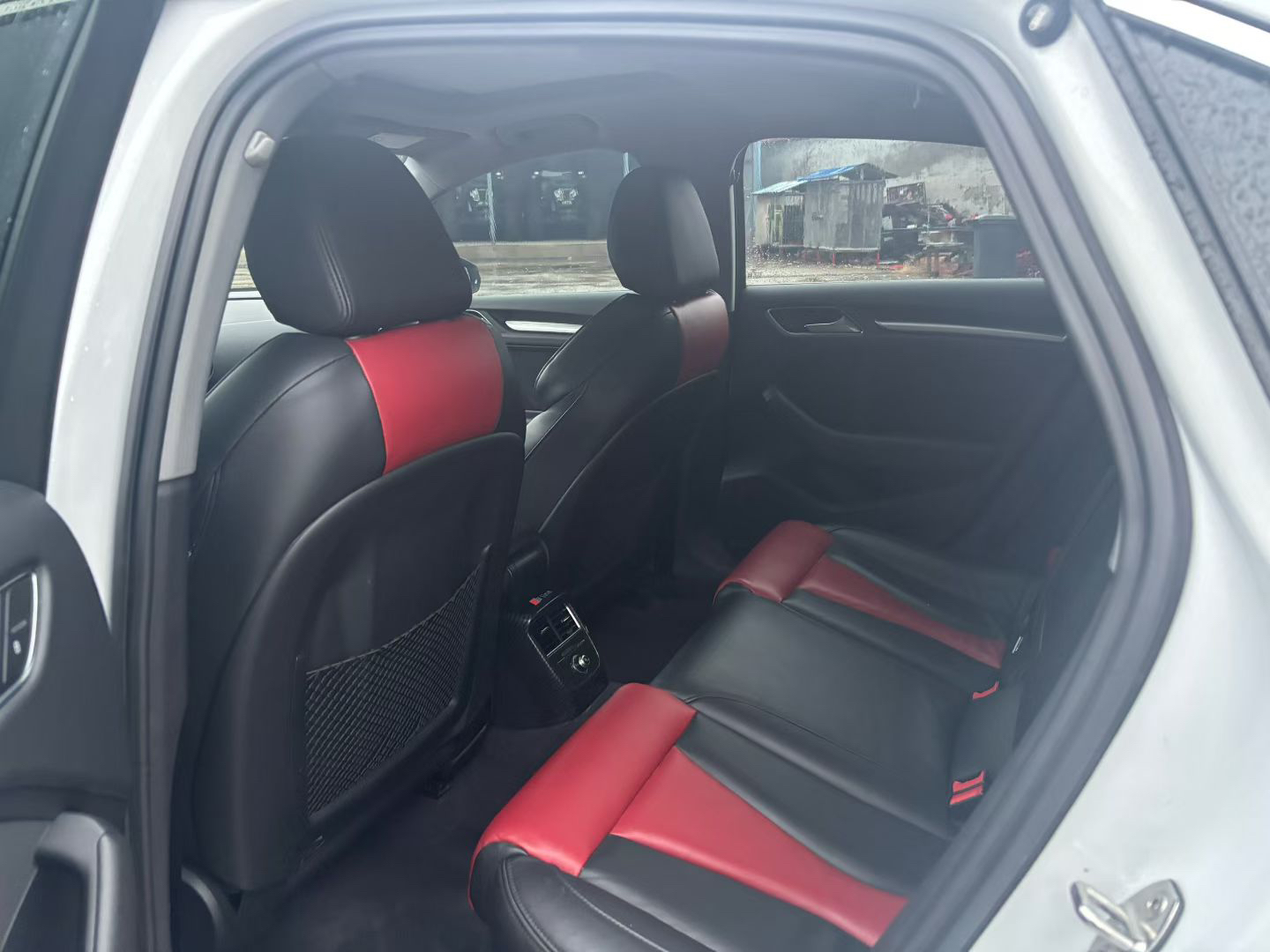
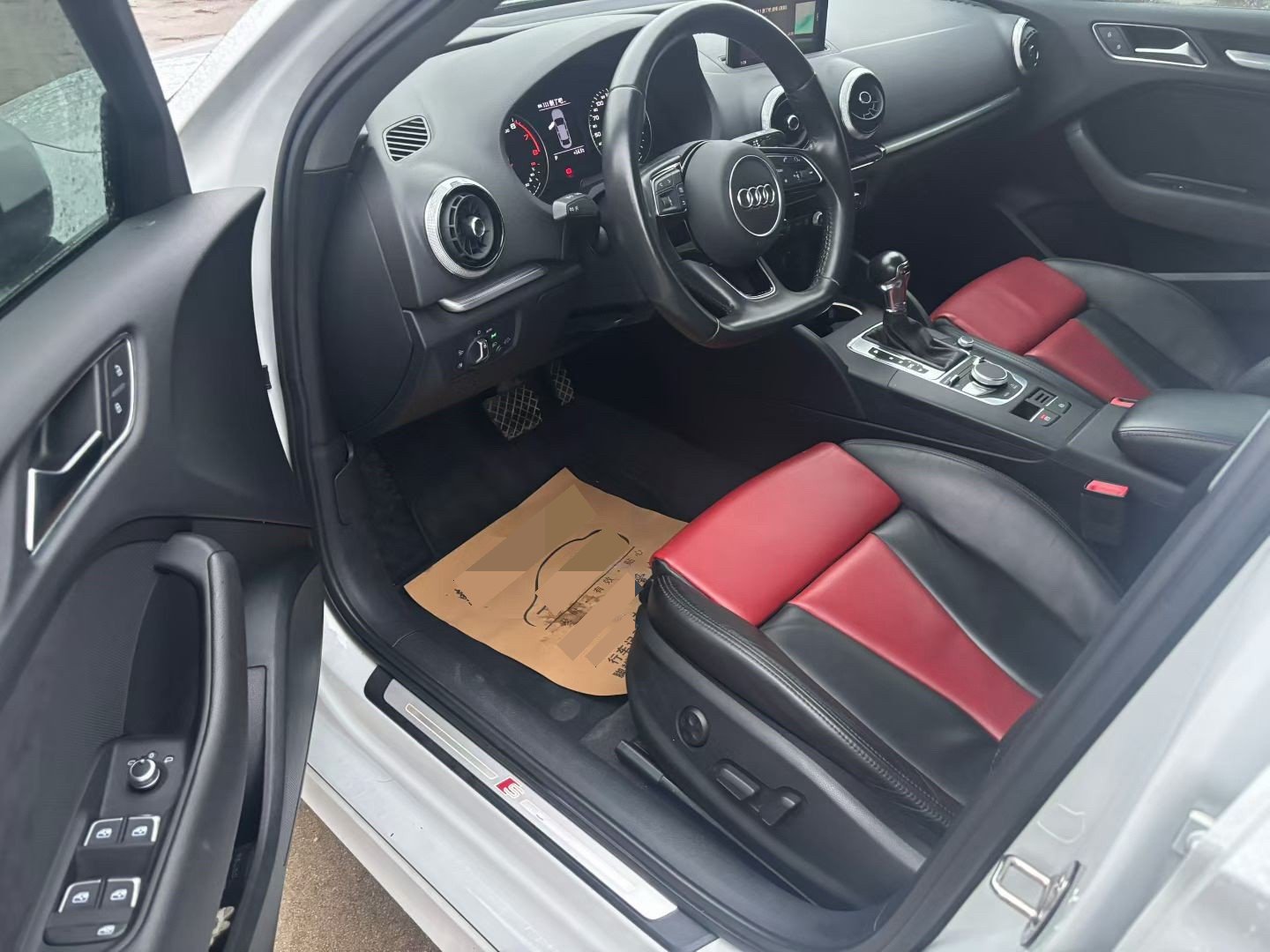
Metal panels have original paint; actual mileage; insurance expires.

Document Information

Inspection Expiry Date-
Warranty Expiry Date-
Insurance Expiry Date2027/09

Q&A

More

How does customs clearance work at destination when importing a used car from China, and who handles it?

Customs clearance at destination is usually handled by a licensed customs broker, not the exporter. You can hire one yourself or use a broker recommended by your shipping agent. The typical flow: your broker files the import declaration using the documents the exporter must provide — the commercial invoice, packing list, bill of lading, and the certificate of origin. Depending on your country's rules, you will also need to pay import duty, VAT or sales tax, and any excise or environmental levies before the car is released. Things that commonly delay clearance: mismatched VIN numbers between documents, missing pre-shipment inspection certificates (required in some African and Middle Eastern countries), or non-compliance with your country's used-car import age limits. Budget 3–10 working days for clearance after the vessel arrives, plus storage fees if documents are incomplete. Tip: send all documents to your broker for review before the ship departs China — fixing errors at origin is much cheaper than demurrage at destination.


How to ensure there are no stubborn odors in the car (like smoke, pet smells, or mold)?

Odors are difficult to convey through images, so our quality inspectors conduct subjective smell assessments and record them. For vehicles with severe smoke or mold odors, if deep ozone sterilization is ineffective, we will downgrade the vehicle and mark the report with a red "Odor Warning" at the top.

What should a purchase contract with a Chinese used-car exporter include to protect me?

A solid contract is your main protection in a cross-border deal. It should specify: 1. Vehicle identification: VIN, year, mileage, trim level, and photos of the actual car appended as an annex — not just「a 2021 Toyota」. 2. Condition guarantees: no accident, no flood or fire damage, no structural repairs, supported by a third-party inspection report referenced in the contract. 3. Price and Incoterm: total amount, currency, the named port, and whether freight and insurance are included. 4. Payment schedule: e.g., 20–30% deposit after contract signing, balance against copy of the Bill of Lading. Avoid 100% upfront. Use T/T to the company's corporate bank account only — never a personal account. 5. Timeline: inspection date, estimated loading date, and latest shipment date, with remedies if delayed. 6. Dispute clause: governing law and arbitration (CIETAC or your local chamber) rather than foreign court litigation. Ask for the contract in English (or bilingual) with the supplier's company chop. A company that refuses a written contract or pushes for full prepayment is a red flag.

奥迪 2018款 A3 Limousine 1.4TFSI 35TFSI 30周年年型 进取型 自动挡

奥迪 2018款 A3 Limousine 1.4TFSI 35TFSI 30周年年型 进取型 自动挡

EXW: $8,939
Car CodeSWA1898312
Publish Date2026/11/04
