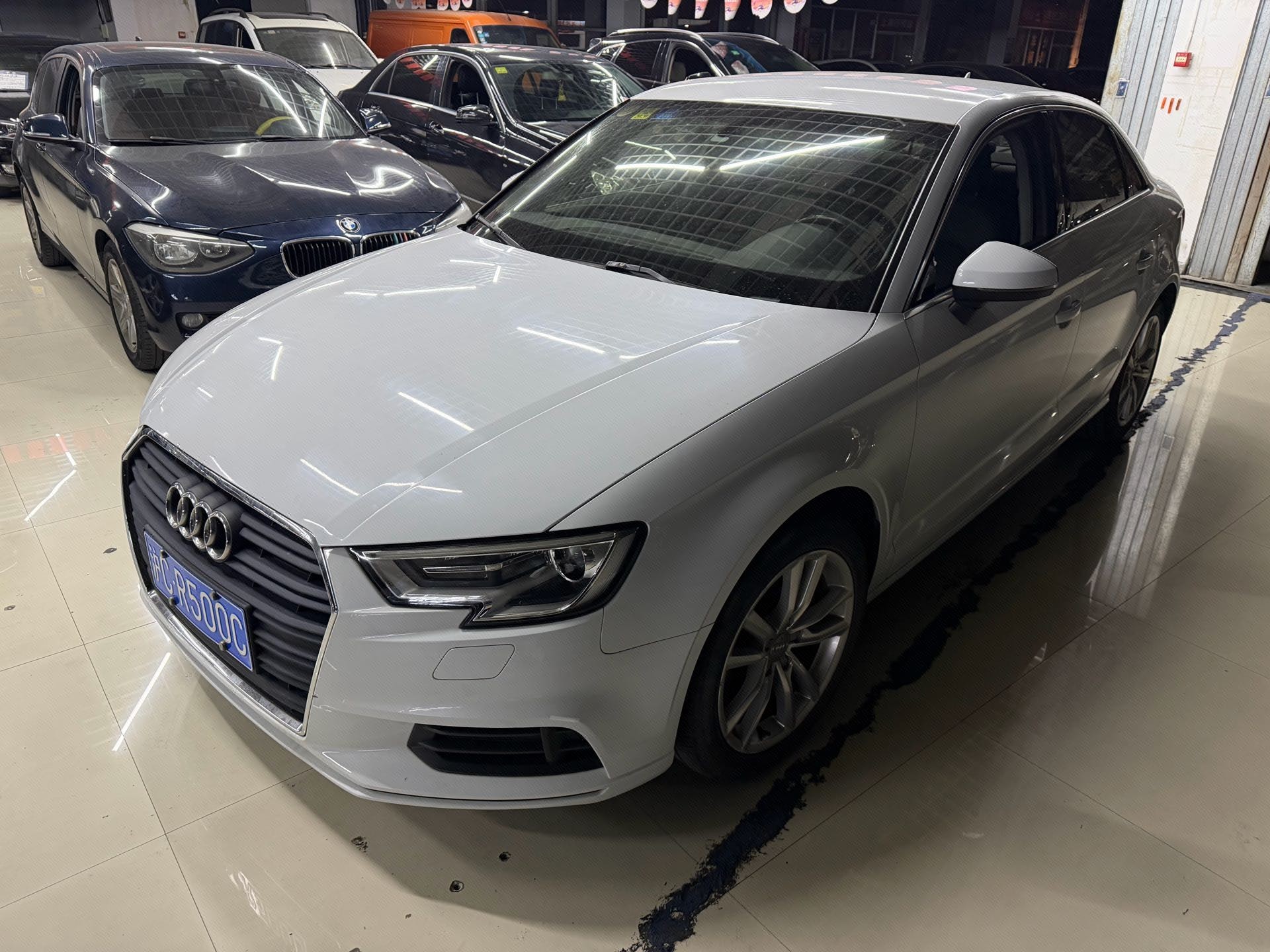
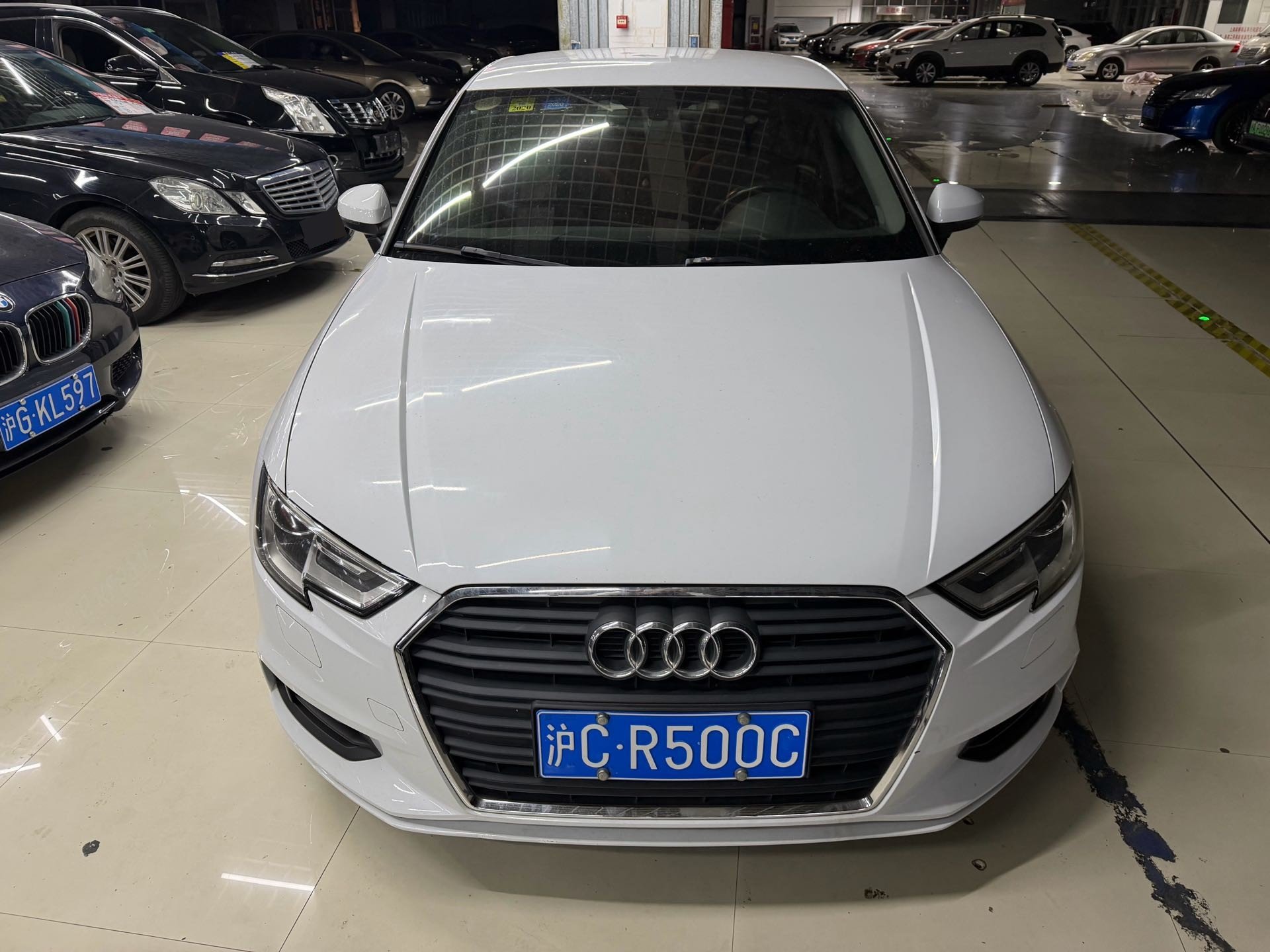
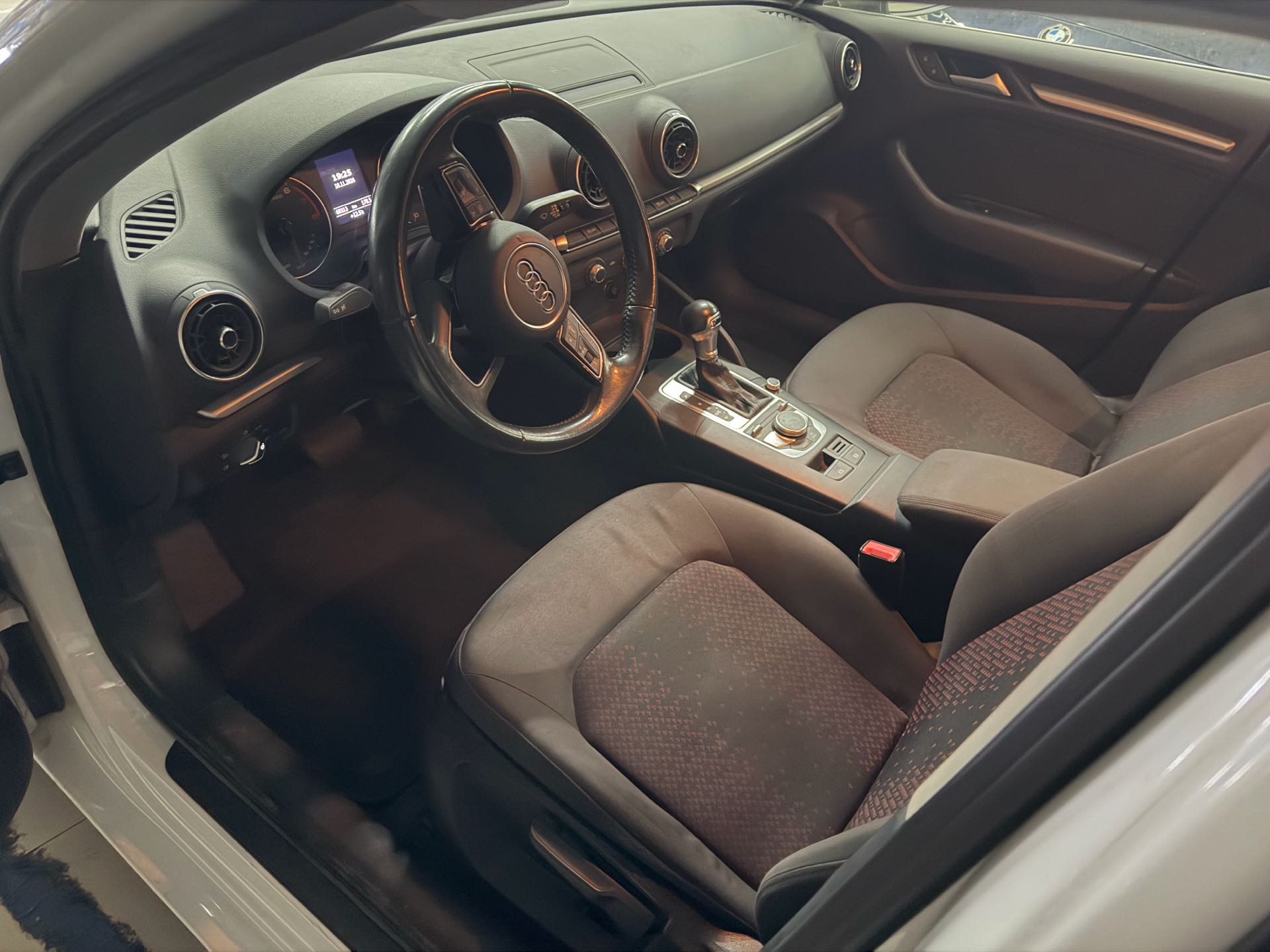
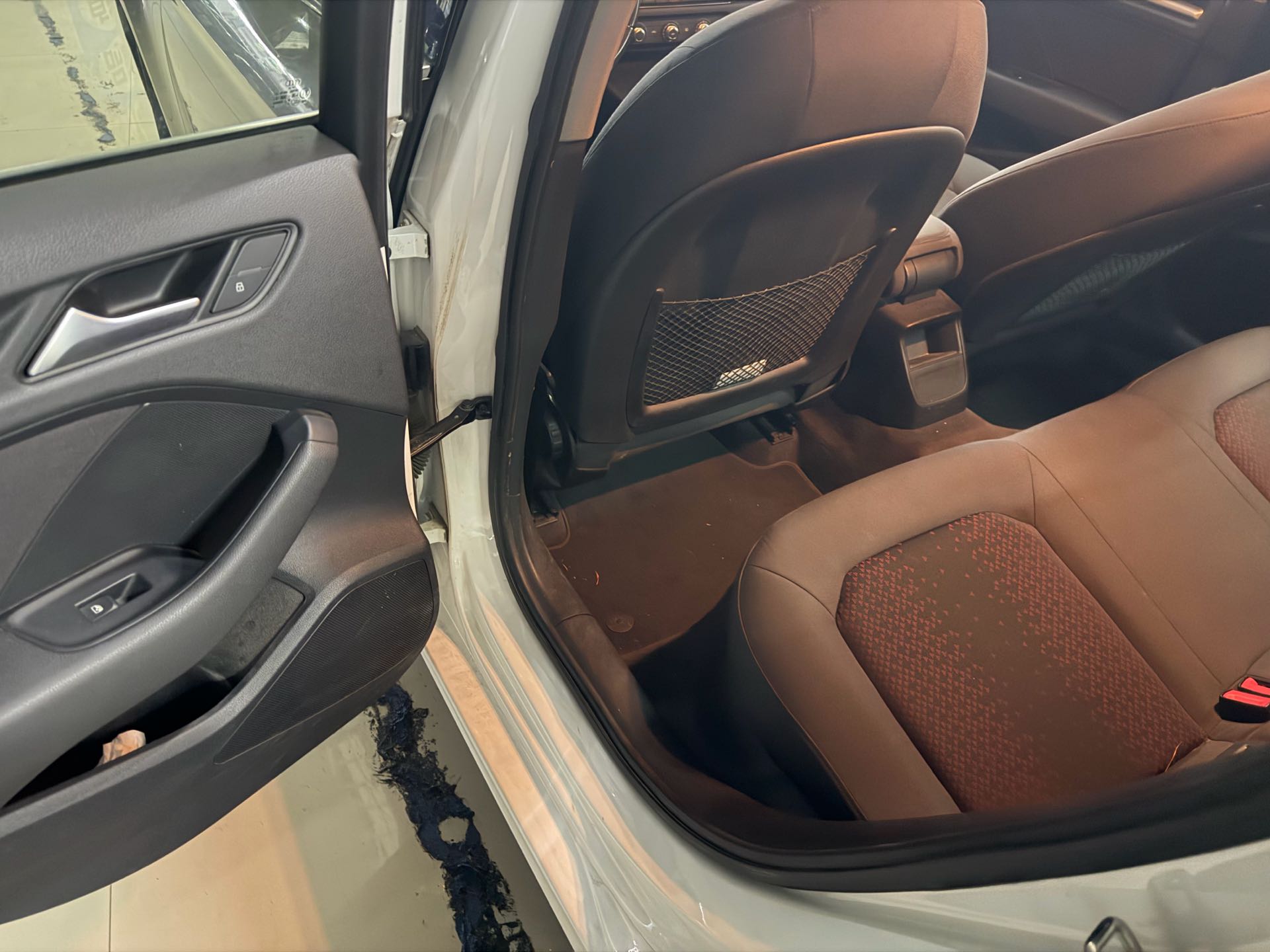
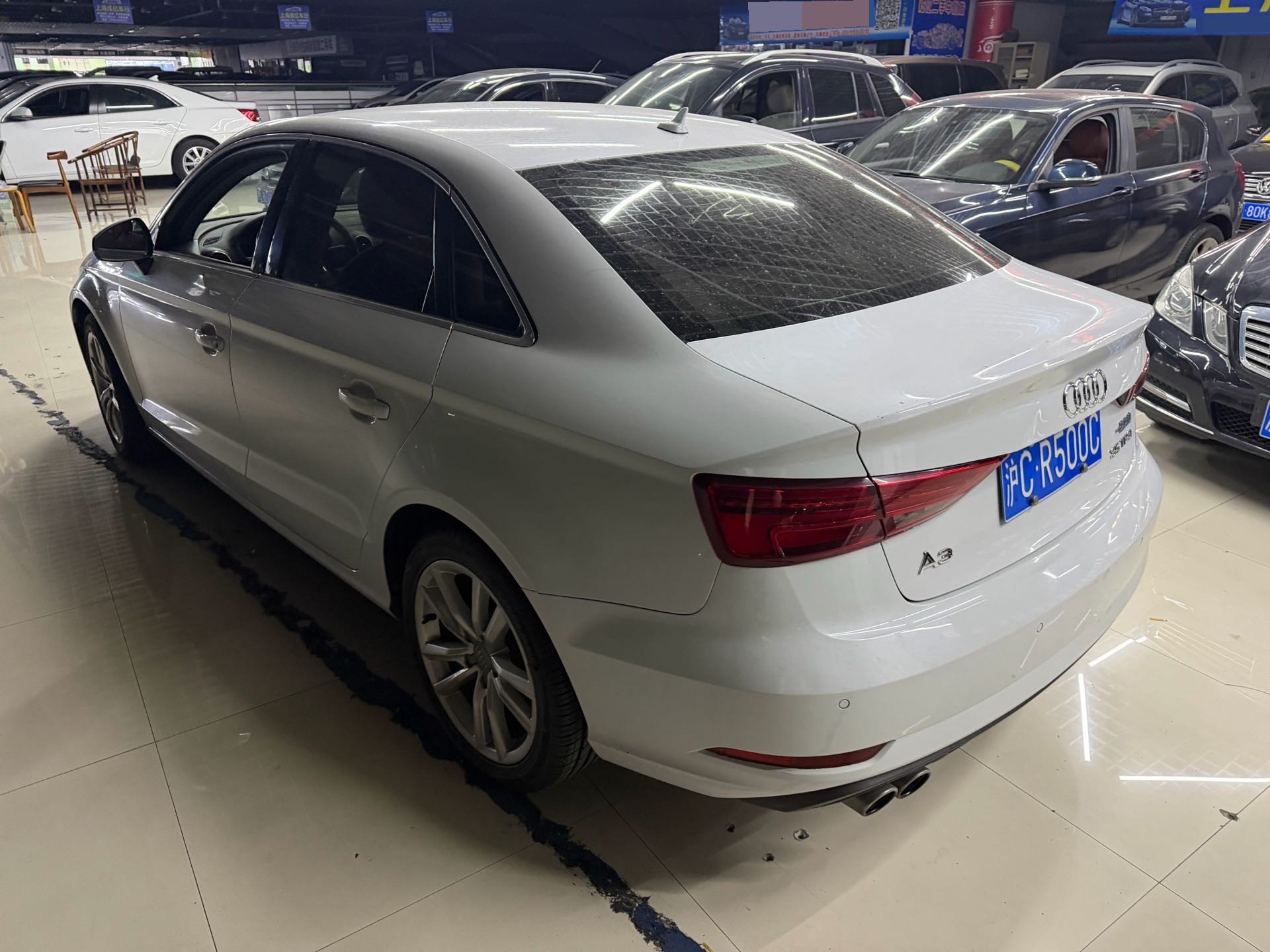
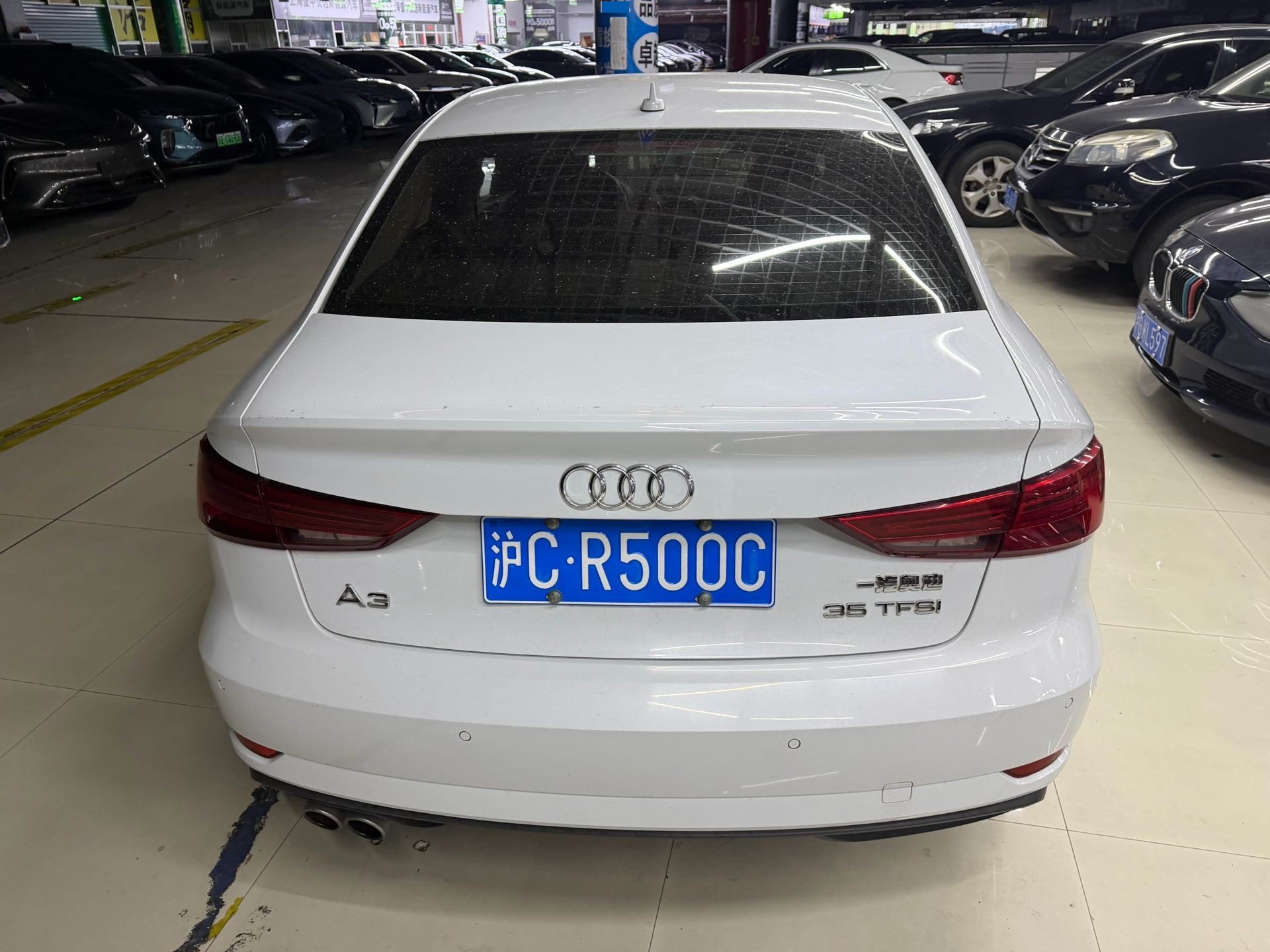
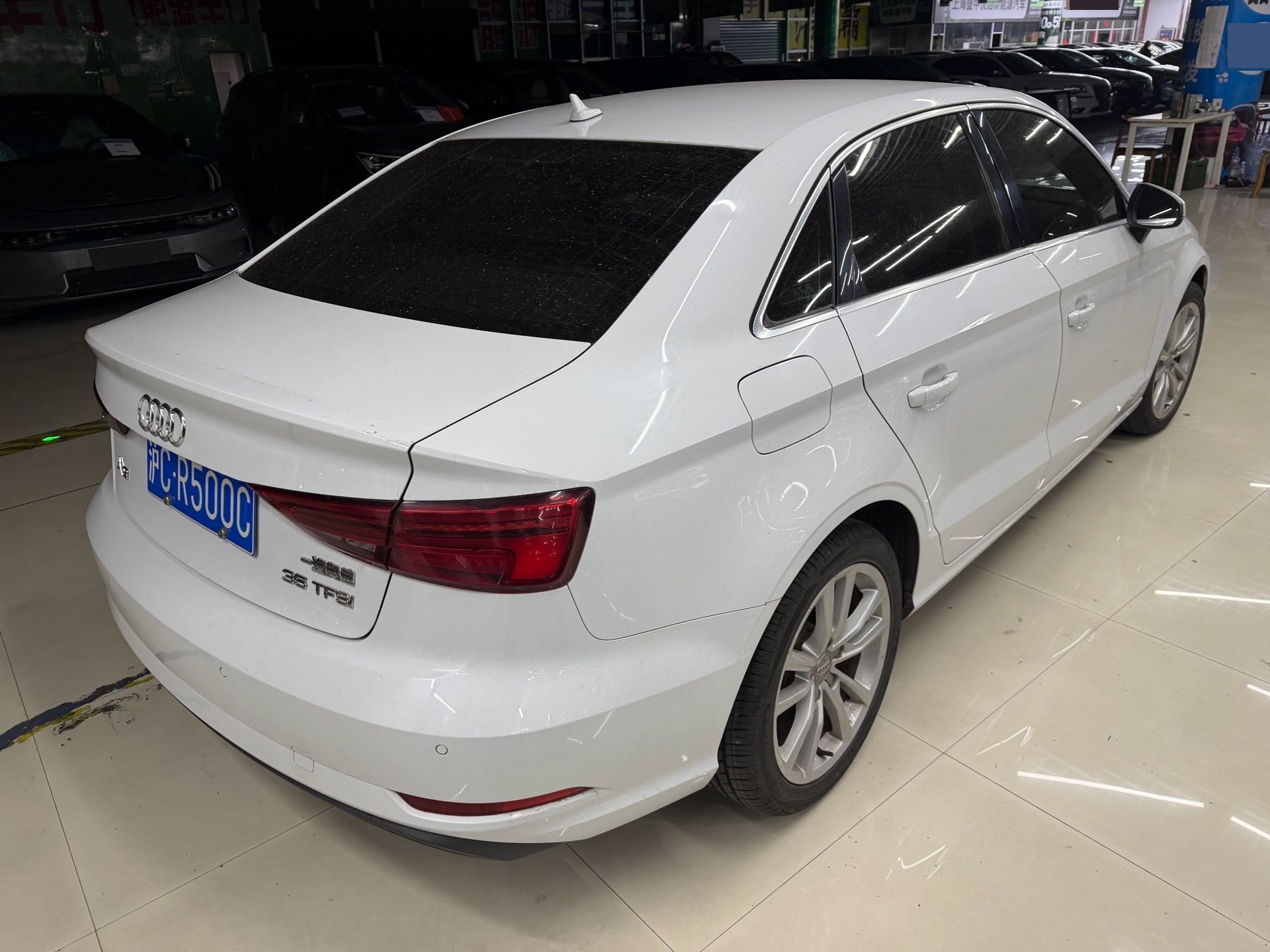
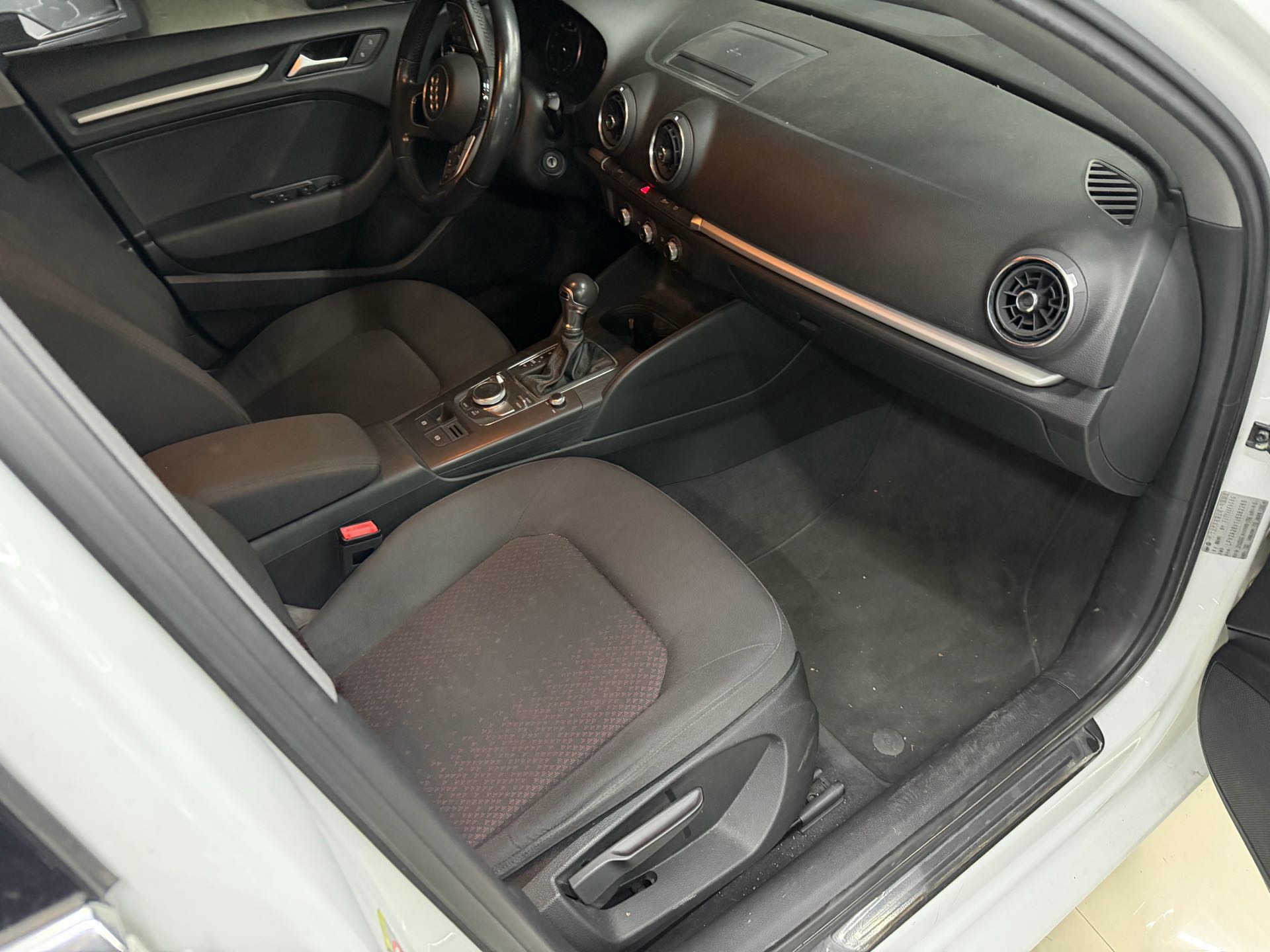



Basic Information

Brand-
Series-
Year2018
First Registration2018/06
Mileage60,000km
Transfer Count0times
Fuel-
Transmission-
Engine-
ColorWhite
Seats-

Condition Description

Doors replaced. Can pass third-party inspection.

Document Information

Inspection Expiry Date-
Warranty Expiry Date-
Insurance Expiry Date2027/06

Q&A

More

Besides the purchase price, what other fees should I budget for when importing a used car from China?

The purchase price is only part of your total landed cost. Plan for these items: - Inland transport in China: moving the car from the seller's city to the export port, plus transfer and inspection fees. - Export fees: customs declaration, port handling, and terminal charges. Ask for an FOB (Free On Board) quote so these are included. - Ocean freight: RoRo (roll-on/roll-off) is cheapest for regular cars, but EVs often require special containers or dedicated EV shipping due to battery regulations, which costs more. - Insurance: marine cargo insurance, typically 1-3% of the car's value. - Import side: import duty, VAT or sales tax, customs brokerage, port charges at destination, and any homologation or compliance testing fees. As a rule of thumb, add 25-40% on top of the FOB price for a realistic landed-cost estimate, depending on your country's tax rates. Get a written breakdown from both your supplier and a customs broker before committing.


Why are the shipping costs for used electric vehicles (EVs) usually higher than for internal combustion engine vehicles (ICEs)?

Pure electric vehicles are classified as Class 9 Dangerous Goods due to their large lithium batteries, leading to strict shipping regulations. Shipping companies have high requirements for the loading position and fire isolation measures for dangerous goods, and some roll-on/roll-off ships refuse to accept used EVs. As a result, EVs often require more expensive special container shipping and incur additional handling fees for hazardous materials.

How can I find out if a used Chinese car has flood or water damage history?

Flood cars are common after heavy rain seasons, and the damage often shows up months later in the wiring and electronics. Here is how to check before you buy. First, ask for the insurance claim history using the VIN. Flood claims are usually recorded, and any mention of water damage, interior drying, or electrical repair should stop the deal. Second, inspect the interior yourself or via video call. Pull up the carpet edges and look for mud residue, water marks, or rust on seat rails and seatbelt buckles. Seatbelts that retract slowly or have a musty smell were often submerged. Third, check hidden cavities: the spare tire well, glove box, and under the trunk lining. Silt or a tide line there is a strong flood indicator. Fourth, look for condensation behind the instrument cluster and inside the headlights. Persistent fog in the lamps is a classic sign of water immersion. Finally, an OBD scan can help: flood cars often store scattered error codes across unrelated modules (airbag, ABS, body control) because corroded connectors corrupt the network. If several of these signs appear together, walk away. Flood damage is almost never worth repairing, and it will haunt the car's electronics for its whole life.

奥迪 2018款 A3 Limousine 1.4TFSI 35TFSI 30周年年型 进取型 自动挡

奥迪 2018款 A3 Limousine 1.4TFSI 35TFSI 30周年年型 进取型 自动挡

EXW: $6,970
Car CodeSWA1913435
Publish Date2026/11/18
