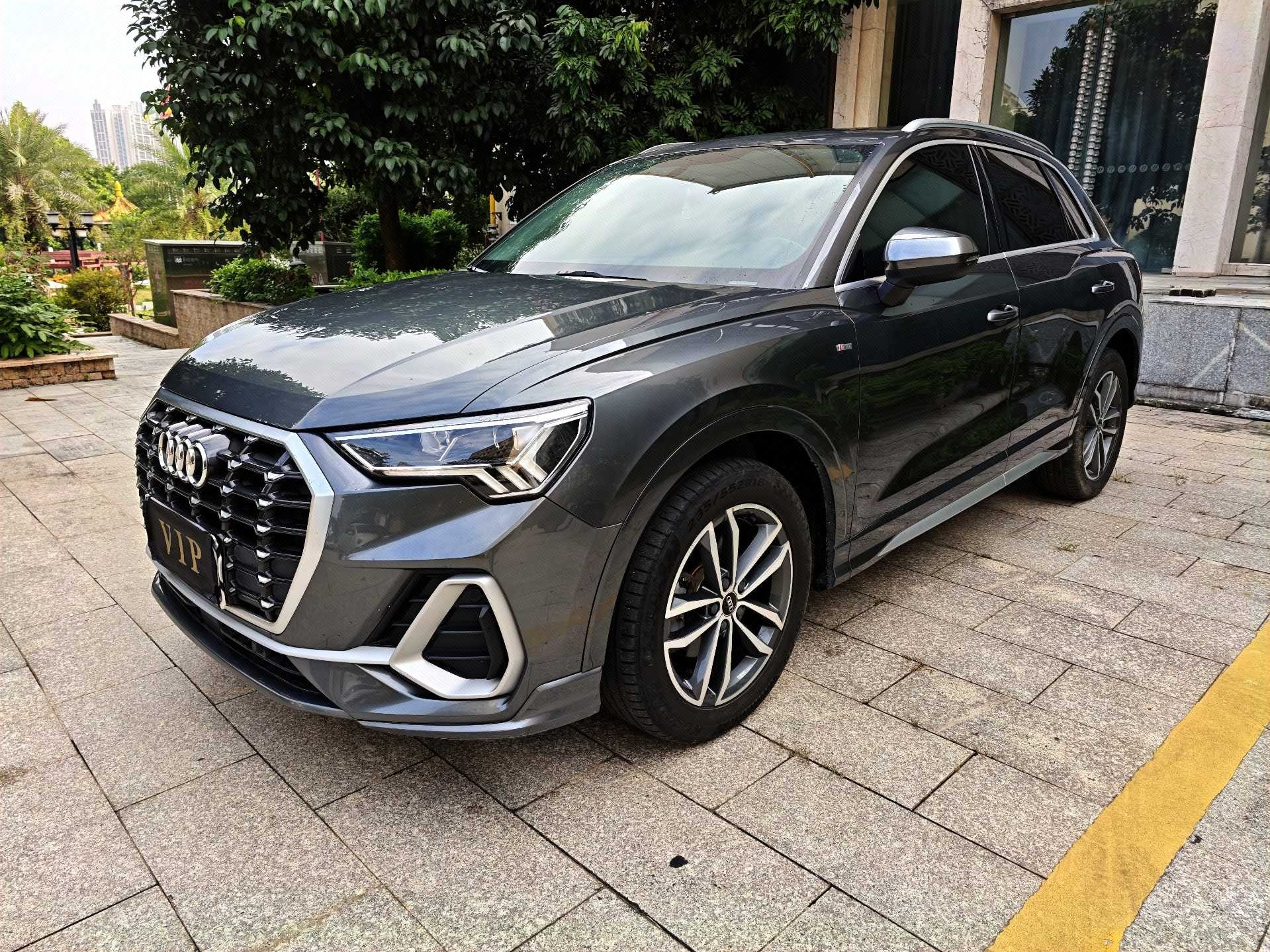
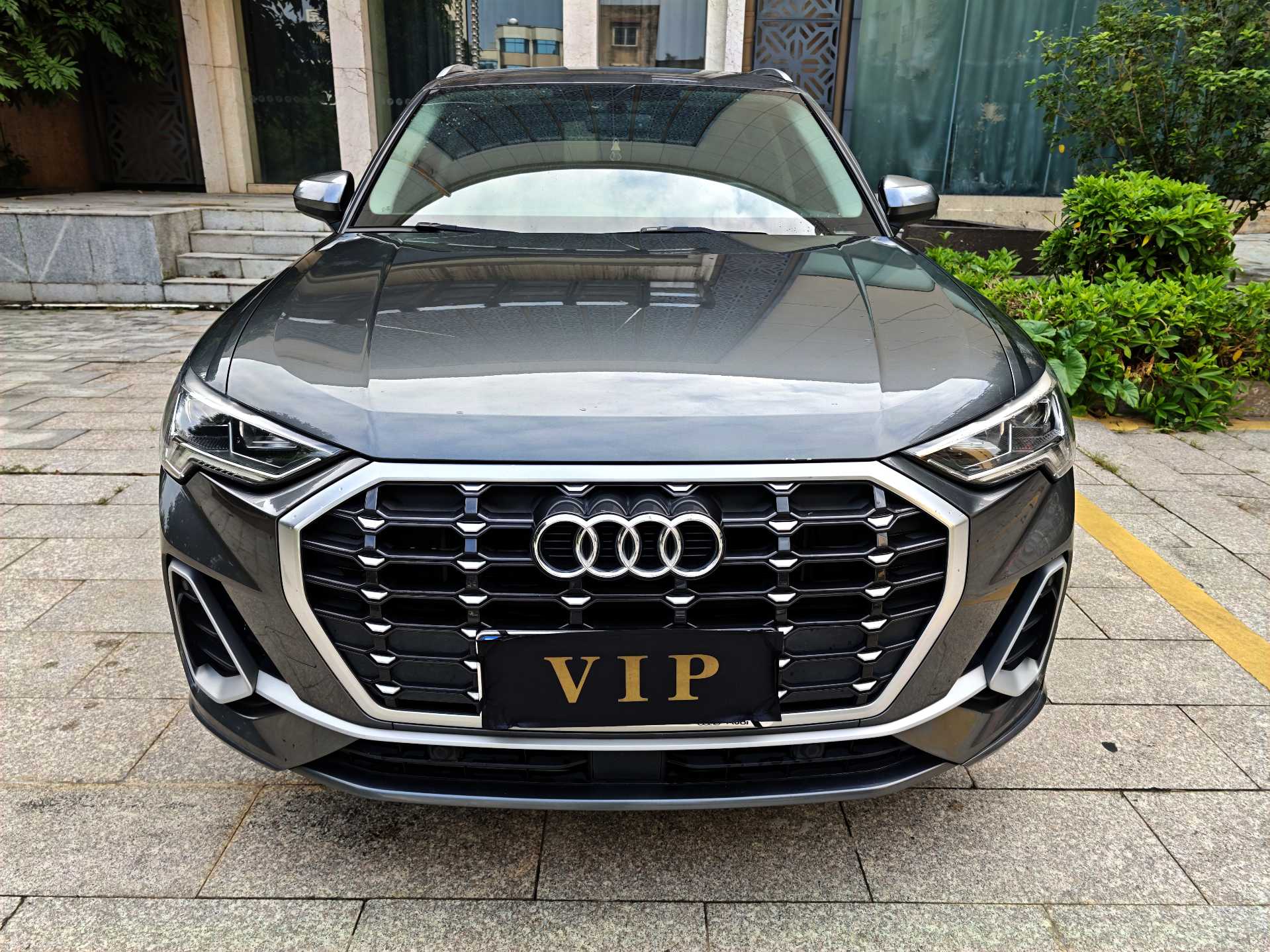
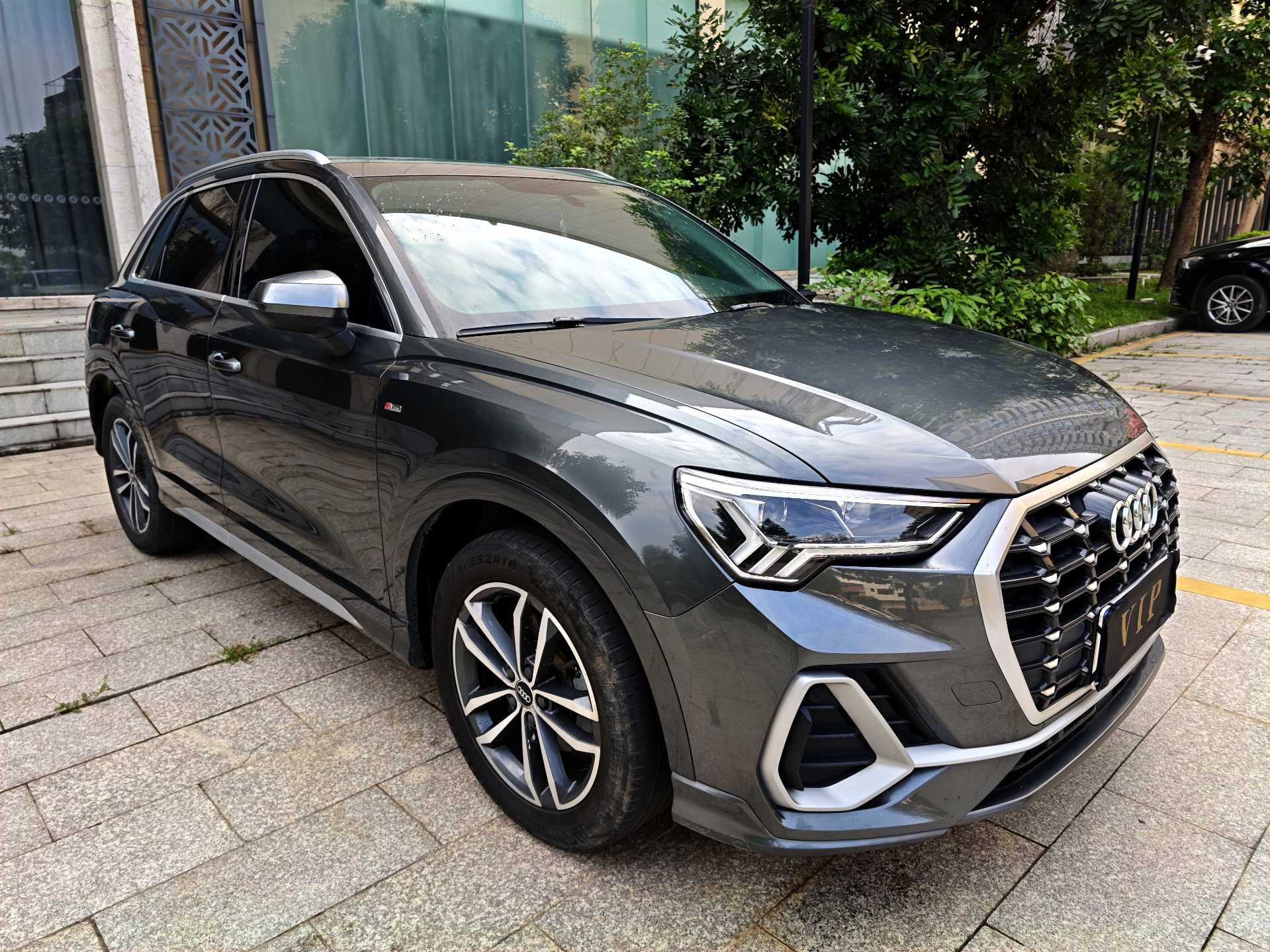
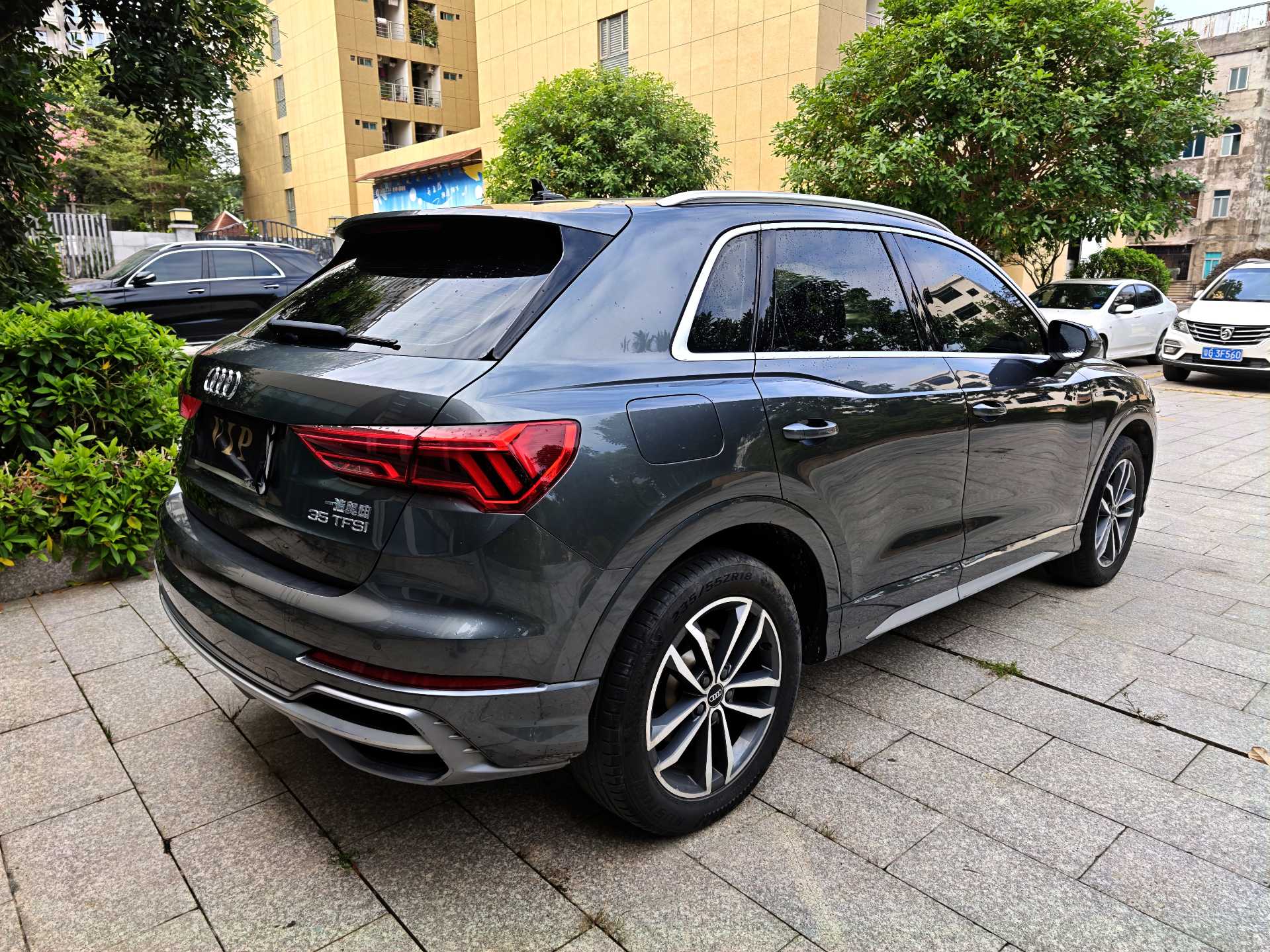
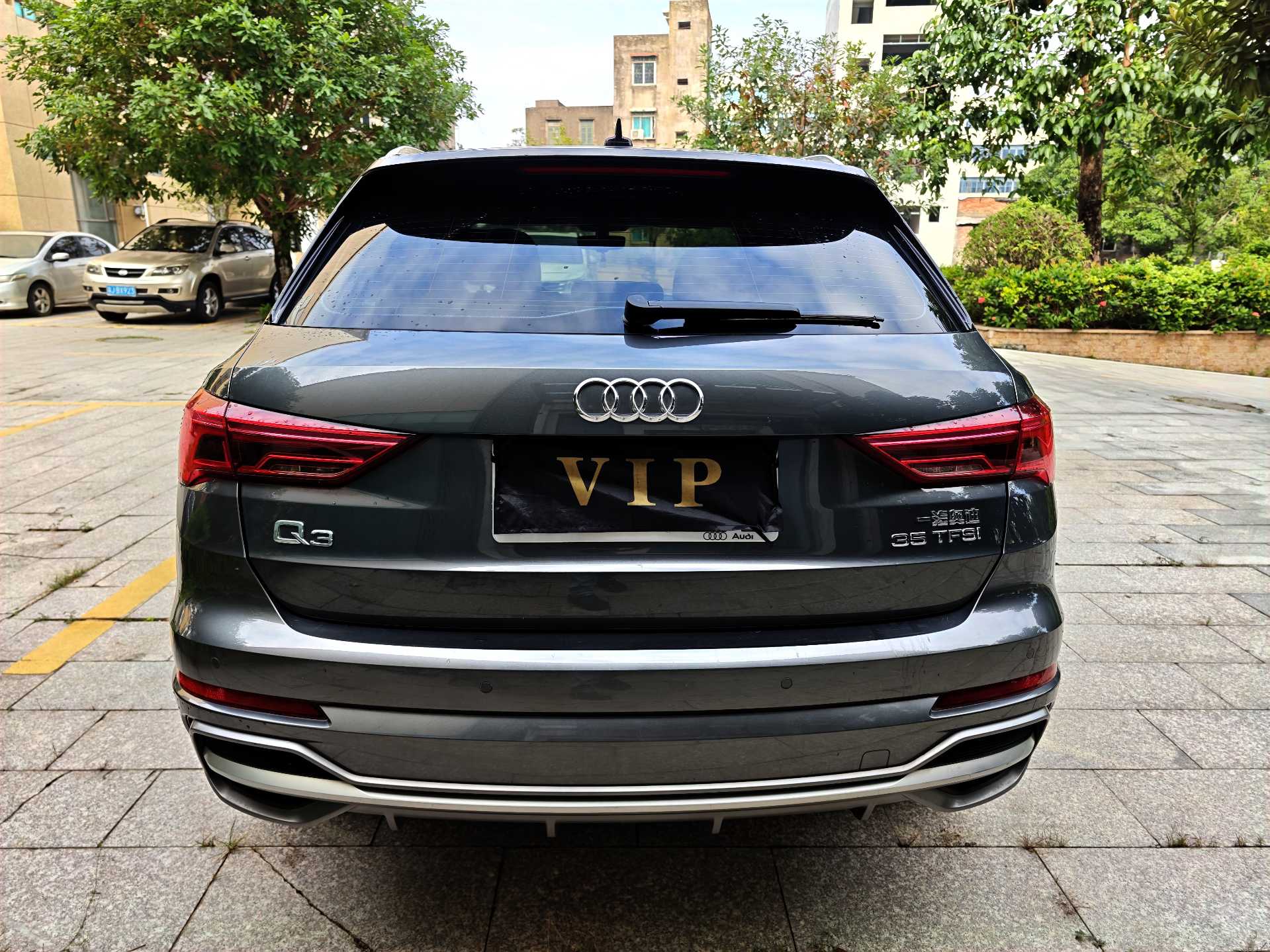
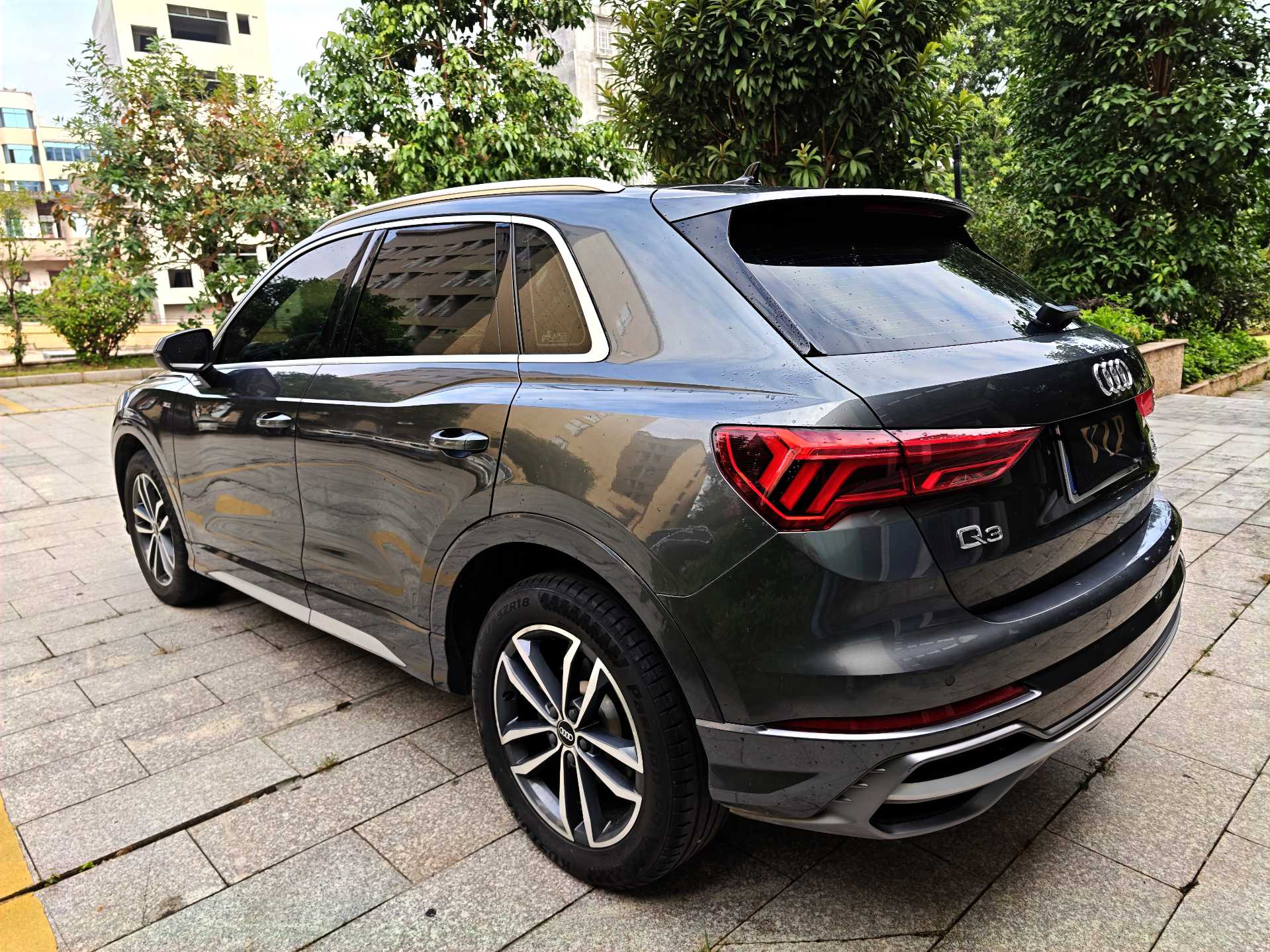
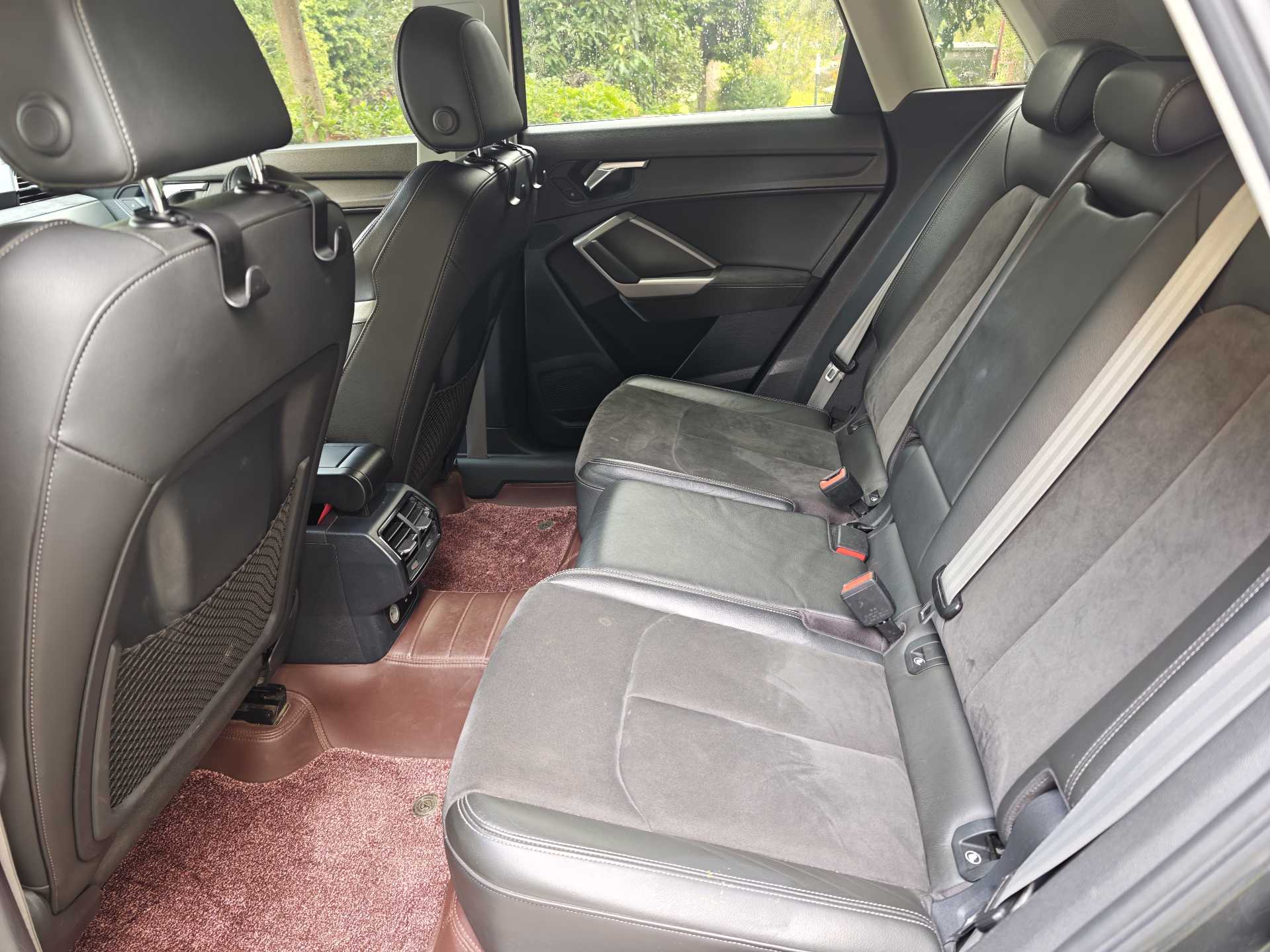
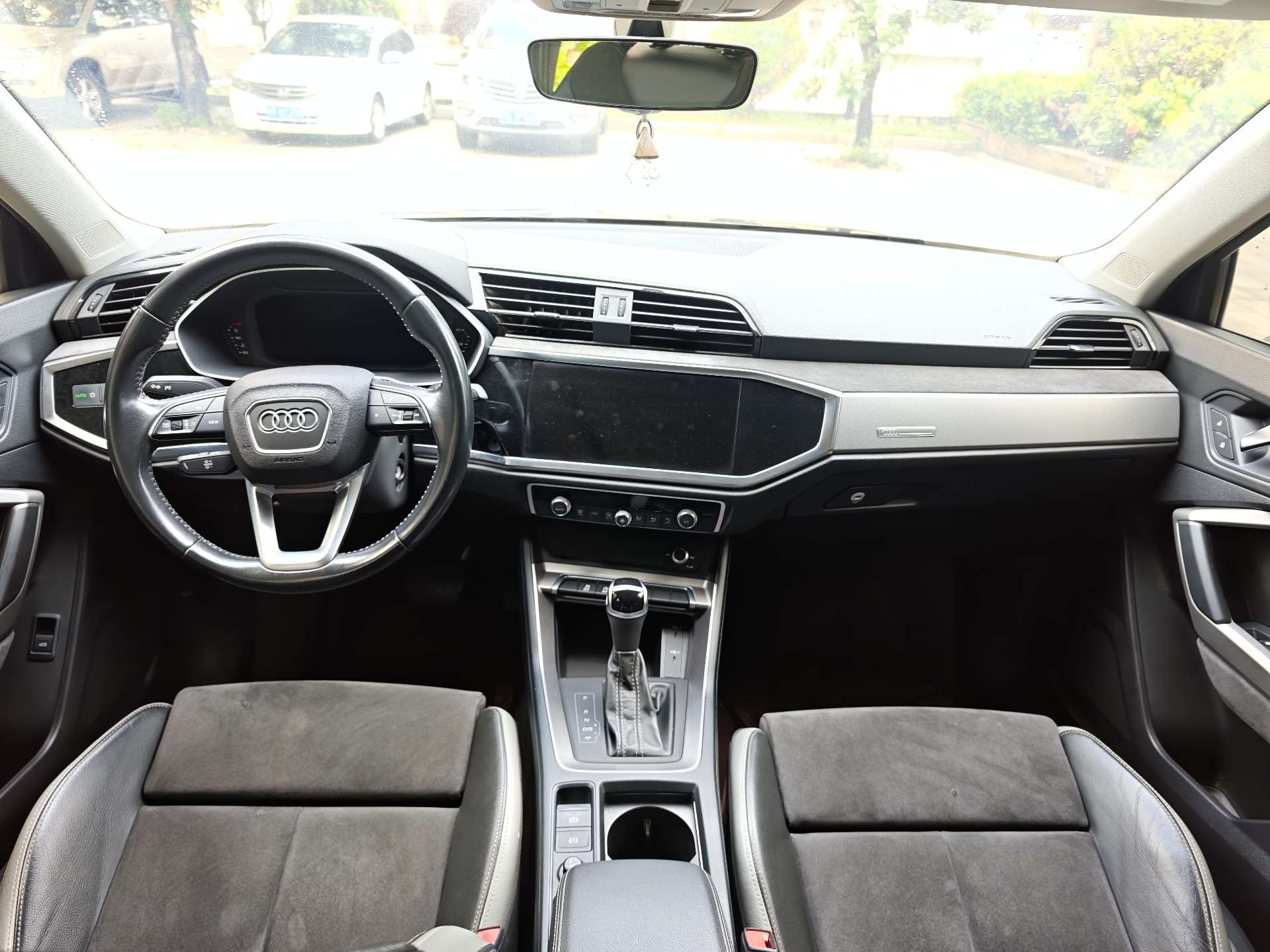
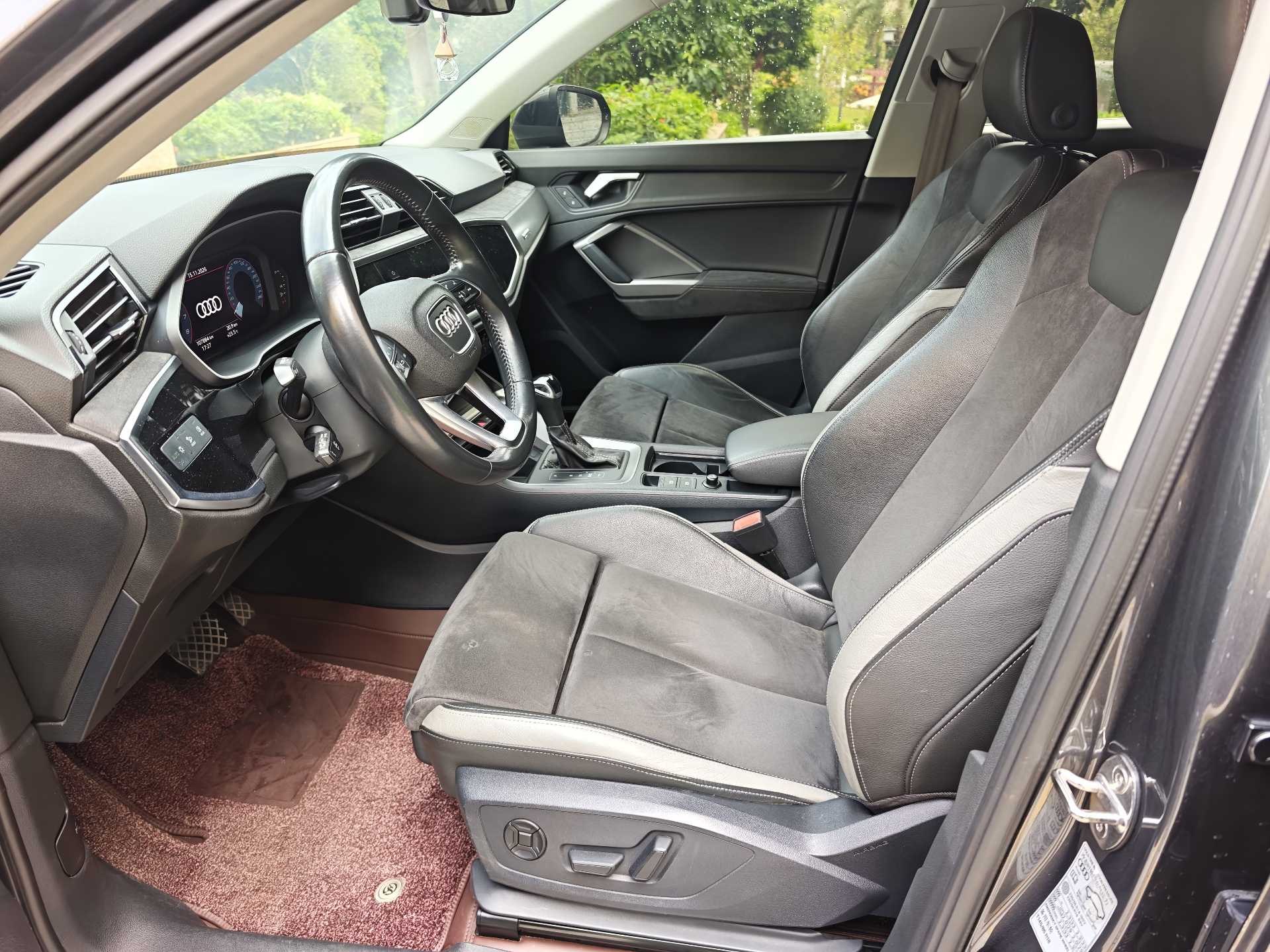



Basic Information

Brand-
Series-
Year2022
First Registration2022/02
Mileage100,500km
Transfer Count0times
Fuel-
Transmission-
Engine-
ColorGrey
Seats-

Document Information

Inspection Expiry Date-
Warranty Expiry Date-
Insurance Expiry Date2026/10

Q&A

More

If a third-party inspection report misses significant technical defects and they are discovered upon arrival at the destination port, how is liability determined?

This is a key legal issue. If the inspection is conducted by a third party appointed by us, we will be the primary responsible party and provide limited compensation to you, after which we will seek reimbursement from the inspection agency; if the inspection agency is designated by you personally (such as SGS), you will need to file a claim directly with that agency according to its service terms.


When buying a used Chinese EV, how do I read the battery health (SOH) report, and what percentage is still acceptable for import?

State of Health (SOH) tells you how much of the original battery capacity remains. Here's how to use it. Reading the report: SOH is usually shown as a percentage of original capacity. A car at 90% SOH retains roughly 90% of its original range. Also check for cell imbalance (voltage spread between modules)—a low SOH with balanced cells is often fine, but high imbalance causes sudden range drops and charging problems. Acceptable thresholds: for a car under 3 years old, expect 90%+ SOH. For 3-5 years, 85-90% is normal. Below 80% SOH, the battery may soon need replacement—replacement costs can exceed the car's value, so negotiate hard or walk away. How to verify: don't trust a screenshot. Ask for a live screen recording of the diagnostic app (like the brand's official tool) starting from the car's VIN page. Cross-check the fast-charging curve: a healthy battery charges at near-peak rate up to 60-70%; a degraded one tapers early. Finally, remember that hot climates degrade batteries faster—if the car spent its life in southern China, scrutinize SOH more carefully.

What is a Certificate of Origin and do I need one to import a used car from China?

A Certificate of Origin (CO) is an official document stating where the vehicle was manufactured. For imports from China, it matters more than many buyers expect. First, customs value: many countries apply duty rates based on the country of manufacture, not where you bought the car. A CO proves the vehicle is Chinese-built, which determines the correct tariff line—skipping it can mean reassessment, fines, or seizure at destination. Second, trade agreements: some countries have preferential tariffs for Chinese goods that only apply with a valid CO. Request a CO issued by the China Council for the Promotion of International Trade (CCPIT) or China Customs, not a self-printed form. Check that the VIN, engine number, and buyer details match your purchase documents exactly. Make receiving the CO a condition before your final payment, and keep the original—customs at destination will ask for it.

奥迪 2021款 Q3 1.4TFSI 35TFSI 进取动感型 自动挡

奥迪 2021款 Q3 1.4TFSI 35TFSI 进取动感型 自动挡

EXW: $18,300
Car CodeSWA1911390
Publish Date2026/11/16
