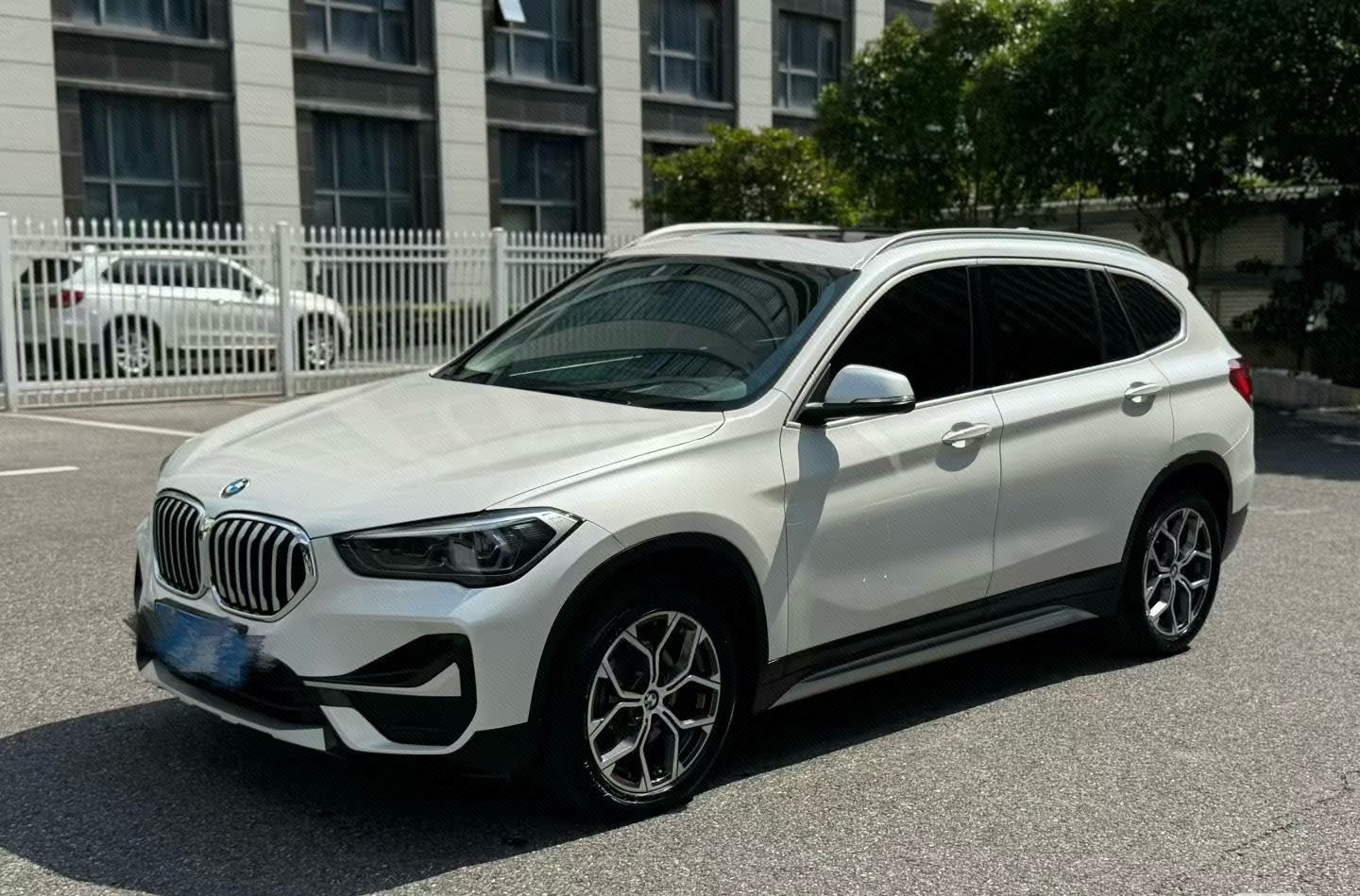
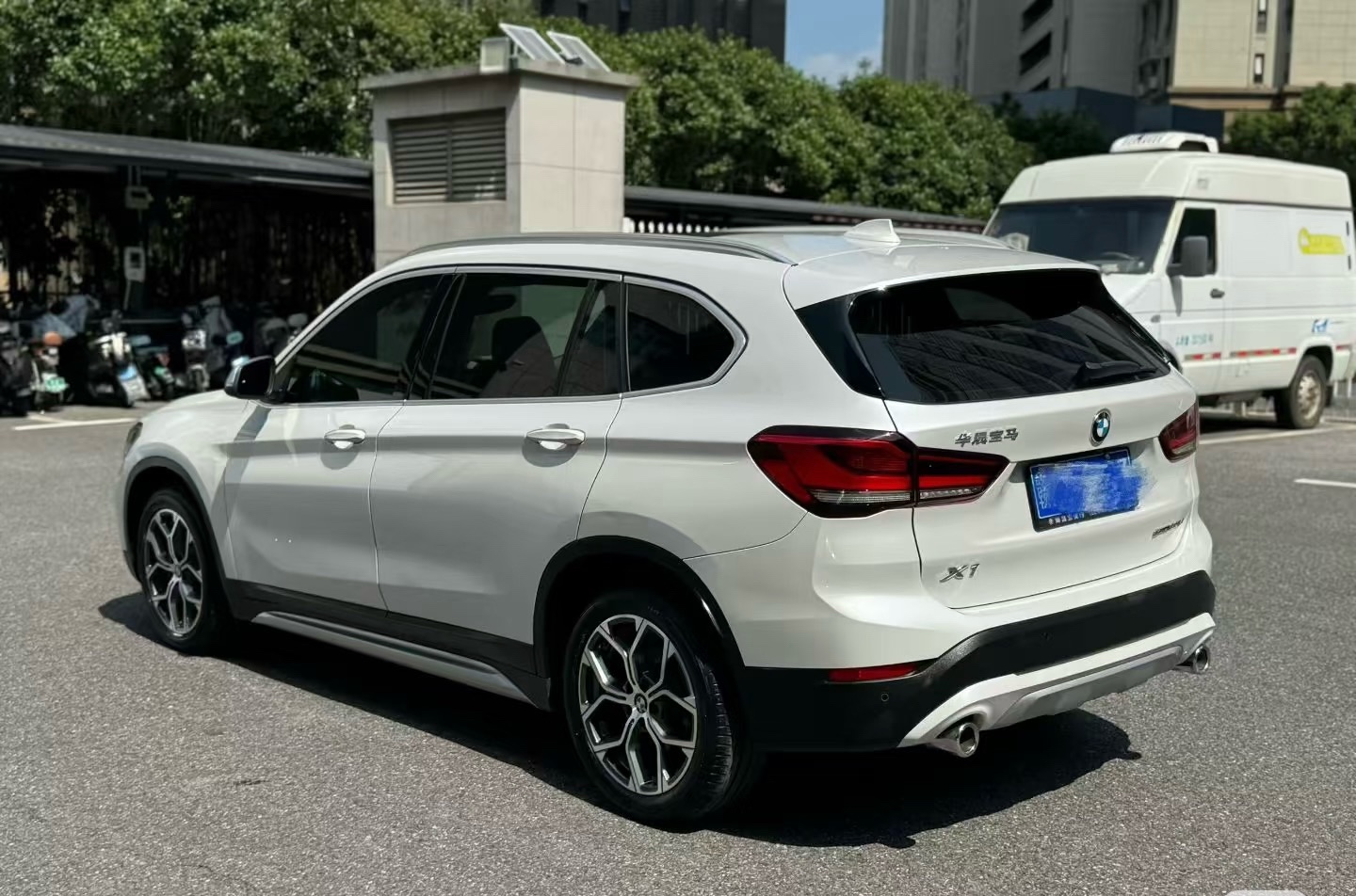
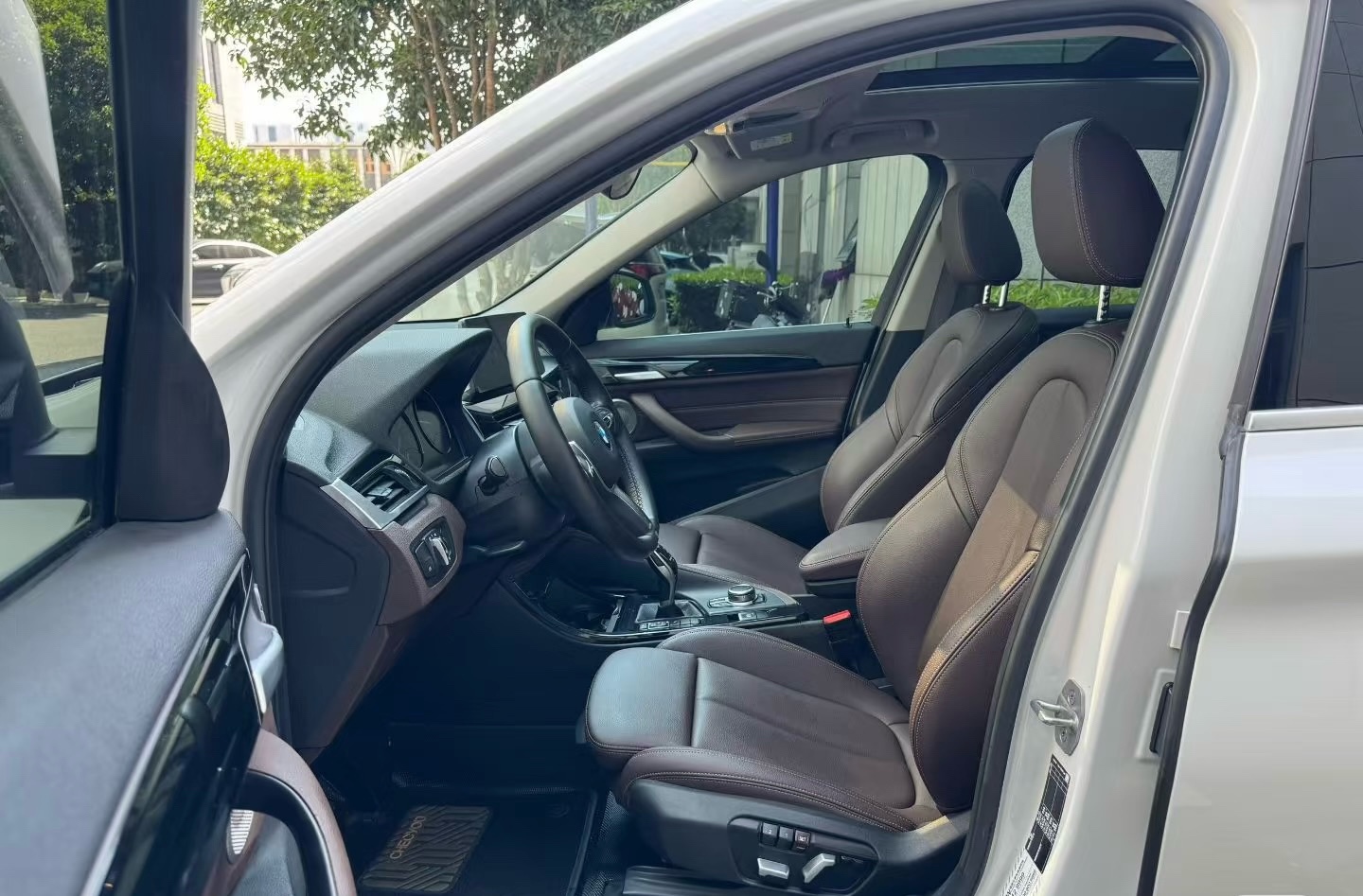
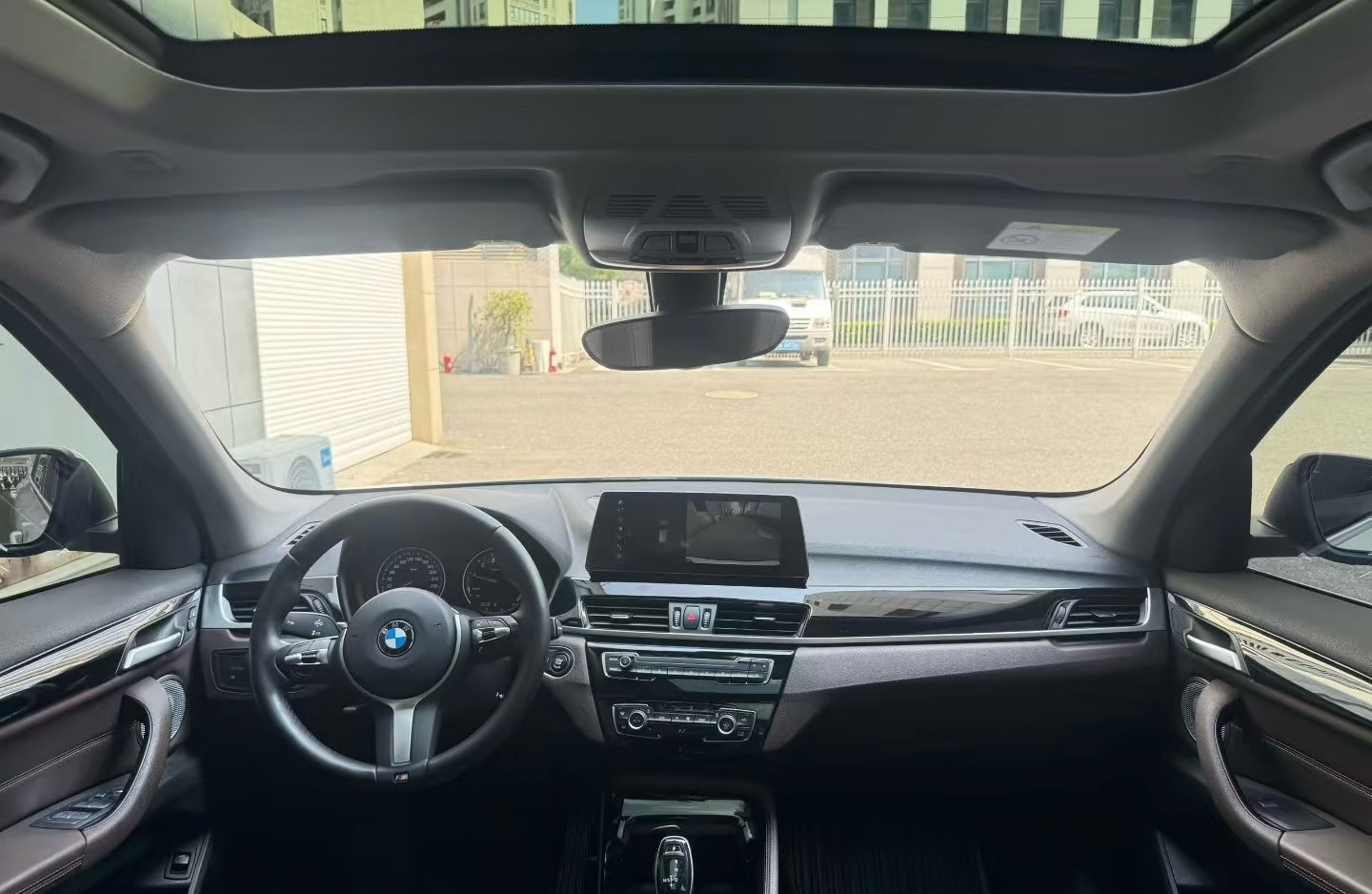
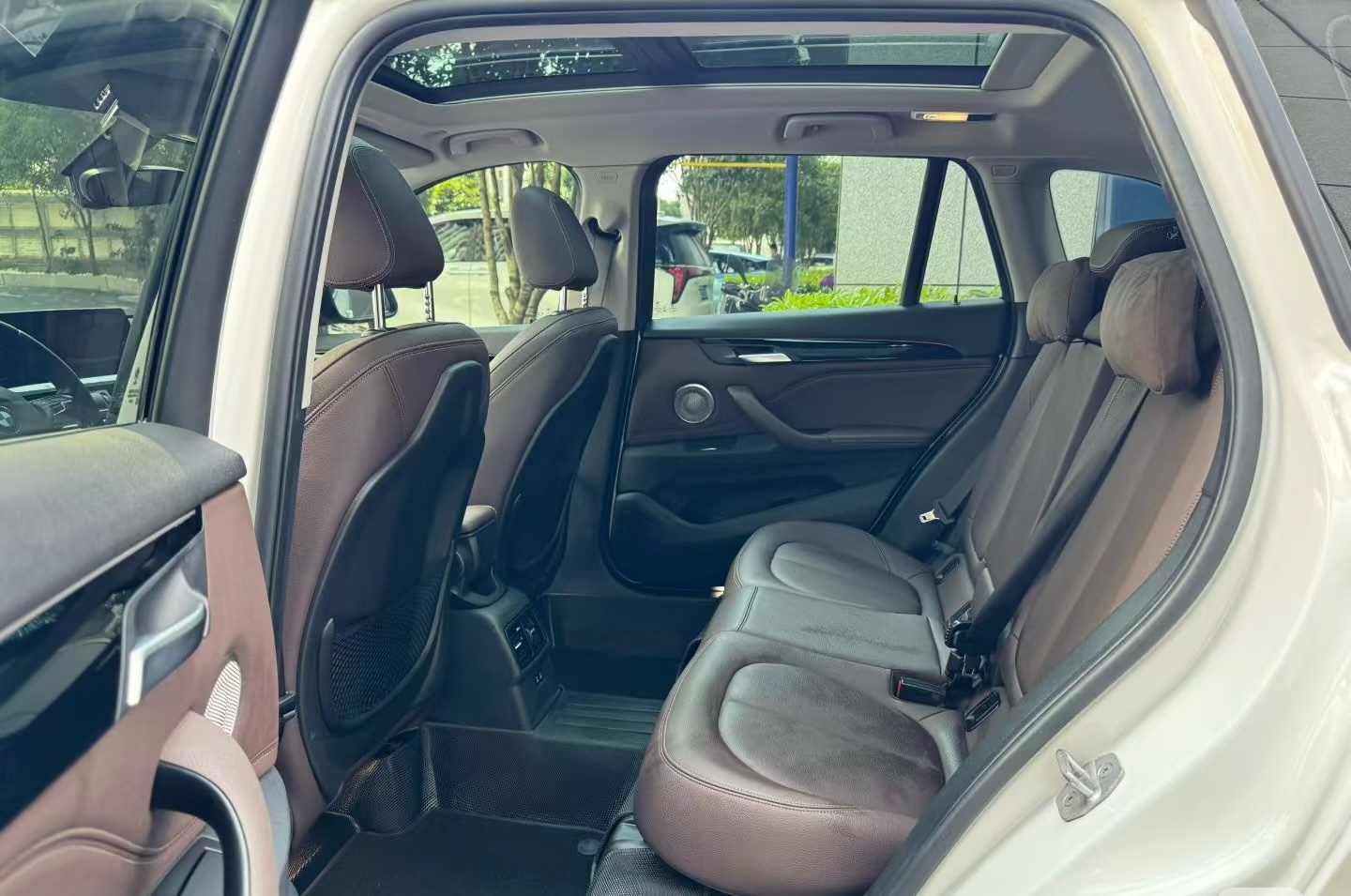



Basic Information

Brand-
Series-
Year2022
First Registration2022/01
Mileage65,000km
Transfer Count0times
Fuel-
Transmission-
Engine-
ColorWhite
Seats-

Condition Description

Original condition, can pass third-party inspection.

Document Information

Inspection Expiry Date-
Warranty Expiry Date-
Insurance Expiry Date2027/01

Q&A

More

How do I assess rust and underbody condition in a used car from China when buying remotely?

Rust is one of the most underestimated problems in remote buying. Request specific evidence: photos of the underbody, wheel arches, door sills, and around the windshield seal; close-ups of suspension mounting points; and ideally paint thickness readings across panels (factory paint is typically 80-120μm; heavy patches suggest bodywork). Northern Chinese cars may have winter road-salt corrosion; coastal cars can show surface rust on exposed metal. Surface rust on exhaust and bolts is normal—structural rust on frame rails, subframes, or brake lines is a deal-breaker, especially if the car is headed to a humid or coastal market. Have the inspector tap suspicious areas during the video call: flaky or bubbling metal sounds hollow. Walk away if the seller refuses underbody photos.


What is a Certificate of Origin and do I need one to import a used car from China?

A Certificate of Origin (CO) is an official document stating where the vehicle was manufactured. For imports from China, it matters more than many buyers expect. First, customs value: many countries apply duty rates based on the country of manufacture, not where you bought the car. A CO proves the vehicle is Chinese-built, which determines the correct tariff line—skipping it can mean reassessment, fines, or seizure at destination. Second, trade agreements: some countries have preferential tariffs for Chinese goods that only apply with a valid CO. Request a CO issued by the China Council for the Promotion of International Trade (CCPIT) or China Customs, not a self-printed form. Check that the VIN, engine number, and buyer details match your purchase documents exactly. Make receiving the CO a condition before your final payment, and keep the original—customs at destination will ask for it.

Local mechanics in my country are not familiar with Chinese cars. How do I get technical support, wiring diagrams, or repair guidance after importing?

This is a common issue, and there are several practical ways to get your Chinese car serviced locally. 1. Ask the exporter before buying: many professional exporters can provide workshop manuals, wiring diagrams, or diagnostic software for the models they sell. Put this in writing in your purchase agreement. 2. Use online communities: Chinese brands like BYD, Chery, Geely, and Haval have active owner forums and Facebook/Telegram groups in Russia, Central Asia, the Middle East, and Latin America where wiring diagrams and repair procedures are shared. 3. OBD diagnostic tools: most Chinese cars from 2016 onward support standard OBD-II protocols. A tool that reads manufacturer-specific codes (not just generic ones) helps any mechanic identify faults. Ask the exporter which protocol your model uses. 4. Video call assistance: some exporters offer paid remote support where their technician guides your local mechanic via video call — agree on rates and availability in advance. 5. Parts cross-referencing: many Chinese cars share platforms and components; experienced mechanics can match brake pads, filters, and sensors to cross-compatible parts available locally. Key point: choose a brand with existing presence in your region — the larger the local fleet, the easier support becomes.

宝马 2022款 X1 sDrive20Li 1.5T 尊享型 自动挡

宝马 2022款 X1 sDrive20Li 1.5T 尊享型 自动挡

EXW: $17,500
Car CodeSWA1912316
Publish Date2026/11/17
