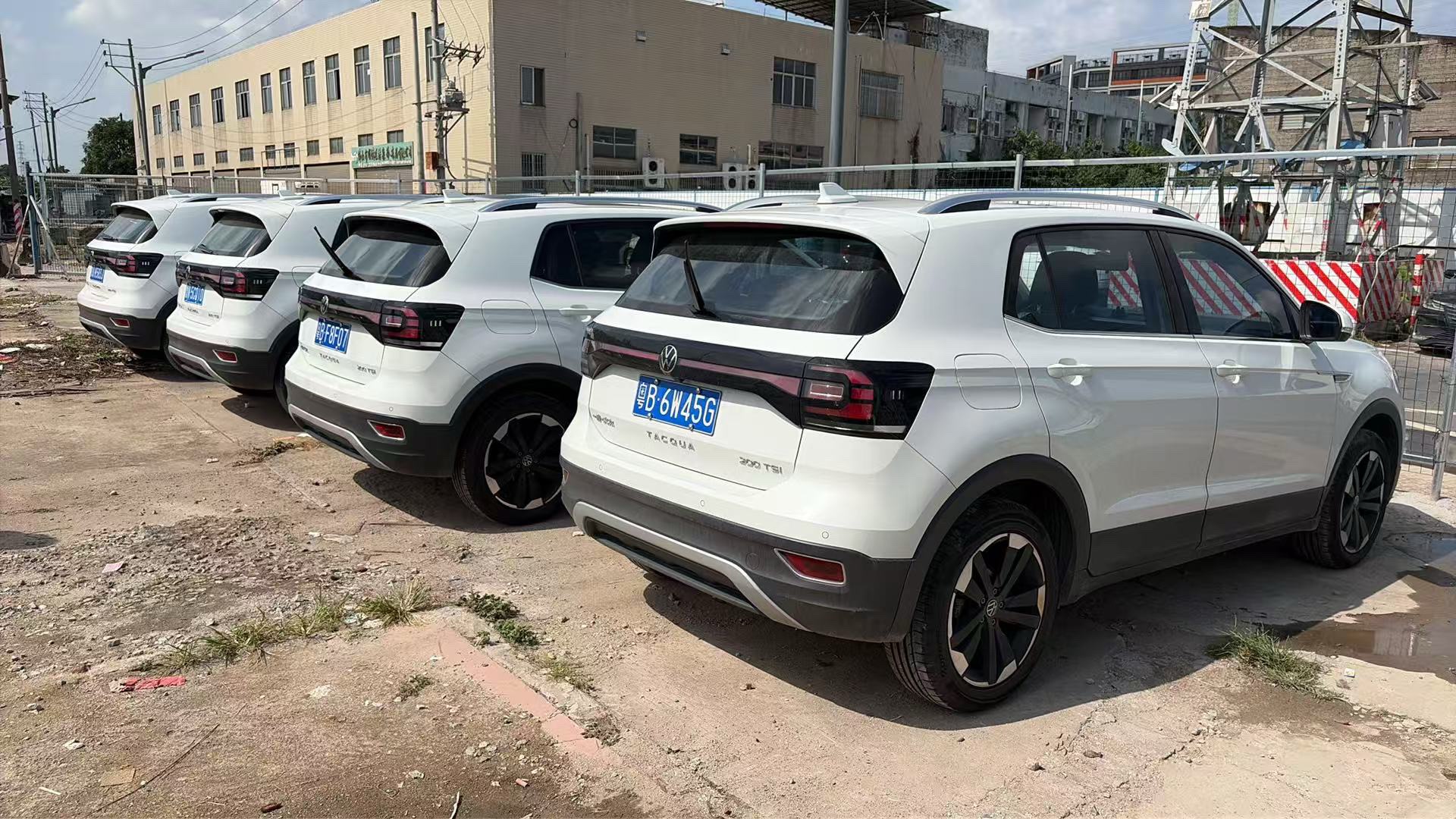
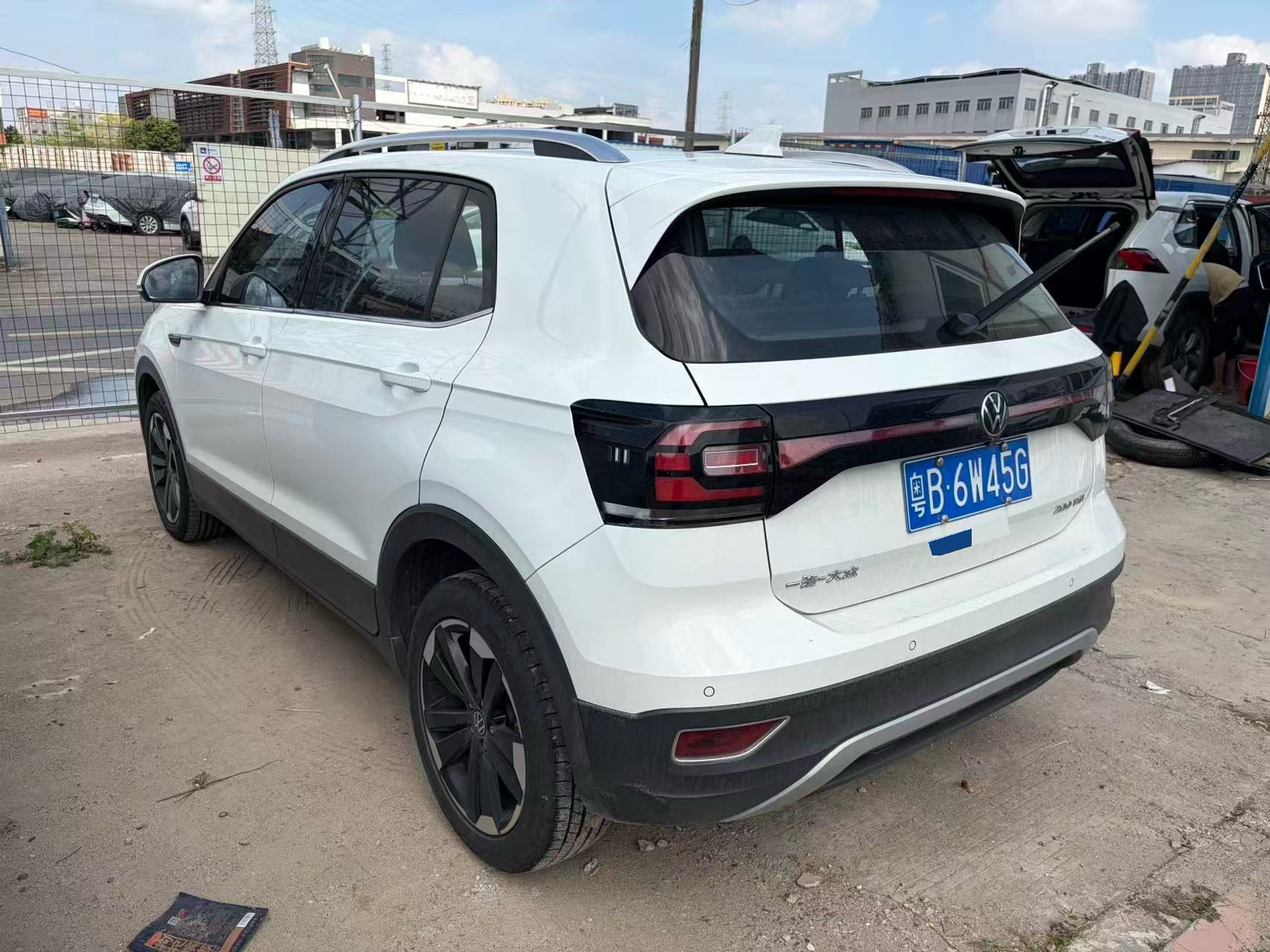
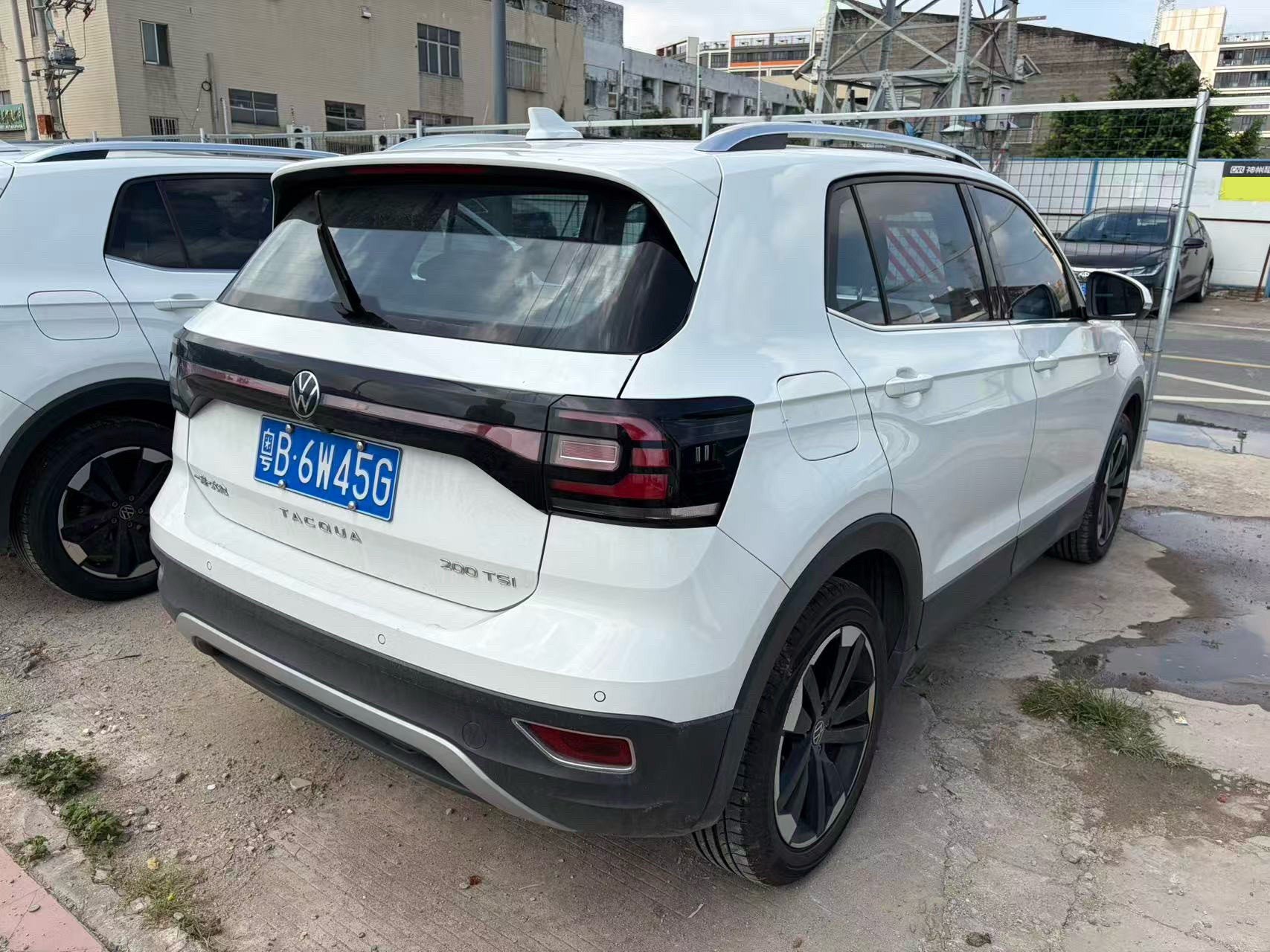
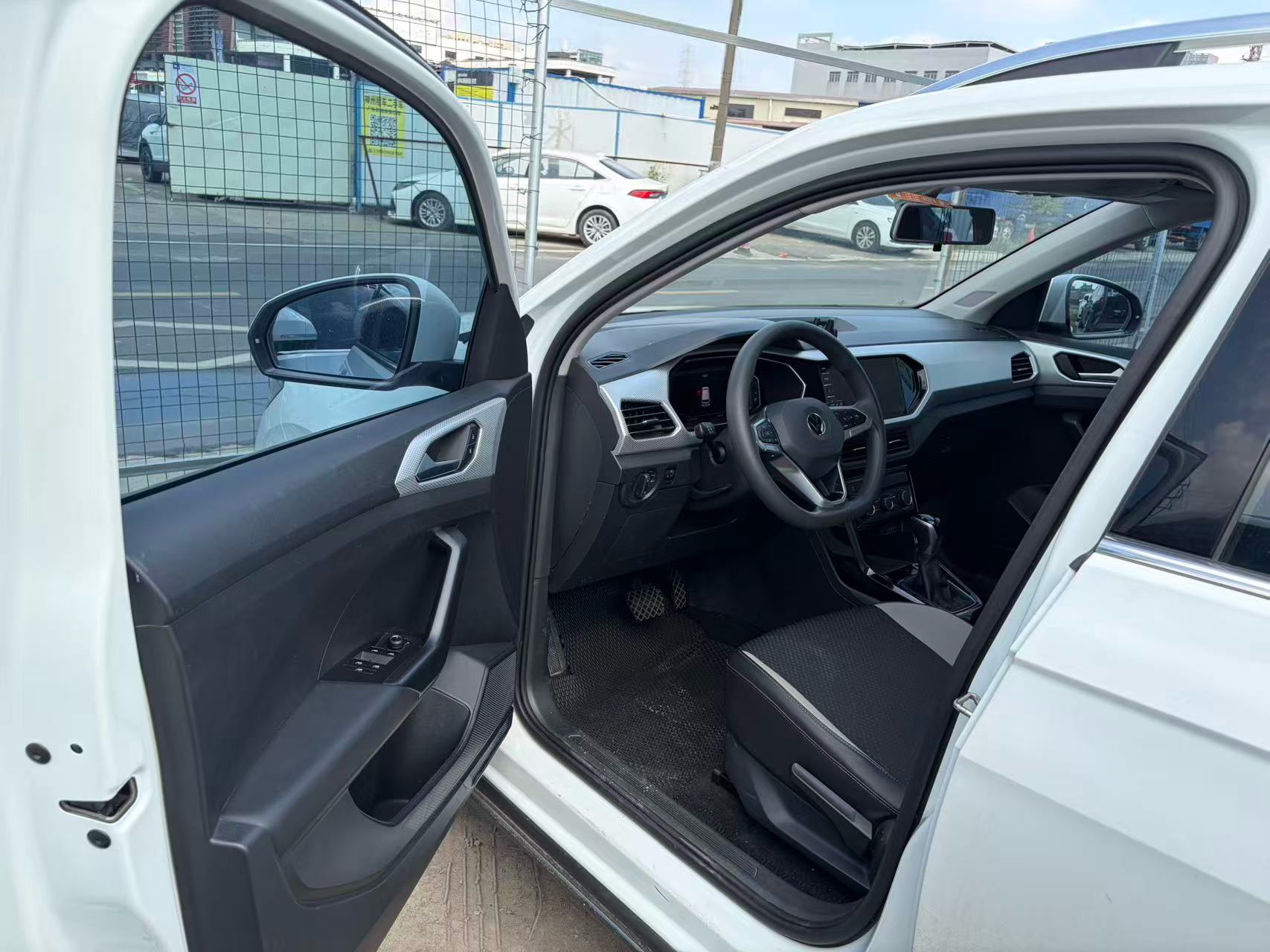
Basic Information

Brand-
Series-
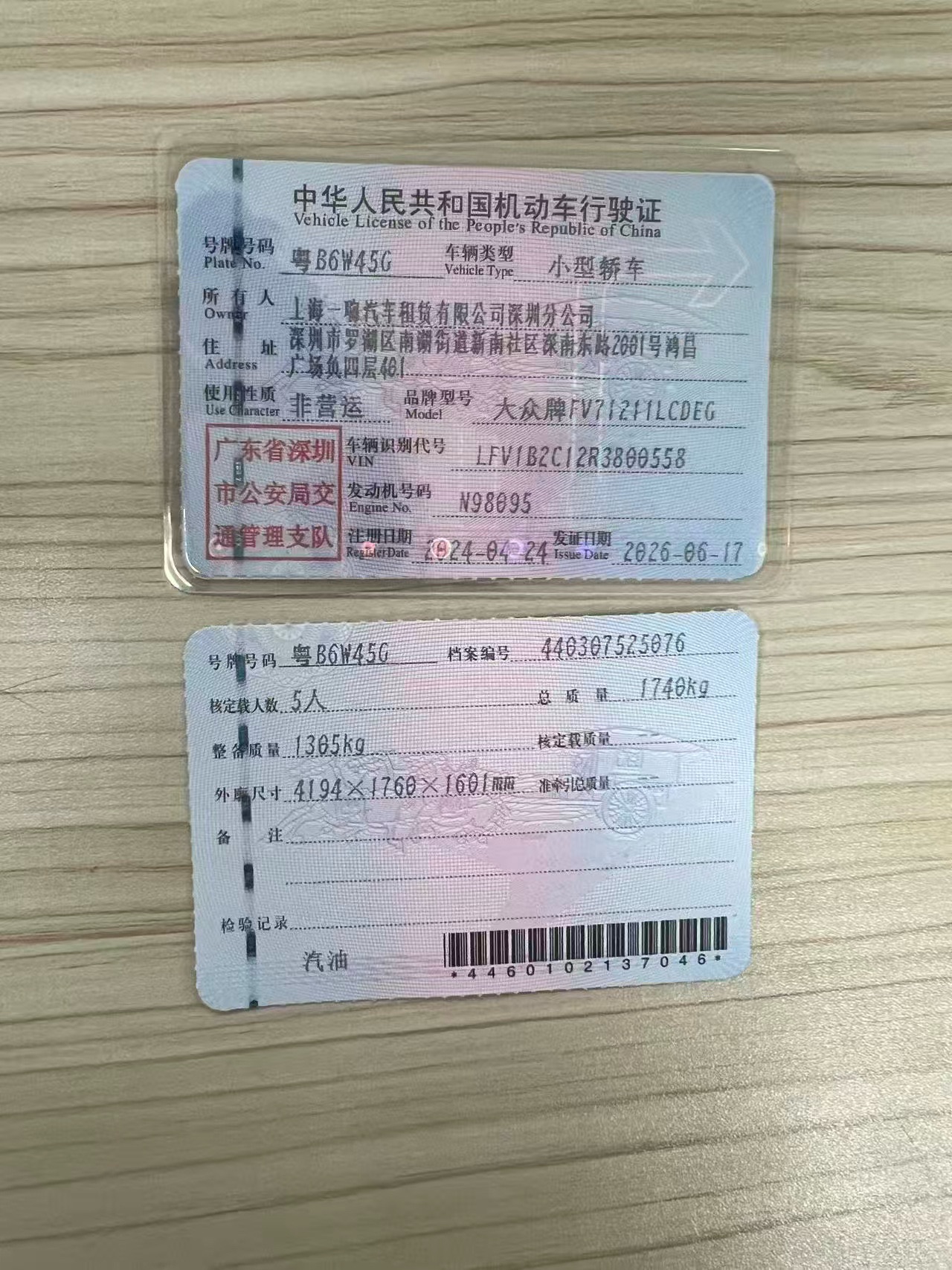
Year2024
First Registration2024/04
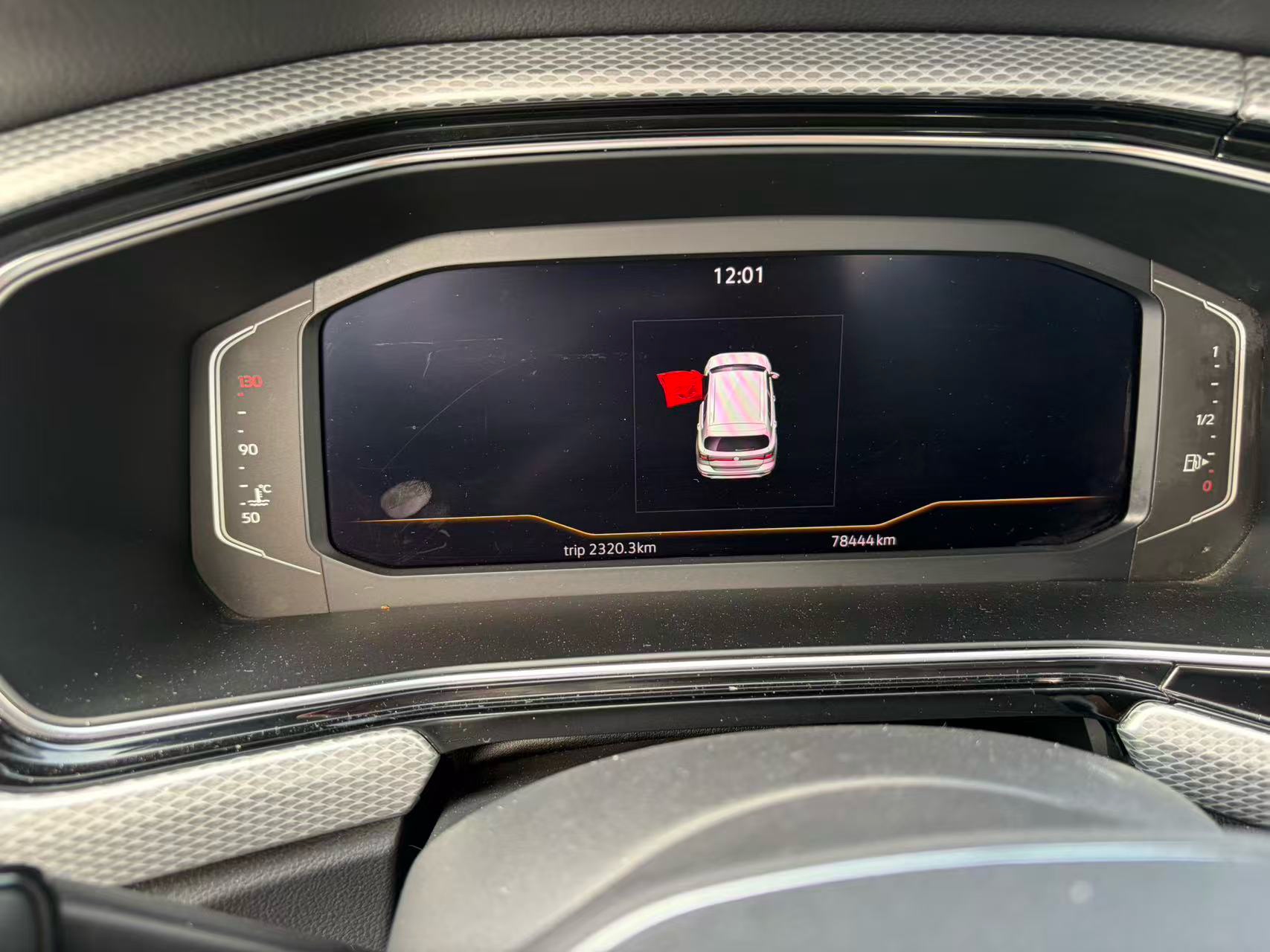
Mileage60,000km
Transfer Count0times
Fuel-
Transmission-
Engine-
ColorWhite
Seats-

Condition Description

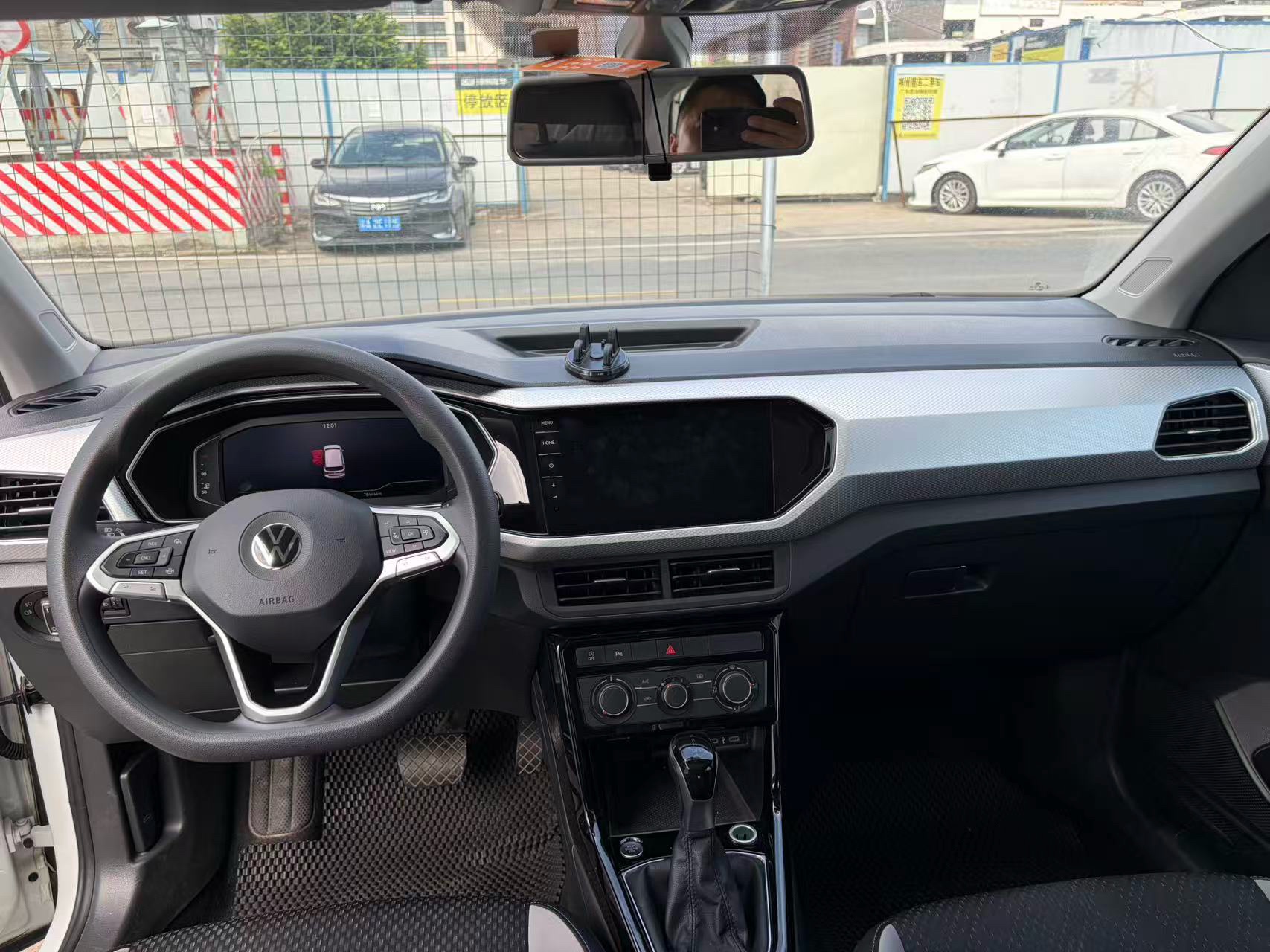
Original condition, repainted, one owner, can pass third-party inspection.

Document Information

Inspection Expiry Date-
Warranty Expiry Date-
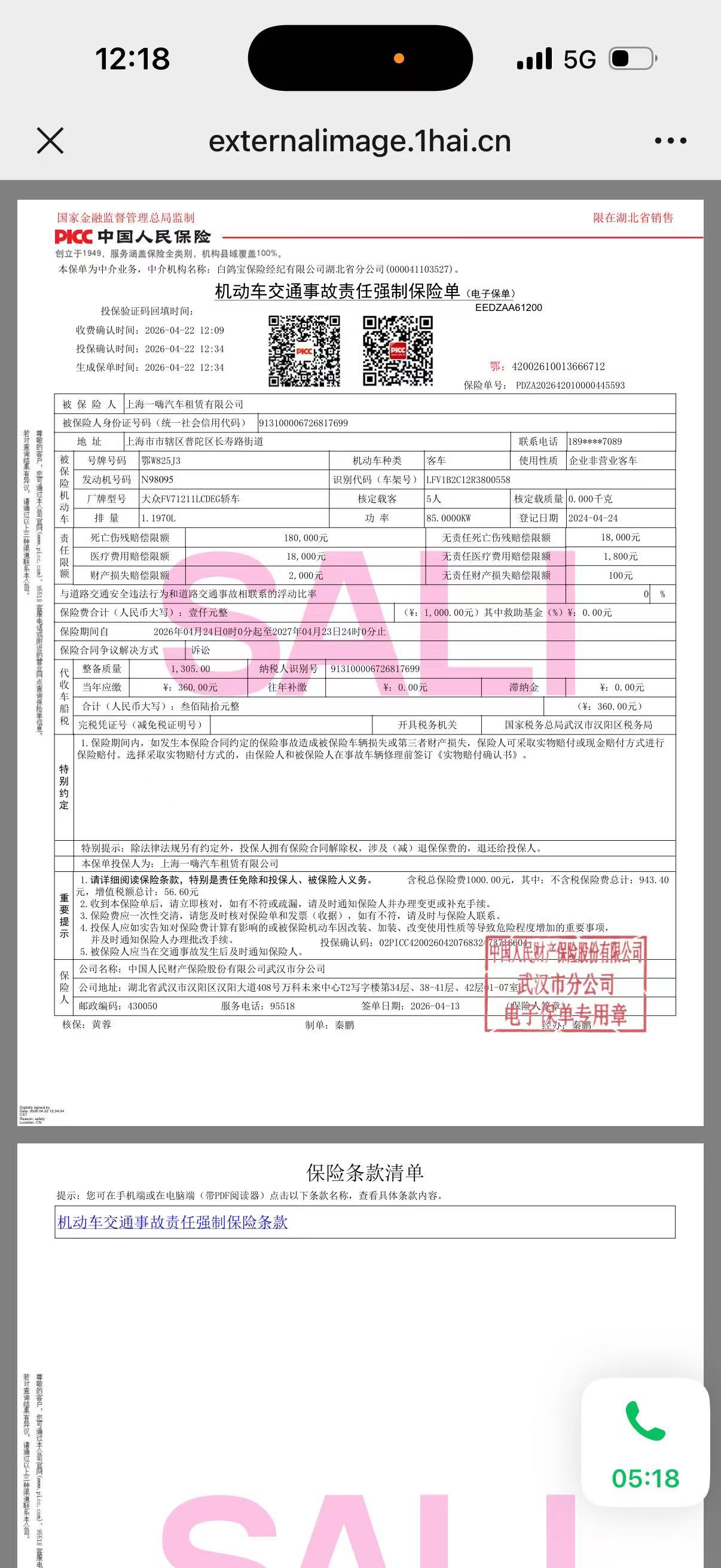
Insurance Expiry Date2027/06

Q&A

More

Is the shipping insurance rate for used new energy vehicles higher than that for traditional fuel vehicles? What is the deductible?

Yes. Due to the significant difficulty in extinguishing lithium battery fires, insurance companies typically charge 20%-40% higher rates for comprehensive coverage on used EVs compared to ICE vehicles. Additionally, the absolute deductible for minor scratches on the body will also be increased accordingly.

How can I detect signs that a used Chinese car was used for heavy towing, ride-hailing, or overloaded work when buying remotely?

Heavy-use vehicles often look clean in photos but show specific wear patterns. Here's what to check: 1. Rear sag and suspension: ask for a side-profile photo of the car on level ground. If the rear sits noticeably lower than the front, the rear springs or shocks may be worn from constant heavy loads. Compare with factory ride height specs. 2. Pedal and seat wear: accelerator and brake pedals with polished metal patches, and a driver's seat bolster that is flattened or cracked, indicate high mileage or intensive commercial use — even if the odometer says otherwise. 3. Hitch and tow bar marks: check the rear bumper area in close-up photos for scratches, bolt holes, or a removed tow bar mount. Ask the seller directly whether the car ever towed. 4. Underbody and frame: request underbody photos. Look for bent or scraped crossmembers, fresh undercoating hiding damage, or uneven tire wear across the rear axle. 5. Data check: many ride-hailing cars in China have records in maintenance databases — a professional inspection agency can flag cars with commercial fleet history. If the seller refuses underbody or close-up photos, treat it as a warning sign and consider another vehicle.

How do seasonal factors—peak seasons, weather, holidays—affect shipping times and rates from China?

Timing your shipment can save both money and weeks of waiting. Several predictable patterns affect routes from China. Peak season surcharges: January through March, before Chinese New Year, exporters rush to ship, so container and RoRo space tightens and rates rise 20-50%. Book at least 3-4 weeks ahead during this window. After the holiday (usually February), factories and ports restart gradually, causing 2-3 weeks of backlog. Weather effects: Typhoon season (July-September) can delay departures from southern Chinese ports like Shenzhen and Guangzhou. Winter fog and ice affect northern ports like Dalian and Tianjin, slowing loading operations. Destination-side factors: Monsoon seasons can slow port operations in South and Southeast Asia. Holiday periods at destination (e.g., Ramadan in the Gulf, year-end holidays elsewhere) reduce customs staffing and extend clearance times. Practical advice: ask your forwarder for rate calendars, avoid booking right before major Chinese holidays, and build 1-2 weeks of buffer into delivery promises to your customers. Flexible departure ports (Shanghai vs. Ningbo vs. Shenzhen) can also help you find available space.


大众 2023款 探影 1.2TSI 200TSI 悦智联版 自动挡

大众 2023款 探影 1.2TSI 200TSI 悦智联版 自动挡

EXW: $7,879
Car CodeSWA1901401
Publish Date2026/11/07