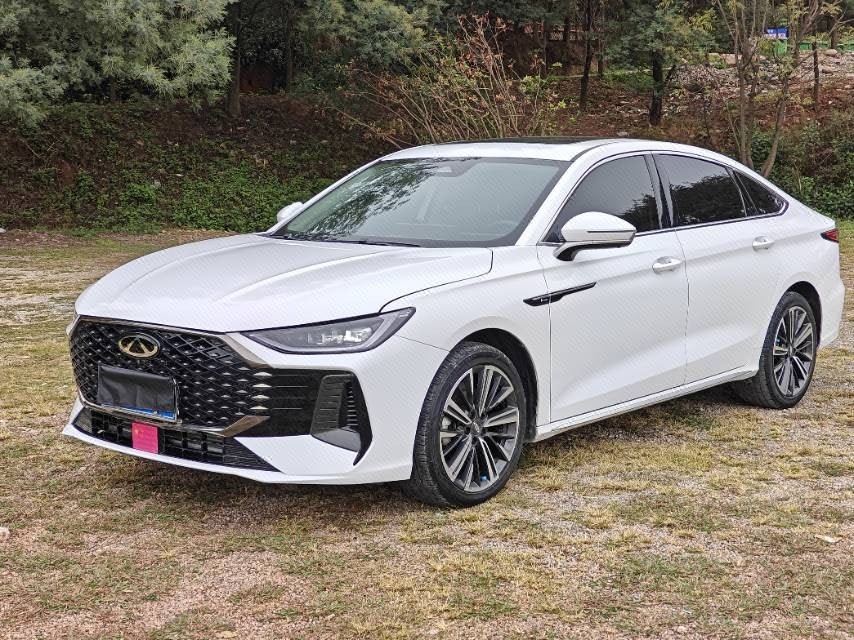
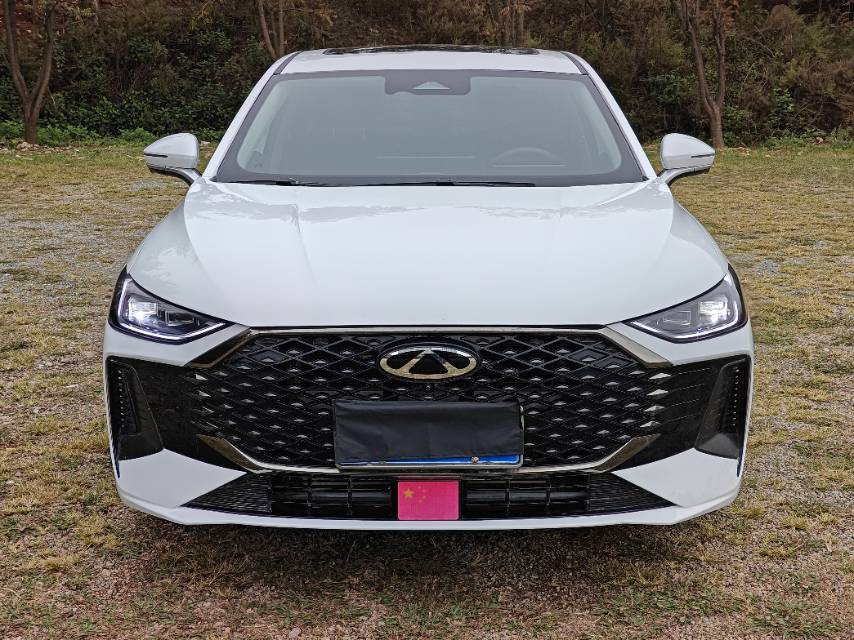
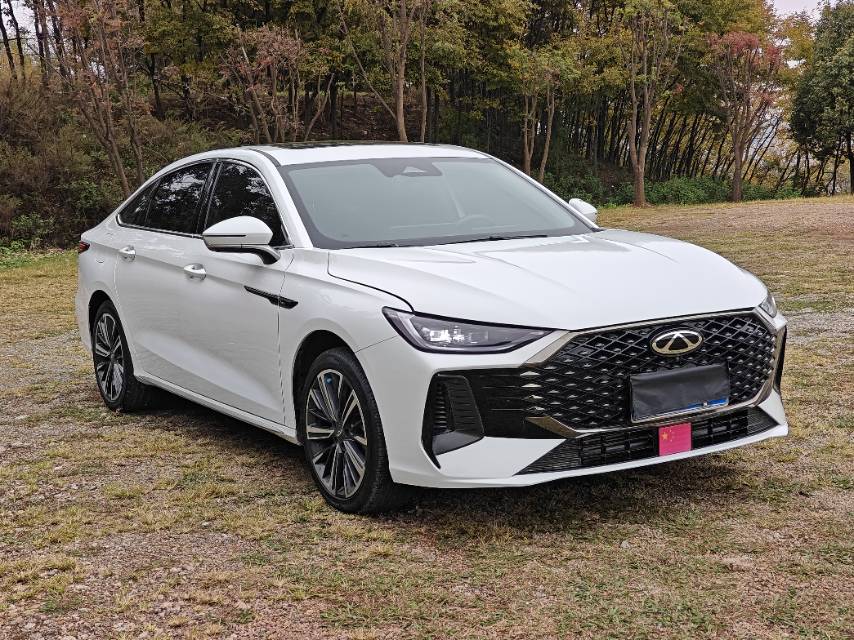
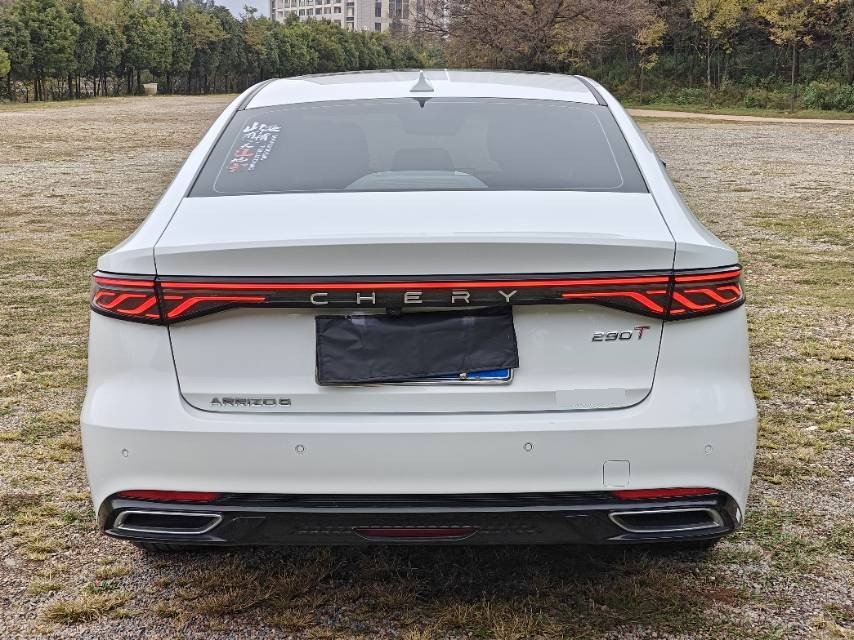
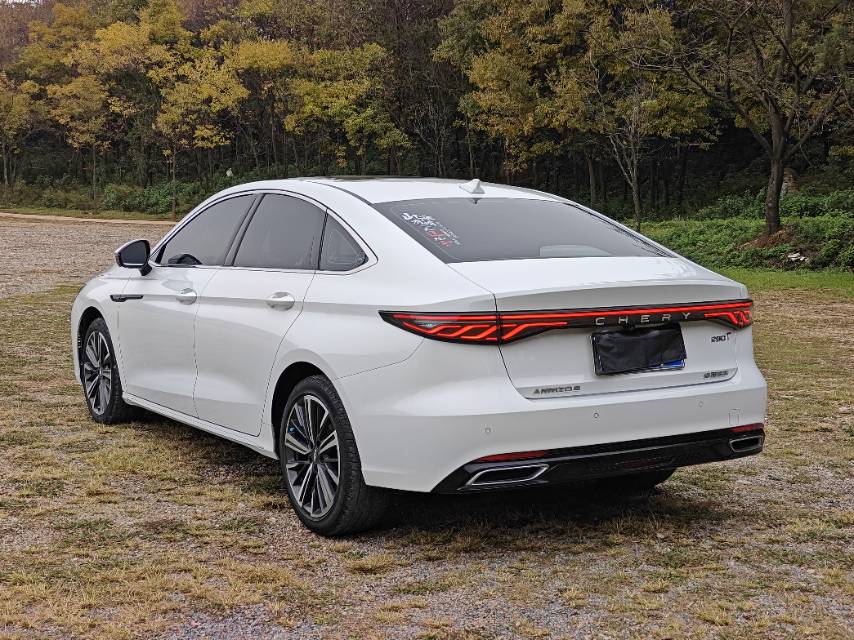
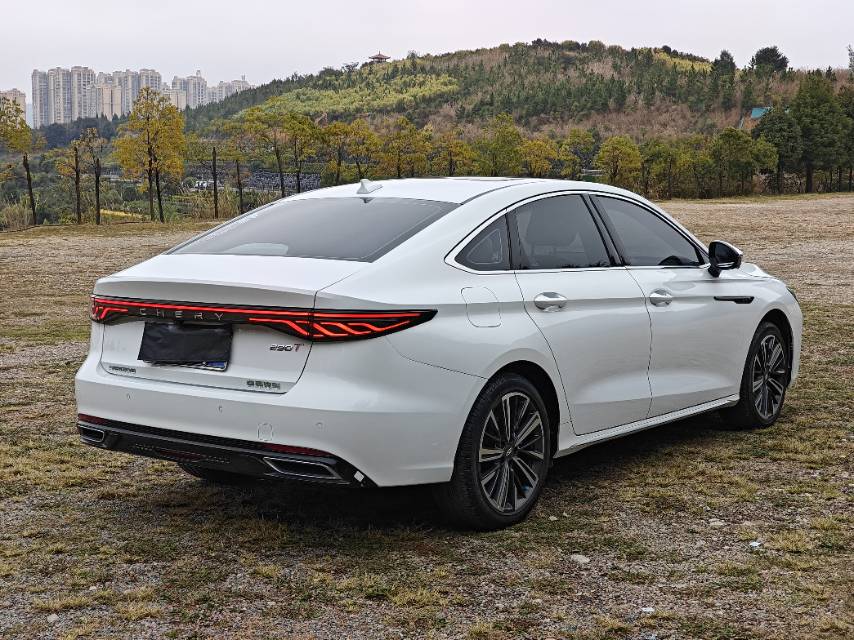
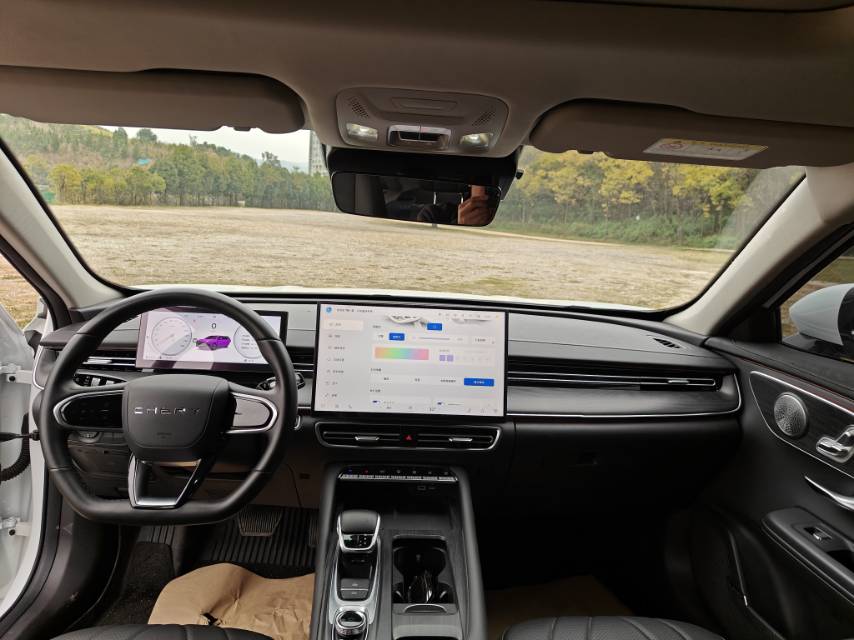
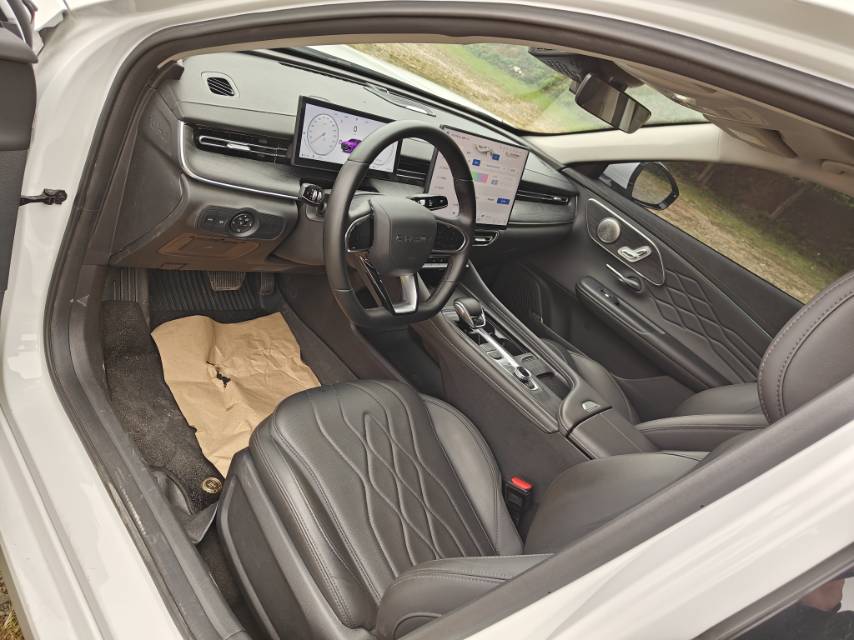
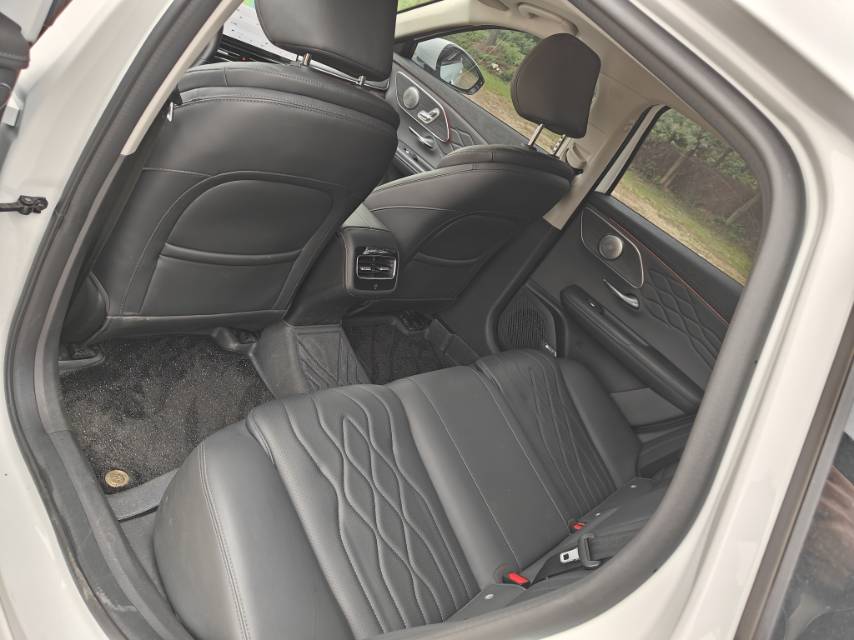



Basic Information

Brand-
Series-
Year2025
First Registration2025/07
Mileage18,000km
Transfer Count0times
Fuel-
Transmission-
Engine-
ColorWhite
Seats-

Condition Description

The left A-pillar was cut, the front beam was not touched.

Document Information

Inspection Expiry Date-
Warranty Expiry Date-
Insurance Expiry Date2027/07

Q&A

More

What kind of after-sales support can I expect if a problem appears after the car arrives?

Cross-border after-sales support mainly comes from three channels: 1. Contract terms: Reputable exporters commit in the sales contract to engine and gearbox coverage for 30 days after pickup, excluding wear-and-tear items. Get this in writing before paying. 2. Inspection report: The pre-shipment inspection report is your baseline. If the car arrives with problems that contradict the report (e.g., hidden accident damage not disclosed), you can file a claim against it. 3. Parts supply: For mainstream Chinese brands, spare parts channels exist in Russia, Central Asia, the Gulf, and Africa. Many exporters will help you source and ship parts after delivery. Practical tips: inspect the car on arrival and photograph everything; report any issue in writing within 48 hours; keep all shipping documents. Claims filed weeks later are hard to prove.


How do I check whether a used car from China has a clean title — no theft, flood, fire, or major accident record?

A clean title check has three layers. First, run the VIN through maintenance records: dealers in China log service visits with mileage, and gaps or mileage rollbacks are red flags. Second, pull insurance claim history — major accidents, fire and flood damage usually leave claim records even if the car was repaired well. Third, verify registration status: confirm the car is not under finance, court seizure, or theft report. From overseas, you can engage a local inspection agency or law firm to retrieve these records and issue a written report. Cross-check the VIN and engine number on the report against the registration certificate; any mismatch means walk away.

What's the difference between RoRo and container shipping when importing a used car from China?

RoRo (roll-on/roll-off) means your car is driven onto the vessel and secured on an open deck. It's usually the cheapest option and has frequent sailings from Chinese ports like Shanghai and Guangzhou. The downside: the car is exposed to sea air and handling, and you typically can't load spare parts inside the car. Container shipping puts the car in a 20ft or 40ft container. It costs more per car (a 40ft can fit 2-4 cars if you share with other buyers), but the car is sealed and protected, and you can pack spare parts, tools, or personal items inside. Container is the better choice for high-value cars, EVs with sensitive electronics, or harsh-route destinations. Practical tips: RoRo requires the car to be drivable and the battery disconnected per shipping rules; EVs often must ship at low state of charge. Either way, photograph the car at the port of loading and buy marine insurance. Transit time difference between the two modes is usually small - port congestion matters more than the mode itself.

奇瑞 2025款 艾瑞泽8 Pro 1.6TGDI 290TGDI 舒适型 自动挡

奇瑞 2025款 艾瑞泽8 Pro 1.6TGDI 290TGDI 舒适型 自动挡

EXW: $10,267
Car CodeSWA1919343
Publish Date2026/11/25
