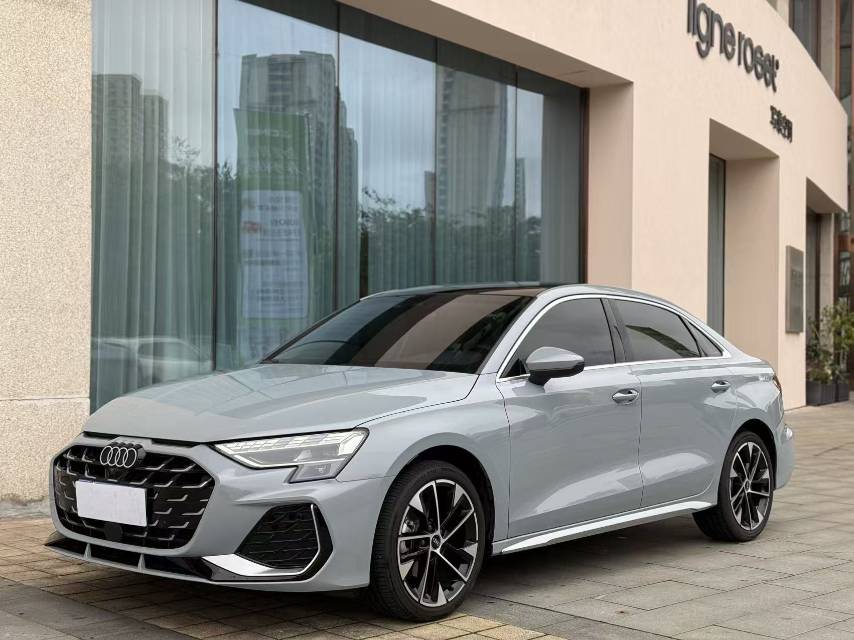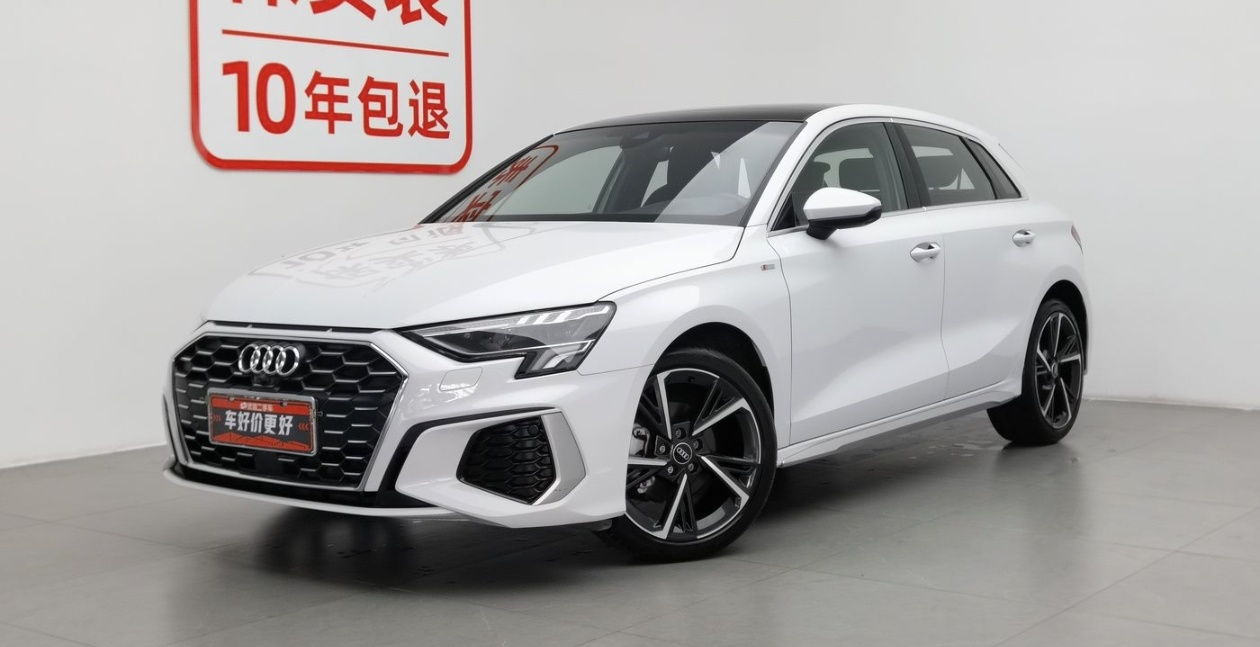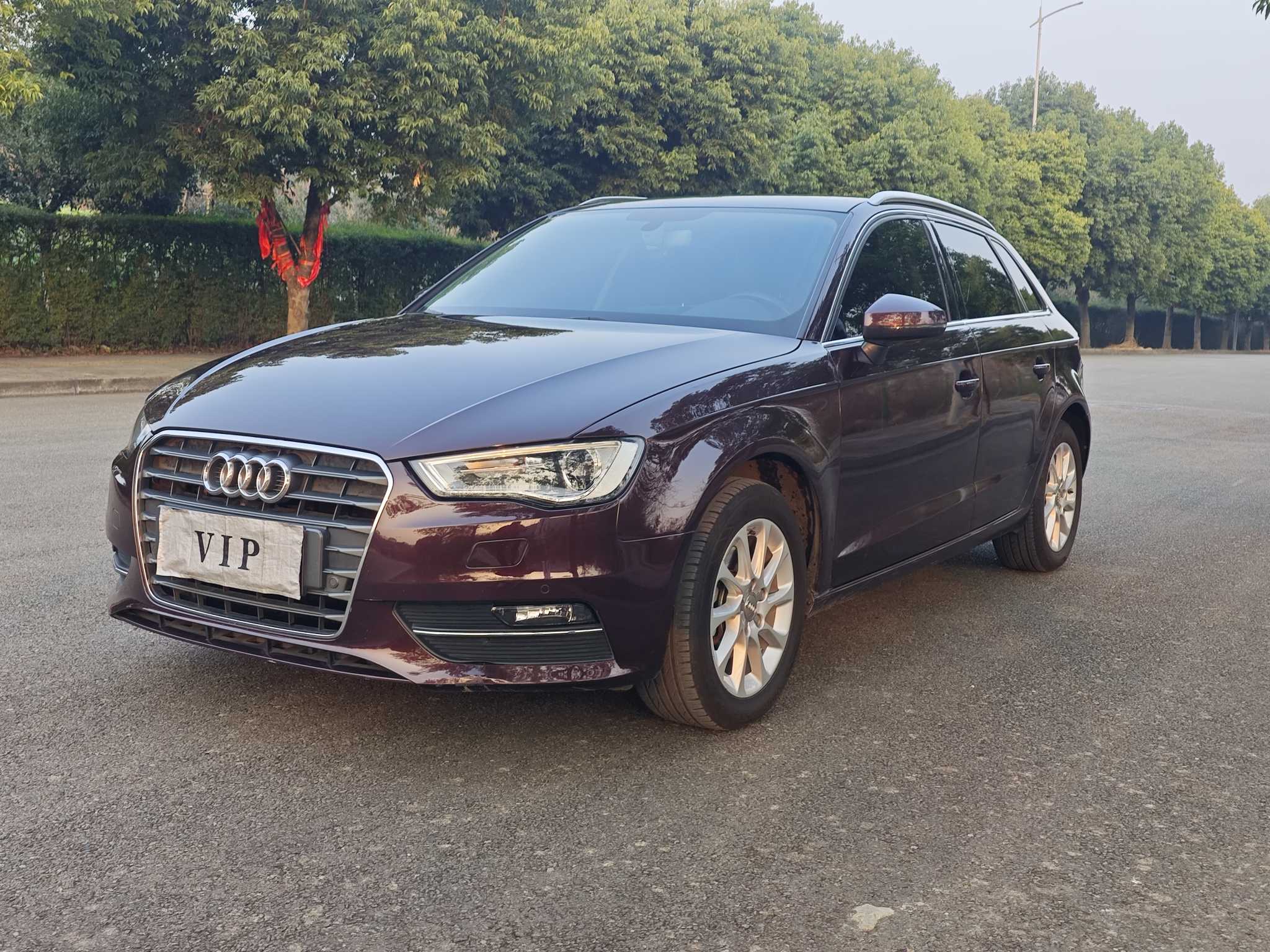
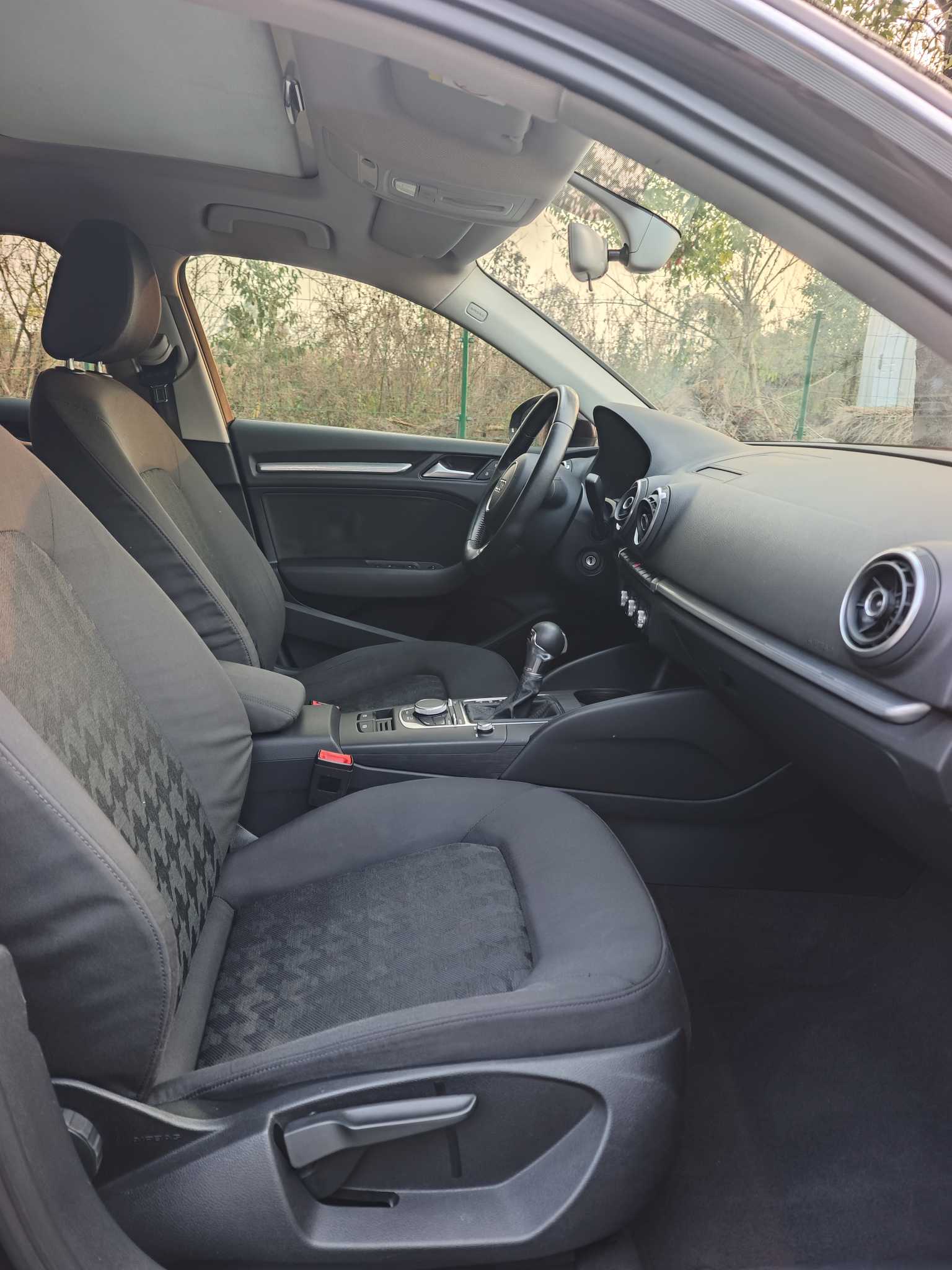
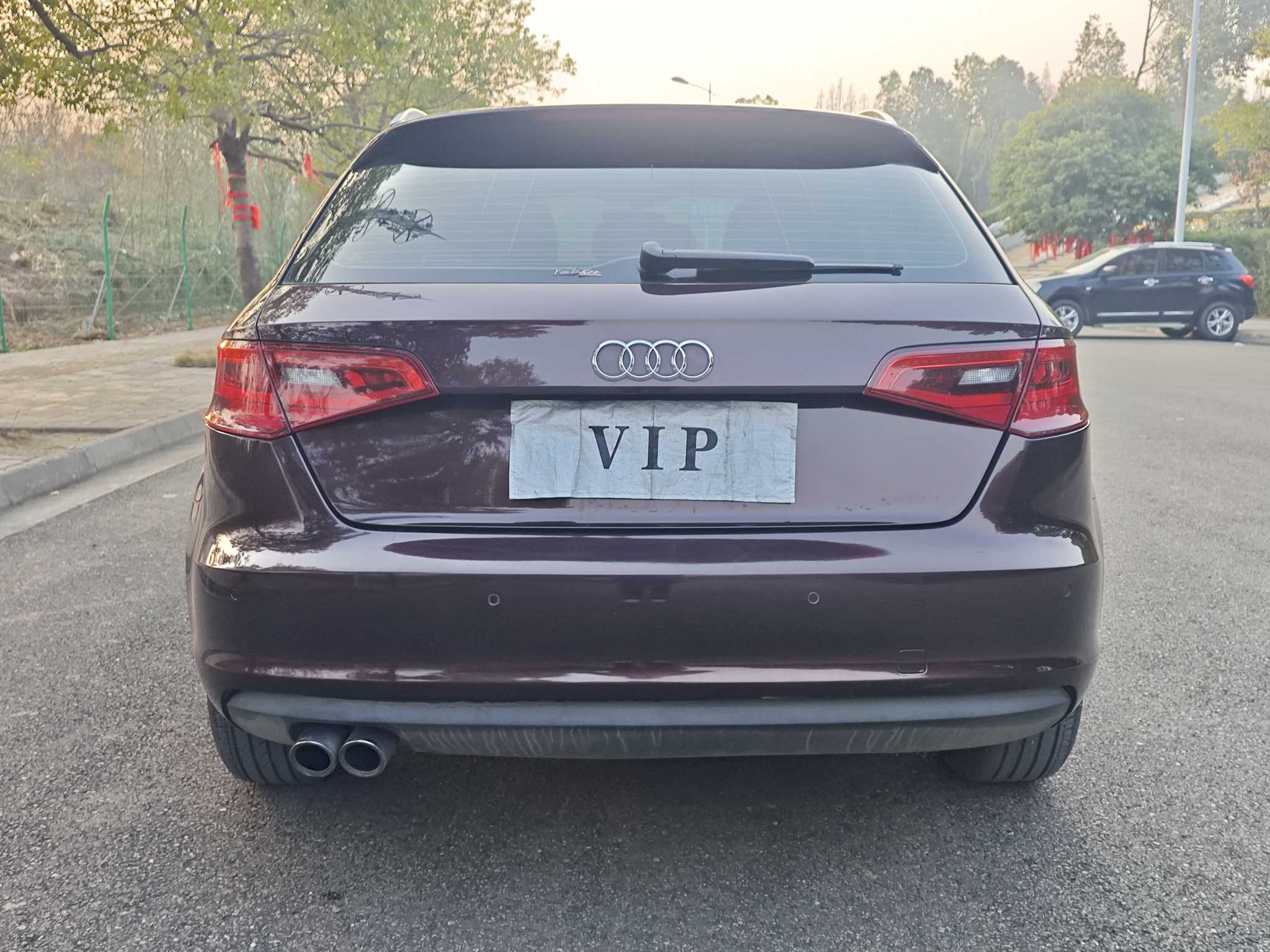
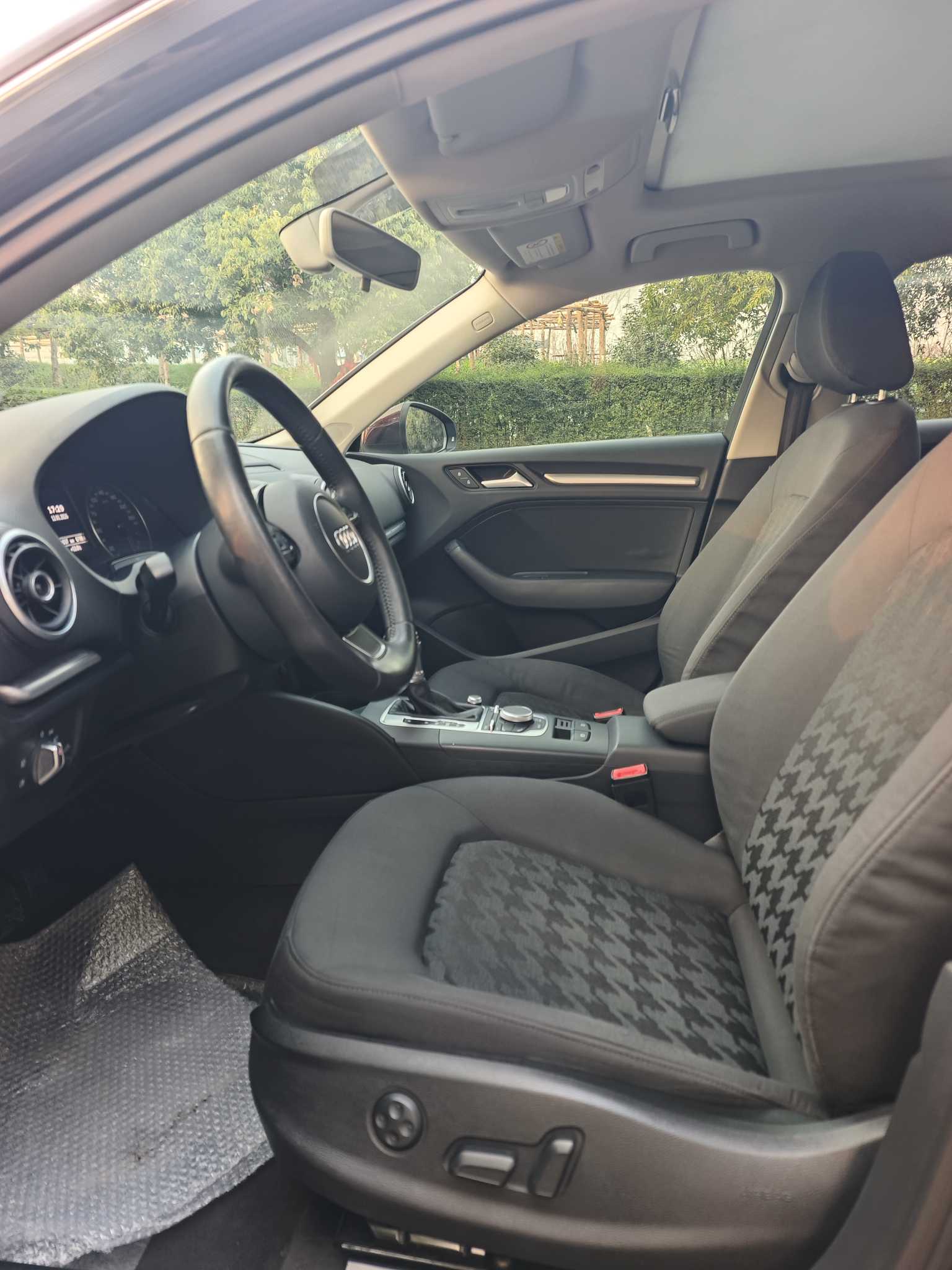
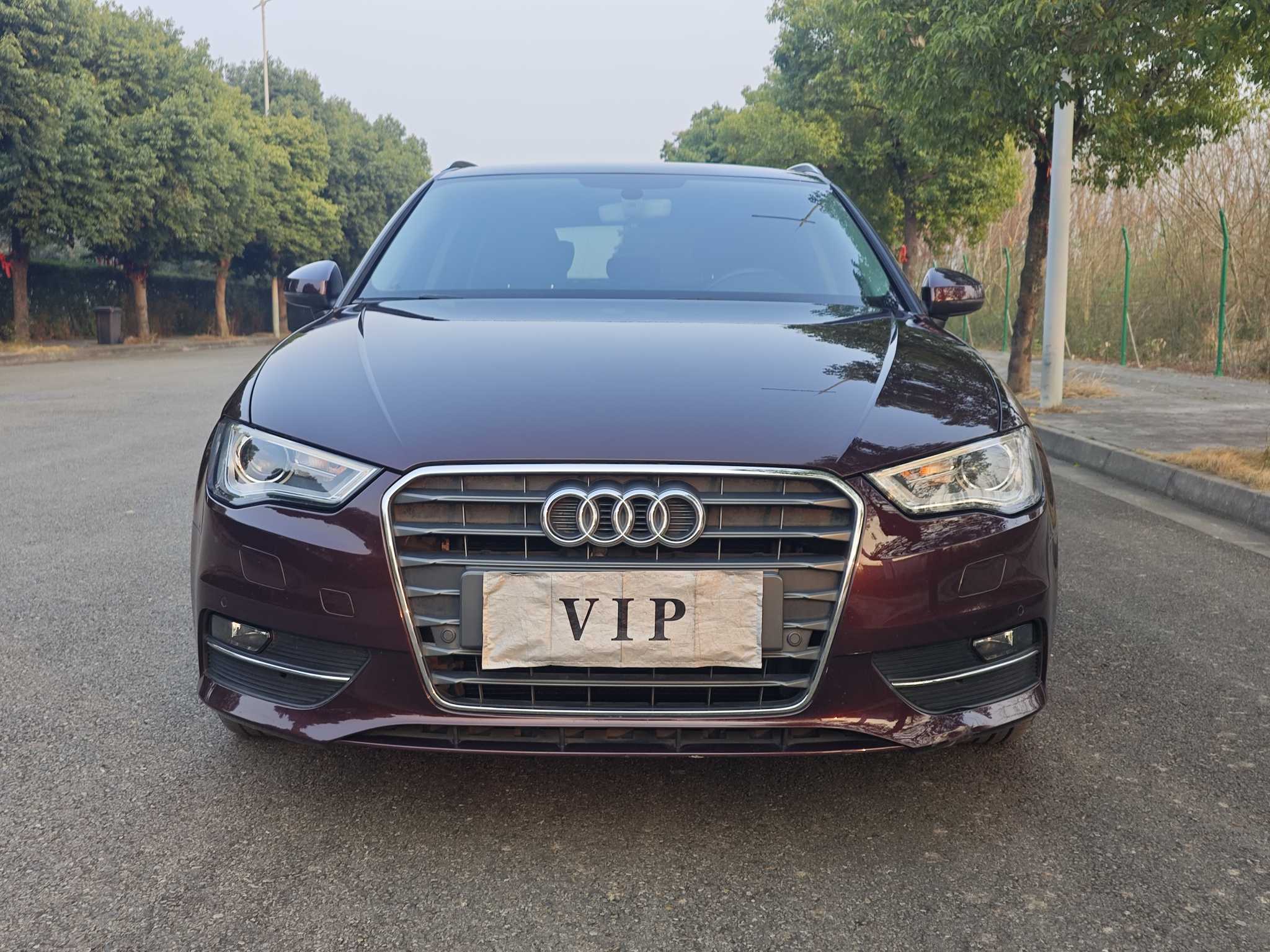



Basic Information

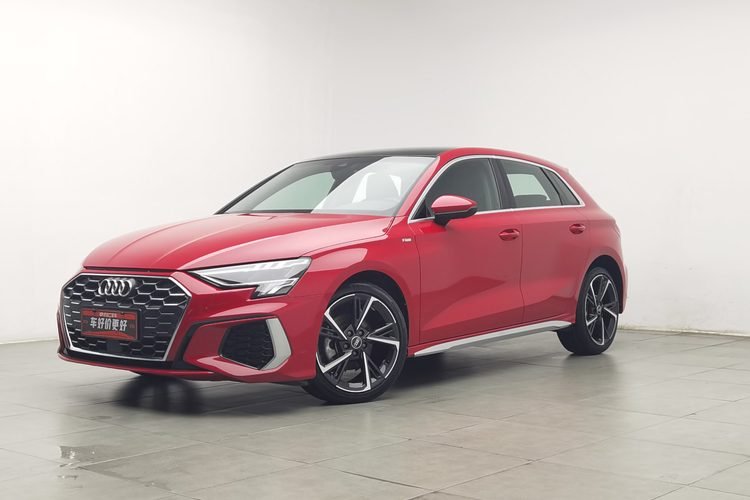
BrandAudi
SeriesA3
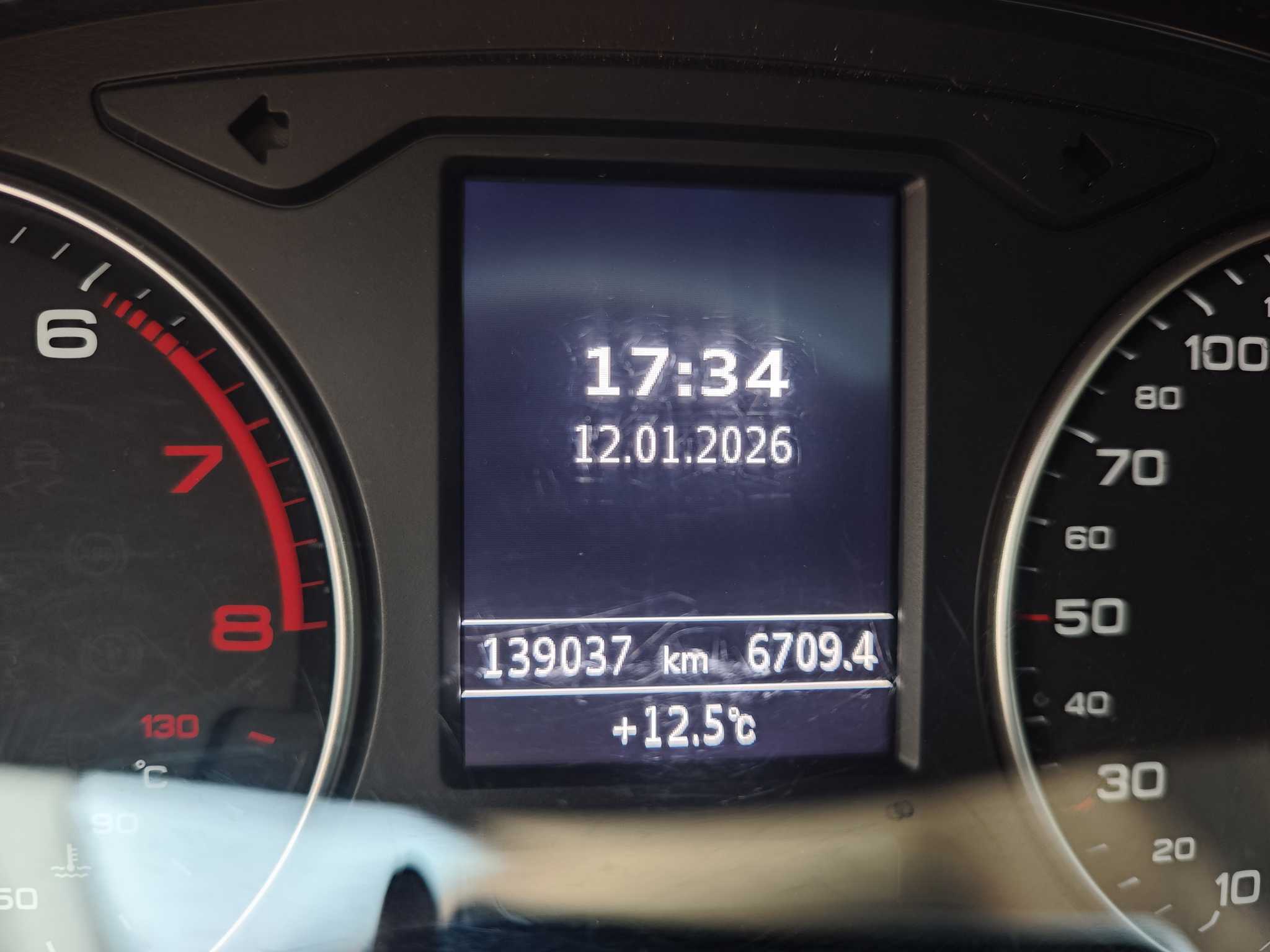
Year2014
First Registration2014/04
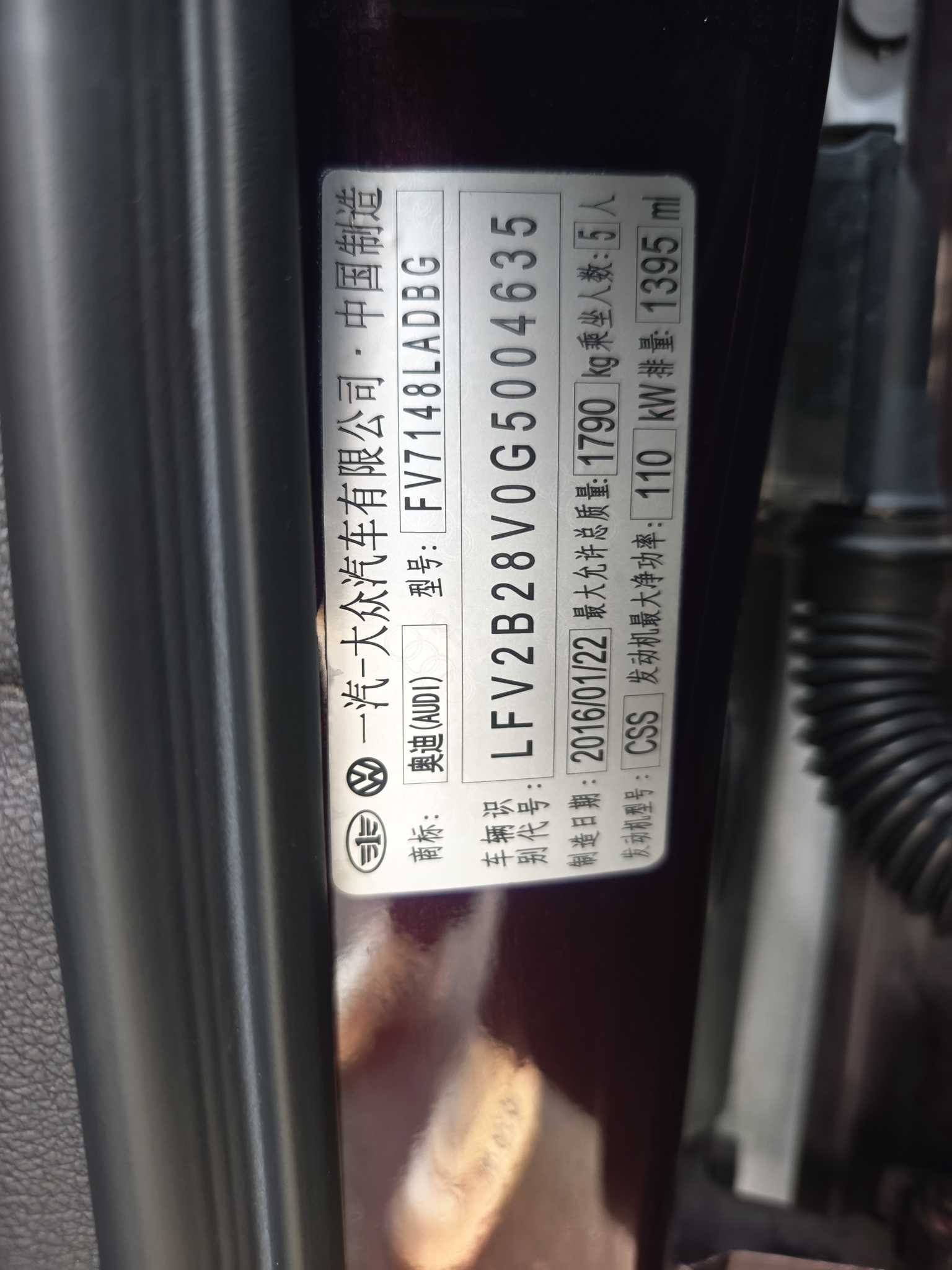
Mileage139,000km
Transfer Count0times
FuelGasoline
TransmissionDCT
Engine1.4T 150 L4
ColorRed
Seats-

Condition Description

General vehicle condition.

可议价
已上架

Configuration Highlights

✓品牌: 奥迪
✓车系: 奥迪A3
✓车型: 奥迪A3 2014款 1.4T 双离合 Sportback 35TFSI 进取型
✓能源类型: 燃油车
✓发动机: 1.4T
✓变速箱: 双离合
✓驱动方式: 前轮驱动
✓排放标准: 国IV,国V
✓指导价: 19.99万
✓车源编号: 12645620
✓VIN: LFV2B28V0G5004635

Document Information

Inspection Expiry Date2026/04
Warranty Expiry Date-
Insurance Expiry Date2026/04

Q&A

More

How to ensure quality consistency for a batch of over ten vehicles during B2B bulk purchasing?

For B2B large customer orders, a "sampling + full inspection" dual regulation is adopted. Core parameters (no major accidents, no water damage or fire) are subject to 100% inspection per vehicle; appearance and condition are uniformly graded (e.g., uniformly purchasing Grade A), and panoramic images of all vehicles in the batch along with a core indicators comparison list are provided before shipment.
What should be done if the parameters on the vehicle's Chinese registration certificate do not match those in the destination country's customs database?

The commercial invoice and export license we provide are based on the vehicle's underlying VIN and official Chinese nameplate data. If there are minor discrepancies with the destination country's customs system parameters (such as curb weight), we will issue a "Parameter Explanation Letter" stamped by our company to assist you in explaining, but we cannot change the official document data.

Why are the shipping costs for used electric vehicles (EVs) usually higher than for internal combustion engine vehicles (ICEs)?

Pure electric vehicles are classified as Class 9 Dangerous Goods due to their large lithium batteries, leading to strict shipping regulations. Shipping companies have high requirements for the loading position and fire isolation measures for dangerous goods, and some roll-on/roll-off ships refuse to accept used EVs. As a result, EVs often require more expensive special container shipping and incur additional handling fees for hazardous materials.