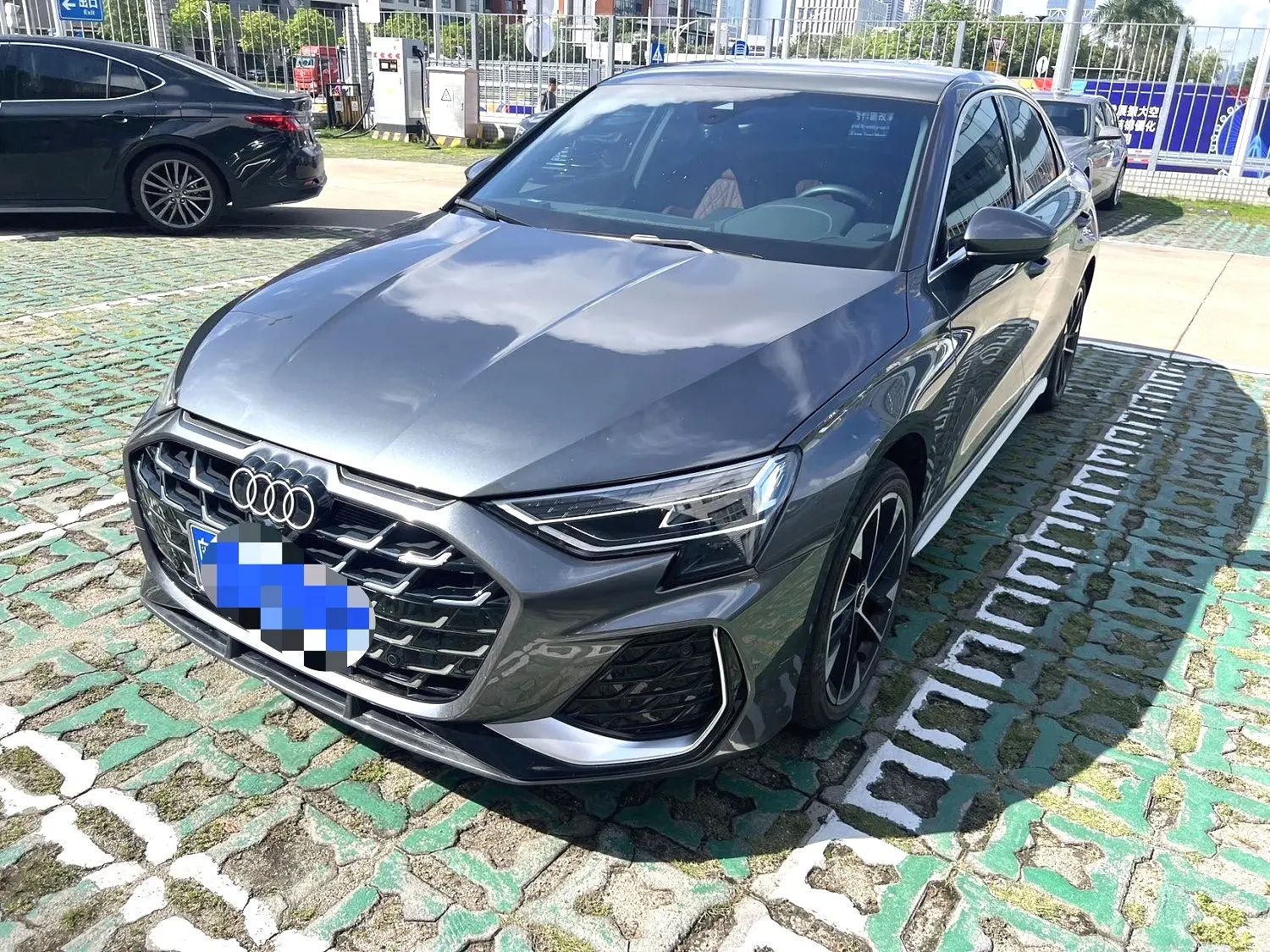


Basic Information

BrandAudi
SeriesA3
Year2015
First Registration2015/08
Mileage66,900km
Transfer Count-
FuelGasoline
TransmissionDCT
Engine1.4T 150 L4
ColorWhite
Seats-

Condition Description

Body components (structural/reinforcing/covering) have accident-type damage; passive safety devices are defective; vehicle performance (including three-electric system) is degraded or remains performance-limited after repairs.

Accident inspection: main structure damaged, reinforcing parts damaged, covering parts damaged, hinges abnormal; engine bay: key mechanical components normal; exterior: 4 sheet metal repairs, 1 repaint; interior: headliner sagging, most features normal, airbag system normal, lighting system normal; start-up test: main components normal; onboard tools: none.

电话直连
可讲价
平台物流
可转售
VIP车源
零过户
新检测标准升级>
必卖车源
非泡水

Document Information

Inspection Expiry Date2027/08
Warranty Expiry Date-
Insurance Expiry Date2027/08

Q&A

More

For vehicles equipped with LiDAR, will damage to the radar surface from stones affect driving?

It does not affect basic driving and regular speed cruise, but it will trigger a fault alert for advanced driver assistance on the dashboard. The LiDAR assembly is extremely expensive, so we focus on checking the integrity of the glass cover with a strong flashlight during inspections.


Will there be detailed information on the vehicle's consumable parts (such as tire tread depth and remaining brake pad thickness)?

Yes. The inspection report includes a specific "consumable parts consumption list." We will measure the tire tread depth (in millimeters) and the remaining brake pad thickness using calipers. If the tire tread is below the legal wear limit of 1.6mm, we will note it as "recommended to replace immediately upon arrival."

How do you assess the leak risk of vehicles with panoramic sunroofs?

We maintain an absolute skeptical attitude. In addition to regular visual inspections, we focus on checking for sediment accumulation around the sunroof drainage channels and look for water stains under the A-pillar trim and front floor mats. This is the only effective physical evidence to determine if the sunroof drainage holes are blocked, leading to hidden leaks.