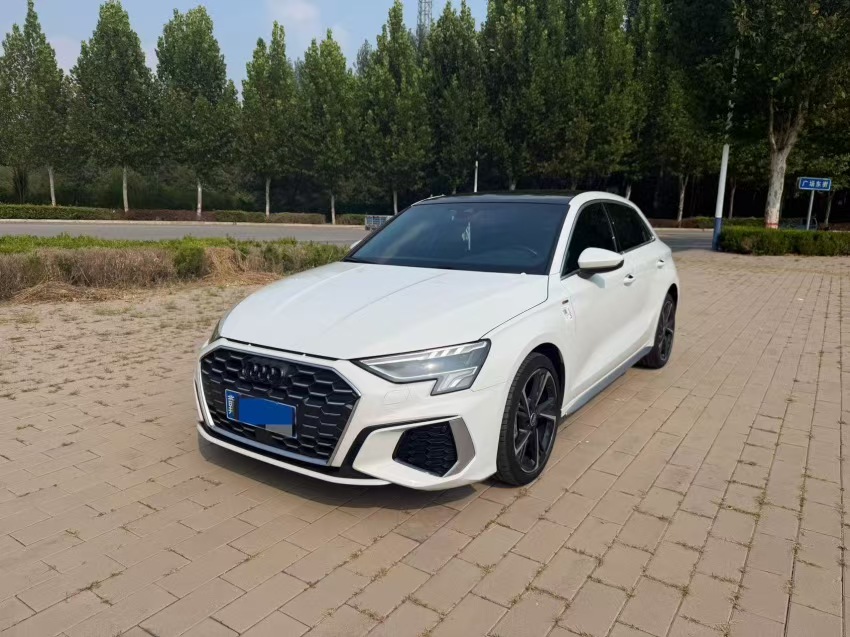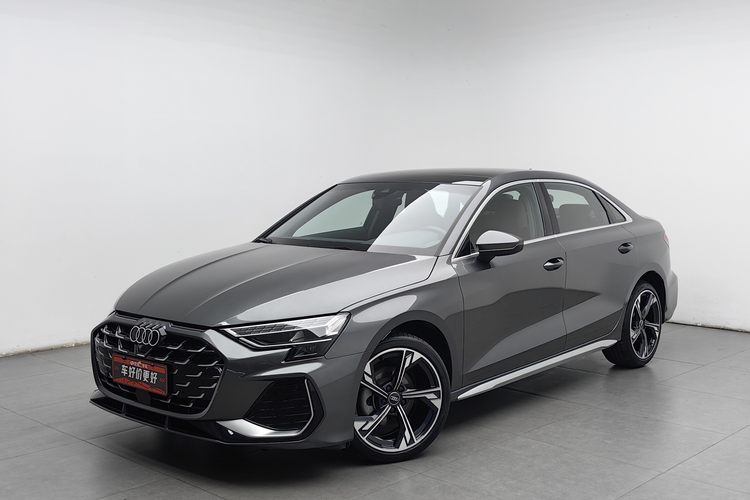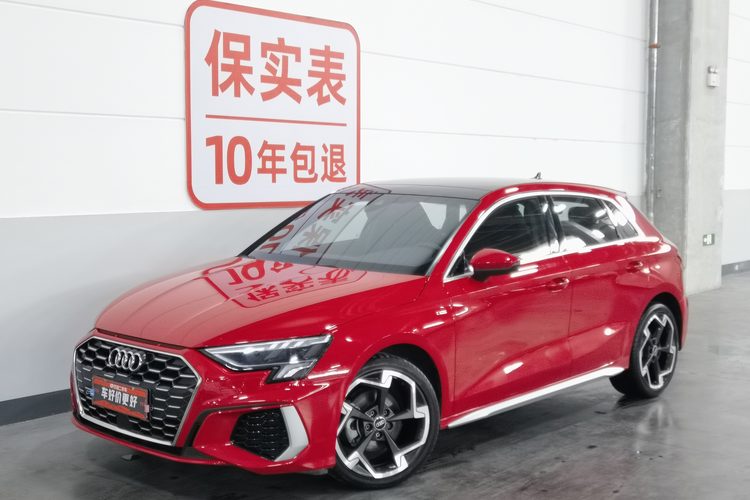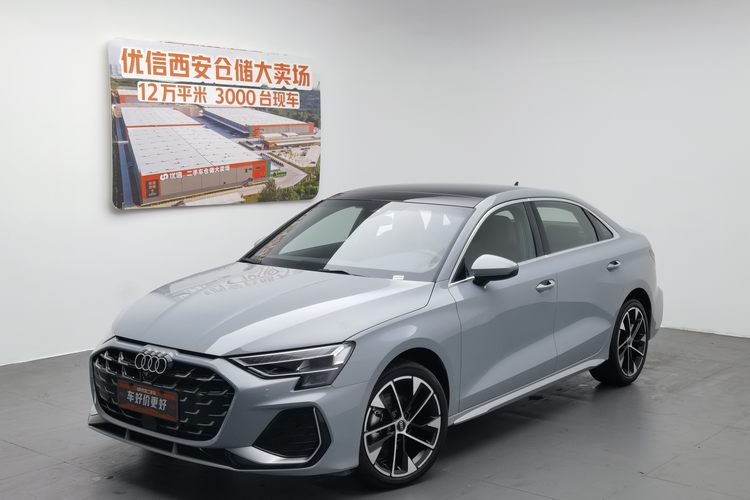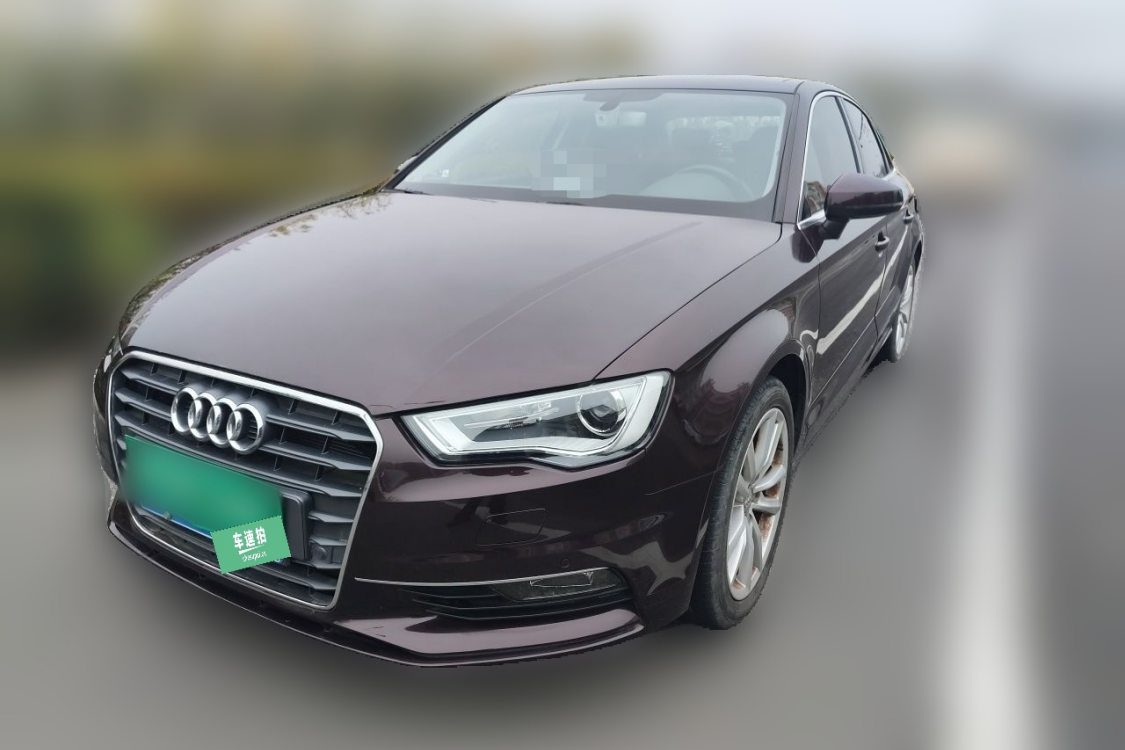
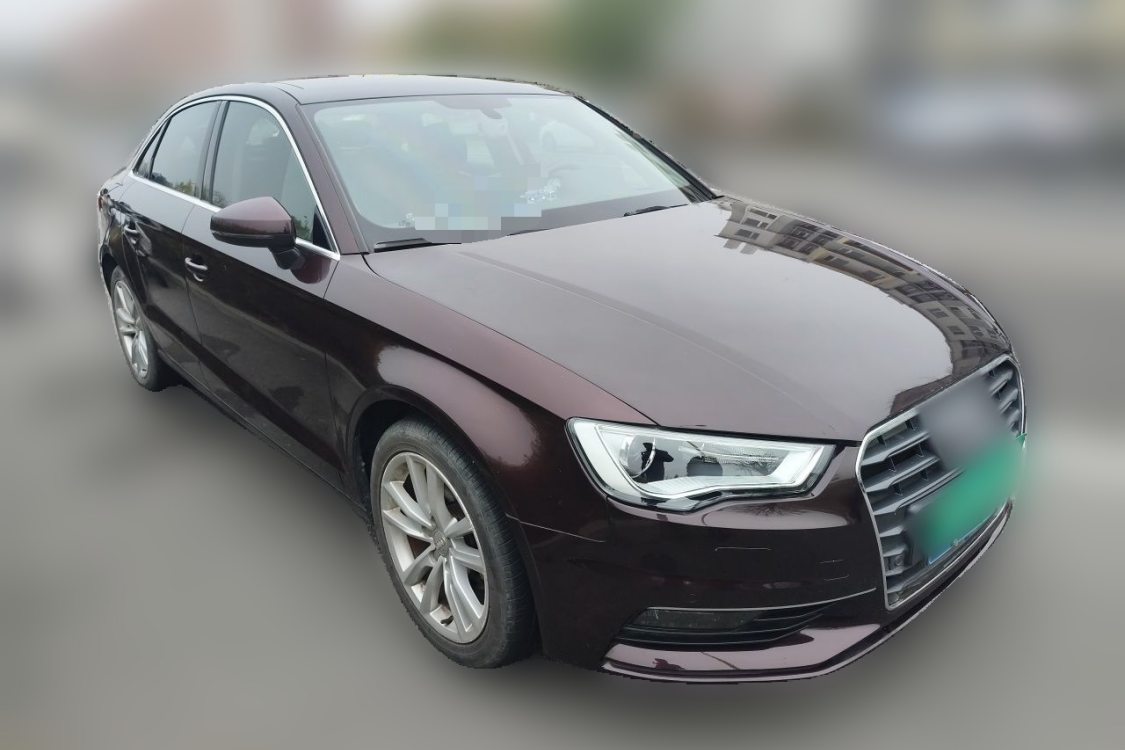
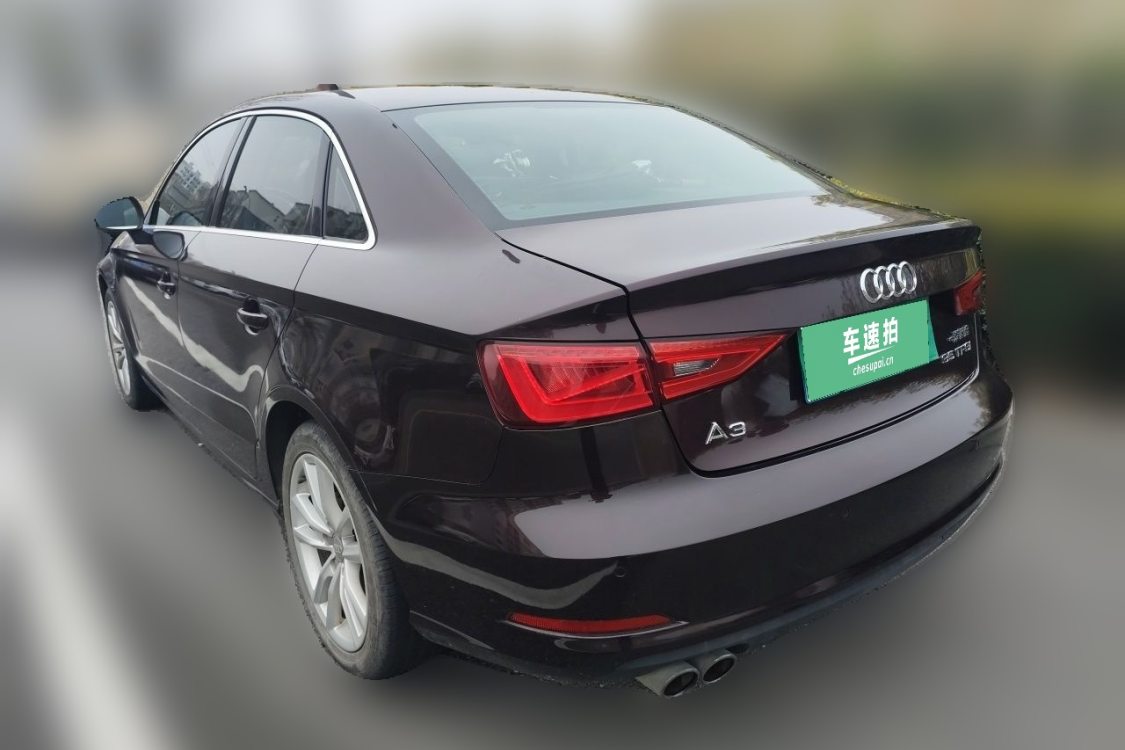
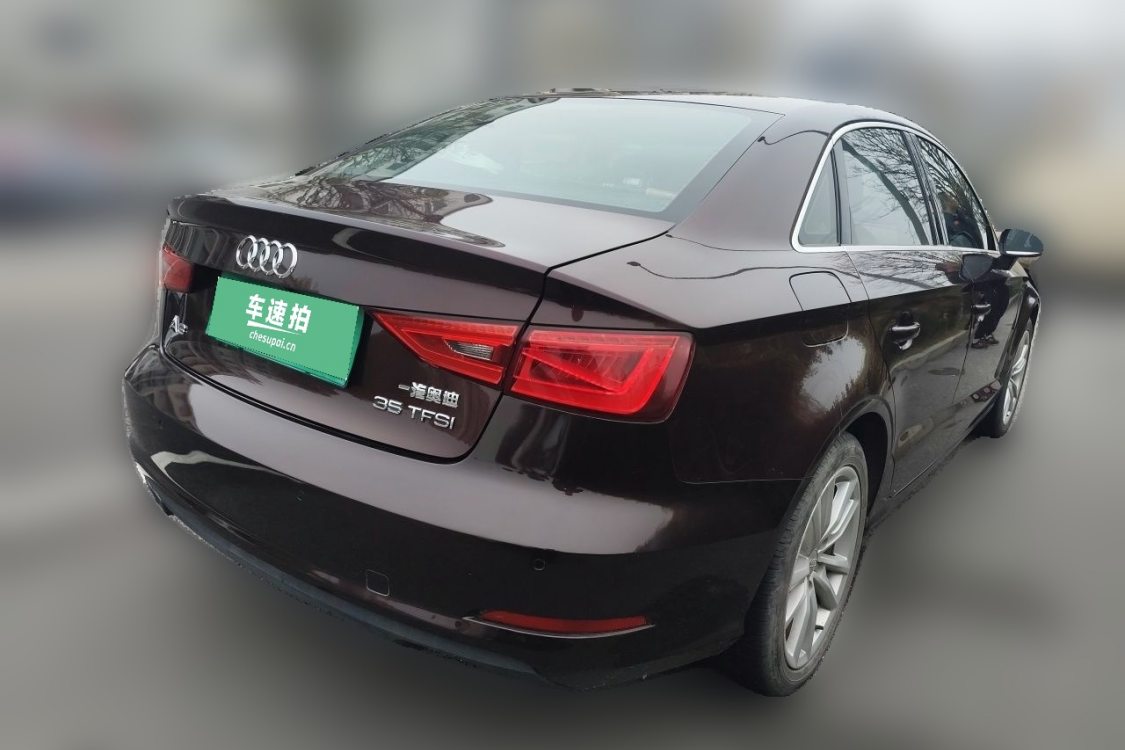
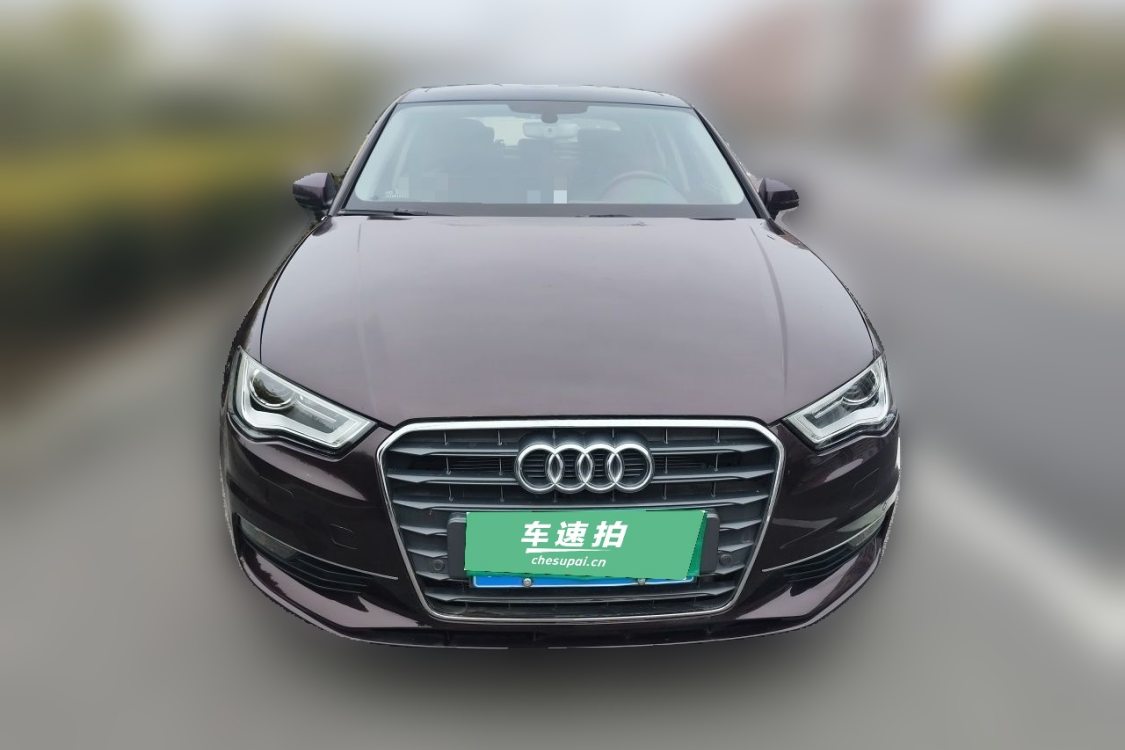
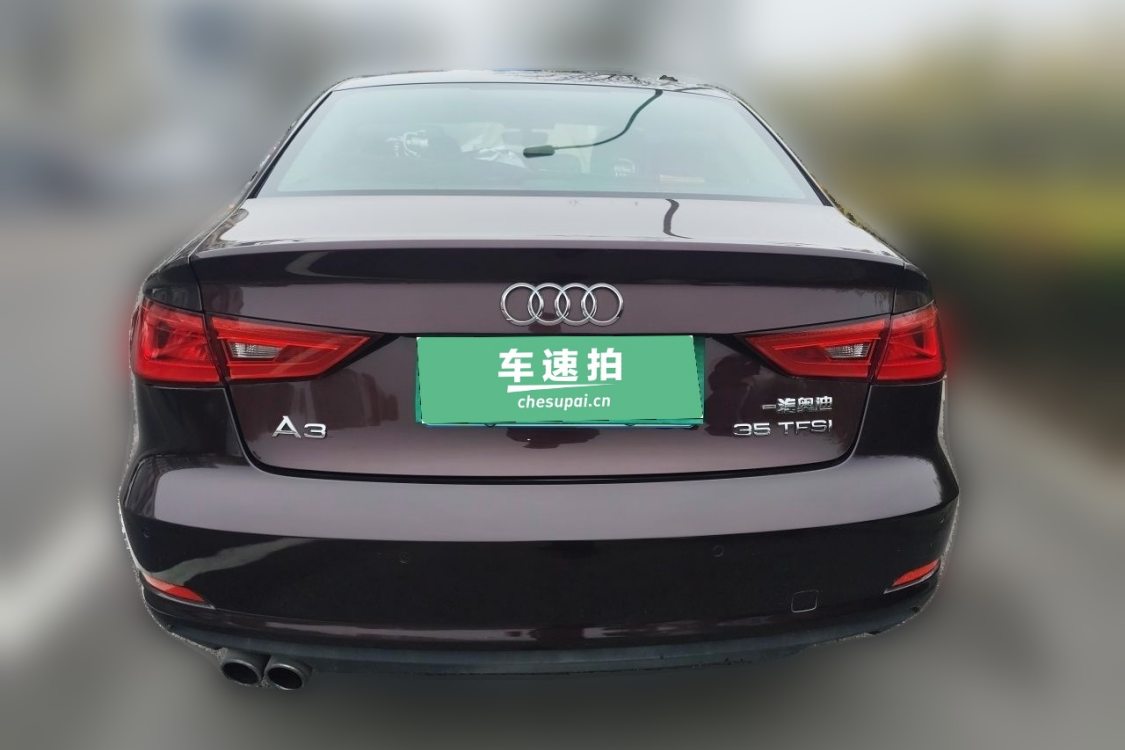
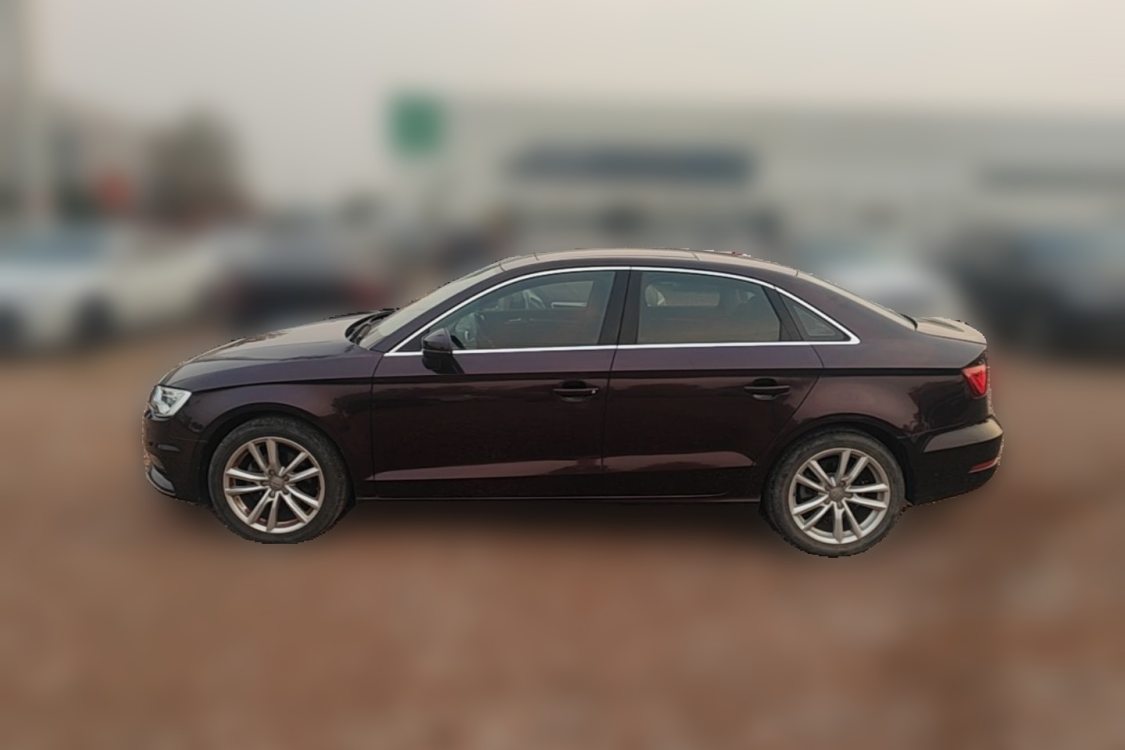

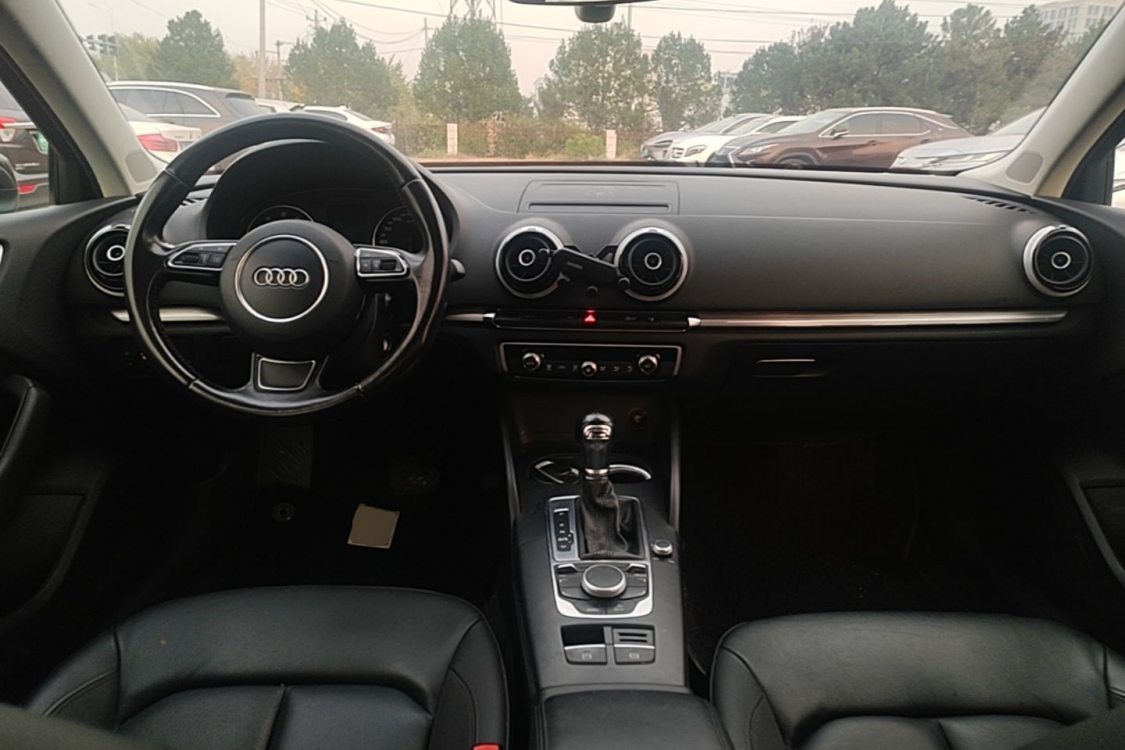
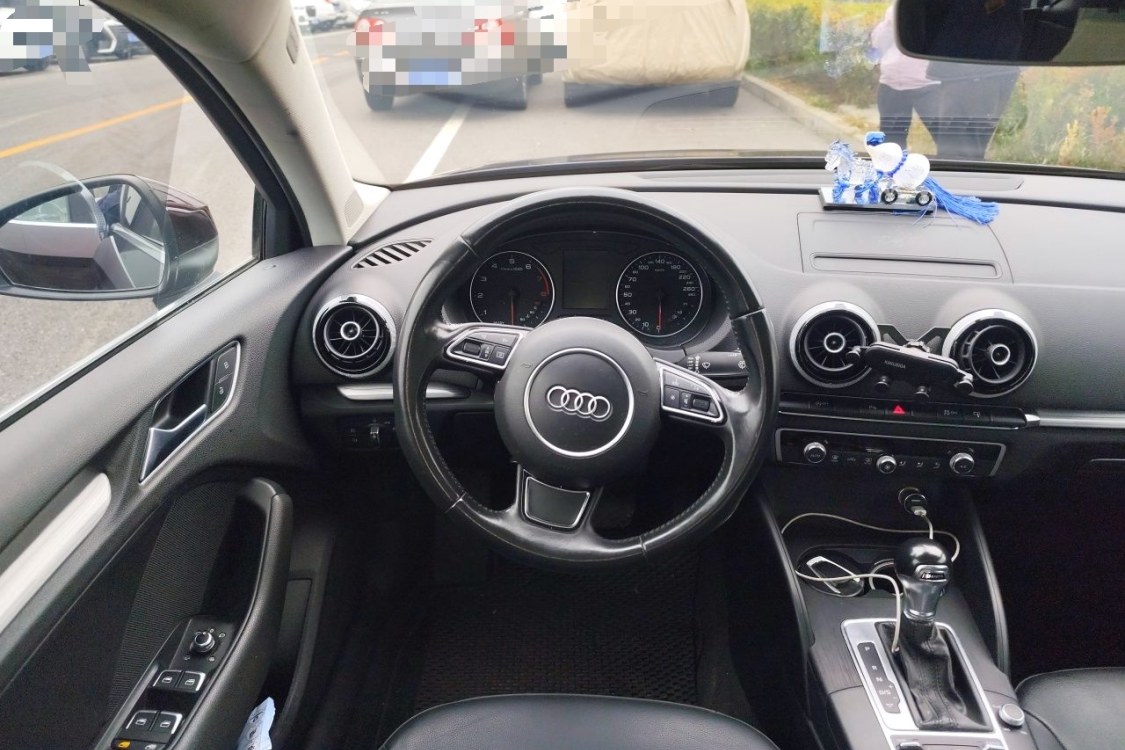
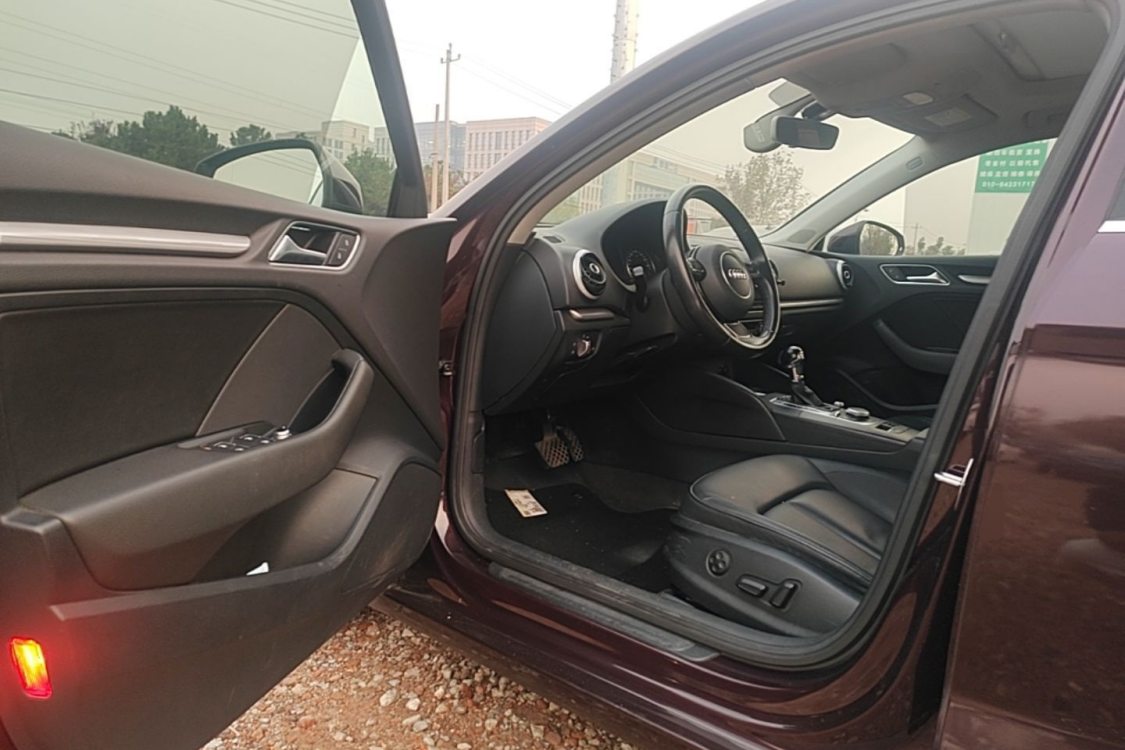
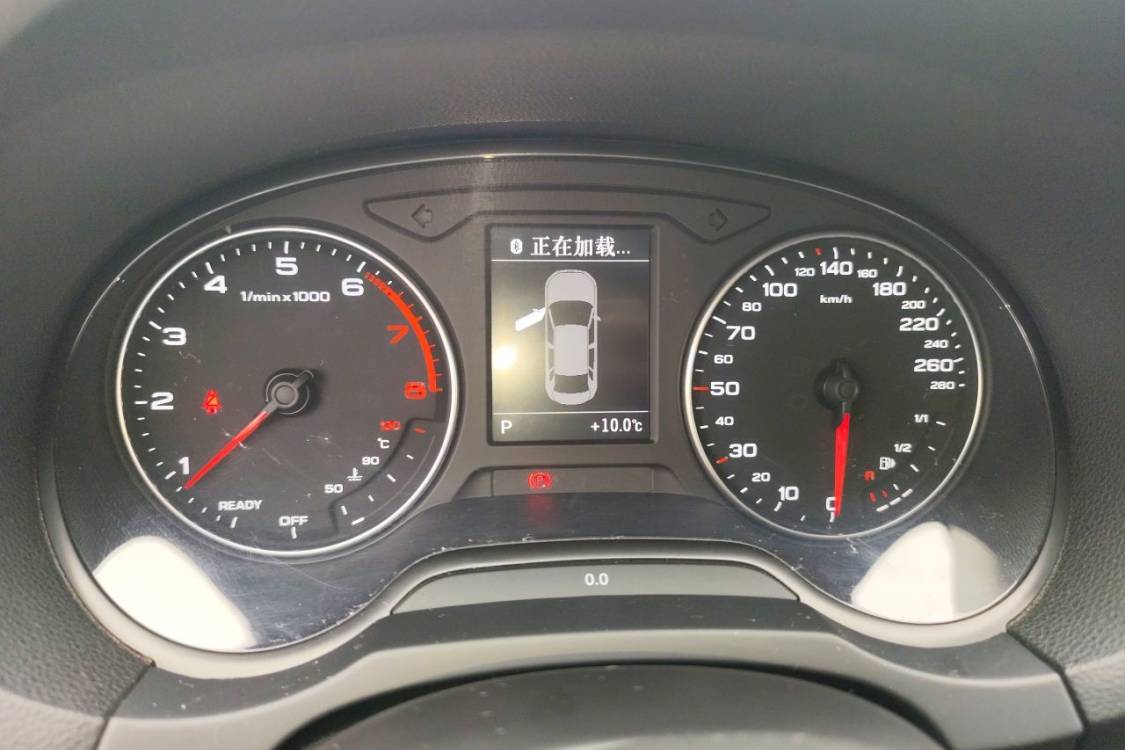




Basic Information

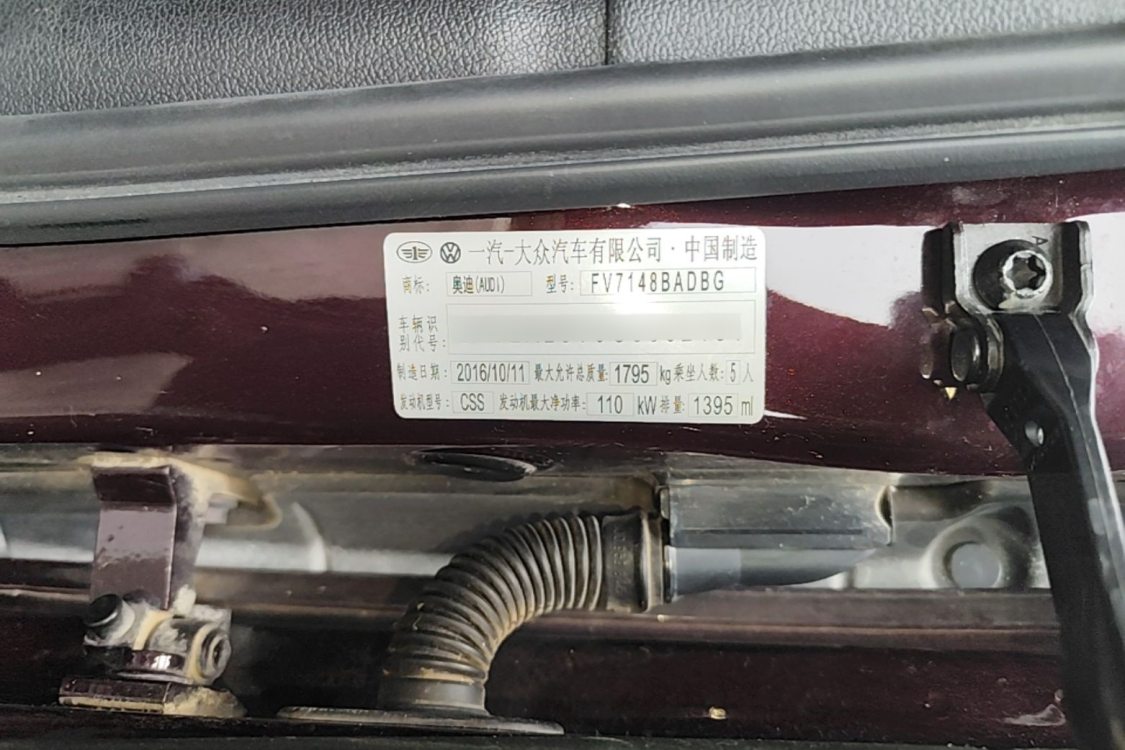
BrandAudi
SeriesA3
Year2016
First Registration2016/11
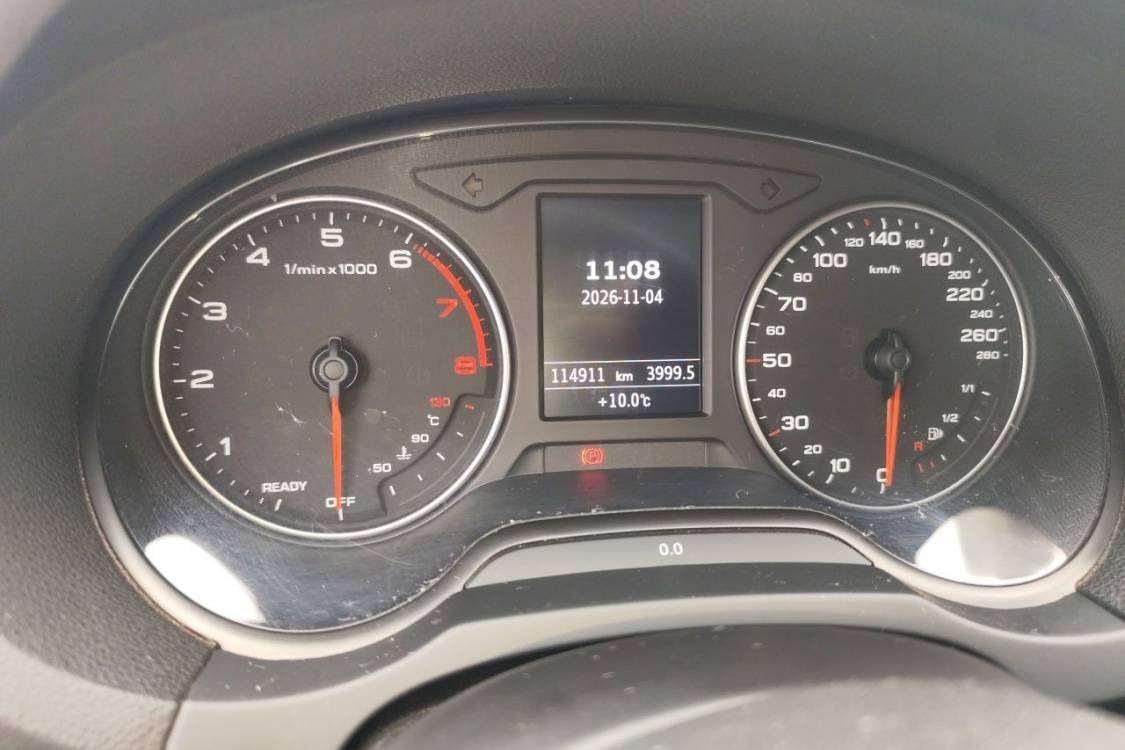
Mileage114,900km
Transfer Count2times
FuelGasoline
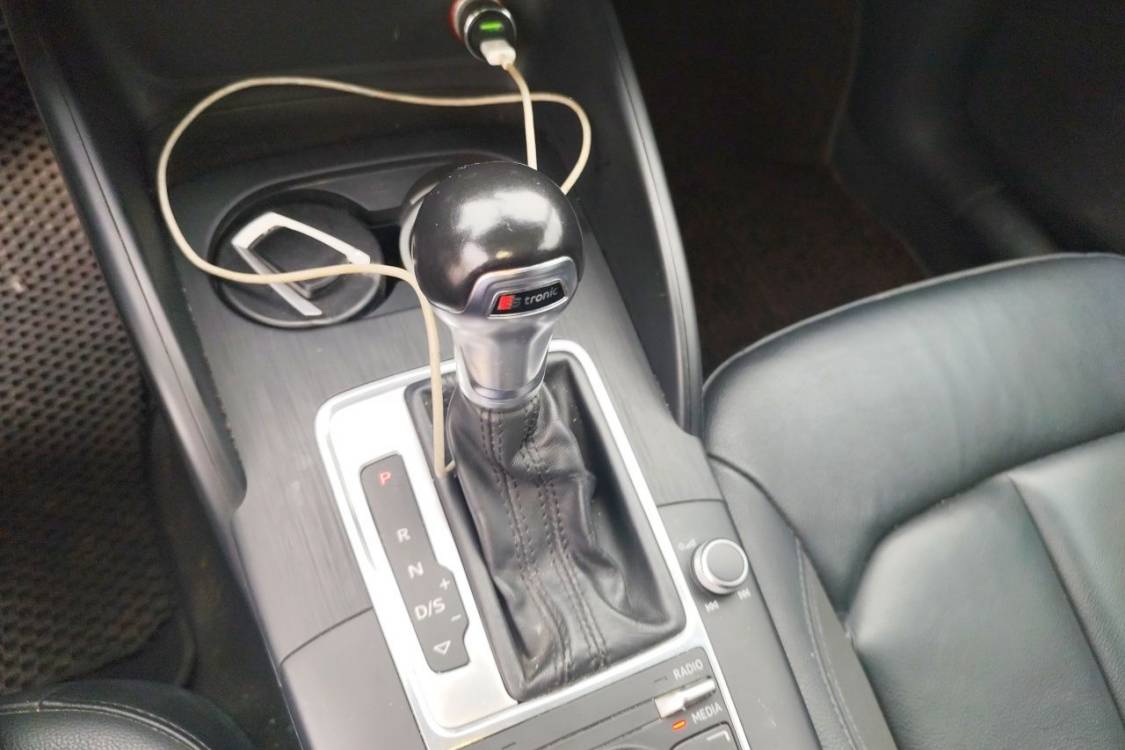
TransmissionDCT
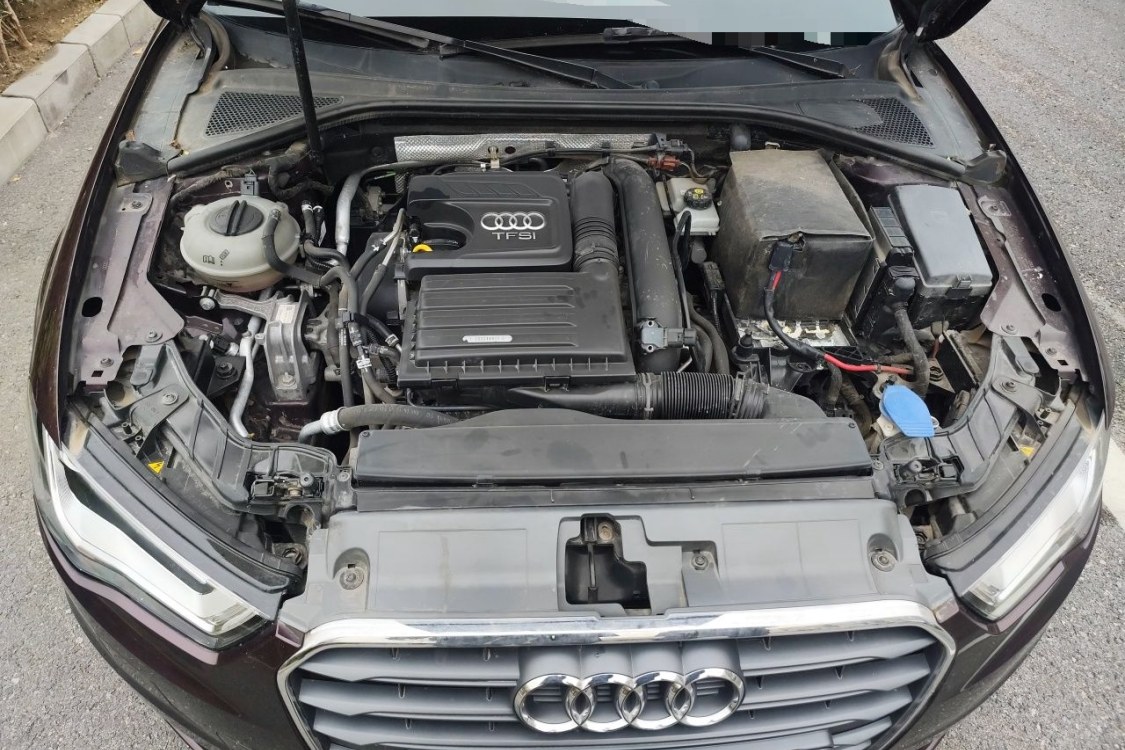
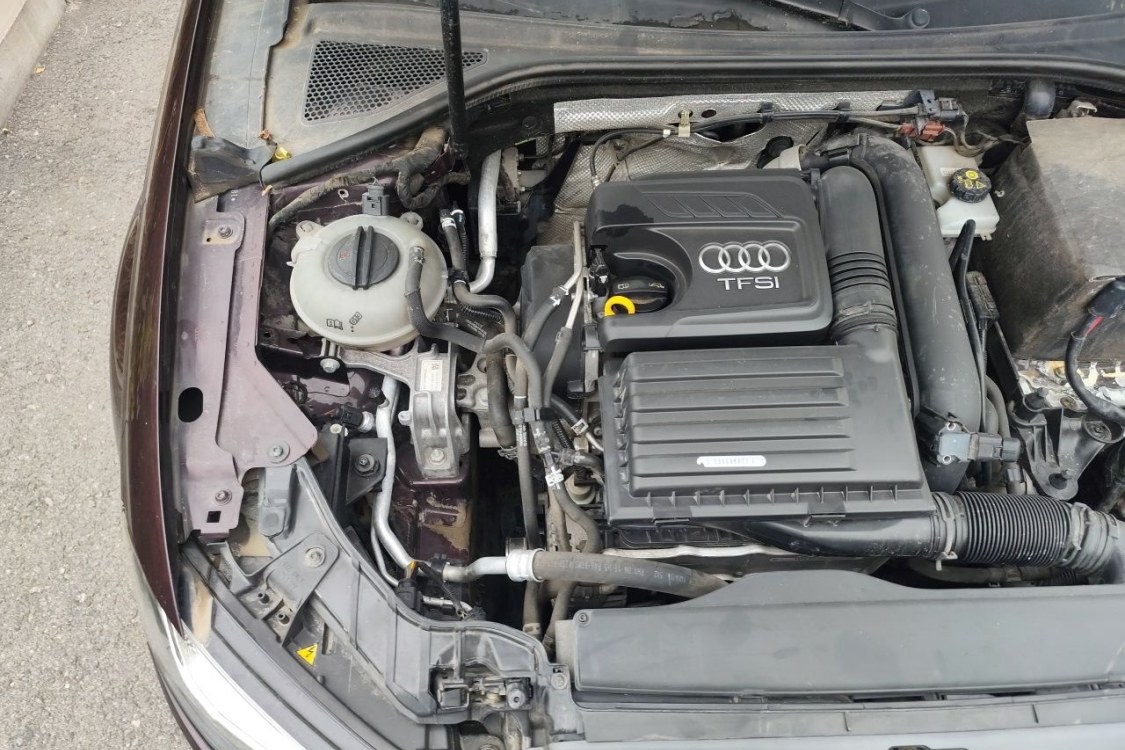
Engine1.4T 150 L4
ColorPurple
Seats-

Condition Description

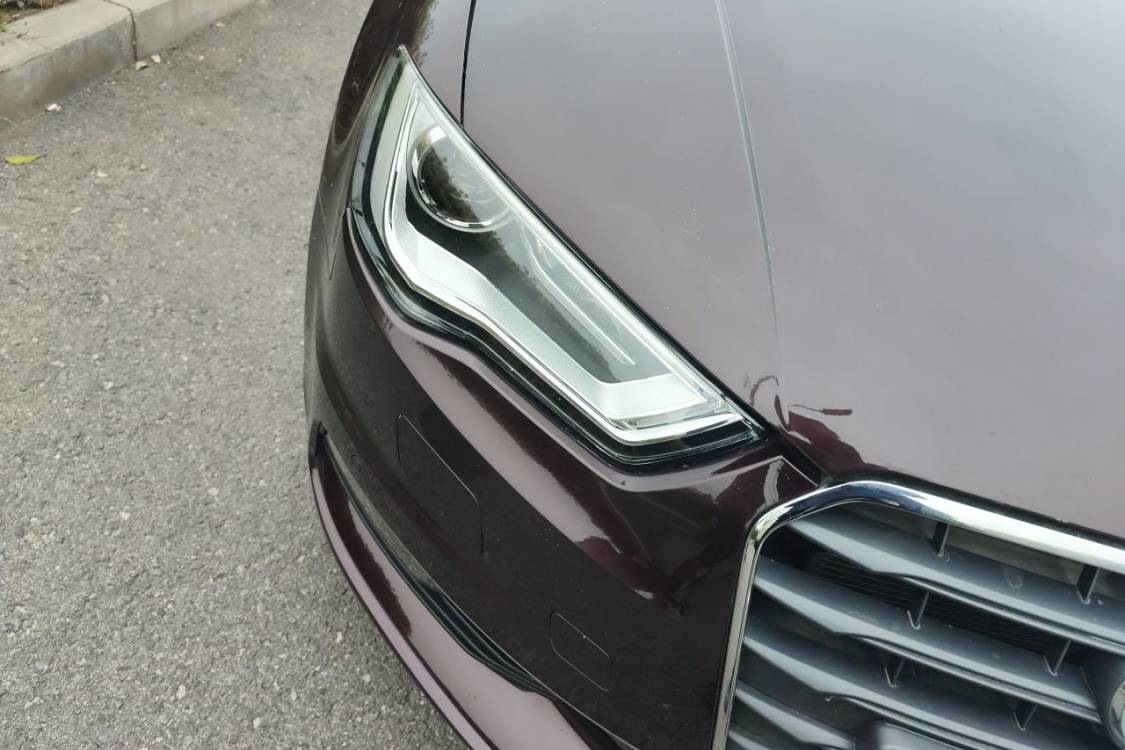
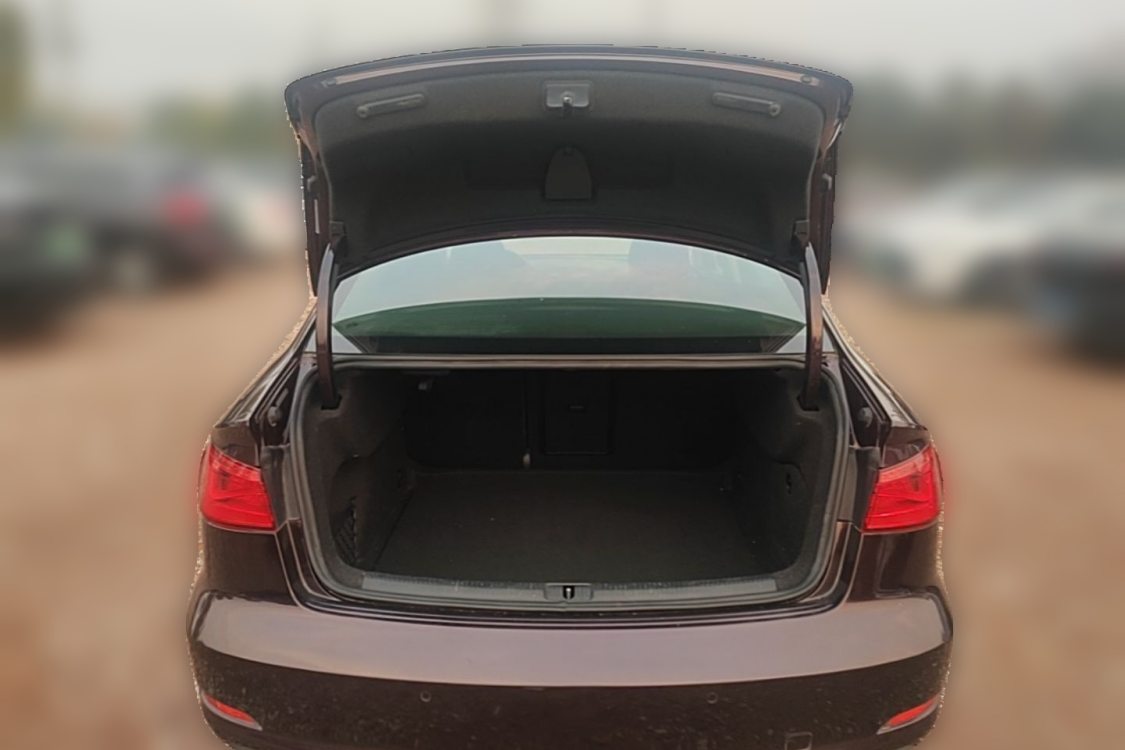
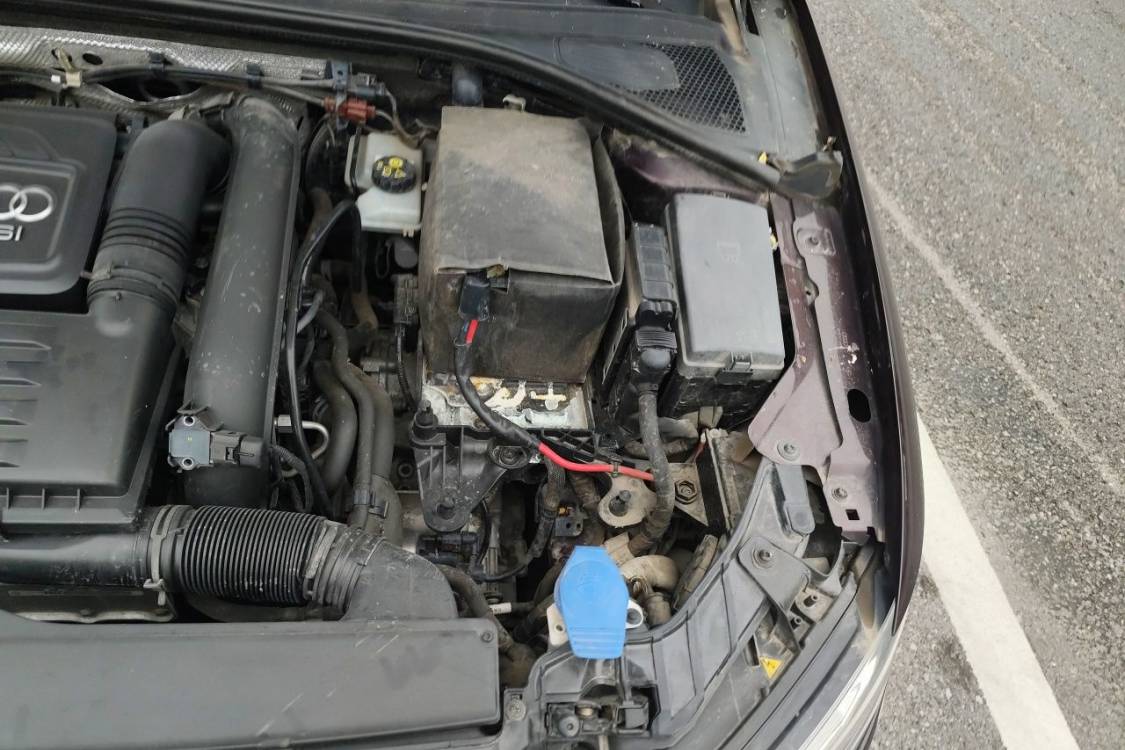
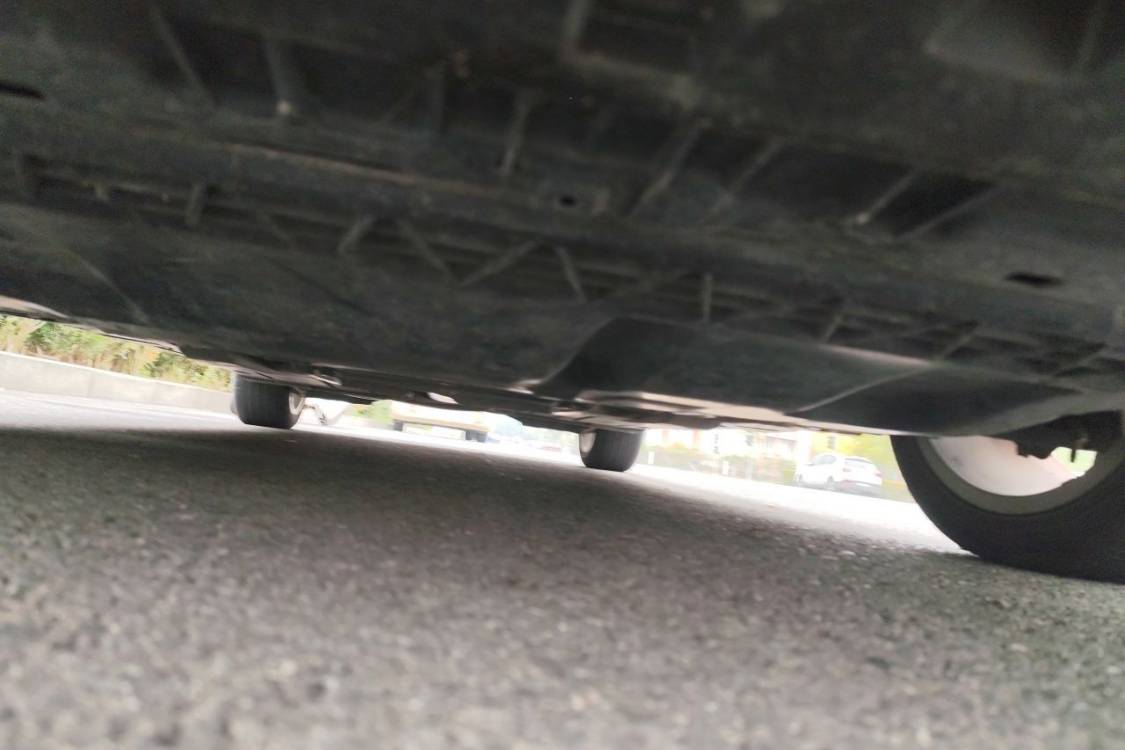
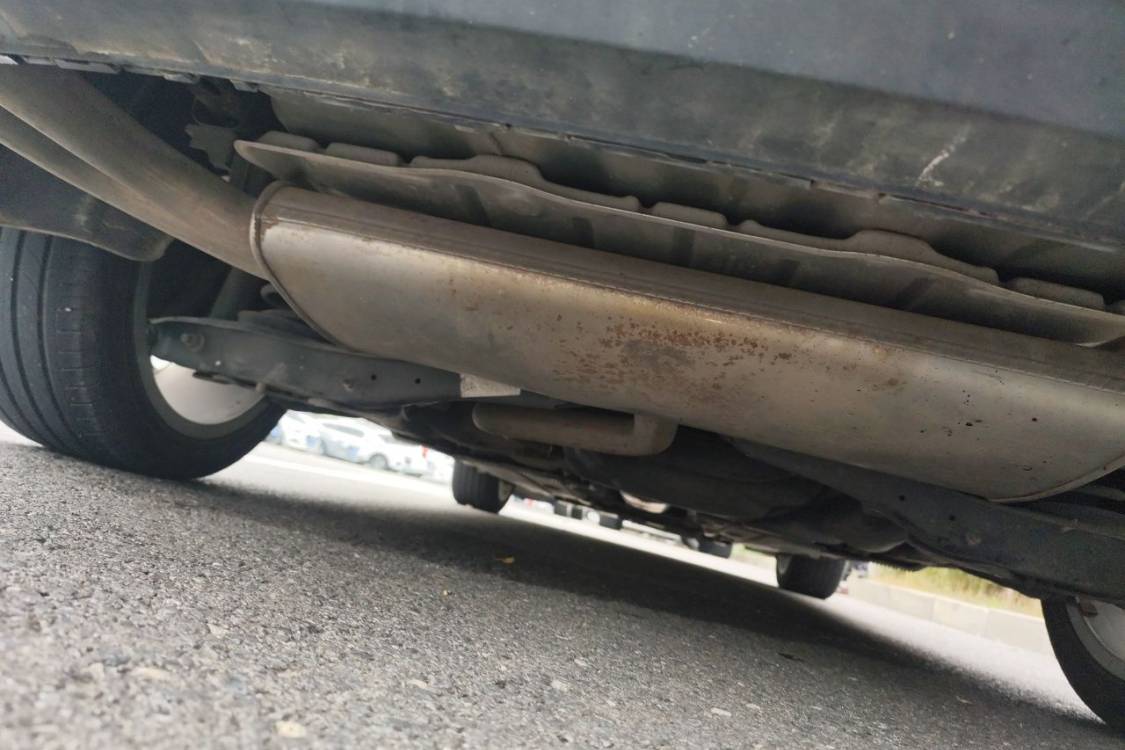
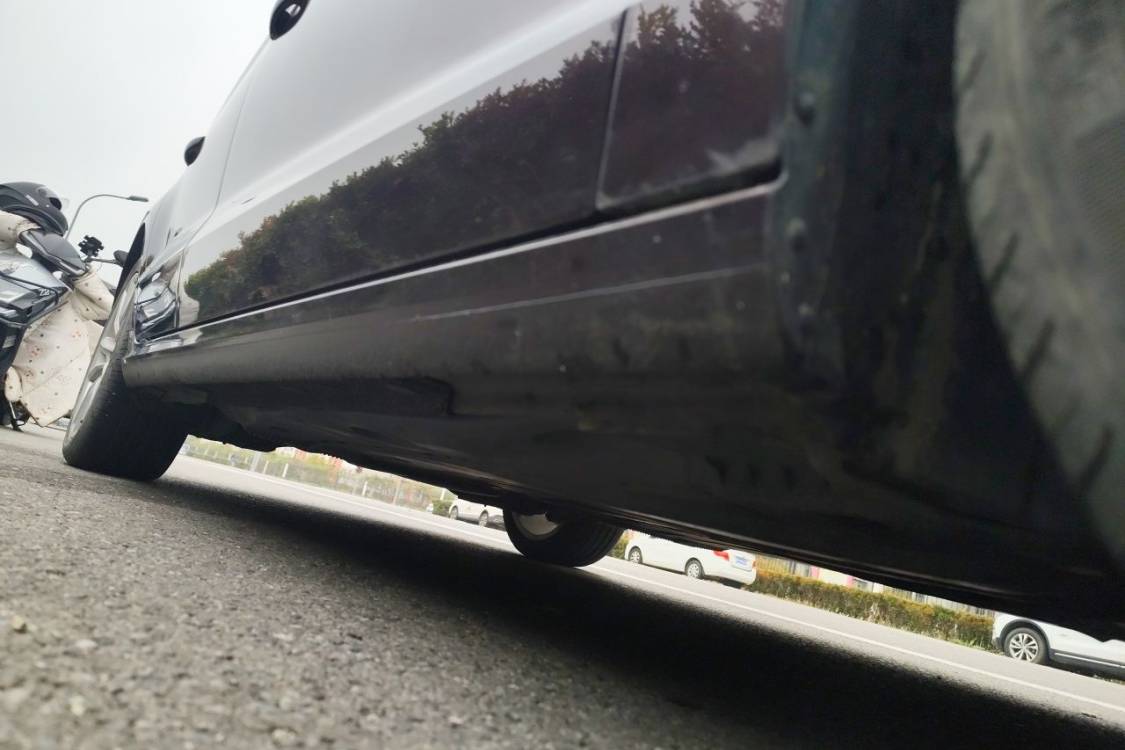
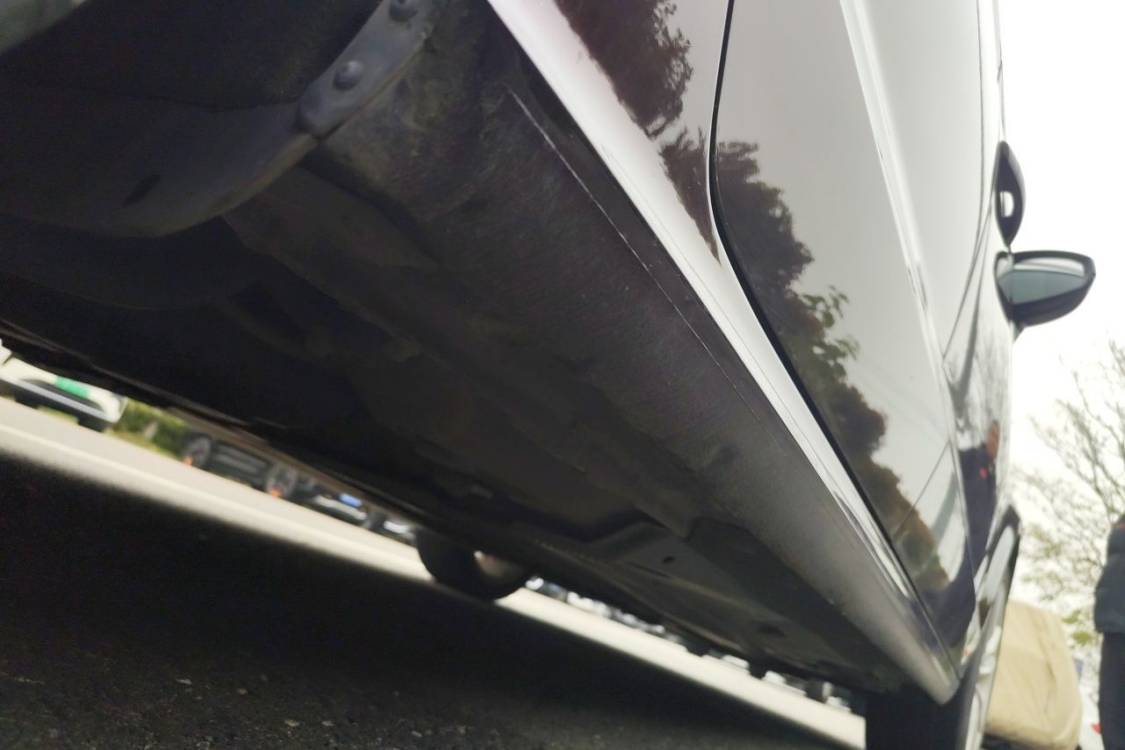
Body components (structural/reinforcing/panels) have accident-type damage; passive safety devices defective; vehicle performance (including three-electric system) degraded or performance limited after repairs.

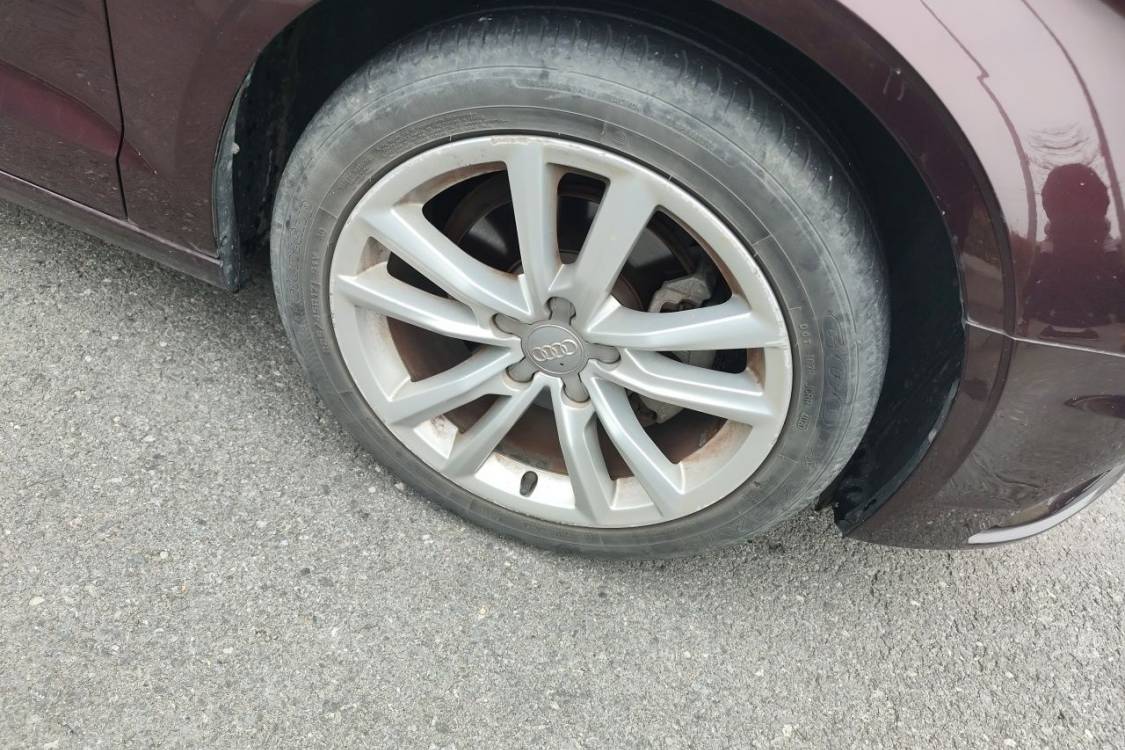
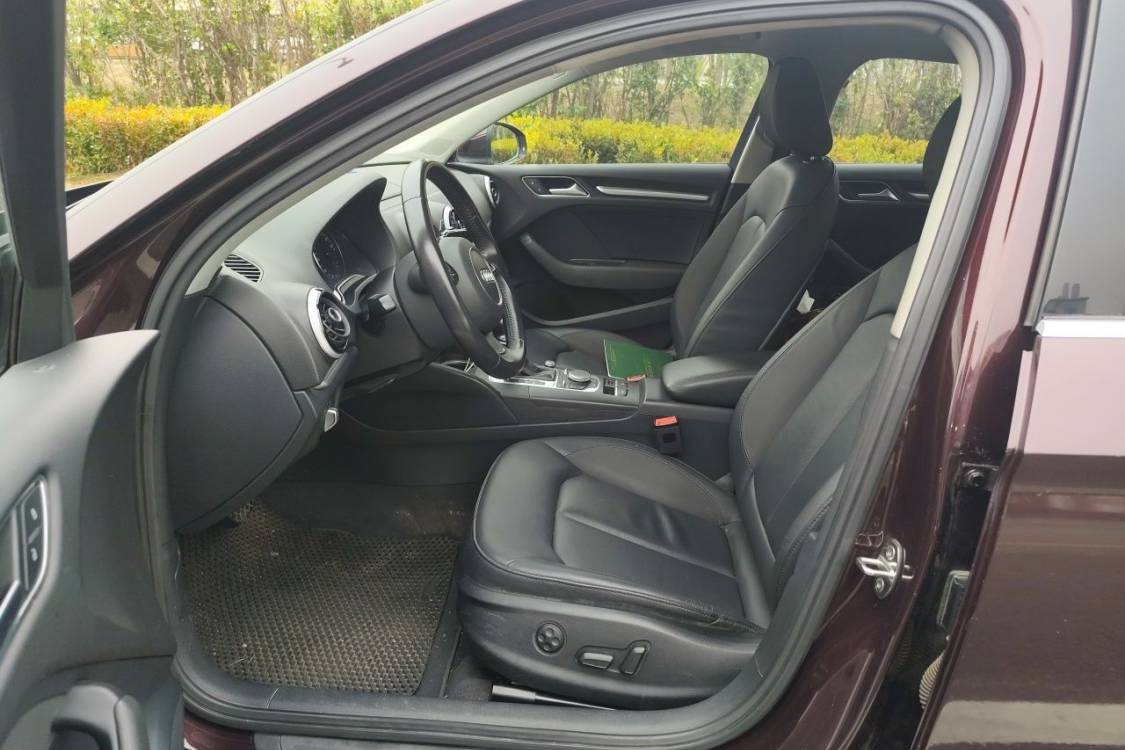
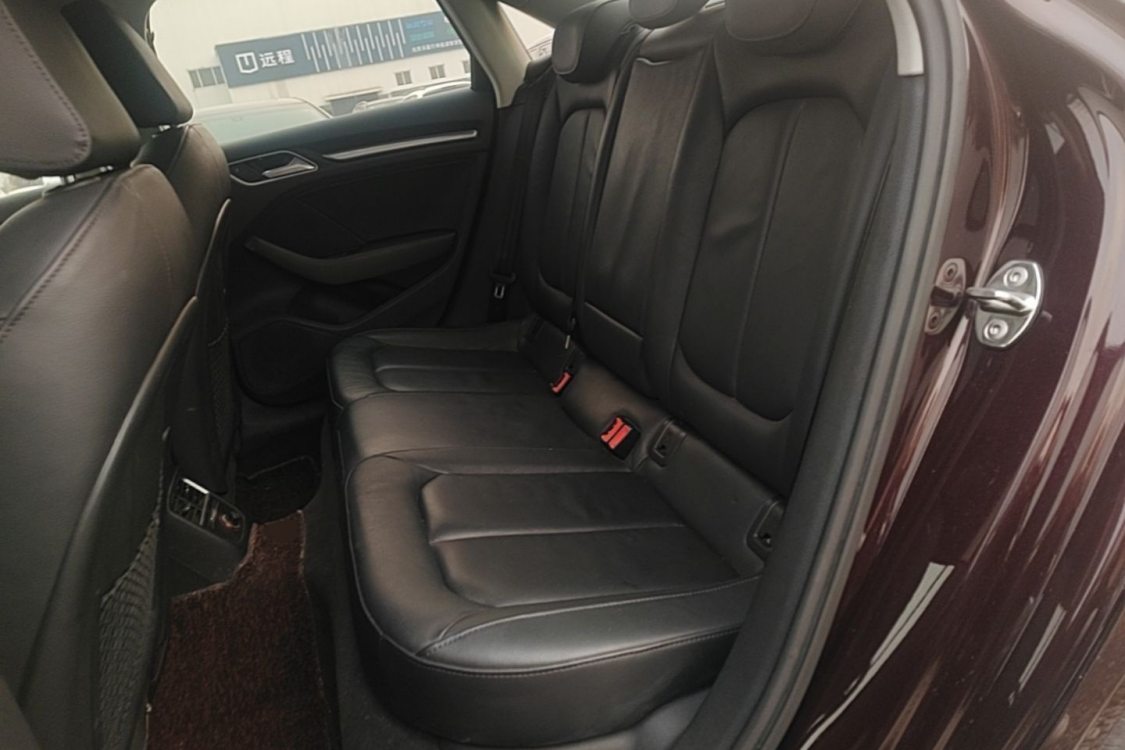
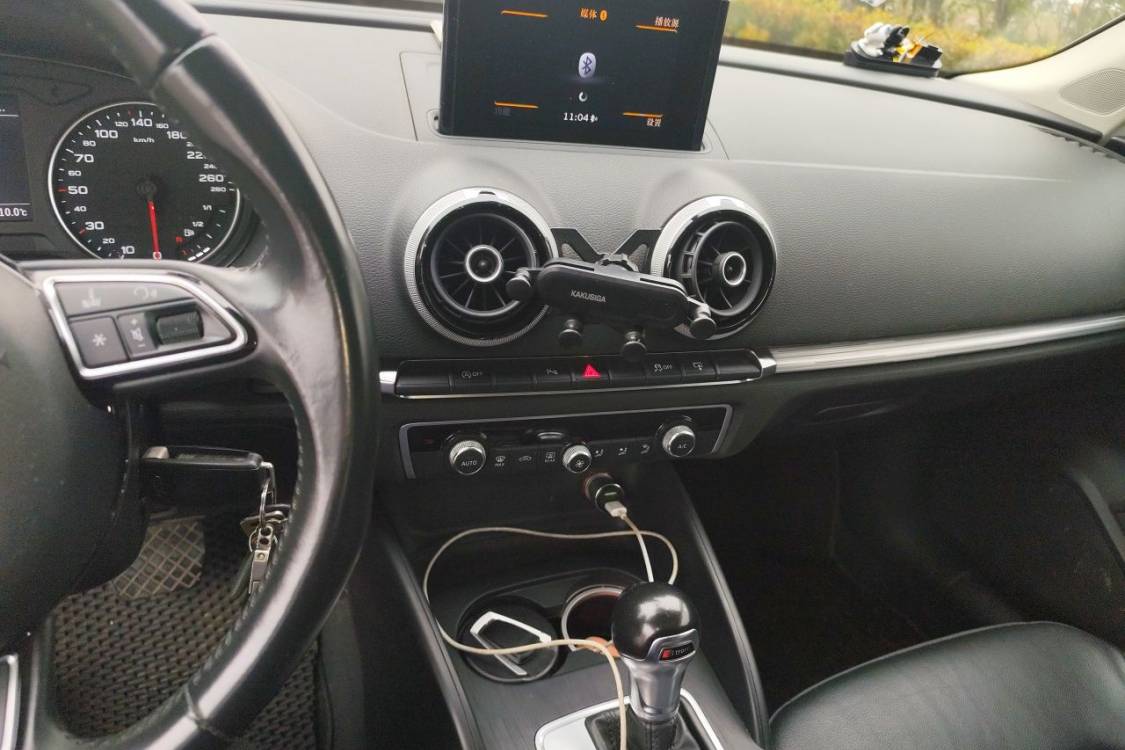
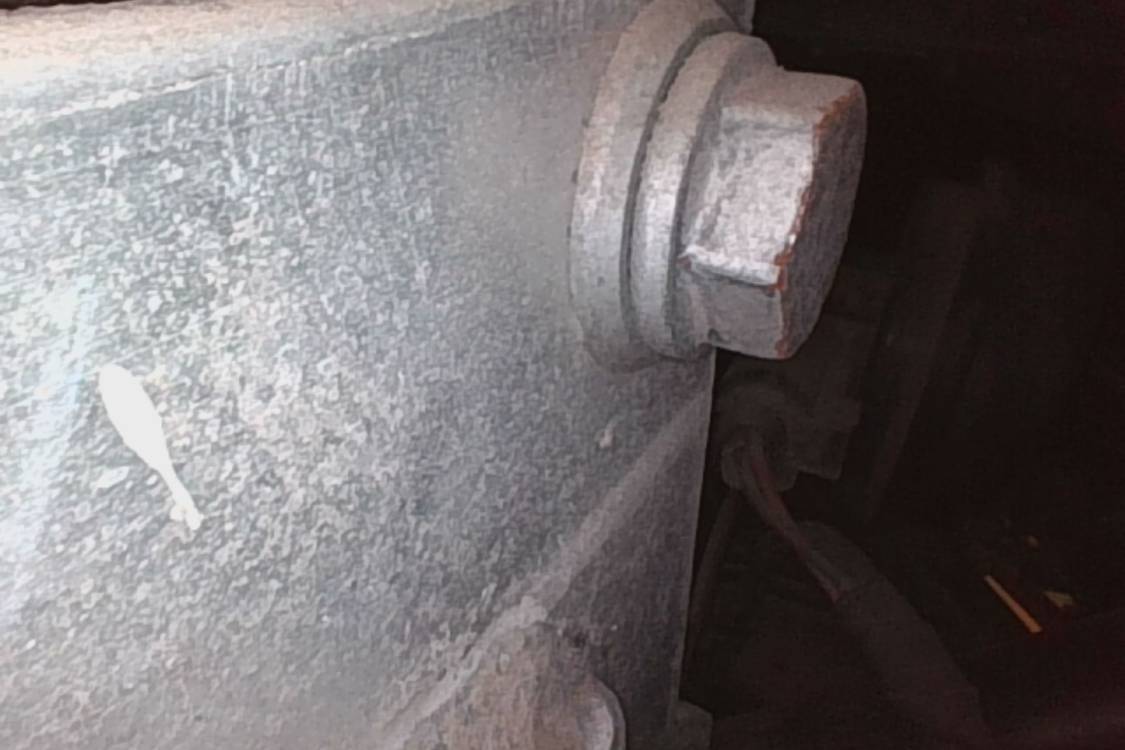
Accident inspection: main structure damaged, reinforcing parts damaged, panels damaged, hinges abnormal; engine bay inspection: transmission disassembly recorded; exterior: 1 replaced part, 5 panel repairs, 1 repaint; interior: left front seat torn, most features normal, airbag system normal, lighting system normal; startup inspection: main components normal; onboard tools: none.

可讲价

Document Information

Inspection Expiry Date2026/11
Warranty Expiry Date-
Insurance Expiry Date2027/01

Q&A

More

If overseas customers accidentally update the car system causing the UI to switch to full Chinese and cannot revert to English, can you downgrade remotely?

Once the car system (especially in a closed ecosystem) undergoes a major version upgrade, its bootloader is usually locked, preventing downgrades. If this happens, there is basically no solution in an overseas environment. Therefore, we strongly warn: do not blindly insert a USB drive to upgrade while offline.


What is the standard for natural air loss during parking if the vehicle is equipped with air suspension?

Air suspension is very delicate. If, after the vehicle has been stationary for about 12 hours, the height on one side of the vehicle drops more than 1.5 cm when measured from the wheel arch to the tire, we will determine that there is a slight air leak in the air spring or distribution valve on that side and warn you of the high subsequent repair costs.

What is the difference between EXW, FOB, and CIF prices from a Chinese exporter, and which incoterm should I choose as a first-time buyer?

EXW means you pay only for the car at the seller's yard—you handle everything else, including inland transport in China and export clearance, which is impractical from overseas. FOB includes delivery to the port and export customs clearance; you pay for ocean freight and insurance. CIF adds freight and basic insurance to a named destination port. For a first-time buyer, FOB is usually the best balance: the exporter, who knows Chinese logistics, handles the complicated part, while you control the freight booking and can shop rates among forwarders. Watch for exporters quoting unrealistically low FOB prices and making margin on inflated 'shipping services' later. Get a separate freight quote before signing, and compare the exporter's CIF offer against FOB plus your own freight estimate. Ask explicitly whether the price includes inspection, export license fees, and port charges—ambiguity here is the most common source of disputes.