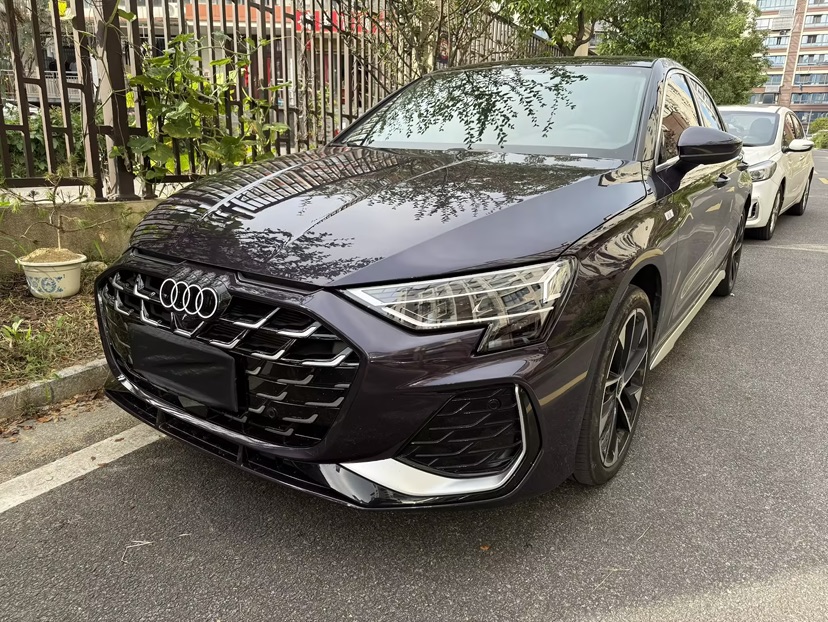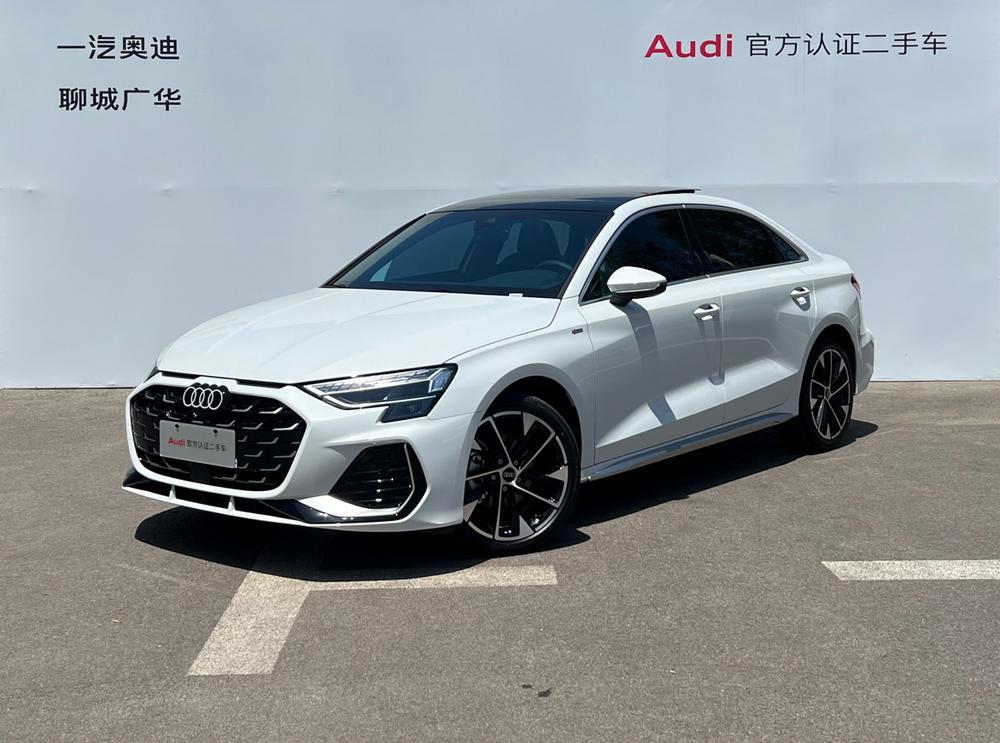
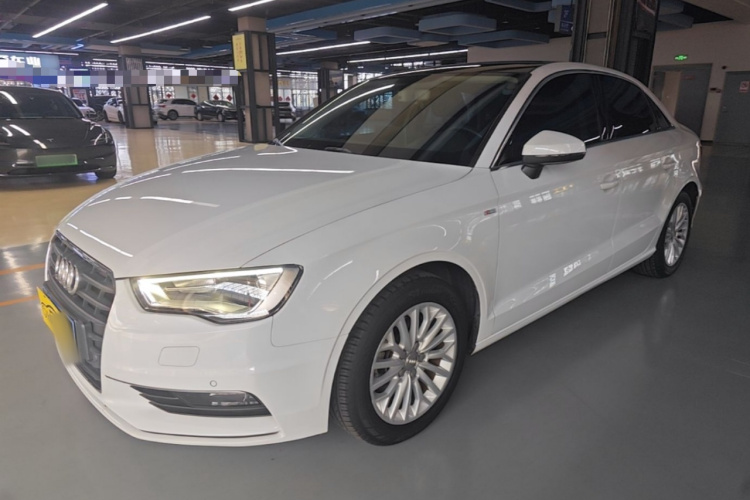




24H

Basic Information

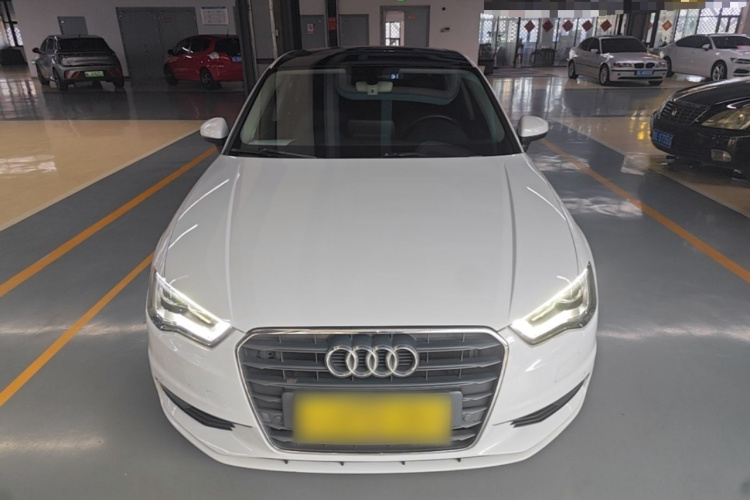
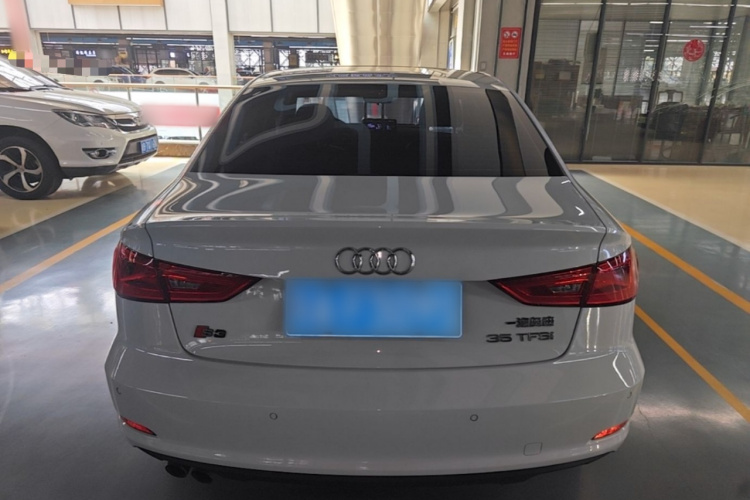
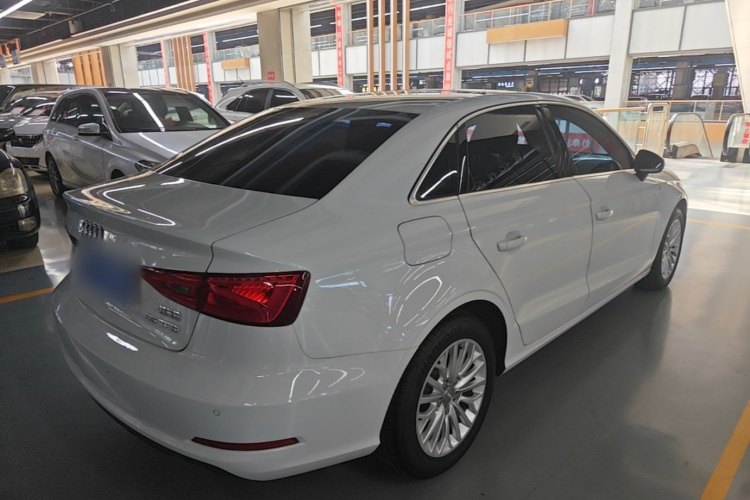
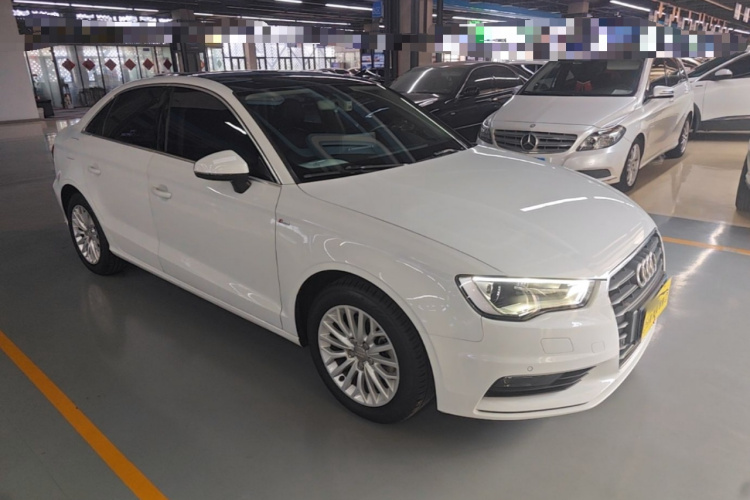
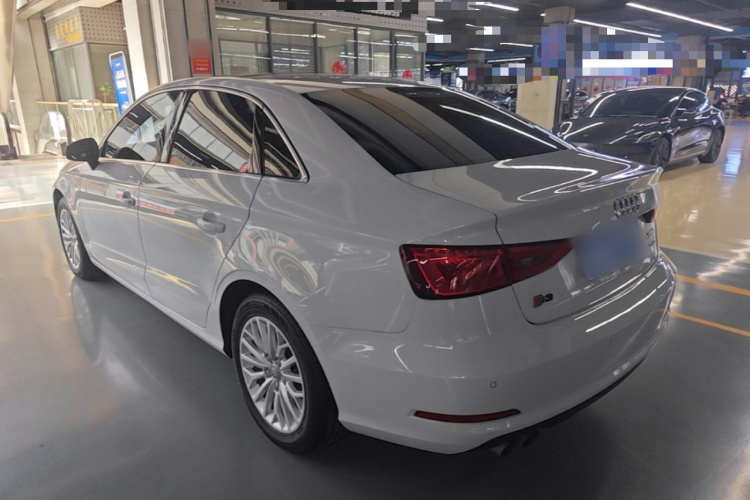
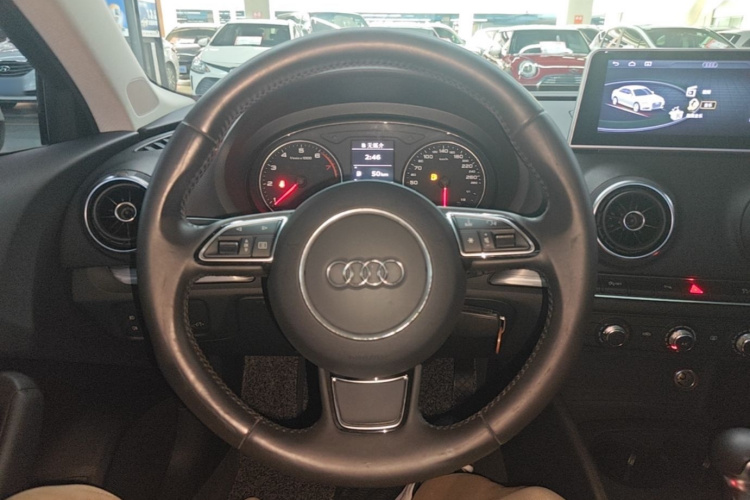
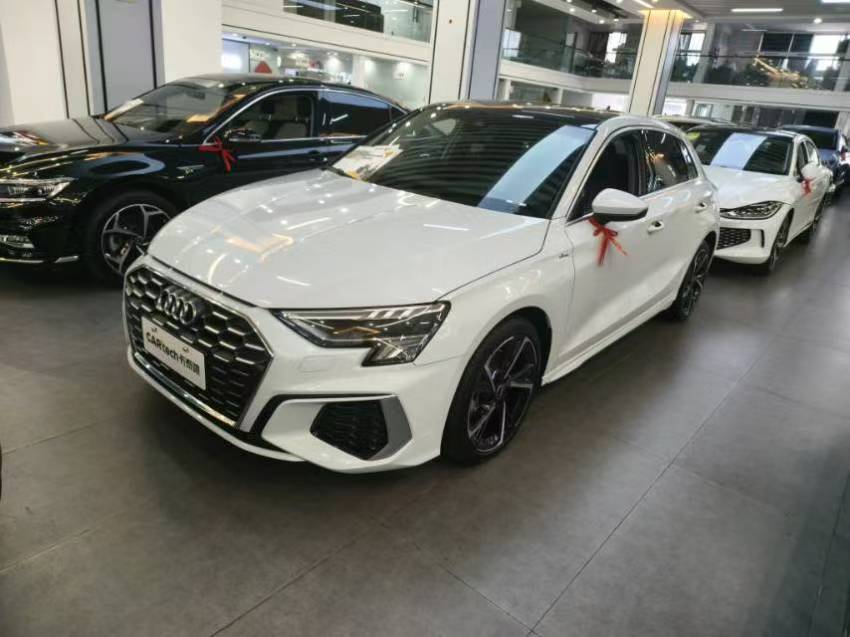
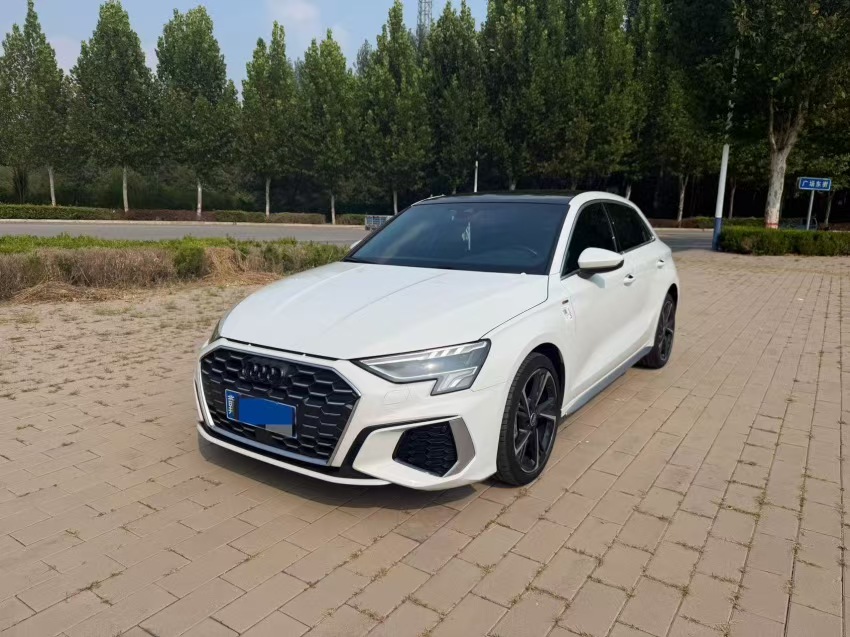
BrandAudi
SeriesA3
Year2017
First Registration2017/03
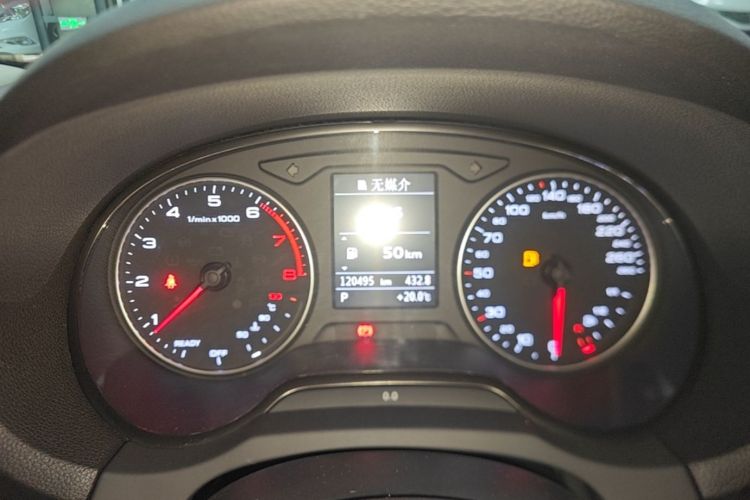
Mileage120,400km
Transfer Count4times
FuelGasoline
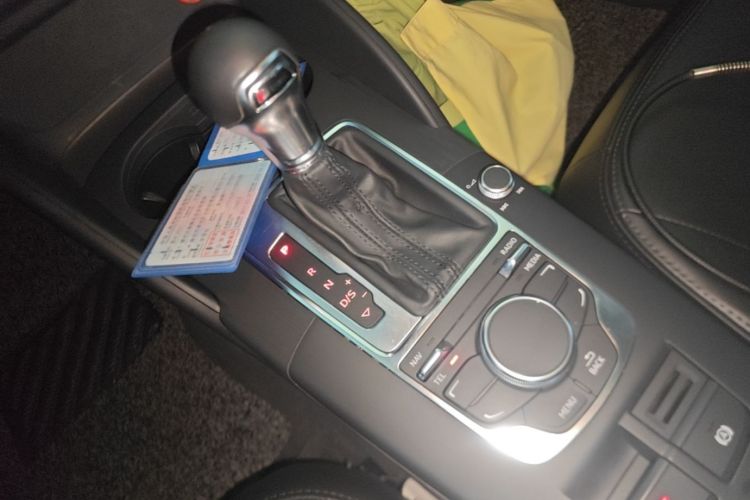
TransmissionDCT
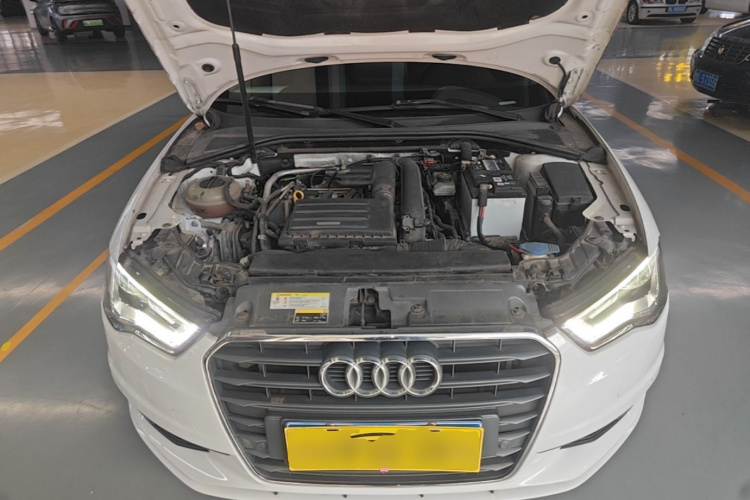
Engine1.4T 150 L4
Color
Seats-

Condition Description

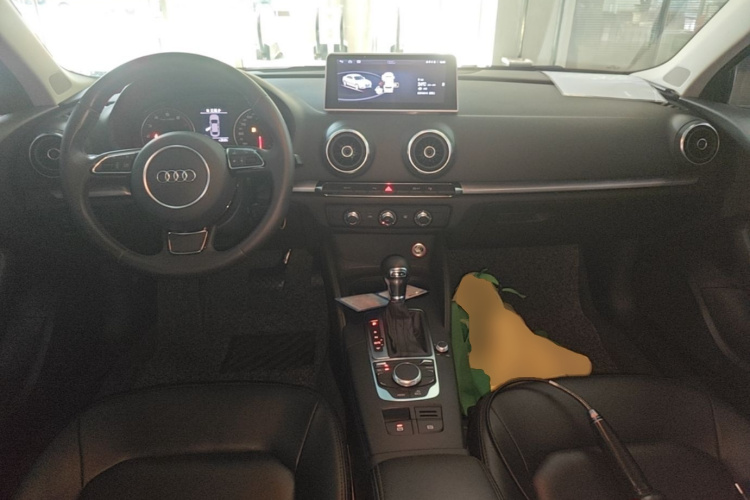
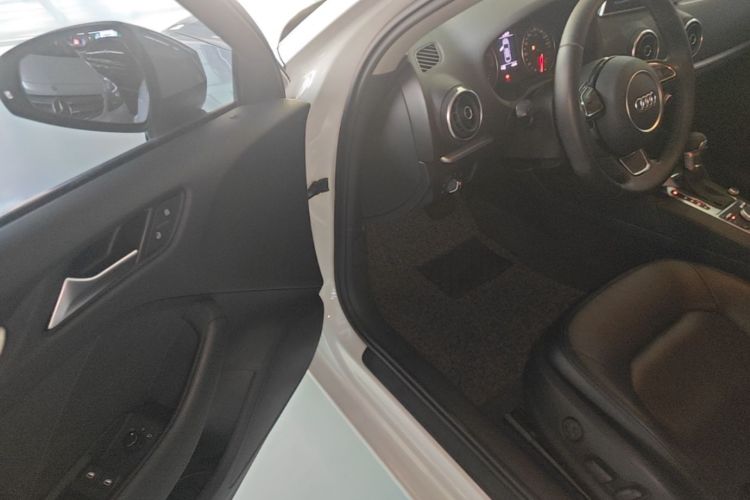
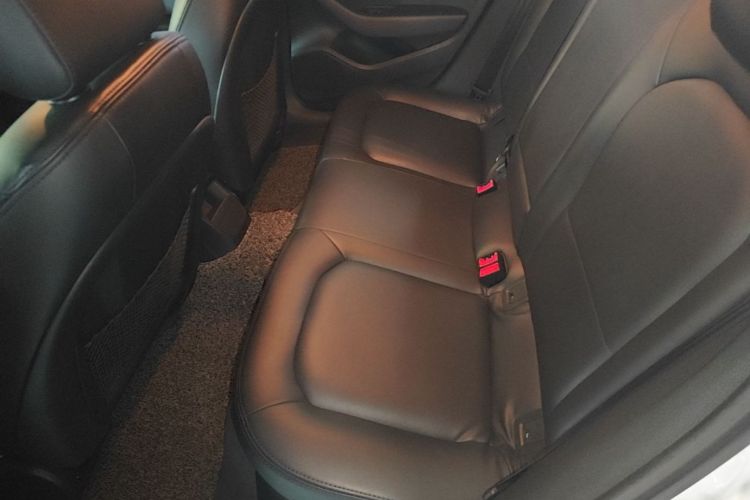
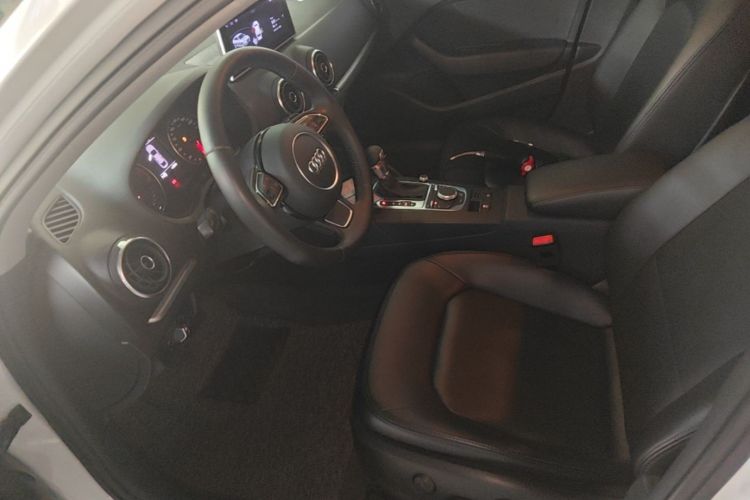
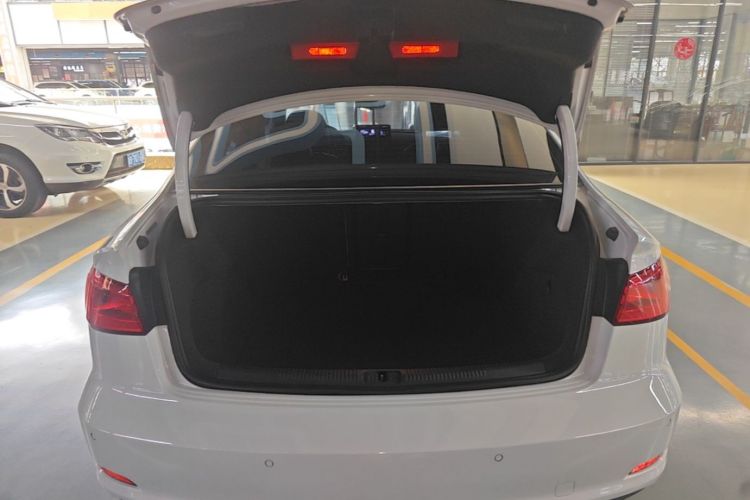
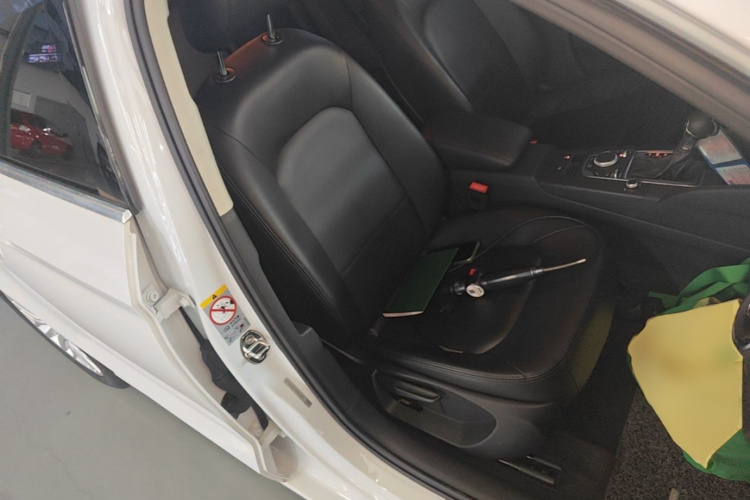
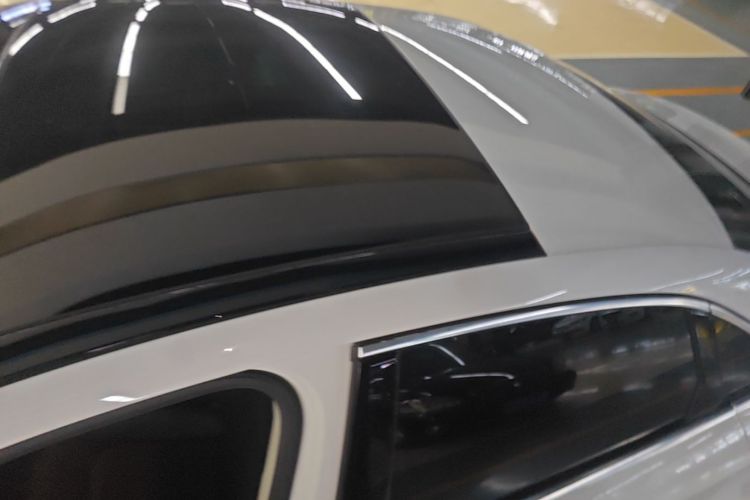
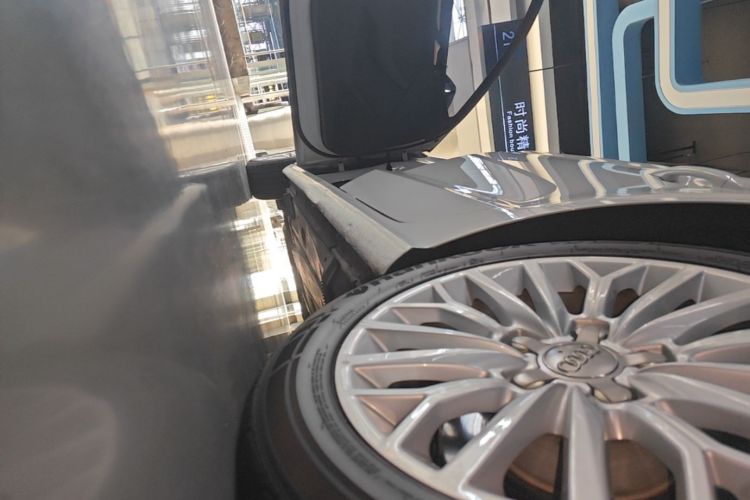
Basic condition meets standard | 6 insurance claims | 4 ownership transfers

Q&A

More

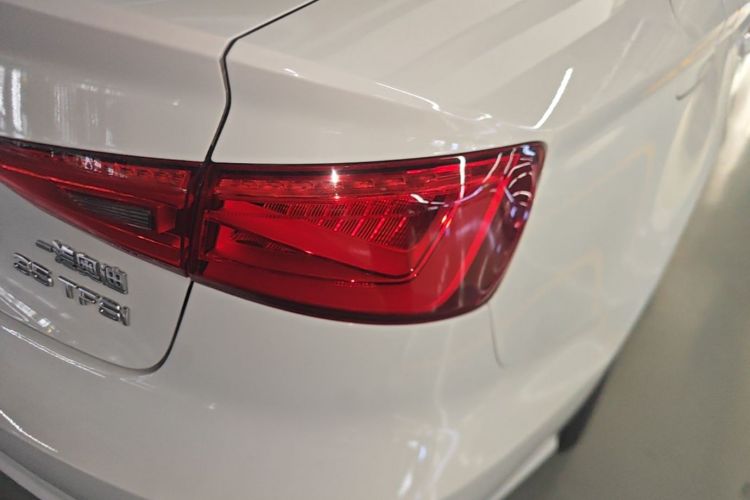
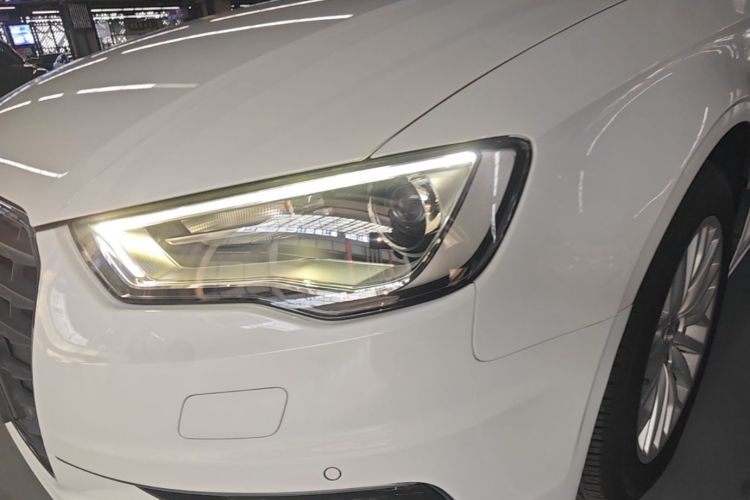
Are all external lighting systems of the vehicle (headlights, taillights, turn signals) confirmed to be functioning properly before leaving the factory?

Yes, all external lighting sources, including low beams, high beams, fog lights, daytime running lights, reverse lights, and brake lights, are included in the mandatory power-on testing.
What is a Certificate of Origin and why do I need one when importing a car from China?

A Certificate of Origin (C/O) is an official document stating where the vehicle was manufactured. Customs authorities use it to decide which tariff rates and trade agreements apply to your import. Why it matters: many countries offer preferential tariffs for certain origins. With a valid C/O, such as the ASEAN-China Form E or a GSP Form A, you may pay reduced or zero duty. Without it, you typically pay the standard, higher rate. The certificate must match the vehicle exactly: VIN, make, model and invoice details. It is usually issued by the China Council for the Promotion of International Trade (CCPIT) or customs authorities. Practical tips: request the C/O before shipment, because adding it later is slow; check that your country's customs accepts the specific C/O format; and confirm with your broker whether your vehicle category qualifies for preferential rates. This single document can save you thousands in duty.

Which import rules (age limits, emissions, safety standards) apply to used cars from China in my country, and how do I confirm the car qualifies before paying?

Rules differ by country. Many markets limit the age of imported used cars (commonly 3-5 years), require left-hand drive, and set minimum emission standards such as Euro 4, 5 or 6. Some regions additionally require a local conformity certificate before the car arrives. Practical steps before any deposit: check your customs authority's official website, or spend 20 minutes with a local customs broker who imports vehicles regularly; give the exporter your country's requirements and the VIN, and ask for proof of the car's emission level (China's standards map roughly to Euro equivalents); confirm the exact model was legally exportable from China. A short verification call at the start can prevent the car being refused entry — or impounded — months later.