48H

Basic Information

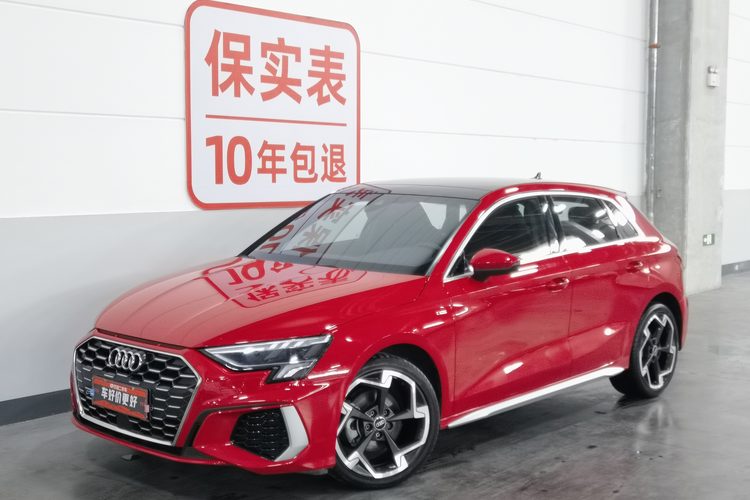
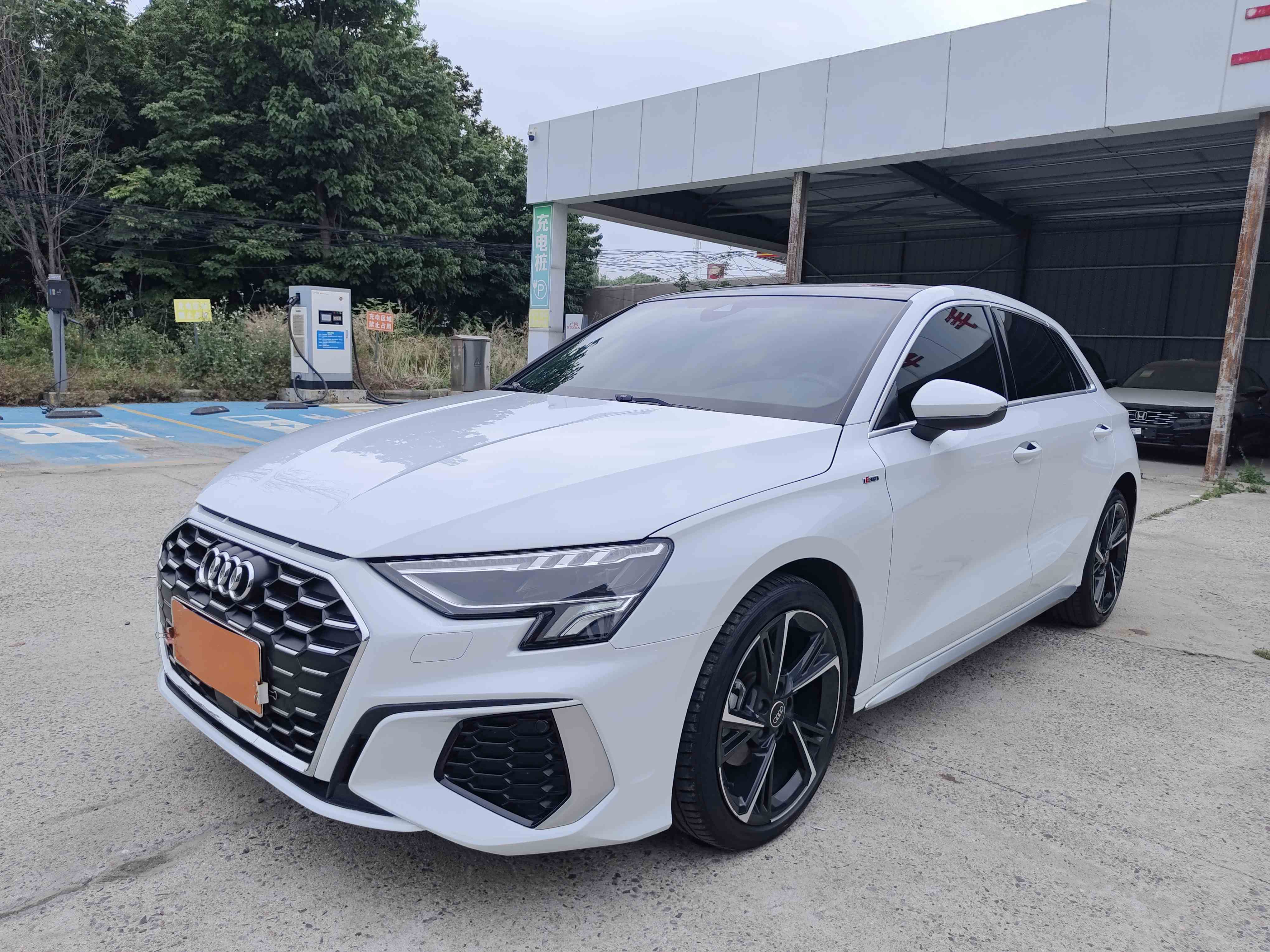
BrandAudi
SeriesA3
Year2017
First Registration2017/09
Mileage153,400km
Transfer Count-
FuelGasoline
TransmissionDCT
Engine1.4T 150 L4
ColorRed
Seats-

Condition Description

Localized body damage or repair marks present. No accident-related damage or repairs to structural or reinforcement components. Vehicle performance (including three-electric system) has degraded or is limited.

Accident inspection: main structure undamaged, reinforcement parts undamaged, cover panels damaged, hinges normal. Engine bay inspection: key mechanical components normal. Exterior: 3 areas of sheet metal repair, 2 areas of repaint. Interior: most features normal, airbag system normal, seatbelts normal, dashboard normal, instrument readings normal, lighting system normal. Startup inspection: major components normal. Onboard tools: none.

可讲价

Q&A

More

Will there be detailed information on the vehicle's consumable parts (such as tire tread depth and remaining brake pad thickness)?

Yes. The inspection report includes a specific "consumable parts consumption list." We will measure the tire tread depth (in millimeters) and the remaining brake pad thickness using calipers. If the tire tread is below the legal wear limit of 1.6mm, we will note it as "recommended to replace immediately upon arrival."


Can I designate my freight forwarder in China to pick up the goods directly from your warehouse (EXW delivery)?

Yes, but this falls under EXW (Ex Works) terms. In this case, the seller's risk transfers at the moment the goods are ready at the warehouse. Any subsequent domestic trucking accidents, customs inspections at the port, or issues with obtaining export licenses will be fully borne by your designated freight forwarder.

What does a pre-shipment inspection include, and is it worth the cost?

A professional pre-shipment inspection typically costs a small fraction of the vehicle price and routinely pays for itself. A thorough inspection covers: paint thickness measurement across 30+ points to map body repairs; structural assessment of pillars, rails and crossmembers for accident damage; engine and transmission operation; a full electronic scan for fault codes; suspension and underbody checks for leaks and rust; and, for EVs, battery SOH and thermal management performance. You receive a written report with photos before the car is loaded — if the car fails, you can stop the shipment or renegotiate. Skipping the inspection to save a small fee is the classic false economy in used car importing: discovering a problem after arrival is far more expensive than preventing it at origin.