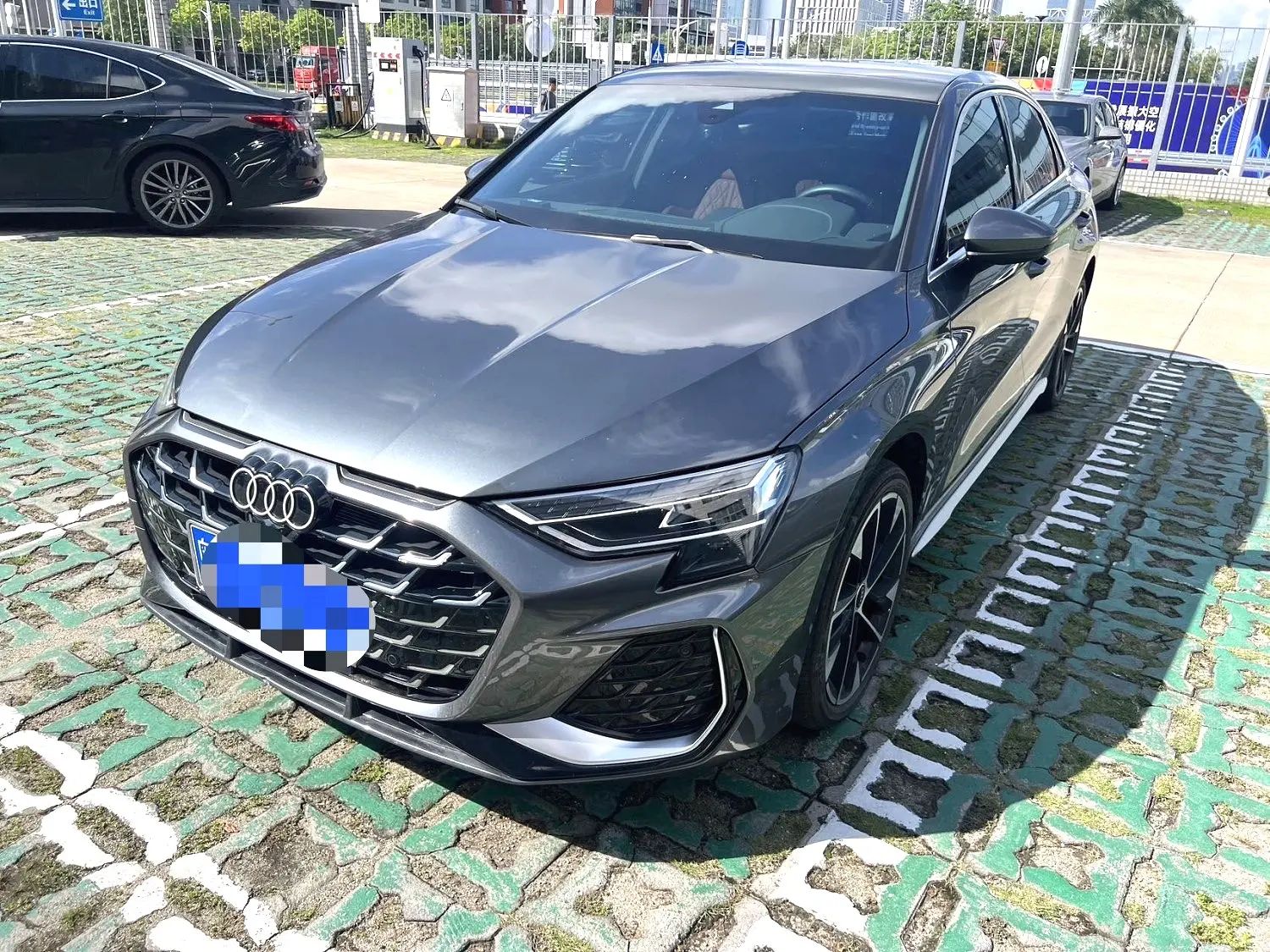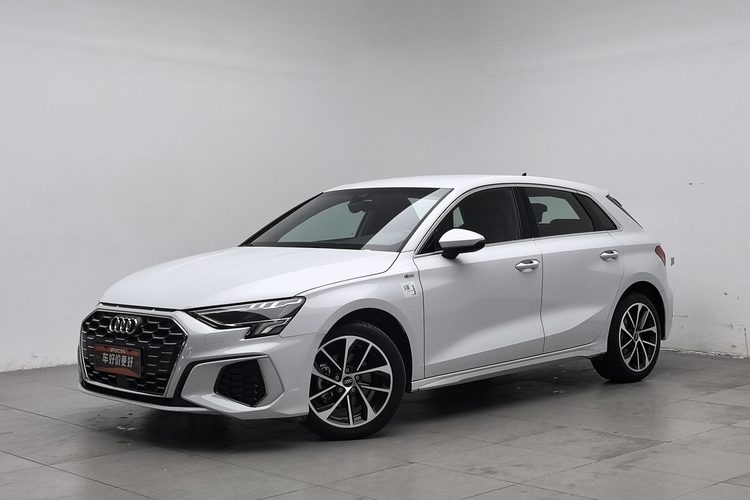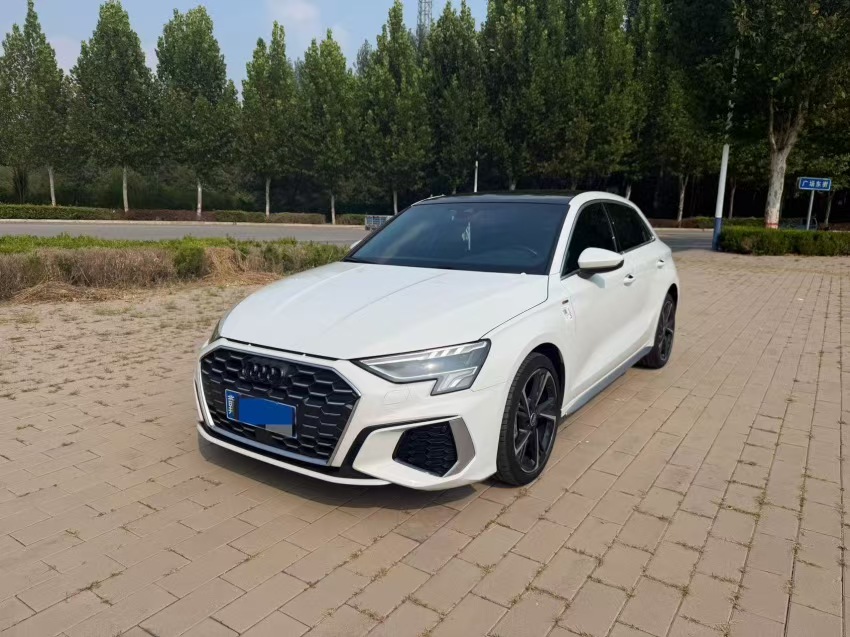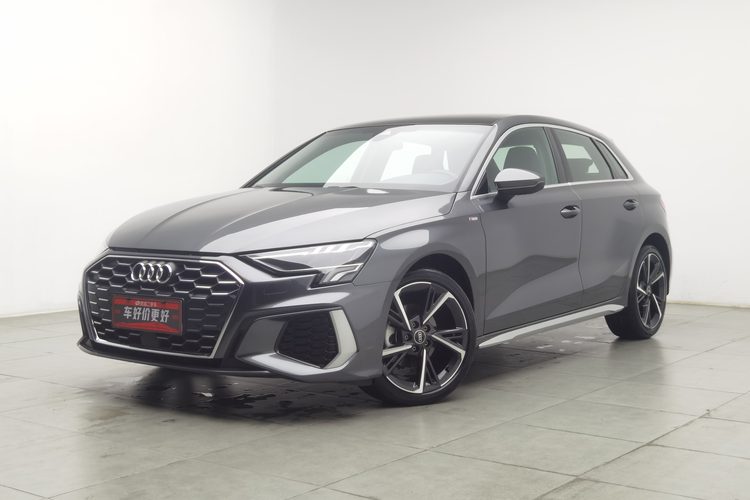
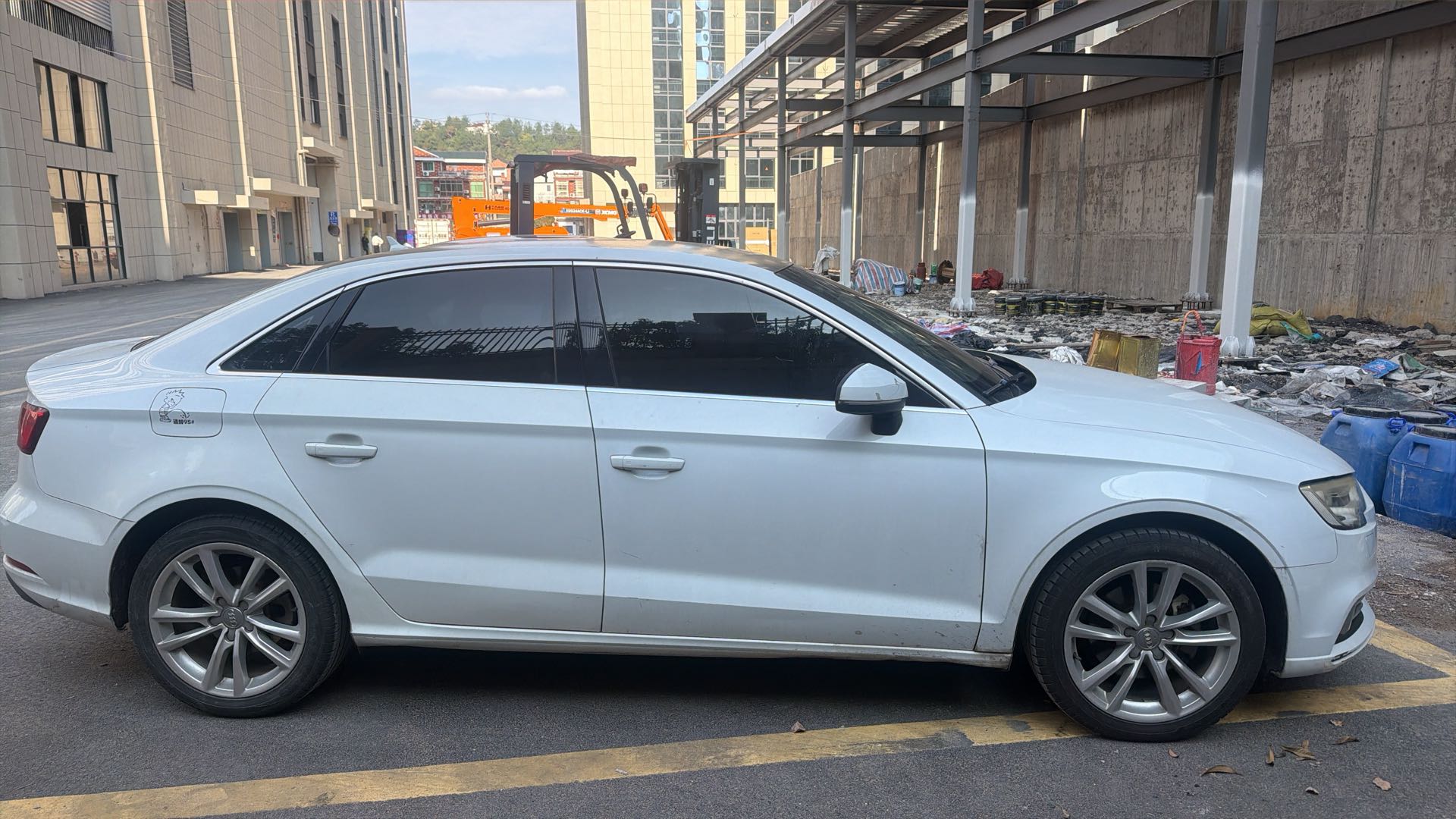



Basic Information

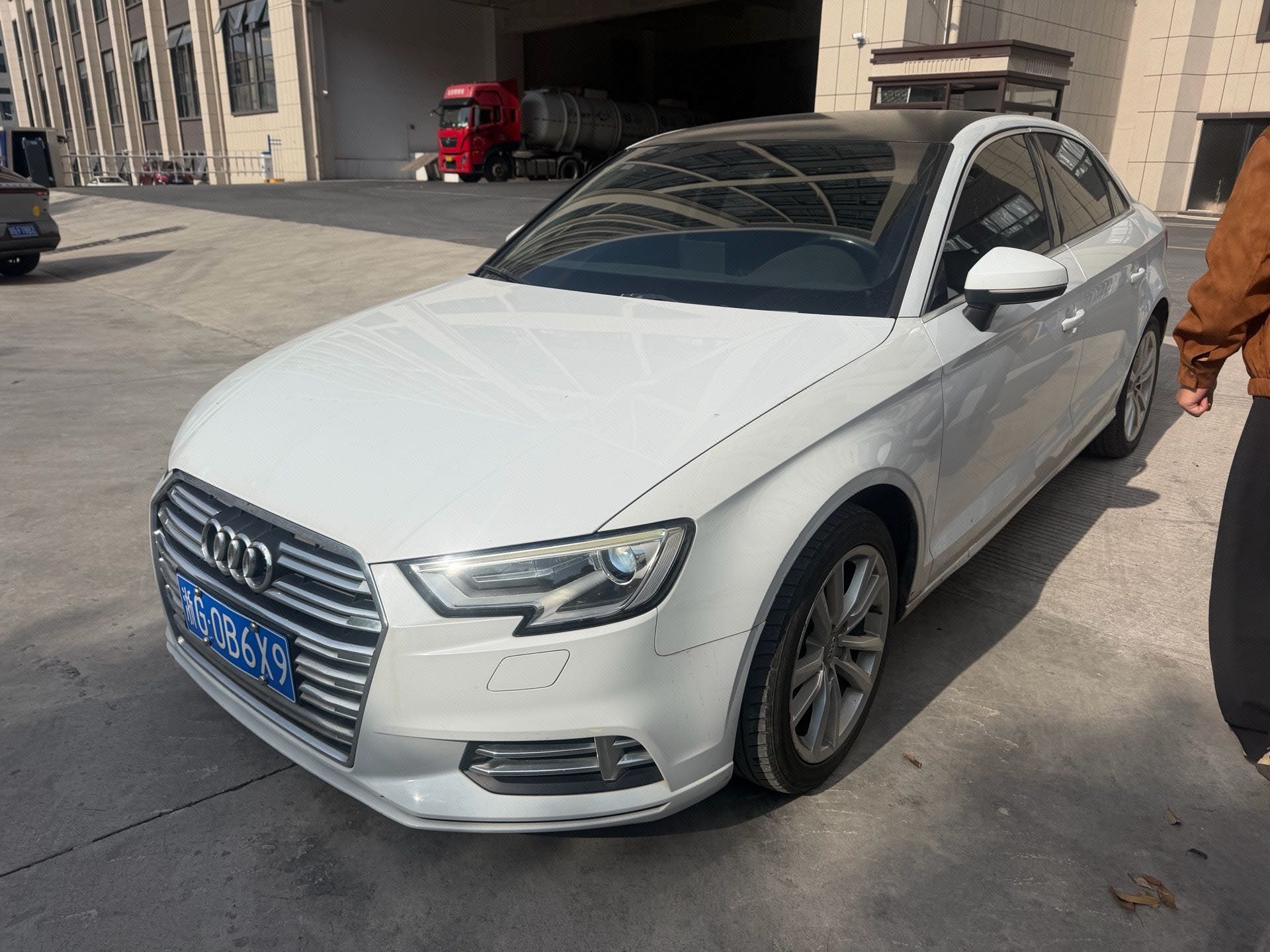
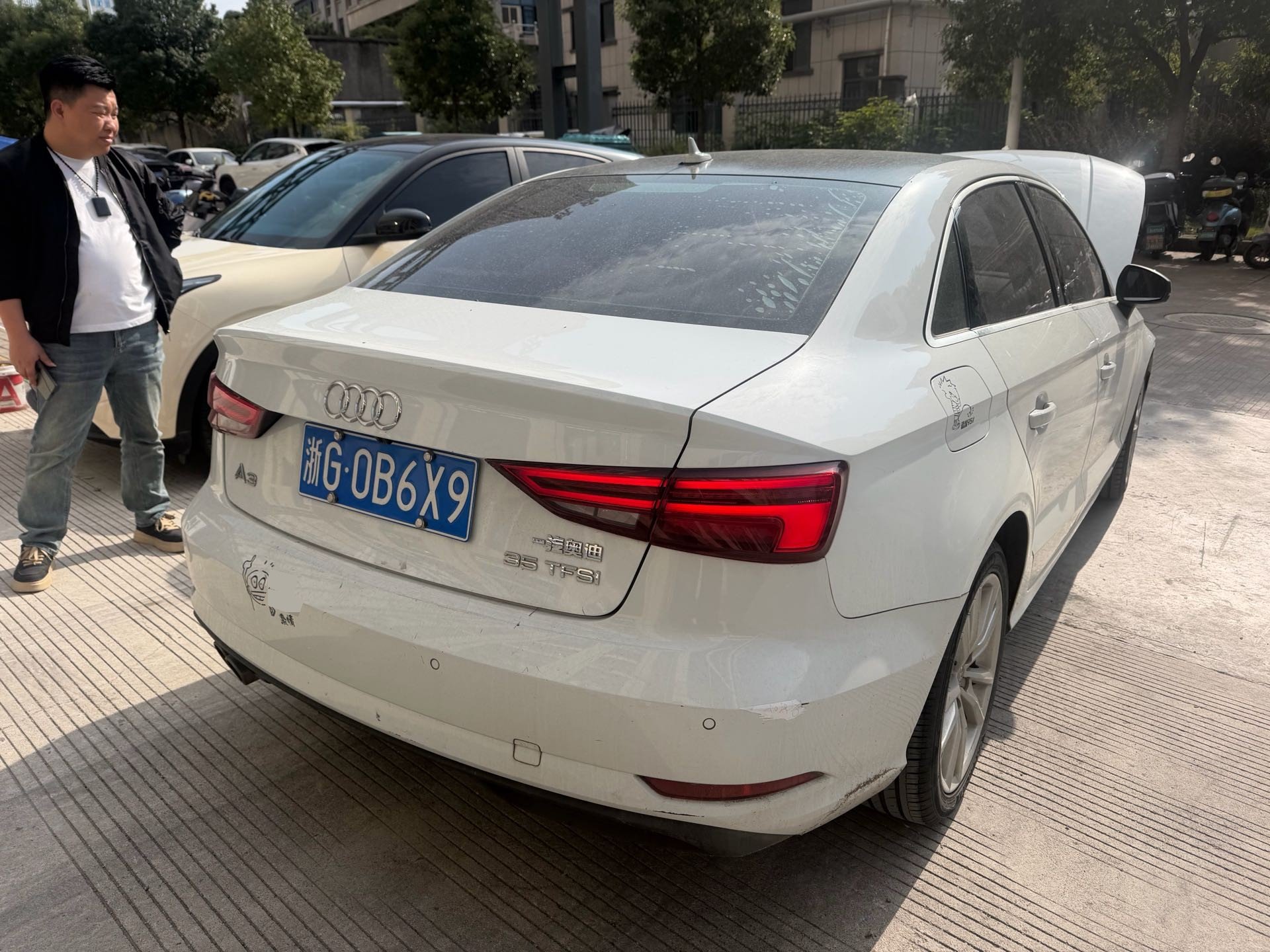
BrandAudi
SeriesA3
Year2018
First Registration2018/10
Mileage110,000km
Transfer Count0times
FuelGasoline
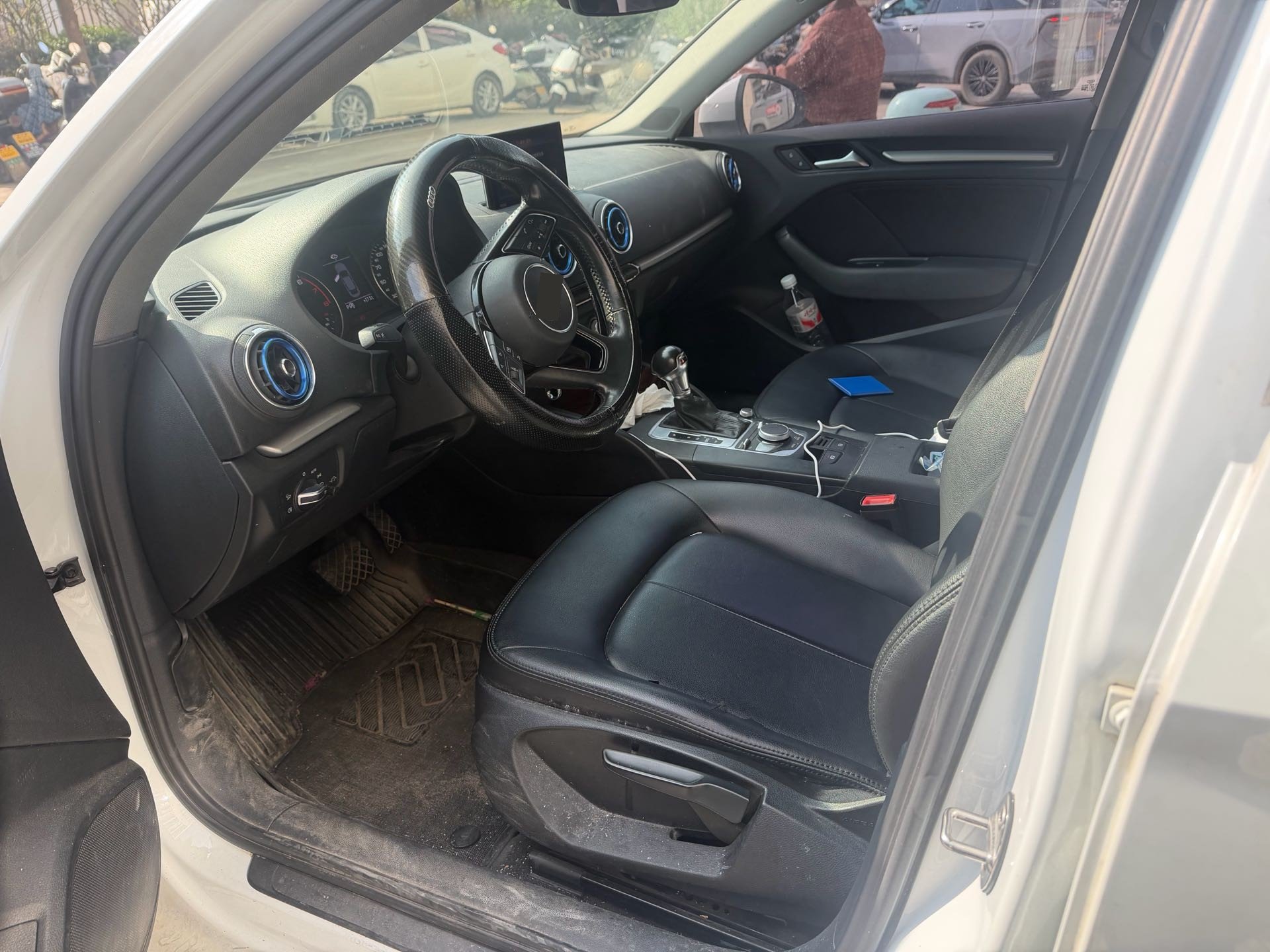
TransmissionDCT
Engine1.4T 150 L4
ColorWhite
Seats-

Condition Description

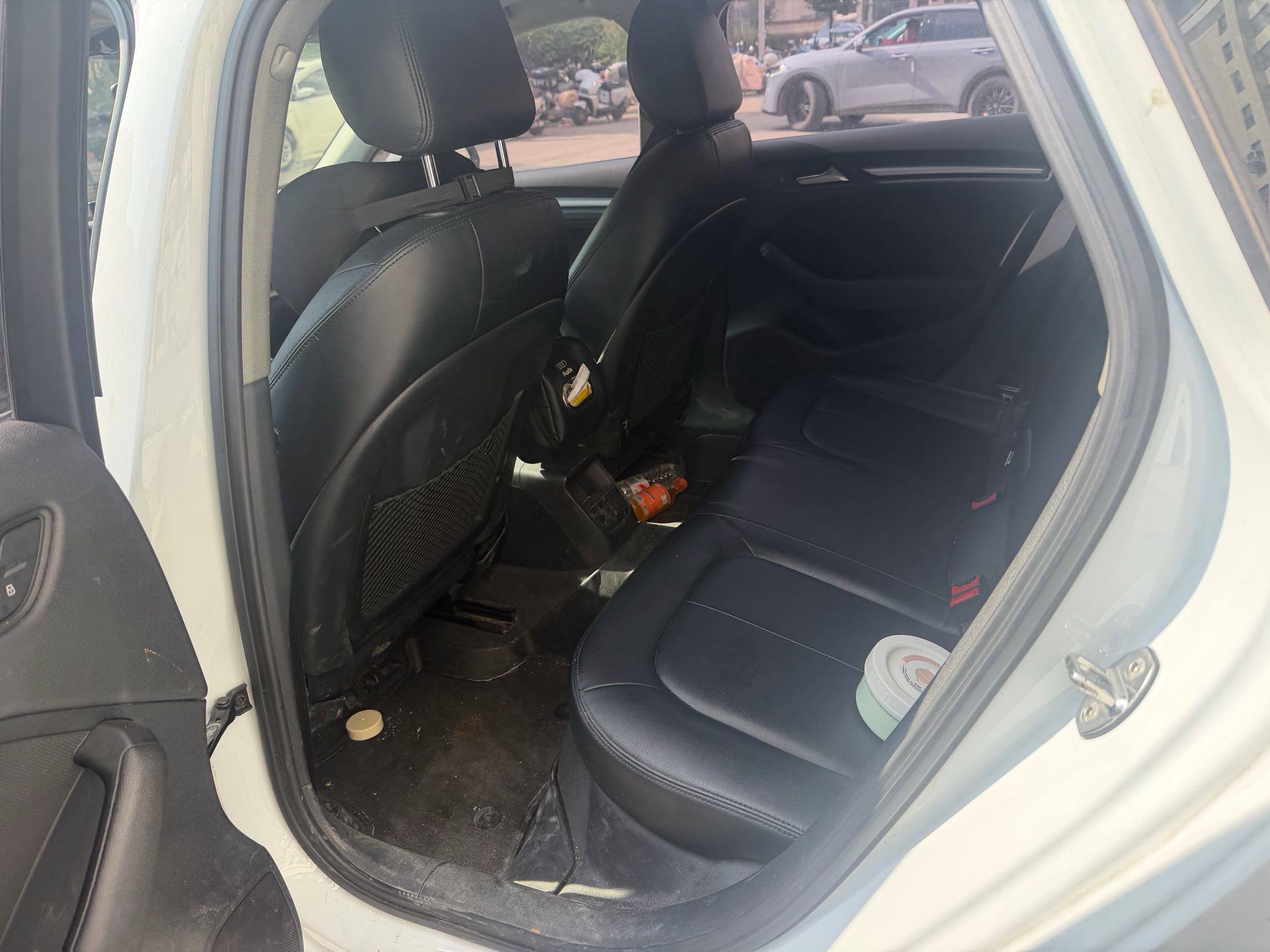
Original body panels throughout, 5 panels repainted, with color mismatch, needs further investment, passes Cha博士 inspection, insurance claim 1000 yuan.

Document Information

Inspection Expiry Date-
Warranty Expiry Date-
Insurance Expiry Date2027/10

Q&A

More

What are your assessment criteria and repair recommendations for vehicles with "slight oil seepage (non-dripping)" in the engine or transmission?

As rubber seals age, "slight oil seepage (oil stains but no dripping)" is very common in used cars and is not considered a major fault. Our recommendation is: as long as the oil level does not drop abnormally, just clean and monitor it regularly after arrival, without the need to immediately incur high costs to disassemble and replace the seals.


If Chinese customs determines a vehicle to be a "scrapped vehicle" and prohibits its export during inspection, will the deposit be refunded?

Chinese customs strictly prohibits the export of assembled or cut vehicles that meet mandatory scrapping standards. Since our pre-inspection is very strict, this situation is highly unlikely. However, if the vehicle is detained and returned by customs due to a policy misjudgment, we will fully refund your deposit without interest, ensuring you bear no policy risk.

What charging adapters or equipment will I need to charge a used Chinese EV in my country?

Chinese EVs ship with GB/T charging ports, which are not used in Europe (Type 2/CCS2), North America (J1772/CCS1/NACS), or most of Latin America. Plan for these extras: 1. GB/T to local standard adapter or converter box: this lets you charge at public stations. A simple passive adapter works for AC charging; DC fast charging needs an active converter, which is expensive — many owners skip it and rely on AC. 2. Portable charger swap: the included travel charger has a GB/T plug. Buy a local wallbox or a portable EVSE with your country's plug instead. 3. Home electrical check: confirm your home circuit can handle 7–11 kW, and have an electrician install a dedicated line if needed. Ask the exporter for the car's charging port photos and on-board charger capacity before buying. Budget roughly a few hundred dollars for adapters and a wallbox. Without planning, you may end up with a car that can only trickle-charge from a wall socket.