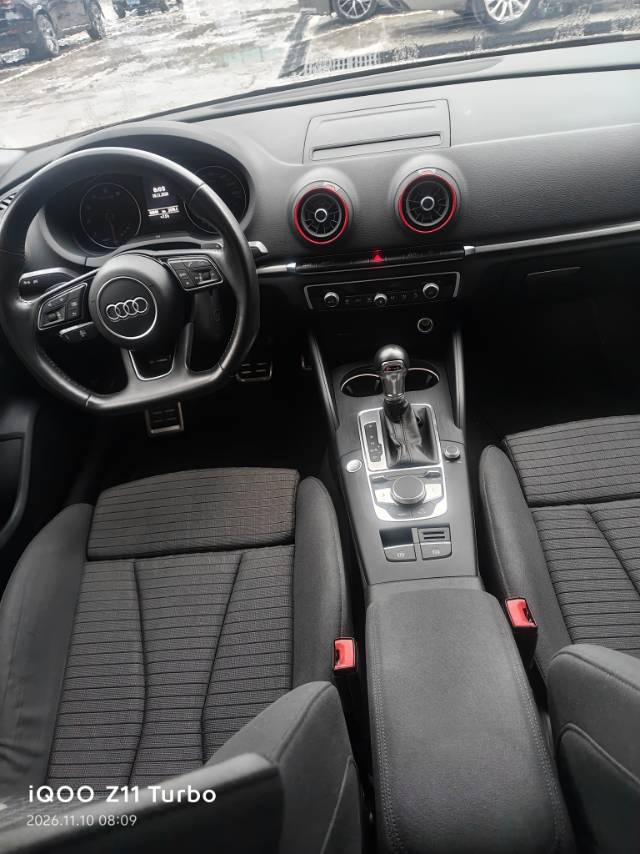
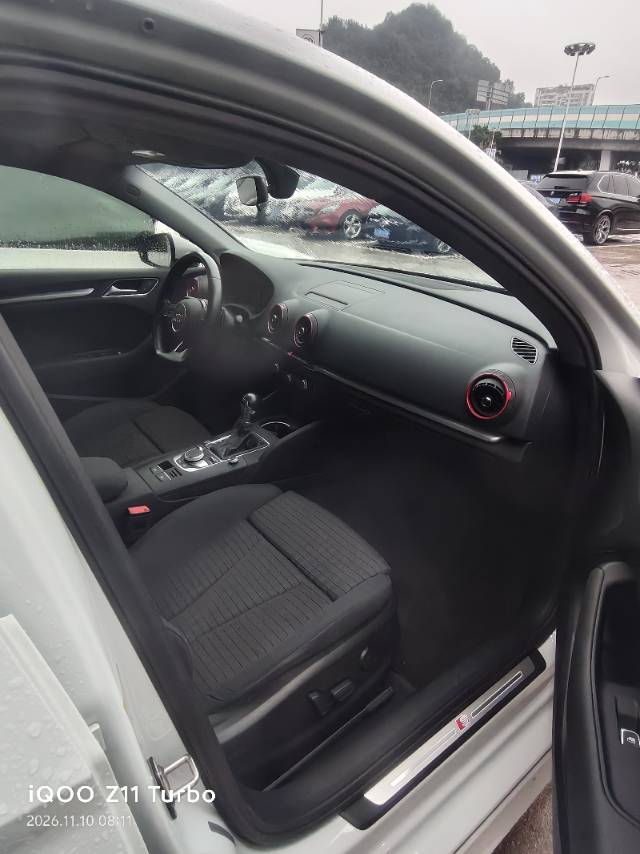
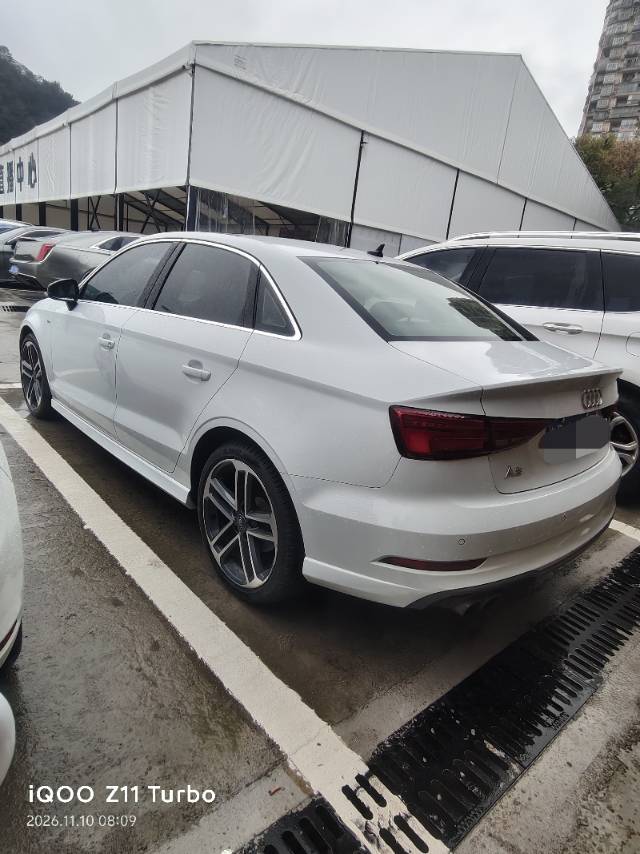
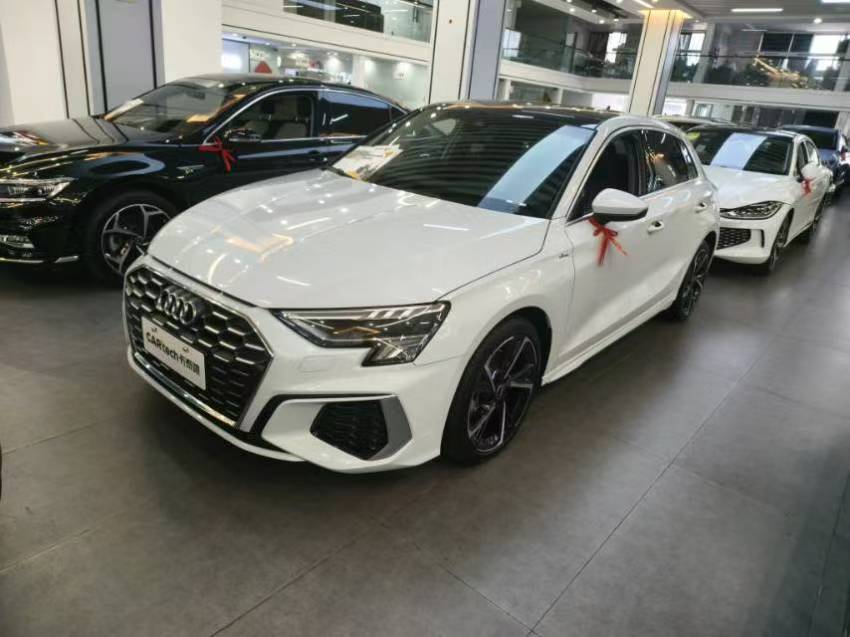
Basic Information

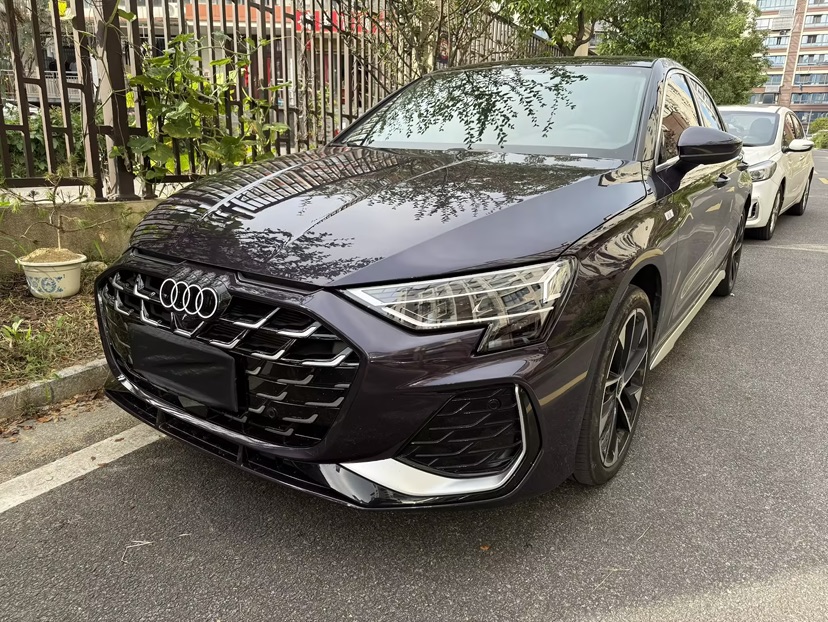
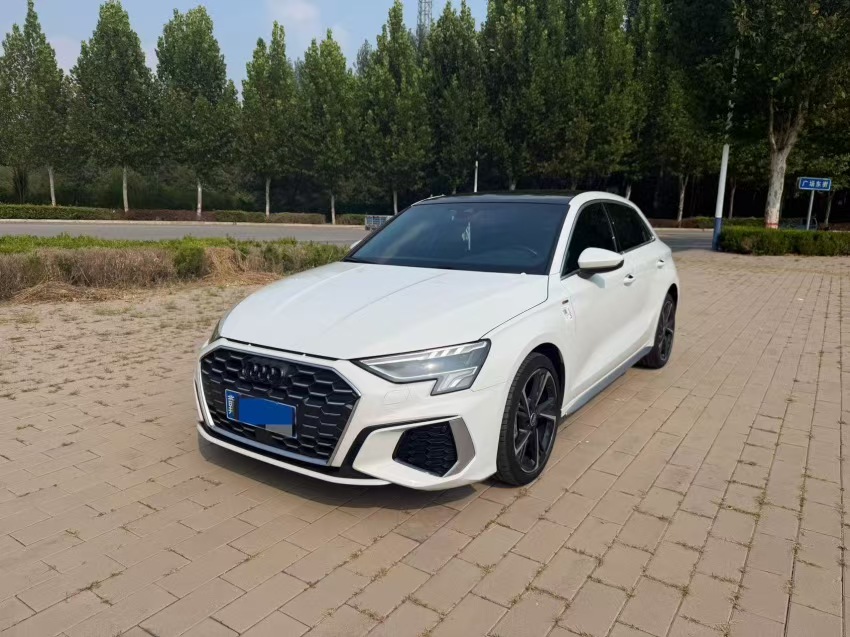
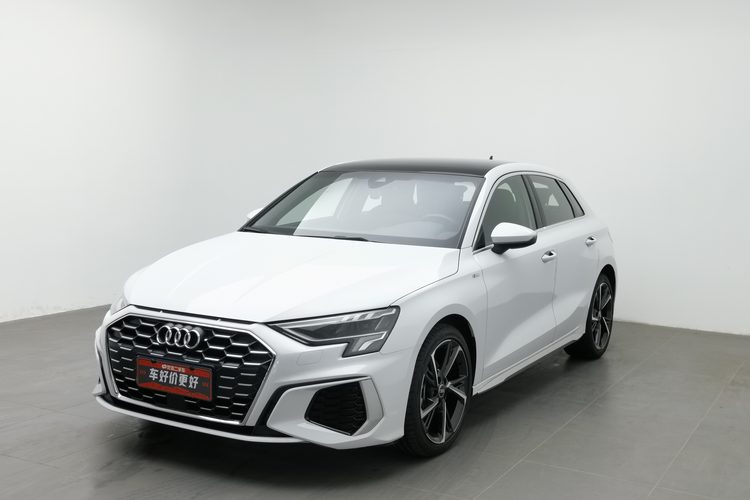
BrandAudi
SeriesA3
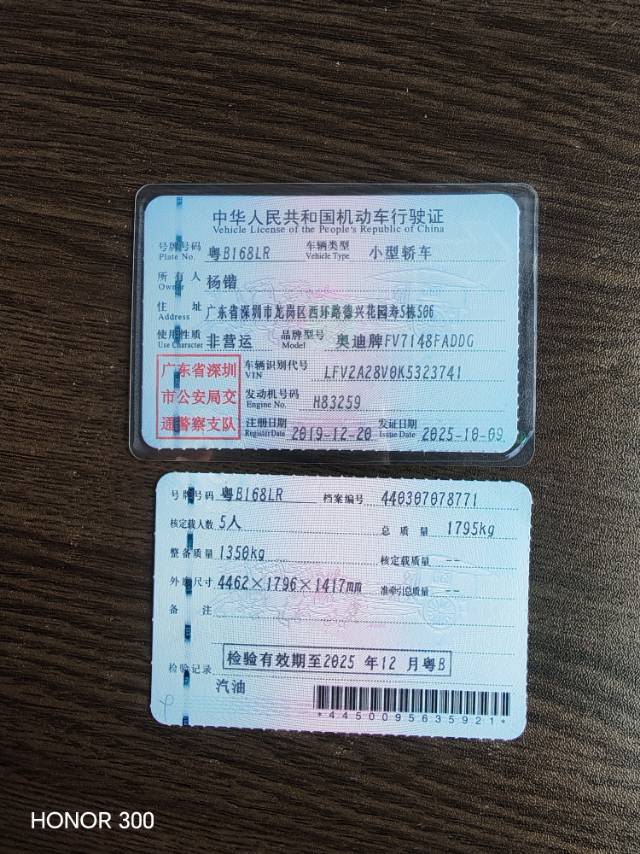
Year2019
First Registration2019/12
Mileage65,000km
Transfer Count0times
FuelGasoline
TransmissionDCT
Engine1.4T 150 L4
ColorWhite
Seats-

Condition Description

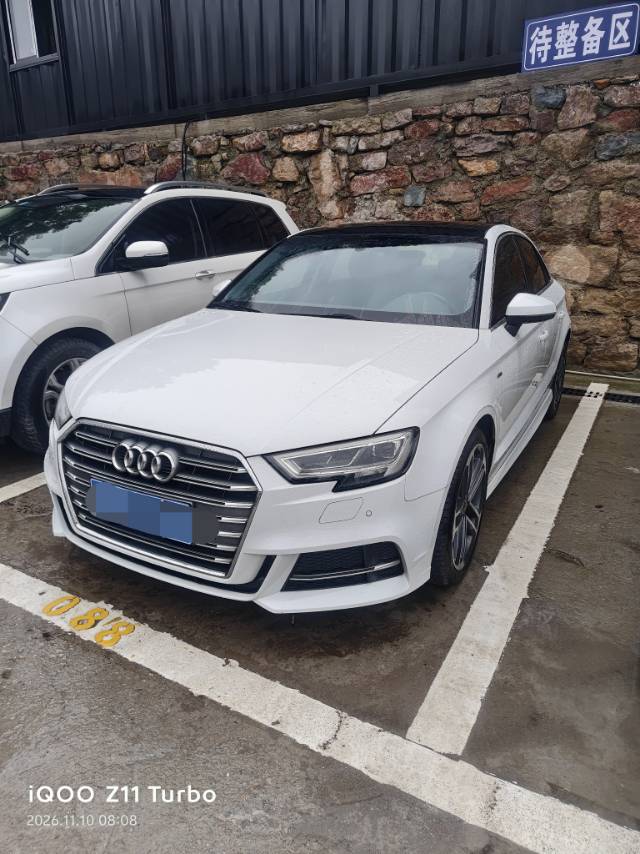
Hood, right front fender, and right headlight replaced; rest original paint. Insurance loss, but actual A-pillar undamaged. Chaboshi grade S. Engine and transmission not disassembled. Insurance claim amount: 56000.

可议价
已上架
New
Wholesale

Configuration Highlights

✓品牌: 奥迪
✓车系: 奥迪A3
✓车型: 奥迪A3 2020款 1.4T 双离合 Limousine 35 TFSI 运动型 国VI
✓能源类型: 燃油车
✓发动机: 1.4T
✓变速箱: 双离合
✓驱动方式: 前轮驱动
✓排放标准: 国VI
✓指导价: 23.46万
✓车源编号: 12807398
✓VIN: LFV2*******323741

Document Information

Inspection Expiry Date2027/12
Warranty Expiry Date-
Insurance Expiry Date2026/12

Q&A

More

Large international wire transfers (T/T) usually require anti-money laundering (AML) review. What materials will you provide to assist?

If your remitting bank requires verification of the transaction's authenticity, we will promptly provide: a commercial invoice (PI) signed and stamped by both parties, a scanned copy of the vehicle purchase contract, and our legal export enterprise registration certificate from the Ministry of Commerce in China.

What are the common issues with this car? Has this car resolved them?

We will honestly inform you of the common issues with this model (such as the water pump failure in certain German cars) and show that this car has had the improved parts replaced.

Local mechanics in my country are not familiar with Chinese cars. How do I get technical support, wiring diagrams, or repair guidance after importing?

This is a common issue, and there are several practical ways to get your Chinese car serviced locally. 1. Ask the exporter before buying: many professional exporters can provide workshop manuals, wiring diagrams, or diagnostic software for the models they sell. Put this in writing in your purchase agreement. 2. Use online communities: Chinese brands like BYD, Chery, Geely, and Haval have active owner forums and Facebook/Telegram groups in Russia, Central Asia, the Middle East, and Latin America where wiring diagrams and repair procedures are shared. 3. OBD diagnostic tools: most Chinese cars from 2016 onward support standard OBD-II protocols. A tool that reads manufacturer-specific codes (not just generic ones) helps any mechanic identify faults. Ask the exporter which protocol your model uses. 4. Video call assistance: some exporters offer paid remote support where their technician guides your local mechanic via video call — agree on rates and availability in advance. 5. Parts cross-referencing: many Chinese cars share platforms and components; experienced mechanics can match brake pads, filters, and sensors to cross-compatible parts available locally. Key point: choose a brand with existing presence in your region — the larger the local fleet, the easier support becomes.