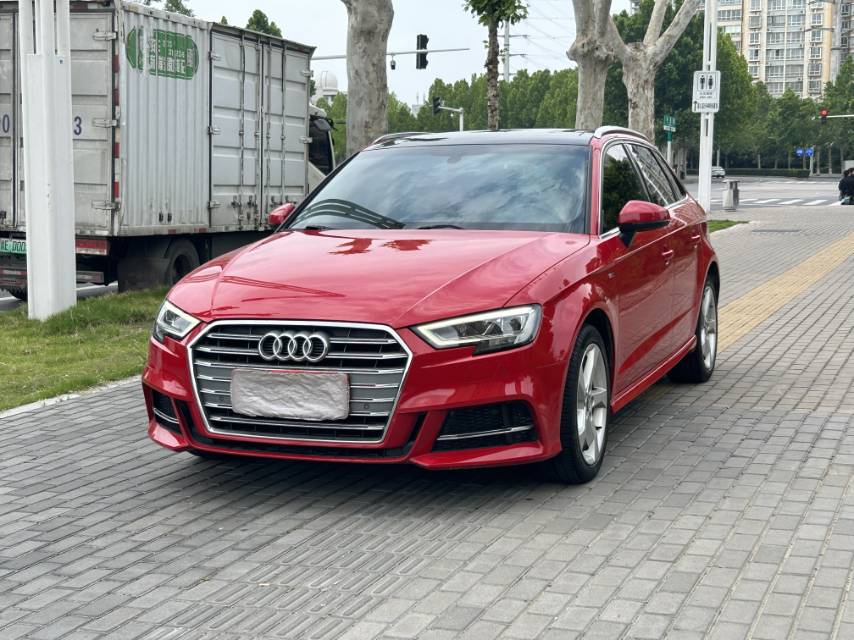



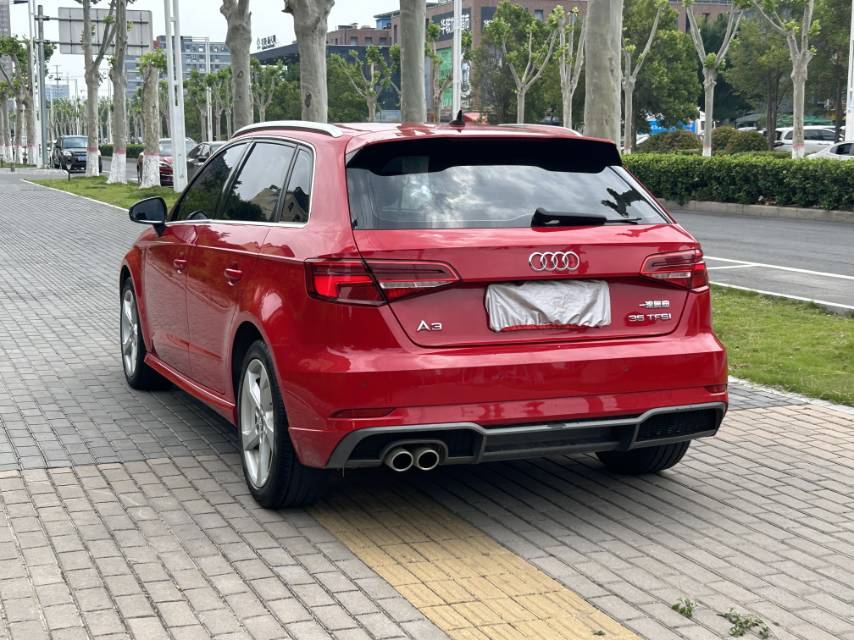
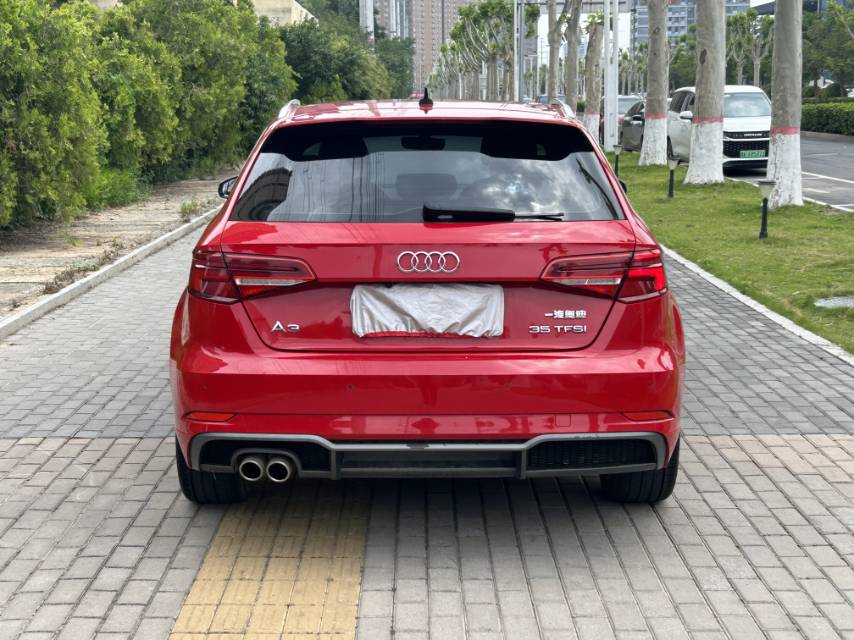

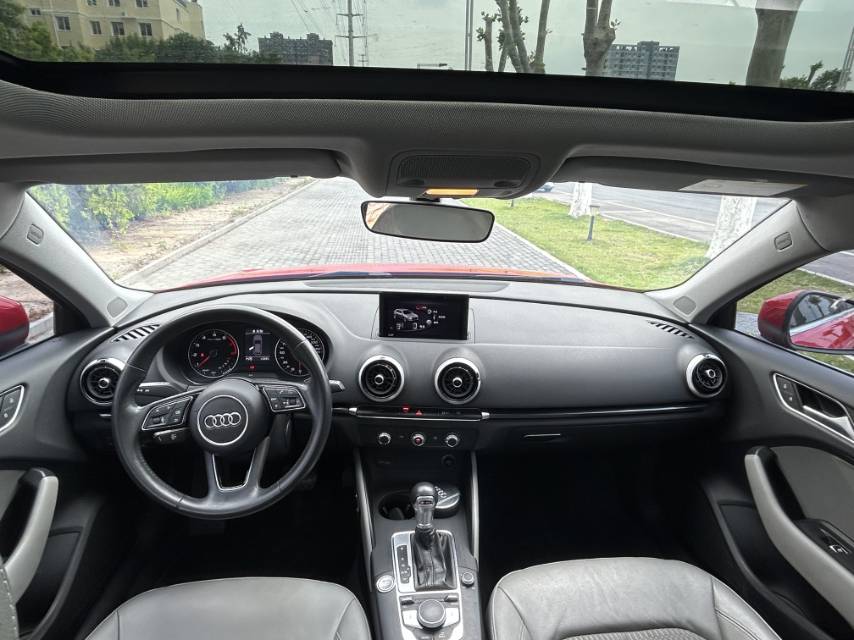



Basic Information

BrandAudi
SeriesA3
Year2020
First Registration2020/04
Mileage24,000km
Transfer Count0times
FuelGasoline
TransmissionDCT
Engine1.4T 150 L4
ColorRed
Seats-

Condition Description

General vehicle condition.

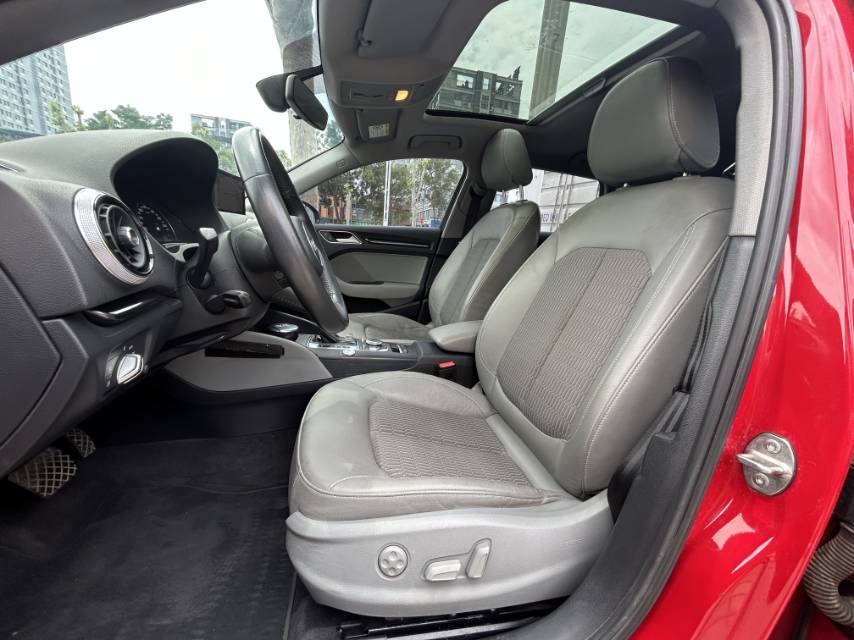
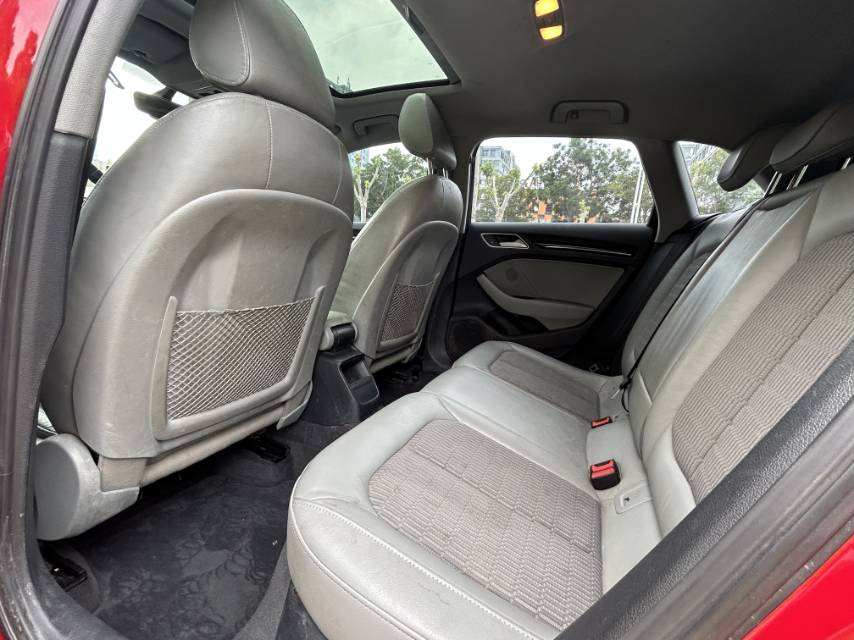
Original paint, personal ownership, verified mileage of 24,000 kilometers, with a grade S report from a vehicle inspection service, insurance valid until next year.

可议价
已上架

Configuration Highlights

✓品牌: 奥迪
✓车系: 奥迪A3
✓车型: 奥迪A3 2020款 1.4T 双离合 Sportback 35 TFSI 时尚型 国VI
✓能源类型: 燃油车
✓发动机: 1.4T
✓变速箱: 双离合
✓驱动方式: 前轮驱动
✓排放标准: 国VI
✓指导价: 21.37万
✓车源编号: 12747304
✓VIN: LFV2B28V2K5344586

Document Information

Inspection Expiry Date2028/04
Warranty Expiry Date-
Insurance Expiry Date2027/04

Q&A

More

Will you clearly inform if the vehicle was previously a commercial vehicle (ride-hailing, taxi, rental)?

The "usage type" section on the vehicle registration certificate has legal validity. Any vehicle that changes from "commercial" to "non-commercial" has a usage intensity far exceeding that of personal vehicles, and we will label these prominently. Such vehicles are usually cheaper but have more severe mechanical wear.

The target country has strict age and emission restrictions on imported used cars. Will you help me review this?

We will provide extremely accurate production year, first registration date, and Chinese emission standards (e.g., National VI). However, the final responsibility for confirming whether this data complies with the importing country's regulations lies with the buyer, and you need to submit it to the local customs for verification before placing an order.

Why is there a time difference between the production date on the vehicle nameplate and the first registration date on the registration certificate?

The nameplate date is the absolute time when the vehicle leaves the factory; the registration date is when the vehicle is registered with the traffic management department after sale. The difference represents the time the vehicle spent in the dealer's warehouse or logistics. If the time difference exceeds 6-8 months, the vehicle is considered a "stock vehicle," and we pay special attention to the natural aging of its rubber components.