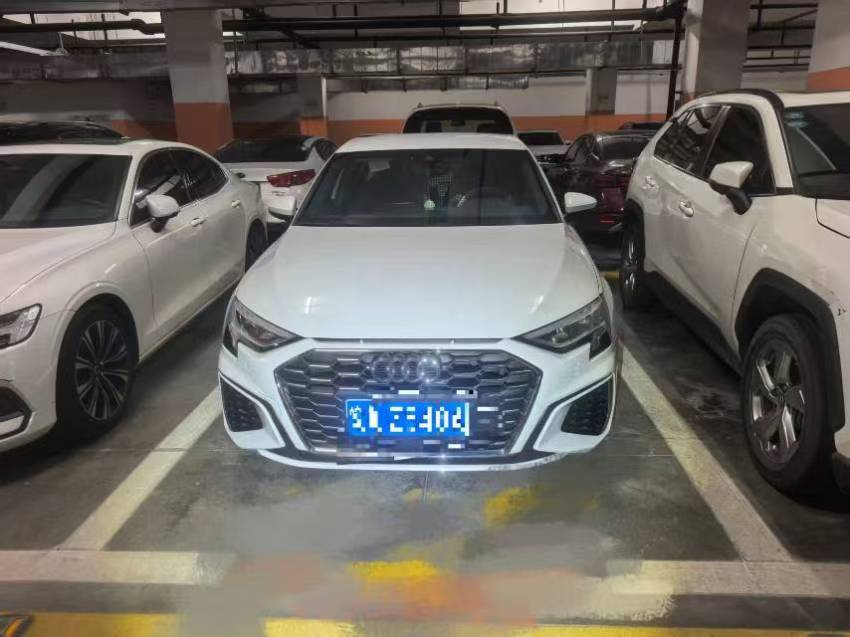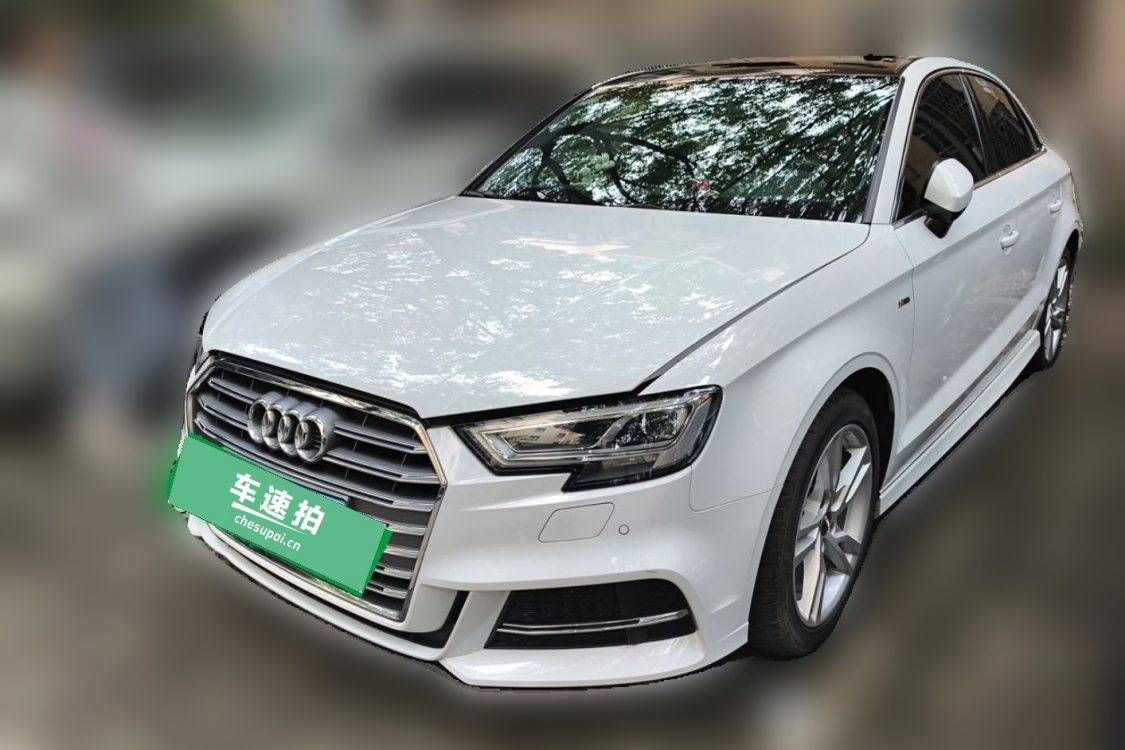
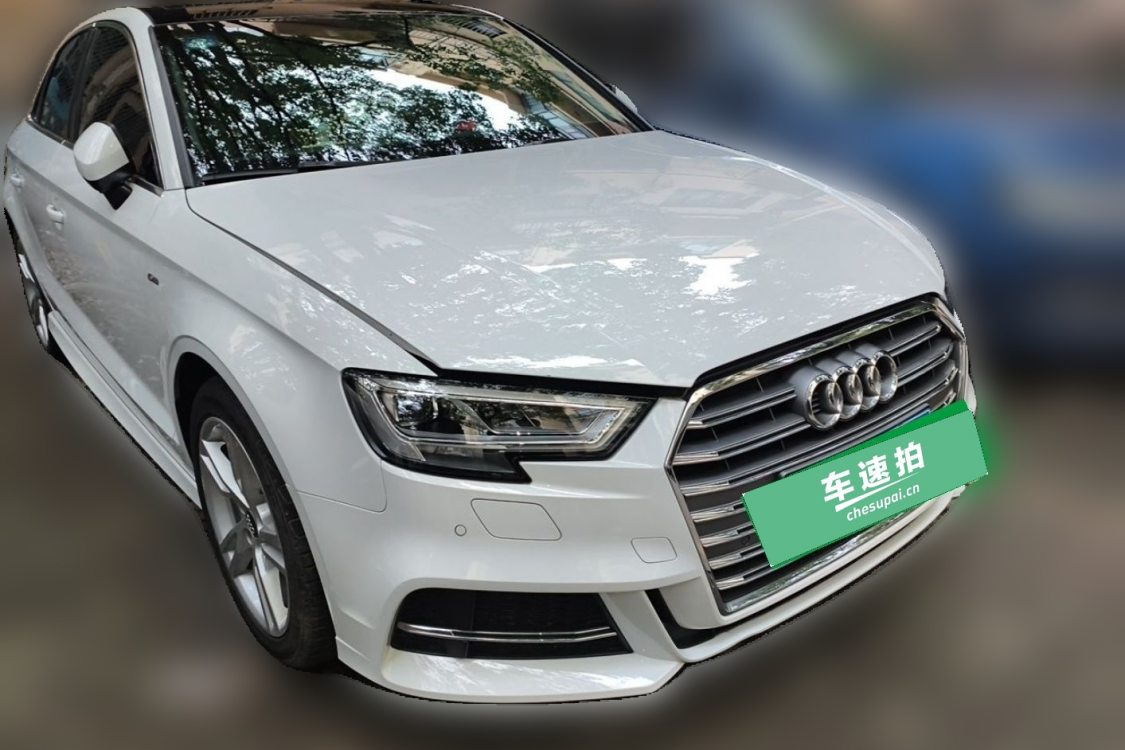
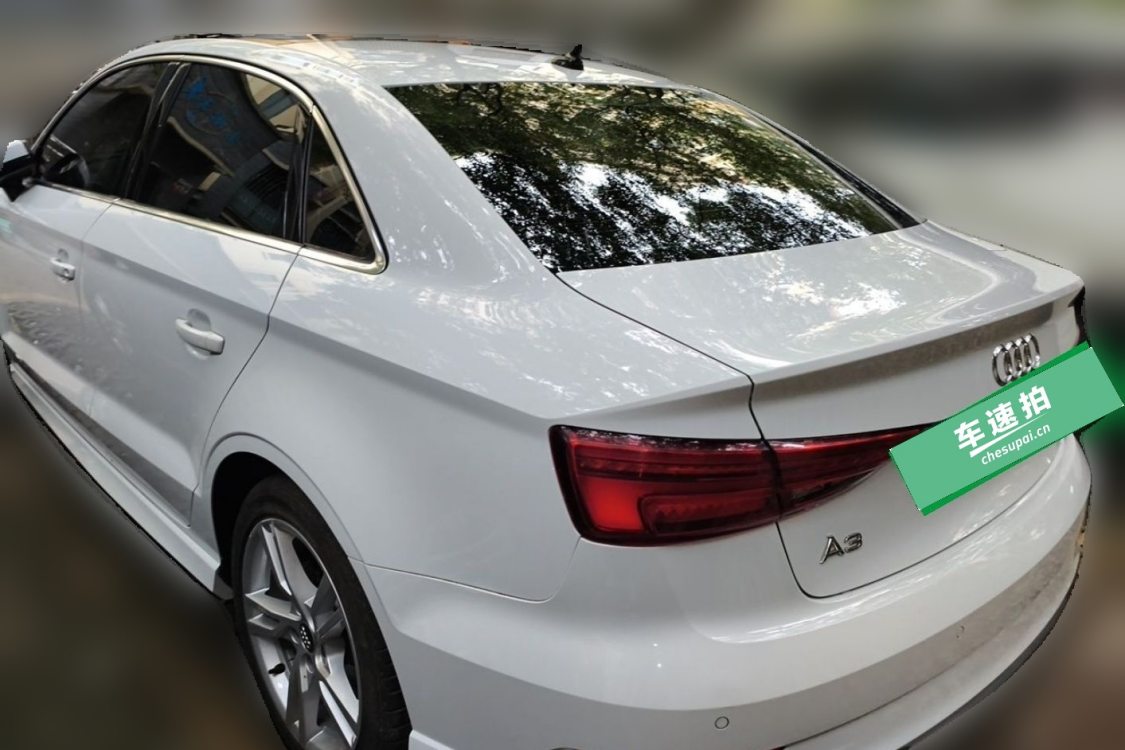
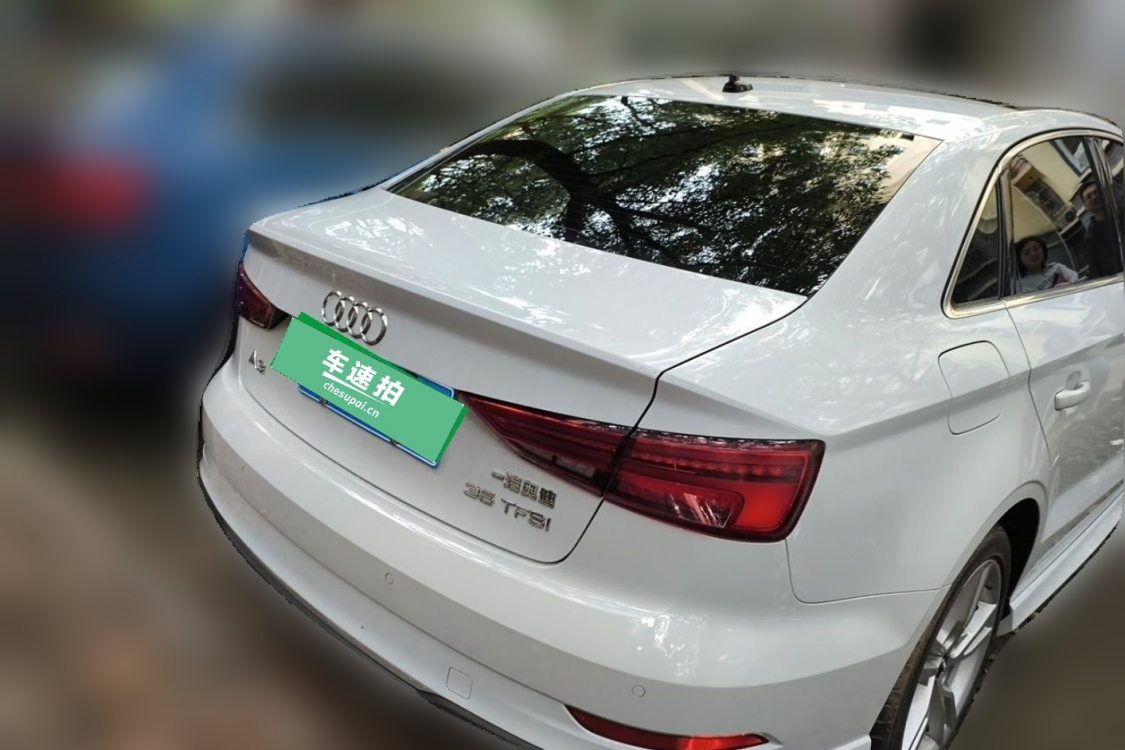
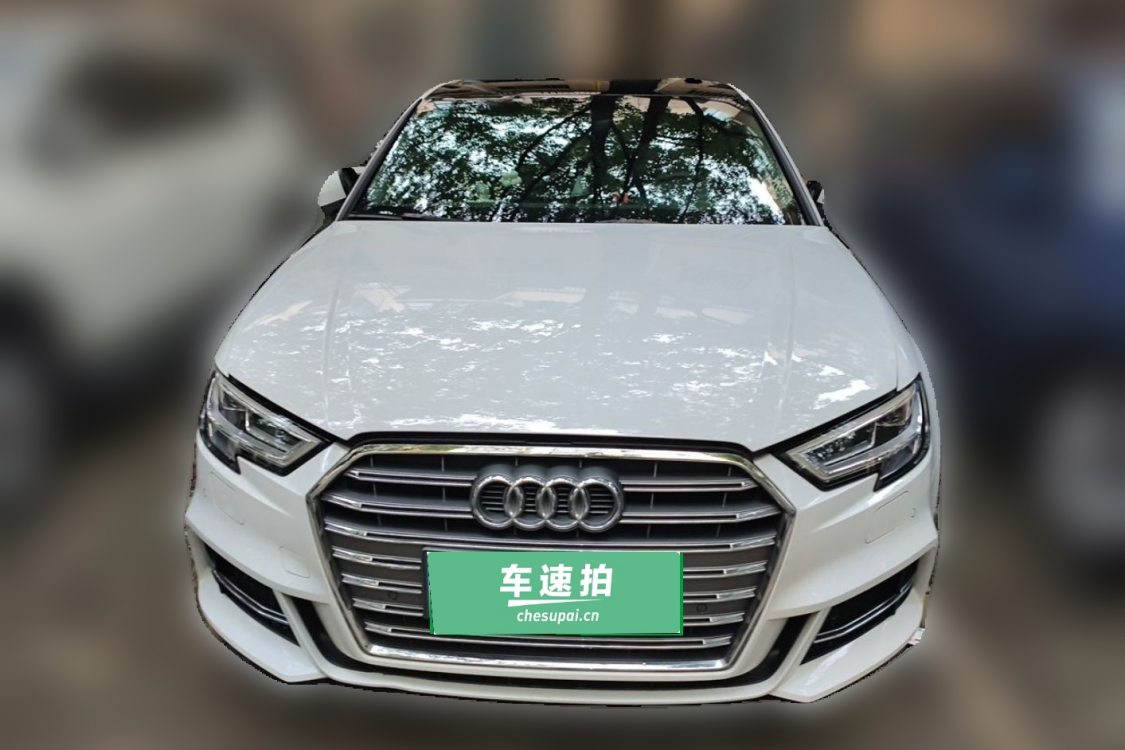
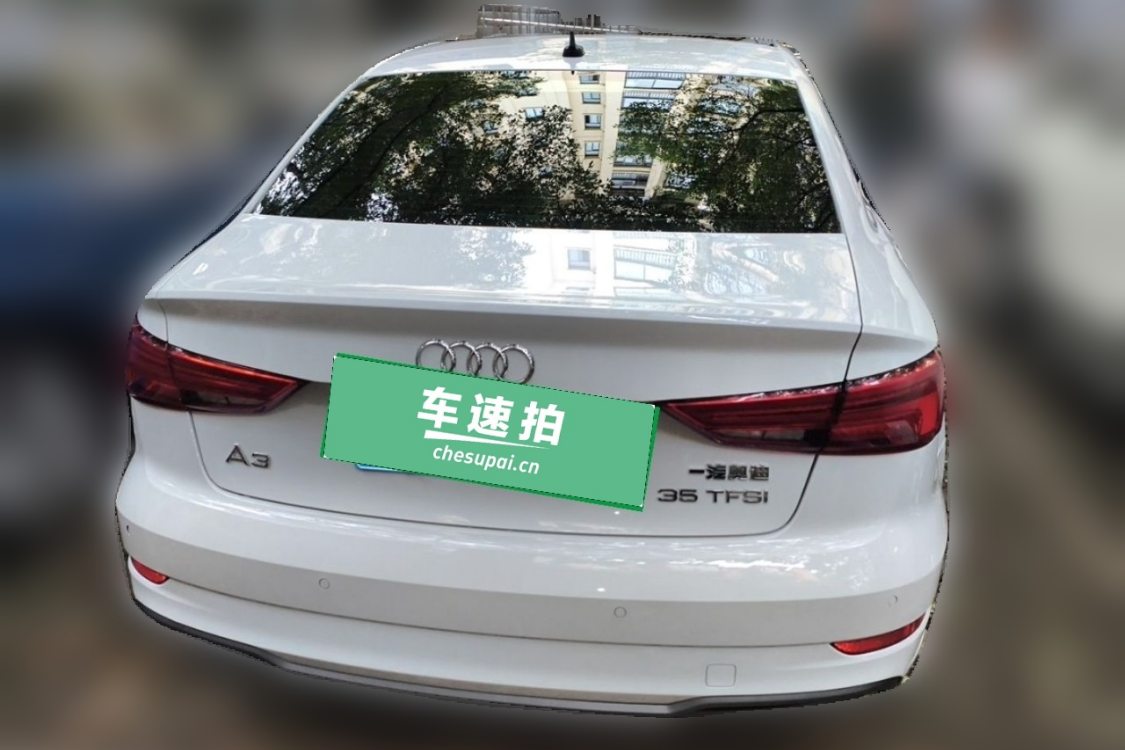
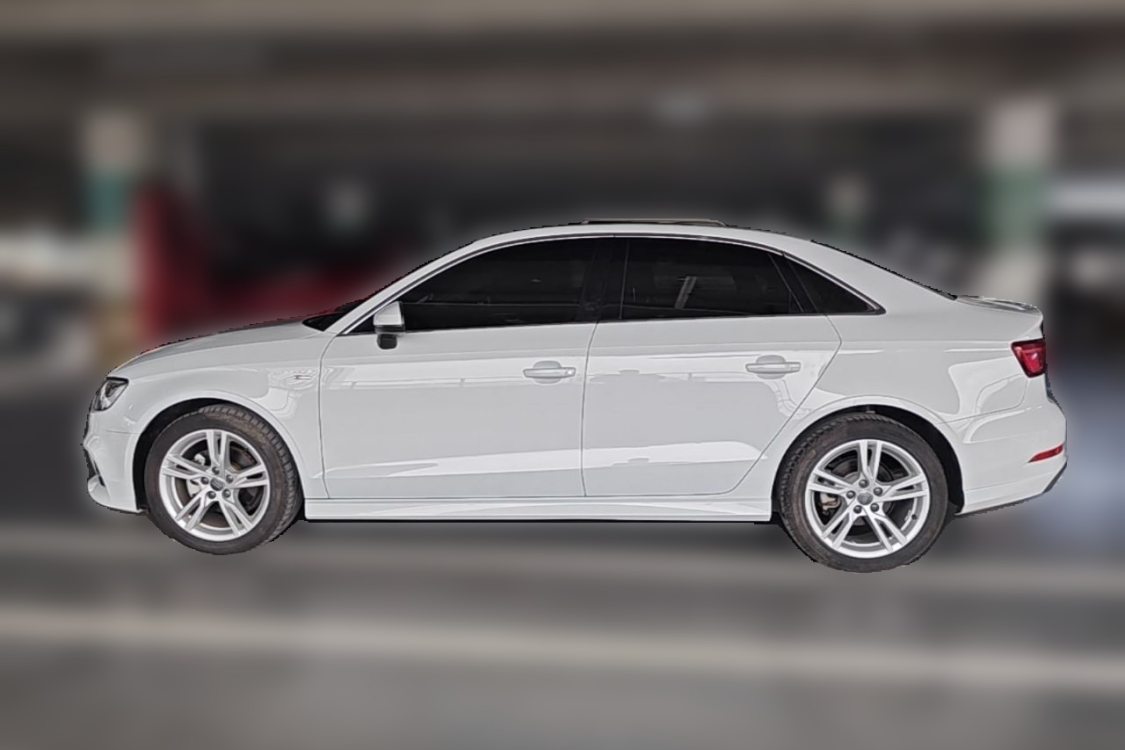
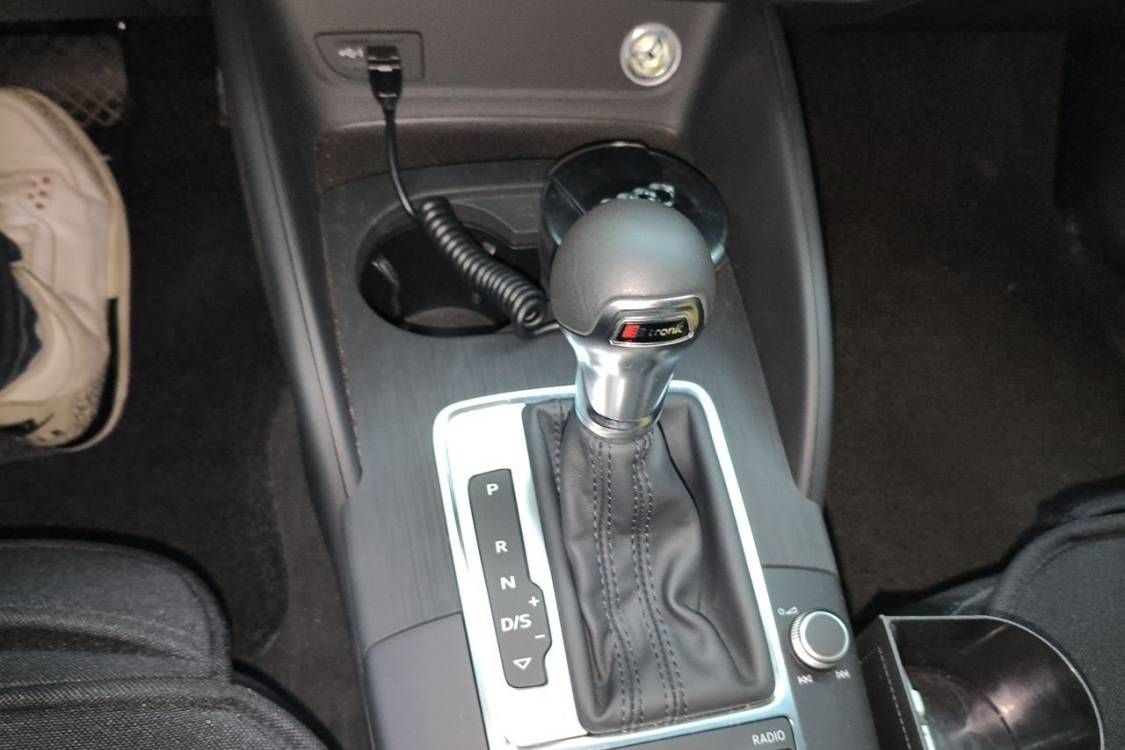

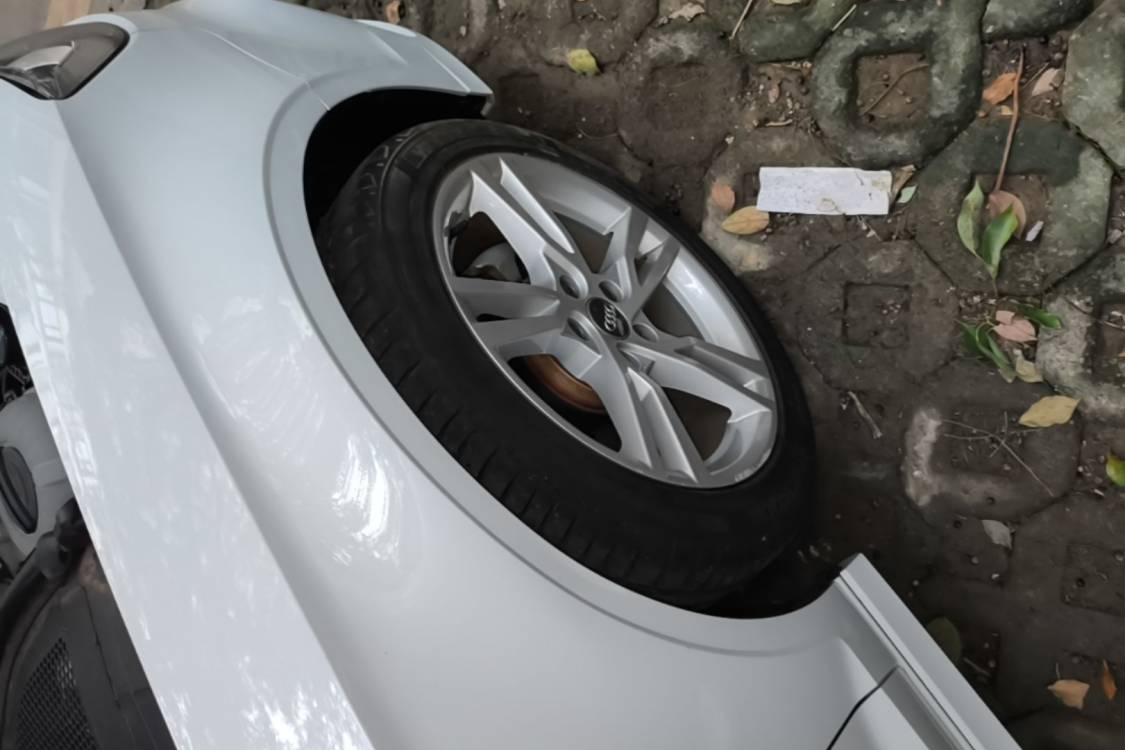



Basic Information

BrandAudi
SeriesA3
Year2020
First Registration2020/07
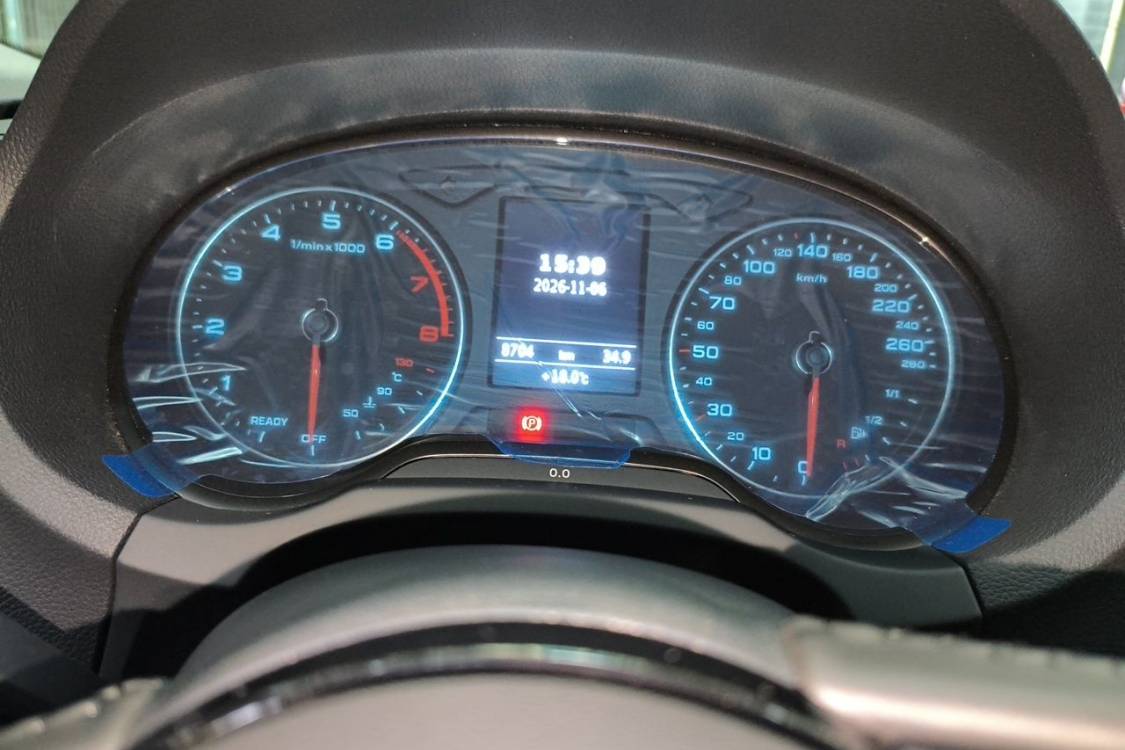
Mileage8,700km
Transfer Count-
FuelGasoline
TransmissionDCT
Engine1.4T 150 L4
ColorWhite
Seats-

Condition Description

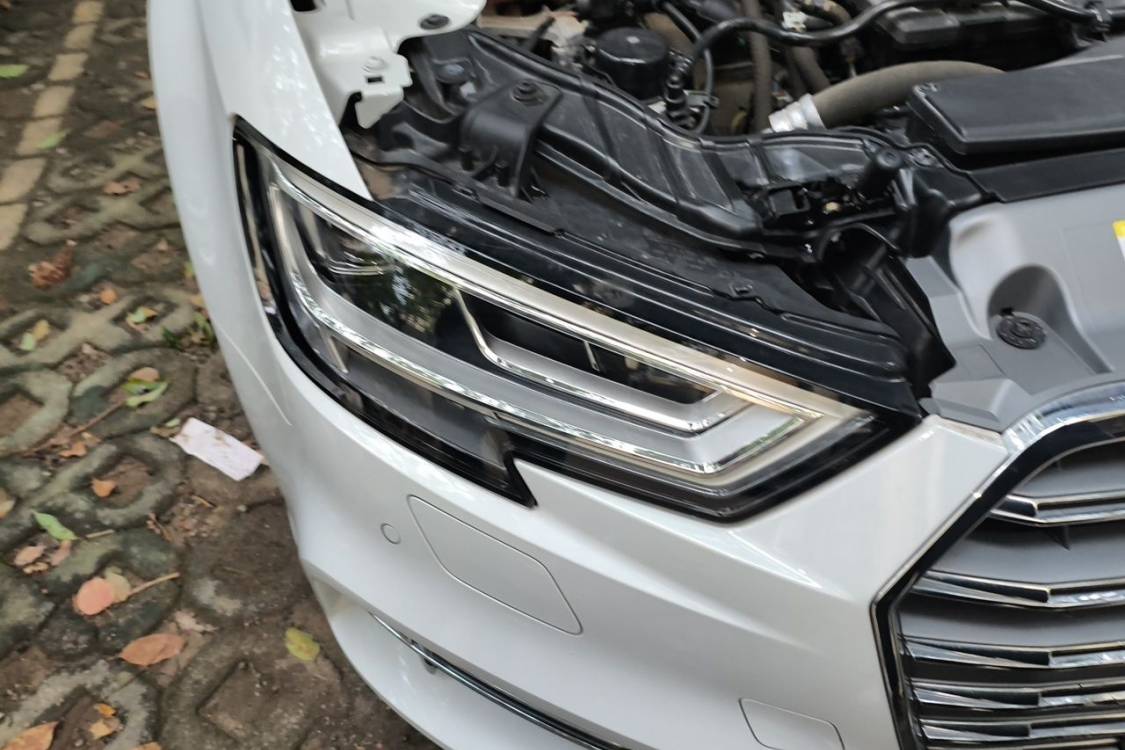
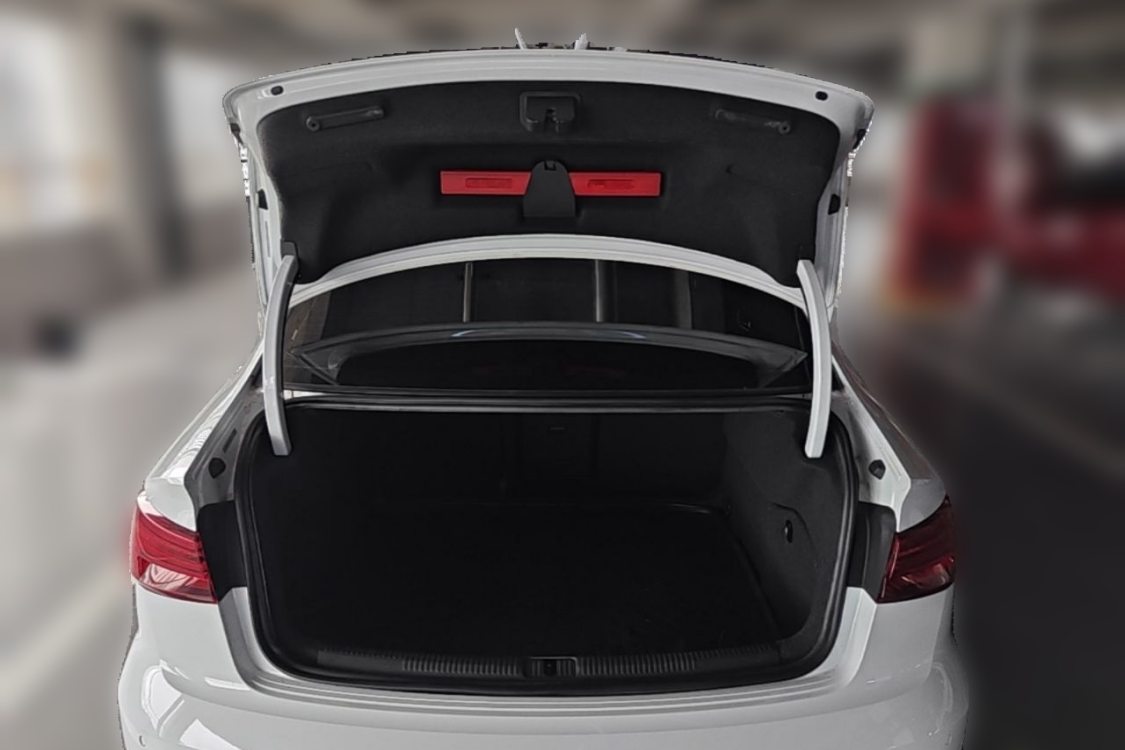
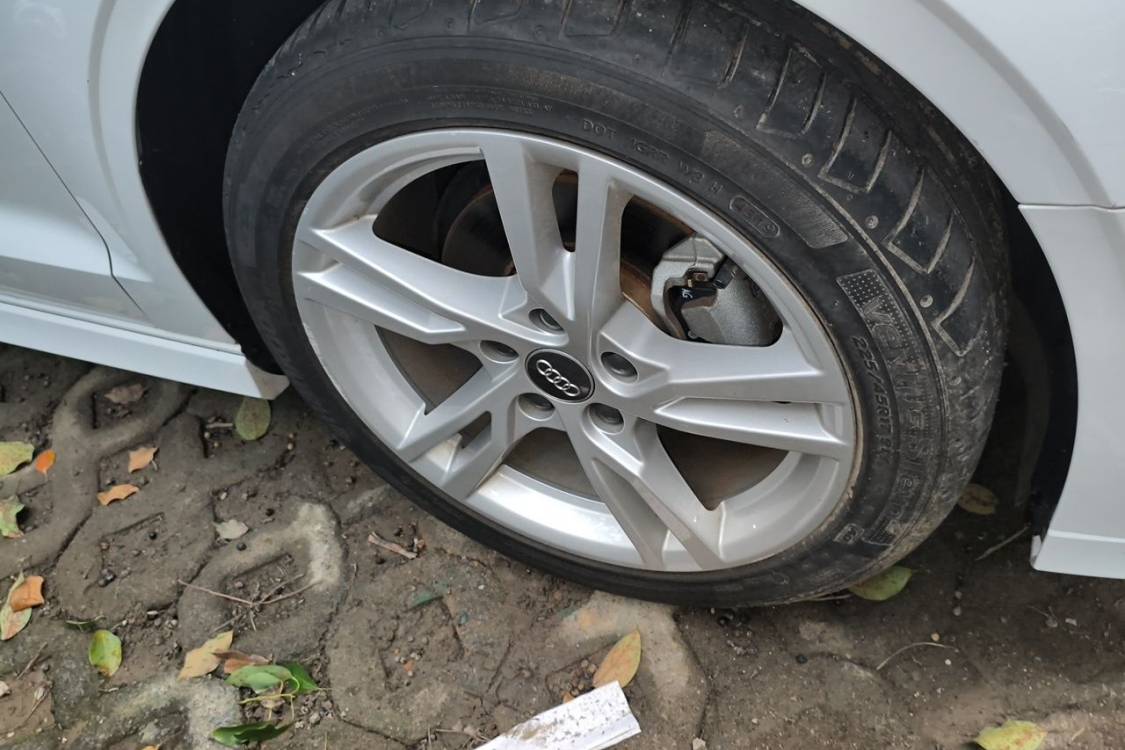
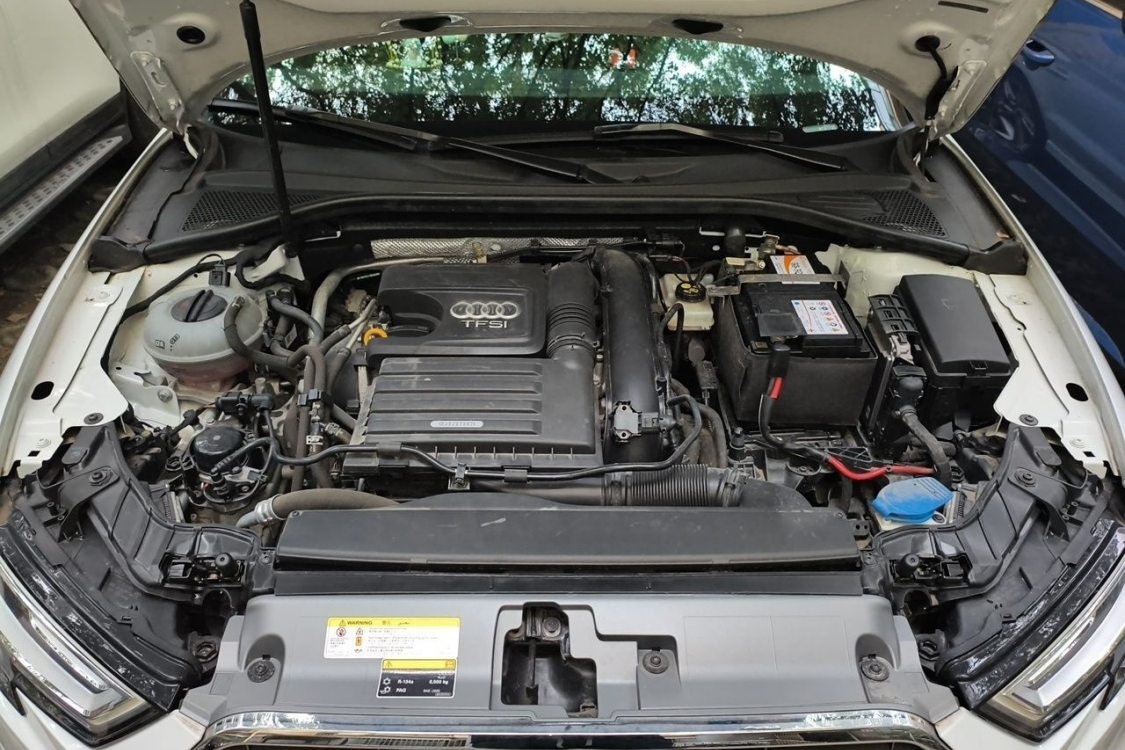
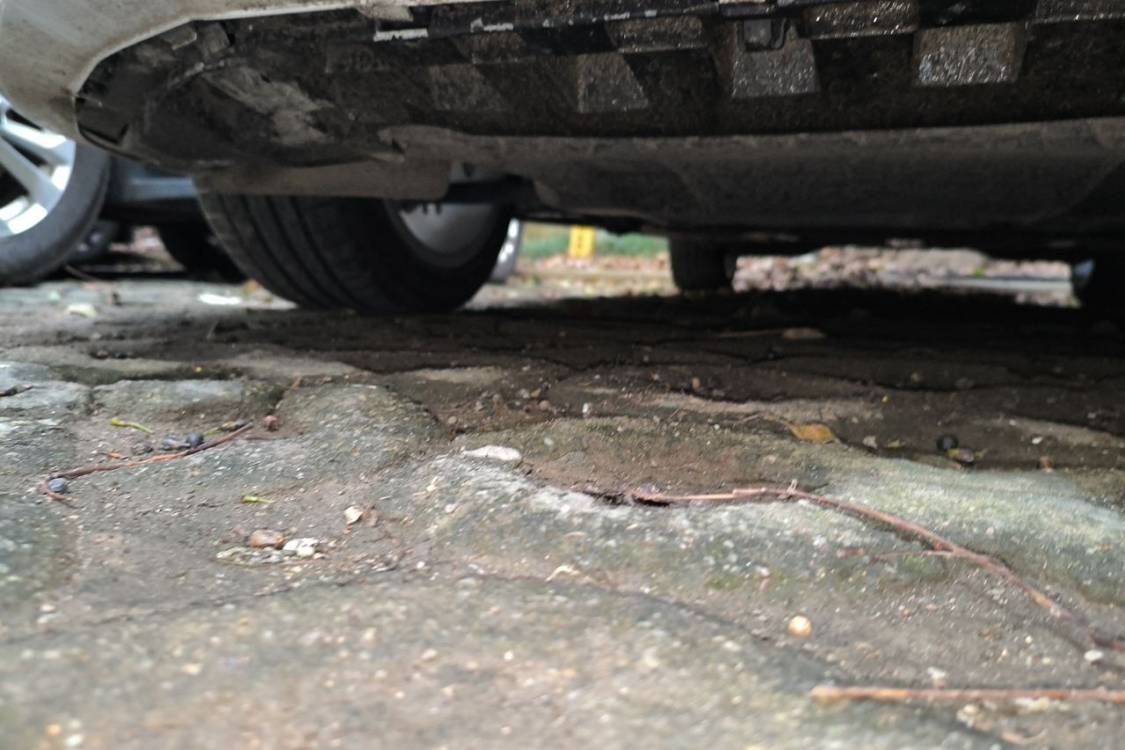
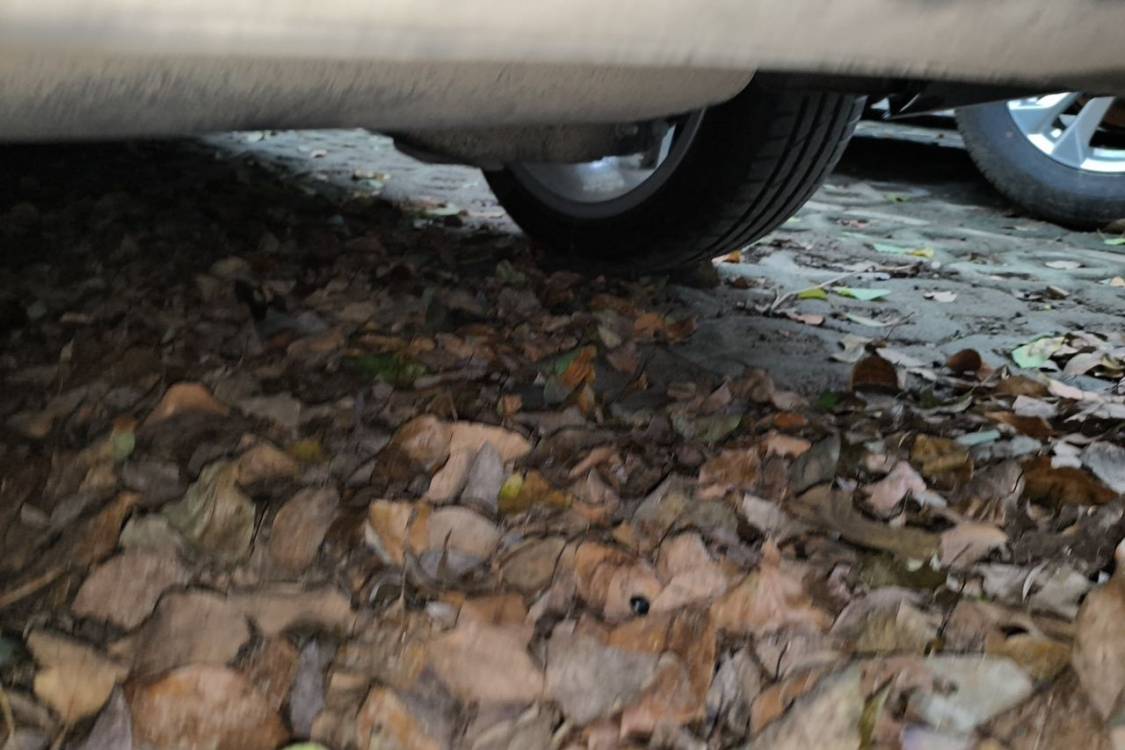
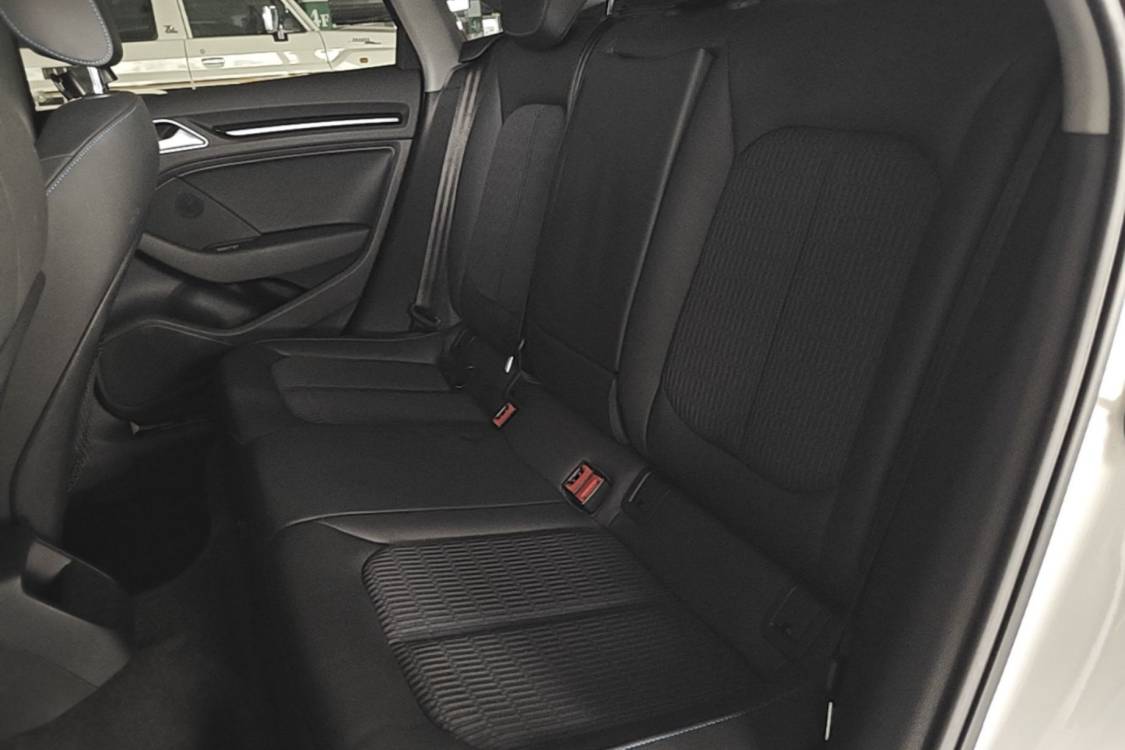
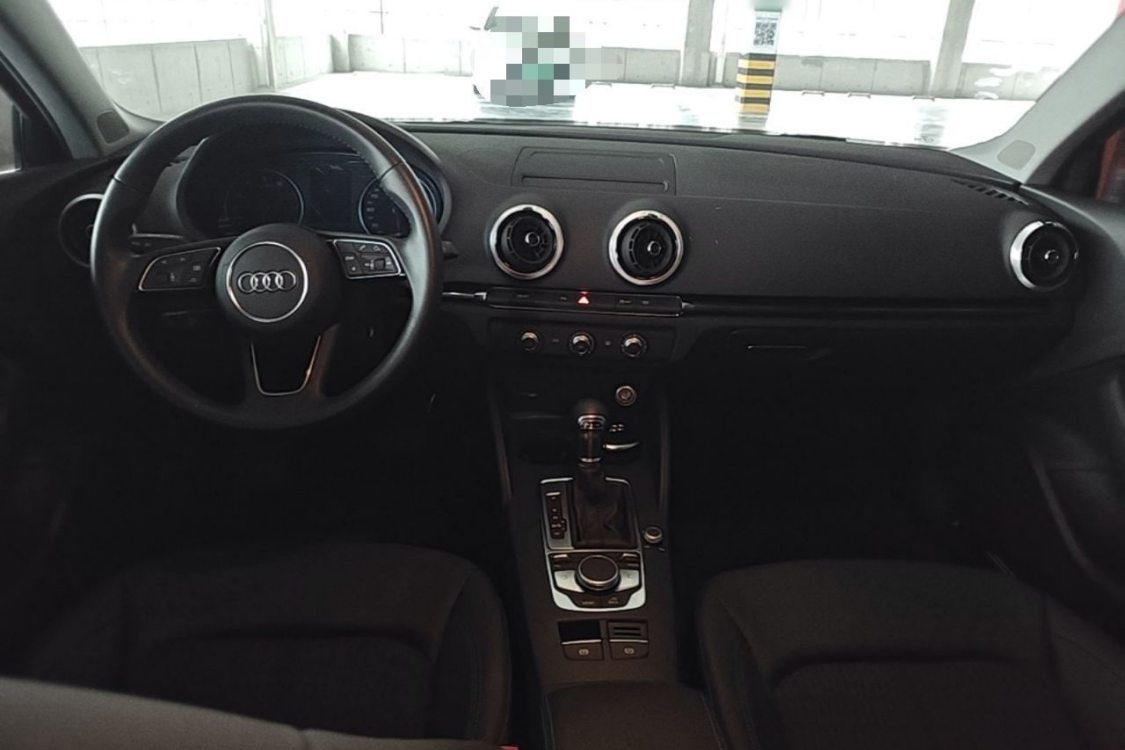
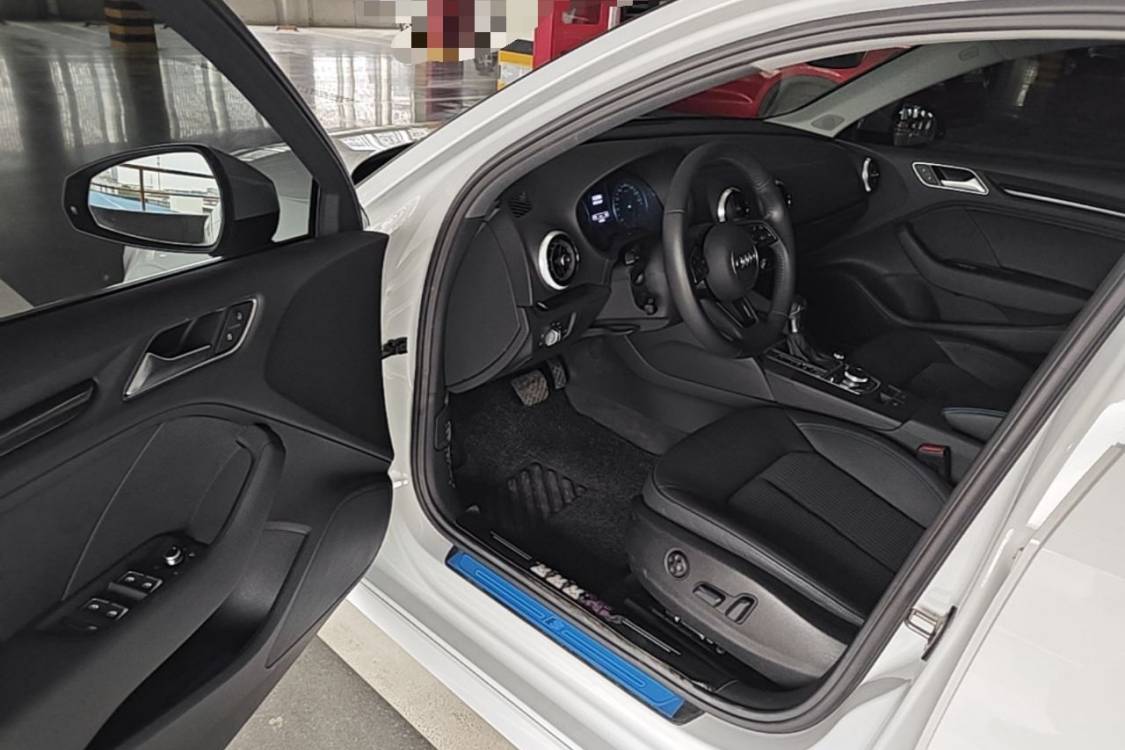
Vehicle performance is good. Structural, reinforcing, and outer panels have no accident-related damage or repairs. High-voltage battery, drive motor, and electronic control systems have no damage.

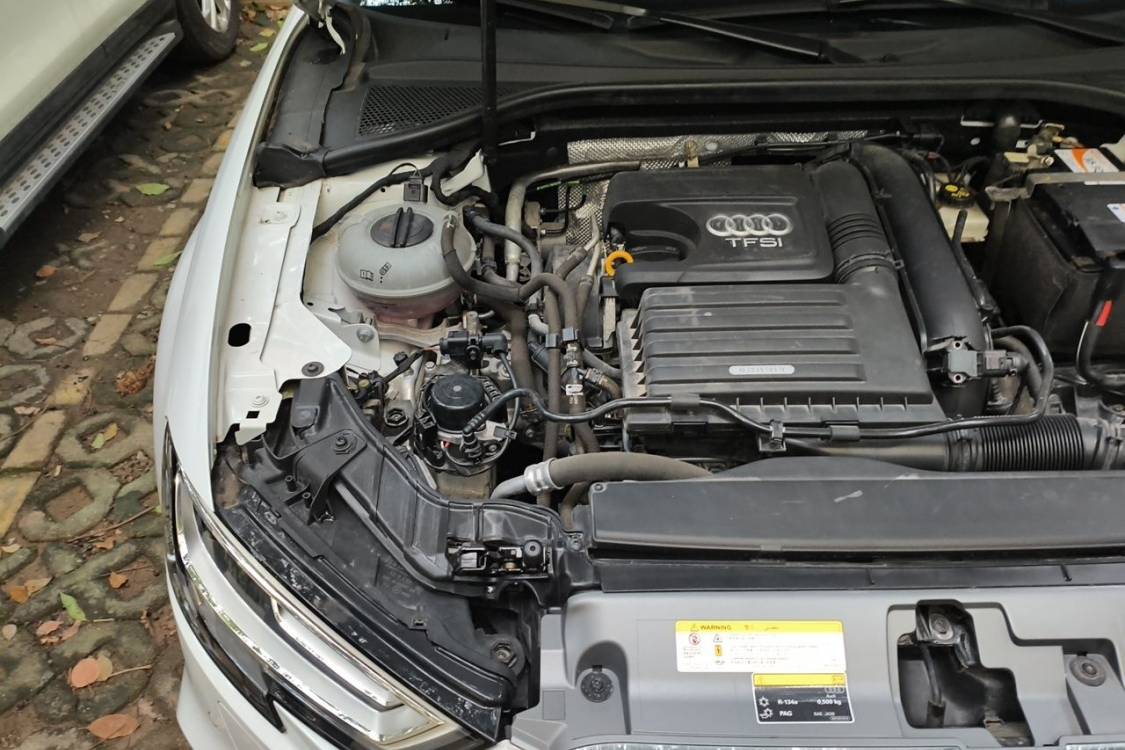
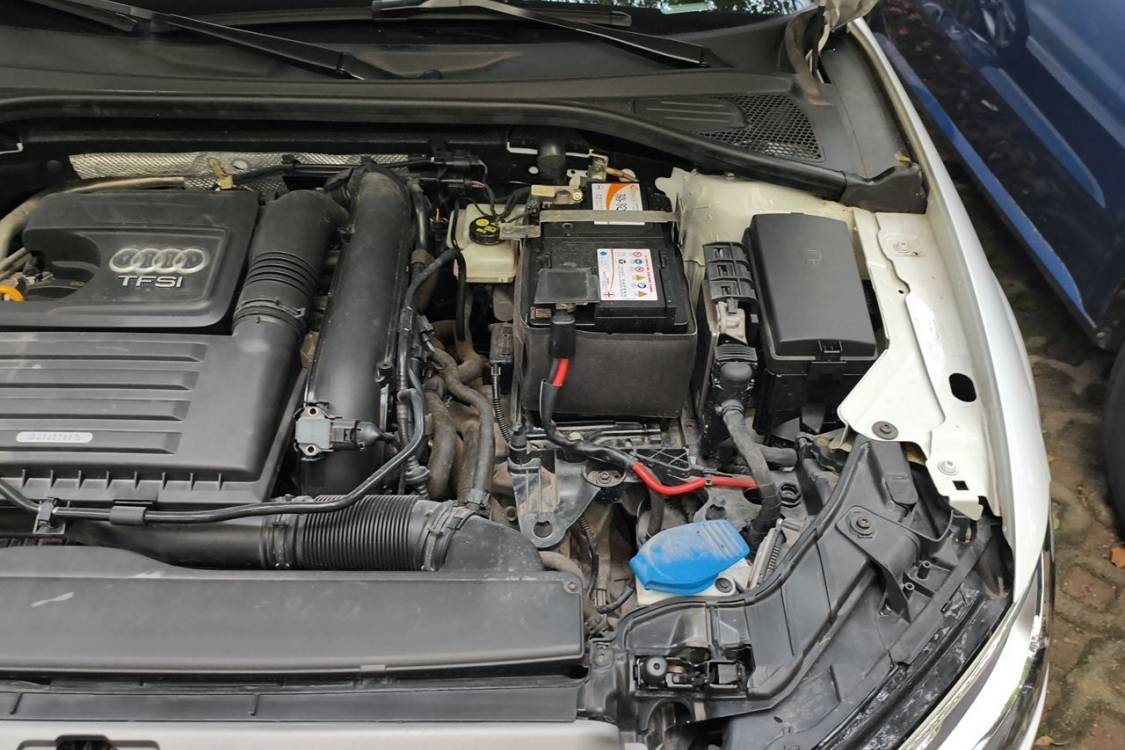
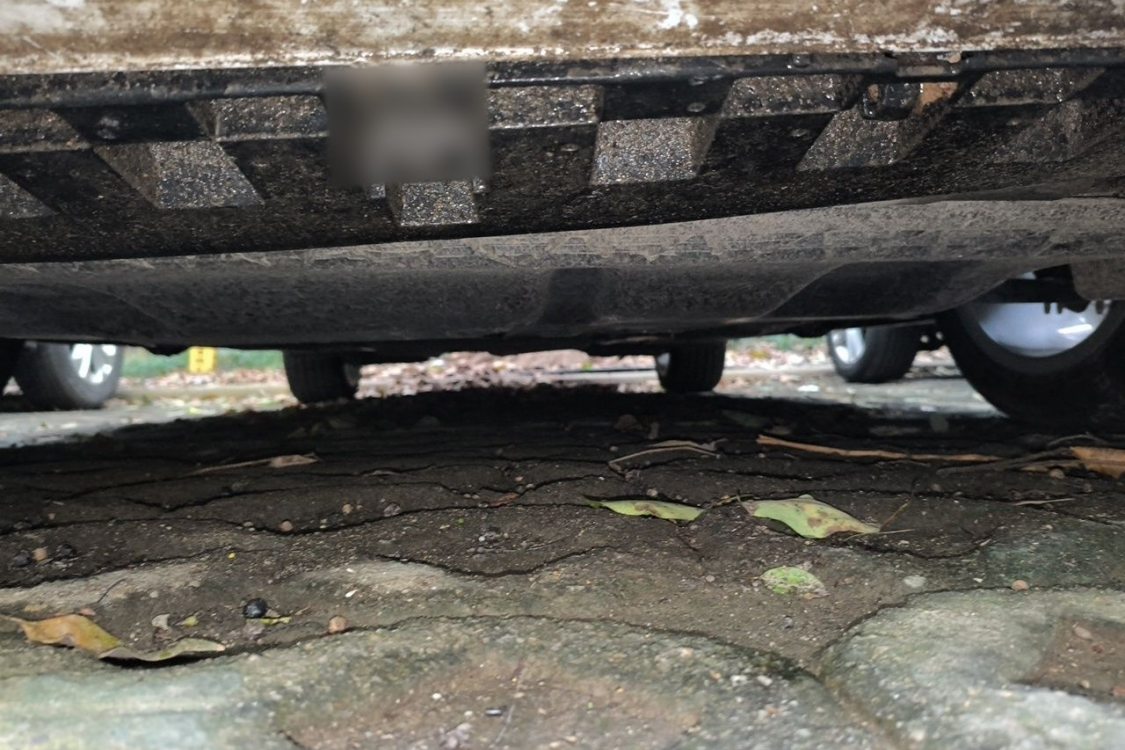
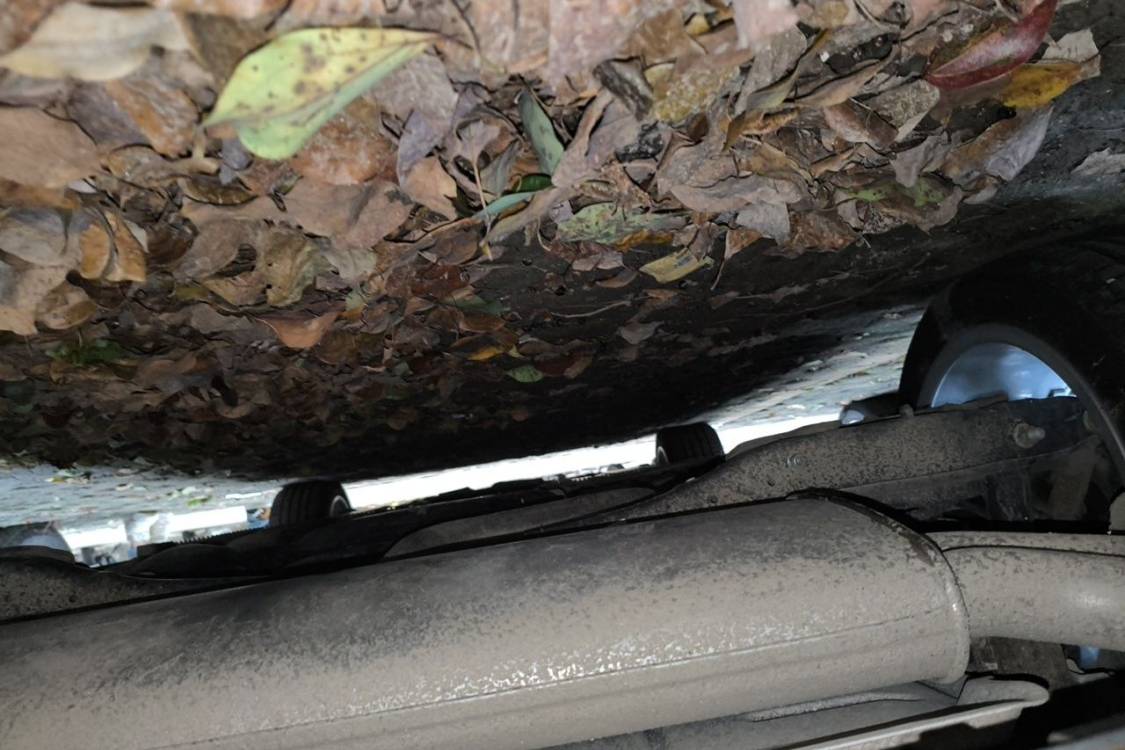
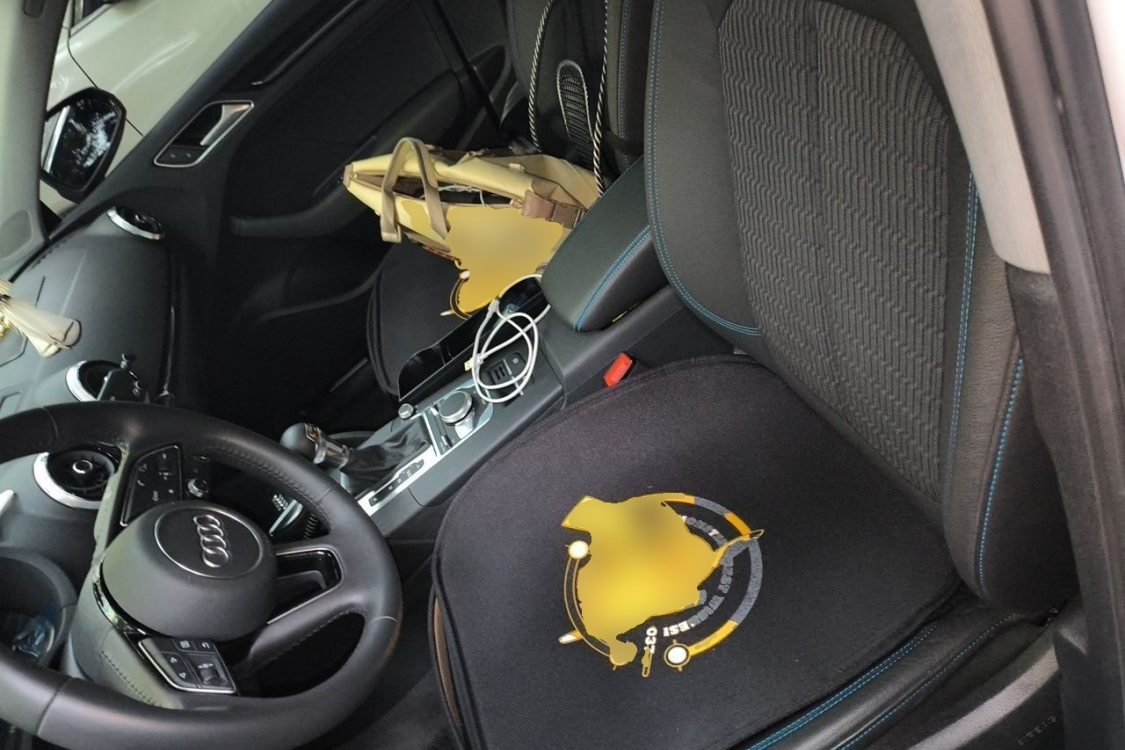
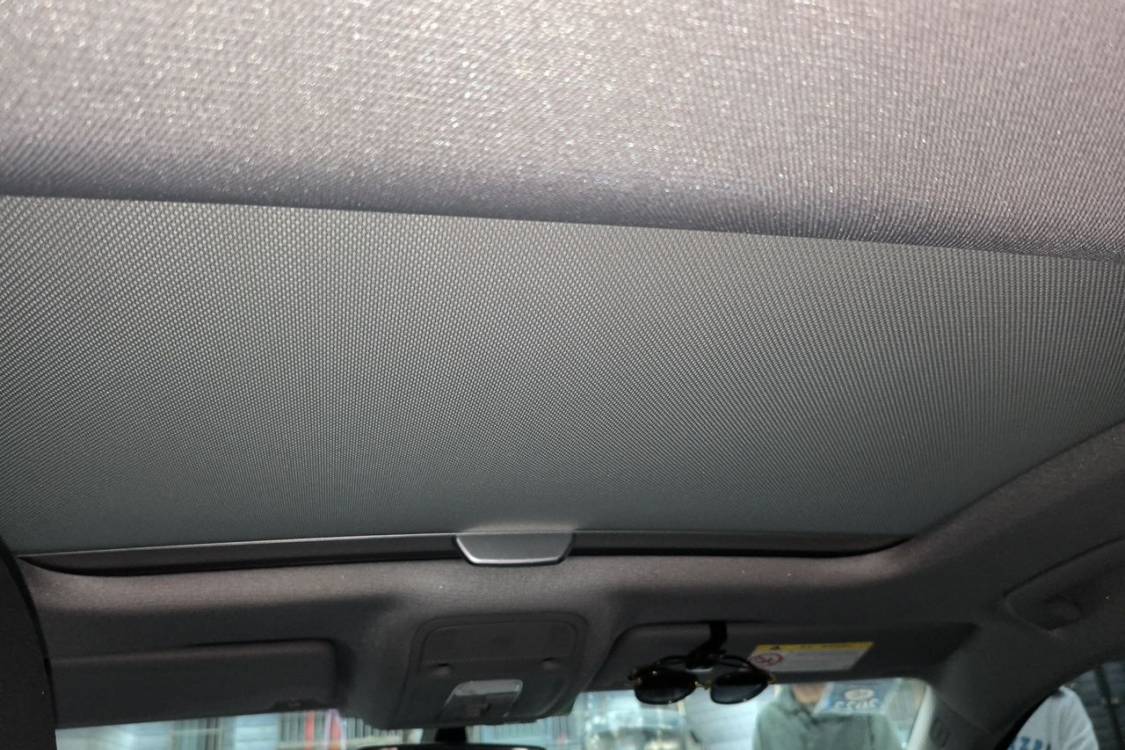
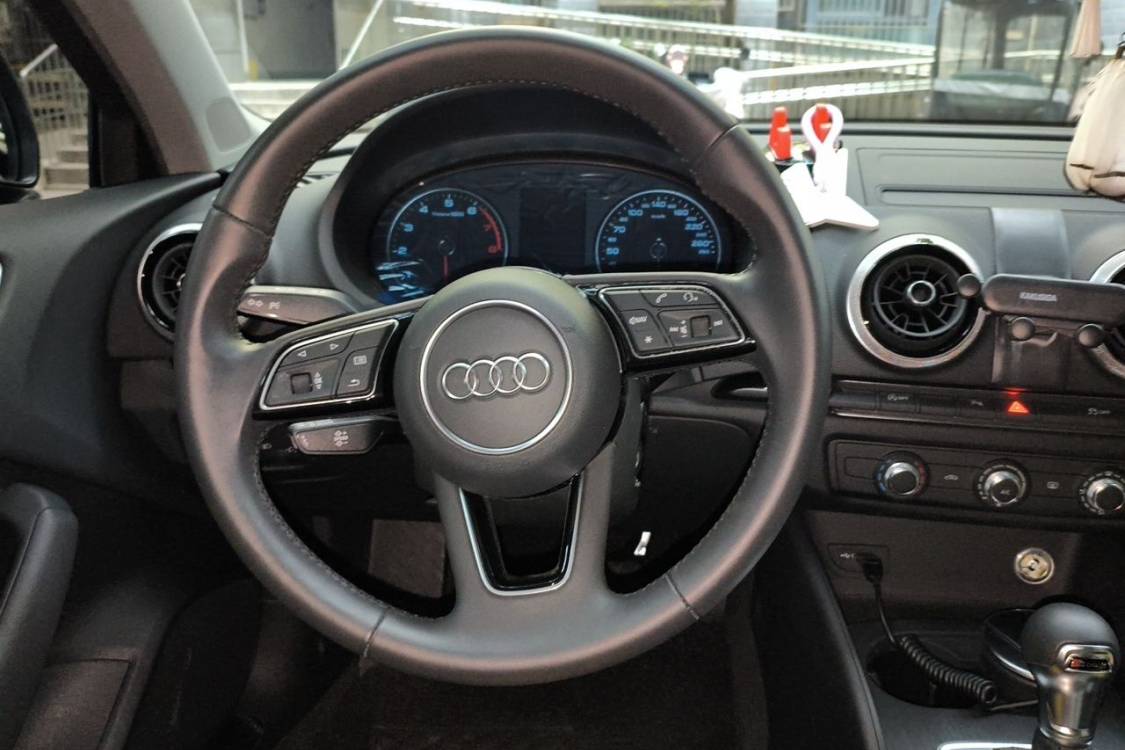
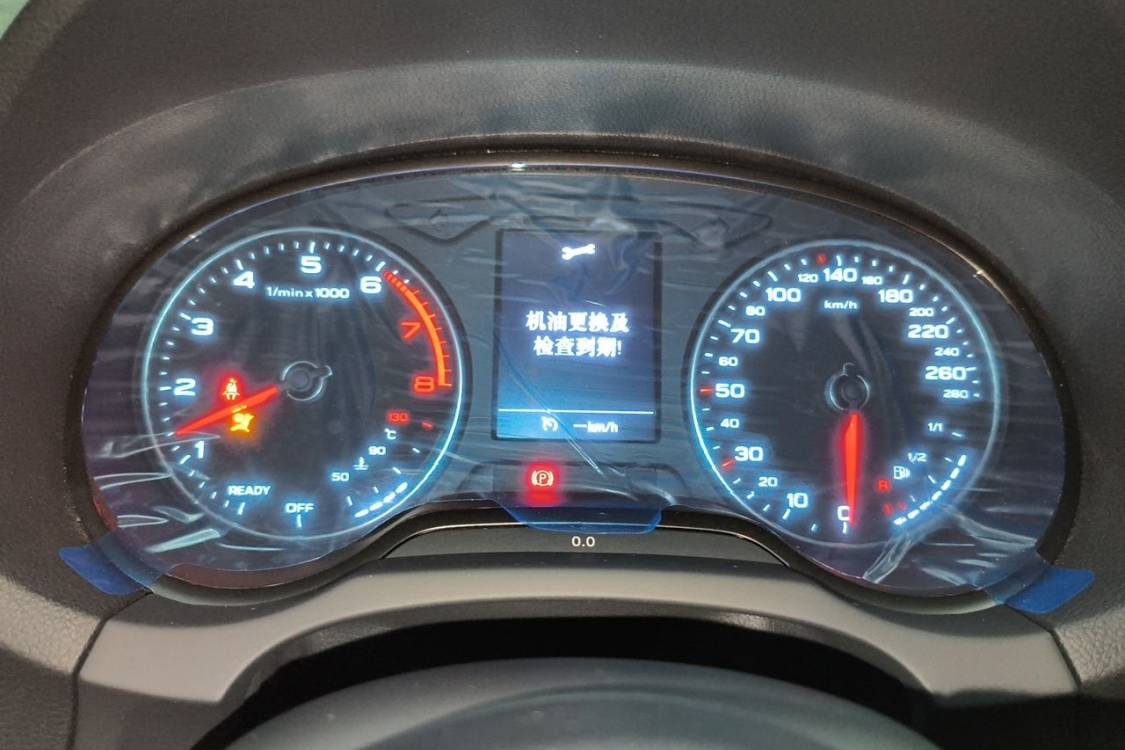
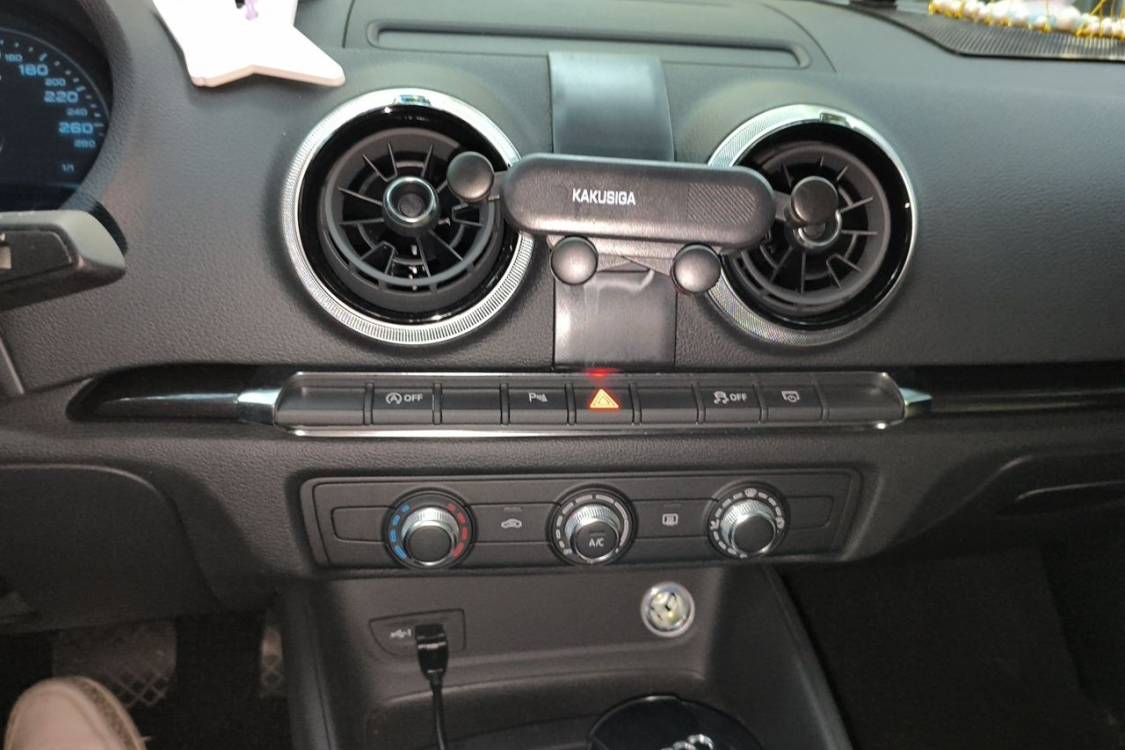
Accident inspection: main structure, reinforcing parts, and outer panels undamaged; hinges normal. Engine bay: key mechanical components normal. Exterior: no issues. Interior: most features normal; airbags, seatbelts, dashboard, instruments, and lighting systems normal. Startup check: main components normal. Onboard tools: none.

可讲价

Document Information

Inspection Expiry Date2028/07
Warranty Expiry Date-
Insurance Expiry Date2027/07

Q&A

More

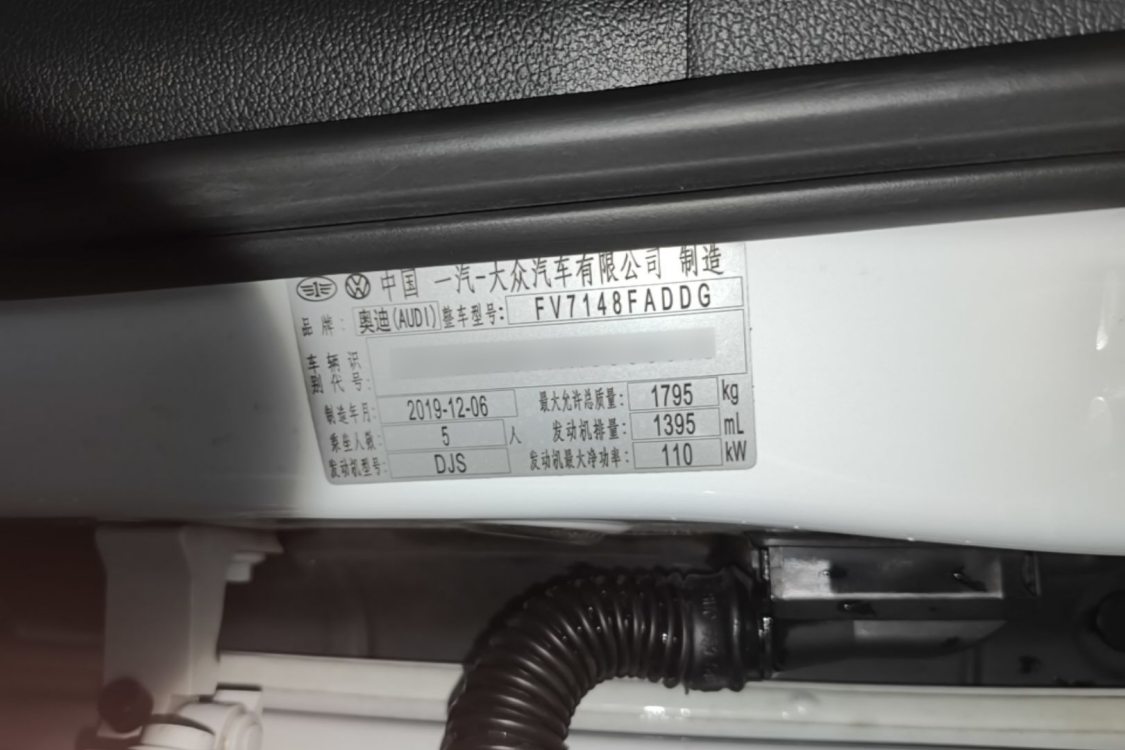
Why is there a time difference between the production date on the vehicle nameplate and the first registration date on the registration certificate?

The nameplate date is the absolute time when the vehicle leaves the factory; the registration date is when the vehicle is registered with the traffic management department after sale. The difference represents the time the vehicle spent in the dealer's warehouse or logistics. If the time difference exceeds 6-8 months, the vehicle is considered a "stock vehicle," and we pay special attention to the natural aging of its rubber components.


What qualifications do the third-party testing organizations have? Are they internationally recognized (e.g., SGS)?

We mainly collaborate with professional organizations certified by China's national CMA (Certification of Inspection and Testing Institutions). If you need the highest level of international endorsement, we can arrange for independent inspection agencies like SGS or TÜV to conduct Pre-Shipment Inspections (PSI) before loading at the port.

How to ensure compliance for countries that strictly prohibit the import of vehicles containing any asbestos (like Australia)?

Chinese passenger cars produced after 2005 have fully transitioned to asbestos-free brake pads, clutch plates, and gaskets. However, for export to countries with strict regulations, buyers must pay for sampling and testing by a NATA-accredited laboratory before shipment, and obtain an asbestos-free certificate.