

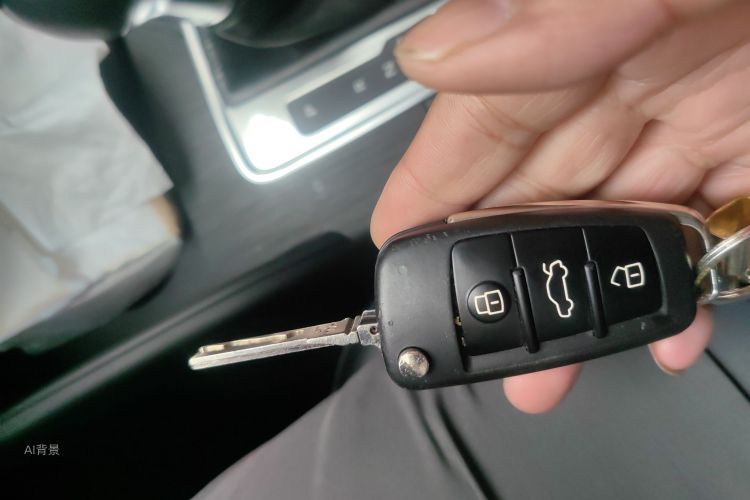

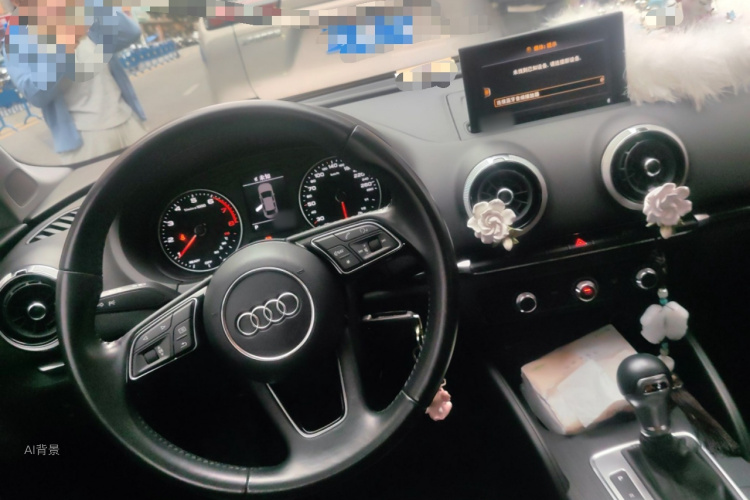
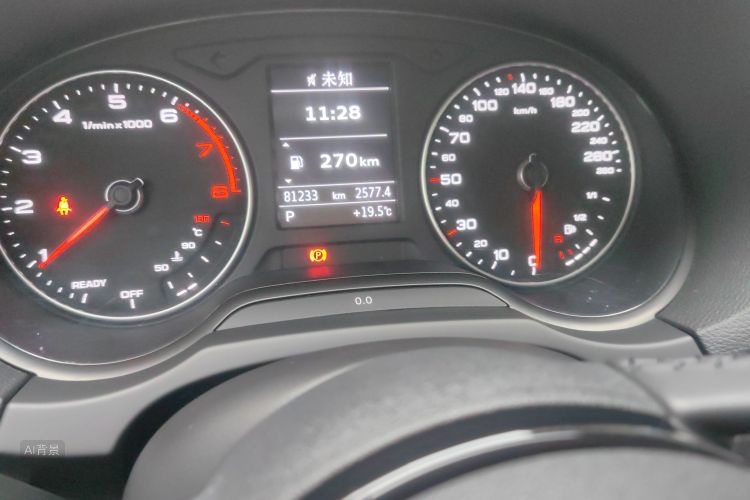
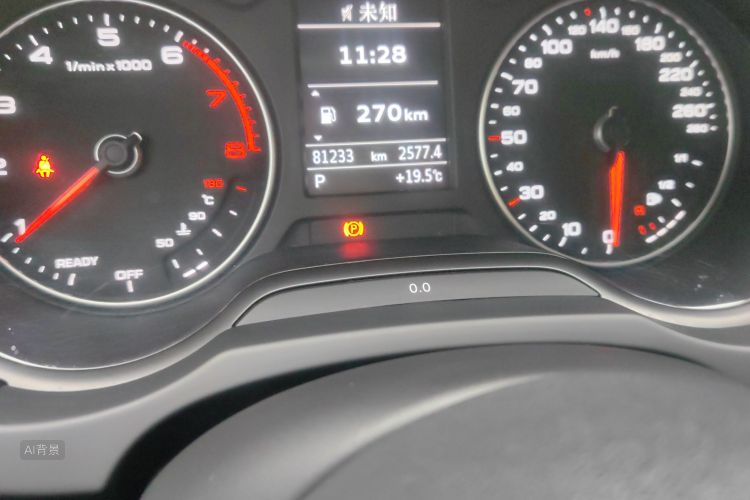





Basic Information

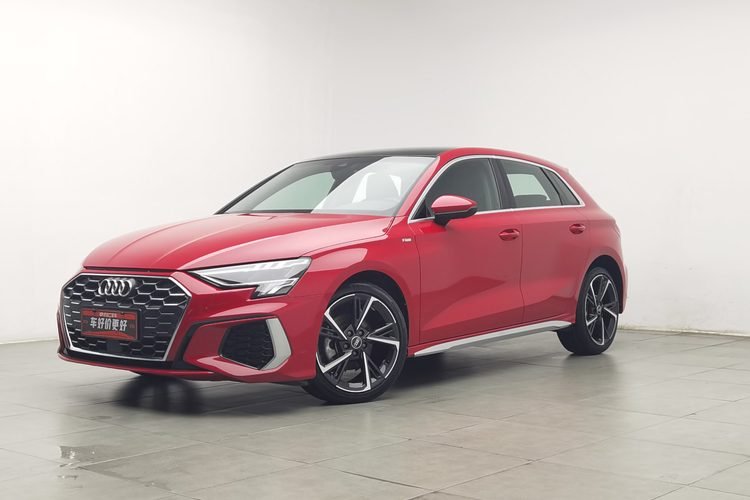
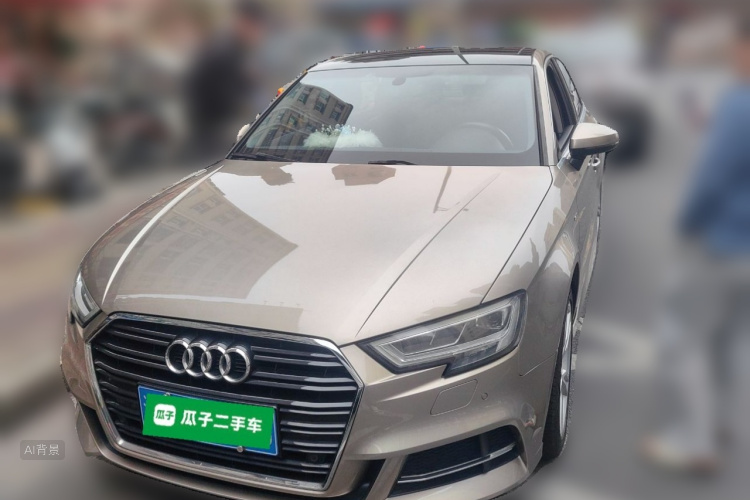
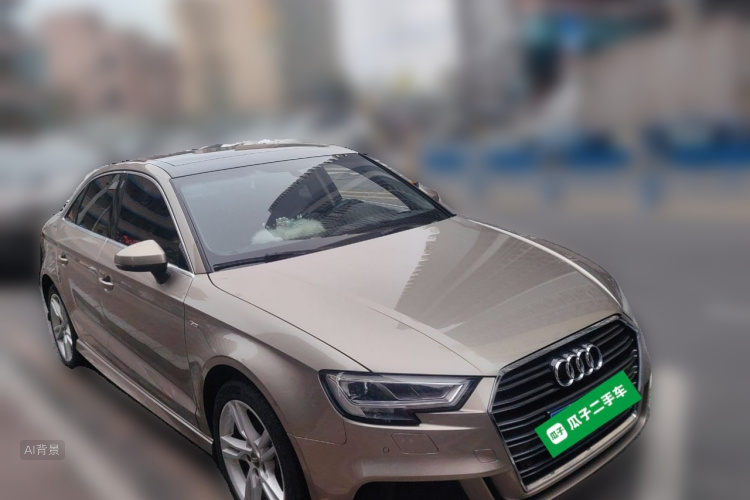
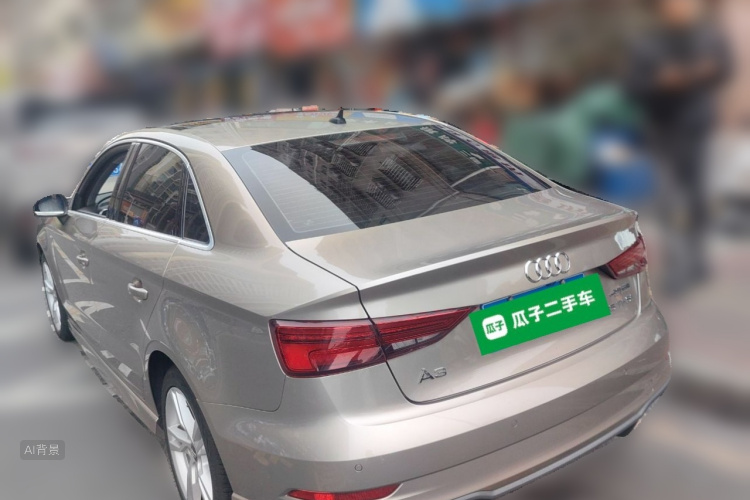
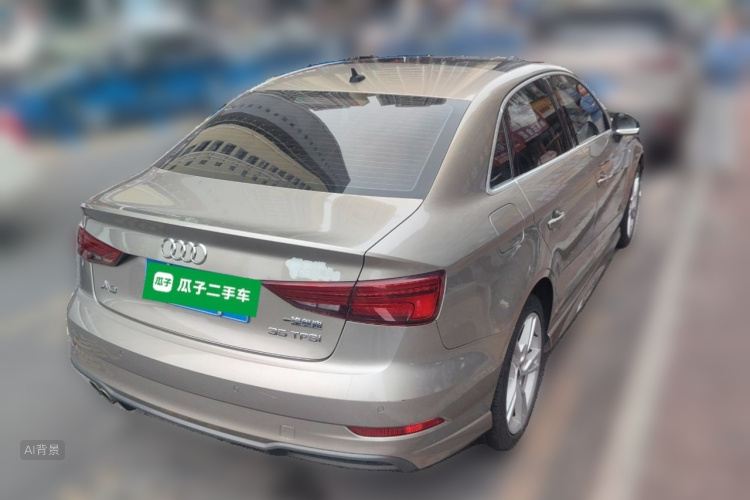
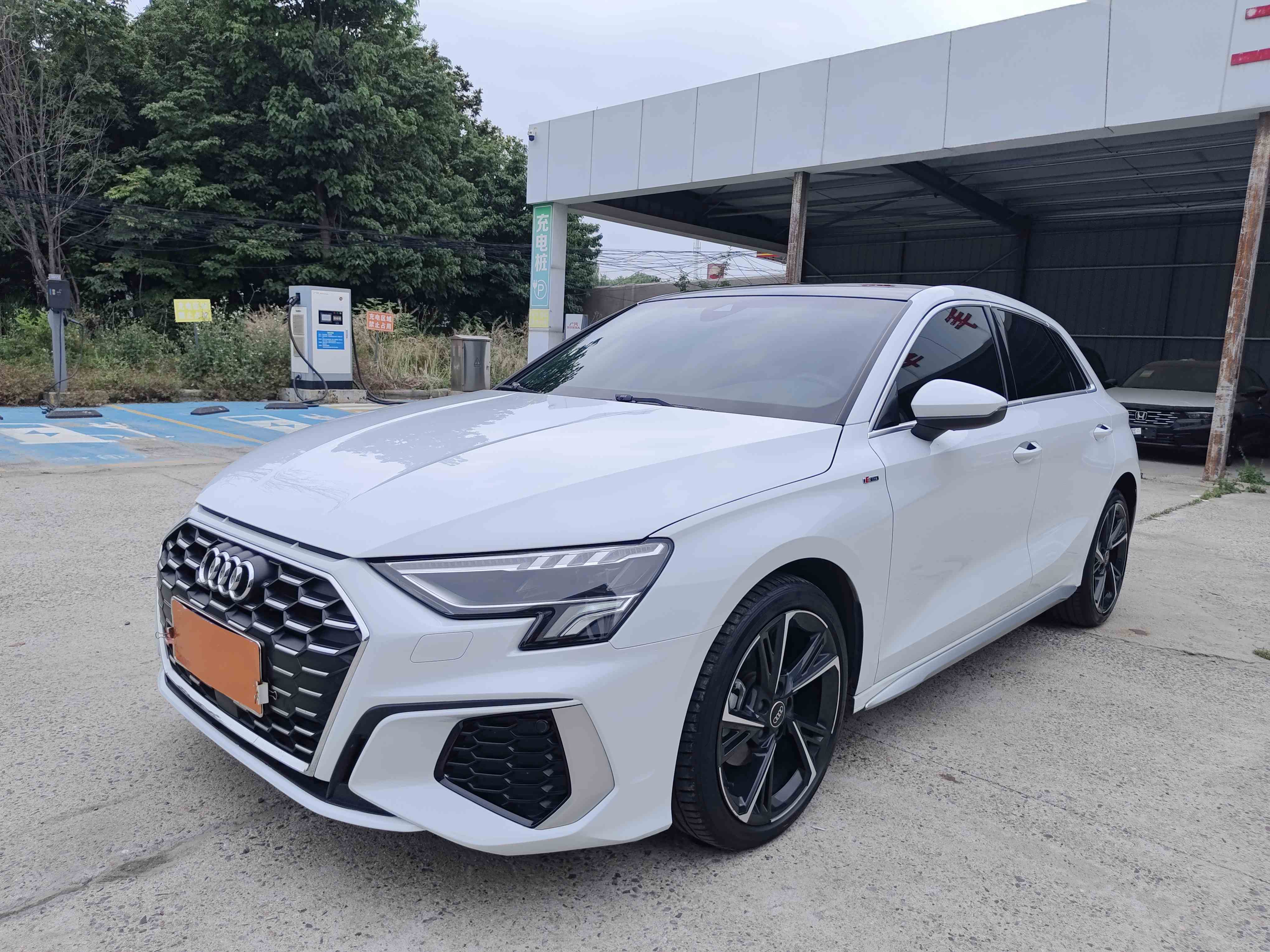
BrandAudi
SeriesA3
Year2020
First Registration2020/02
Mileage81,200km
Transfer Count-
FuelGasoline
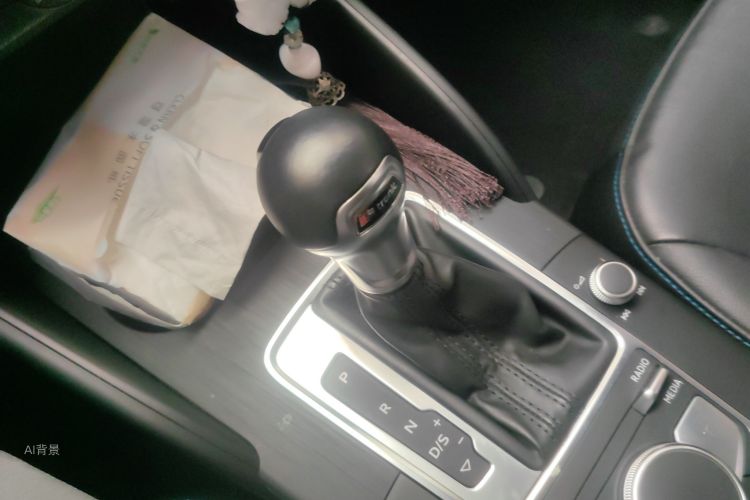
TransmissionDCT
Engine1.4T 150 L4
ColorYellow
Seats-

Condition Description

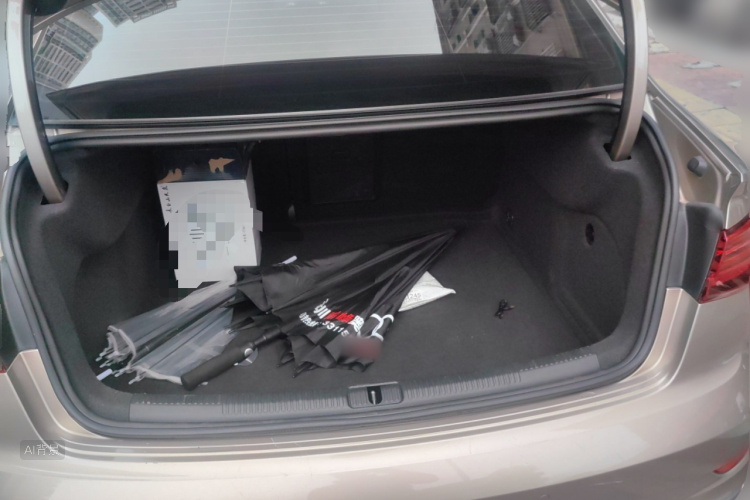
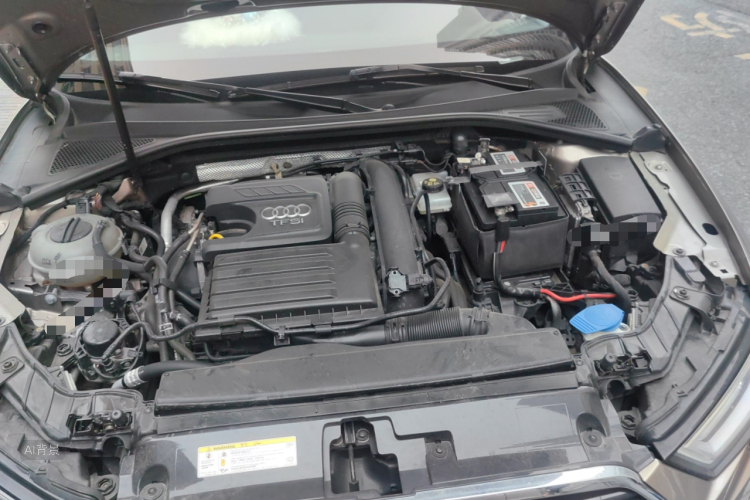
Good car condition test through good car condition claims 4 times transfer 0 times

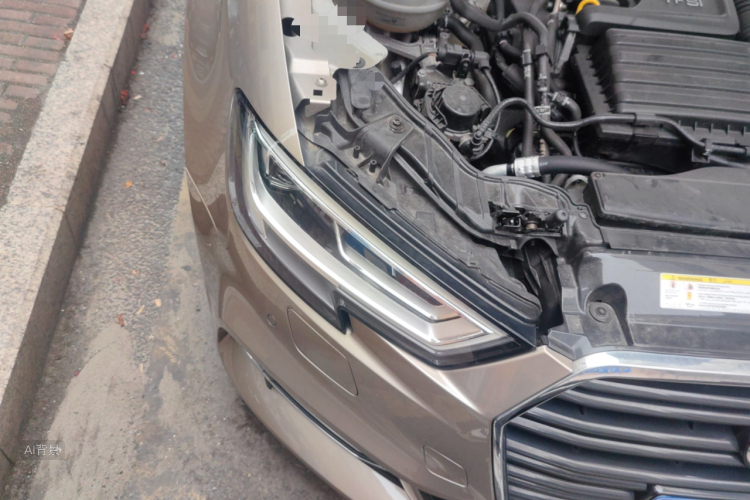
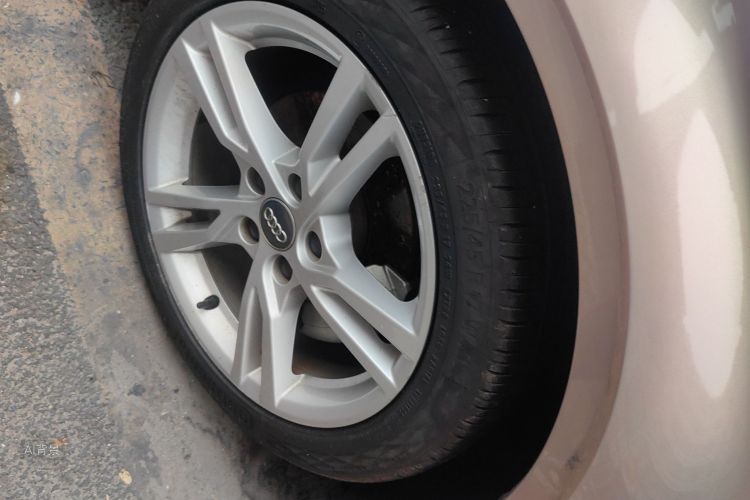
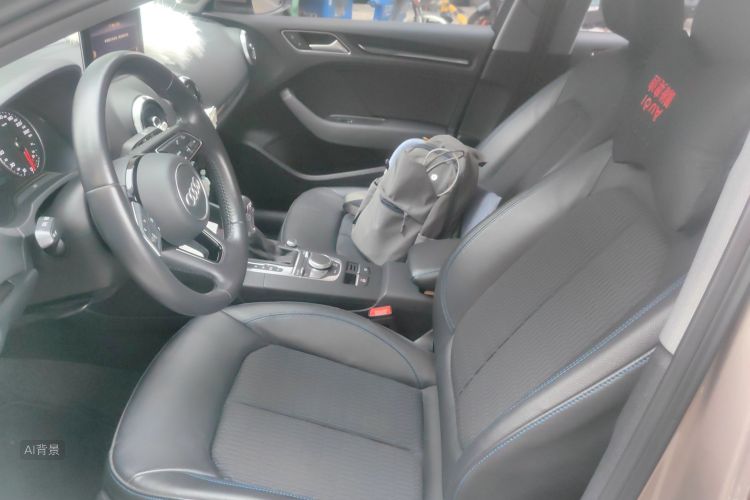
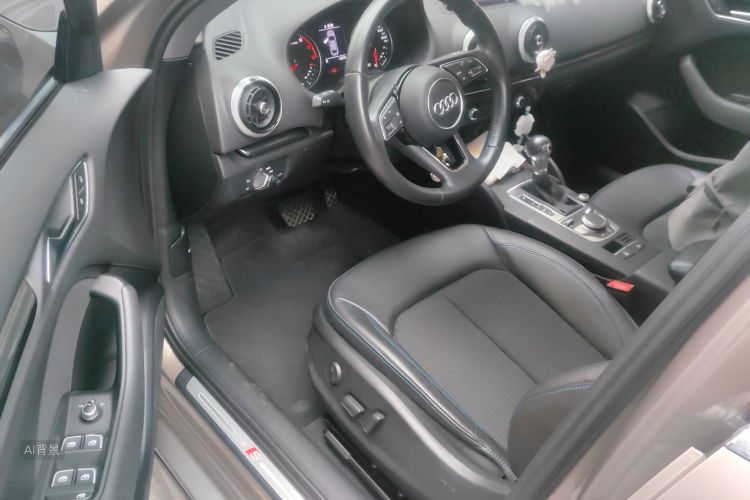
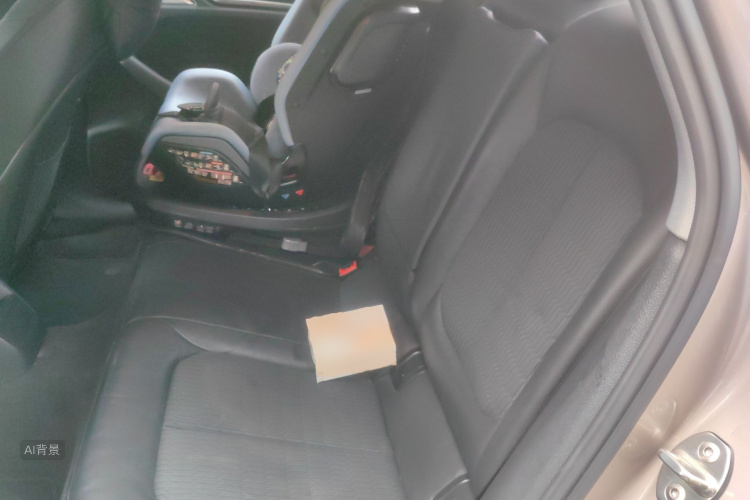
This car is 6 years old, with an average annual mileage of 13,500 kilometers, typical of normal family daily use. It has never been transferred to another owner, making it a good first-hand car. There may be some obvious signs of wear and tear on the exterior. The interior is in good condition with normal signs of use. The overall body frame is intact, but there are a few abnormal issues. Fluids are normal, and the powertrain is functioning well.

Configuration Highlights

✓Knee Airbags
✓Smartphone Connectivity
✓High Beam Assist
✓Front Radar
✓Auto Hold
✓Rain-sensing Wipers
✓High-definition Low Beam
✓Engine Start-Stop
✓Power Seats
✓Auto Headlights
✓Tire Pressure Monitoring
✓Hill Start Assist
✓Rear Parking Sensors
✓Anti-pinch Windows

Q&A

More

Who bears the intermediary bank fees incurred by bank wire transfers (T/T)?

International wire transfers generally follow "shared (SHA)" or "sender pays all (OUR)" principles. To ensure we receive the full remaining payment to release the bill of lading, we require all buyers to choose the "OUR" option when remitting, covering all intermediary bank fees.
If our country has a free trade agreement (FTA) with China, can you provide specific certificates of origin to reduce tariffs?

Yes. If your country (such as Chile, Peru, ASEAN countries, etc.) has signed a bilateral free trade agreement with China, our documentation center will apply to Chinese customs or the trade promotion agency for specific versions of the certificate of origin (such as Form E, Form F, etc.), which can help you legally apply for significant tariff reductions at the destination port.

If the customs of the destination country values the vehicle higher than your commercial invoice amount, leading to a surge in duties, who is responsible?

The customs of the destination country has the right to disregard the commercial invoice and reassess the value based on its internal database (such as the customs valuation red book). Any additional duties incurred are a result of the importing country's policy and are fully borne by the buyer (importer).