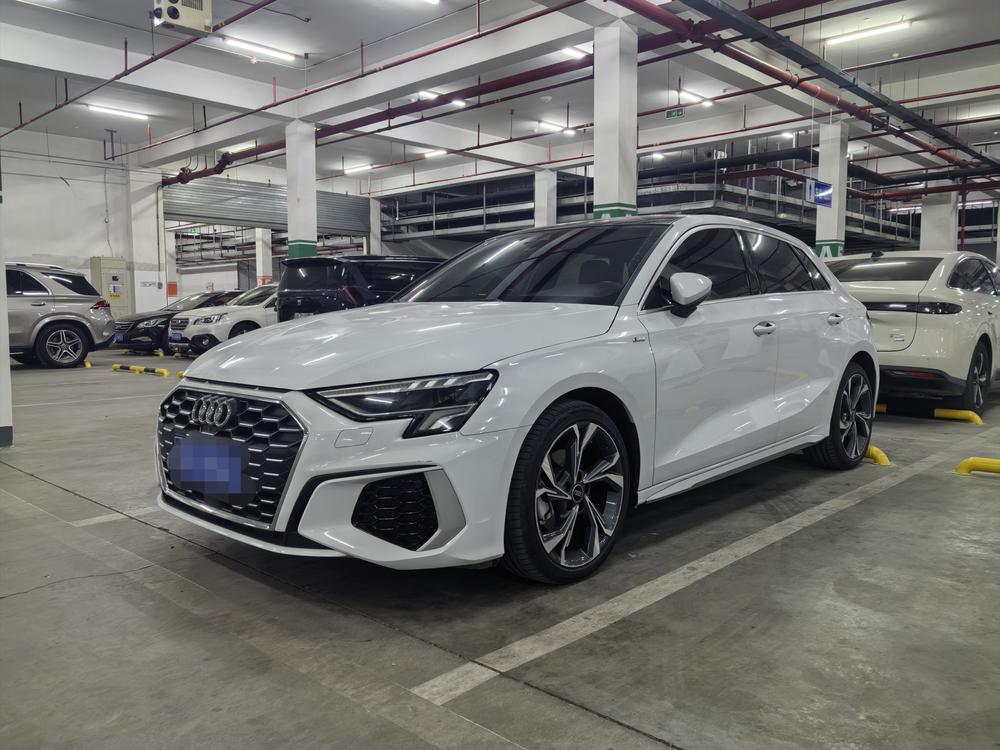
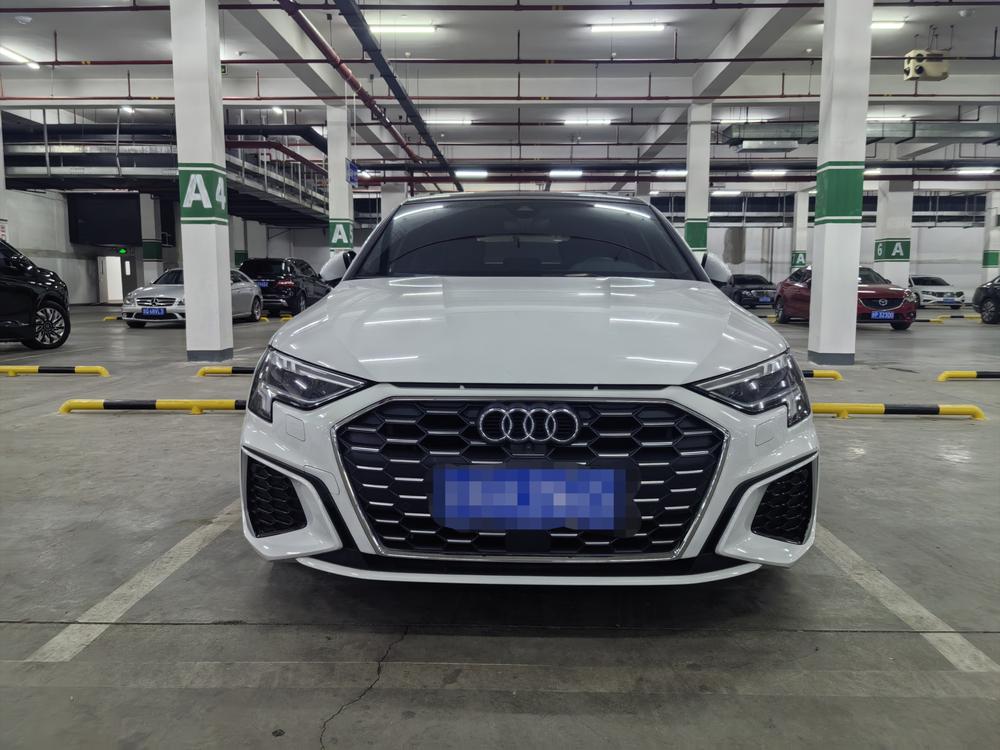
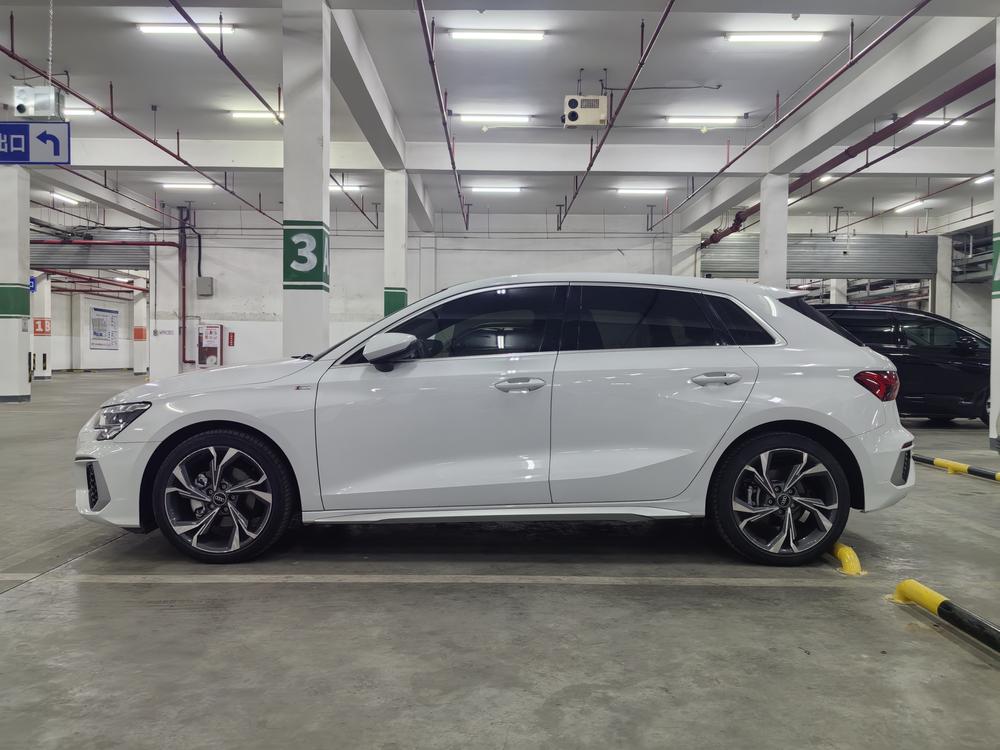
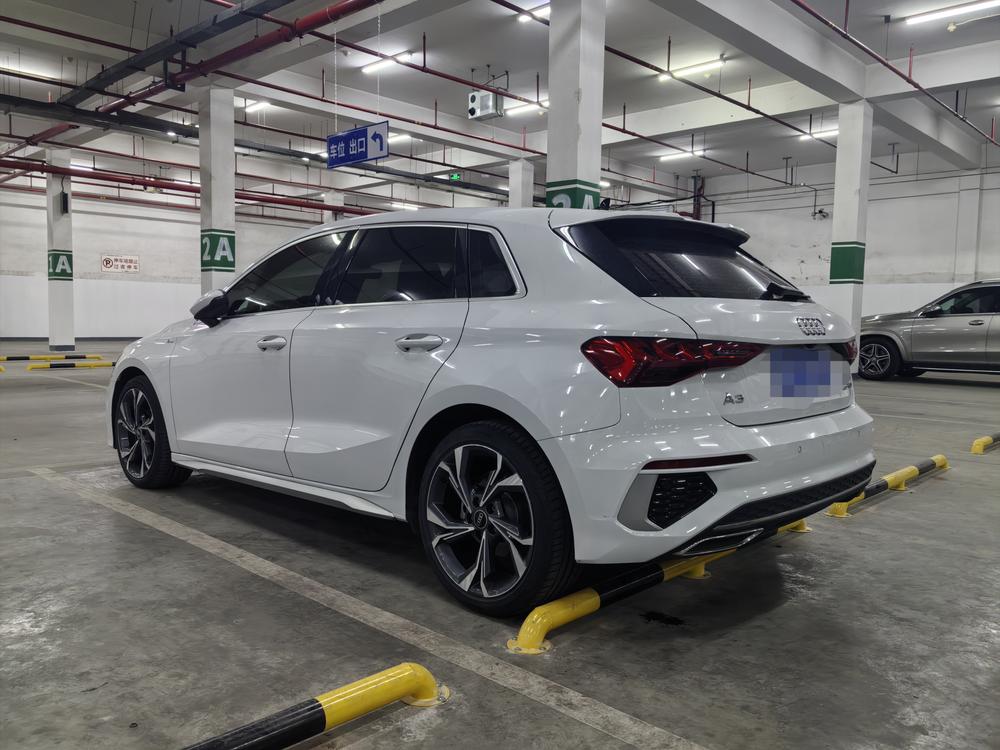
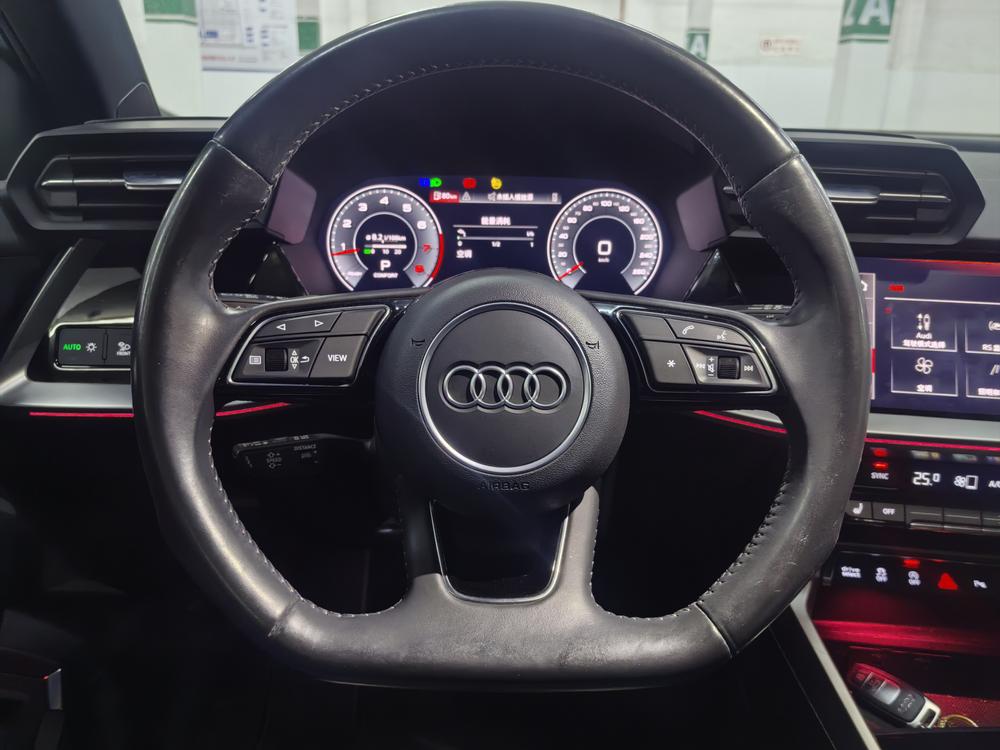
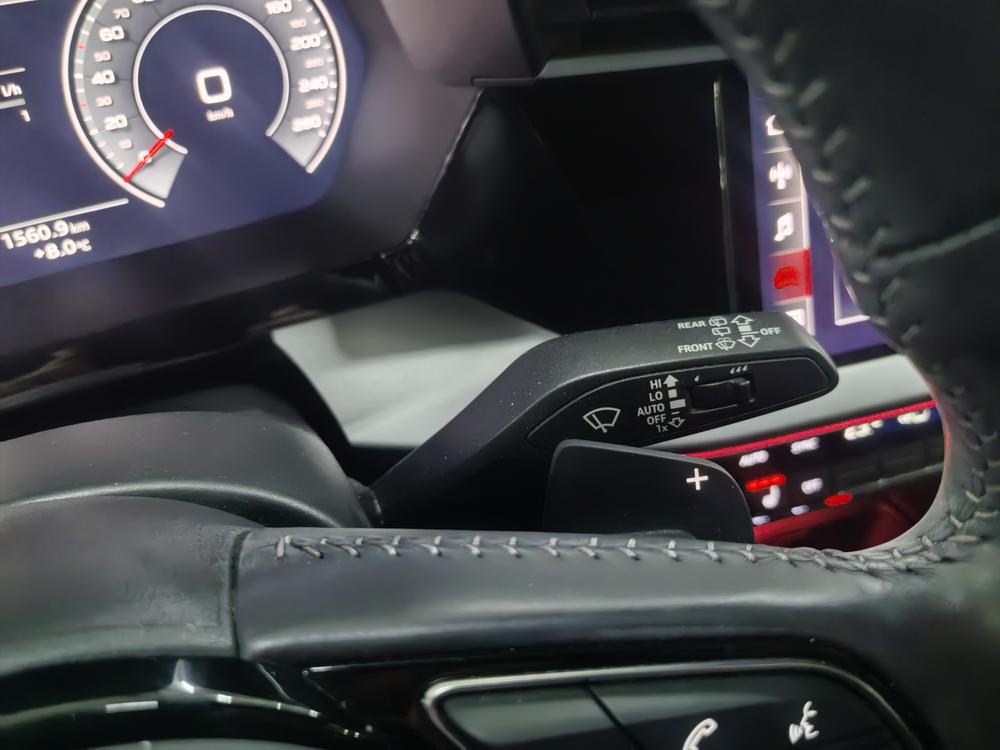
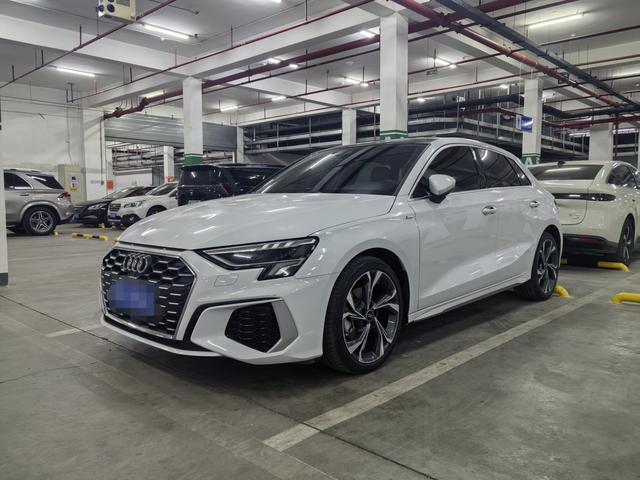
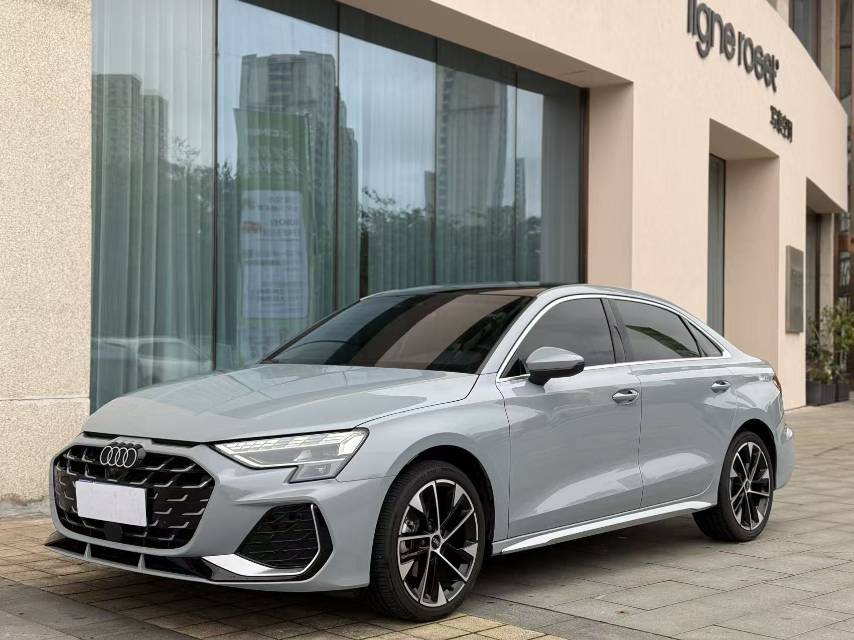
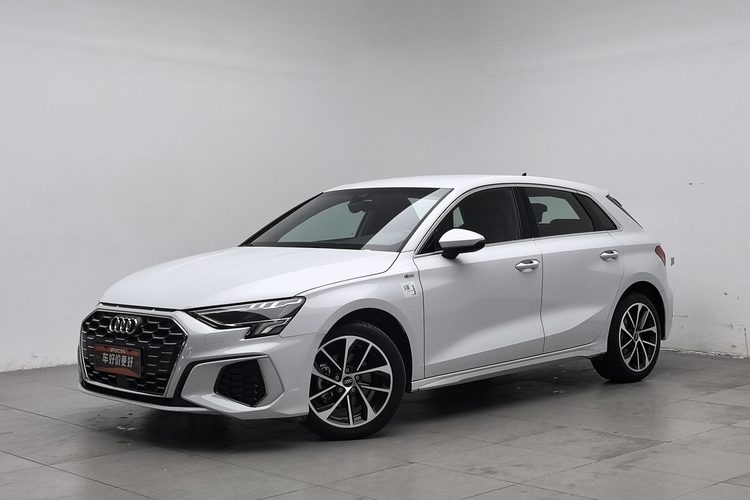
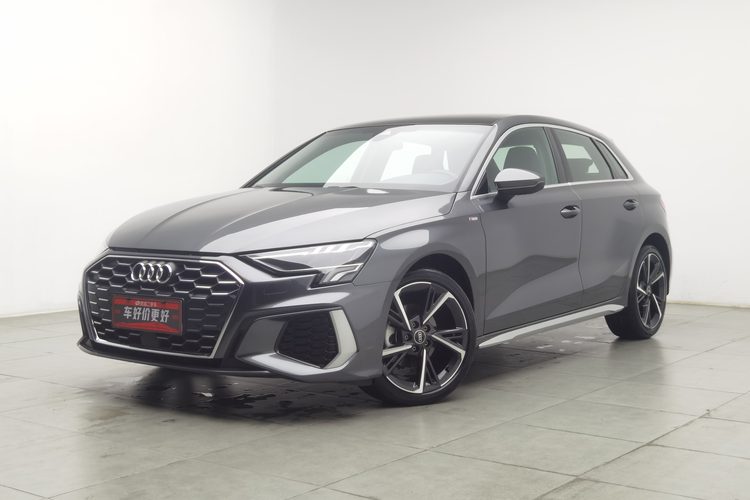
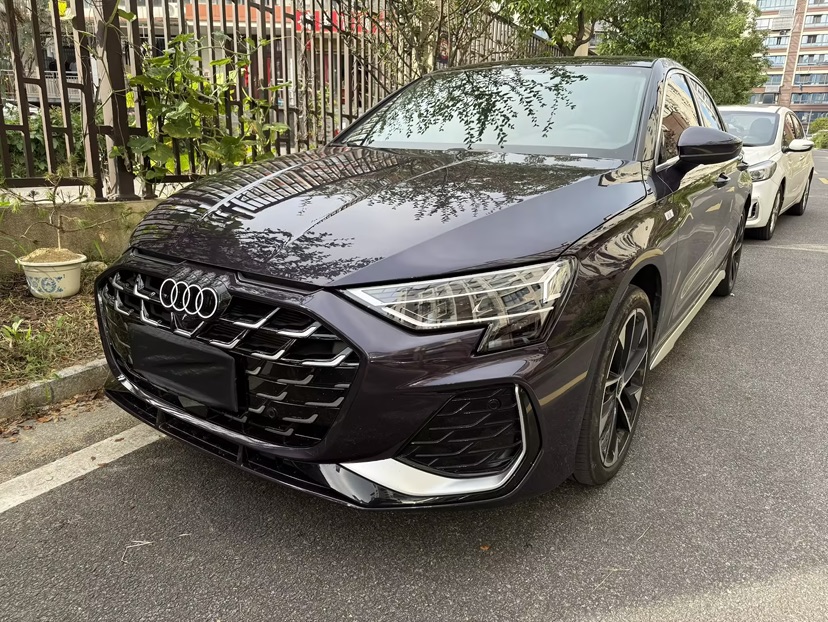
Basic Information

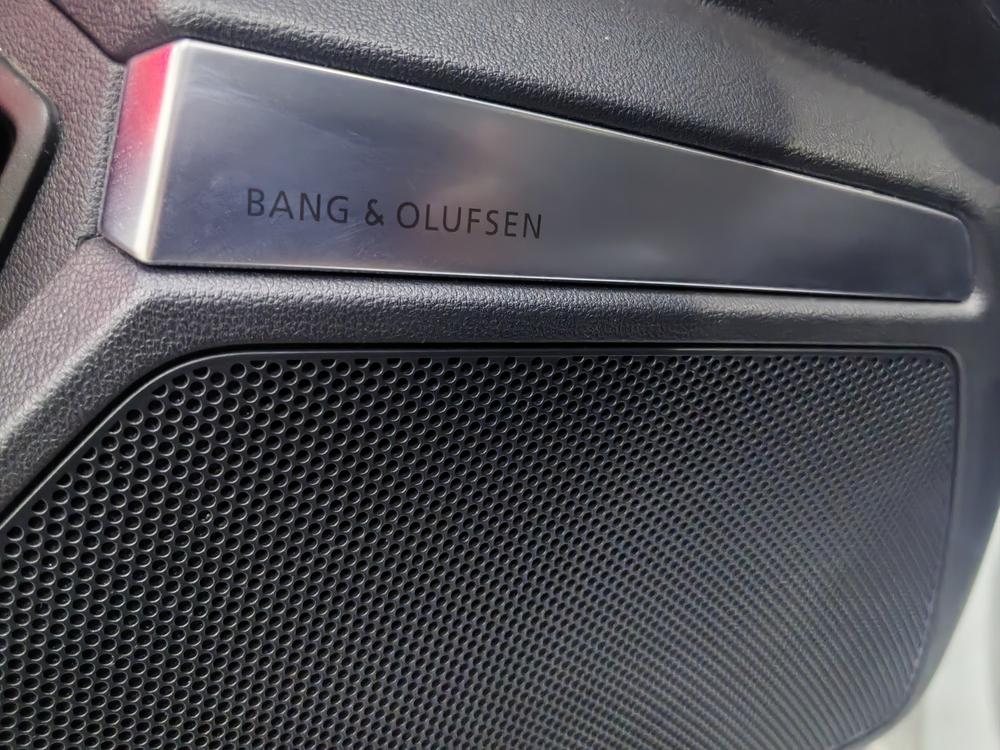
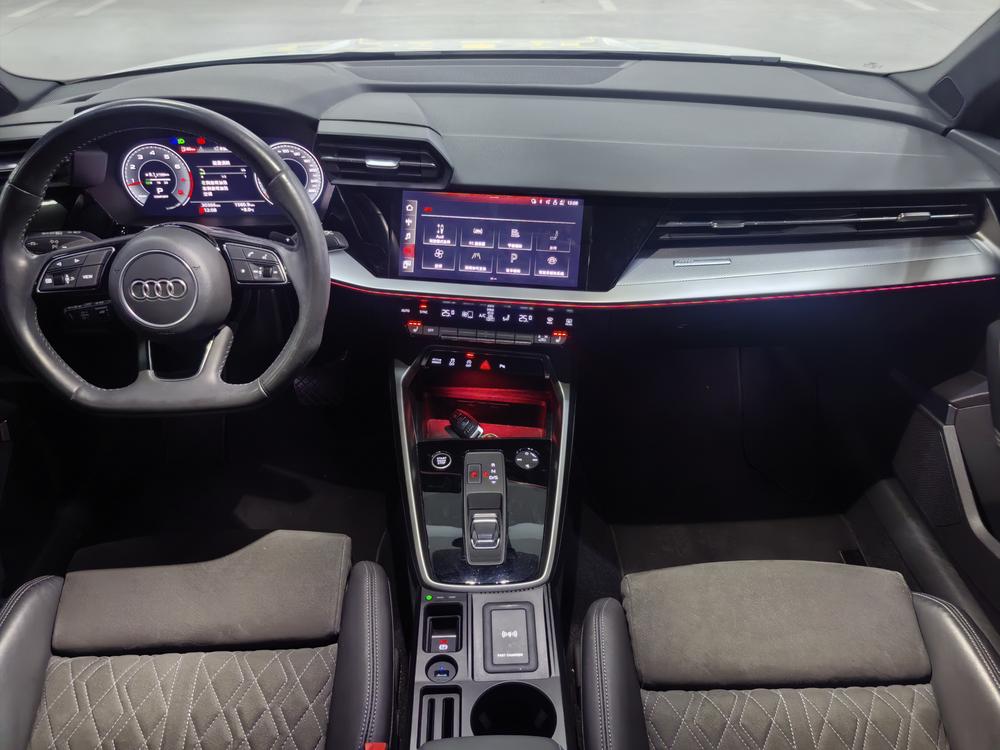
BrandAudi
SeriesA3
Year2022
First Registration2022/01
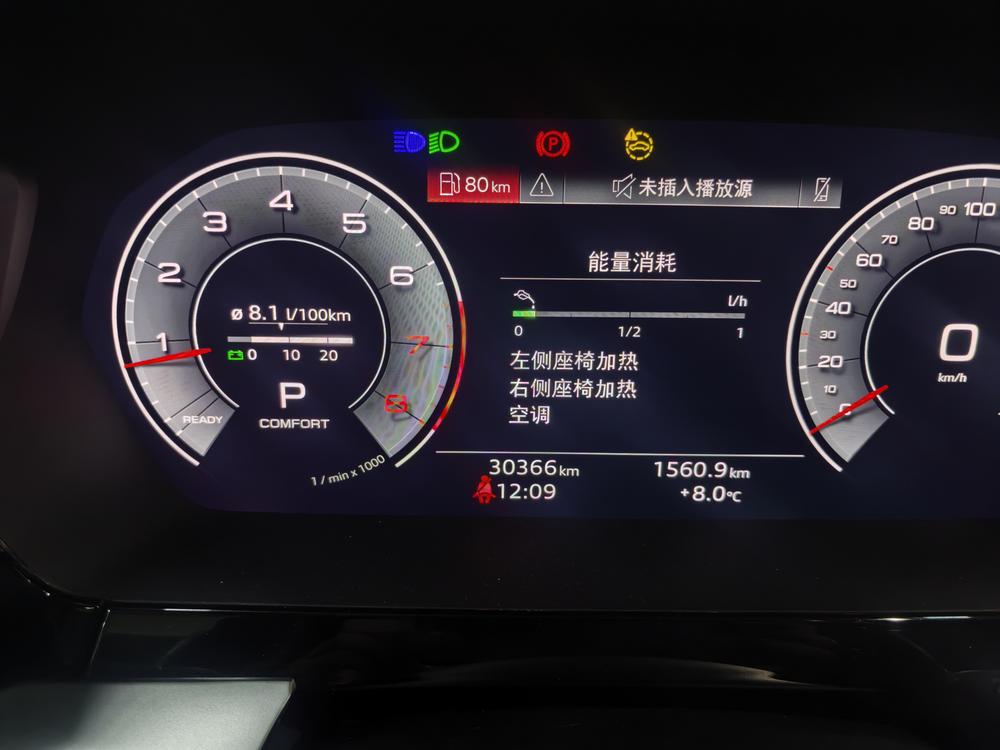
Mileage30,000km
Transfer Count0times
FuelGasoline
TransmissionDCT
Engine1.4T 150 L4
Color
Seats-

Condition Description

官方质检 · 60天全车质保· 7天无理由有偿退车

Configuration Highlights

✓上牌时间: 2022-01
✓表显里程: 3万公里
✓车源地: 北京
✓排放标准: 国六
✓百公里加速: 9.0s
✓发动机: 1.4T
✓轴距: 2630mm
✓变速箱: 自动
✓功能配置: 18项
✓安全配置: 6项
✓动力类型: 前驱
✓空间舒适性: 一般

Q&A

More

If there are no specialized Chinese brand diagnostic computers overseas, how can we clear the maintenance reminder light during regular maintenance?

Most basic maintenance reminder lights (like for changing the air conditioning filter) can be manually cleared using a combination of steering wheel buttons or through the engineering mode on the central control screen. We will provide internal guidance manuals for these hidden operations to our B2B clients.

What are the differences in power loss performance of used lithium iron phosphate (LFP) and ternary lithium (NMC) batteries in cold countries?

If your market is in extremely cold regions (like Russia or Northern Europe), we strongly recommend purchasing ternary lithium (NMC) models equipped with heat pump air conditioning. The range achievement rate of used LFP batteries typically plummets at minus 15 degrees, and we will alert you accordingly.

Besides the purchase price, what other fees should I budget for when importing a used car from China?

The purchase price is only part of your total landed cost. Plan for these items: - Inland transport in China: moving the car from the seller's city to the export port, plus transfer and inspection fees. - Export fees: customs declaration, port handling, and terminal charges. Ask for an FOB (Free On Board) quote so these are included. - Ocean freight: RoRo (roll-on/roll-off) is cheapest for regular cars, but EVs often require special containers or dedicated EV shipping due to battery regulations, which costs more. - Insurance: marine cargo insurance, typically 1-3% of the car's value. - Import side: import duty, VAT or sales tax, customs brokerage, port charges at destination, and any homologation or compliance testing fees. As a rule of thumb, add 25-40% on top of the FOB price for a realistic landed-cost estimate, depending on your country's tax rates. Get a written breakdown from both your supplier and a customs broker before committing.