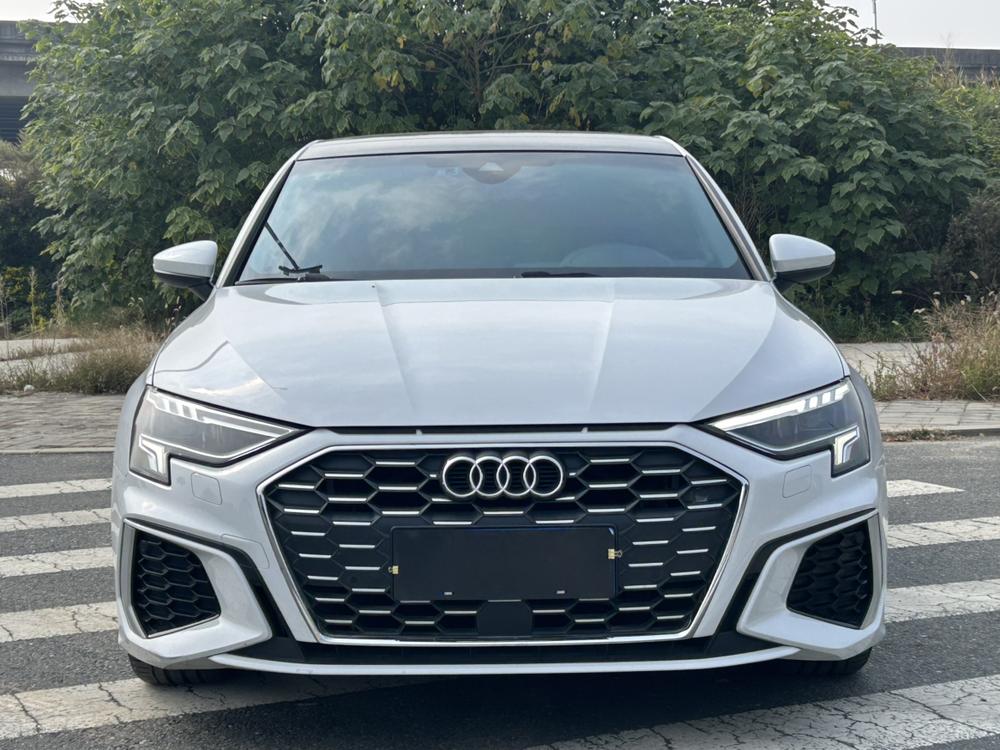
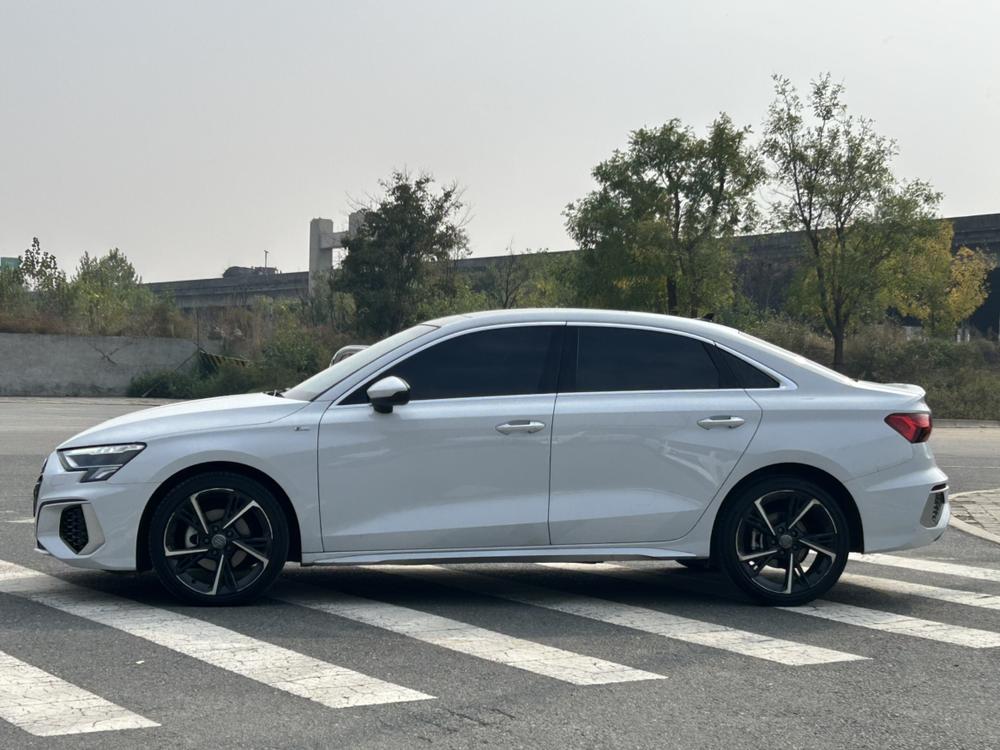
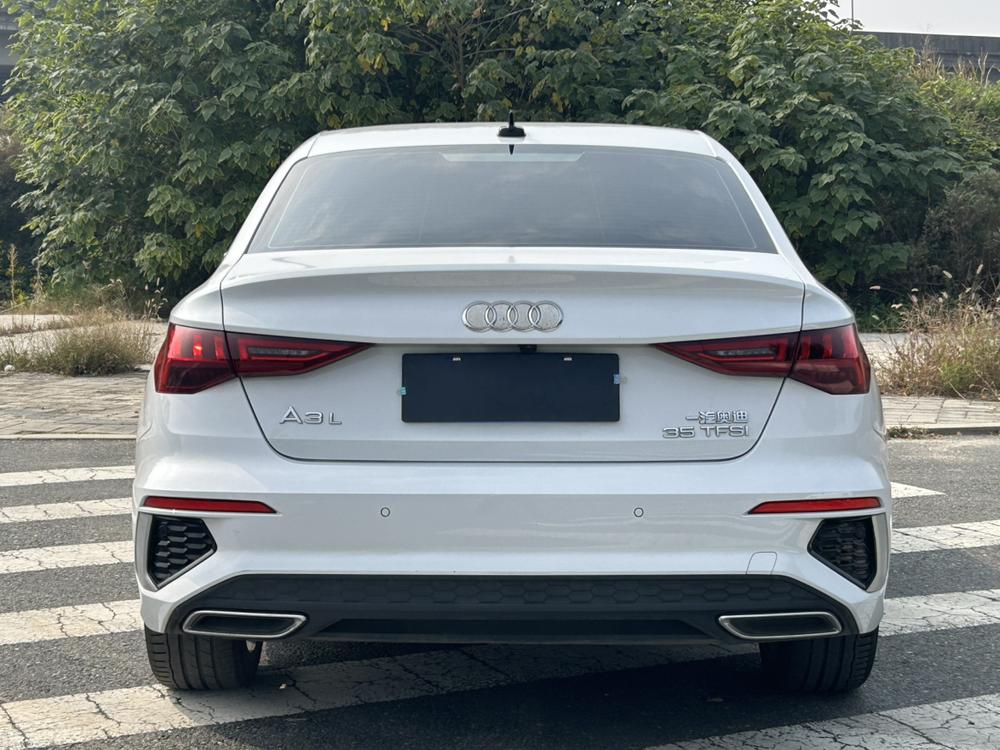
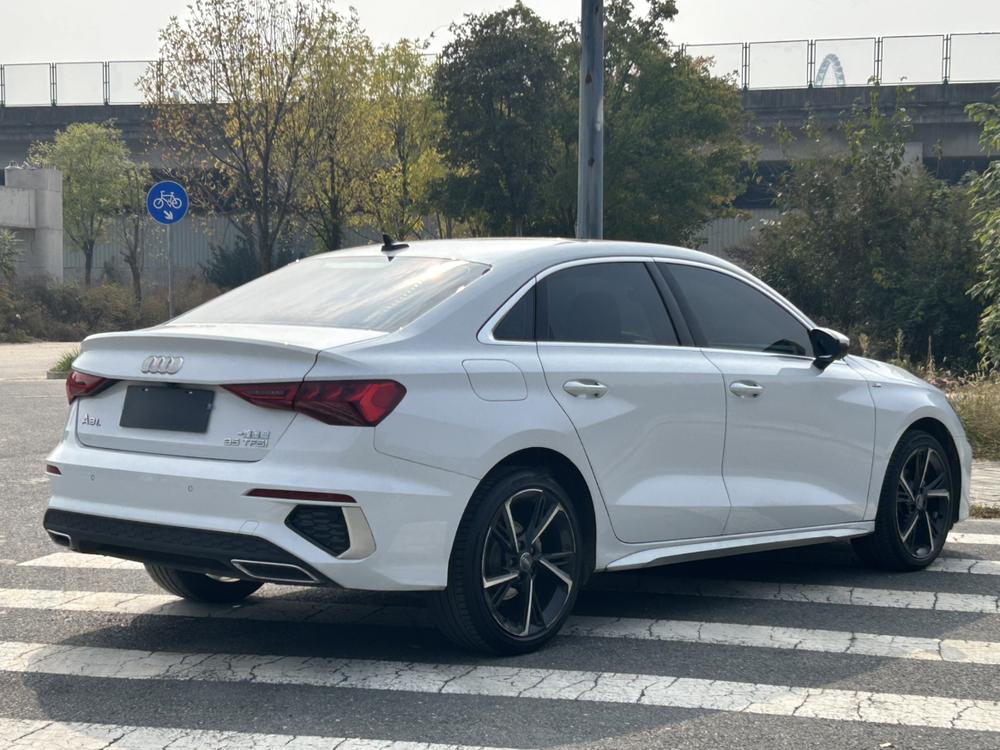
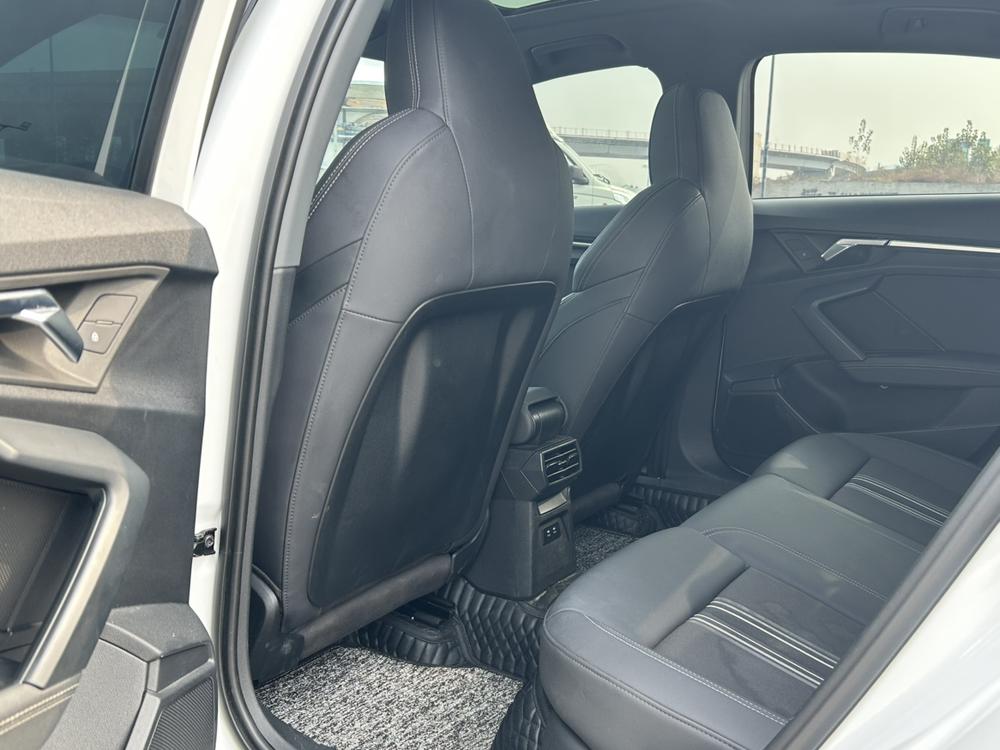
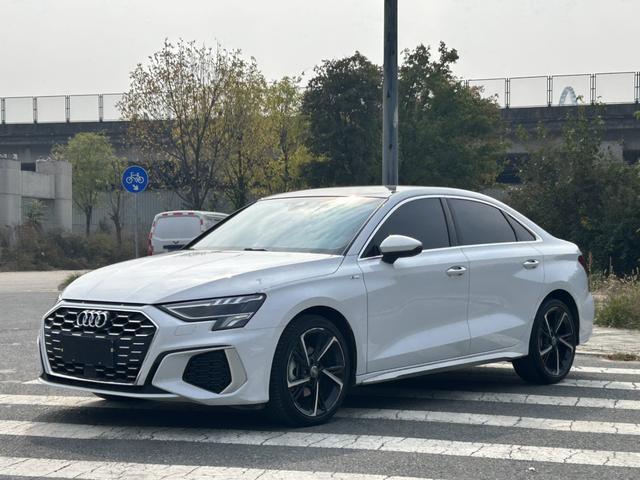



48H

Basic Information

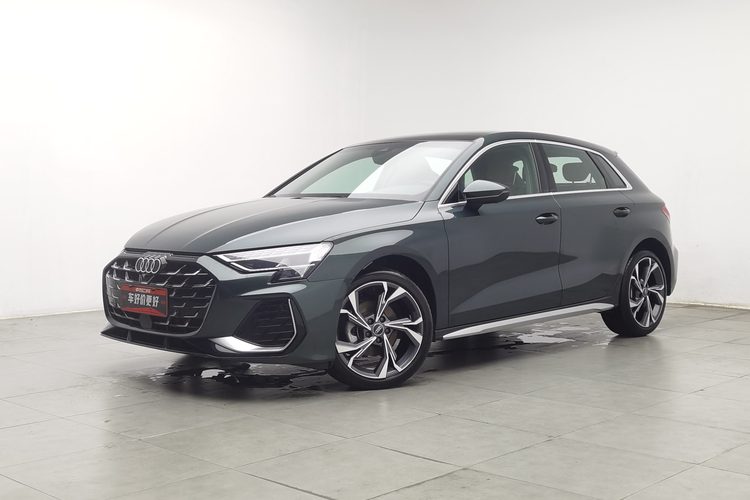
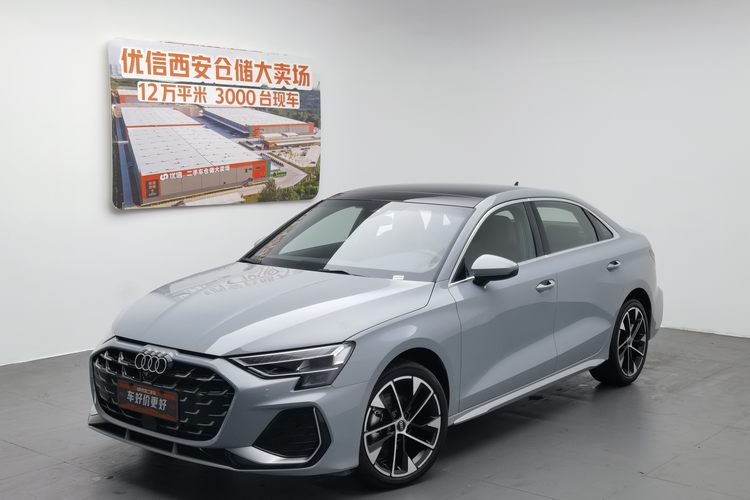
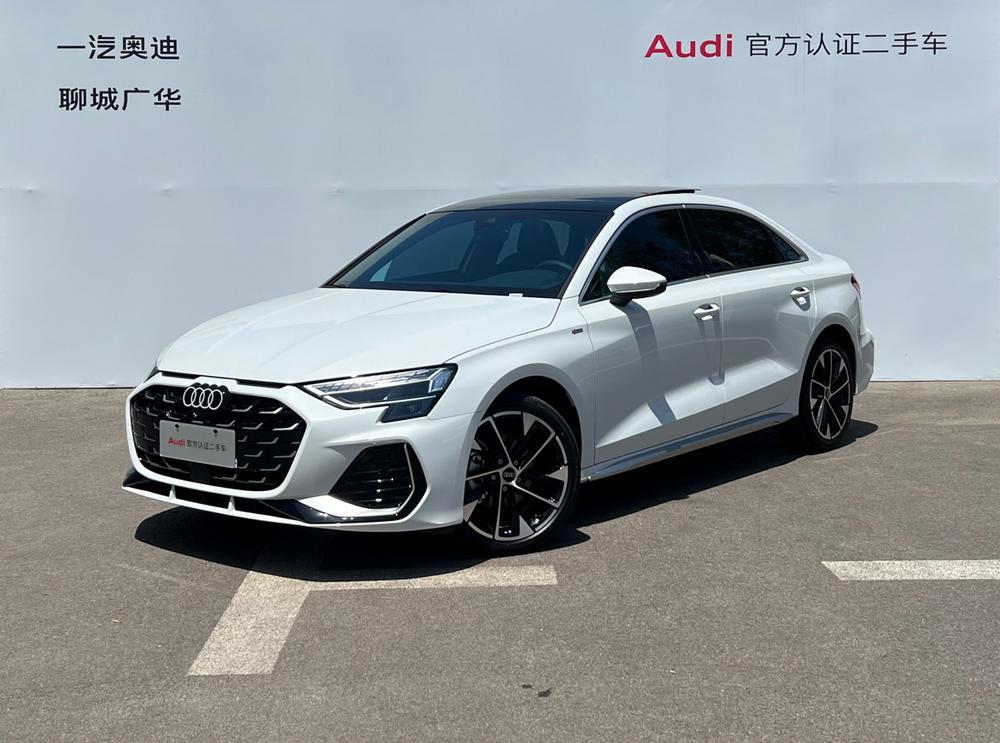
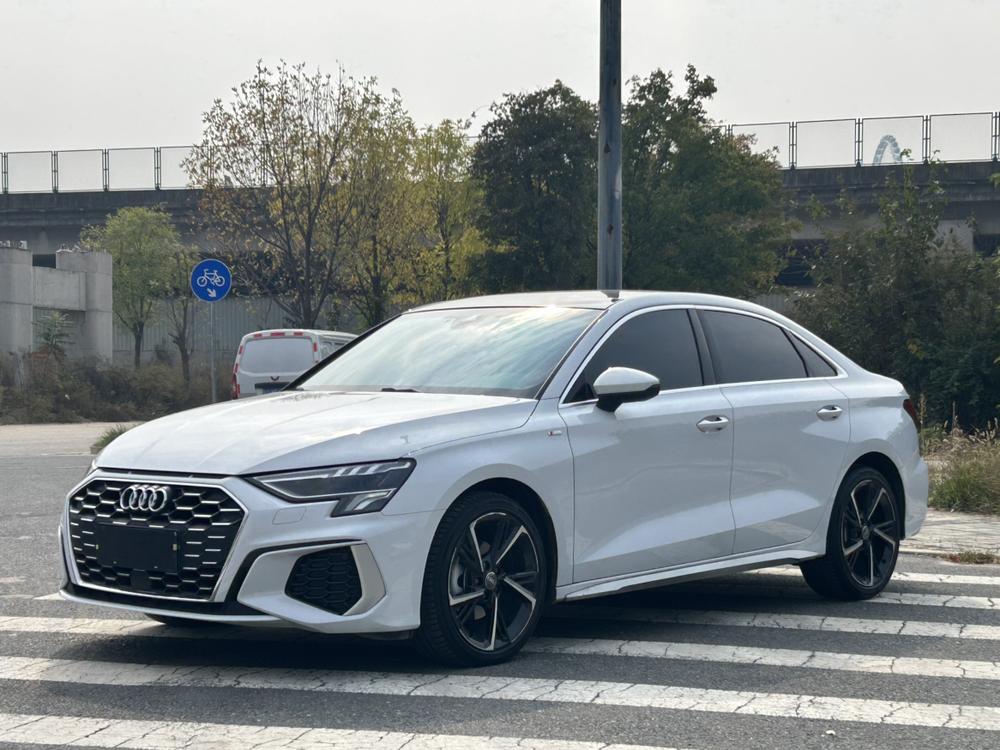
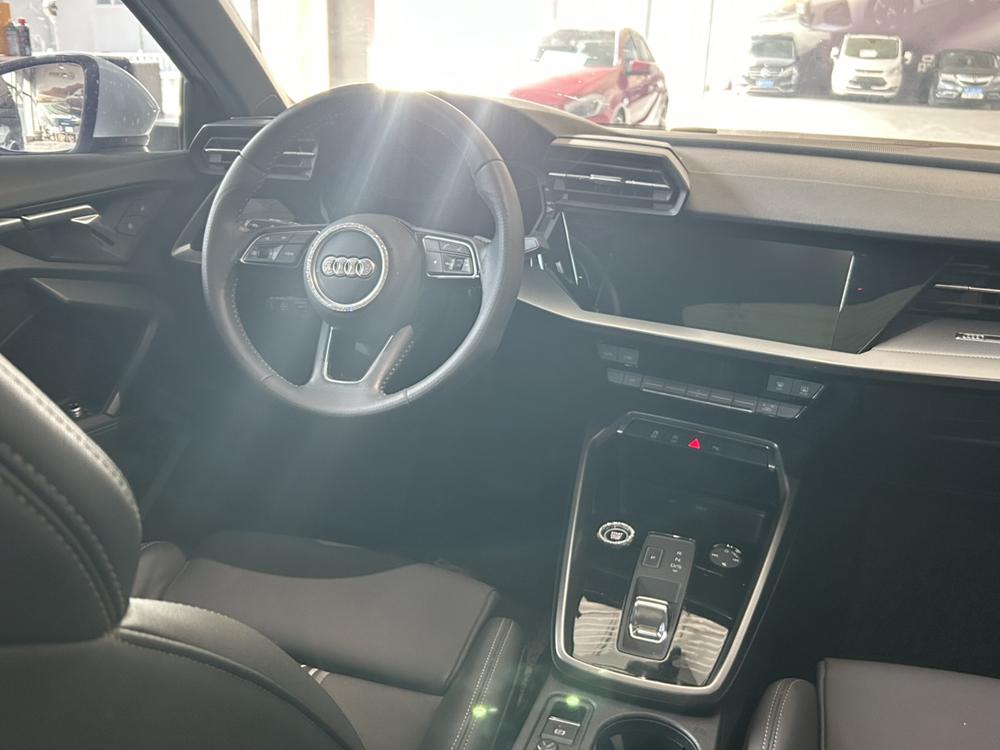
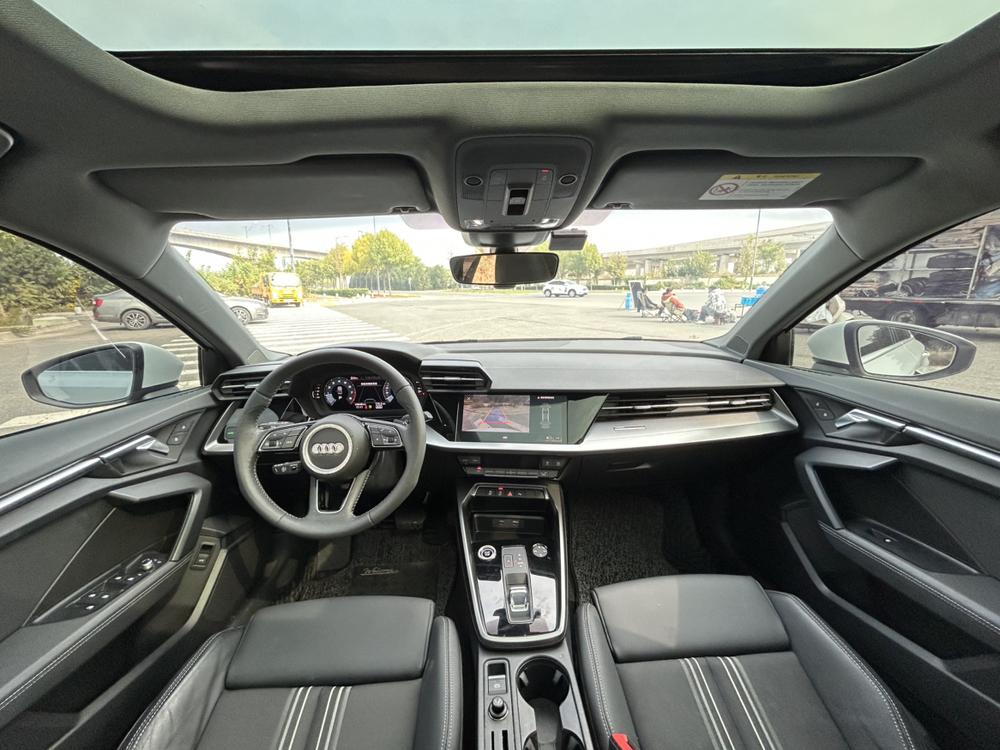
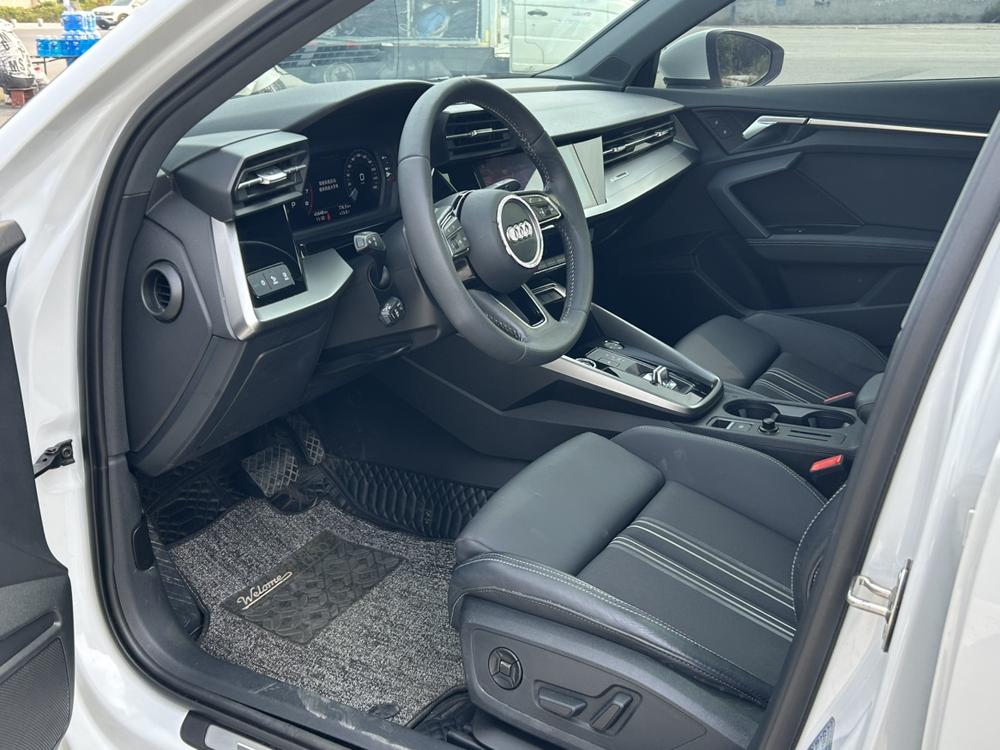
BrandAudi
SeriesA3
Year2021
First Registration2021/04
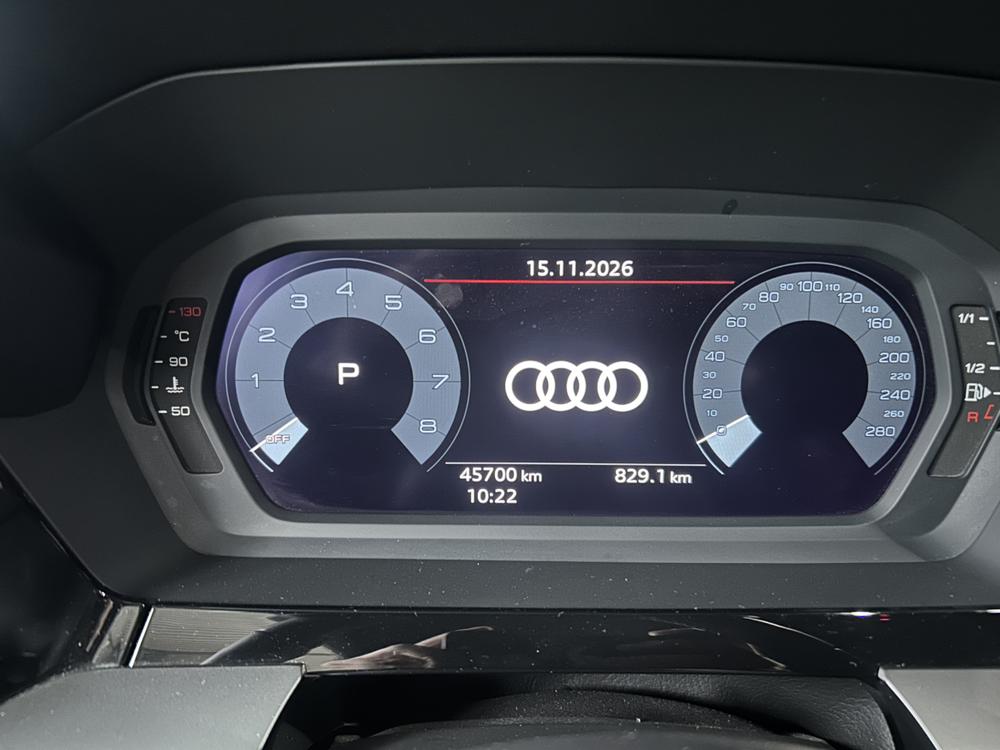
Mileage45,000km
Transfer Count0times
FuelGasoline
TransmissionDCT
Engine1.4T 150 L4
Color
Seats-

Condition Description

官方质检 · 60天全车质保· 7天无理由有偿退车

Configuration Highlights

✓上牌时间: 2021-04
✓表显里程: 4.5万公里
✓车源地: 西安
✓排放标准: 国六
✓百公里加速: 9.1s
✓发动机: 1.4T
✓轴距: 2680mm
✓变速箱: 自动
✓功能配置: 11项
✓安全配置: 5项
✓动力类型: 前驱
✓空间舒适性: 一般

Q&A

More

What does the real landed cost of importing a used car from China look like, and which line items do buyers most often underestimate?

A realistic landed cost has five layers: the car price, export-side fees (deregistration, export license, inland trucking to the port), international freight and insurance, destination duties and taxes, and local charges (port handling, inspection, registration). Buyers most often underestimate three items. First, destination duties are calculated on the customs value, which may include freight, so a cheap car can still attract significant tax. Second, port and terminal charges at both ends add up; demurrage fees apply quickly if documents are late. Third, compliance costs such as homologation, emissions testing, or translation of documents can run into hundreds of dollars depending on the country. Ask every exporter for a written, itemized quote to your port, not just an FOB price, and keep a 5% contingency. Quotes that look unusually cheap usually hide costs in the freight or handling lines.


How can I verify a used car's mileage is genuine and hasn't been rolled back before export?

Odometer rollback is a common risk, so verify mileage through multiple channels rather than trusting the dashboard alone. First, ask the seller for maintenance records from the brand's official service network. Each service entry records the odometer reading with a date, so a consistent upward trend confirms the mileage is genuine. Second, run a VIN-based history report through Chinese platforms (such as CarVertical-style reports covering Chinese records) and check auction records if the car came from a used-car auction — auction sheets always log the mileage. Third, inspect physical wear during your video inspection: pedal rubber, steering wheel shine, seat bolsters, and gear knob wear should match the claimed mileage. A car showing 40,000 km with heavily worn pedals is a red flag. Finally, check the odometer reading in the export documents — Chinese customs and inspection records also capture mileage, giving you an official data point. If the seller refuses to share service records, treat the mileage as unverified and price your offer accordingly.

How can I judge the real condition of the tires and suspension of a used Chinese car from photos and video?

Photos and video can reveal a lot if you know what to ask for. Tires: ask for close-ups of all four tire sidewalls showing the DOT date code—the last four digits are the week and year of manufacture. Tires older than 5-6 years should be replaced or discounted, even with good tread. Uneven wear (more worn on one edge or one side) suggests alignment or suspension problems. Suspension: ask the seller to shoot a short video while slowly driving over a speed bump or rough pavement, and listen for clunks and rattles. During the walkaround, look at the ride height: if one corner sits lower, a shock absorber may be worn. Also check for fresh underbody paint or brand-new shocks on an otherwise original car—this can hide accident damage. For anything uncertain, a paid pre-purchase inspection at a local shop is worth the cost.