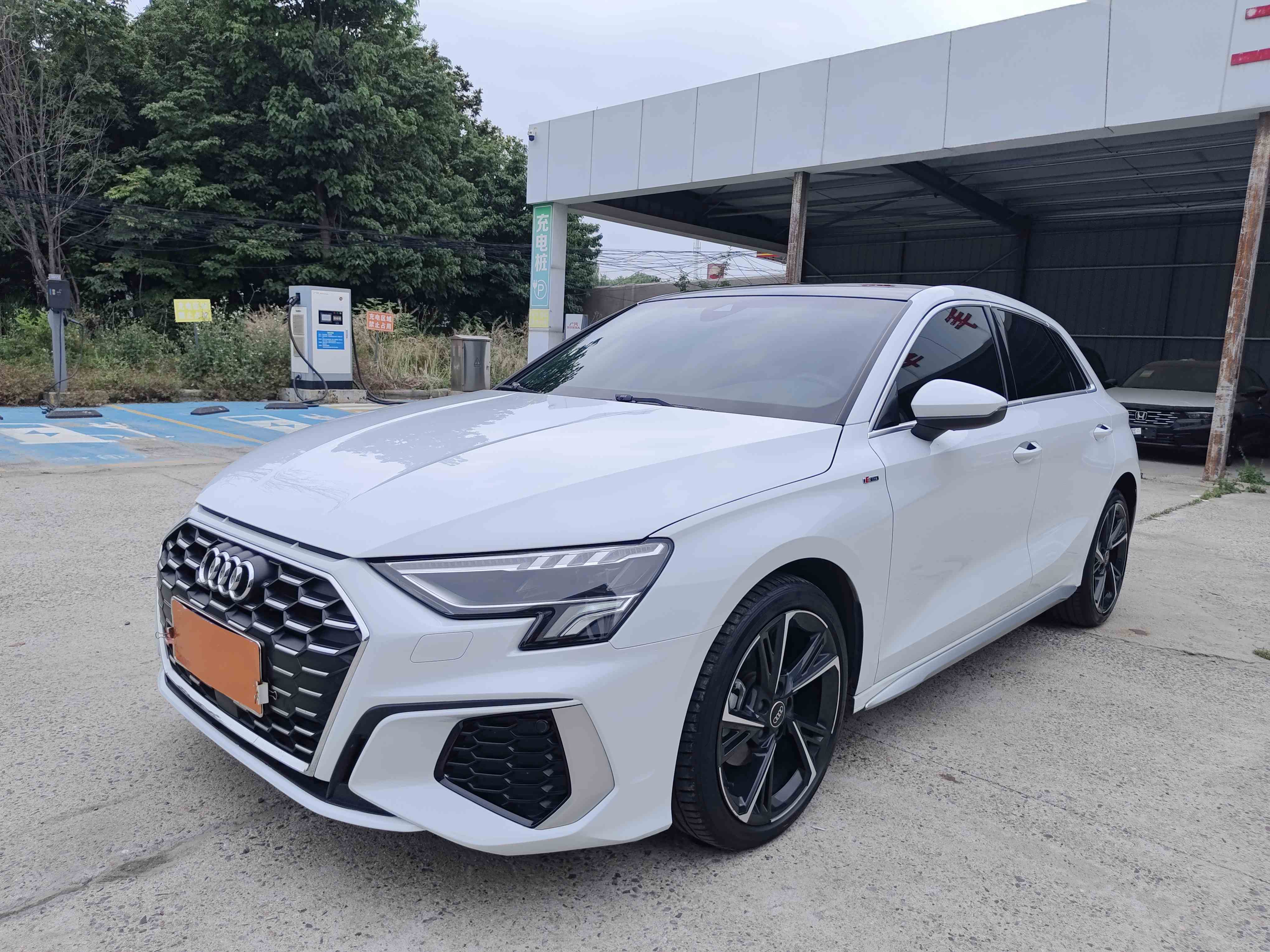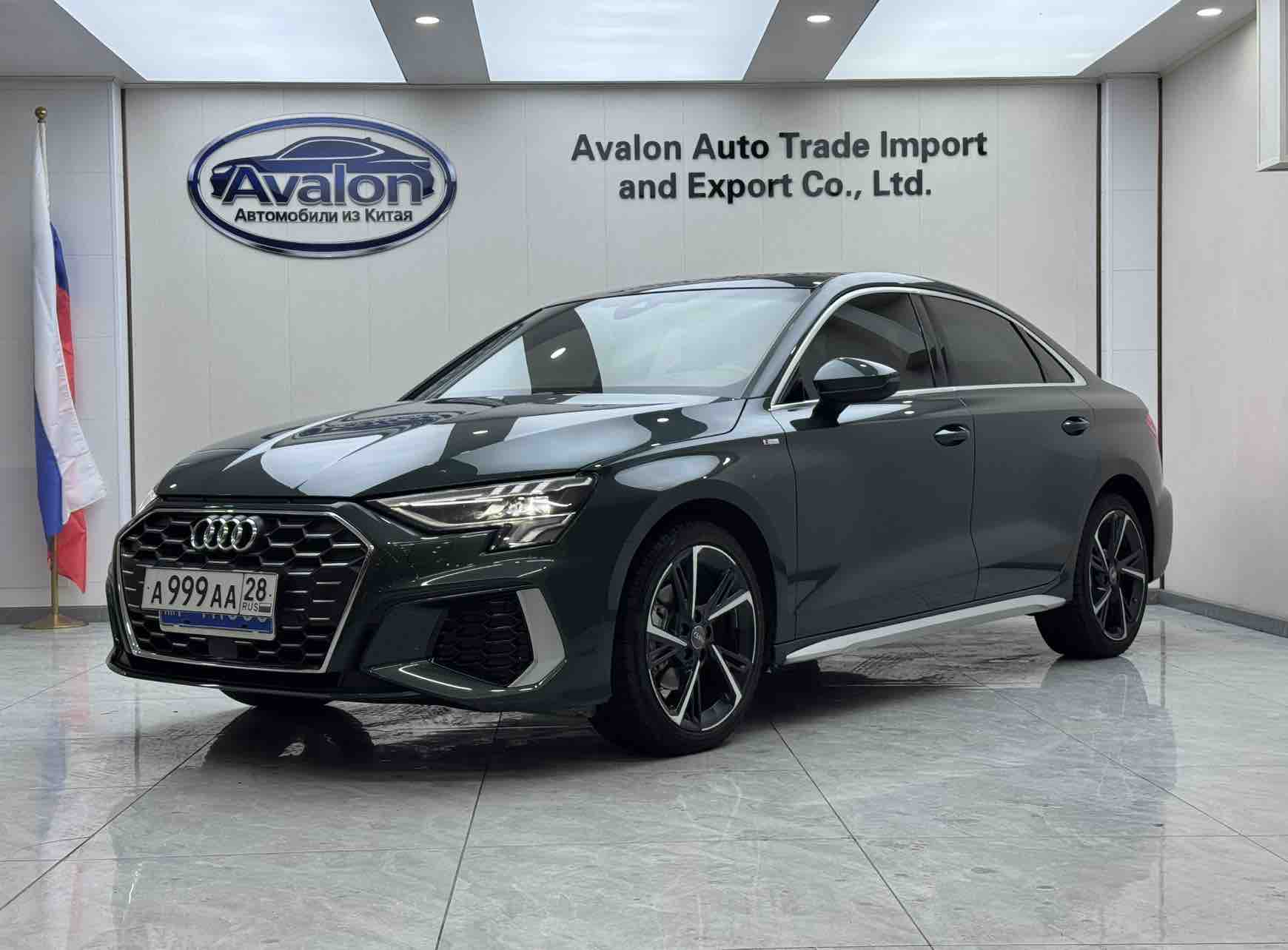
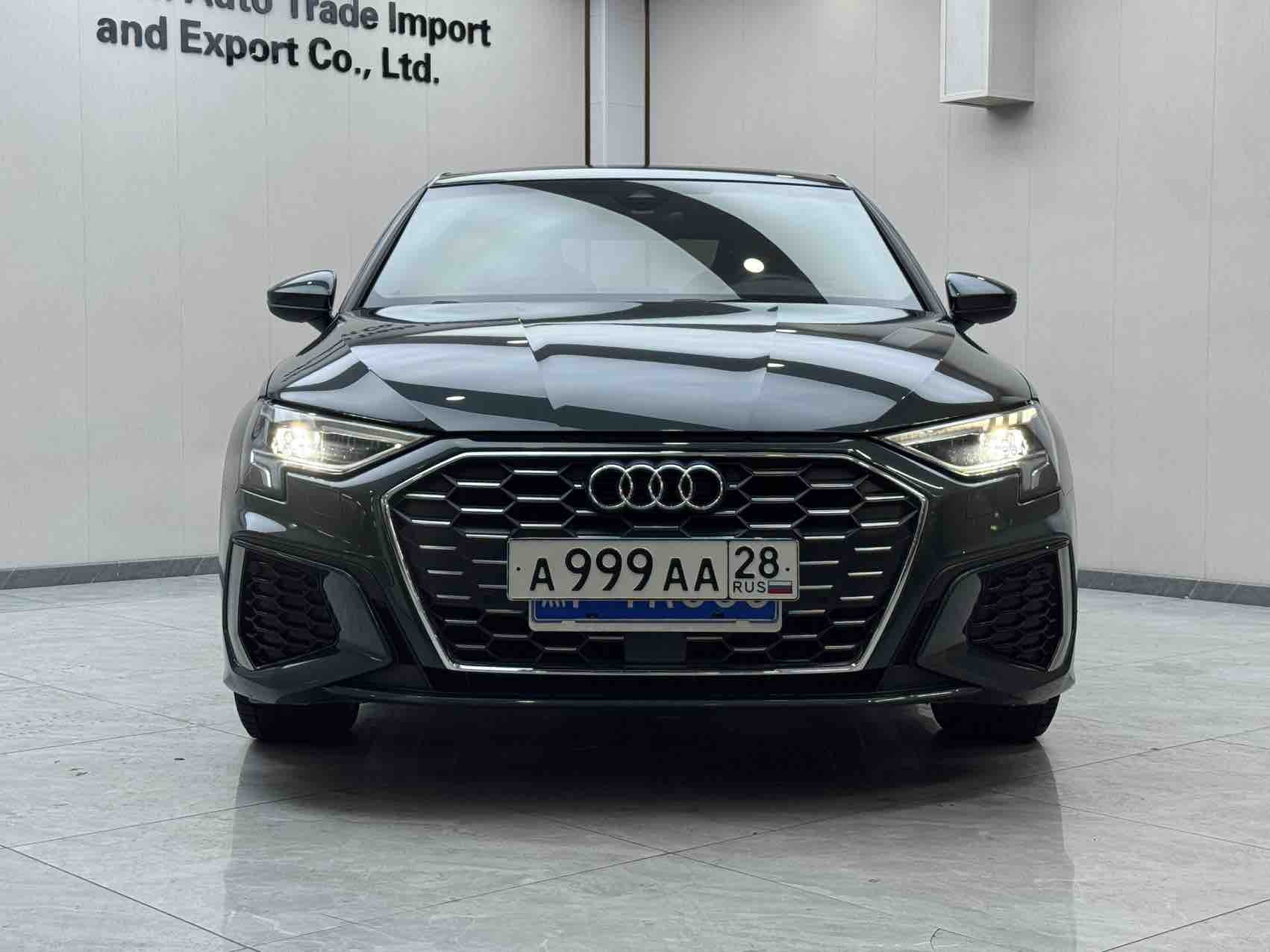
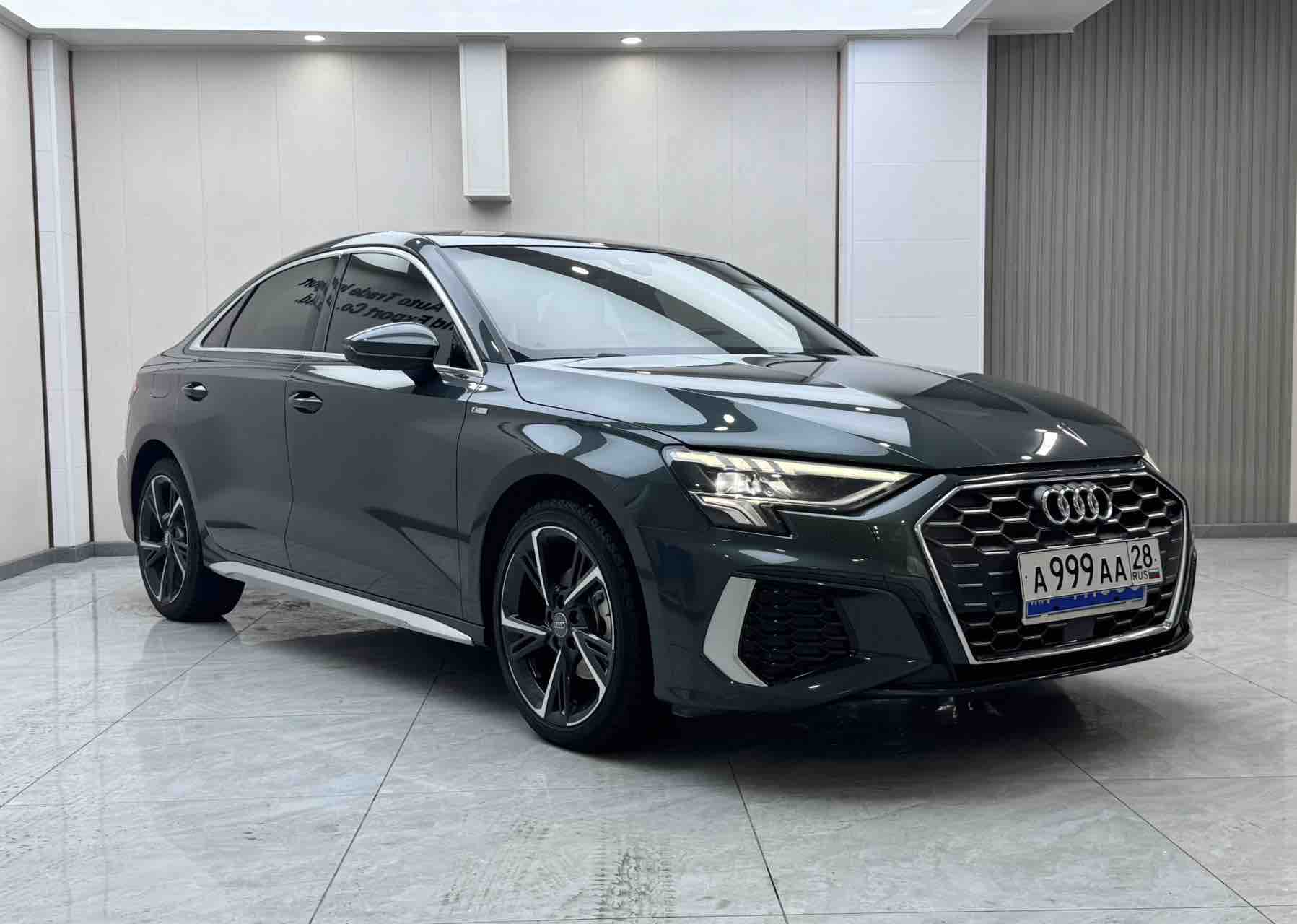
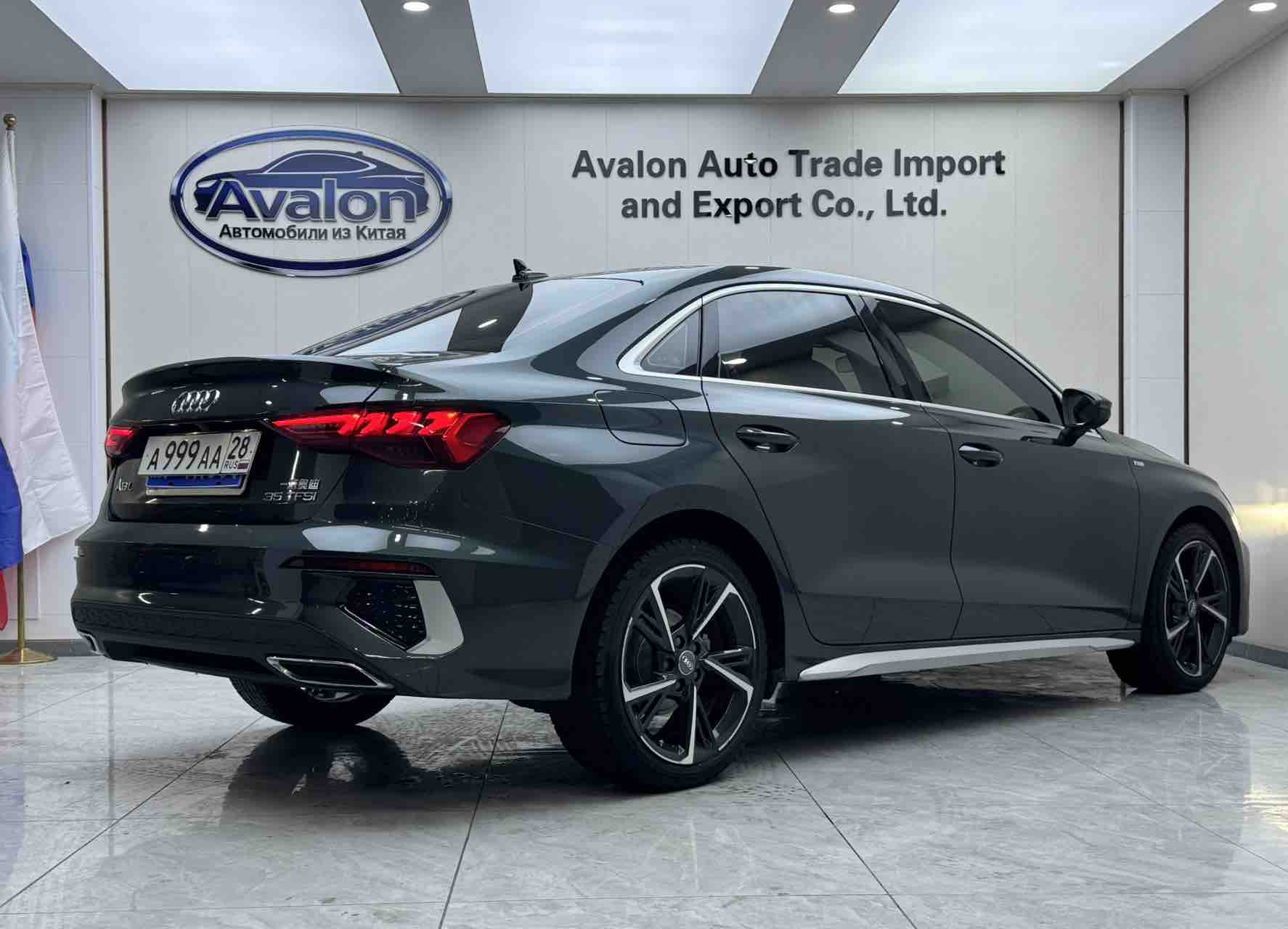
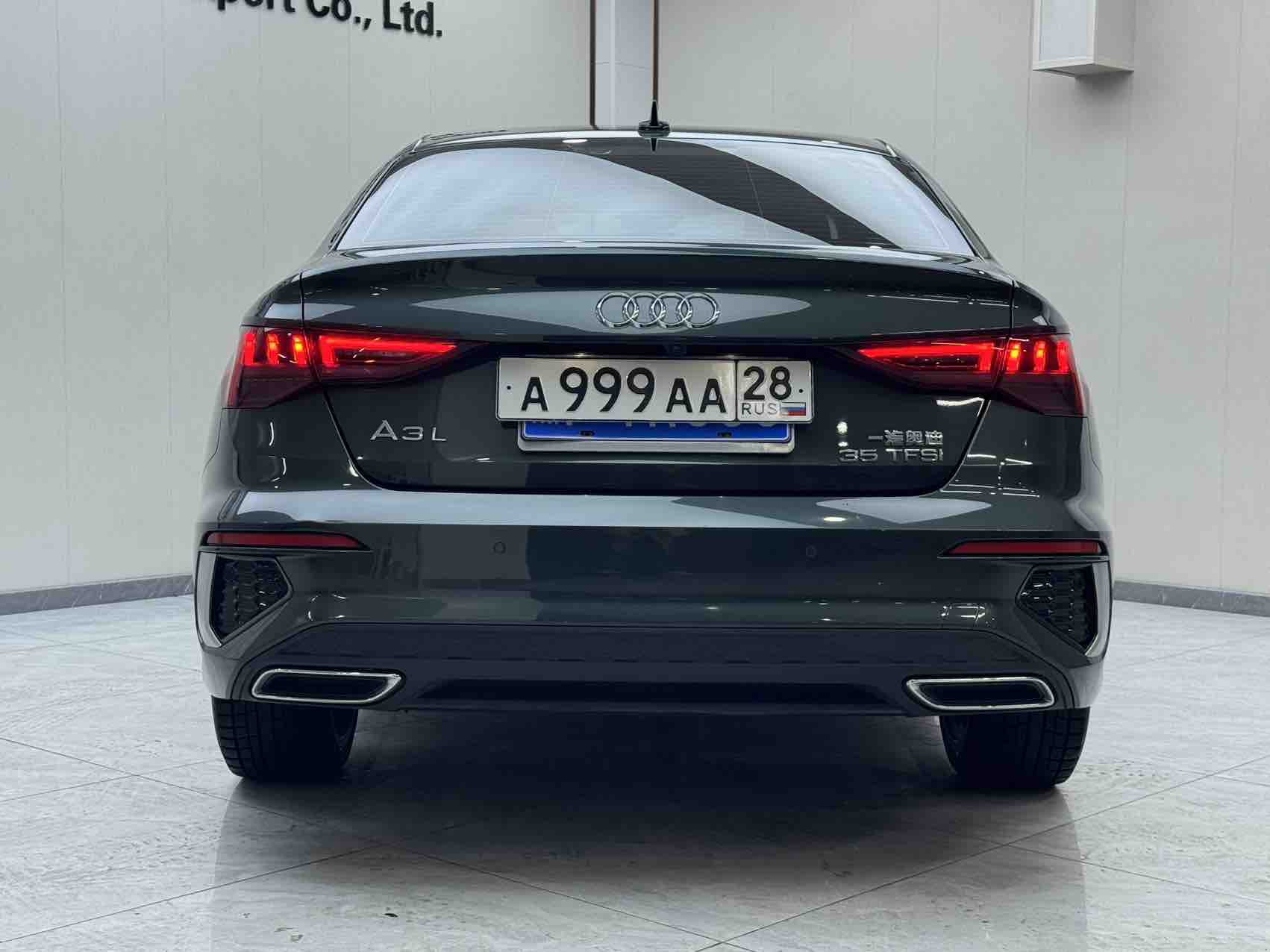
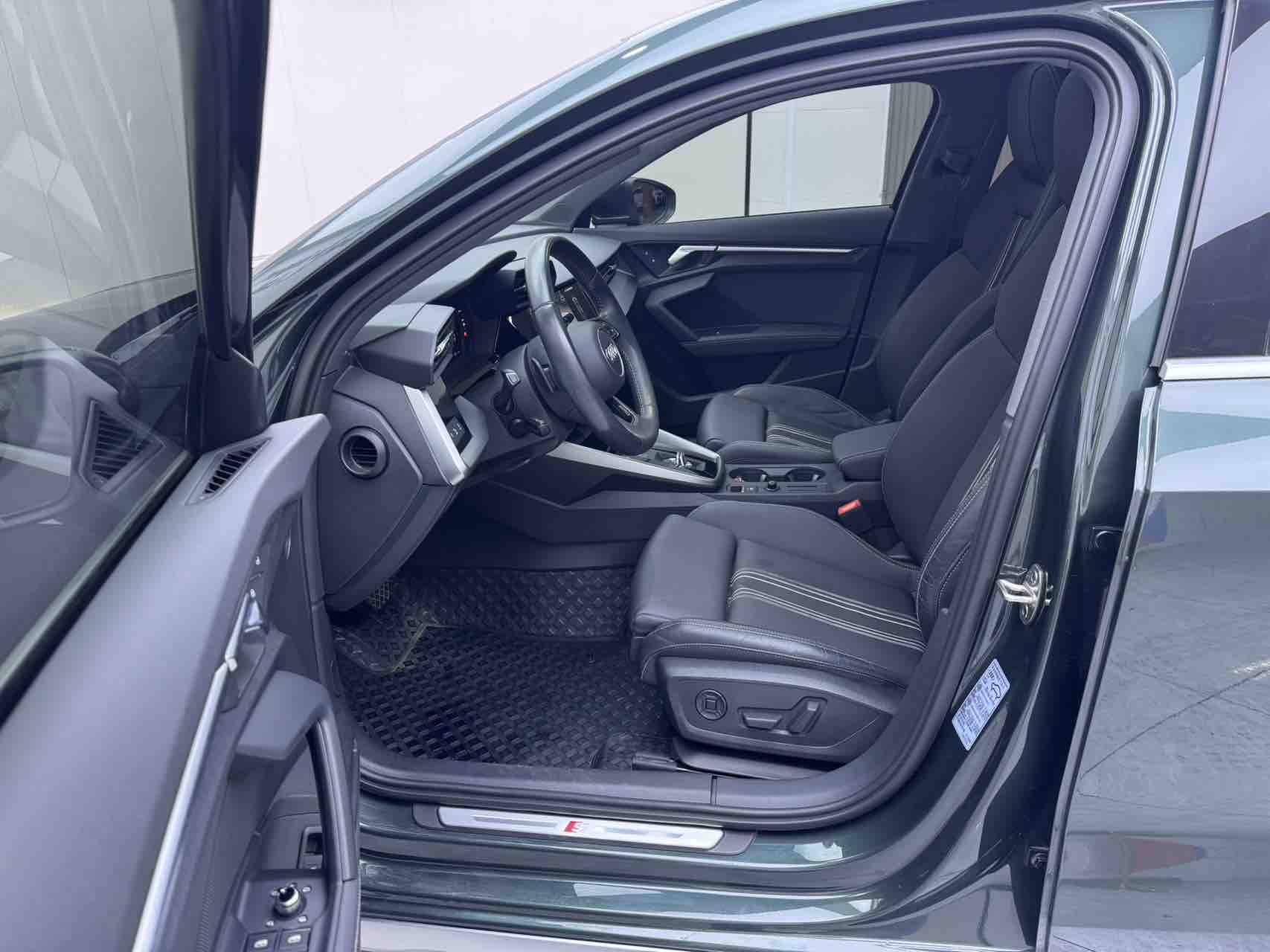
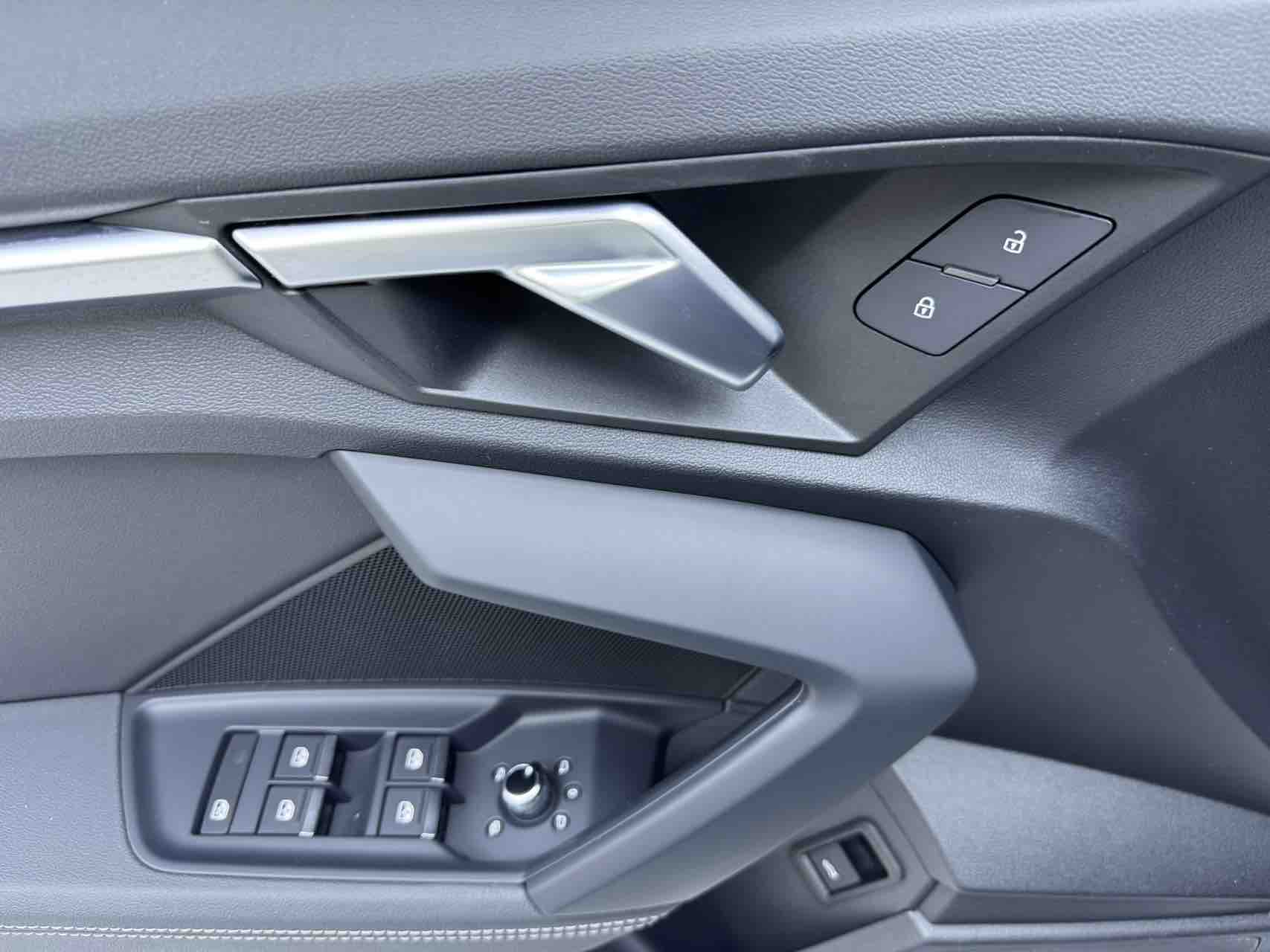
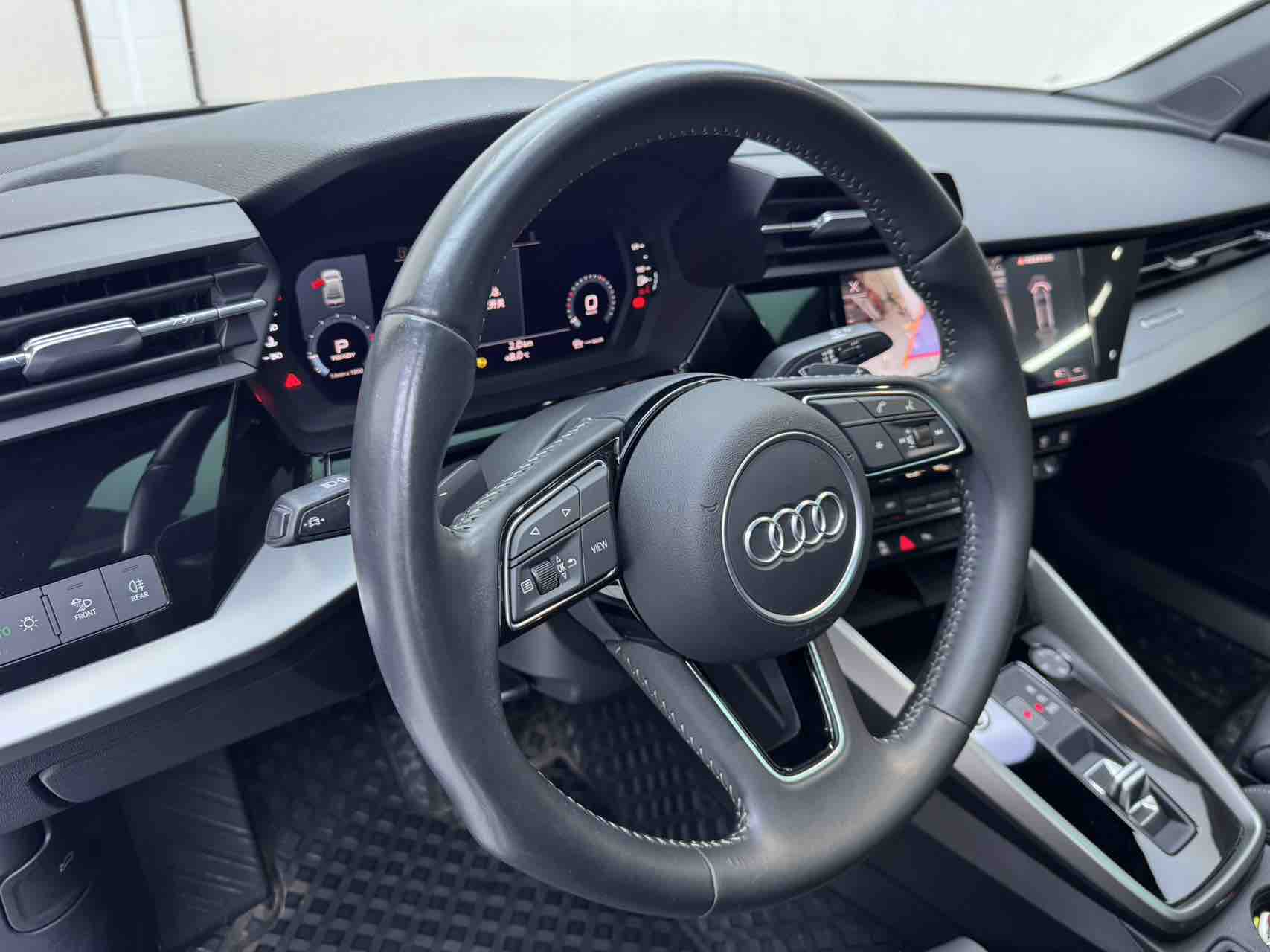
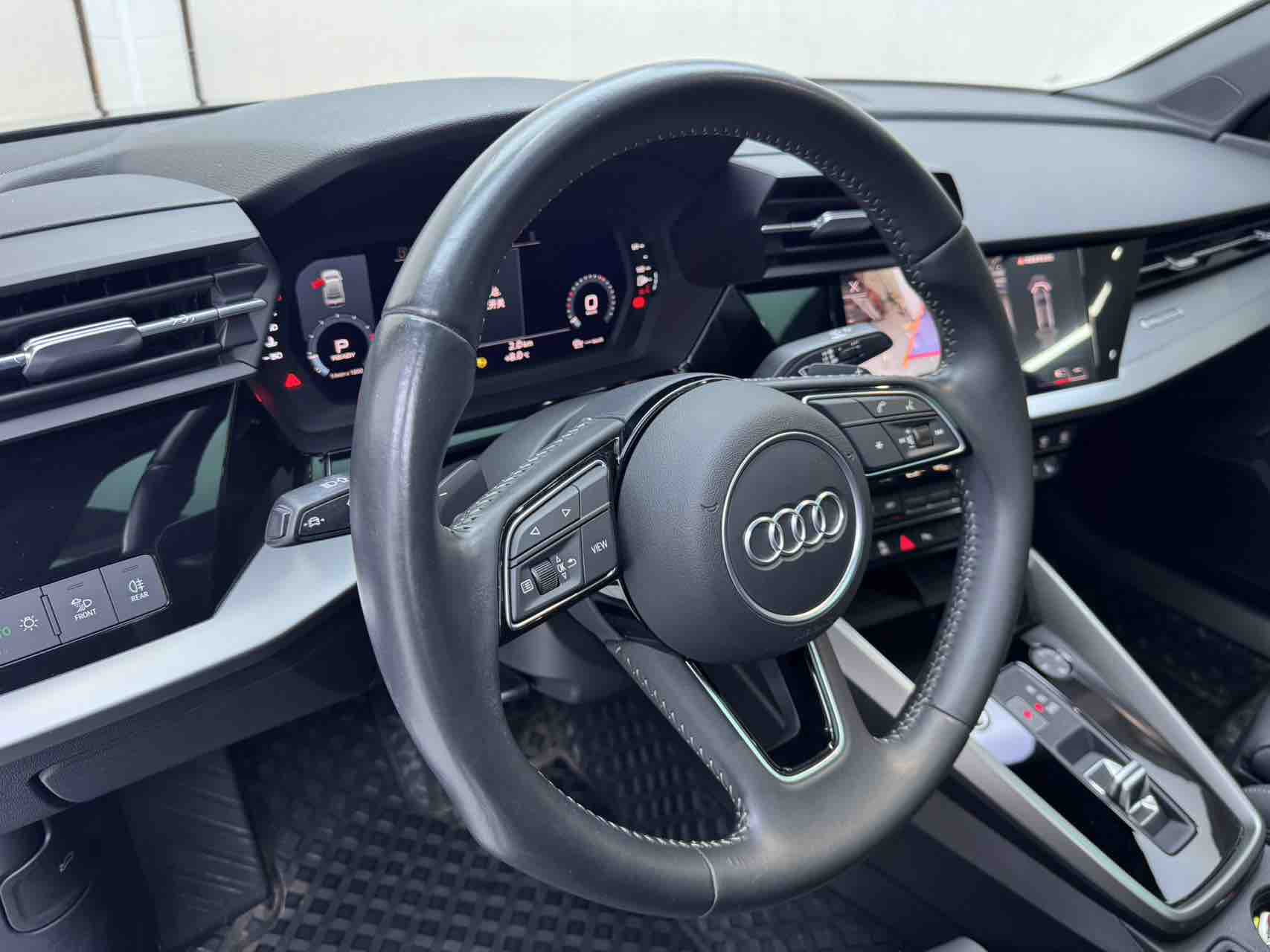
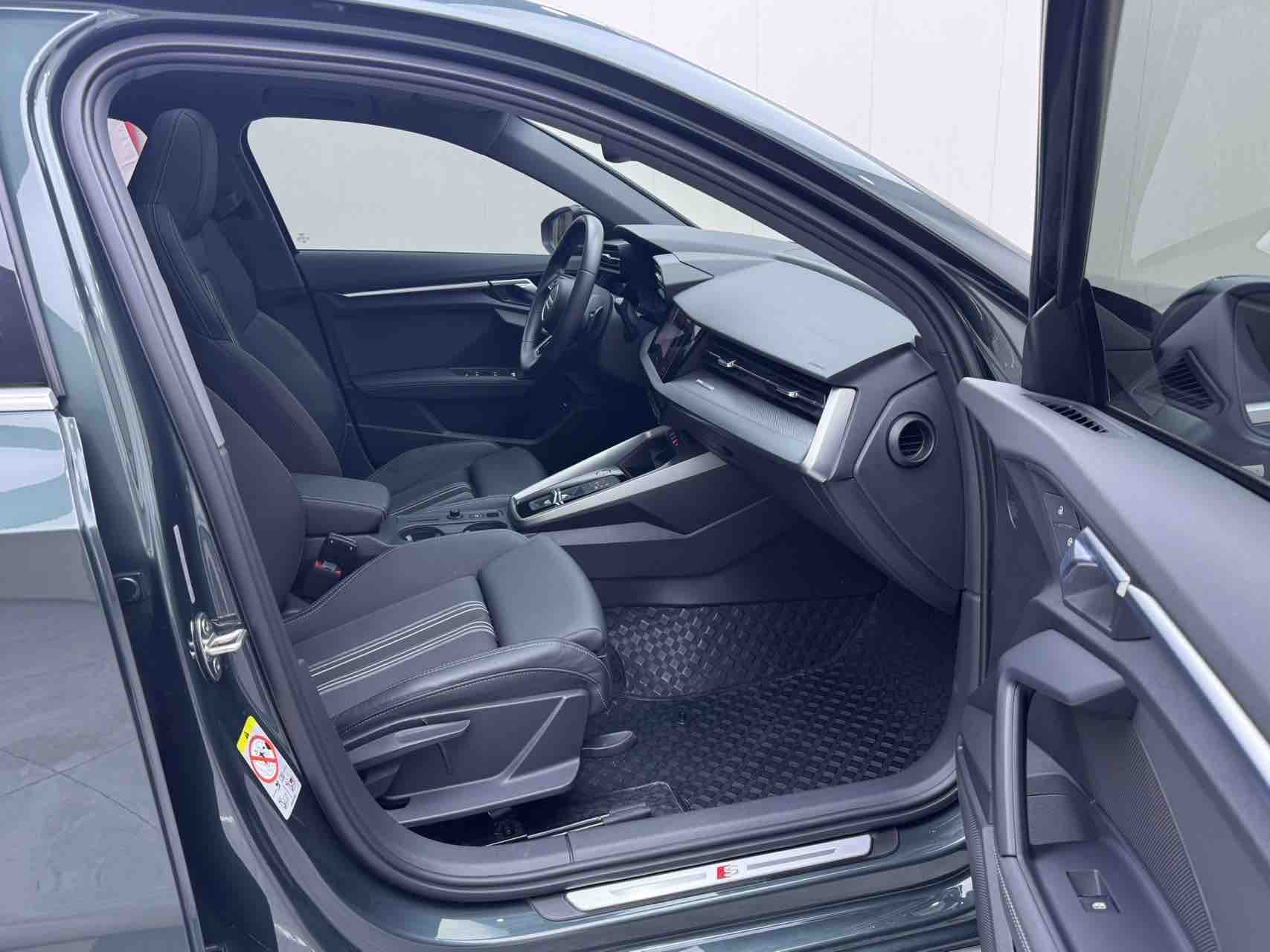
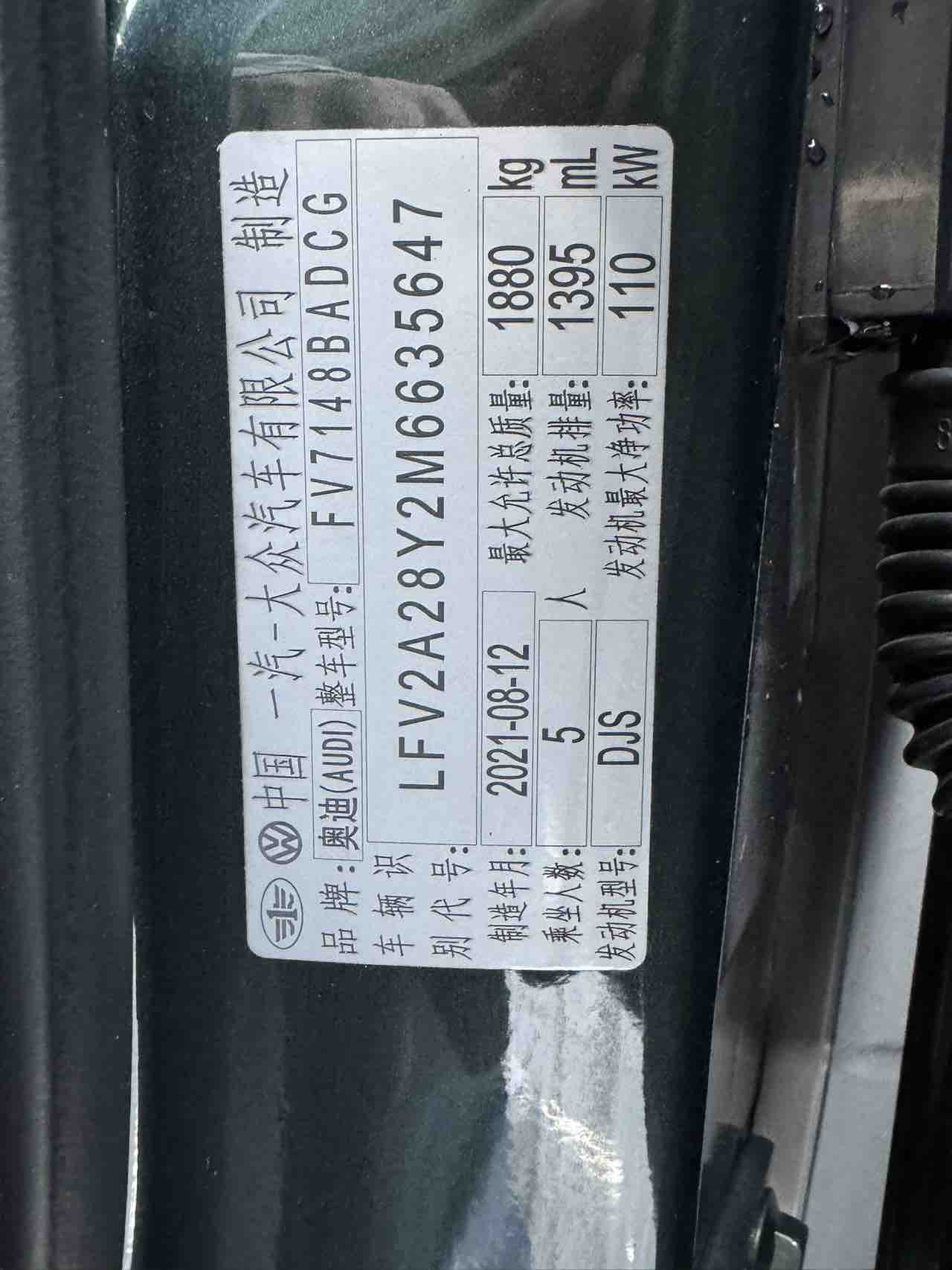



Basic Information

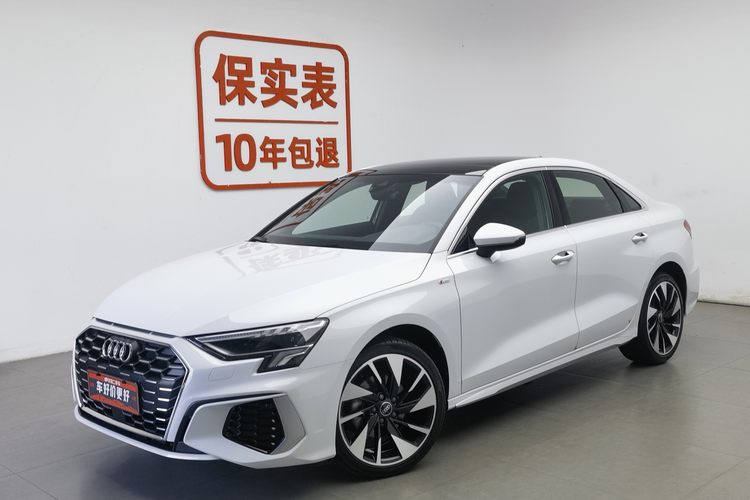
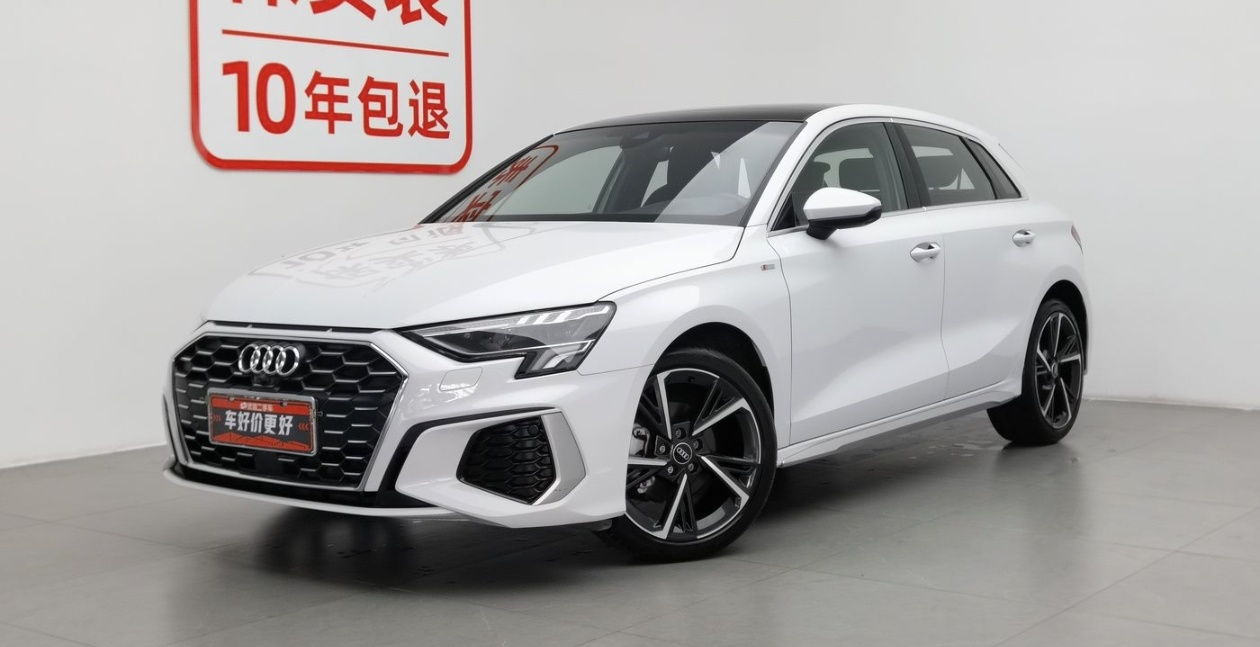
BrandAudi
SeriesA3
Year2021
First Registration2021/08
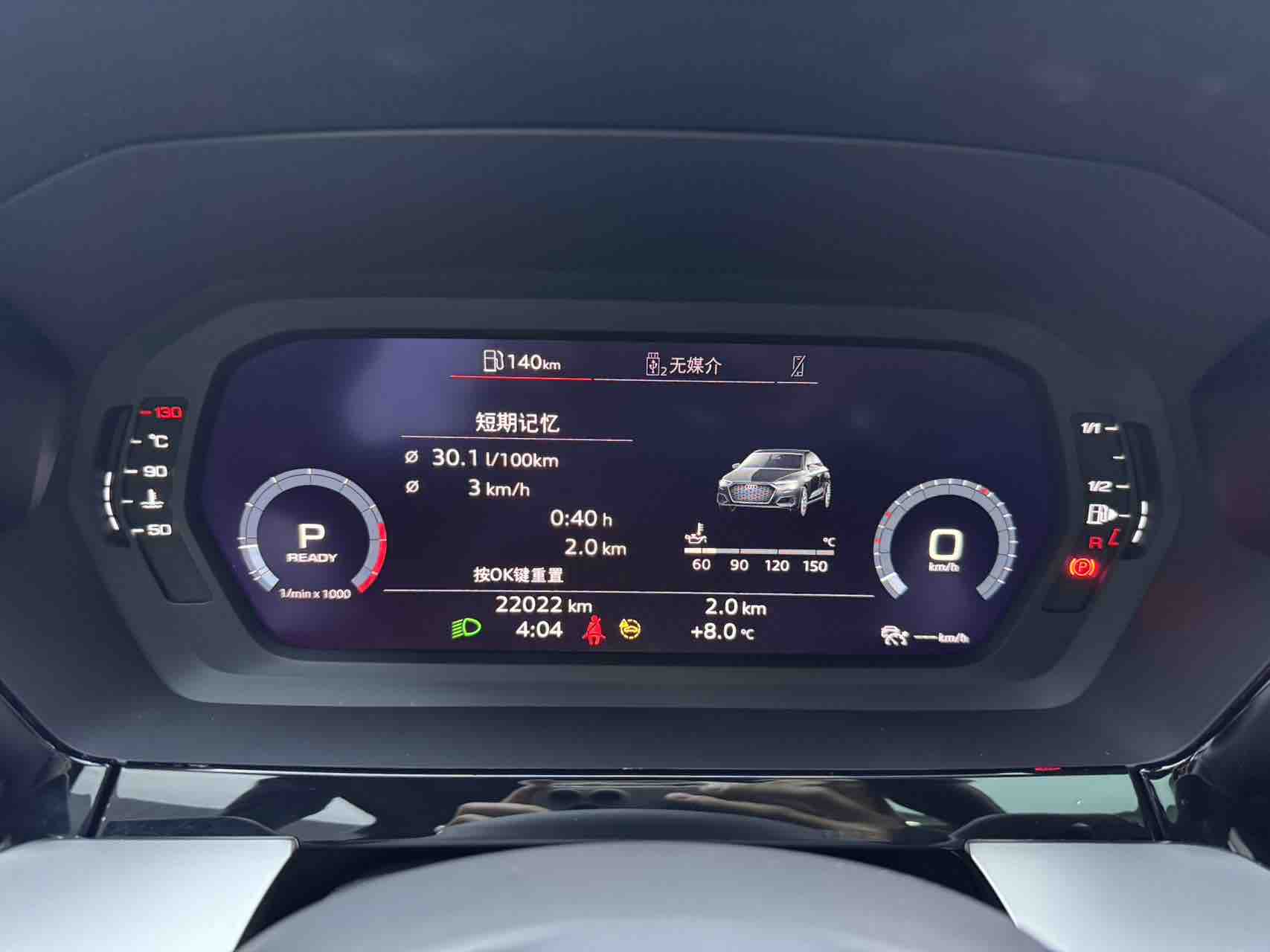
Mileage2.2km
Transfer Count-
FuelGasoline
TransmissionDCT
Engine1.4T 150 L4
ColorGreen
Seats-

Configuration Highlights

✓Driver/Passenger Airbags
✓Front/Rear Side Airbags
✓Front/Rear Curtain Airbags
✓Tire Pressure Monitoring
✓ISOFIX Child Seat Anchors
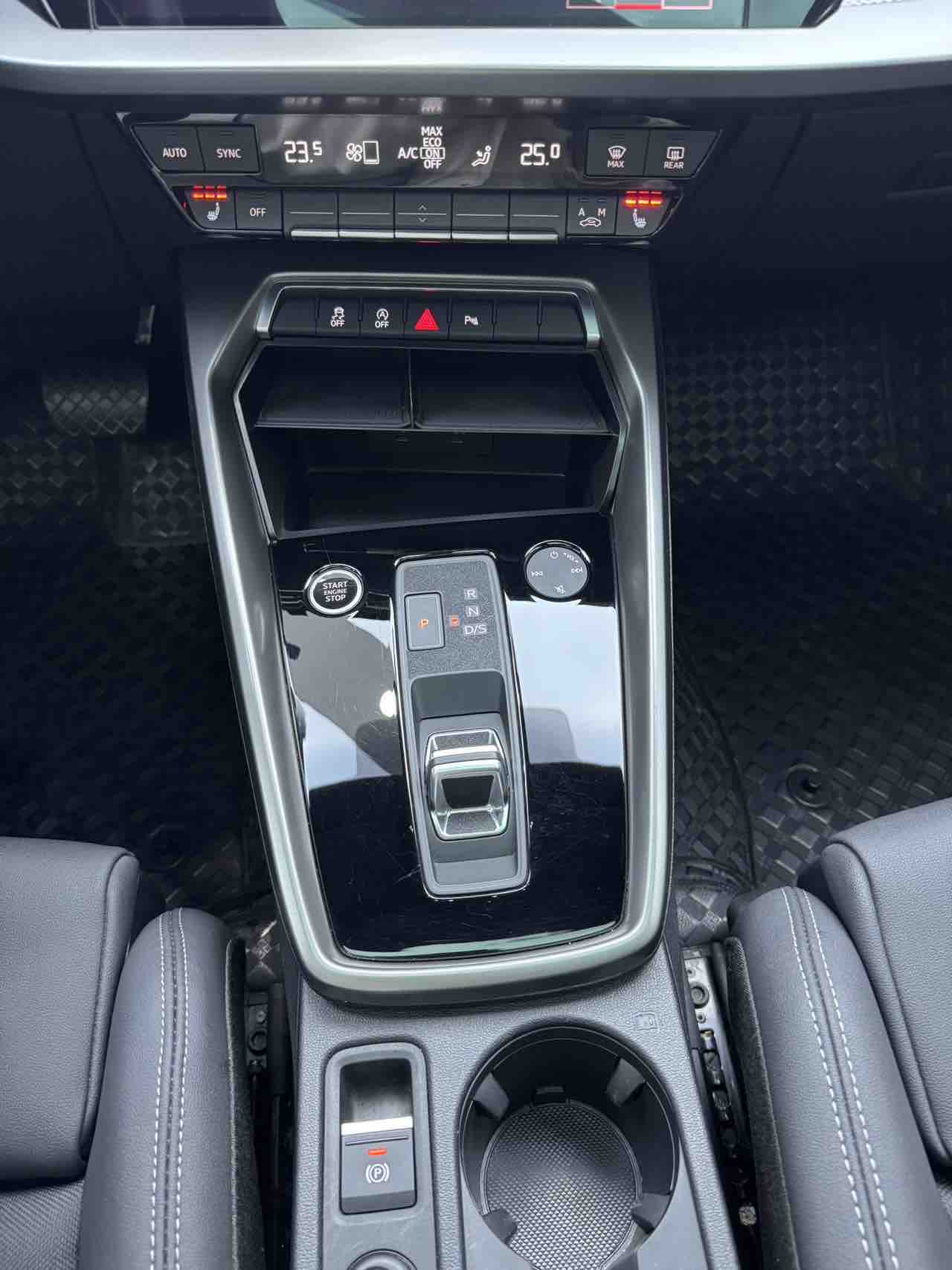
✓Keyless Start System
✓ABS Anti-lock Braking
✓Electronic Brake Distribution
✓Electronic Stability Control
✓Hill Start Assist
✓Auto Hold
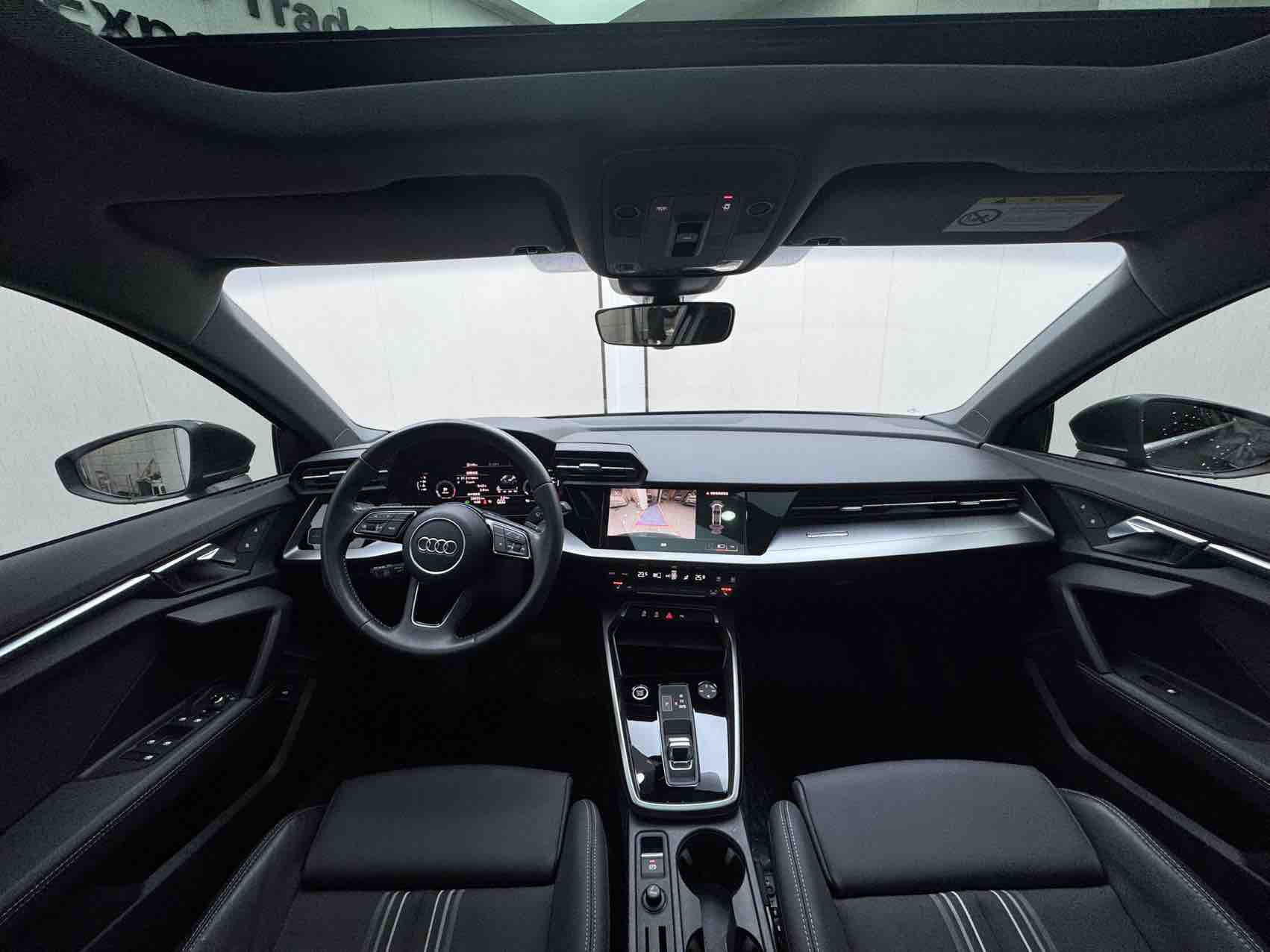
✓Multifunction Steering Wheel
✓Paddle Shifters
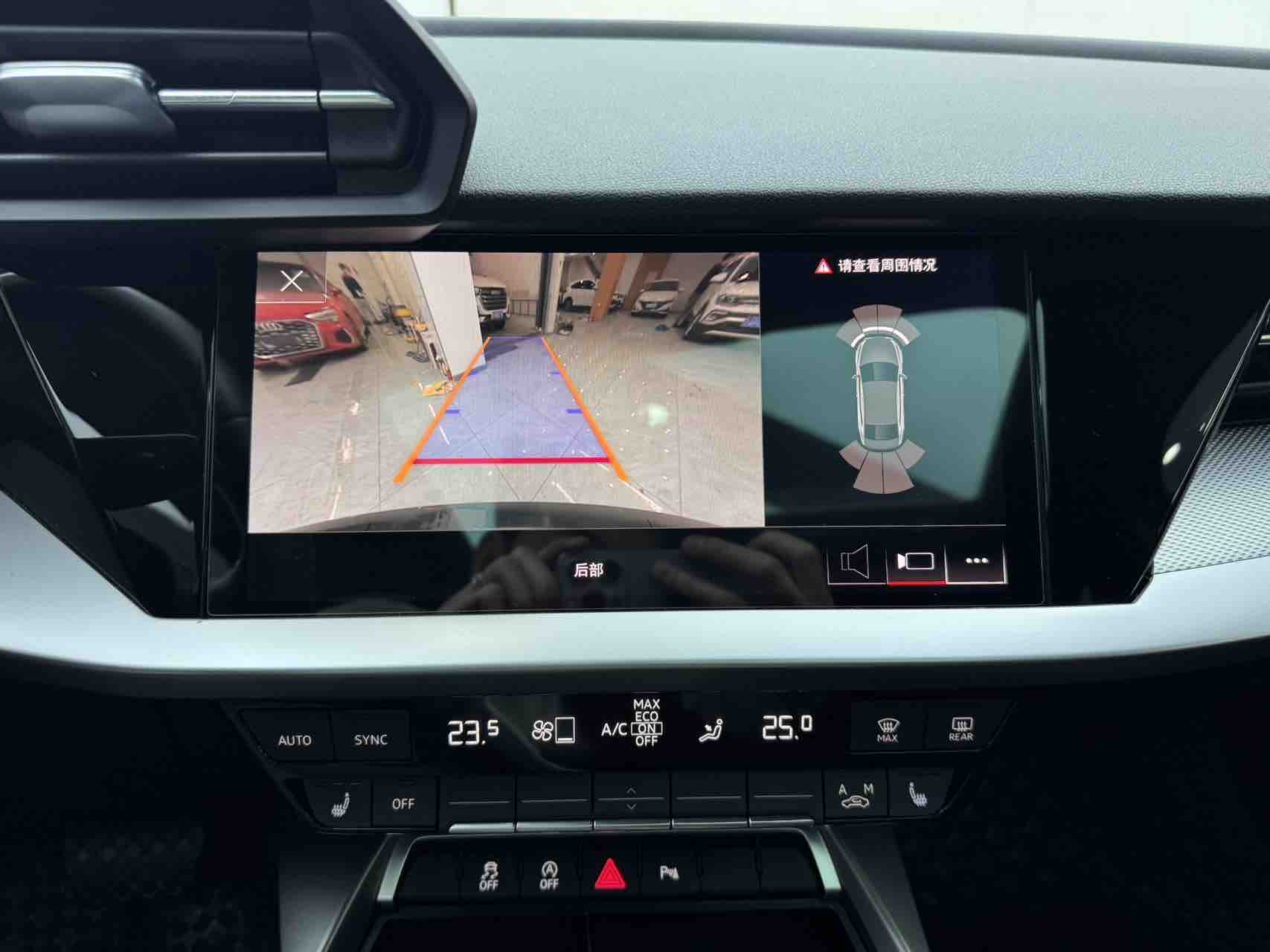
✓Front Parking Sensors
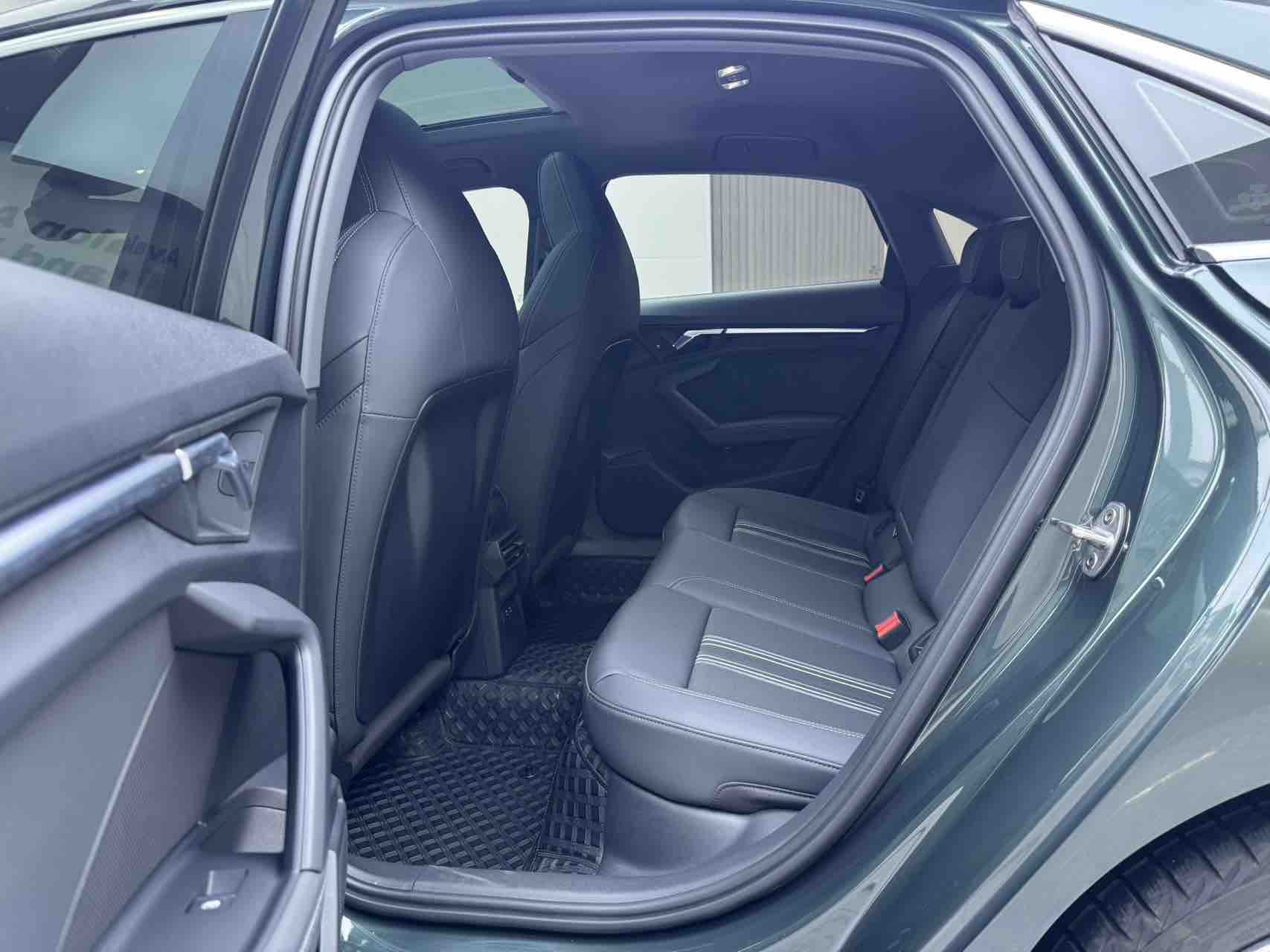
✓Seat Material
✓Driver/Passenger Power Seats
✓Rear Cupholders
✓Low Beam Headlights
✓Daytime Running Lights
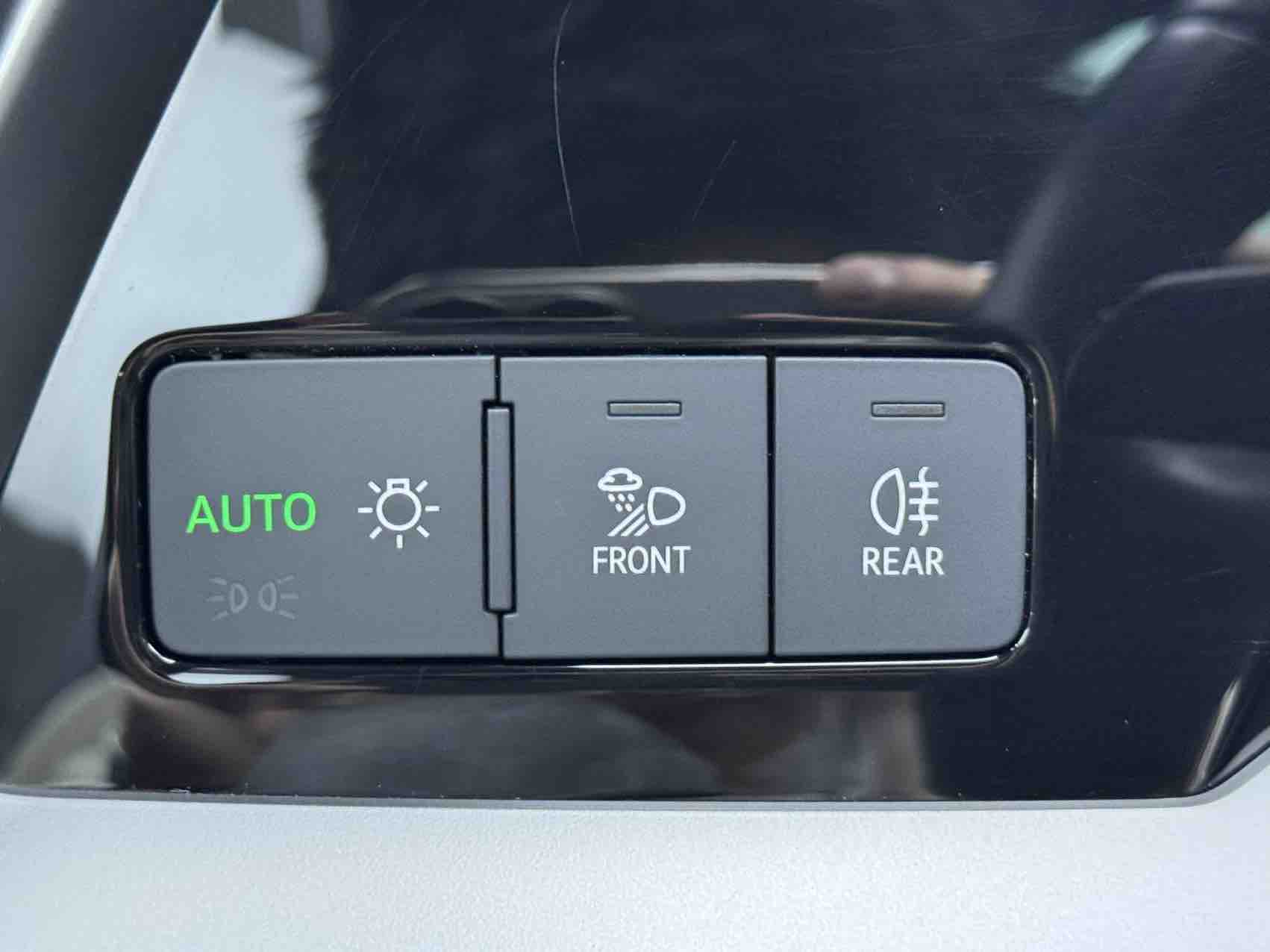
✓Auto Headlights
✓Adjustable Headlight Height
✓Power Windows
✓Anti-pinch Windows
✓Climate Control Type
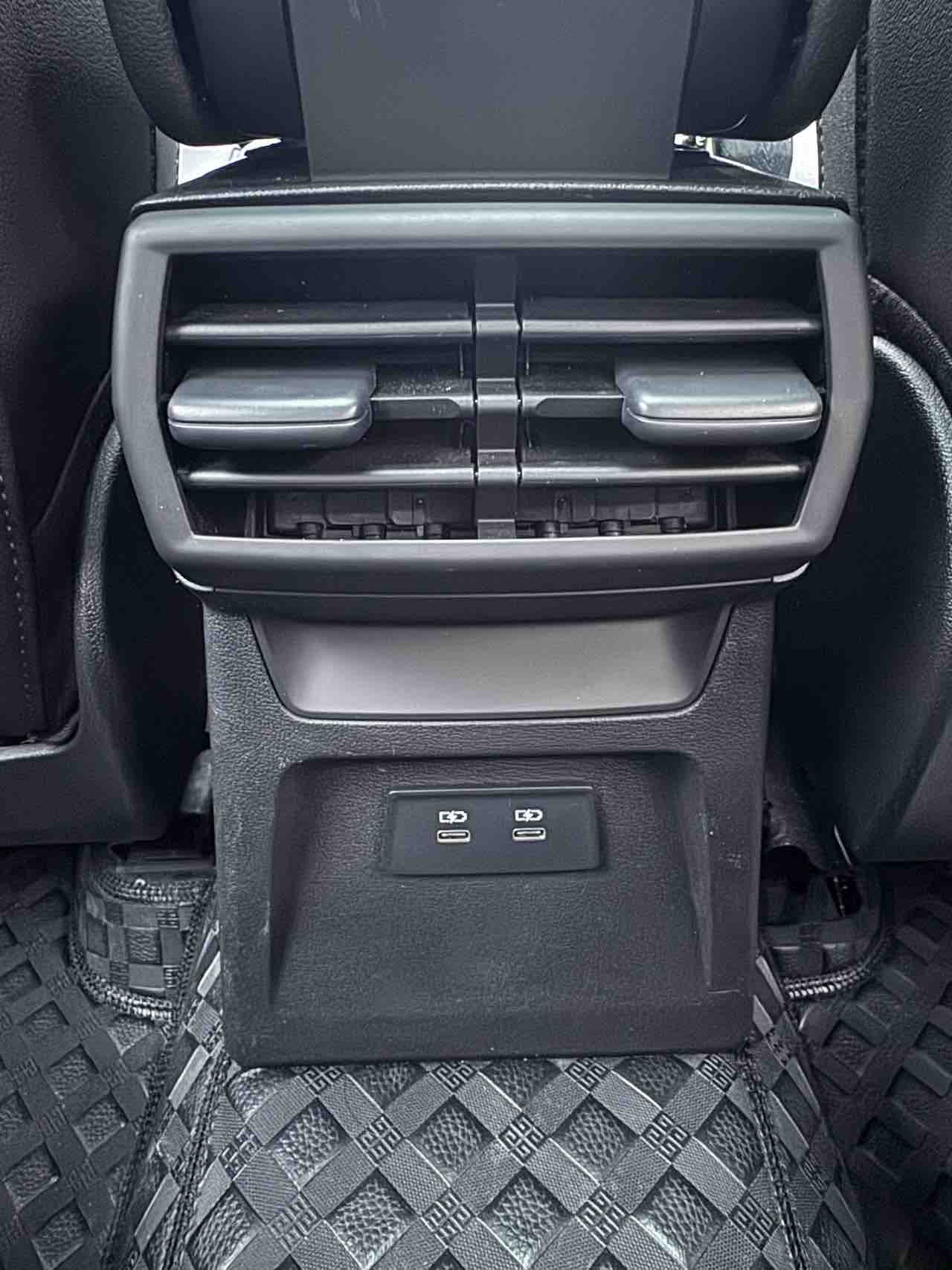
✓Rear Air Vents
✓Start-Stop System
✓Lane Departure Warning
✓Active Safety System

Q&A

More

What are "fire-damaged" or "flood-damaged" cars? How do you completely rule them out?

We thoroughly rule them out by checking if the cabin wiring harness is melted, if the seat belts have water stains or mold, if there is unusual rust or debris in the seat tracks and cigarette lighter, and by verifying with the insurance company for any "total loss claims." These two types of cars are an absolute sales ban for us.
Can this car be exported to a certain country? What are the local restrictions?

We have established a database of target country policies. Check the specific requirements of the destination country in advance regarding vehicle age (left-hand/right-hand drive), emission standards (Euro 4/Euro 5), and steering position (left-hand/right-hand drive) to avoid customs clearance issues upon arrival.

Why are the shipping costs for used electric vehicles (EVs) usually higher than for internal combustion engine vehicles (ICEs)?

Pure electric vehicles are classified as Class 9 Dangerous Goods due to their large lithium batteries, leading to strict shipping regulations. Shipping companies have high requirements for the loading position and fire isolation measures for dangerous goods, and some roll-on/roll-off ships refuse to accept used EVs. As a result, EVs often require more expensive special container shipping and incur additional handling fees for hazardous materials.