


Basic Information

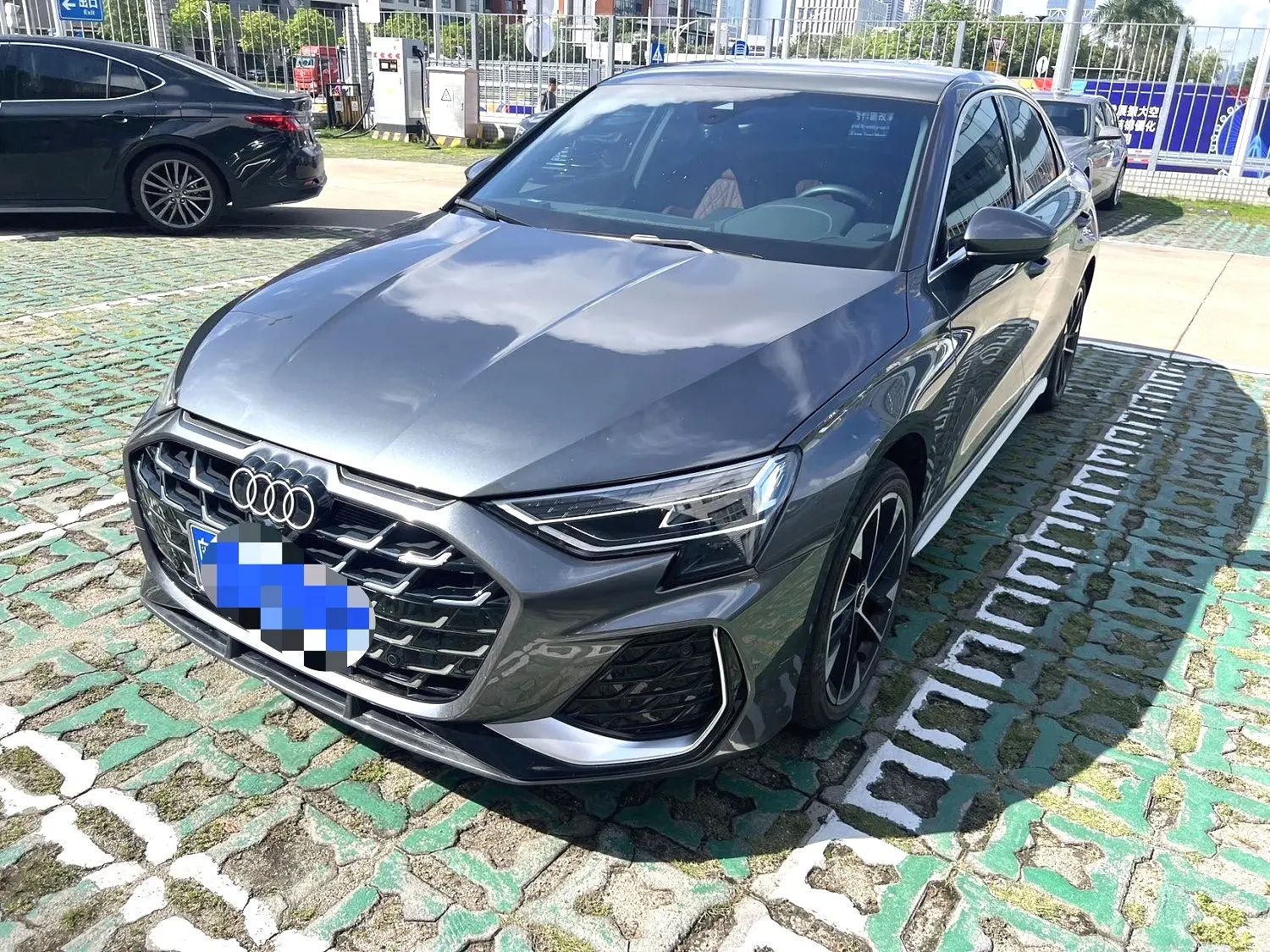
BrandAudi
SeriesA3
Year2024
First Registration2024/10
Mileage25,600km
Transfer Count1times
FuelGasoline
TransmissionDCT
Engine1.4T 150 L4
ColorGreen
Seats-

Condition Description

Vehicle performance is good. Structural, reinforced, and cover panels have no accident-related damage or repairs. The three-electric system (battery, motor, electronic control) has no damage.

Accident inspection: main structure, reinforced parts, cover panels, and hinges have no damage or abnormalities. Engine bay: key mechanical components are normal. Exterior: no issues. Interior: most features are normal; airbags, seatbelts, dashboard, and instrument cluster are normal; lighting system is normal. Startup test: OBD shows other fault codes. Spare tire is present.

电话直连
可讲价
平台物流
车主降价
公转私
非泡水

Document Information

Inspection Expiry Date2026/10
Warranty Expiry Date-
Insurance Expiry Date-

Q&A

More

Can you handle the complex communication regarding Scrap Tax and e-PTS for the Russian market?

Our responsibility ends with delivering the vehicle to the Russian border or Far East port and providing the legal Chinese export documents. The payment of Scrap Tax, application for SBKTS (Vehicle Structure Safety Certificate), and activation of the final e-PTS electronic passport must be fully handled by the Russian buyer and their local customs broker.

If the customs of the destination country values the vehicle higher than your commercial invoice amount, leading to a surge in duties, who is responsible?

The customs of the destination country has the right to disregard the commercial invoice and reassess the value based on its internal database (such as the customs valuation red book). Any additional duties incurred are a result of the importing country's policy and are fully borne by the buyer (importer).

If a car frequently transfers between extremely cold areas (like Northeast China) and extremely hot areas (like Hainan), would you provide special risk warnings?

Absolutely. The extreme temperature fluctuations will significantly accelerate the aging of chassis rubber parts, oil seals, and interior plastics. For vehicles frequently dispatched across such latitudes, we will conduct fatigue resistance checks on chassis rubber parts that are twice as stringent as those for vehicles in temperate regions.