48H

Basic Information

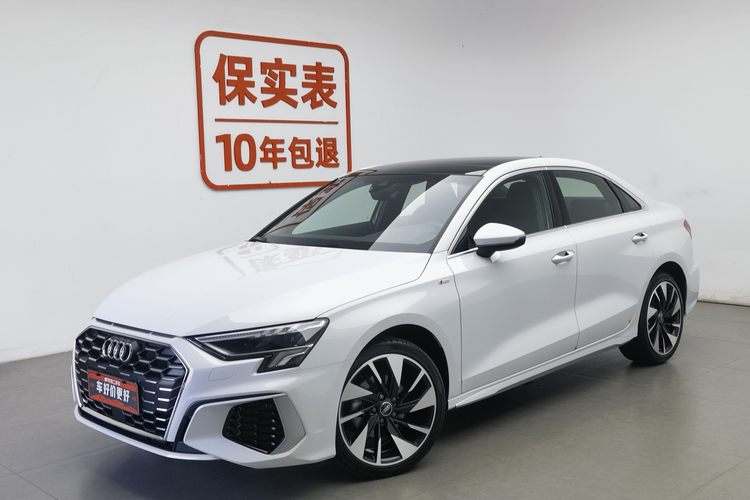
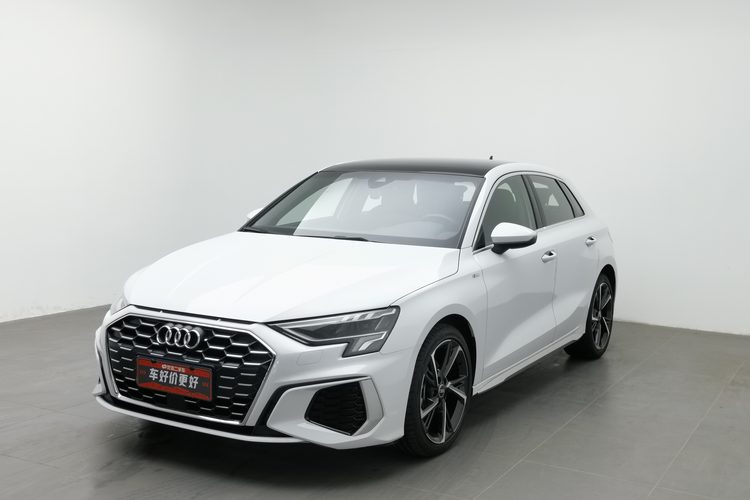
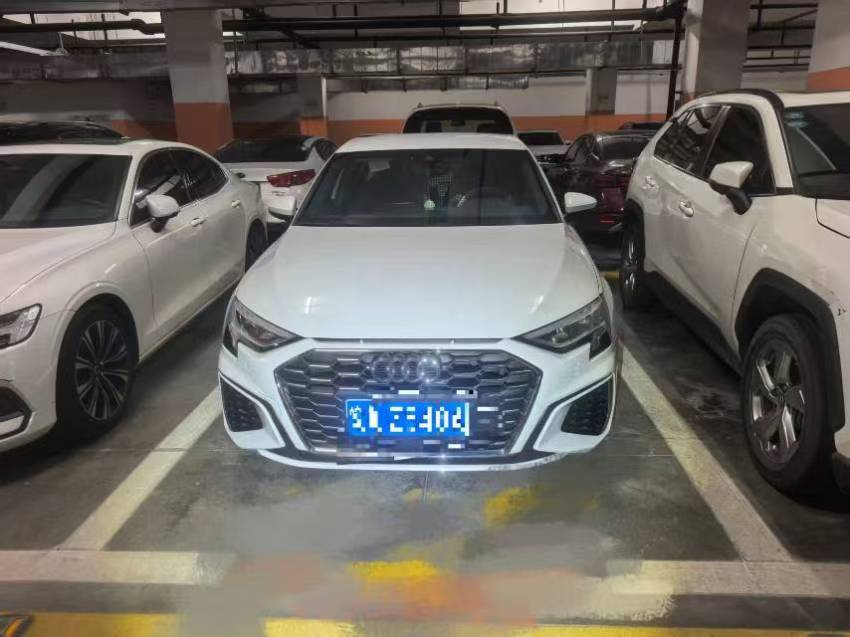
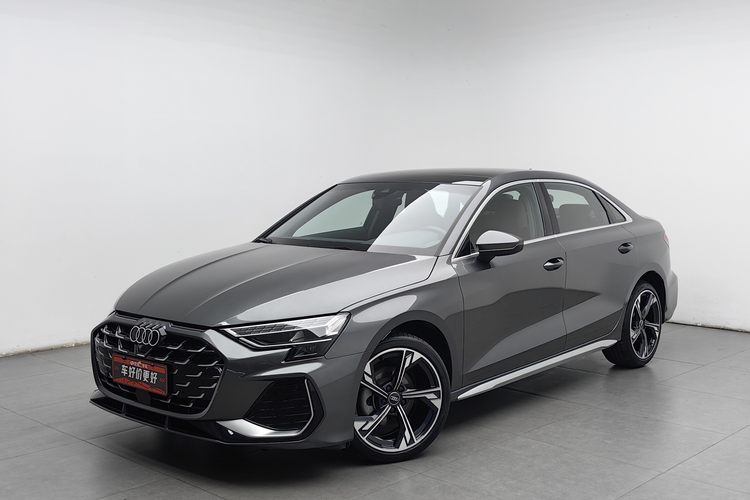
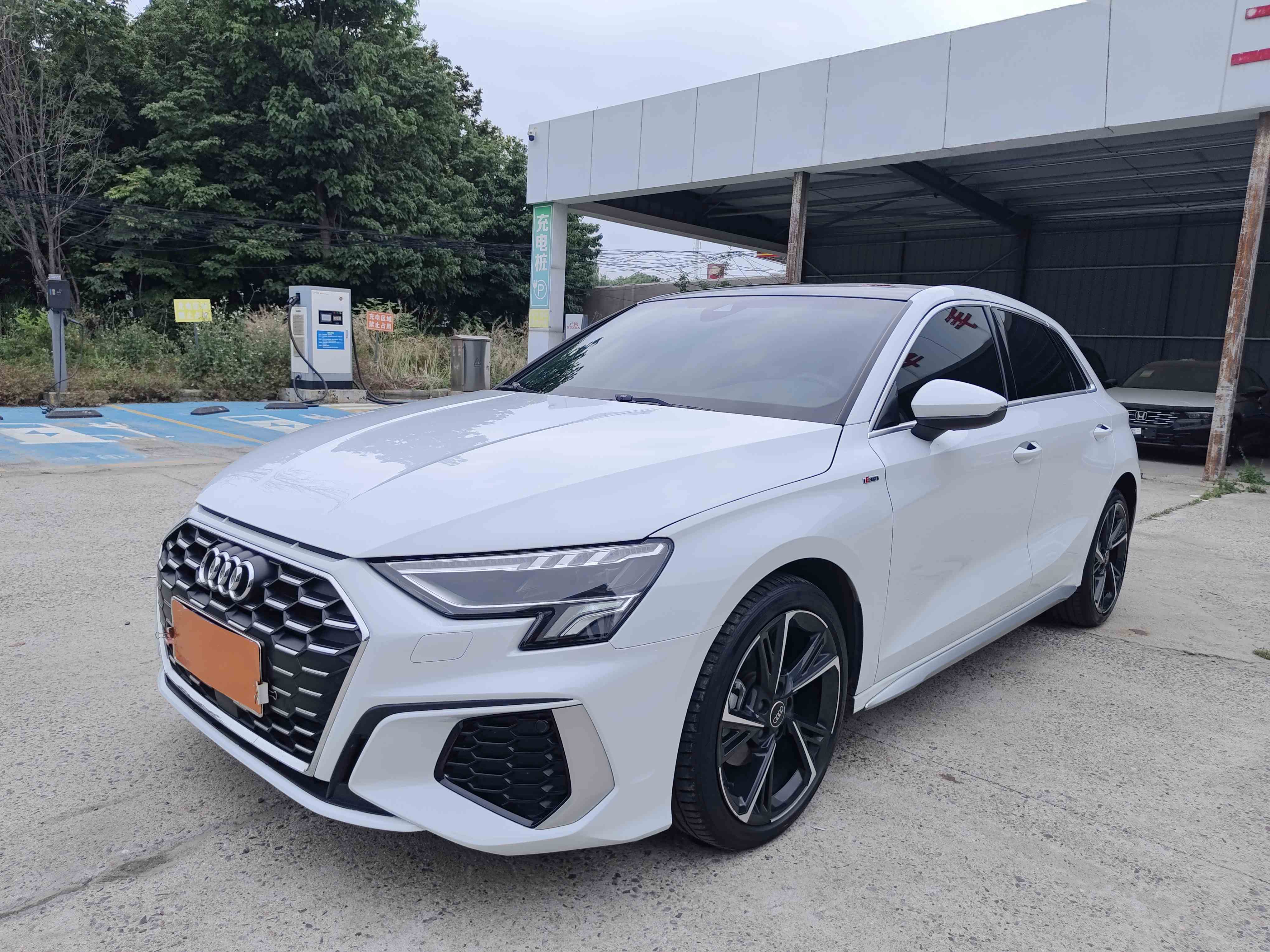
BrandAudi
SeriesA3
Year2024
First Registration2024/11
Mileage21,800km
Transfer Count-
FuelGasoline
TransmissionDCT
Engine1.4T 150 L4
ColorWhite
Seats-

Condition Description

Vehicle performance is good. Structural, reinforcement, and covering panels have no accident-related damage or repairs. The three-electric system (battery, motor, and electronic control) has no damage.

Accident inspection: main structure, reinforcement parts, covering panels, and hinges are undamaged. Engine bay inspection: key mechanical components are normal. Exterior: no issues. Interior: most features are normal; airbags, seatbelts, dashboard, gauges, and lighting system are normal. Startup inspection: main components are normal. Onboard tools: none.

电话直连
可讲价
平台物流
零过户
新检测标准升级>
非泡水

Document Information

Inspection Expiry Date2026/11
Warranty Expiry Date-
Insurance Expiry Date2026/11

Q&A

More

What is the difference between EXW, FOB, and CIF prices from a Chinese exporter, and which incoterm should I choose as a first-time buyer?

EXW means you pay only for the car at the seller's yard—you handle everything else, including inland transport in China and export clearance, which is impractical from overseas. FOB includes delivery to the port and export customs clearance; you pay for ocean freight and insurance. CIF adds freight and basic insurance to a named destination port. For a first-time buyer, FOB is usually the best balance: the exporter, who knows Chinese logistics, handles the complicated part, while you control the freight booking and can shop rates among forwarders. Watch for exporters quoting unrealistically low FOB prices and making margin on inflated 'shipping services' later. Get a separate freight quote before signing, and compare the exporter's CIF offer against FOB plus your own freight estimate. Ask explicitly whether the price includes inspection, export license fees, and port charges—ambiguity here is the most common source of disputes.


How long does sea freight from China take to major destinations, and what shipping methods are available?

Two main shipping methods are used for used cars from China: 1) Container shipping: the car is loaded into a 20ft or 40ft container. Safer, protects from weather and damage, and allows personal items inside the car. Slightly more expensive. 2) RoRo (roll-on/roll-off): the car is driven onto the ship. Cheaper for single units, but no protection and no personal belongings allowed. Typical transit times from major Chinese ports (Shanghai, Guangzhou, Shenzhen, Qingdao): - Middle East: 12-20 days - Europe: 25-40 days - East/West Africa: 30-45 days - South America: 35-50 days - Southeast Asia: 5-12 days Add 5-10 days on each side for port handling, customs, and inland delivery. Peak season (before Chinese New Year and summer) can add delays, so book space 2-3 weeks ahead.

Can I authorize my local partner in China to sign the car purchase contract on my behalf?

Yes, but you must provide a legally certified Power of Attorney (POA) authenticated by your country's notary or embassy. Contracts signed without legal authorization will not be recognized by our Ministry of Justice.