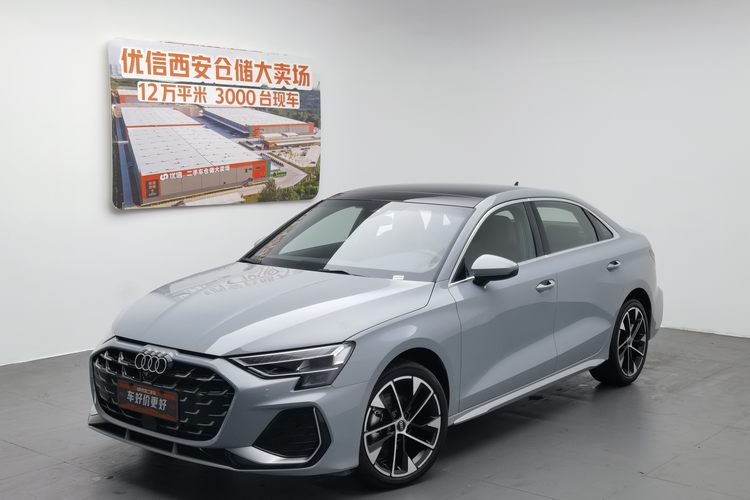
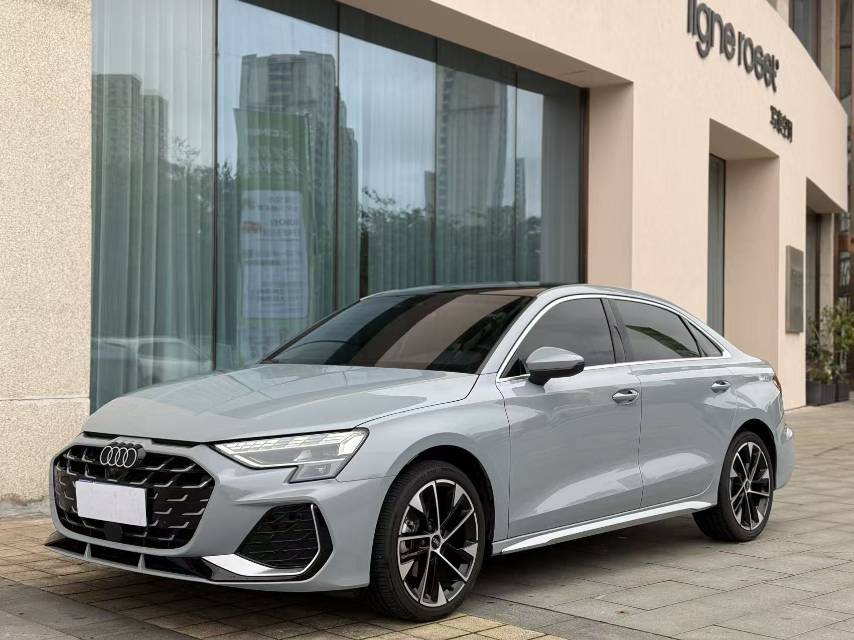
Basic Information

BrandAudi
SeriesA3
Year2025
First Registration2025/11
Mileage16,000km
Transfer Count0times
FuelGasoline
TransmissionDCT
Engine1.5T 160 L4
Color
Seats5seats

Condition Description

官方质检 · 60天全车质保· 7天无理由有偿退车

Configuration Highlights

✓上牌时间: 2025-11
✓表显里程: 1.6万公里
✓车源地: 宁波
✓排放标准: 国六b
✓百公里加速: 8.7s
✓发动机: 1.5T
✓轴距: 2730mm
✓变速箱: 自动
✓功能配置: 23项
✓安全配置: 7项
✓动力类型: 前驱
✓空间舒适性: 一般

Q&A

More

Can I combine several cars into one container to save on freight when importing from China, and how does consolidation work?

Yes, consolidation is common and can cut freight cost per car significantly, especially for shared purchases or small-volume importers. How it works: 1. A 40ft high-cube container typically fits 2-4 cars depending on size and loading method (standard loading vs. specialized racking that allows 4+ cars). Confirm the loading plan with your forwarder in writing. 2. Cars are secured with wheel chocks, straps, and padded braces. Professional loading with photos before the doors close is essential — request a photo report for insurance purposes. 3. One container means one bill of lading and one customs entry, but each car still needs its own invoice, export documents, and destination customs declaration. Things to watch: - Liability: if one car shifts and damages another in transit, insurance claims get complicated. Take out proper cargo insurance covering both vehicles. - Timing: all cars in the container must be ready at the same port at the same time, or you pay storage fees. - For EVs, check the shipping line's battery and state-of-charge rules — they may limit how many EVs go in one box. For a single car, RoRo or a 20ft container is usually simpler; consolidation mainly pays off from 2+ cars.


What engine health tests, like compression and leak-down, should be included in a pre-shipment inspection of a used car from China?

For gasoline cars, insist on a compression test: each cylinder should read within 10-15% of the others, and the actual values should match factory specs for that engine. A single low cylinder points to worn rings or valve problems that idle checks will never reveal. A leak-down test goes further. It pressurizes each cylinder and measures how much air escapes and where. Air hissing from the oil filler cap means ring wear; from the intake or exhaust means valve issues; bubbles in the radiator coolant mean a head gasket problem. This is the single most revealing test for engine condition. Also request OBD scan data with freeze-frame records, a coolant system pressure test (to catch hidden leaks), and an inspection of the timing belt or chain condition with service history. For electric vehicles, compression tests don't apply — instead ask for a battery health report from the BMS, motor insulation readings, and a road test logging any inverter or drive-unit fault codes. A written report with photos or video of each test is essential evidence for your records.

Can third-party services join the platform?

Yes. Third-party service providers in logistics, inspection, customs clearance, and finance can join the platform as "service providers."