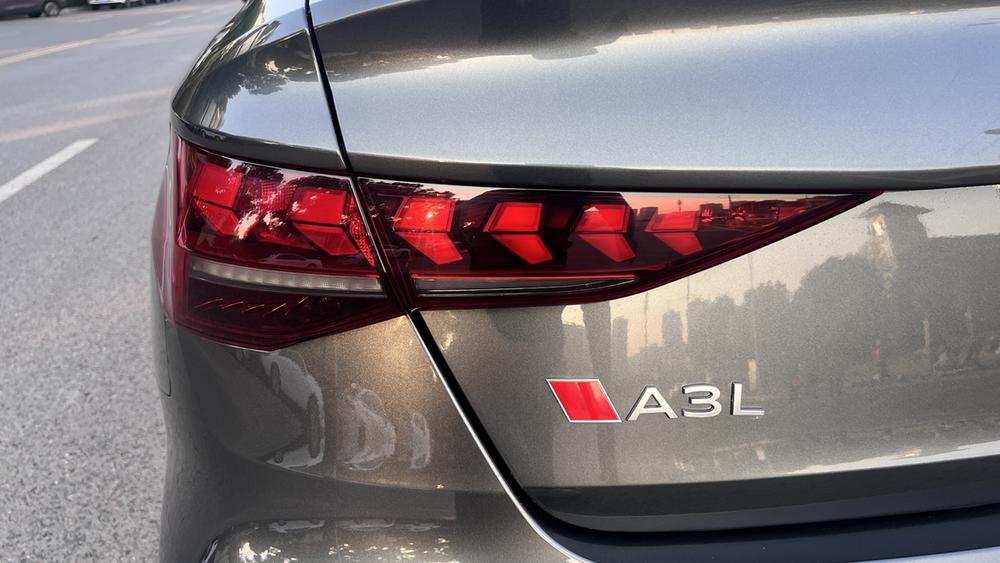
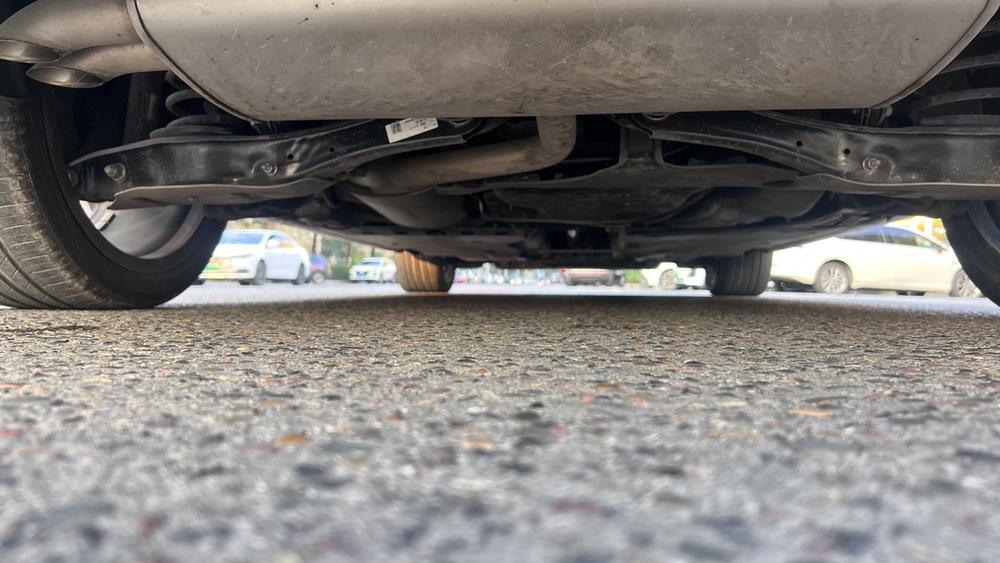
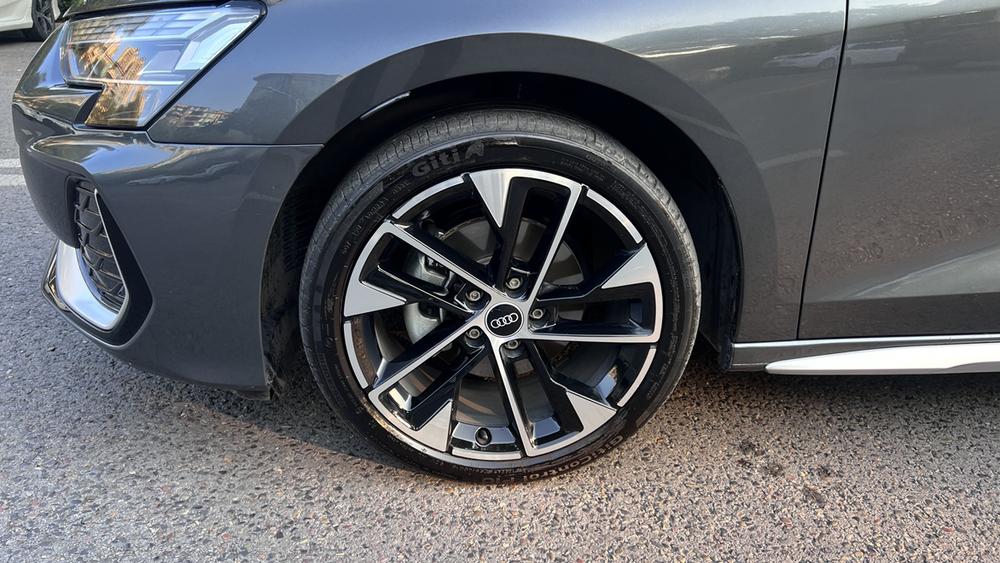
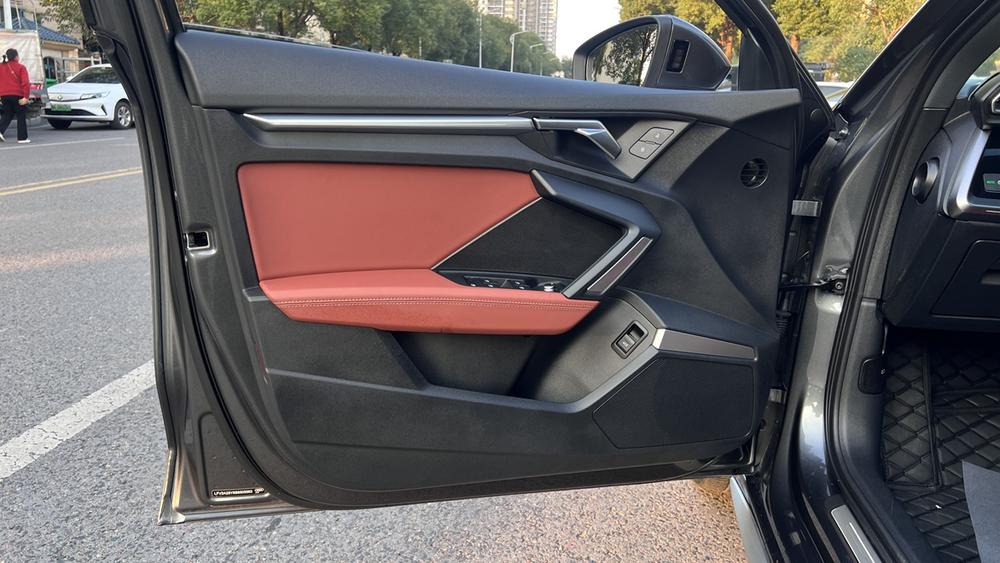
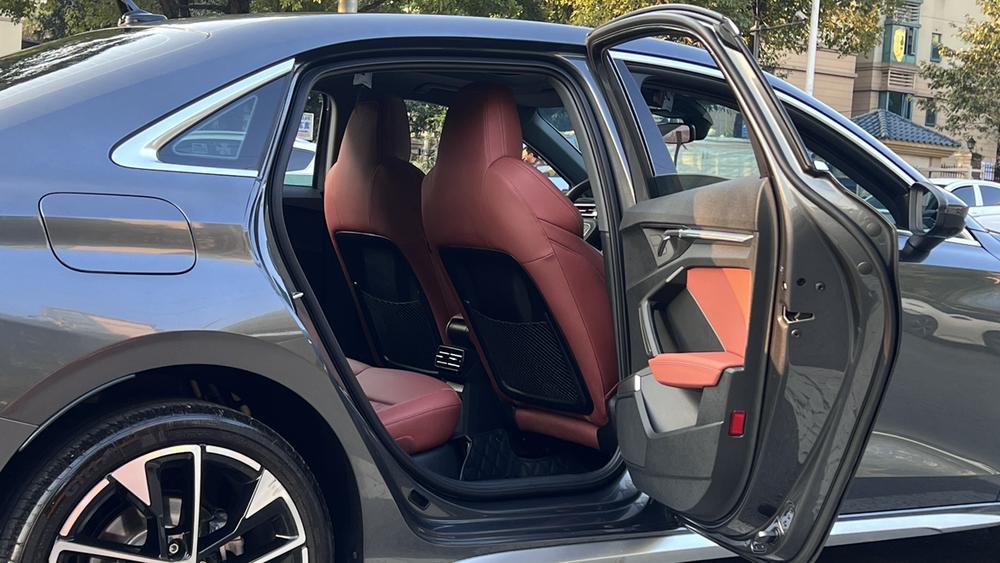
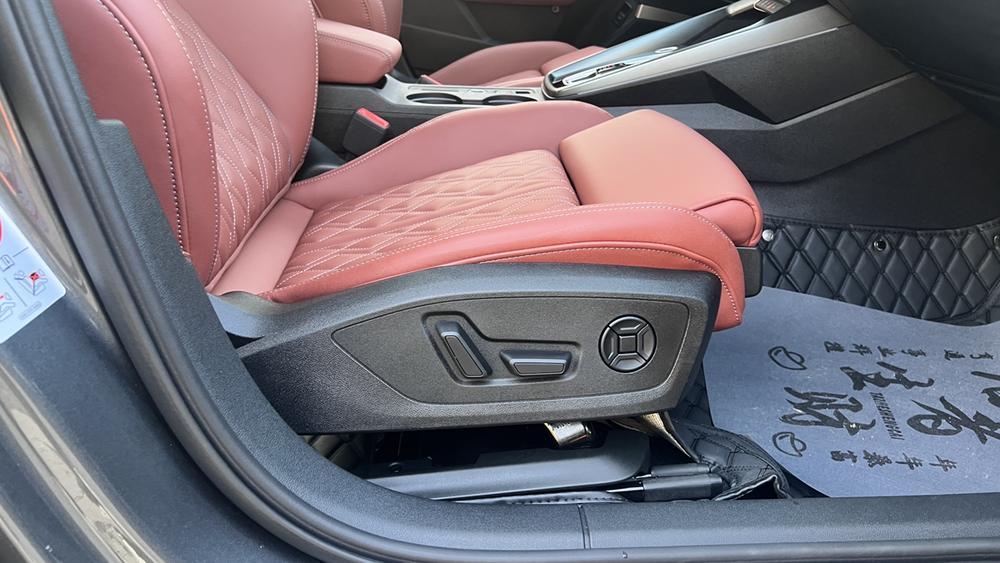
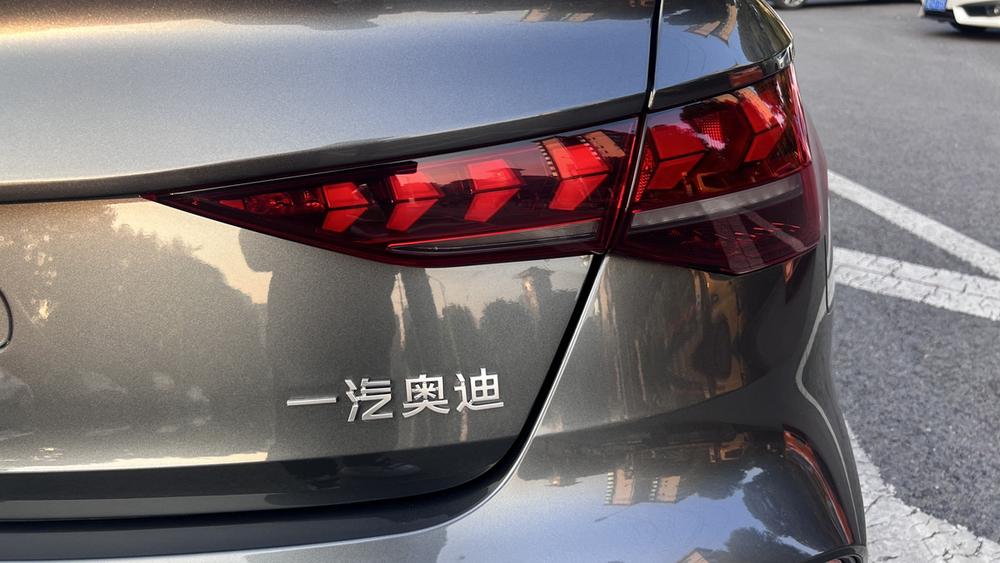
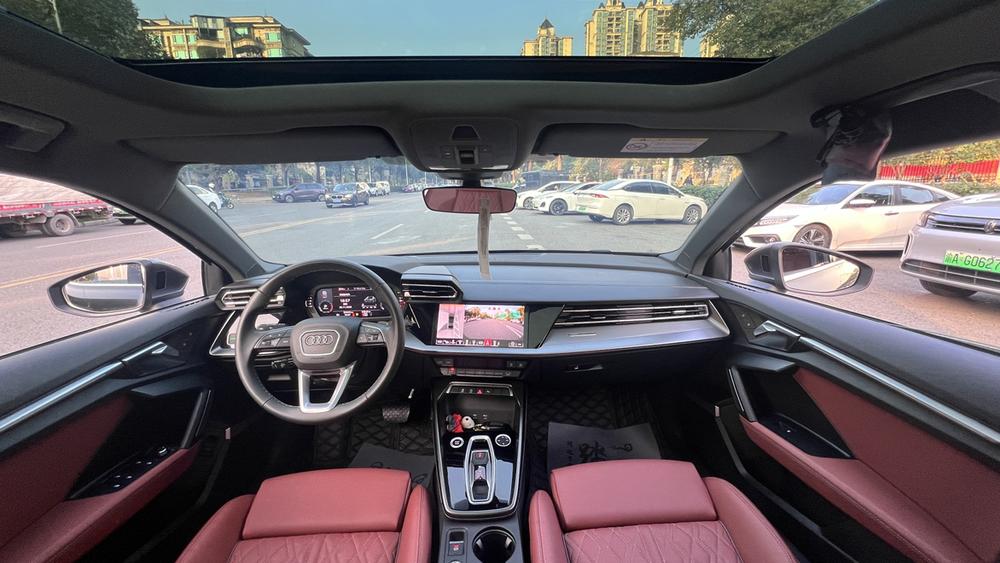
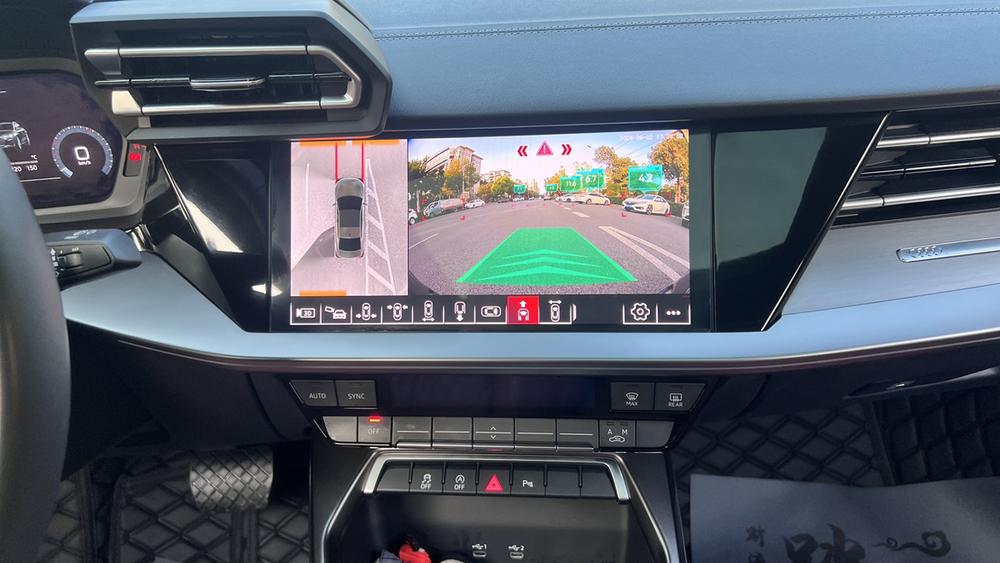
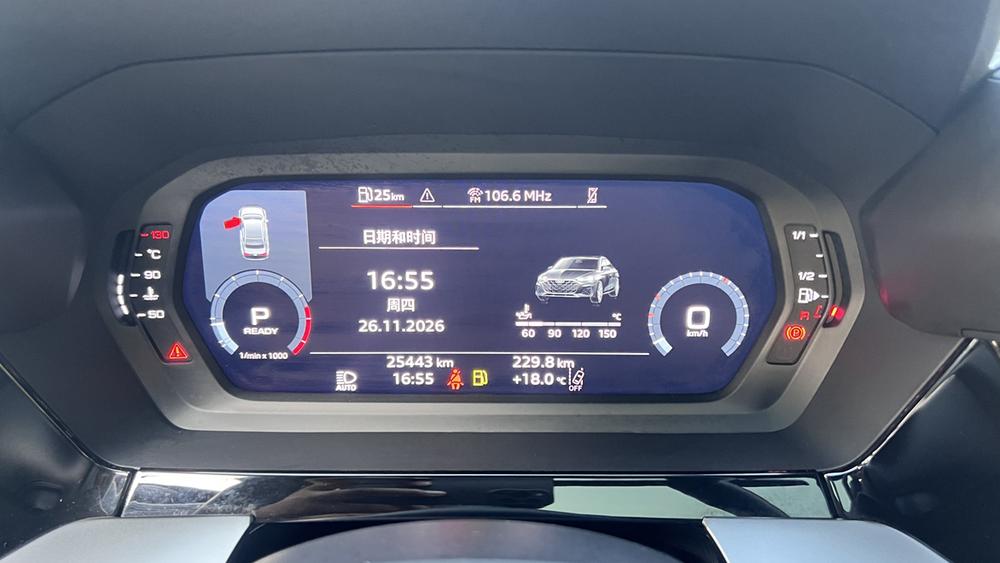
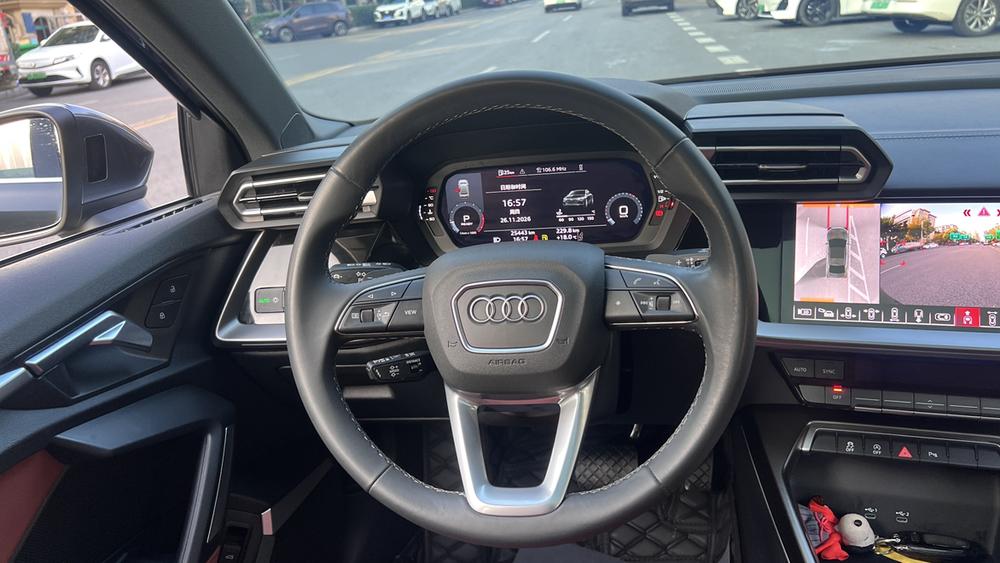
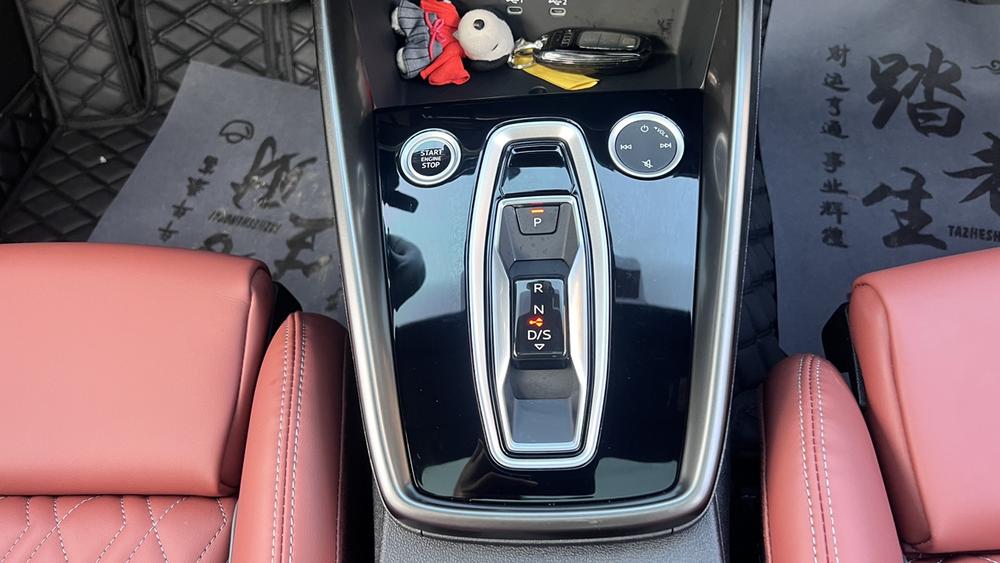
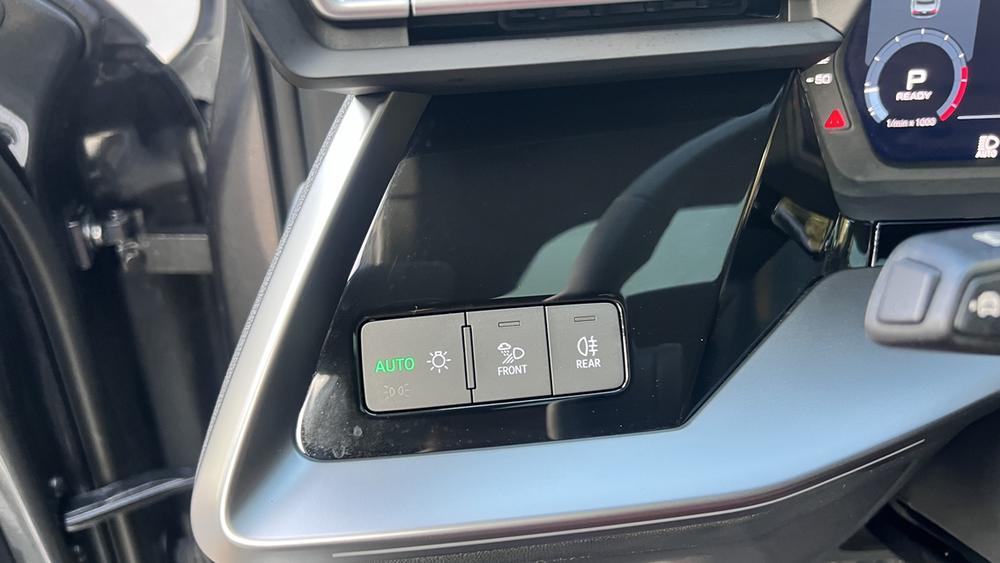
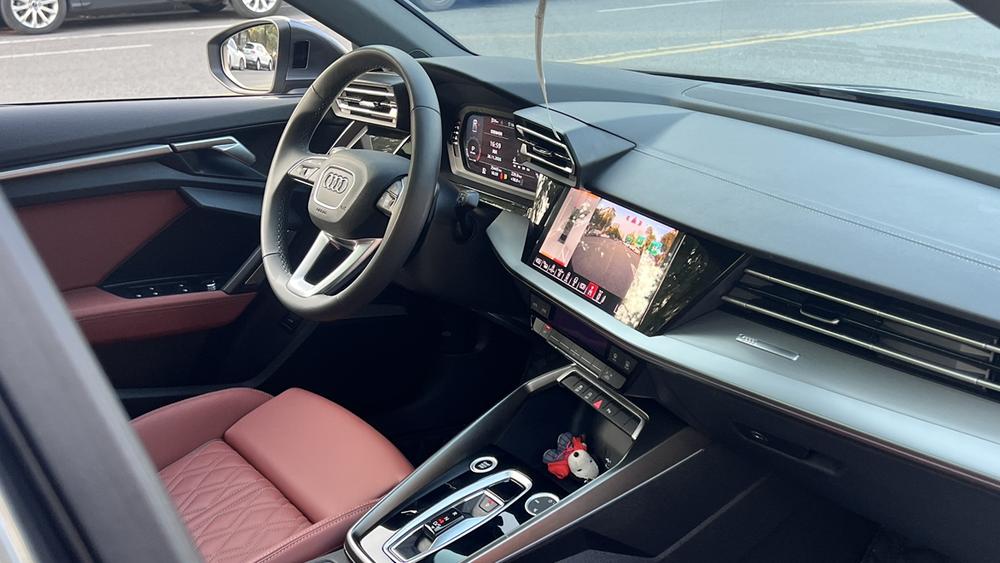
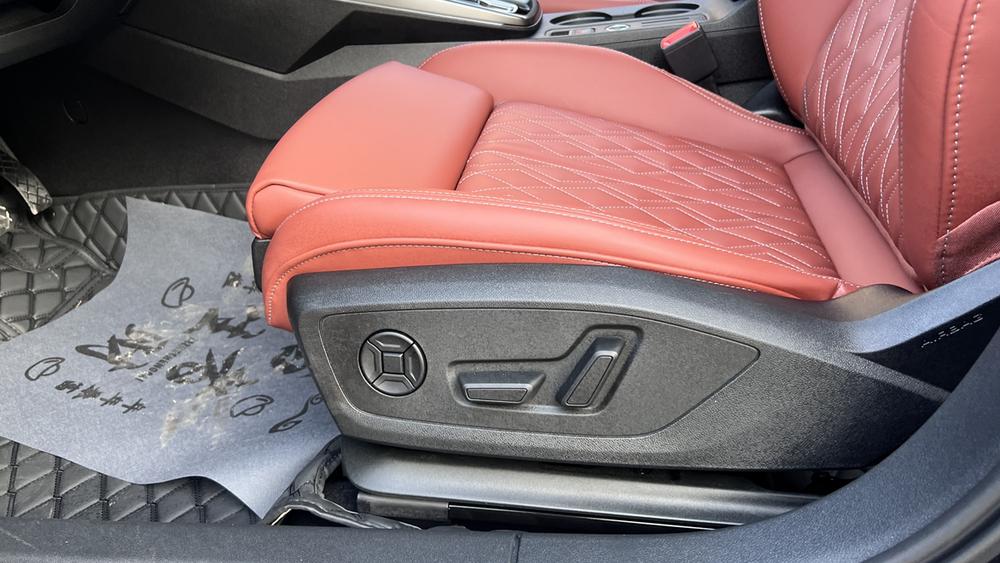
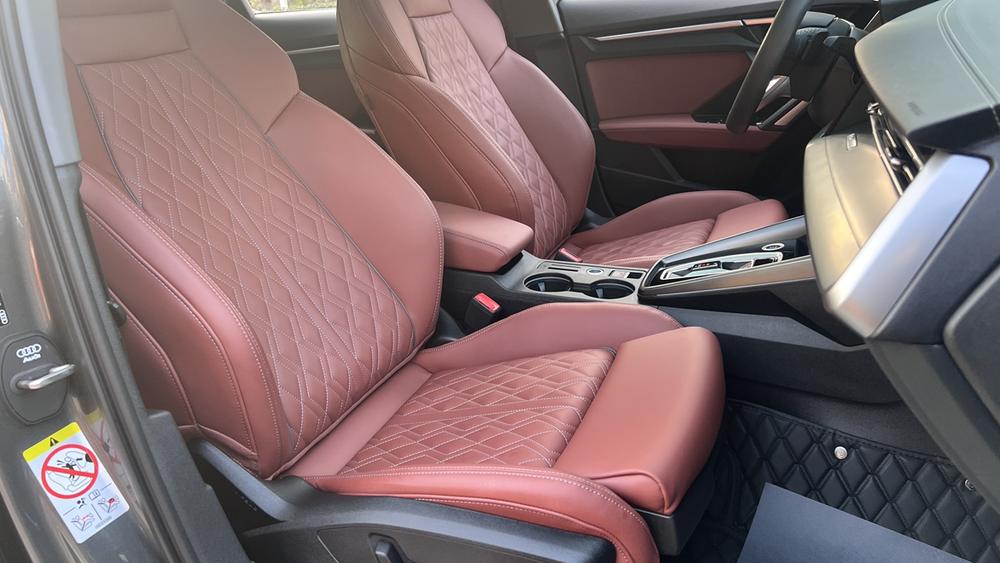
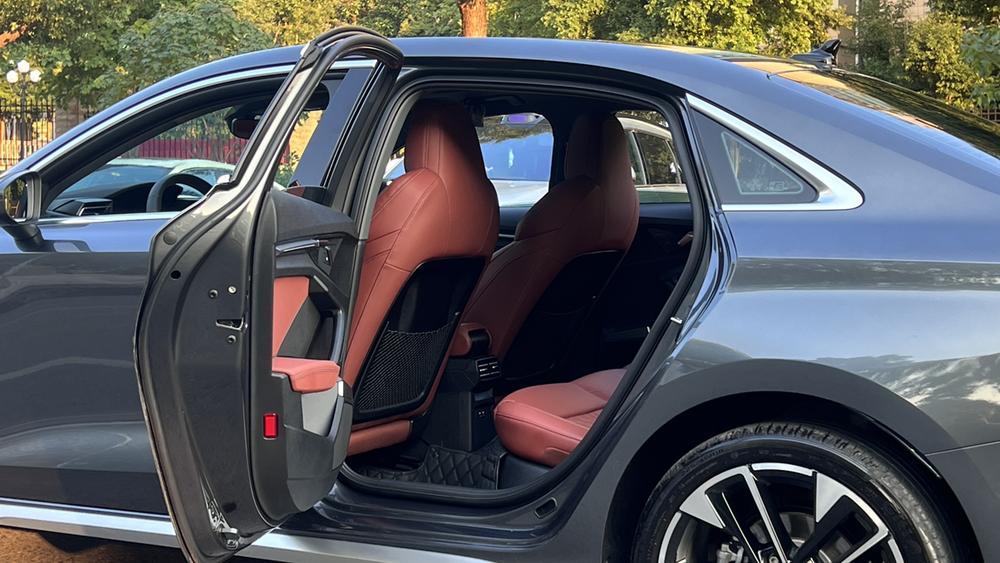
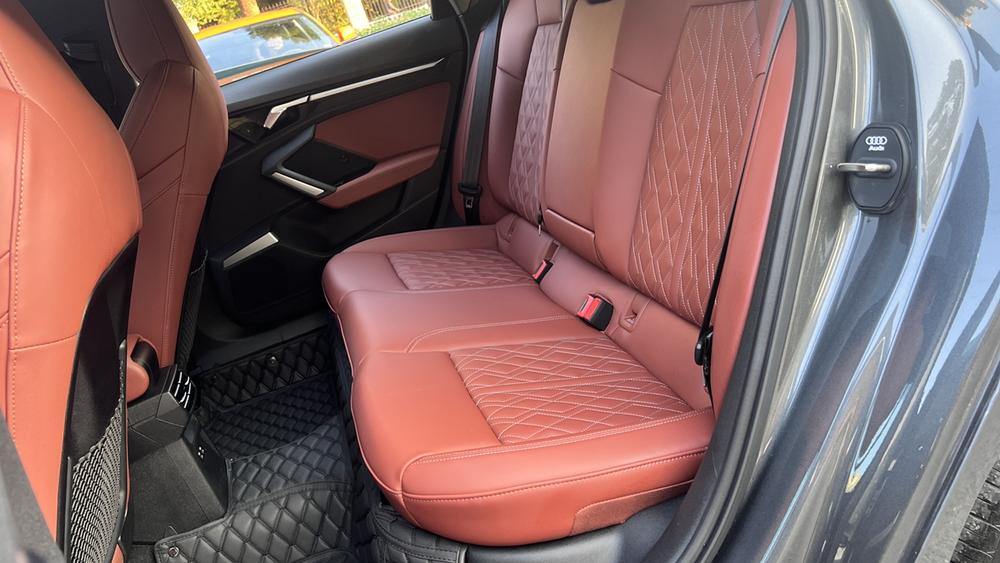



48H

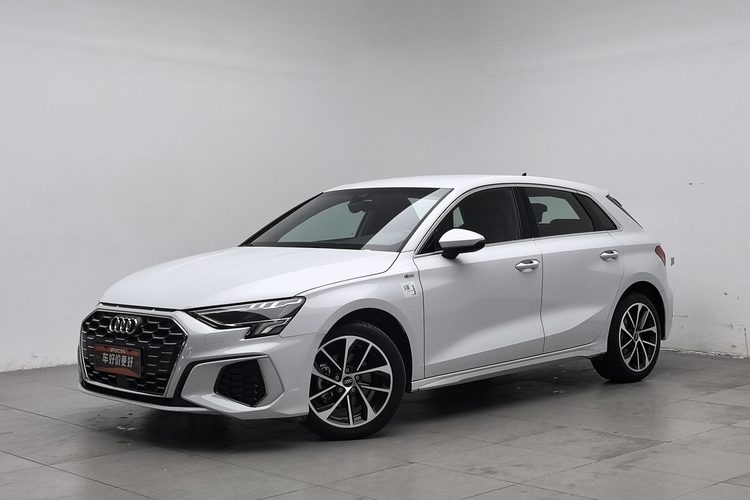
Basic Information

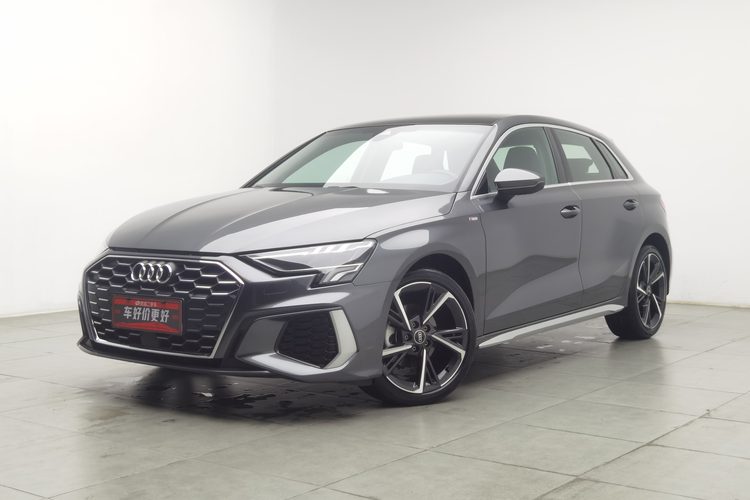
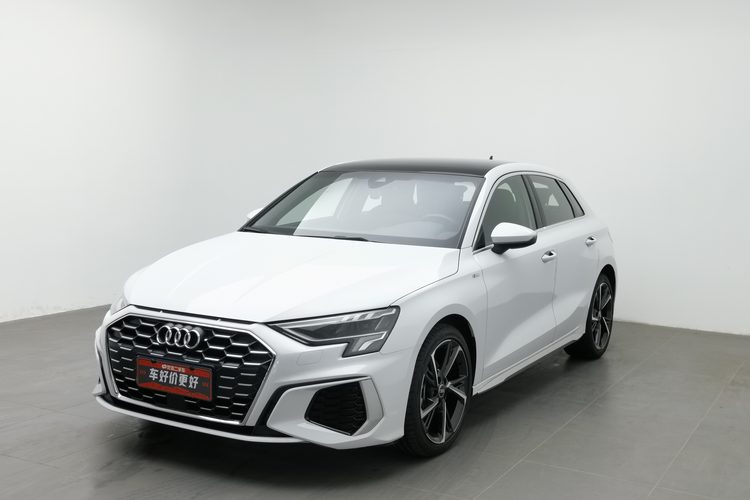
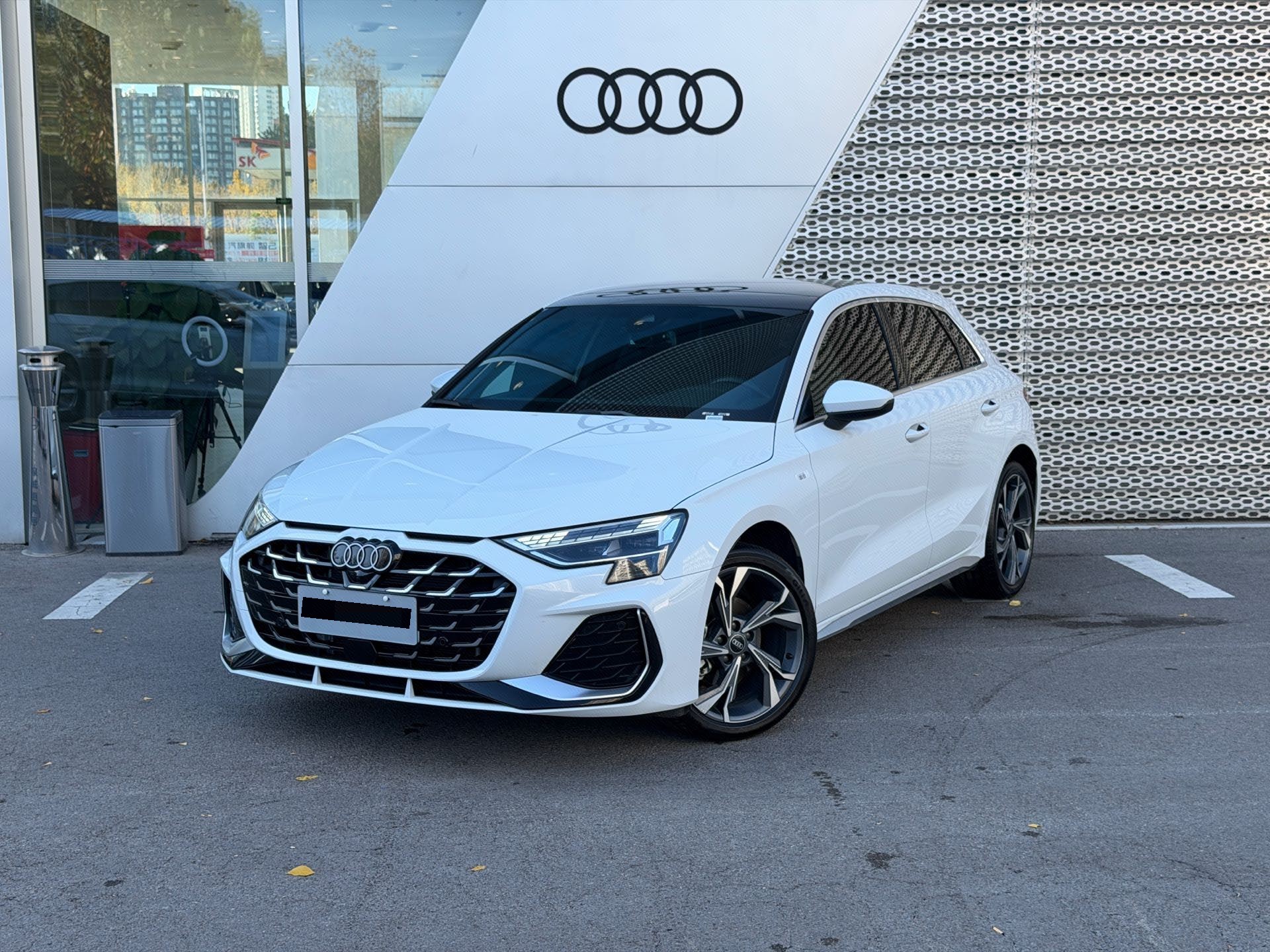
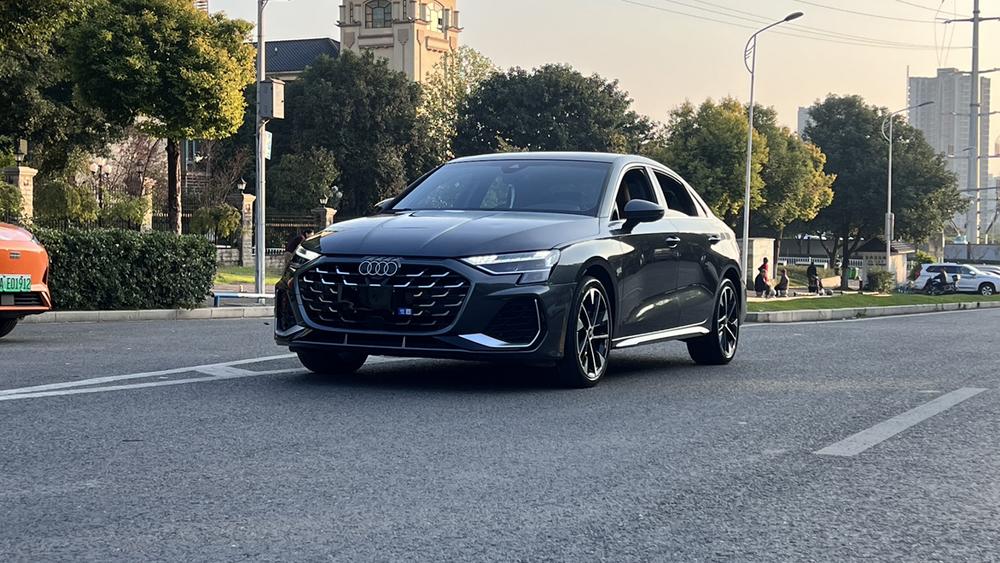
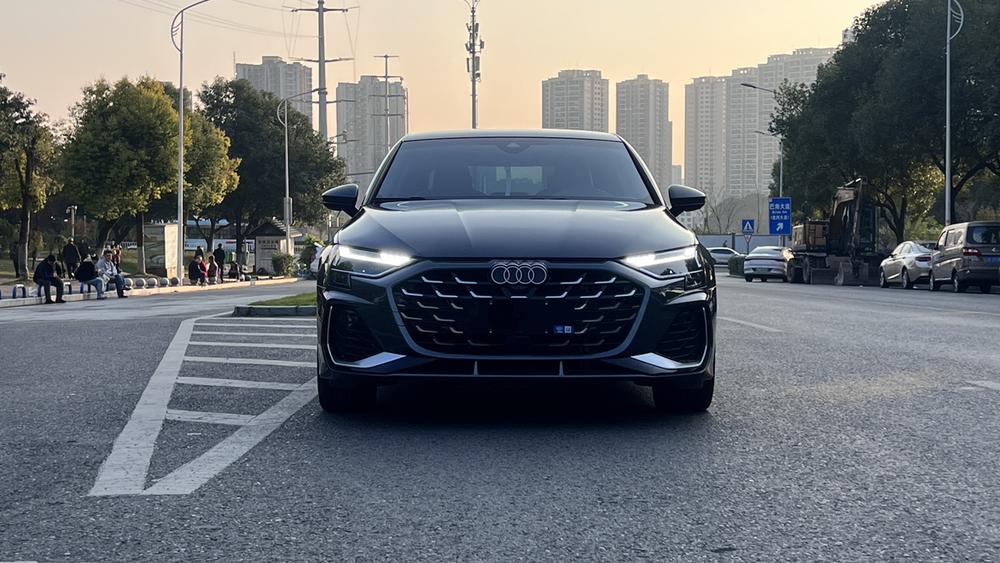
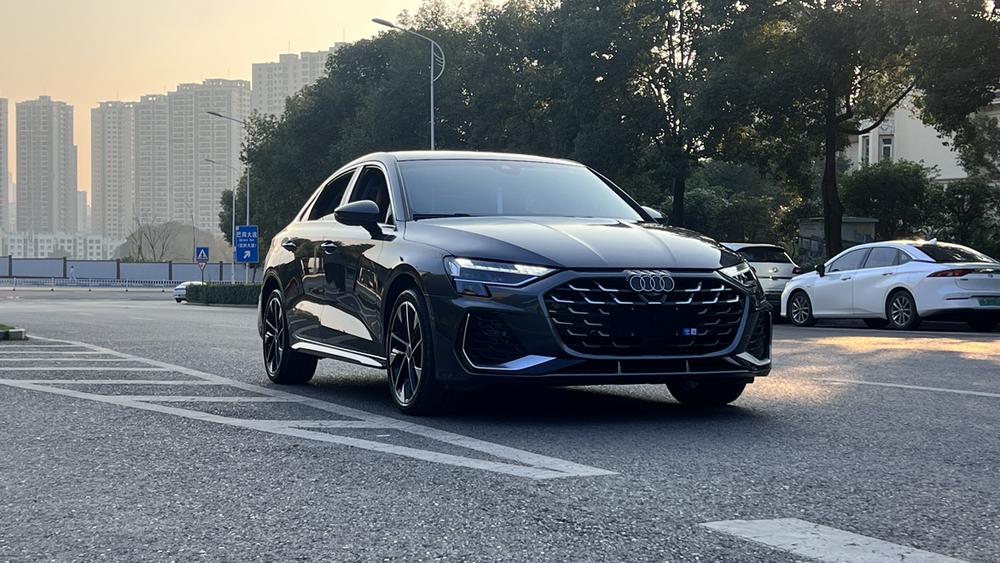
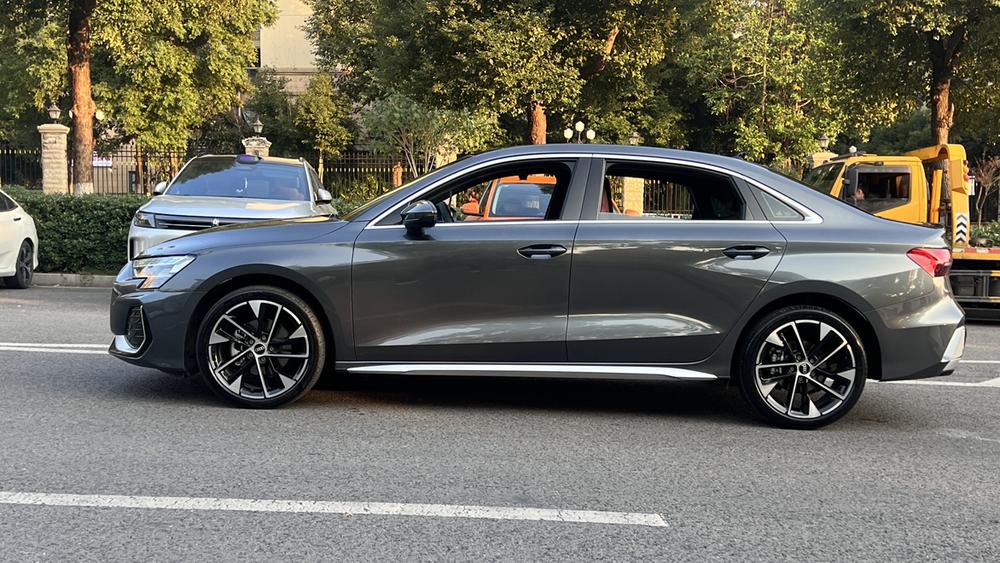
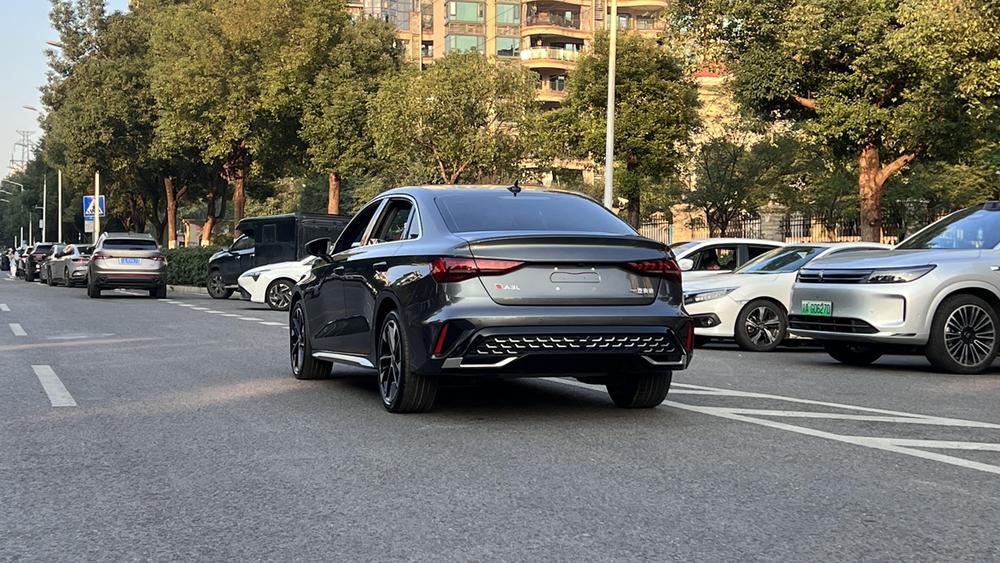
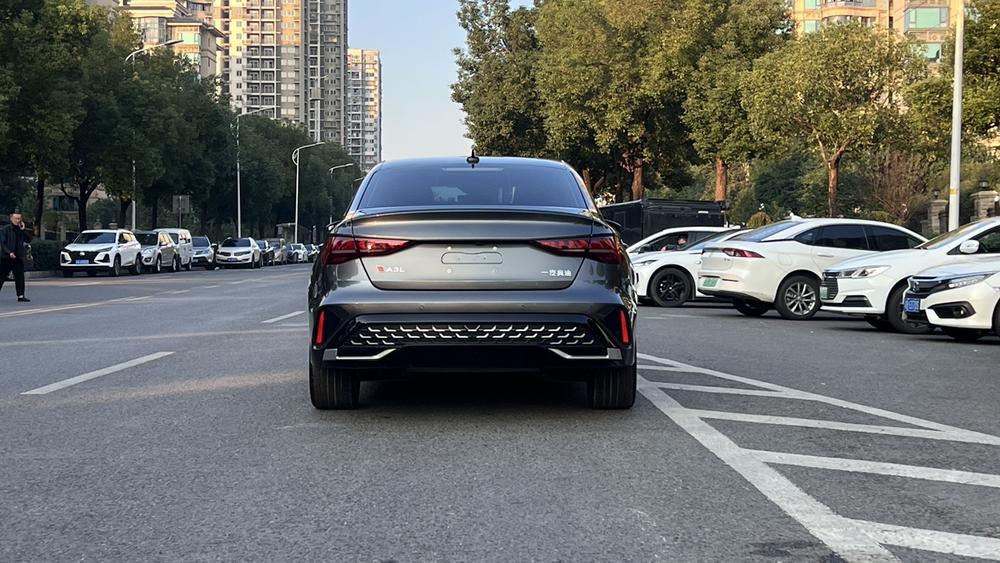
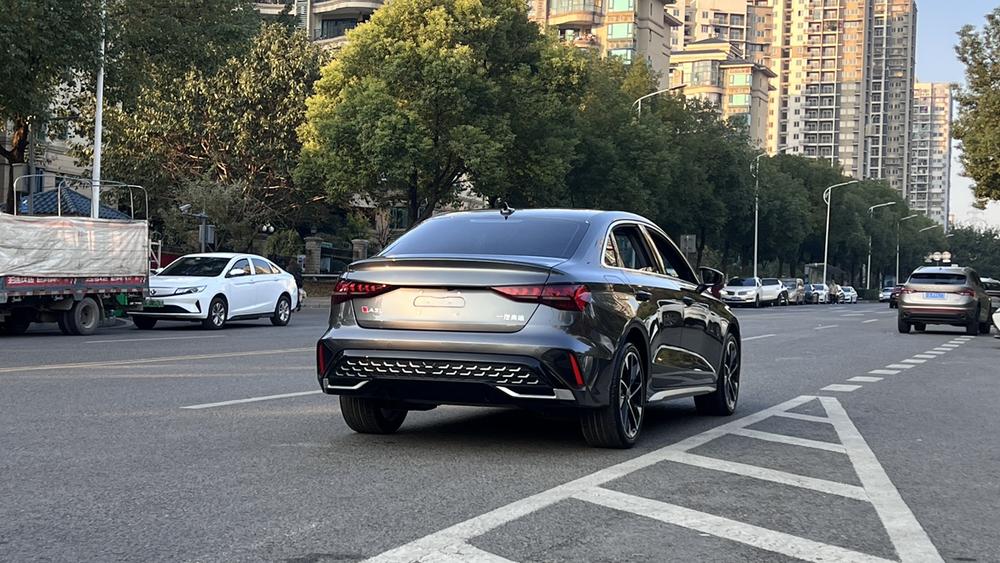
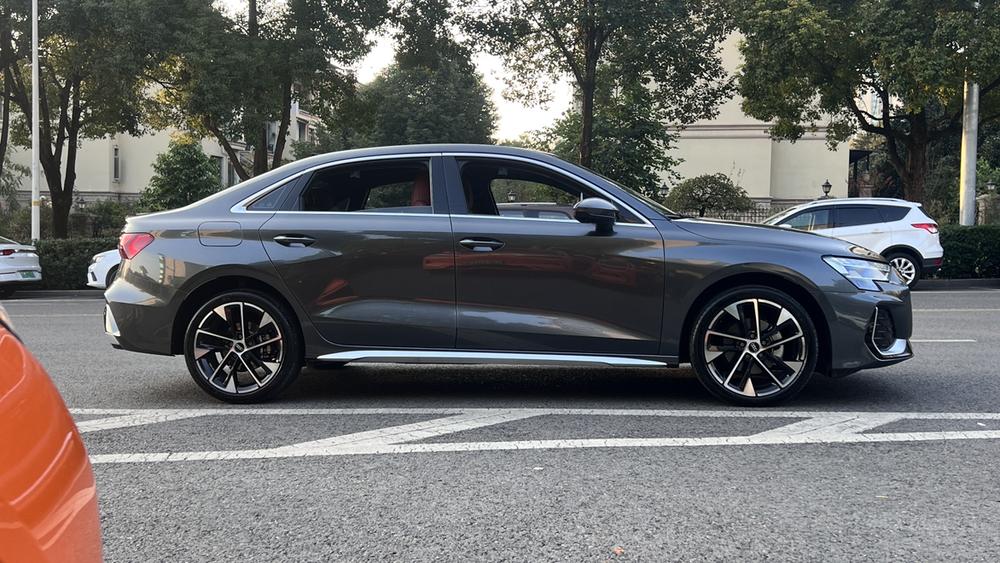
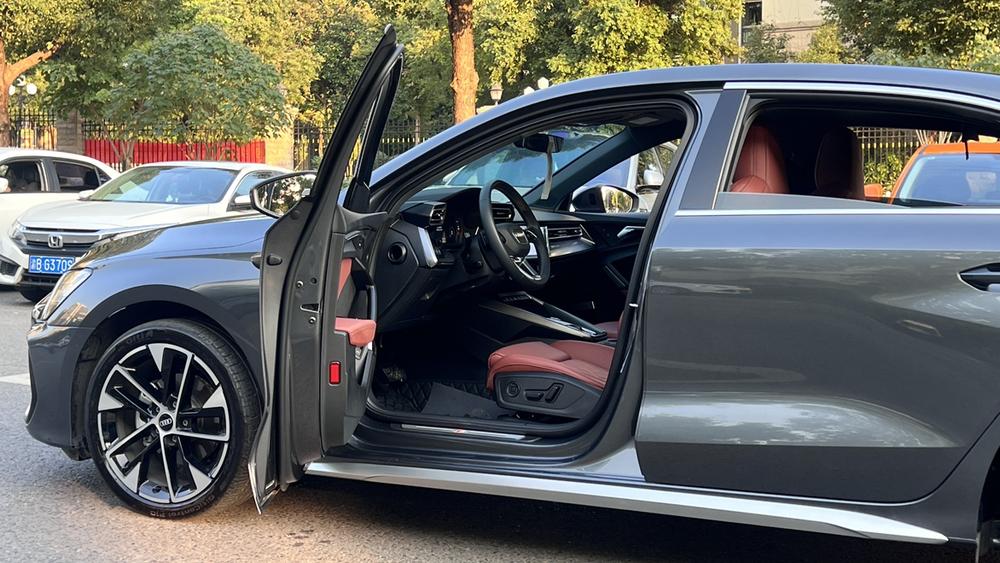
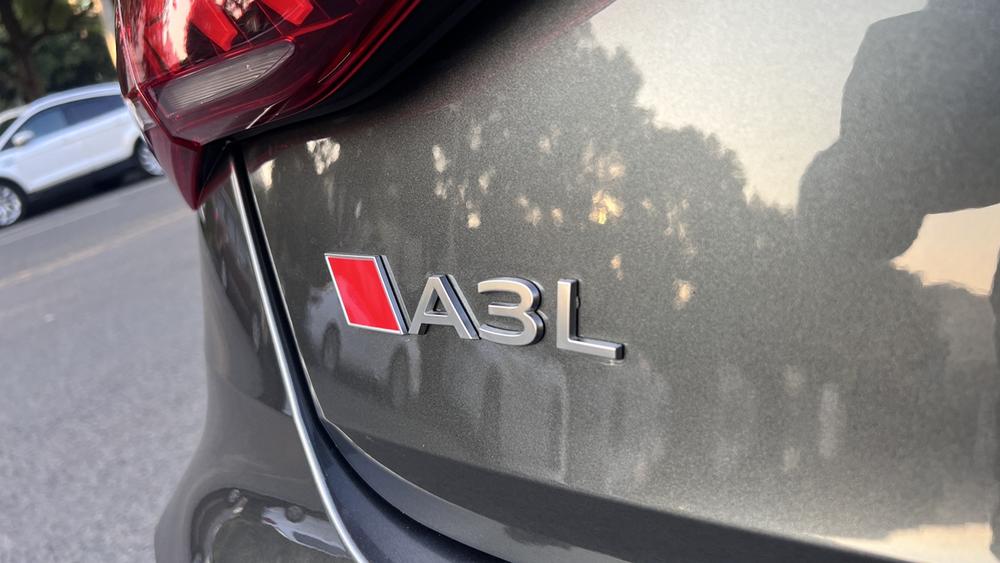
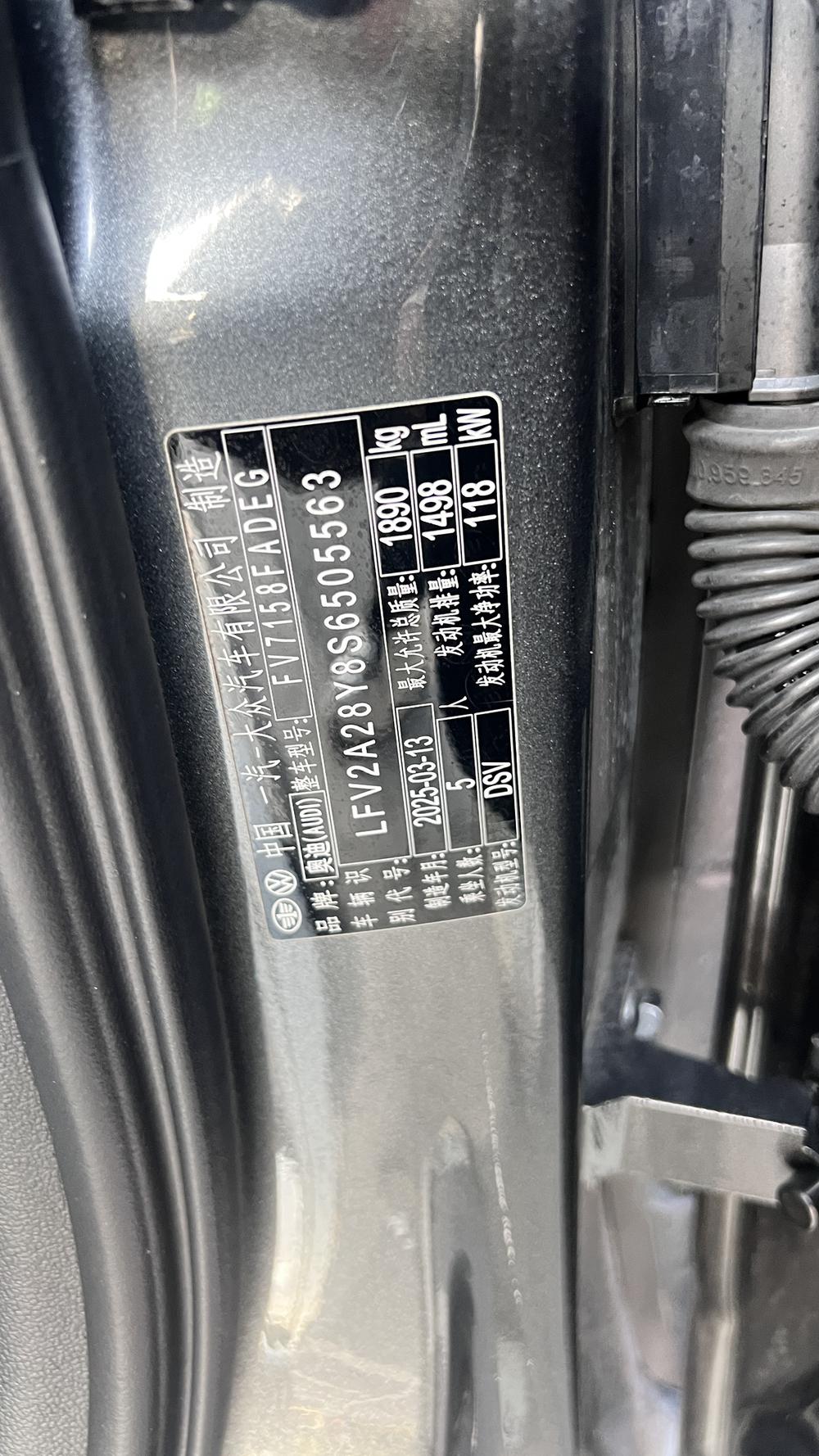
BrandAudi
SeriesA3
Year2025
First Registration2025/03
Mileage25,000km
Transfer Count0times
FuelGasoline
TransmissionDCT
Engine1.5T 160 L4
Color
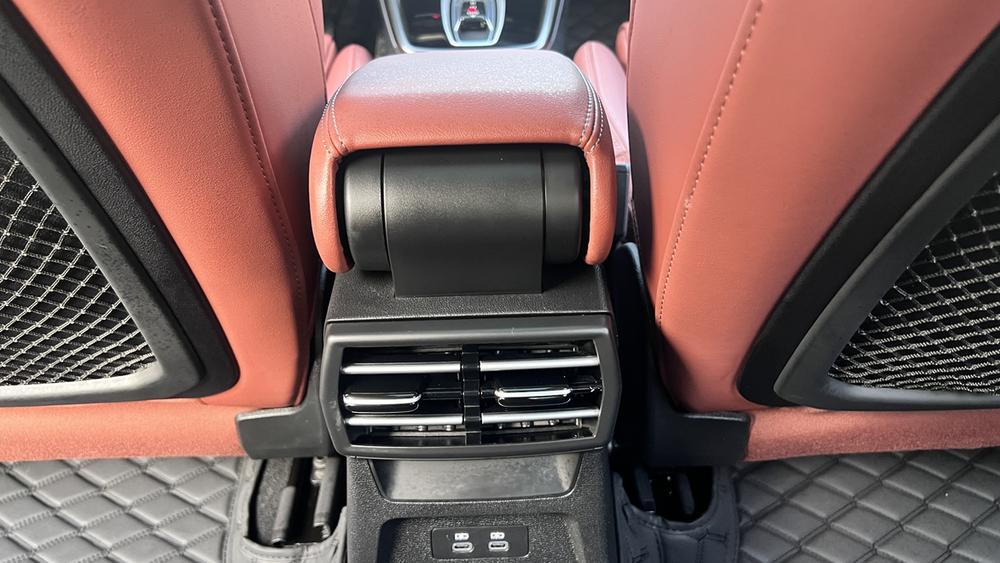
Seats5seats

Condition Description

官方质检 · 60天全车质保· 7天无理由有偿退车

Configuration Highlights

✓上牌时间: 2025-03
✓表显里程: 2.5万公里
✓车源地: 广安
✓排放标准: 国六b
✓百公里加速: 8.7s
✓发动机: 1.5T
✓轴距: 2730mm
✓变速箱: 自动
✓功能配置: 23项
✓安全配置: 7项
✓动力类型: 前驱
✓空间舒适性: 一般

Q&A

More

Will driver-assistance features (adaptive cruise, lane keeping) on a used Chinese car still work after export?

In most cases the hardware works fine abroad, but check three things before buying. First, map dependence. Adaptive cruise and lane centering work anywhere, but features tied to navigation data (predictive cruise, automatic speed-limit adjustment) may degrade if the built-in maps have no coverage in your country. Ask whether local maps can be loaded, or whether those functions simply switch off. Second, calibration. If the windshield, front bumper, radar or camera was ever replaced, the ADAS needs recalibration with manufacturer software. After a long sea voyage, a calibration check is cheap insurance — ask for the last calibration record, or have the inspector confirm no ADAS fault codes are stored. Third, tuning. Lane-keeping and speed-limit prompts calibrated for Chinese road markings usually behave acceptably elsewhere, though some drivers find the warnings overly sensitive and disable them. Bottom line: core functions travel well. Confirm map coverage and fault-free sensors in the inspection report.


What if the used car I imported from China turns out to be a bad deal—can I return it or get a refund?

In practice, returning an imported car is extremely difficult, so your protection must be built in before payment, not after. Once a used car has been exported, reversing the transaction involves re-export paperwork, duties, and freight costs that typically exceed any refund you'd recover. Most exporters' contracts treat the sale as final once the bill of lading is issued. What you can realistically do: 1. If the car differs materially from the contract (wrong VIN, undisclosed accident, tampered odometer), you have grounds for a claim. Document everything and negotiate a partial refund or repair credit—full refunds are rare. 2. If the seller committed outright fraud, you can pursue legal action in China or report to the platform, but cross-border enforcement is slow and costly. 3. Some exporters offer a short arrival warranty (usually 30-90 days) covering major mechanical failures. Claims require immediate notification, third-party inspection reports, and proof the damage existed at shipment. The practical takeaway: never rely on the possibility of a return. Spend the money on a thorough pre-shipment inspection and clear contract terms instead—it's far cheaper than a dispute.

My imported Chinese car needs a repair part. How do I claim warranty or order parts from the exporter?

Start by checking the after-sales clause in your contract—reputable exporters typically offer 3-12 months of parts support. The usual process: send the exporter a fault description with photos or a short video, plus your VIN and contract number. They will confirm whether it is a warranty case or a paid parts order. For warranty claims, common resolutions are free parts shipped with your next container, or a credit/refund for parts you source locally. Keep all communication in writing. To avoid long waits, ask for the OE part numbers in advance and check whether local dealers stock the same components—many Chinese brands share suppliers. Ordering common wear parts (filters, brake pads) together with the car shipment is the cheapest option by far.