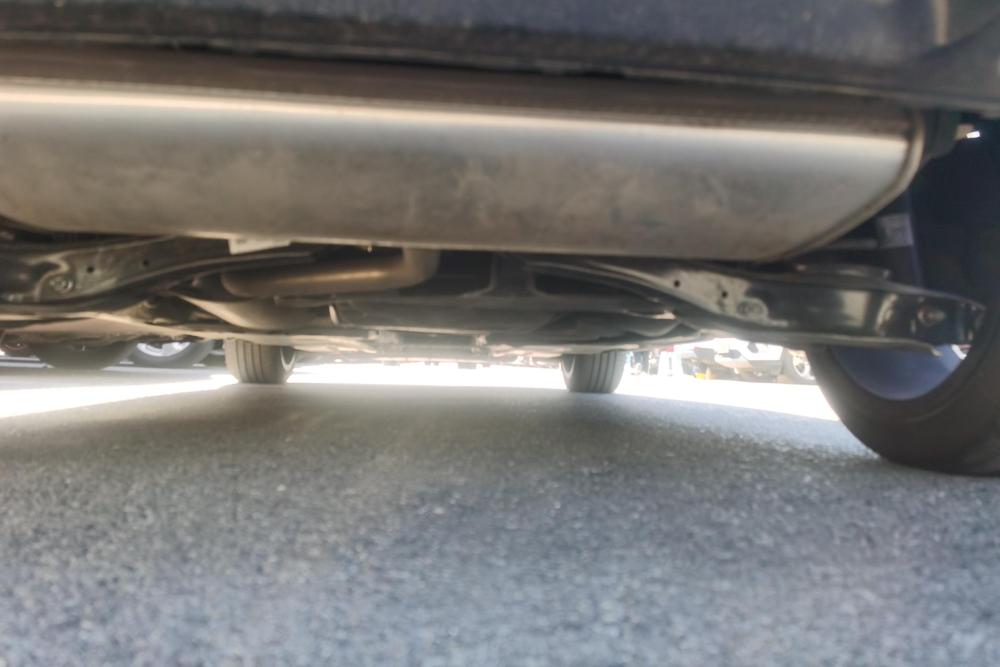
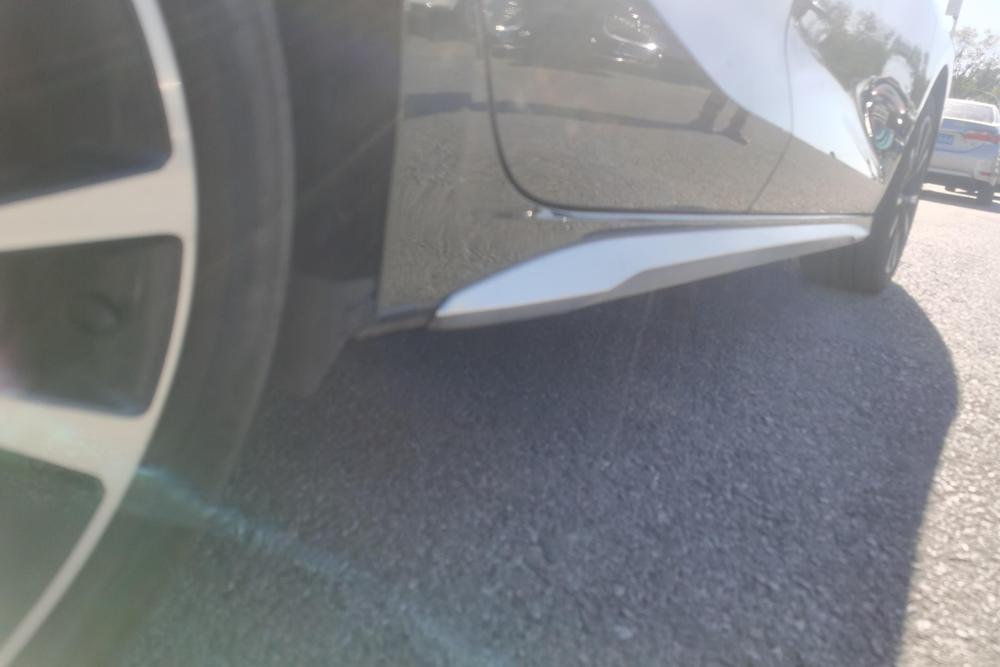
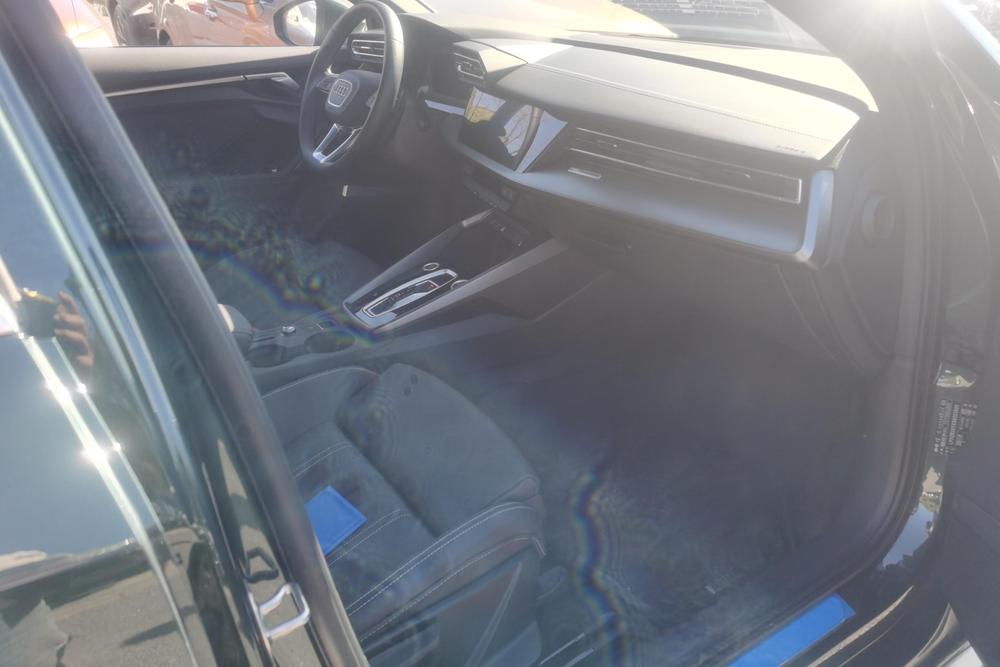
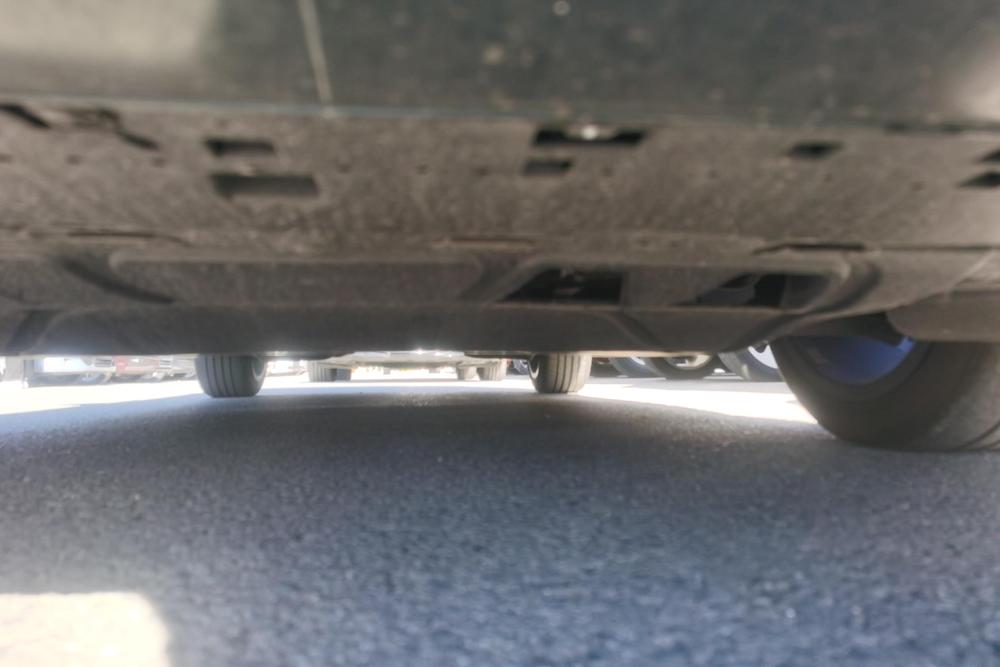
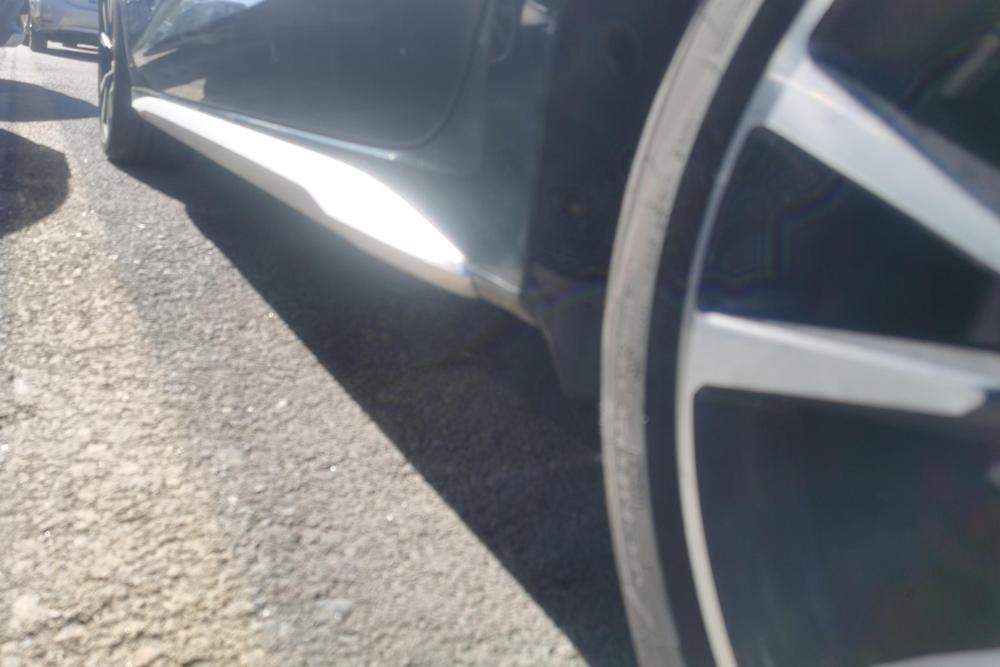
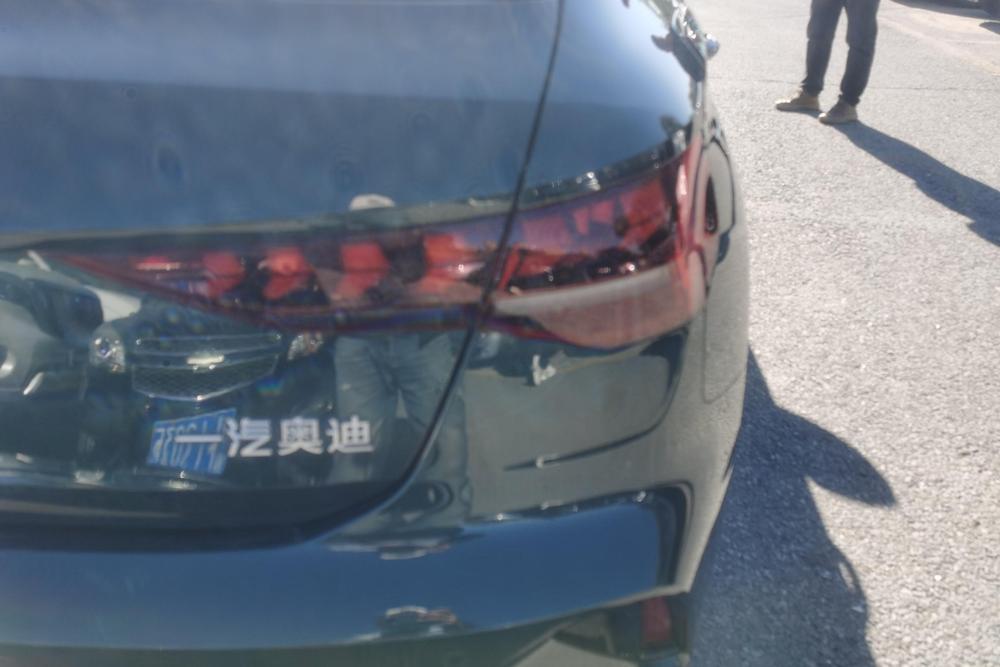
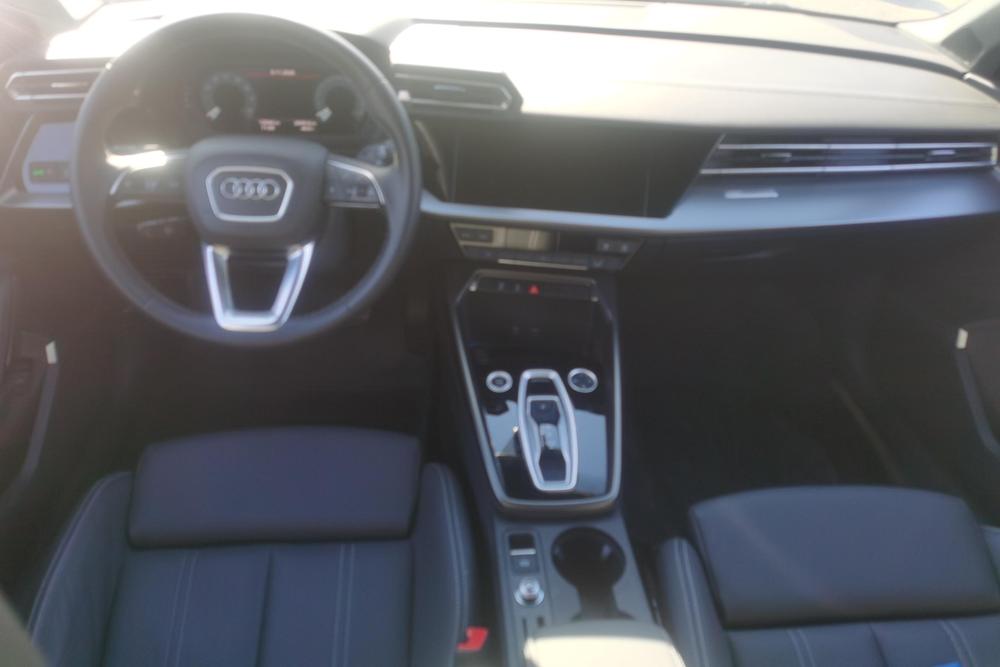
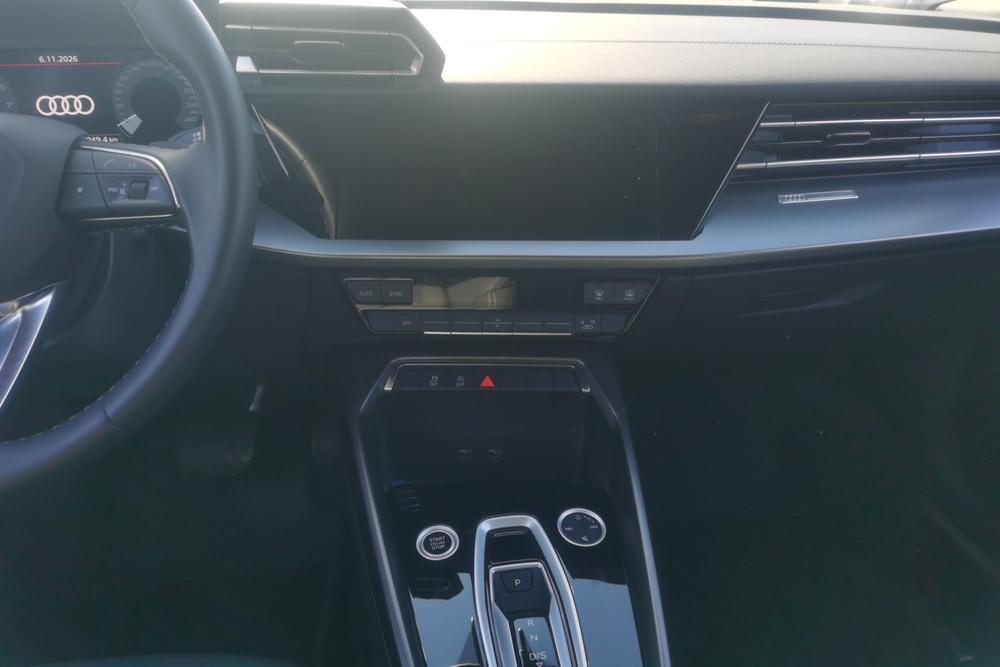
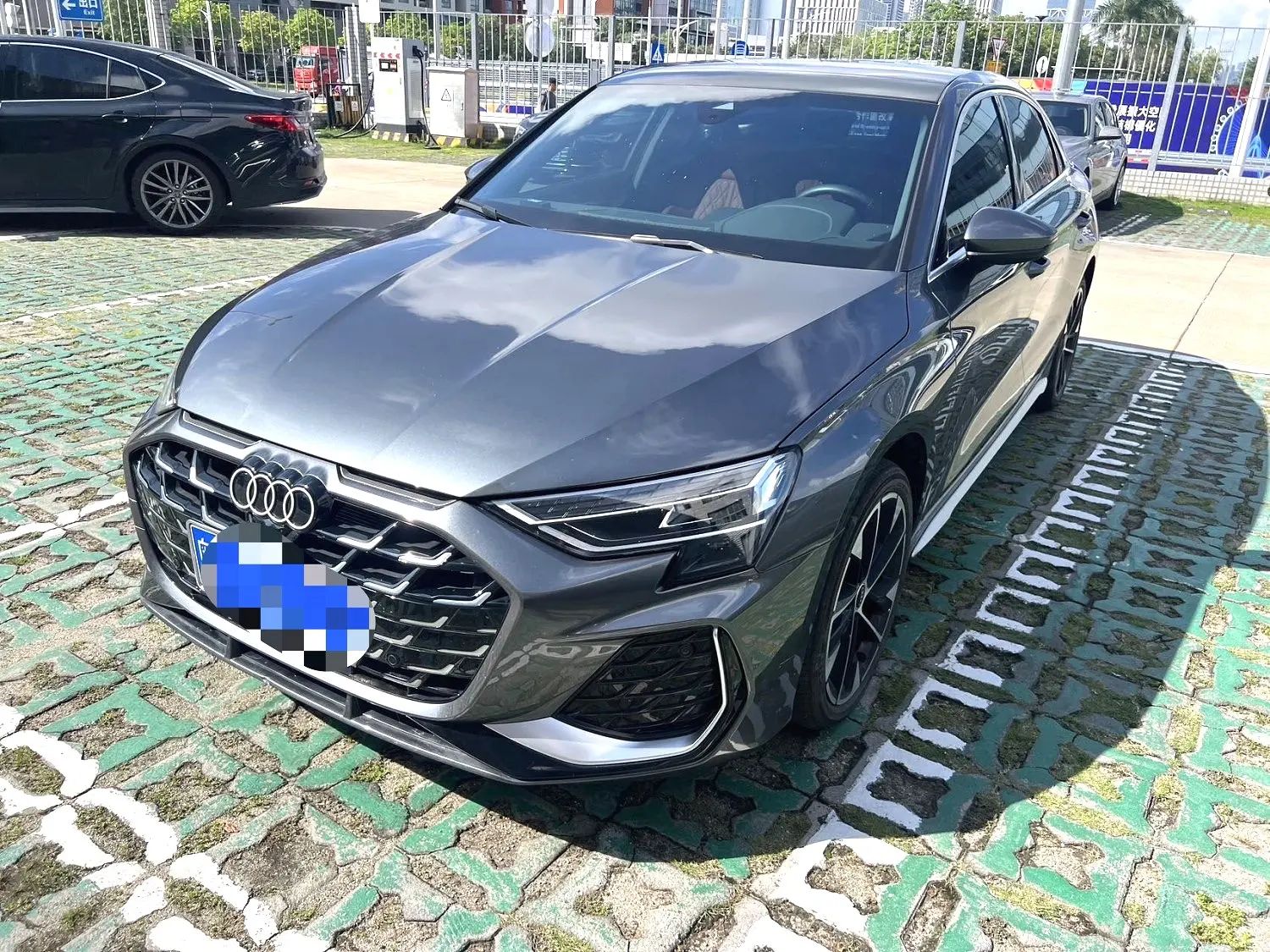
Basic Information

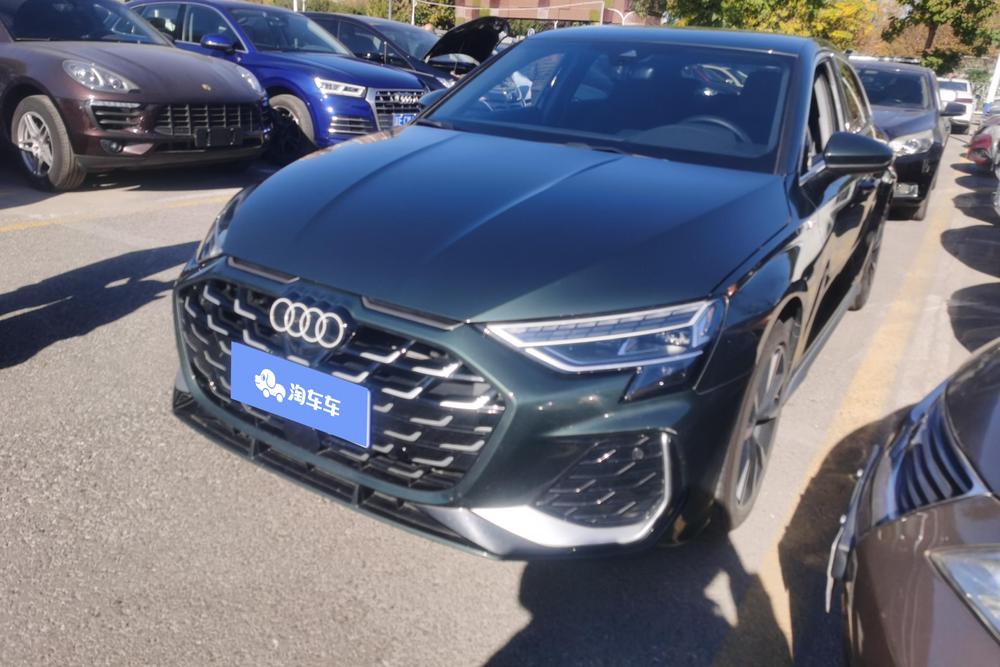
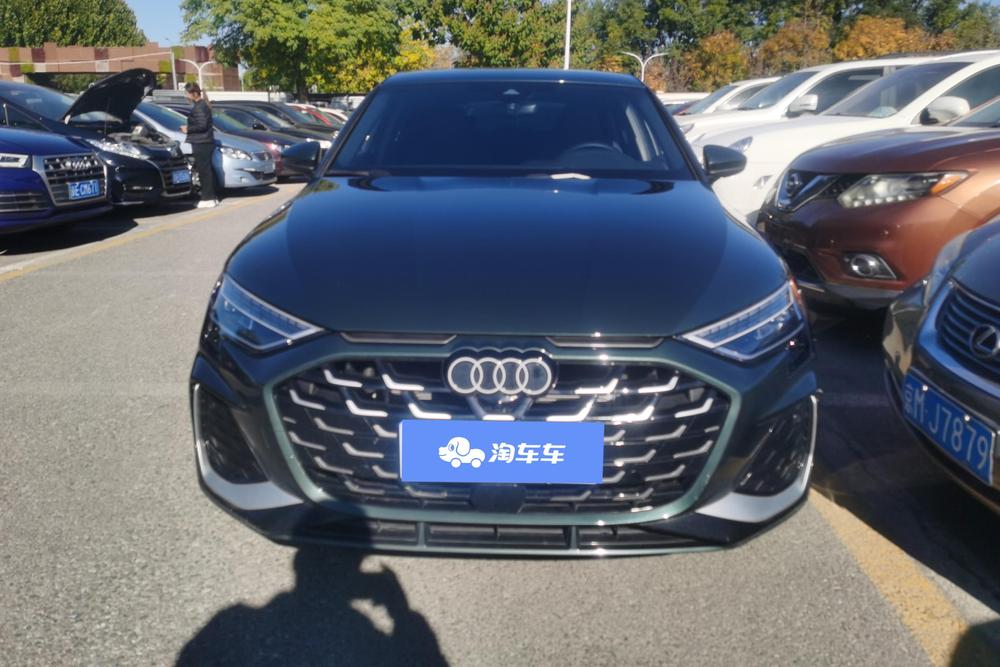
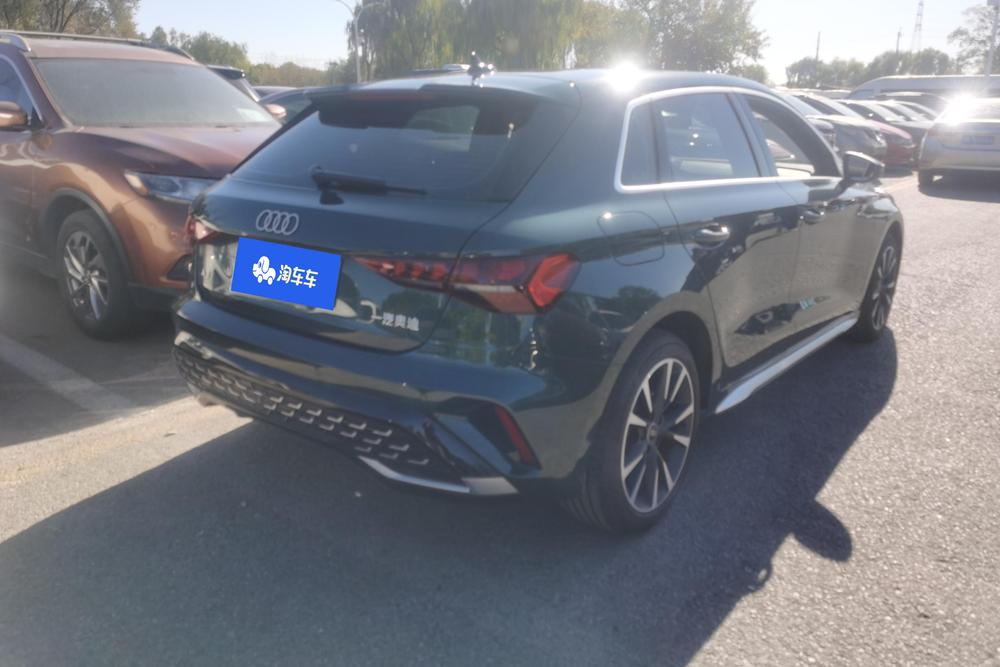
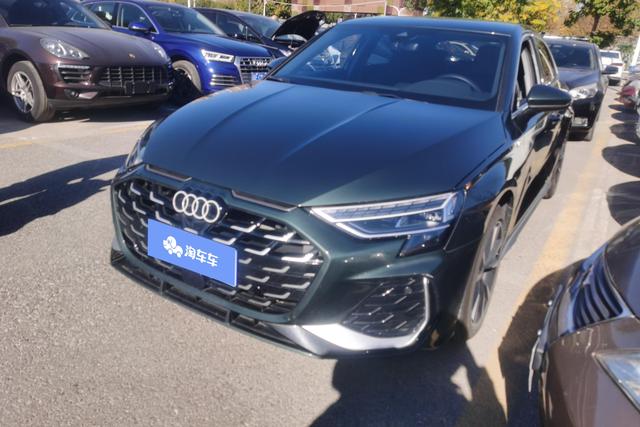
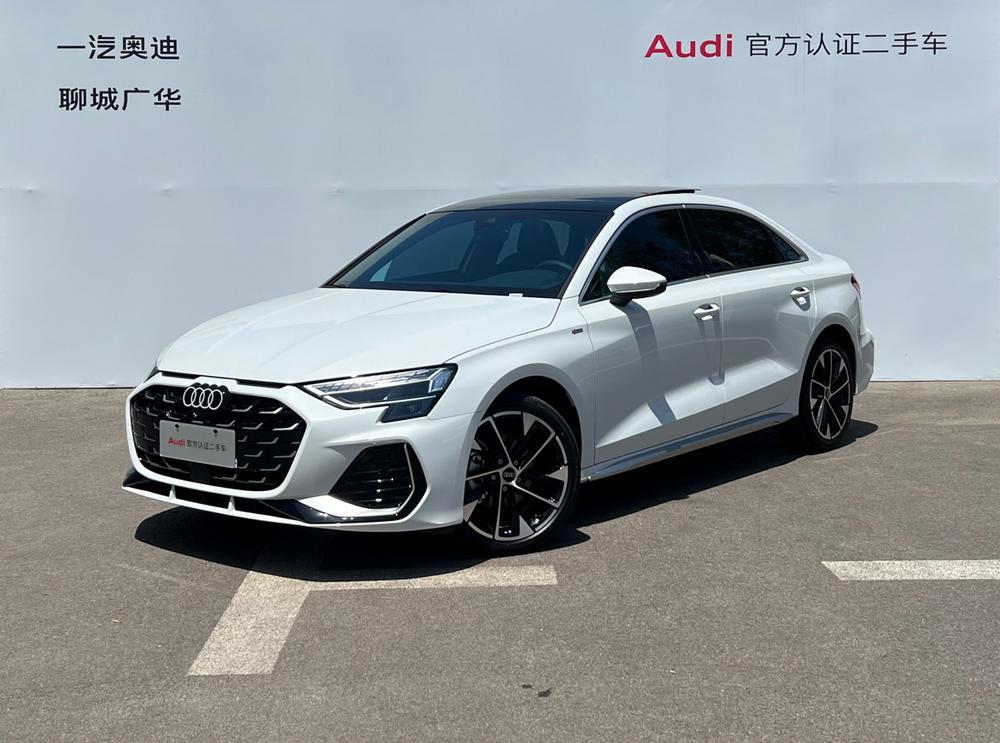
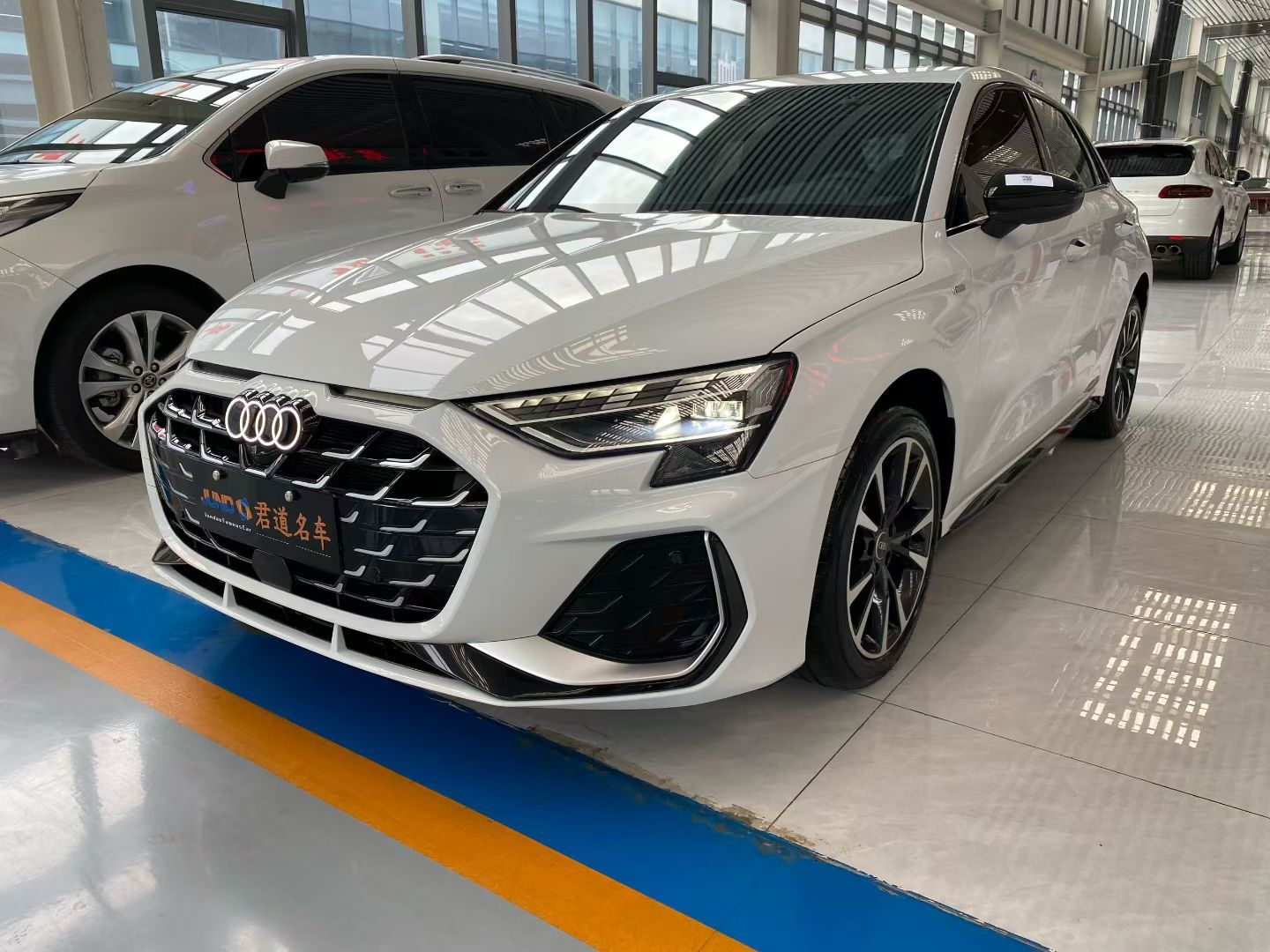
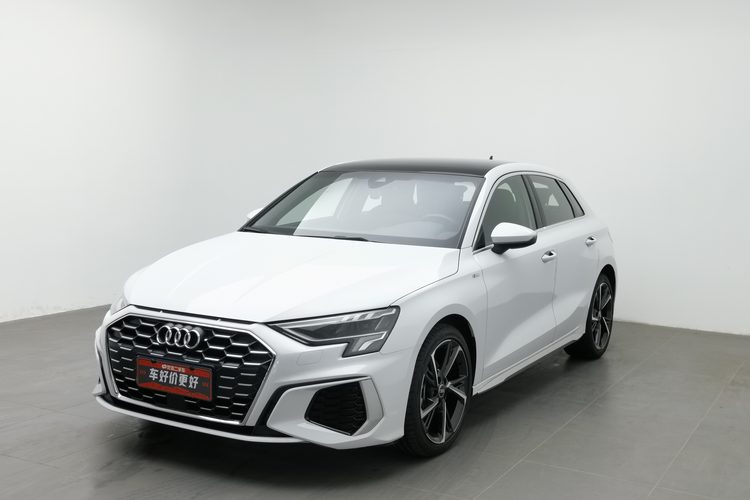
BrandAudi
SeriesA3
Year2026
First Registration2026/03
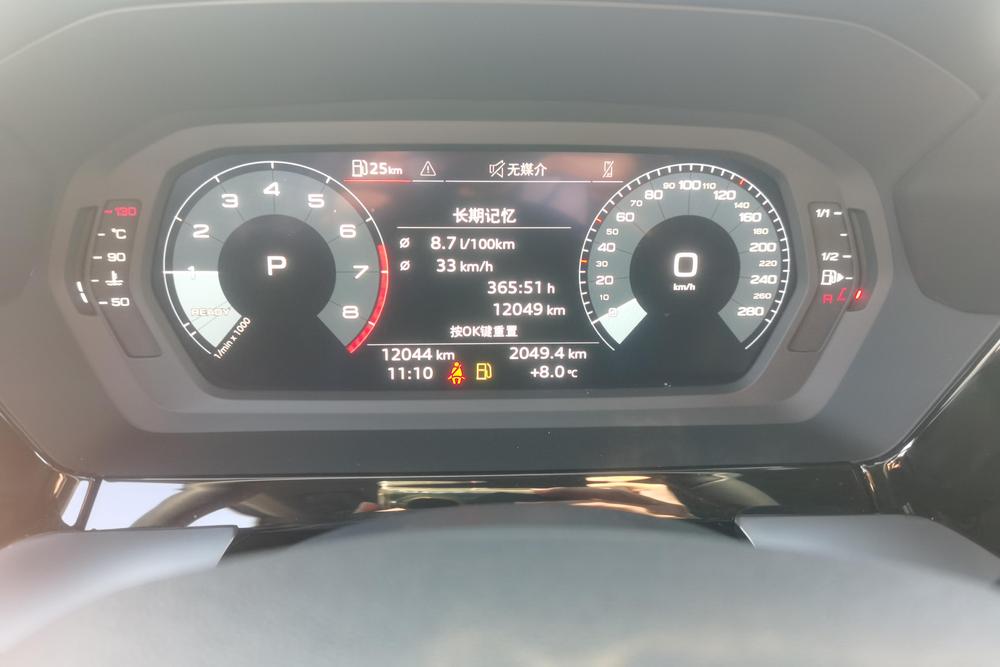
Mileage12,000km
Transfer Count0times
FuelGasoline
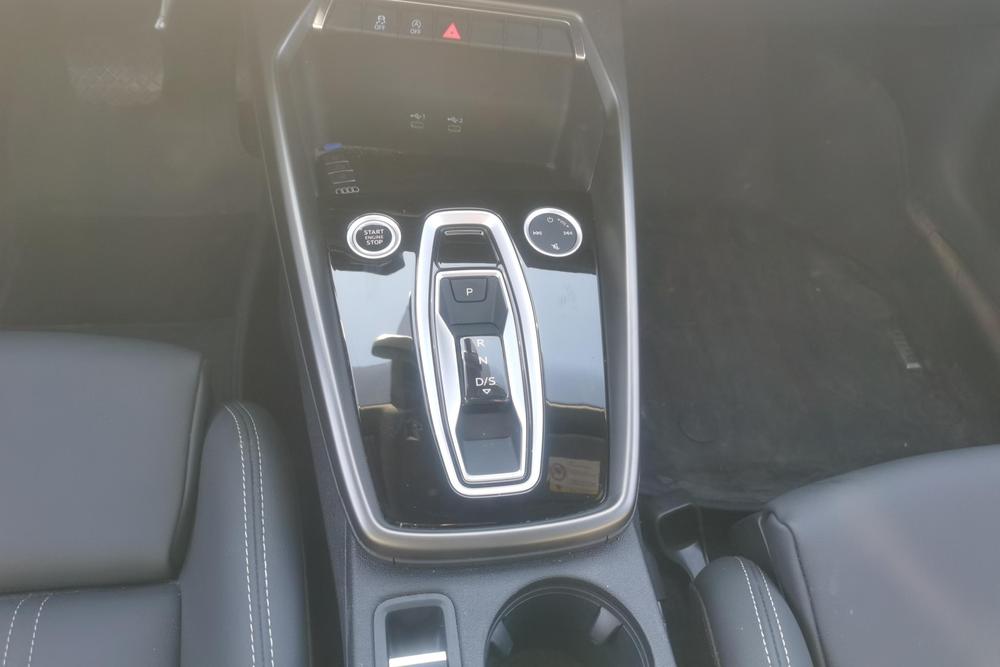
TransmissionDCT
Engine1.5T 160 L4
Color
Seats-

Condition Description

官方质检 · 60天全车质保· 7天无理由有偿退车

Configuration Highlights

✓上牌时间: 2026-03
✓表显里程: 1.2万公里
✓车源地: 北京
✓排放标准: 国六b
✓百公里加速: 8.6s
✓发动机: 1.5T
✓轴距: 2630mm
✓变速箱: 自动
✓功能配置: 18项
✓安全配置: 5项
✓动力类型: 前驱
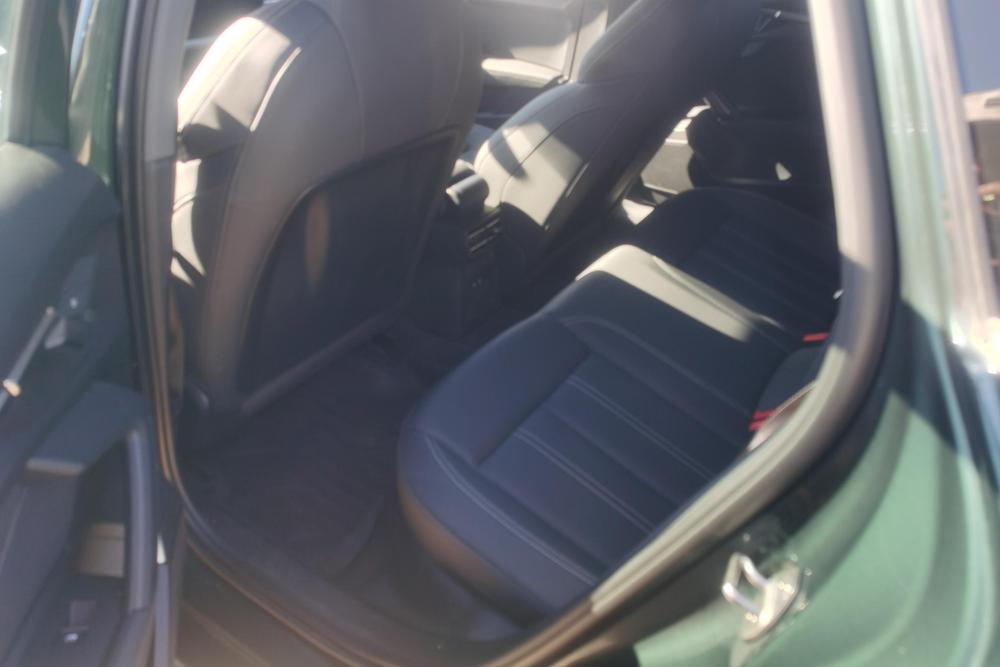
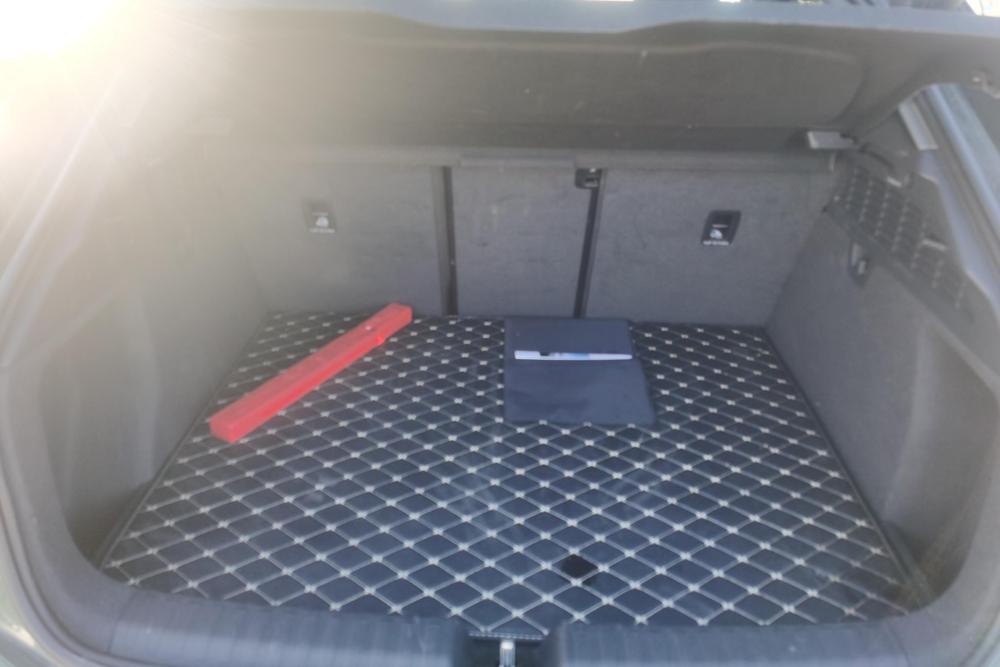
✓空间舒适性: 一般

Q&A

More

Will you clearly inform if the vehicle was previously a commercial vehicle (ride-hailing, taxi, rental)?

The "usage type" section on the vehicle registration certificate has legal validity. Any vehicle that changes from "commercial" to "non-commercial" has a usage intensity far exceeding that of personal vehicles, and we will label these prominently. Such vehicles are usually cheaper but have more severe mechanical wear.

How do you provide a customs-recognized age certificate for imported cars limited to under 5 years in countries like Kenya?

Countries like Kenya typically require the First Registration Date to be within a specific timeframe. We will provide a notarized copy of the Vehicle Registration Certificate, along with an English translation, as absolute legal evidence.

How does the buying process actually work step by step when importing a used car from China?

A typical safe flow looks like this: 1. Sourcing: you pick a car from listings; the exporter confirms availability, sends photos, video and a condition report. 2. Contract: a written sales contract stating VIN, price, included costs, inspection standards and delivery terms (FOB or CIF). 3. Deposit: usually 10–30% after you or a third party verify the car. Pay to a company account, never personal. 4. Inspection: independent pre-shipment inspection; you approve the report before shipping. 5. Balance payment: due before shipment, against copy of the bill of lading. 6. Shipping and documents: exporter sends original documents by courier; you track the vessel. 7. Arrival: your customs agent clears the car, you pay duties and collect it. Timeline: typically 3–8 weeks from deposit to arrival, depending on route. Any exporter pushing for 100% upfront payment should be treated as a red flag.