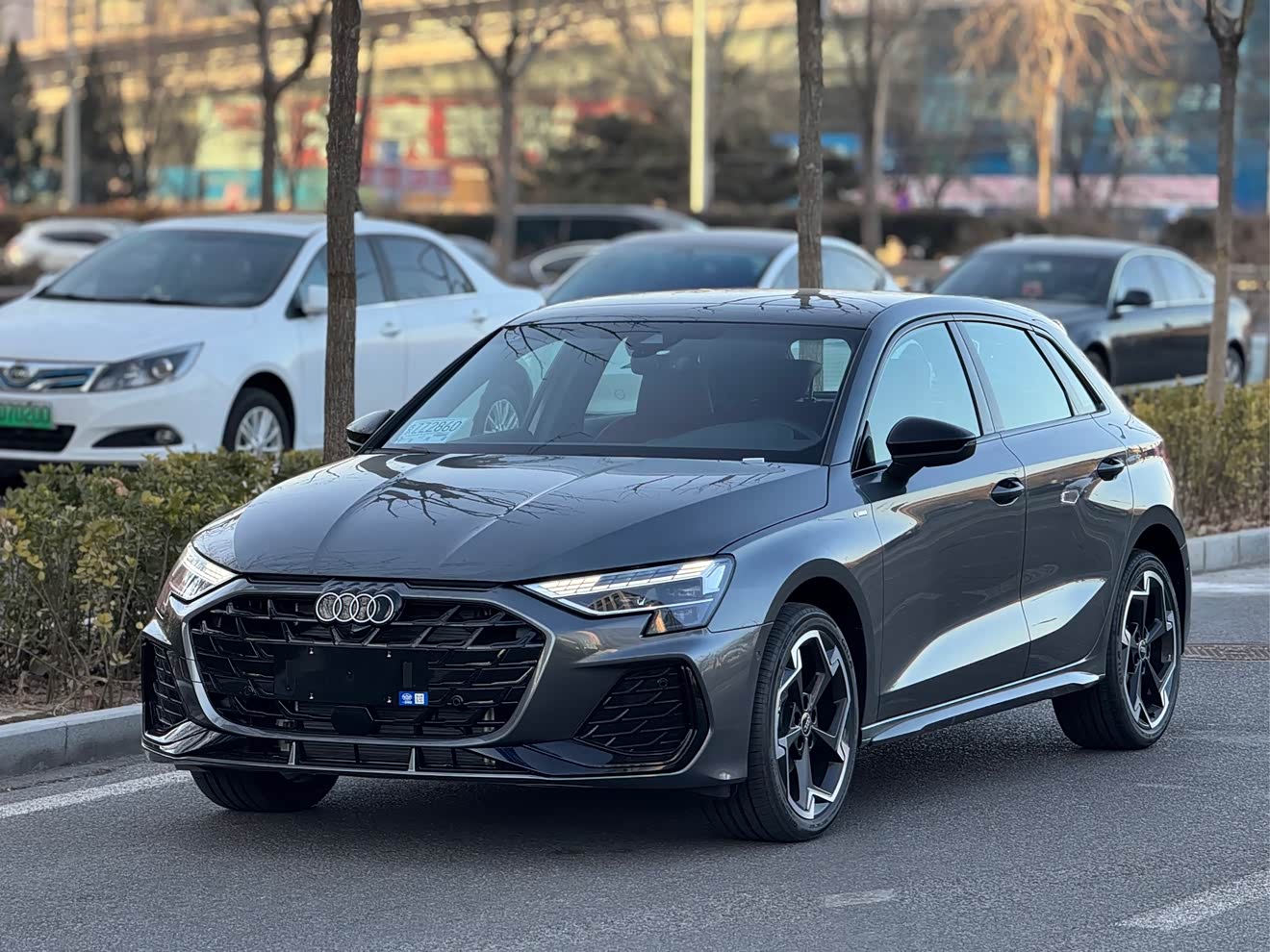
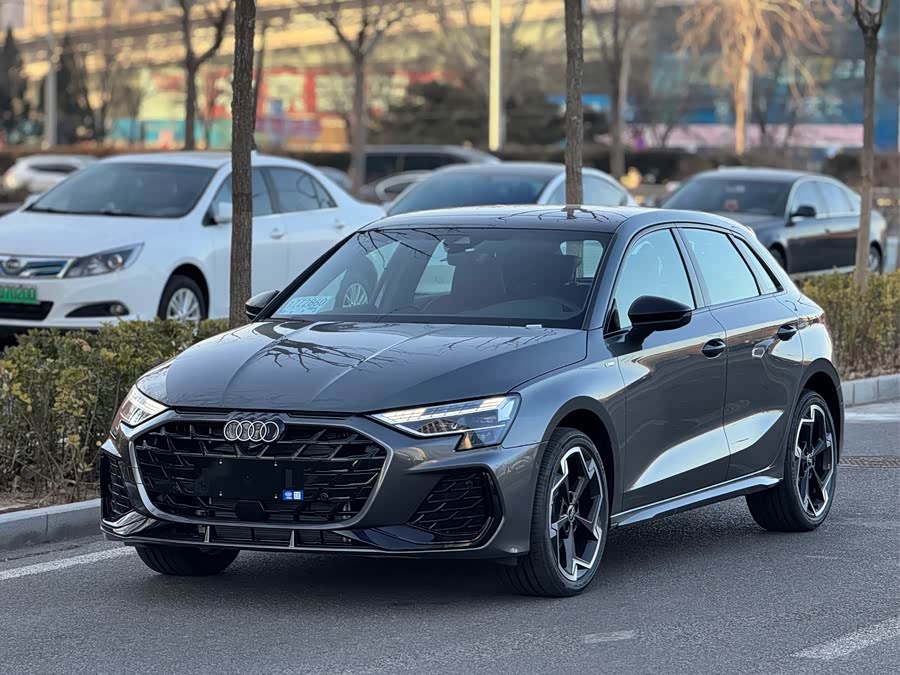
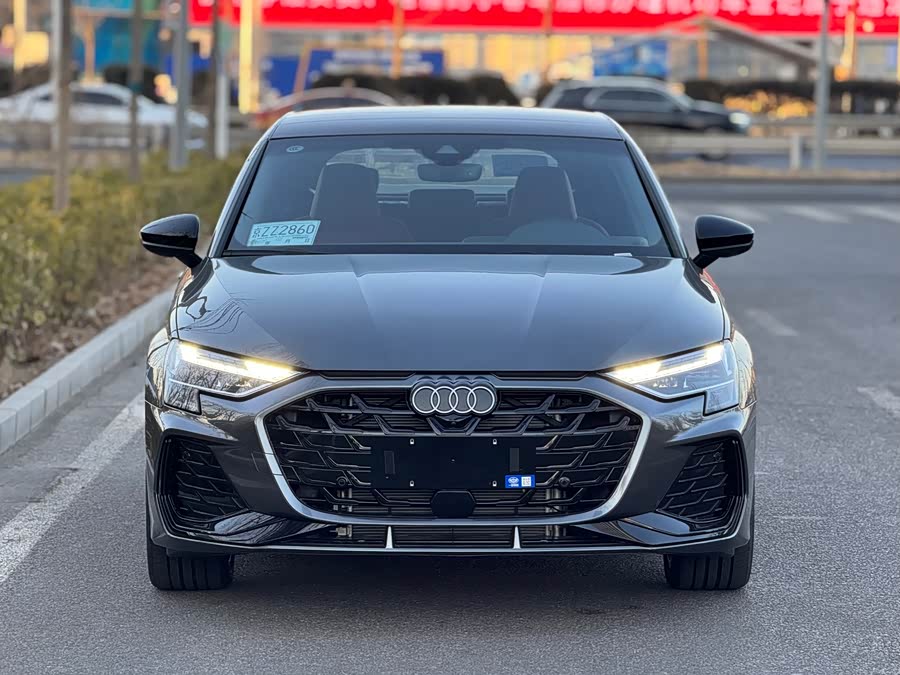
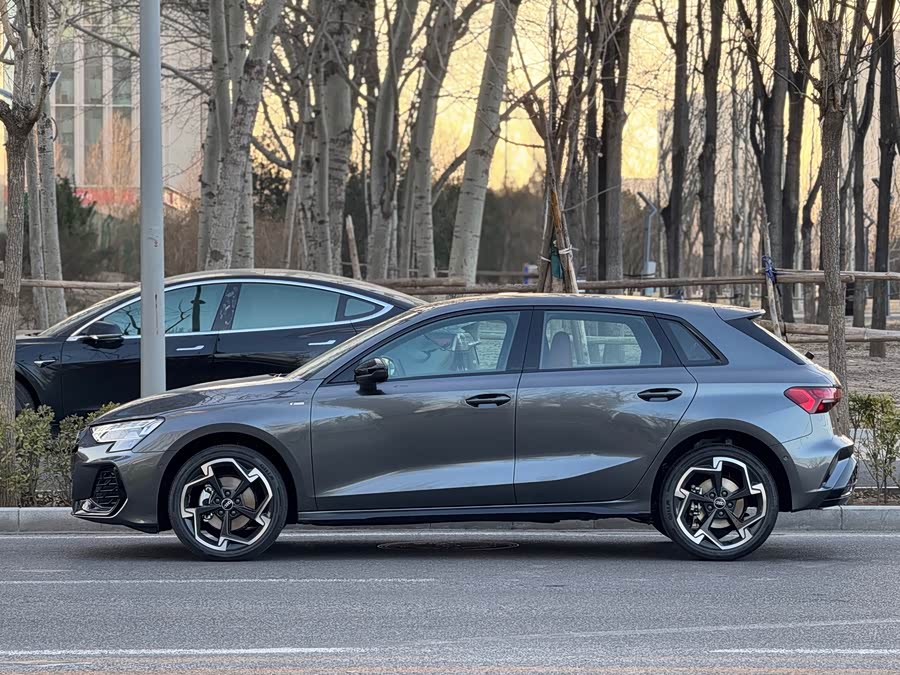
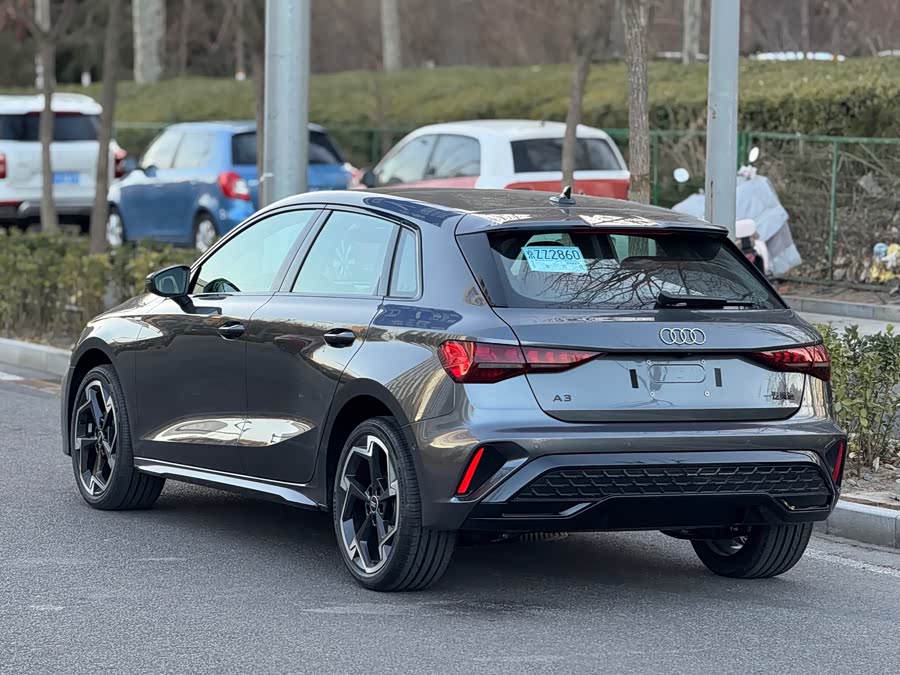
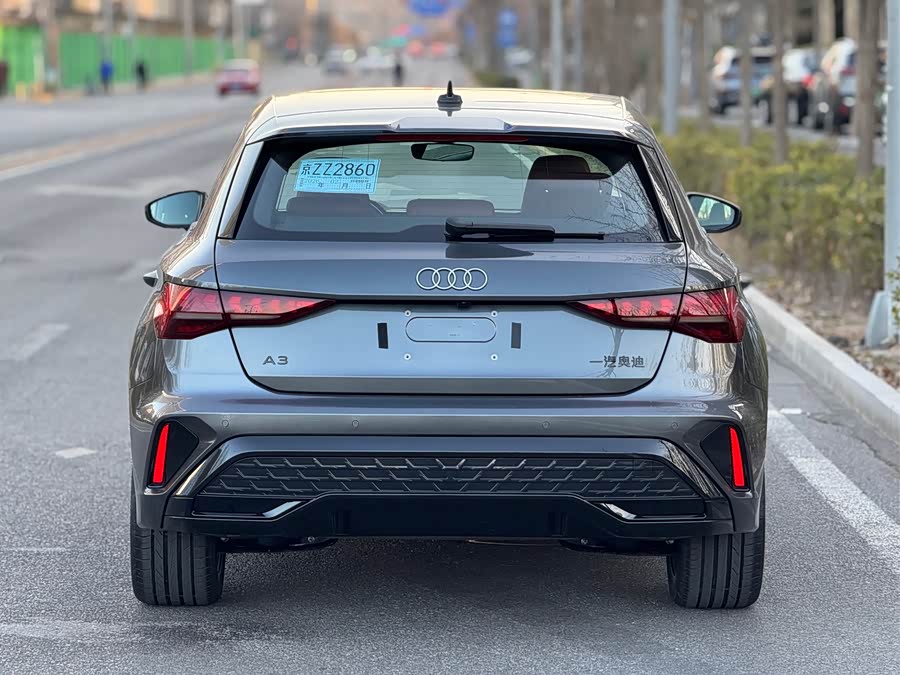
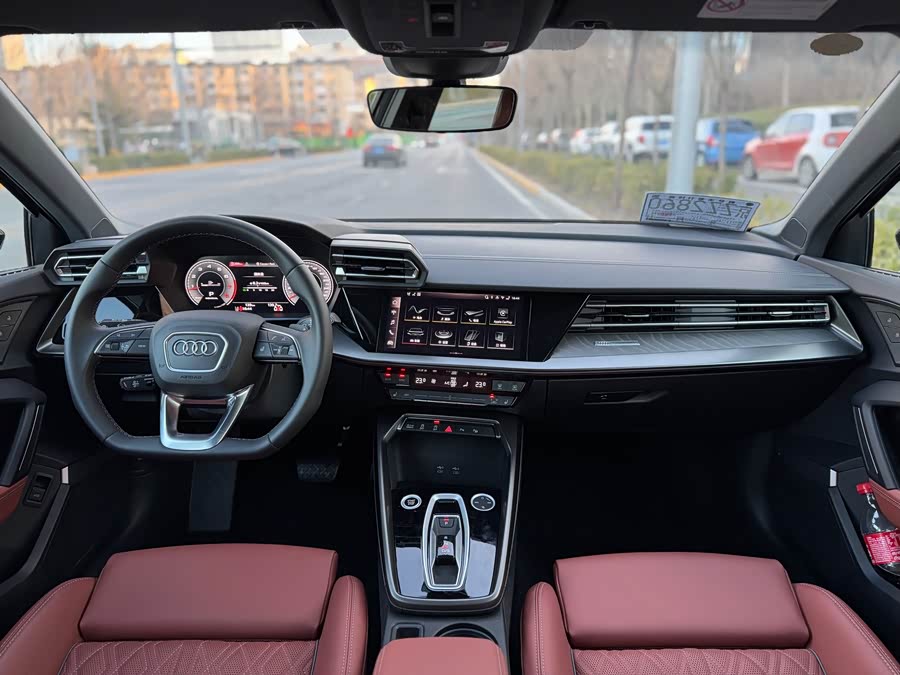
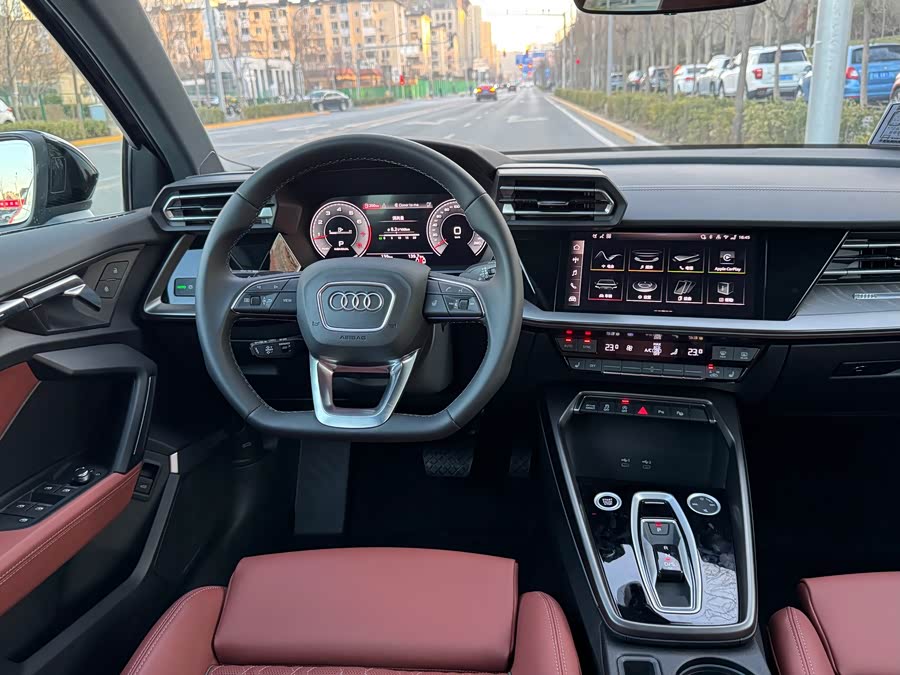
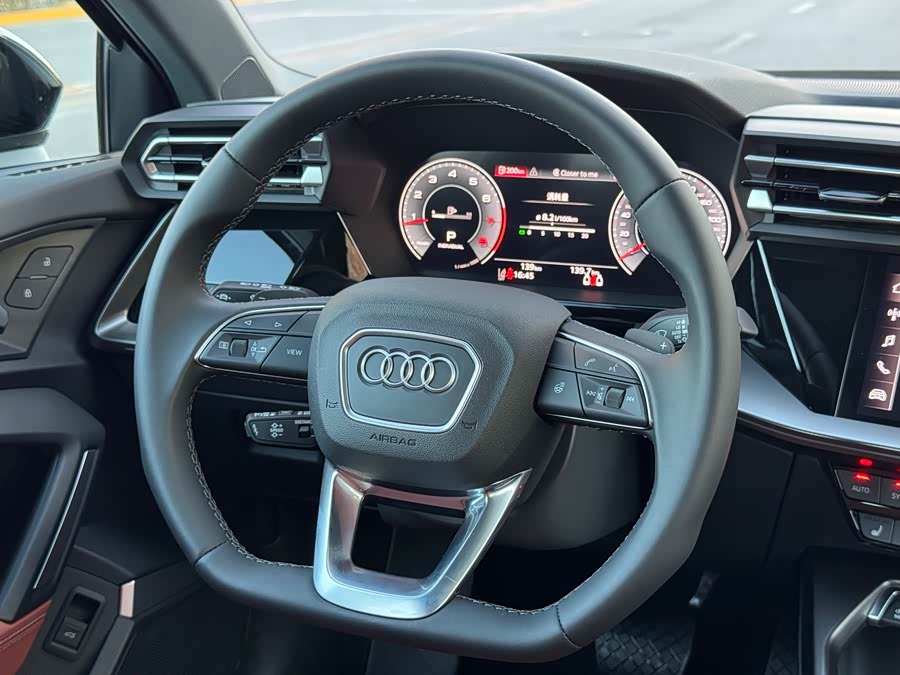
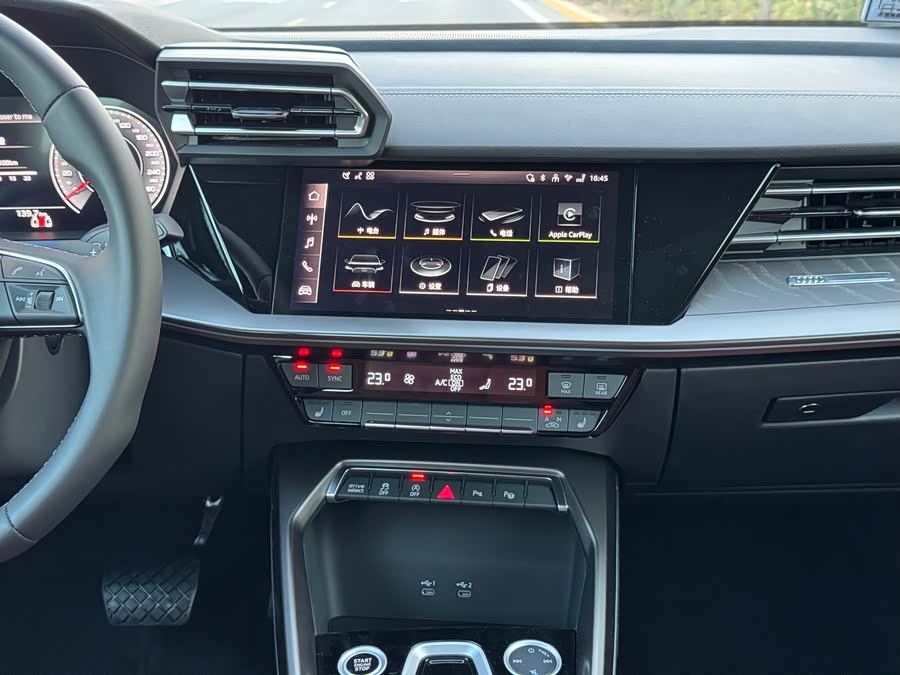
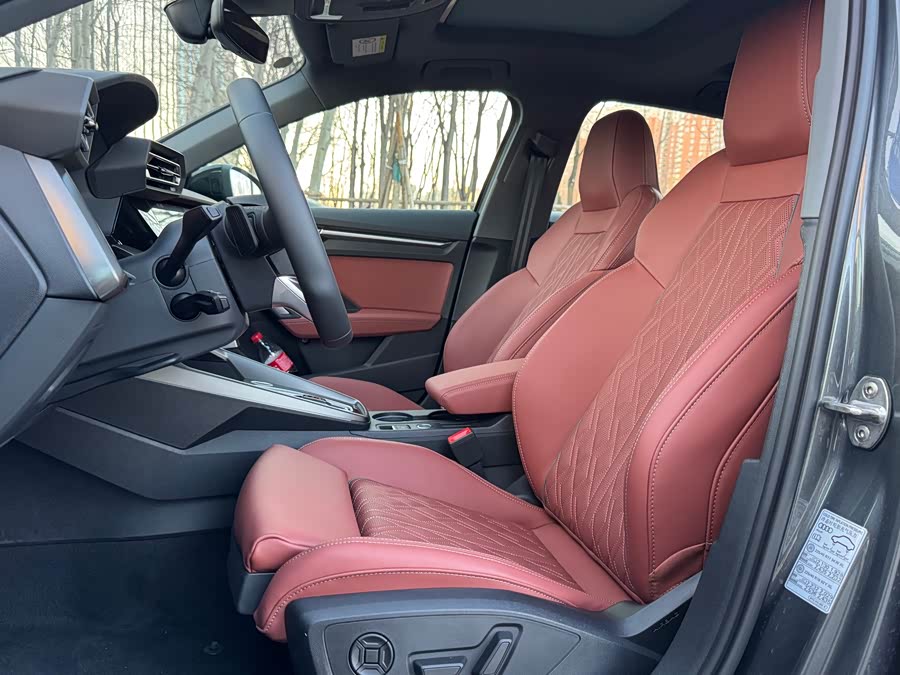
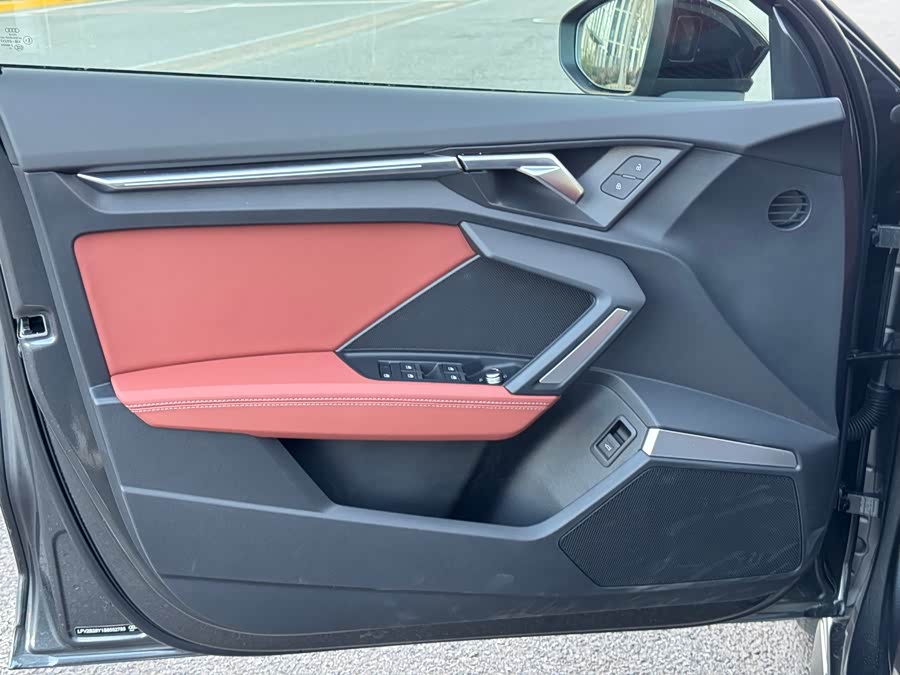
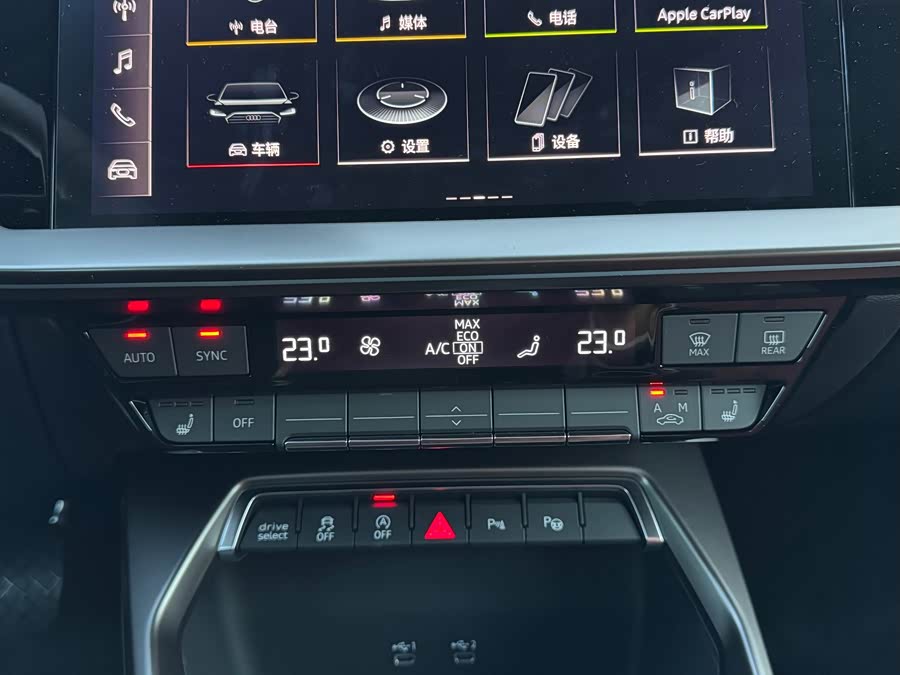
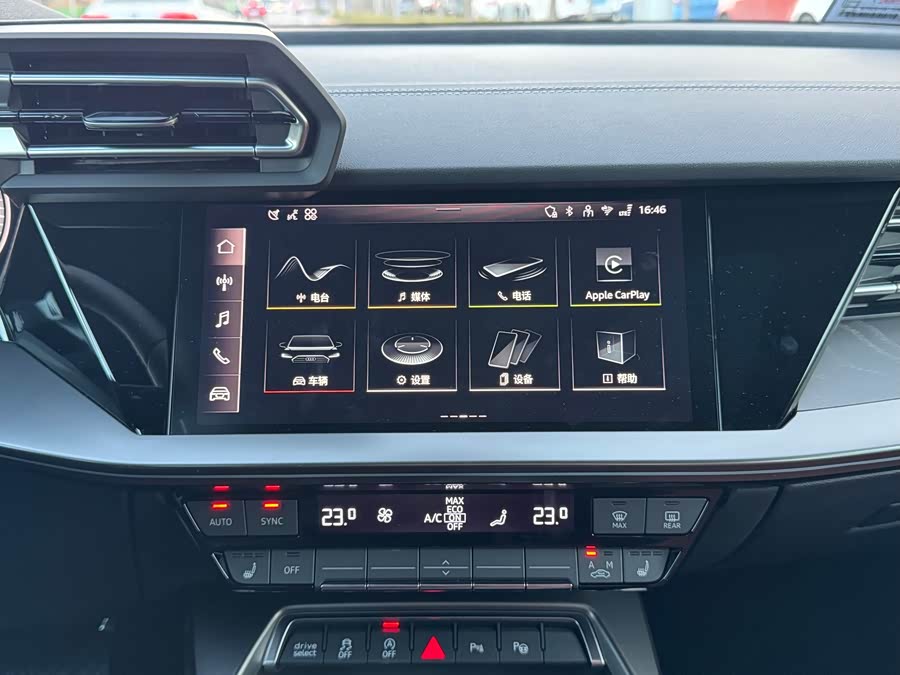
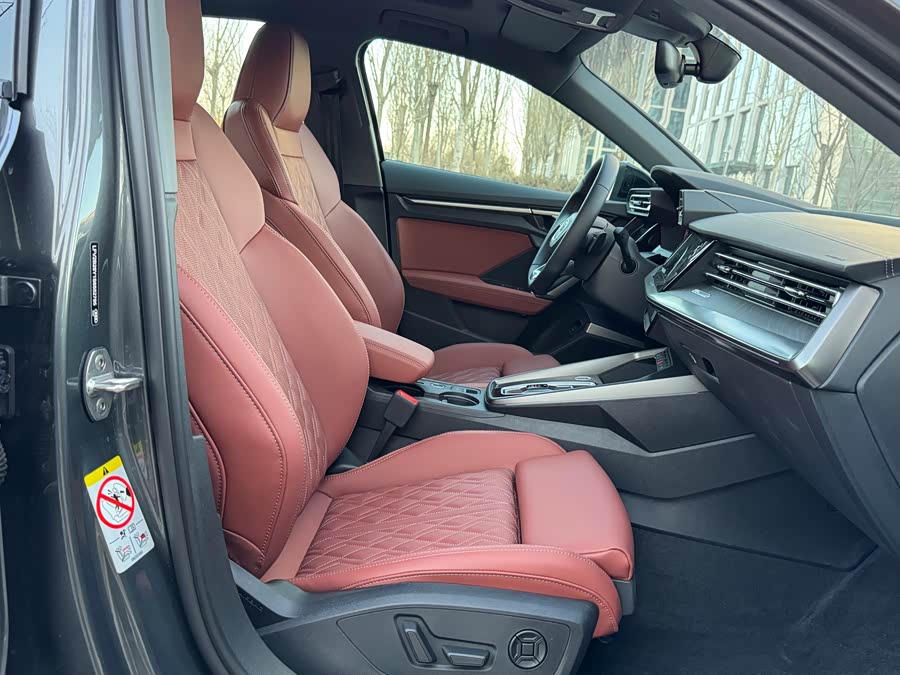
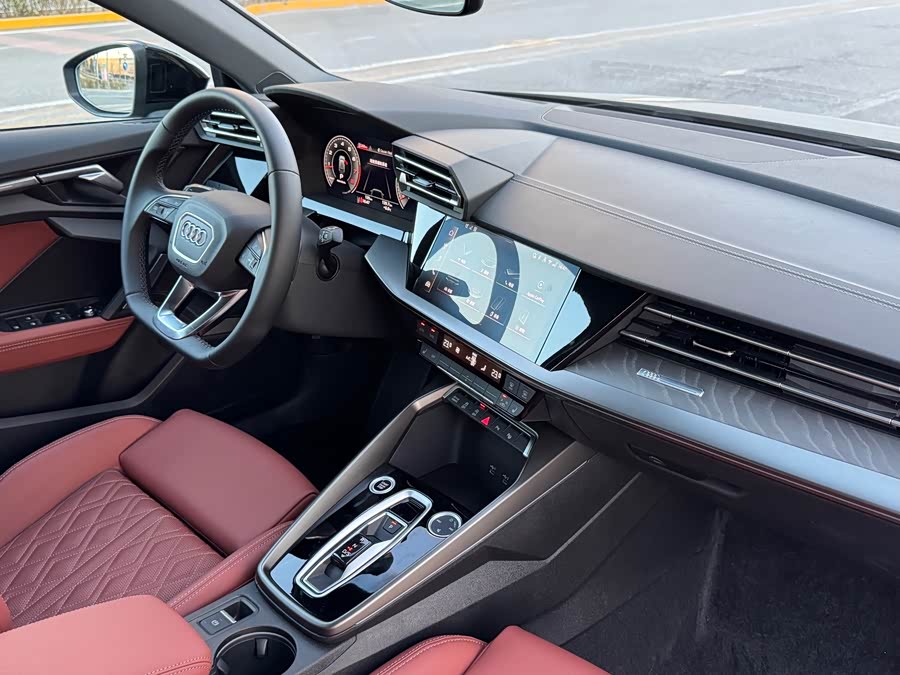
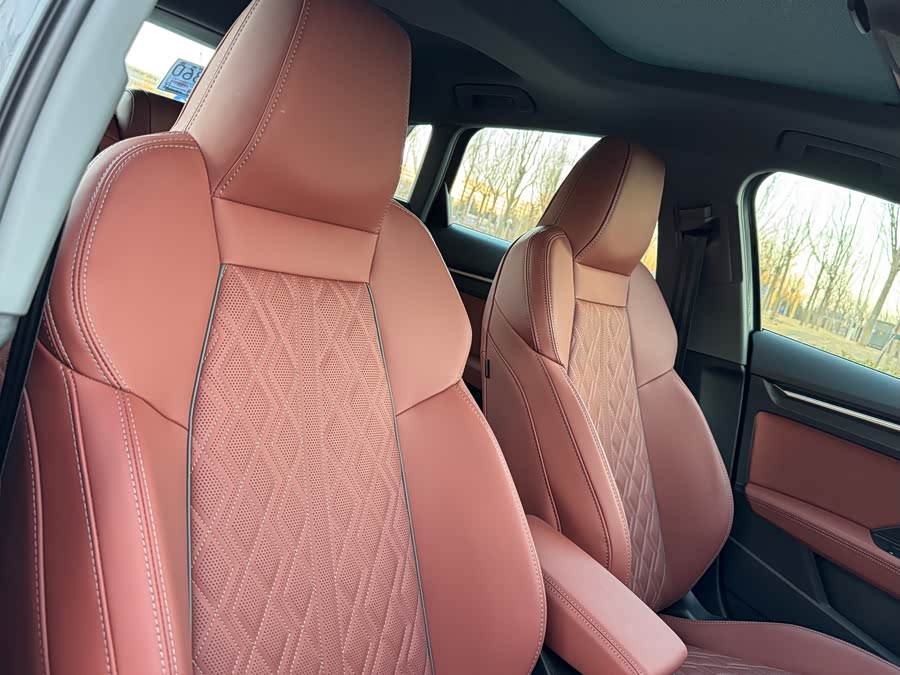
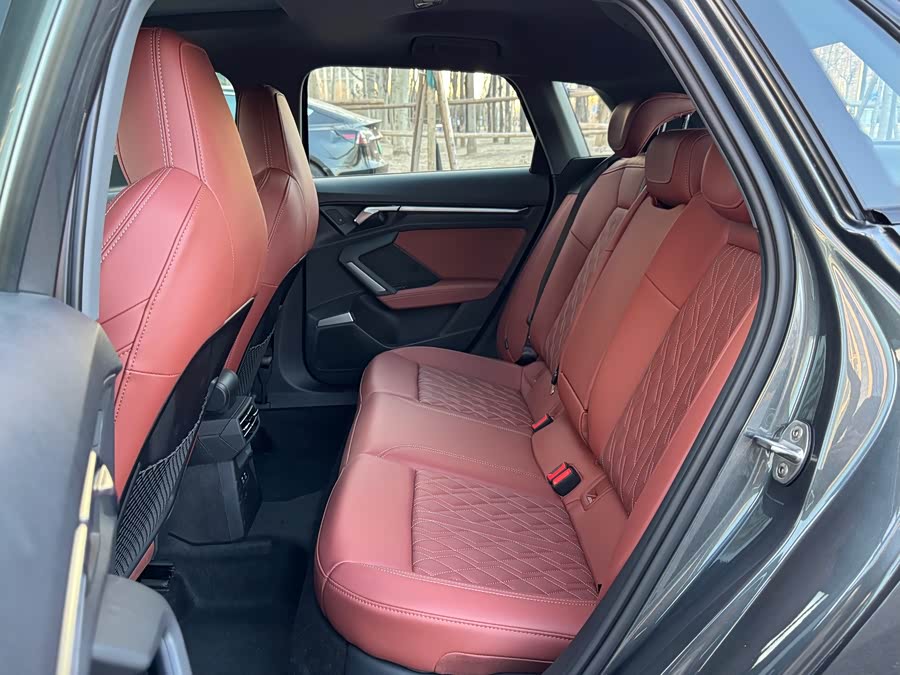
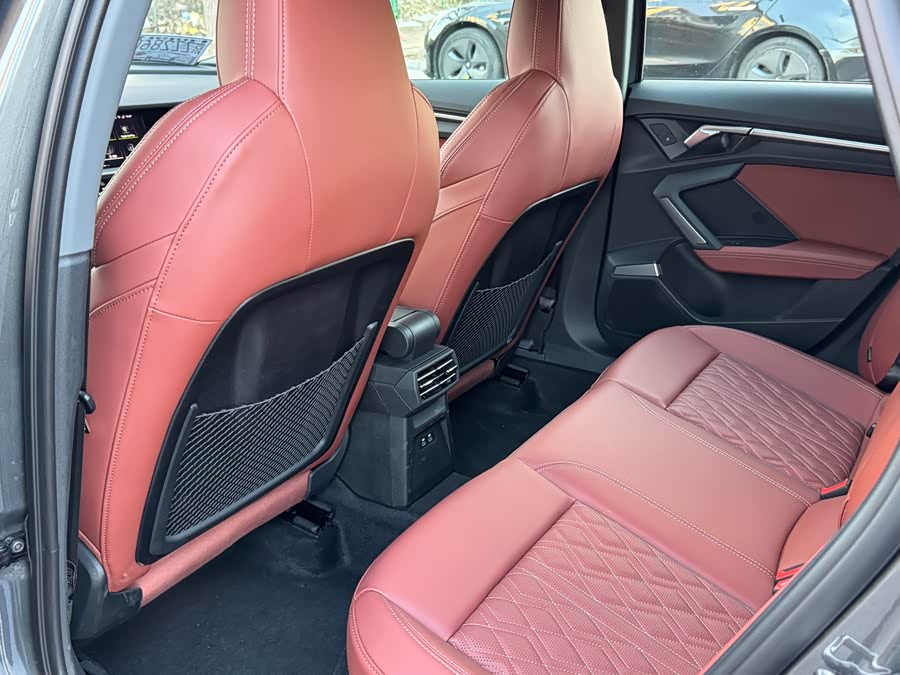
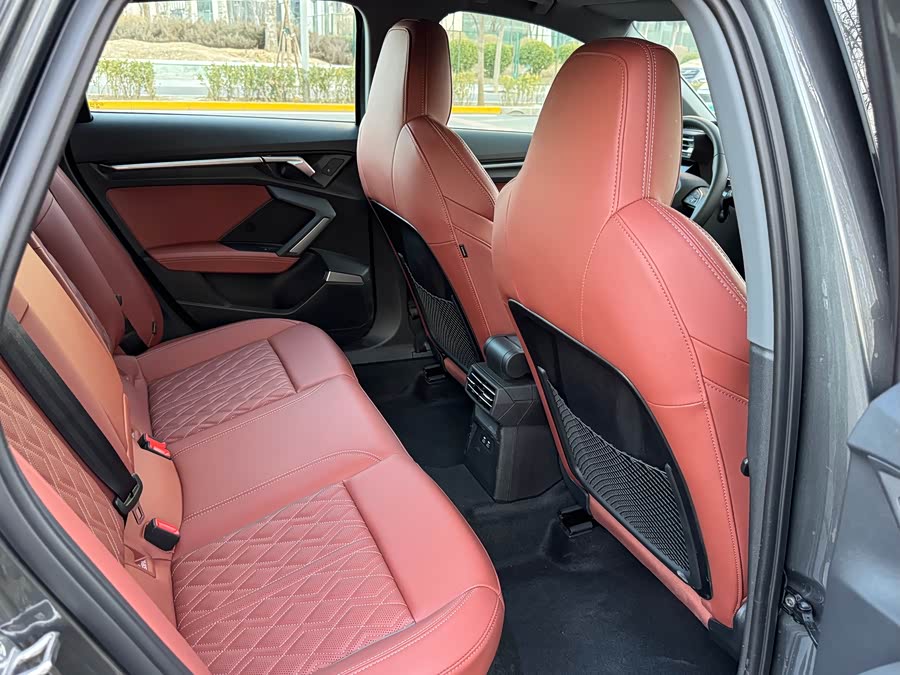
Basic Information

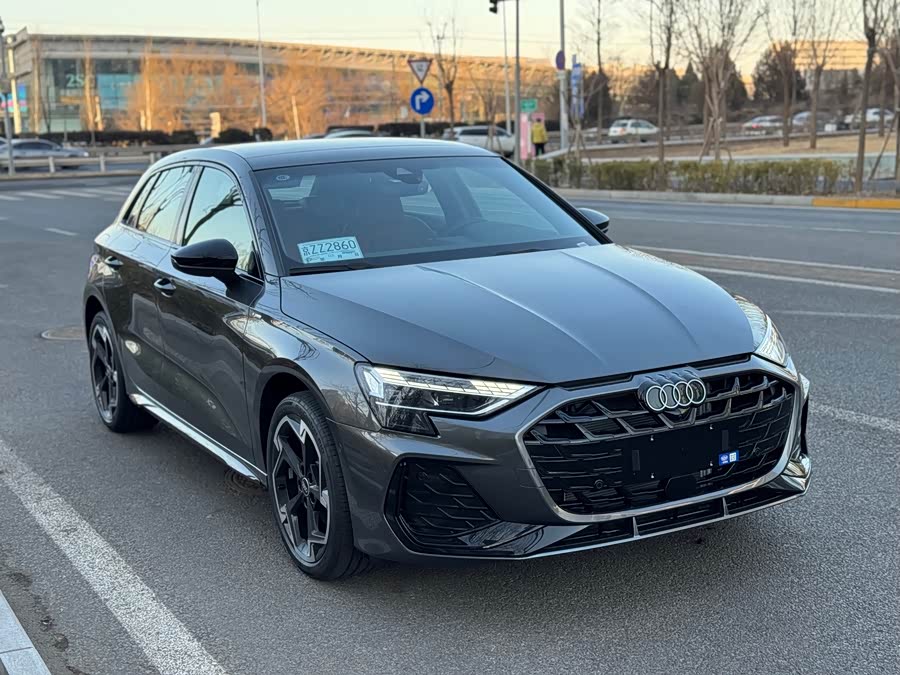
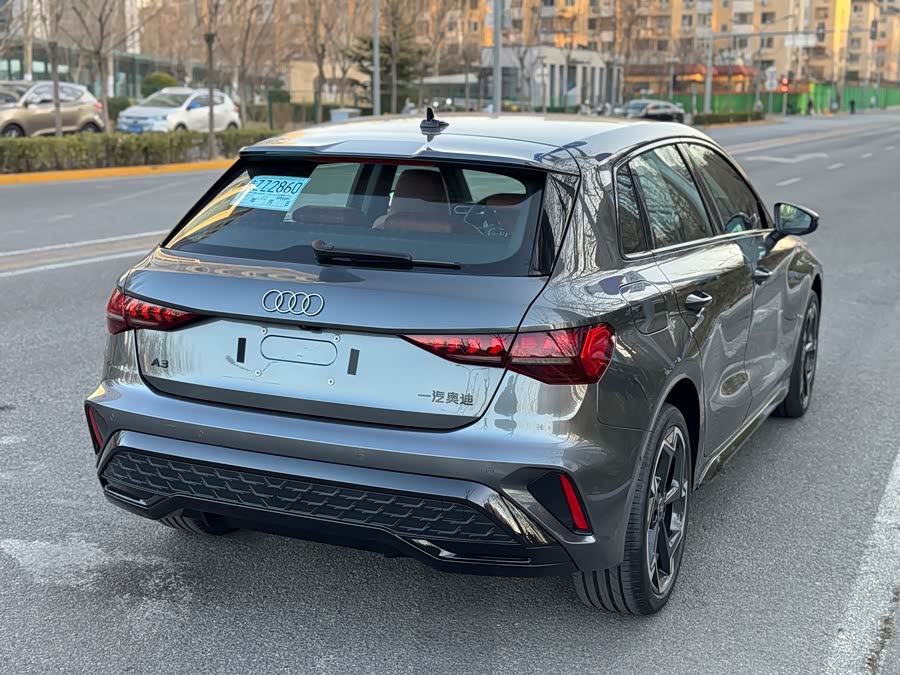
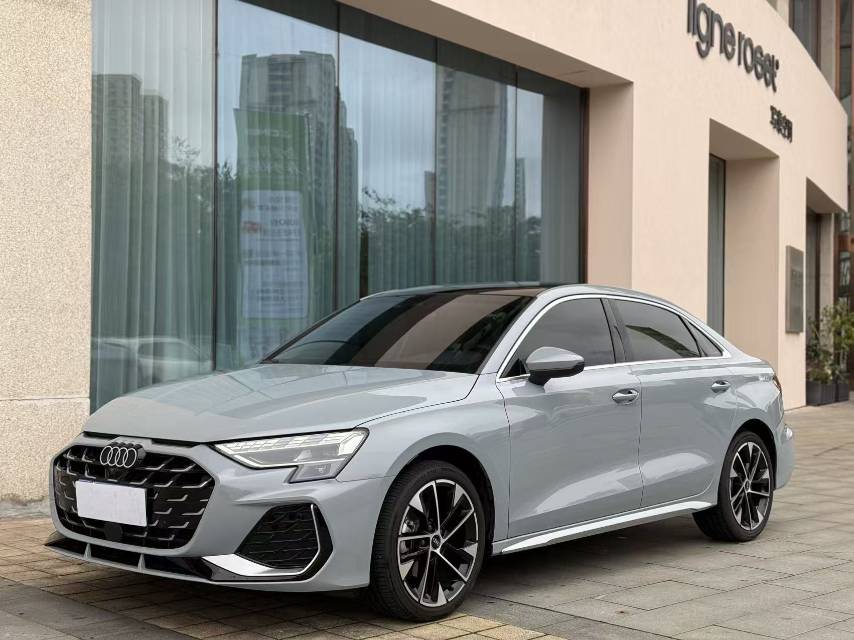
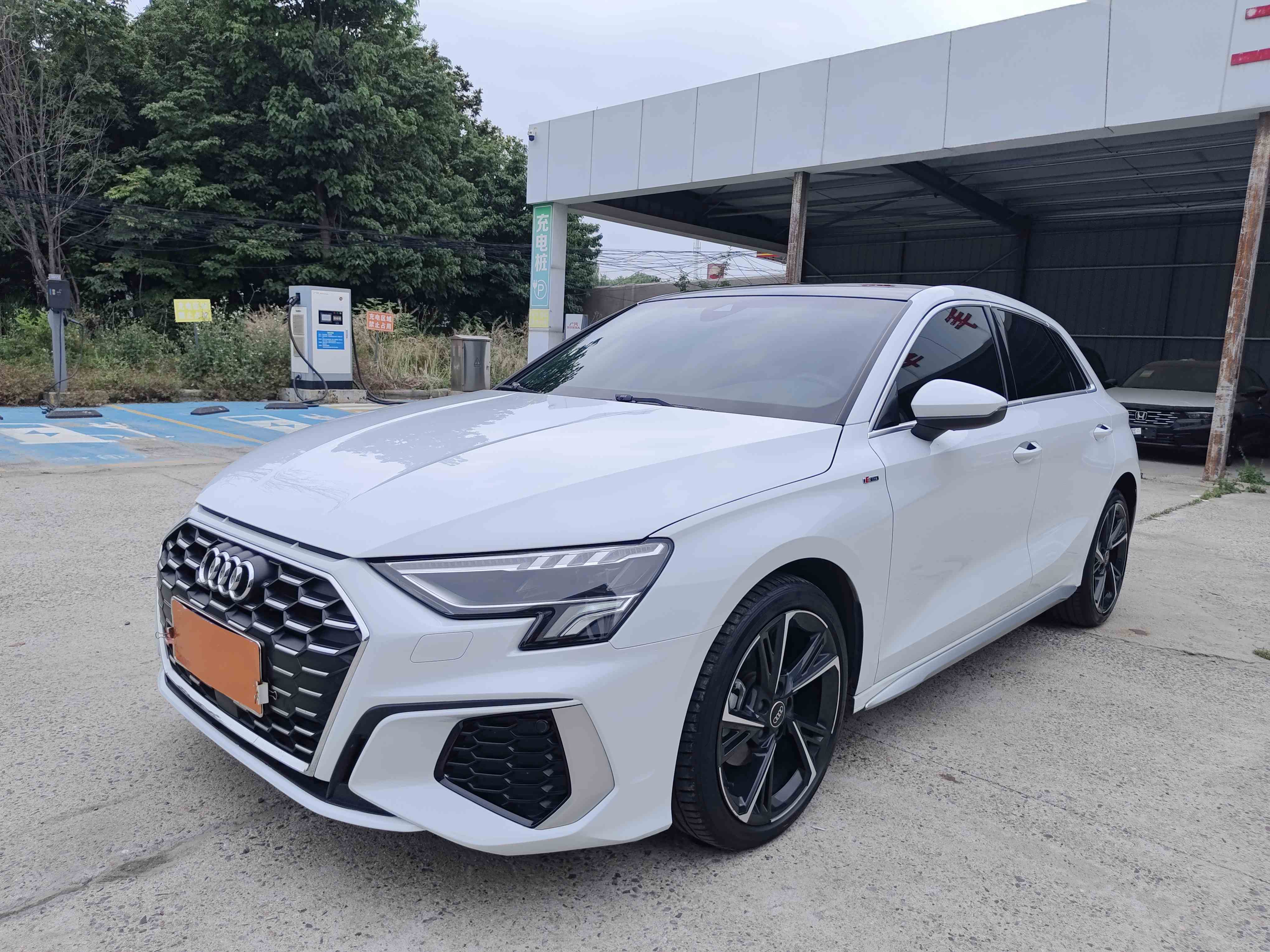
BrandAudi
SeriesA3
Year2026
First Registration2026/02
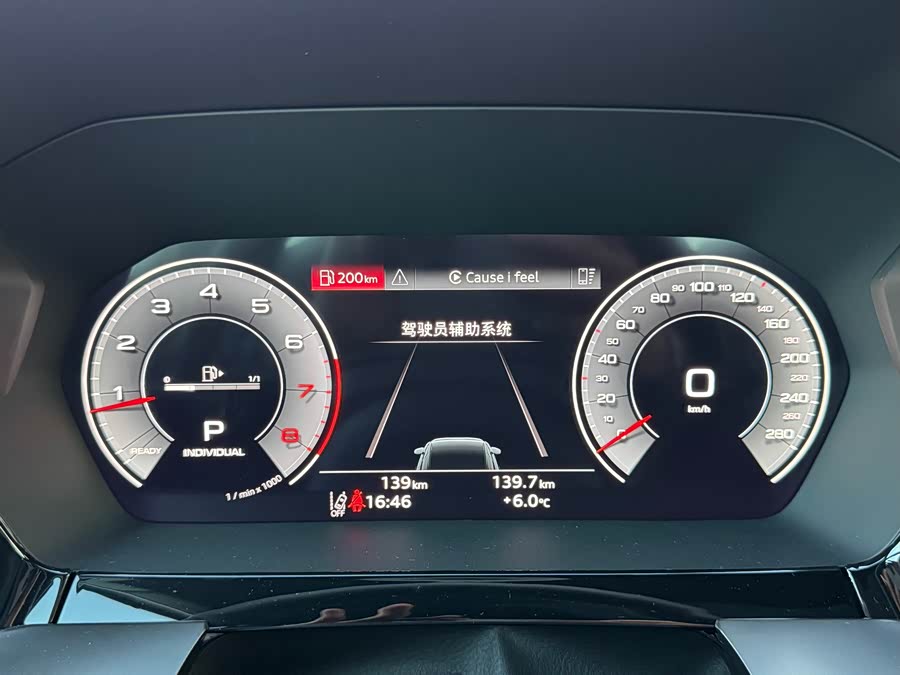
Mileage100km
Transfer Count-
FuelGasoline
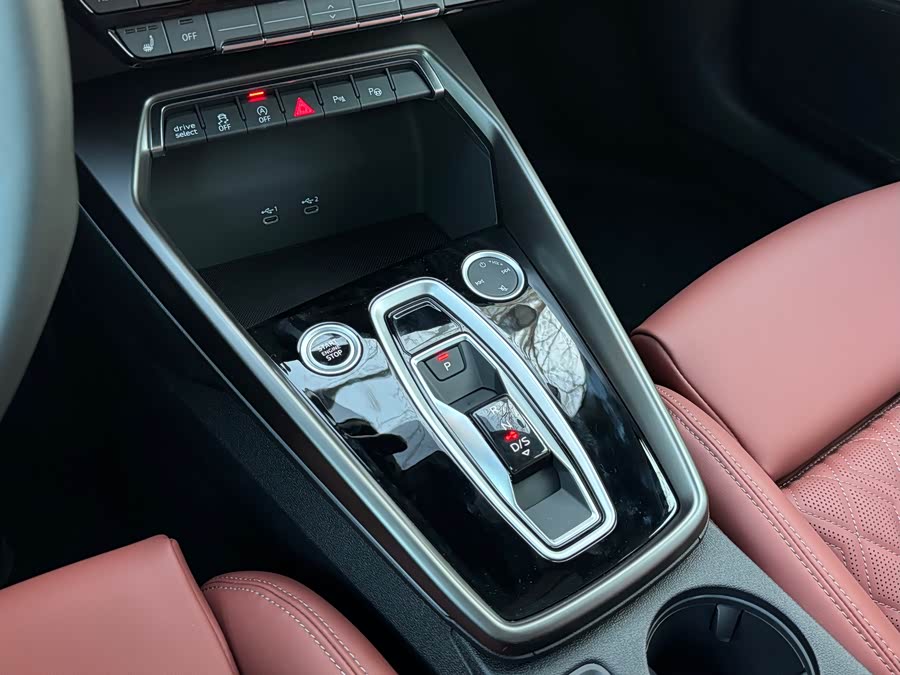
TransmissionDCT
Engine1.5T 160 L4
ColorGrey
Seats-

Condition Description

very good

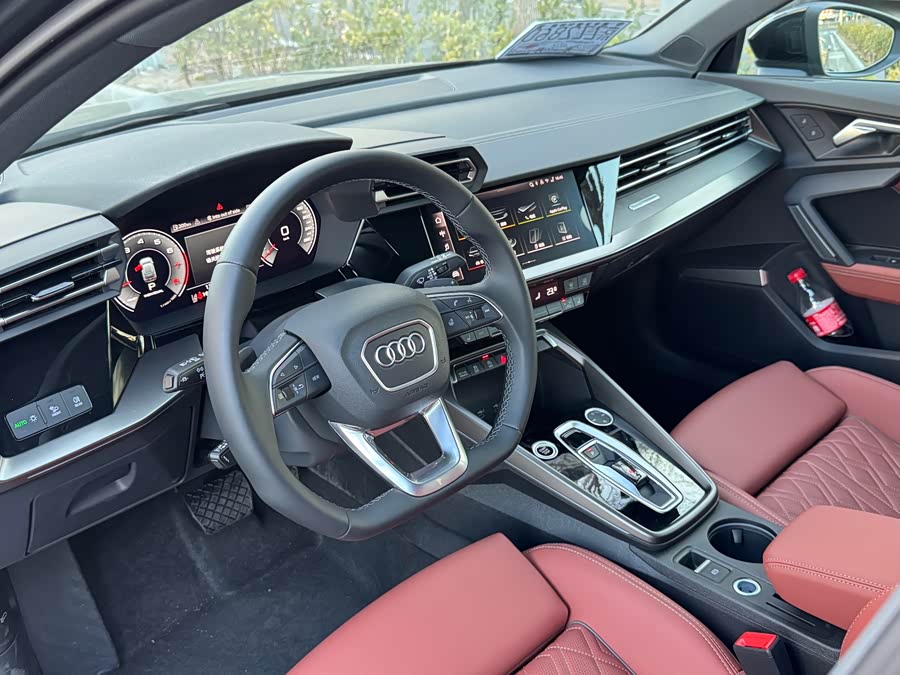
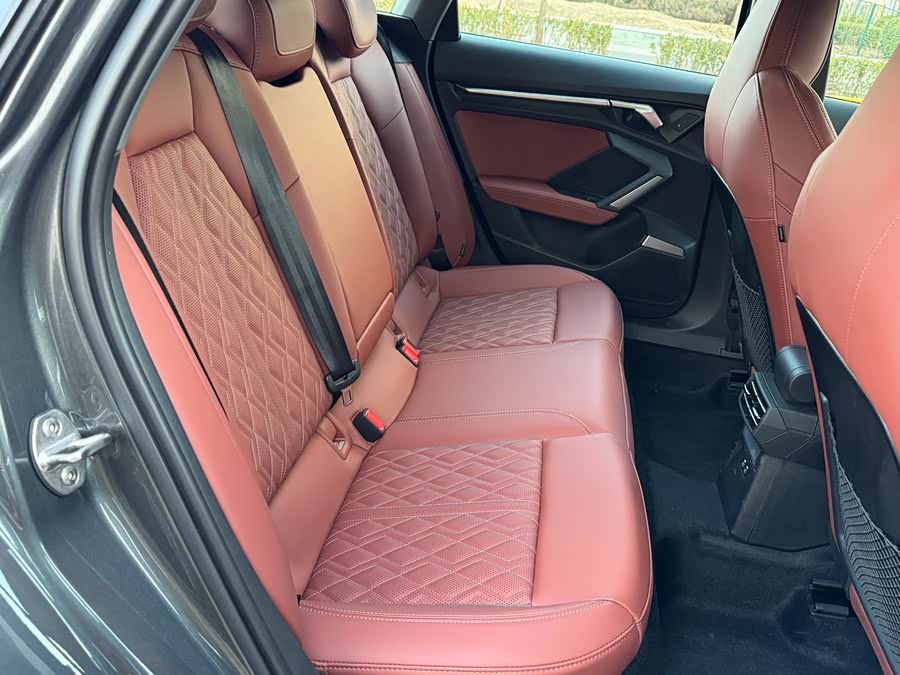
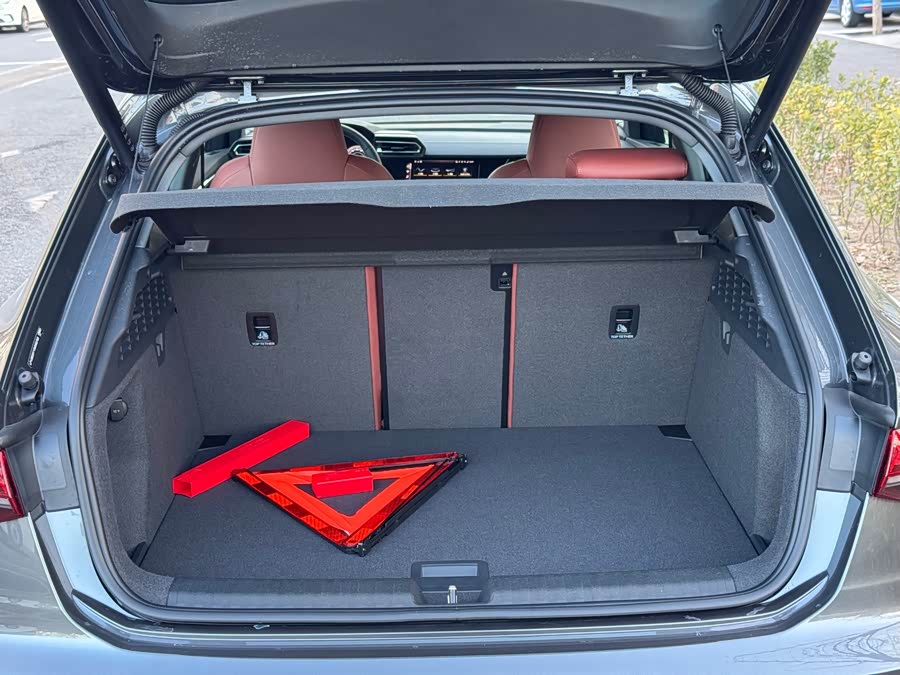
It's a brand new car, exactly as it looks.

Near-new car
0 transfers

Configuration Highlights

✓Blind Spot Assist
✓Lane Keep Assist
✓Lane Departure Warning
✓Active Safety System
✓ISOFIX Child Seat Anchors
✓Auto Hold
✓Auto Park Assist
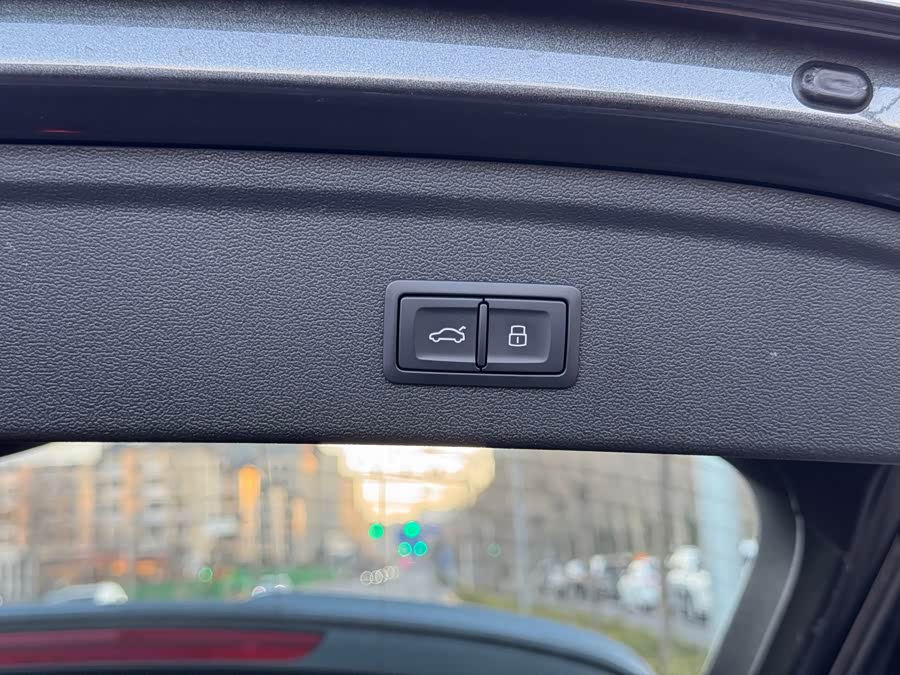
✓Power Trunk
✓Kick-sensor Trunk
✓Keyless Start System
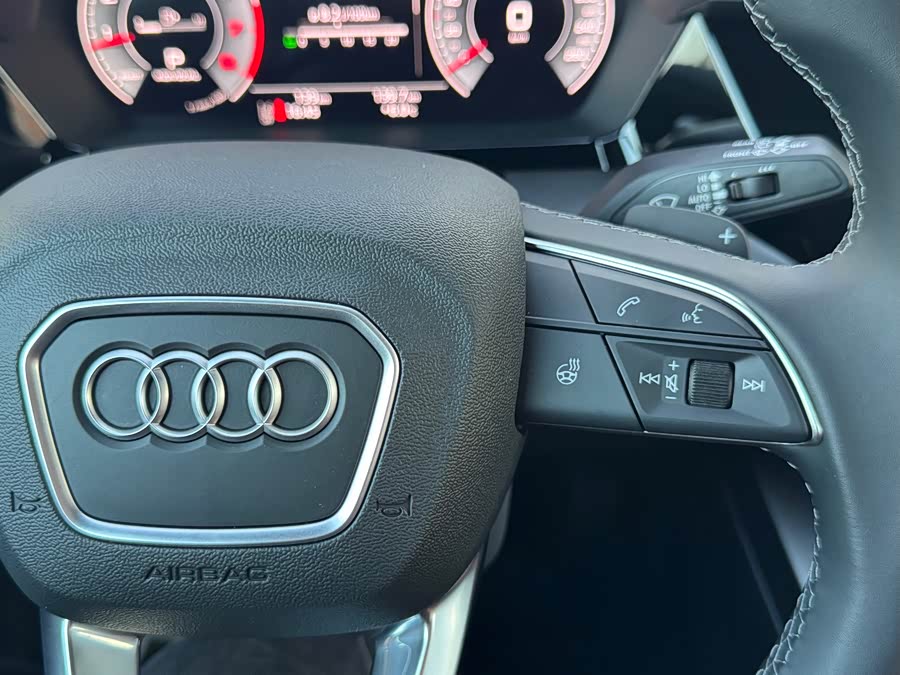
✓Paddle Shifters
✓Heated Steering Wheel
✓Digital Instrument Cluster
✓Bluetooth/Hands-free
✓Connected Car
✓Adaptive Headlights
✓PM2.5 Air Filter
✓Rear Air Vents

Accident & Maintenance Records

Accident Record

🔗 Open Link

Maintenance Record

🔗 Open Link

Document Information

Inspection Expiry Date2028/02
Warranty Expiry Date-
Insurance Expiry Date2026/02

Q&A

More

What are "fire-damaged" or "flood-damaged" cars? How do you completely rule them out?

We thoroughly rule them out by checking if the cabin wiring harness is melted, if the seat belts have water stains or mold, if there is unusual rust or debris in the seat tracks and cigarette lighter, and by verifying with the insurance company for any "total loss claims." These two types of cars are an absolute sales ban for us.
How is the degree of wear on the interior defined? (e.g., steering wheel, seat patina or cracking)

Interior assessment is divided into three core areas: the driver's high-frequency contact area (steering wheel, gear shift, edge of the driver's seat), central control button area, and rear seats and ceiling. The natural sheen of leather surfaces (patina) is normal; however, any physical damage (such as leather tearing, fabric burn holes, or plastic breakage) will be classified as "structural interior damage" and clearly marked.

Is China's "National VI B" emission standard equivalent to Europe's Euro VI standard?

From a technical perspective, China's "National VI B (China VI-b)" is one of the strictest emission standards globally, with limits on carbon monoxide, nitrogen oxides, and particulate matter that are even stricter than some of Europe's Euro VI standards. However, the two are not legally recognized by each other, depending on your country's import regulations.
