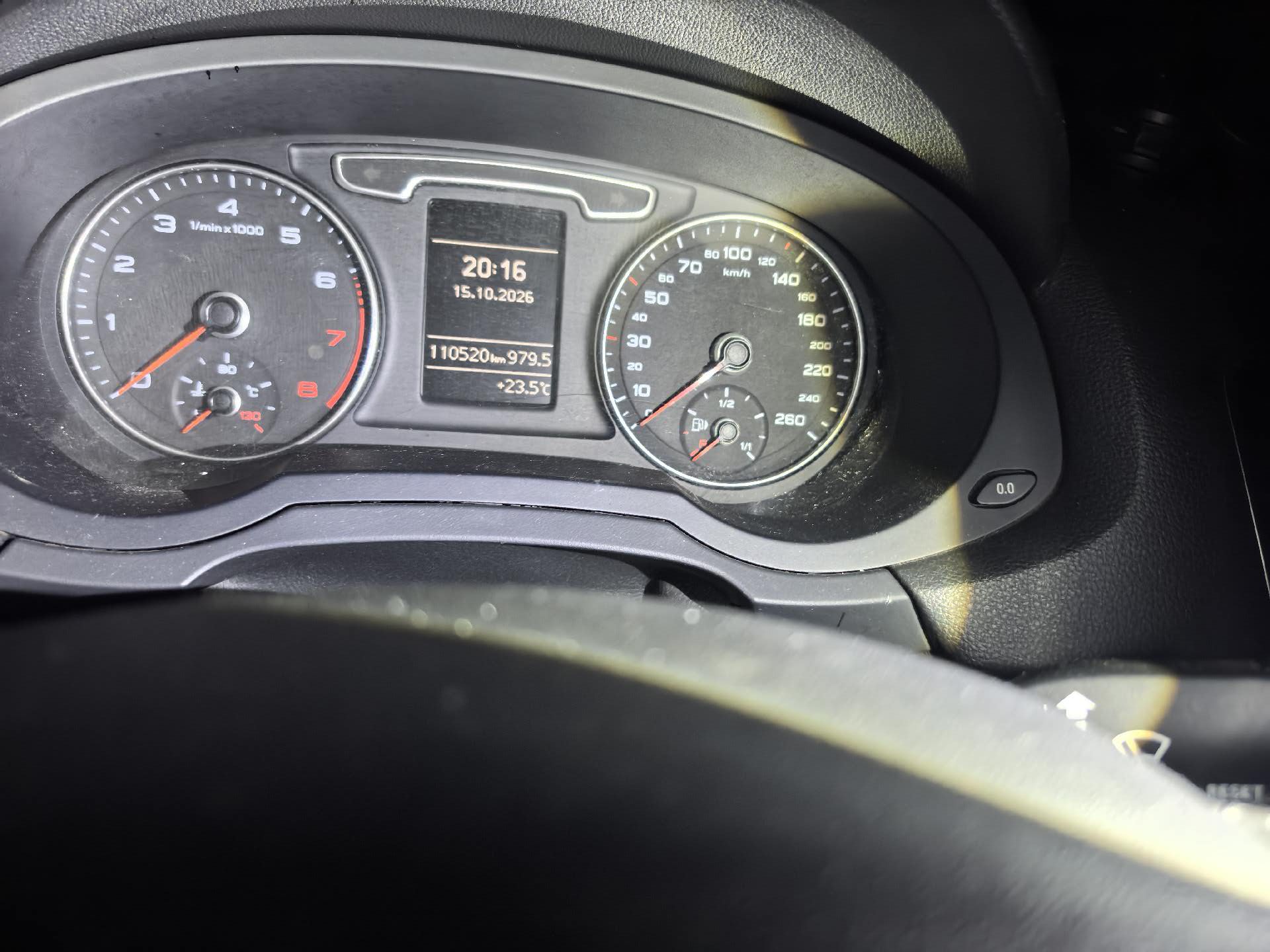



24H

Basic Information

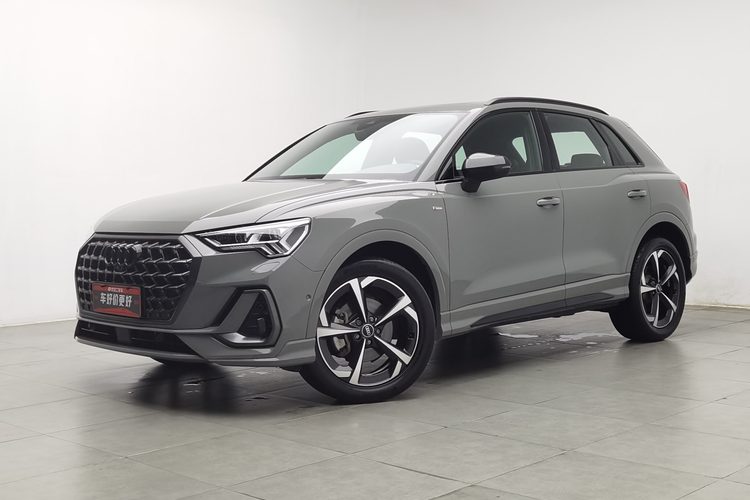
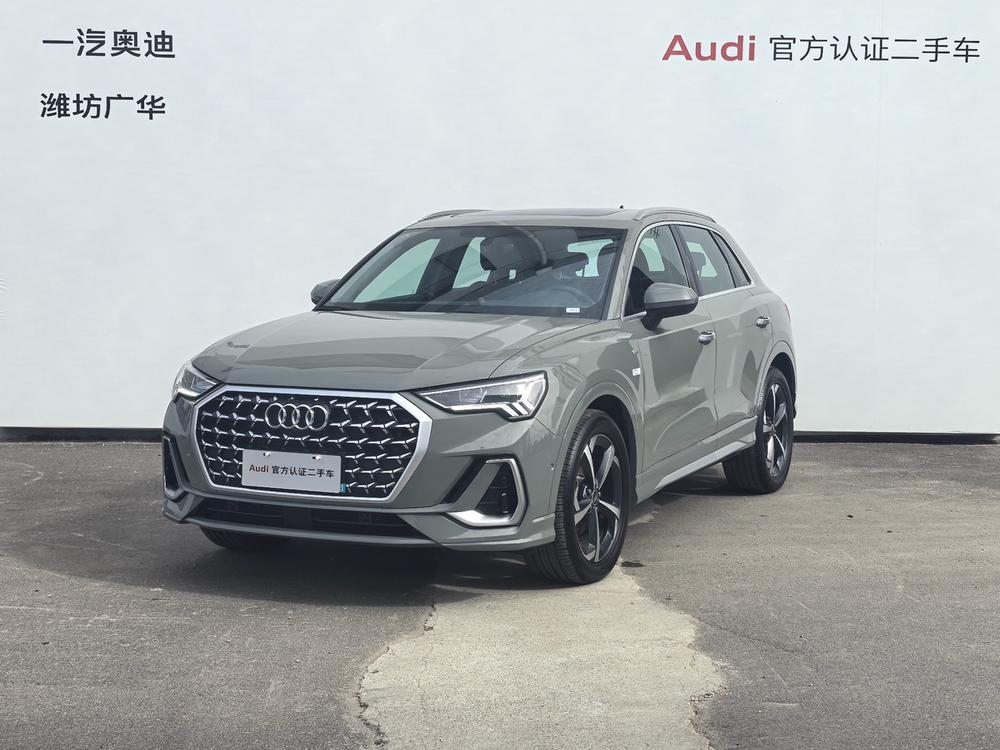
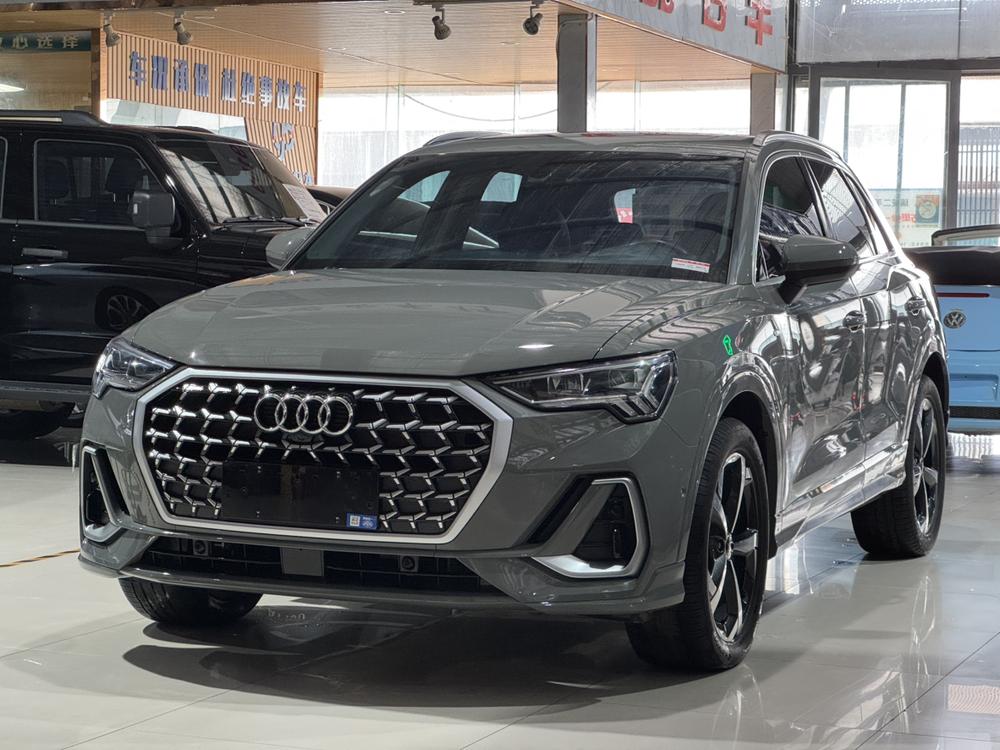
BrandAudi
SeriesQ3
Year2013
First Registration2013/09
Mileage110,000km
Transfer Count0times
FuelGasoline
TransmissionDCT
Engine2.0T 170 L4
ColorBrown
Seats-

Condition Description

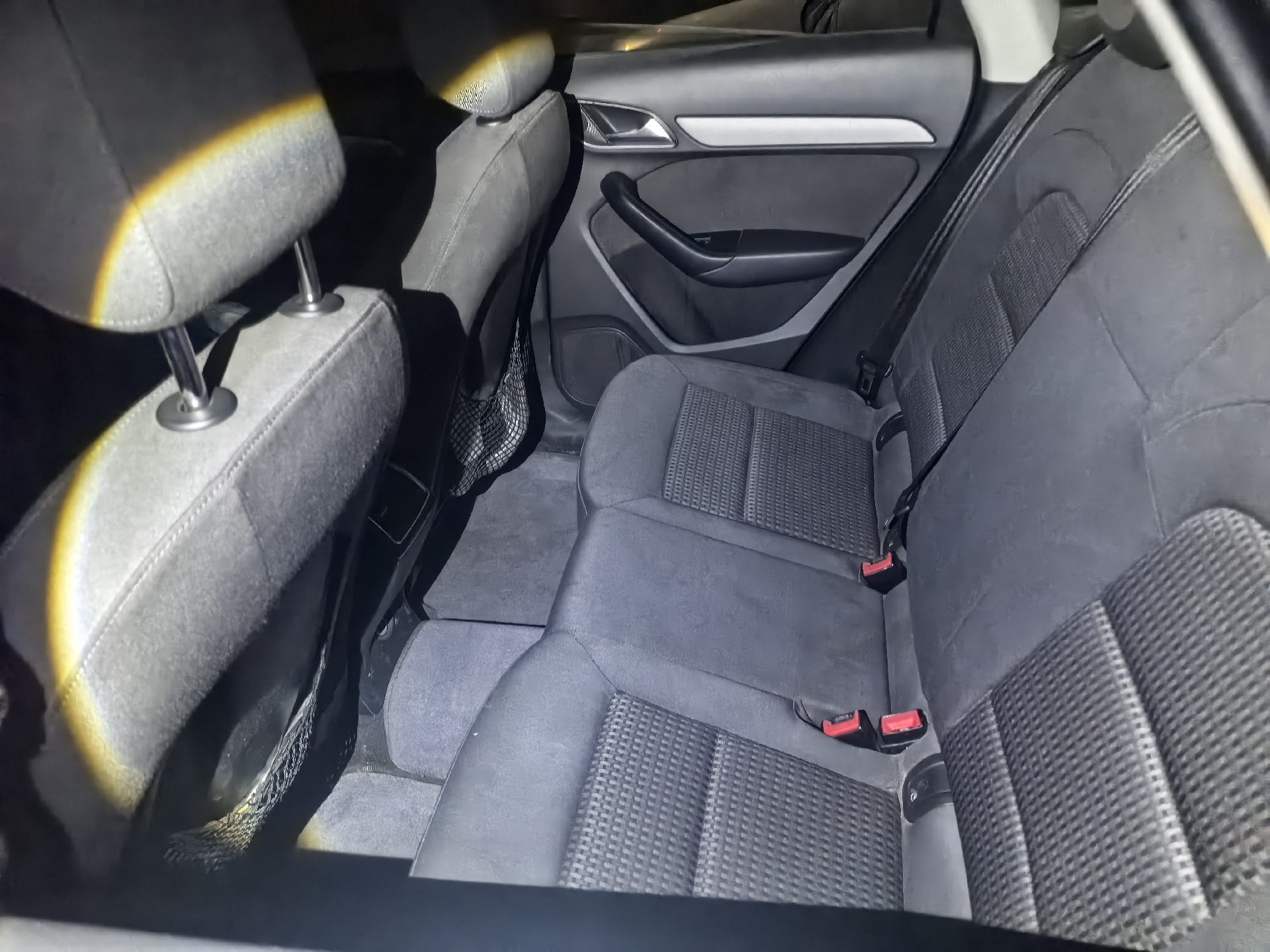
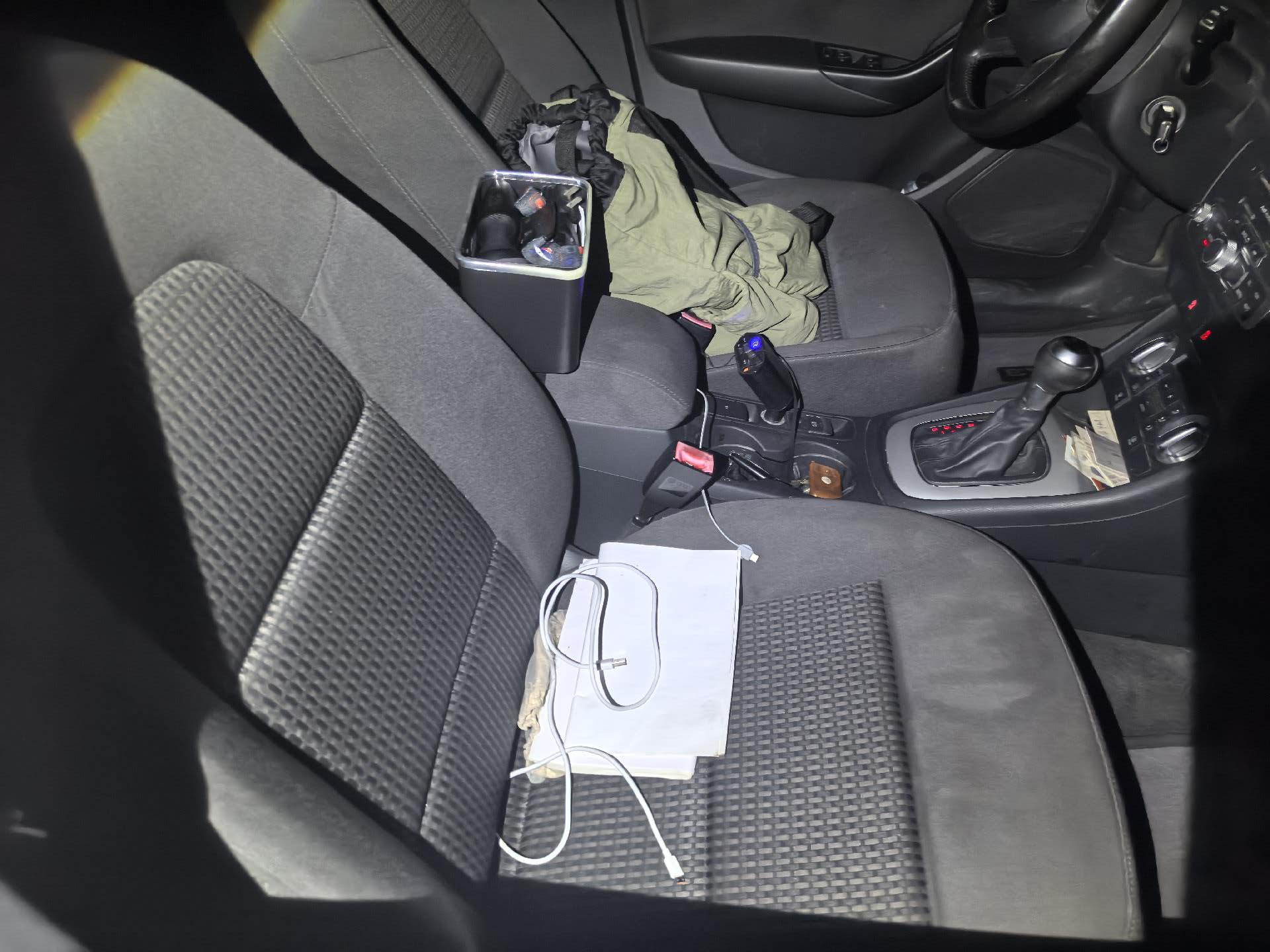
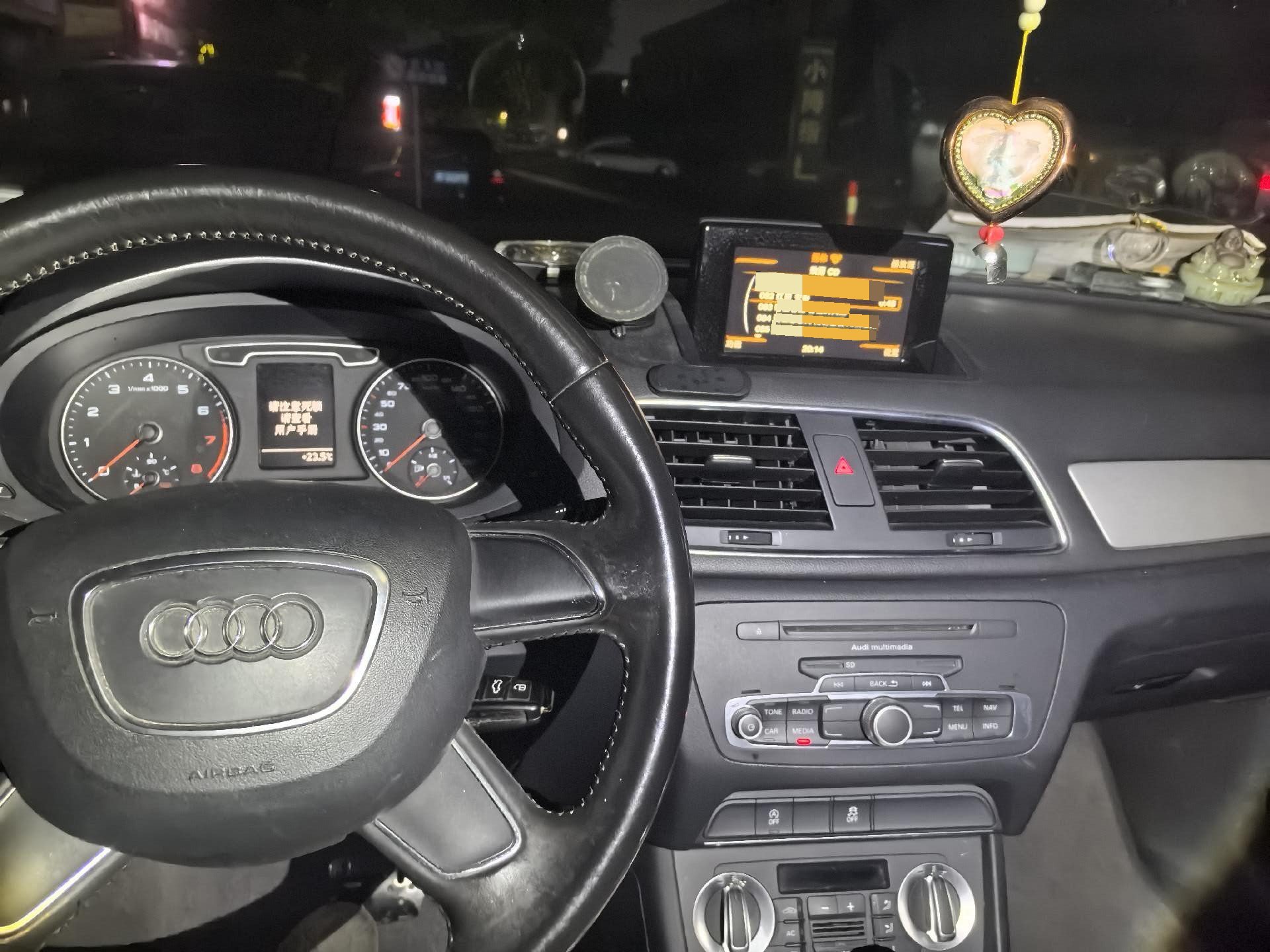
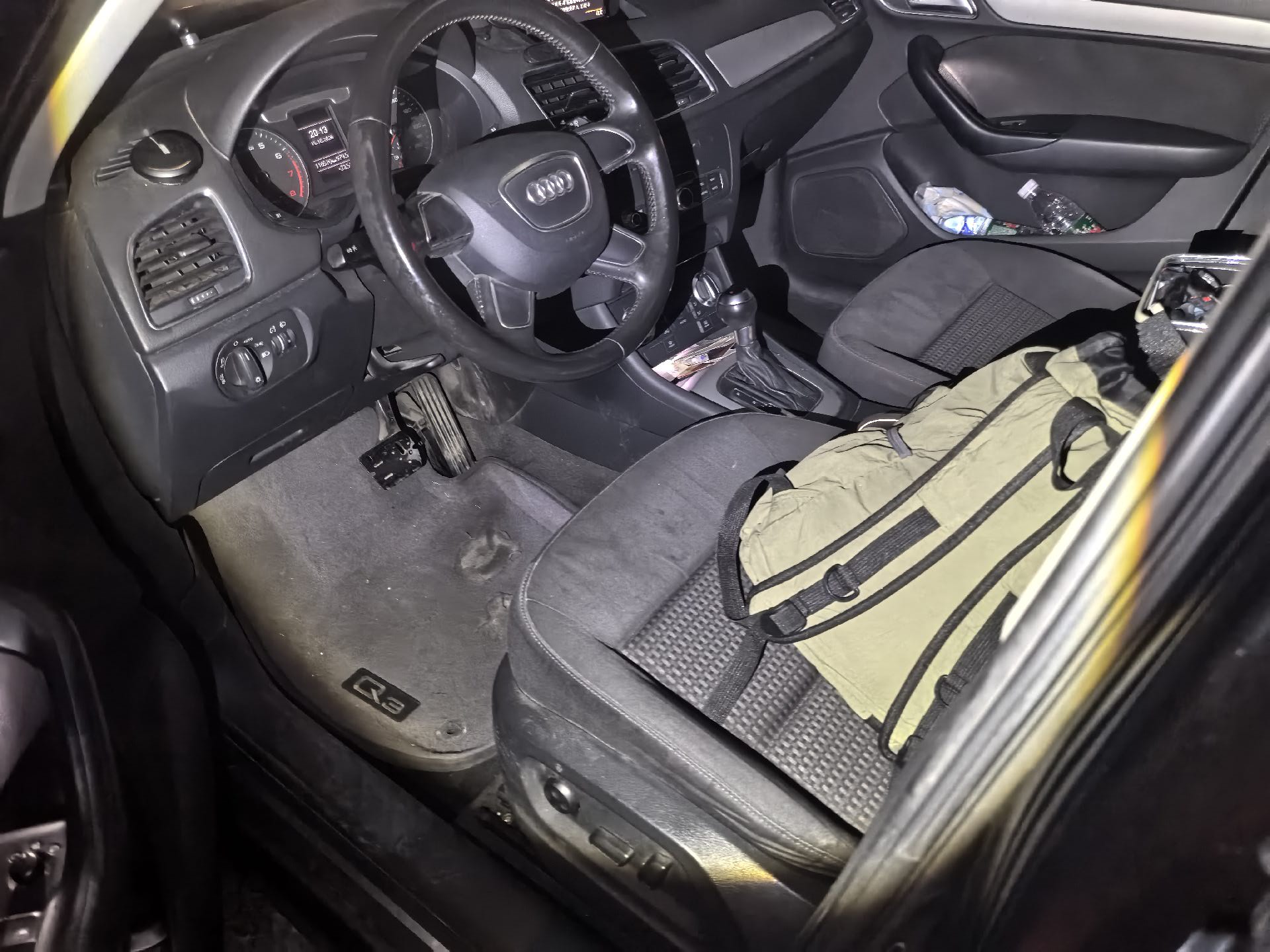
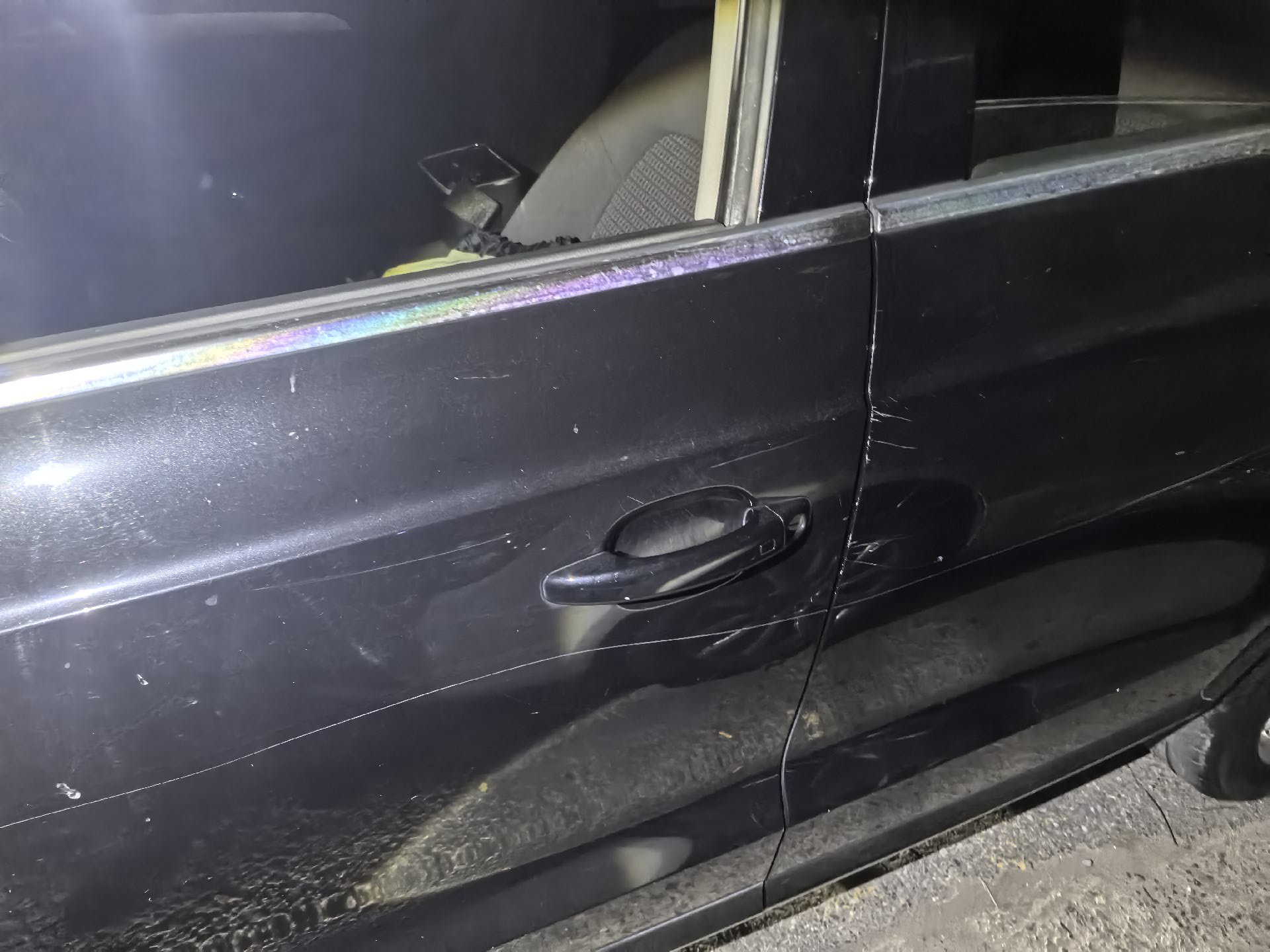
Full original paint, original condition, zero insurance claims.

Document Information

Inspection Expiry Date-
Warranty Expiry Date-
Insurance Expiry Date2027/09

Q&A

More

How to ensure that the declared value on the export license matches the commercial invoice exactly to avoid allegations of underreporting for tax evasion?

Our legal red line is that the amounts on the China Customs declaration, export license, commercial invoice, and bank receipt must be consistent across all four documents. We firmly refuse to engage in the illegal act of issuing "false low-value invoices" to assist buyers in evading customs duties in the destination country.
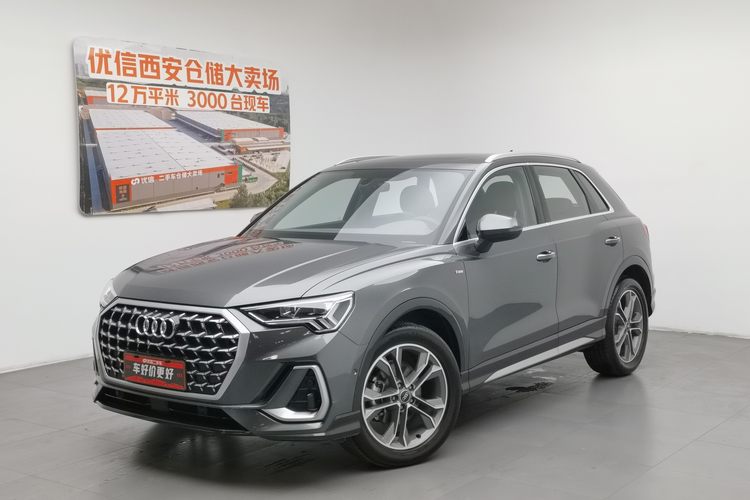
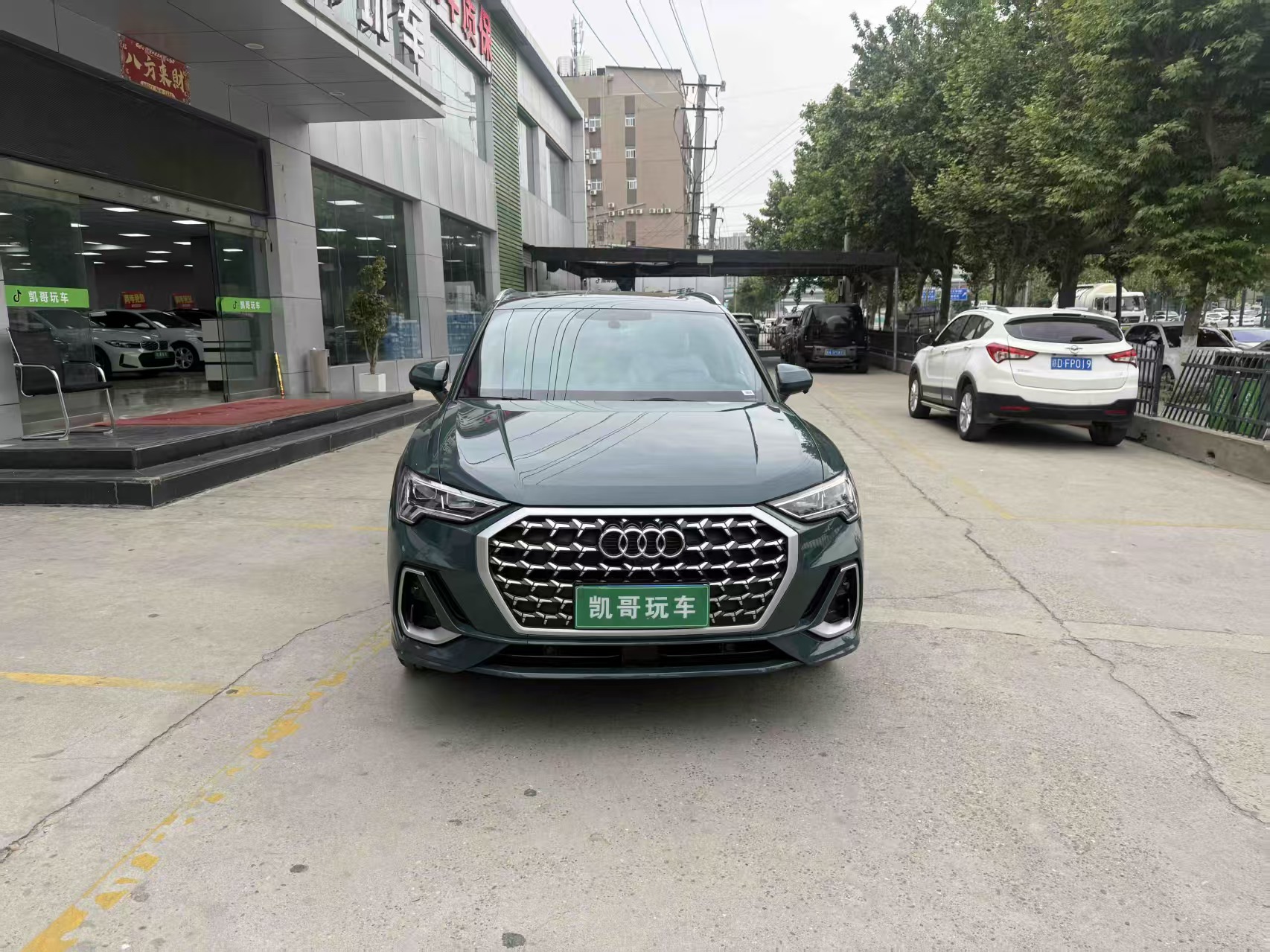
How do you assess the leak risk of vehicles with panoramic sunroofs?

We maintain an absolute skeptical attitude. In addition to regular visual inspections, we focus on checking for sediment accumulation around the sunroof drainage channels and look for water stains under the A-pillar trim and front floor mats. This is the only effective physical evidence to determine if the sunroof drainage holes are blocked, leading to hidden leaks.

What is a Certificate of Origin and why do I need one when importing a car from China?

A Certificate of Origin (C/O) is an official document stating where the vehicle was manufactured. Customs authorities use it to decide which tariff rates and trade agreements apply to your import. Why it matters: many countries offer preferential tariffs for certain origins. With a valid C/O, such as the ASEAN-China Form E or a GSP Form A, you may pay reduced or zero duty. Without it, you typically pay the standard, higher rate. The certificate must match the vehicle exactly: VIN, make, model and invoice details. It is usually issued by the China Council for the Promotion of International Trade (CCPIT) or customs authorities. Practical tips: request the C/O before shipment, because adding it later is slow; check that your country's customs accepts the specific C/O format; and confirm with your broker whether your vehicle category qualifies for preferential rates. This single document can save you thousands in duty.