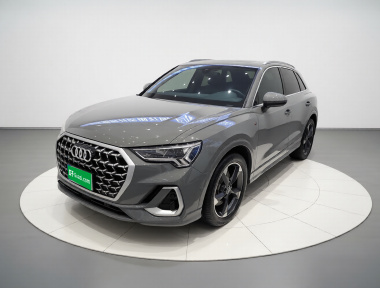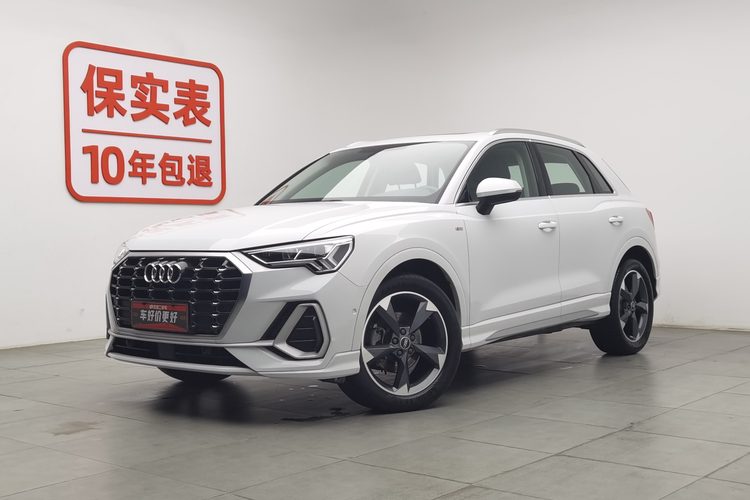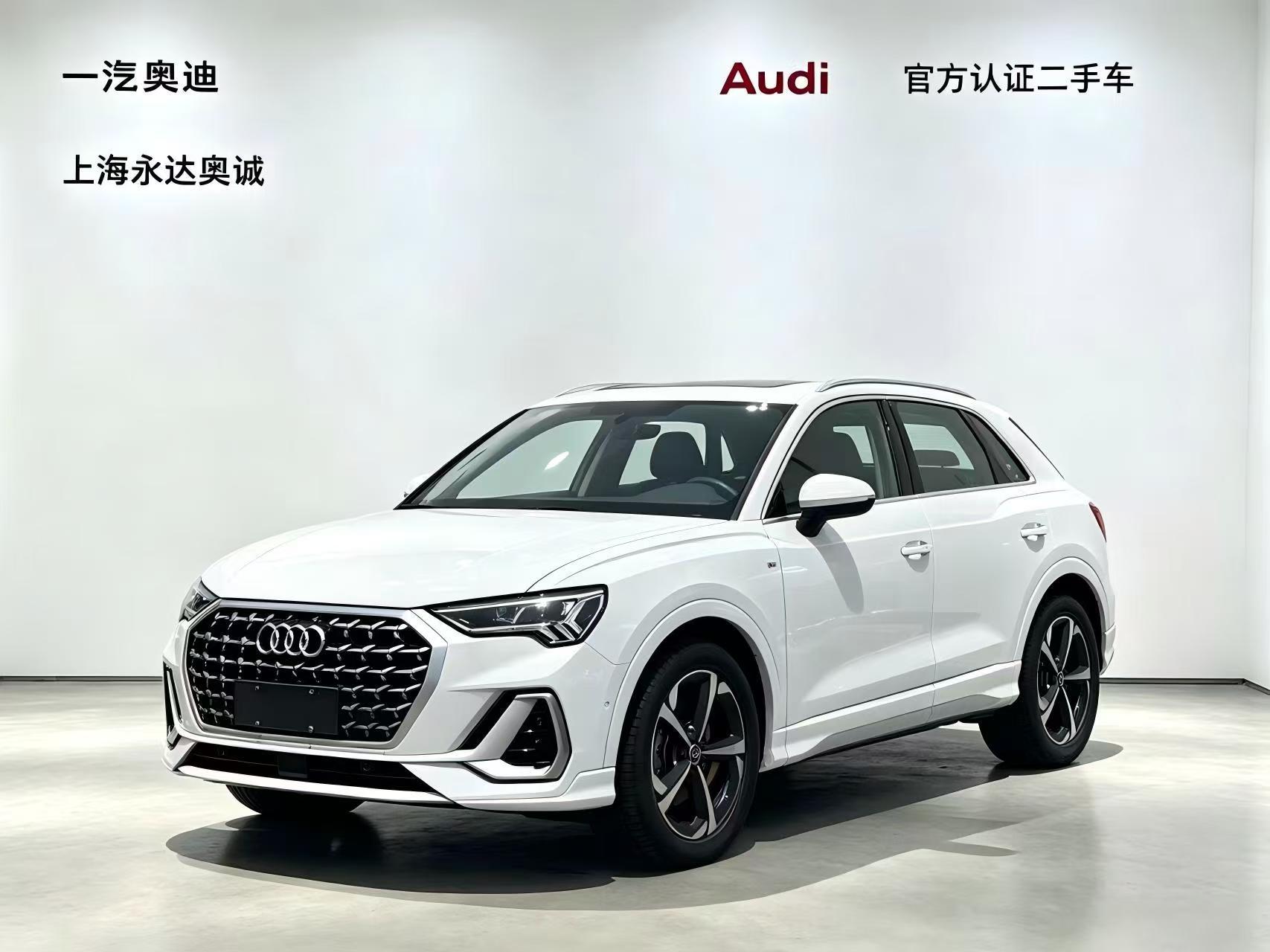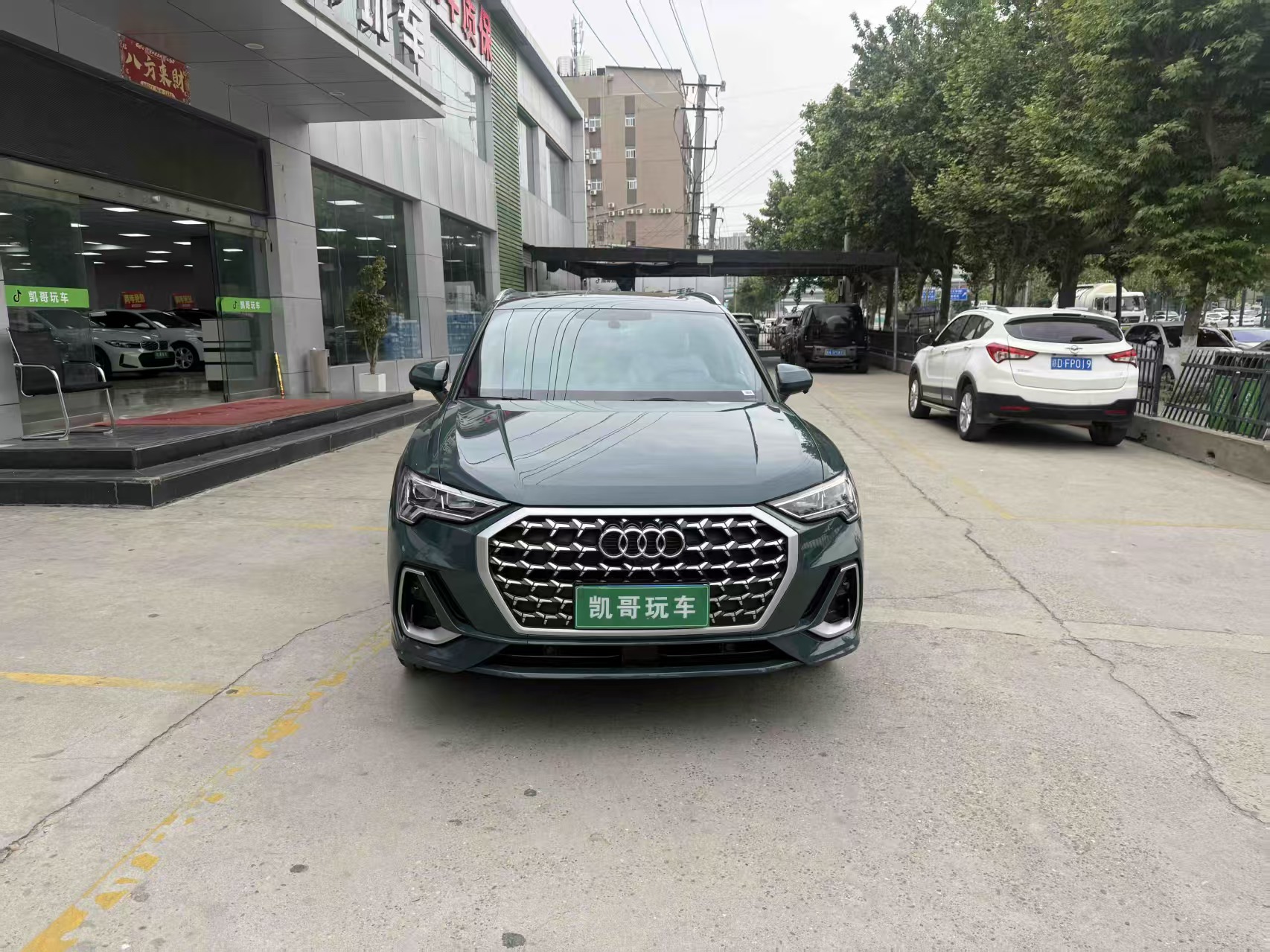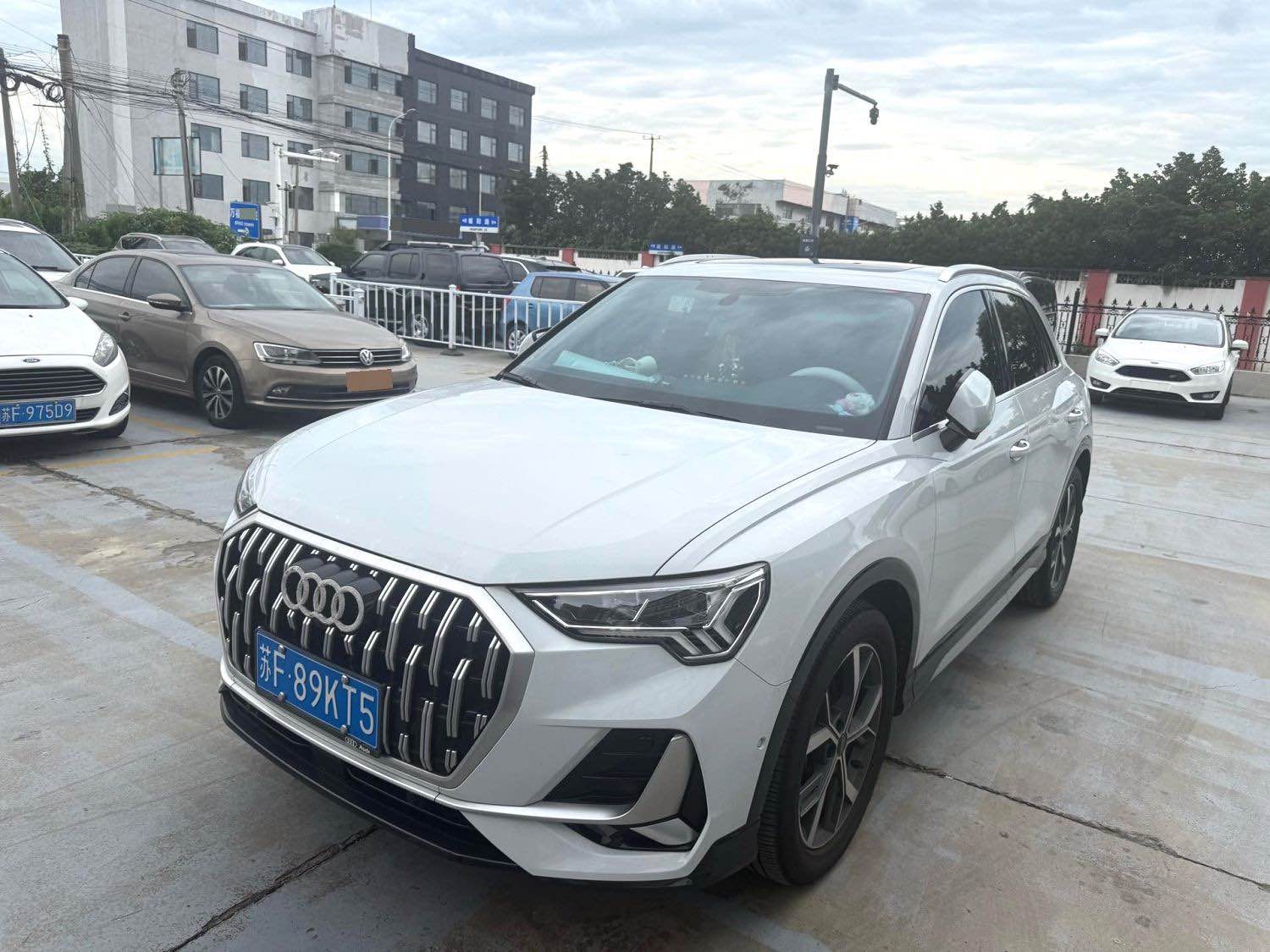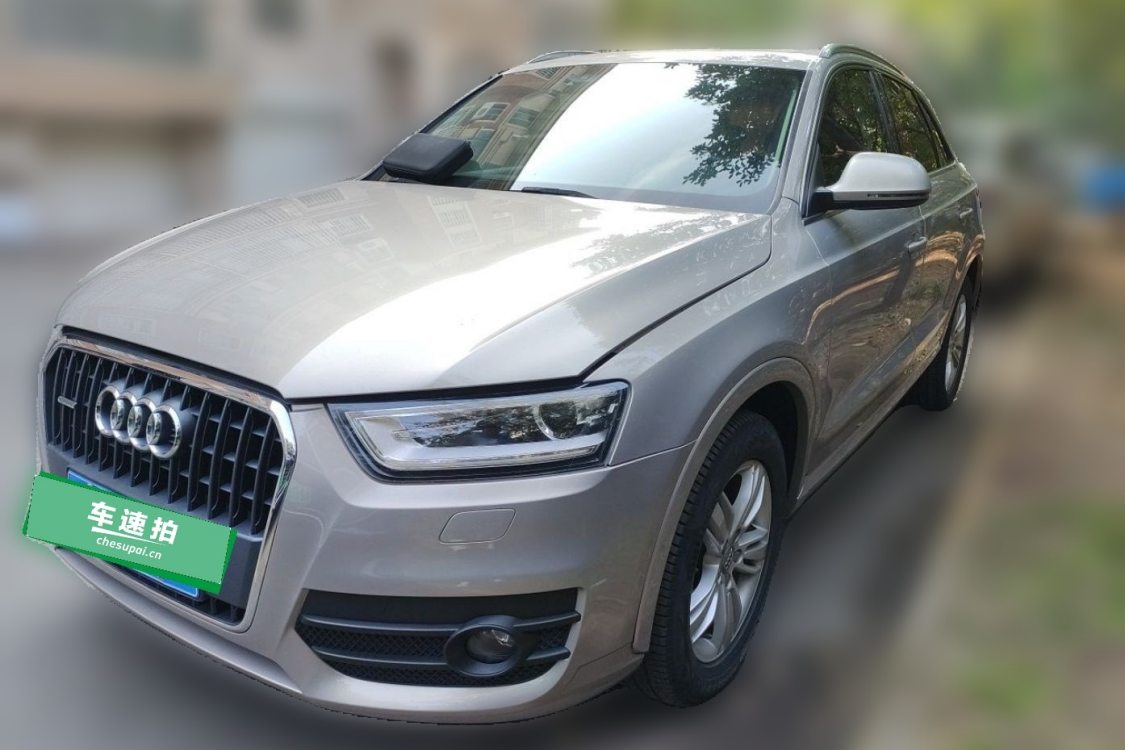
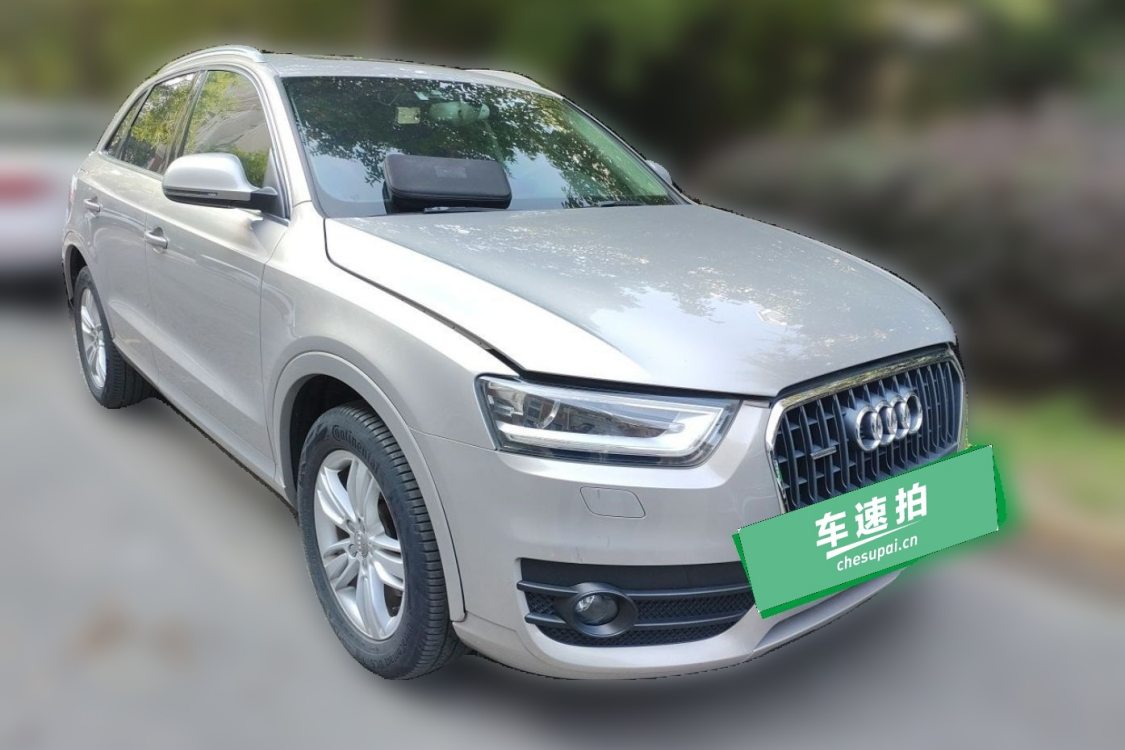
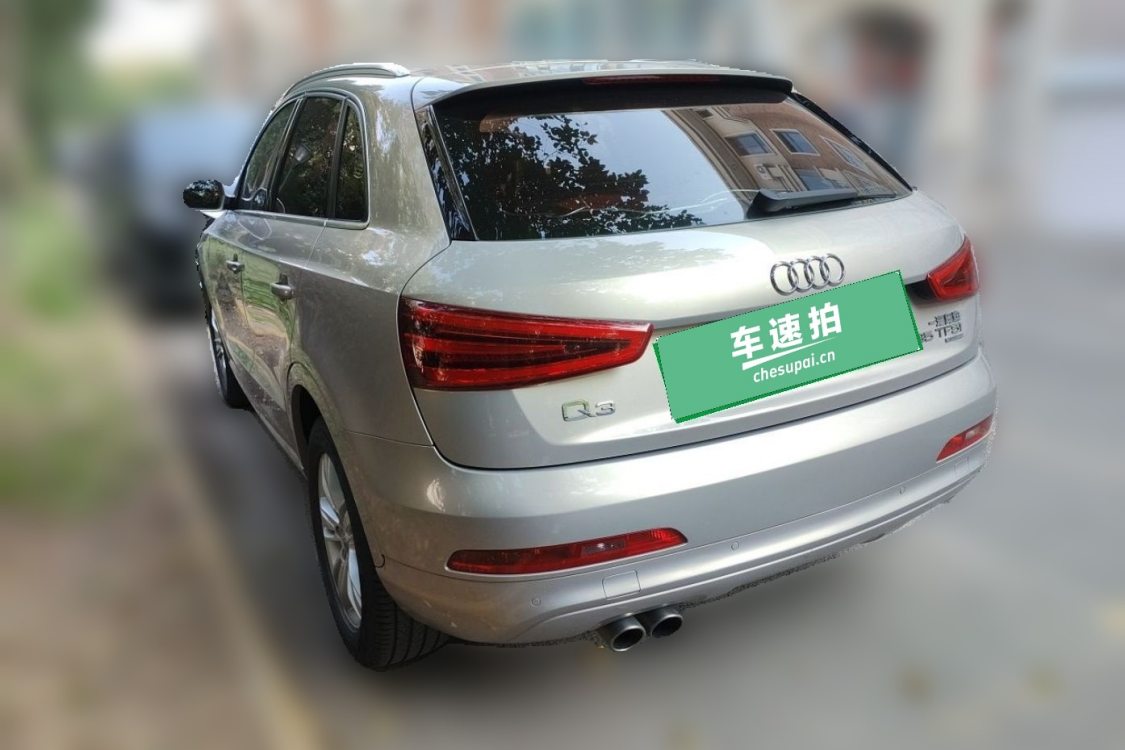
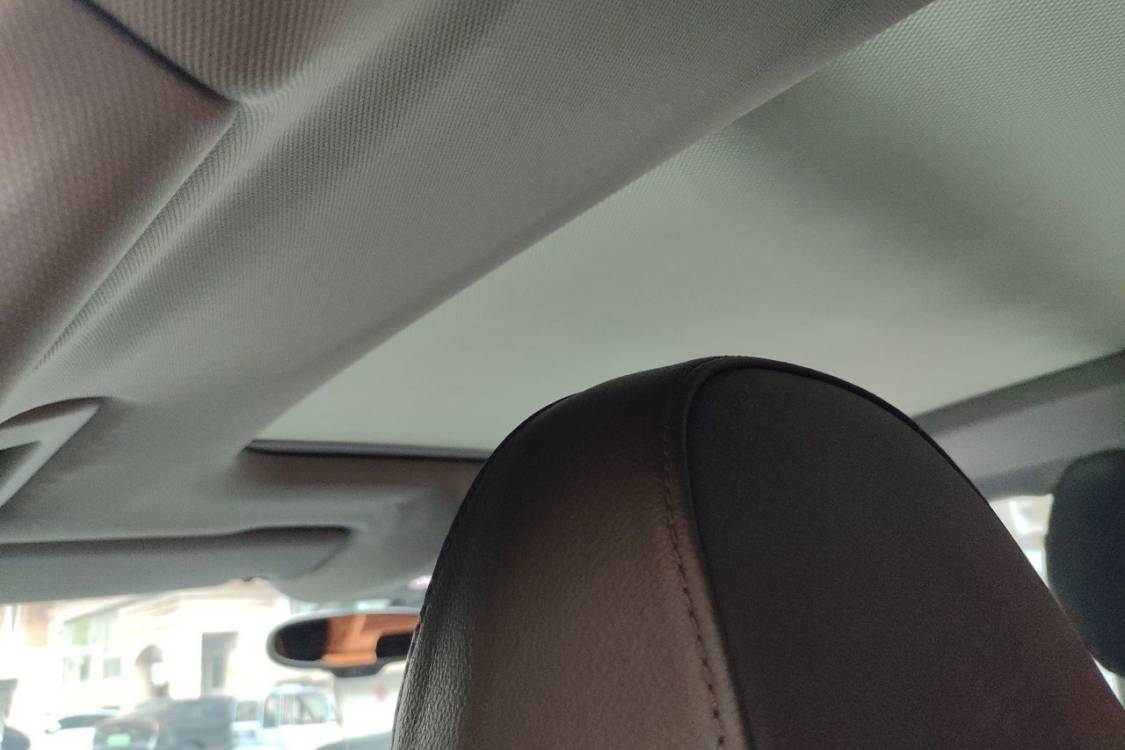
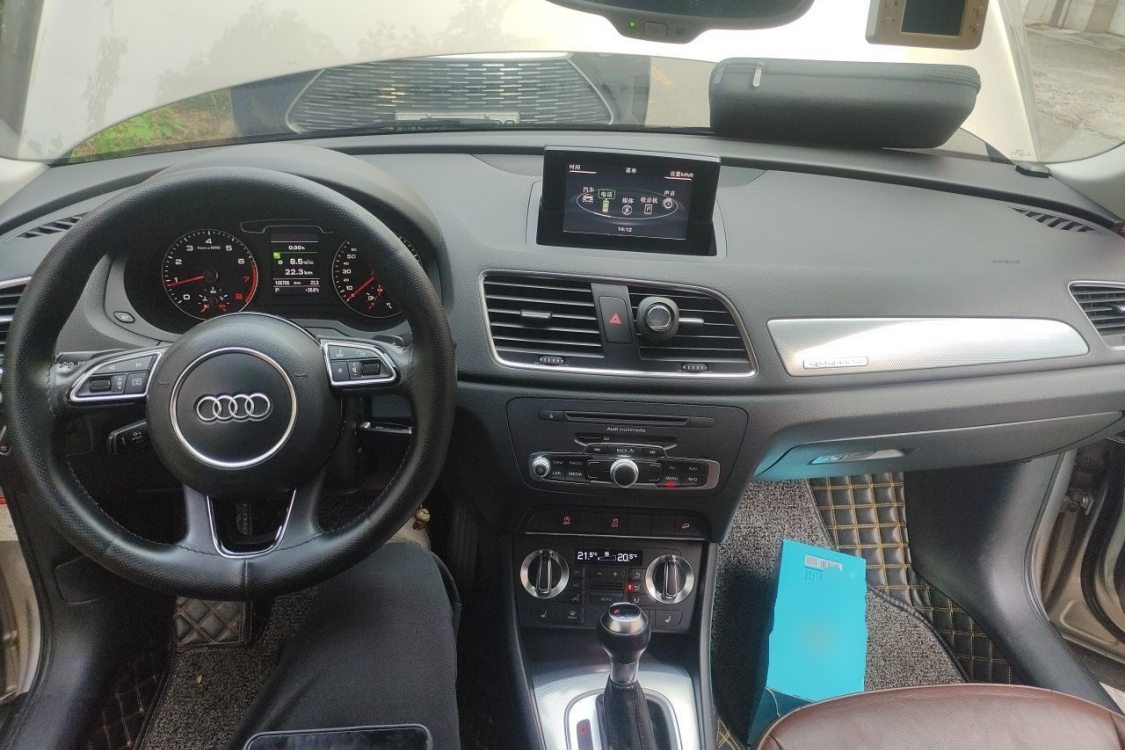
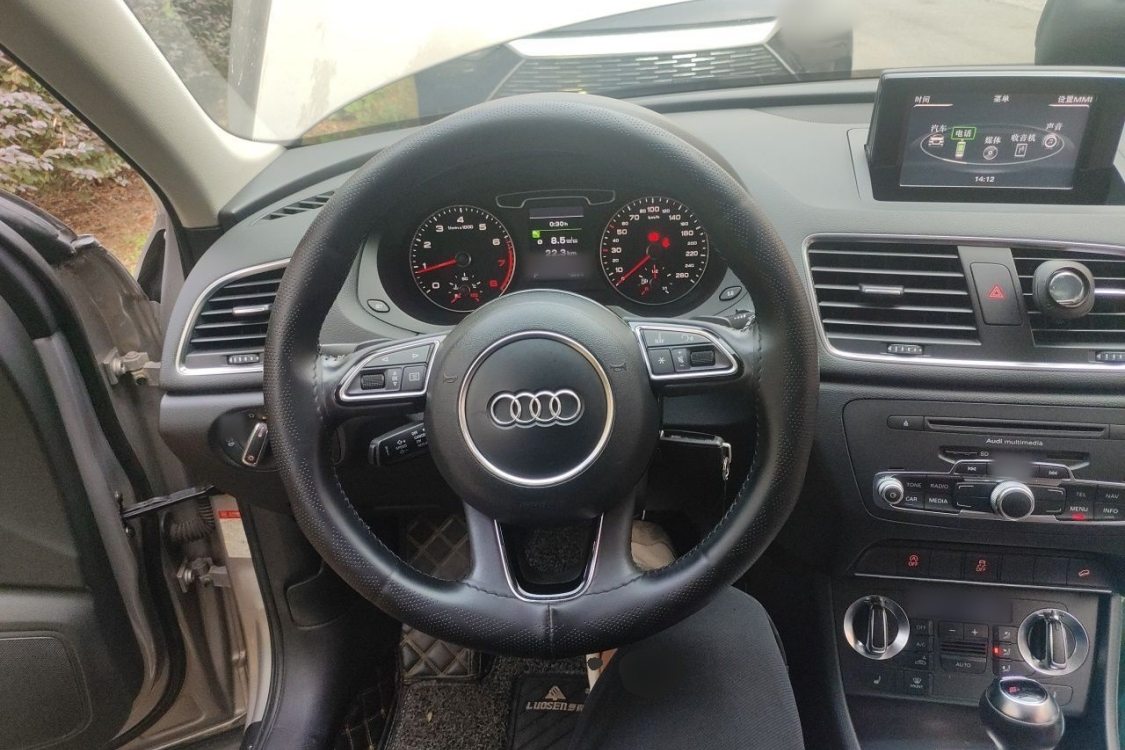
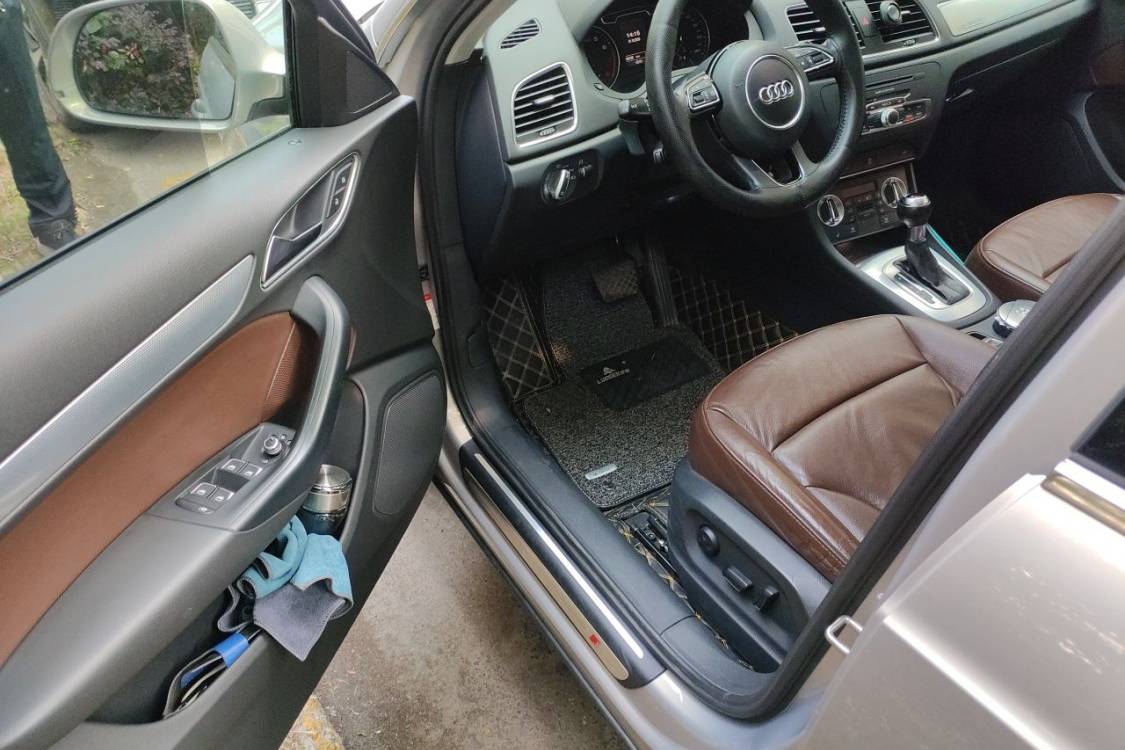



Basic Information

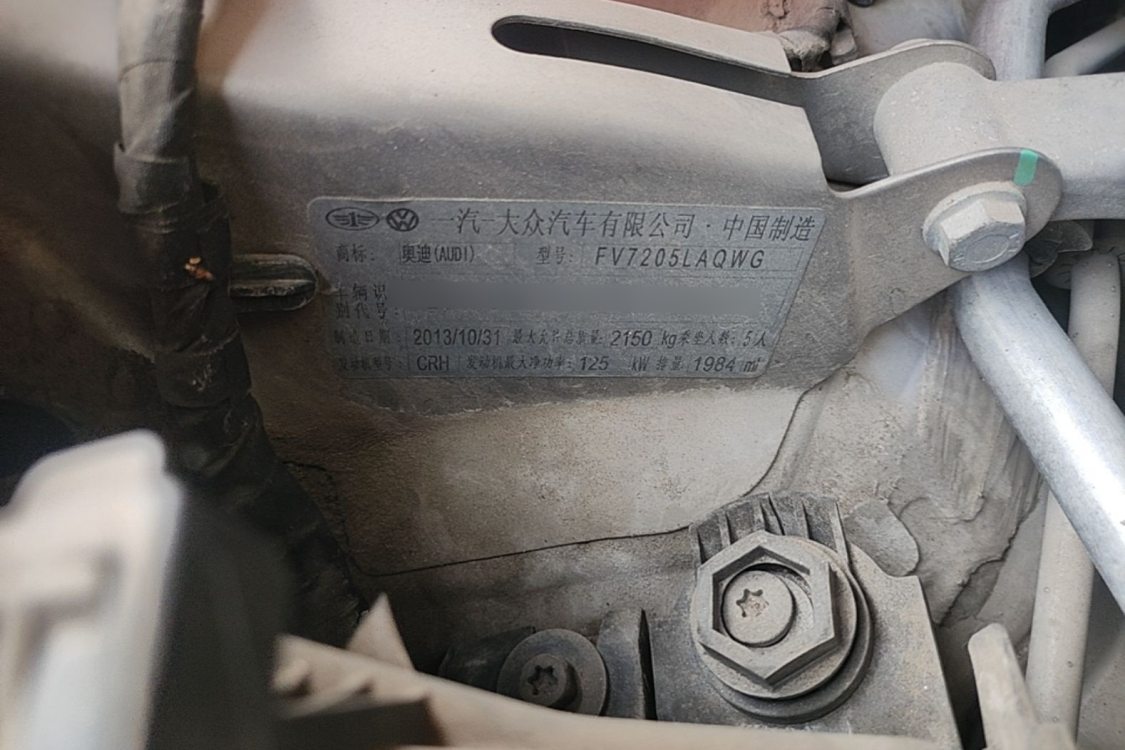
BrandAudi
SeriesQ3
Year2014
First Registration2014/04
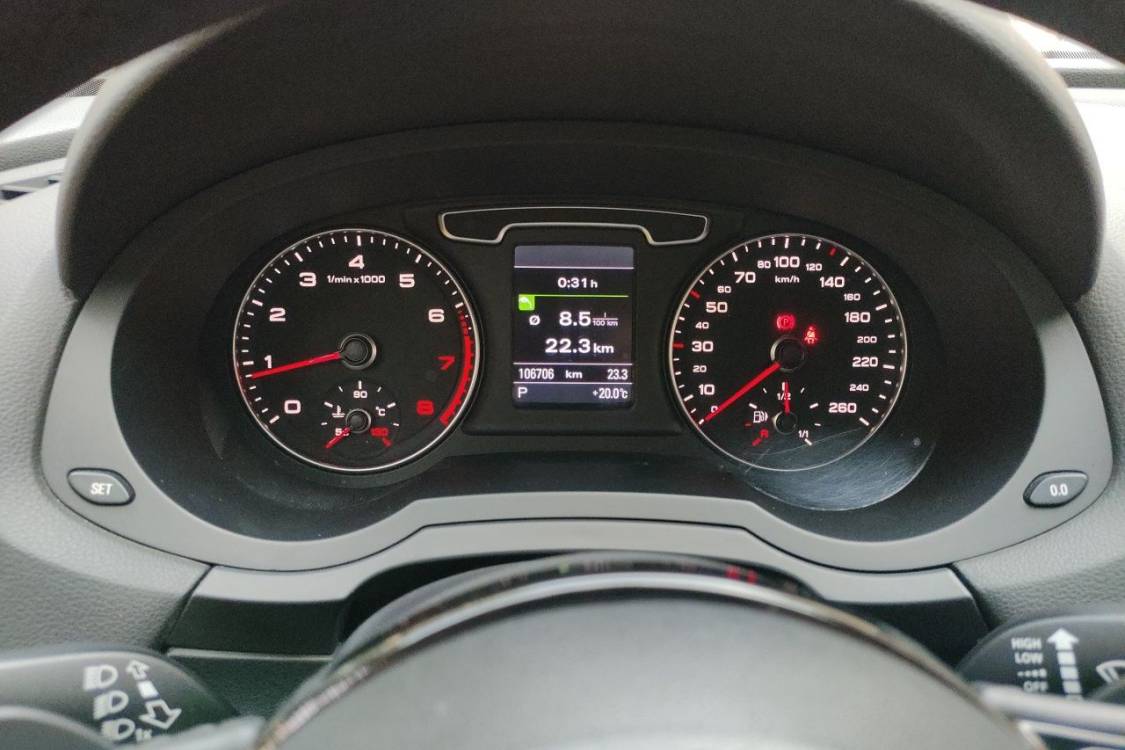
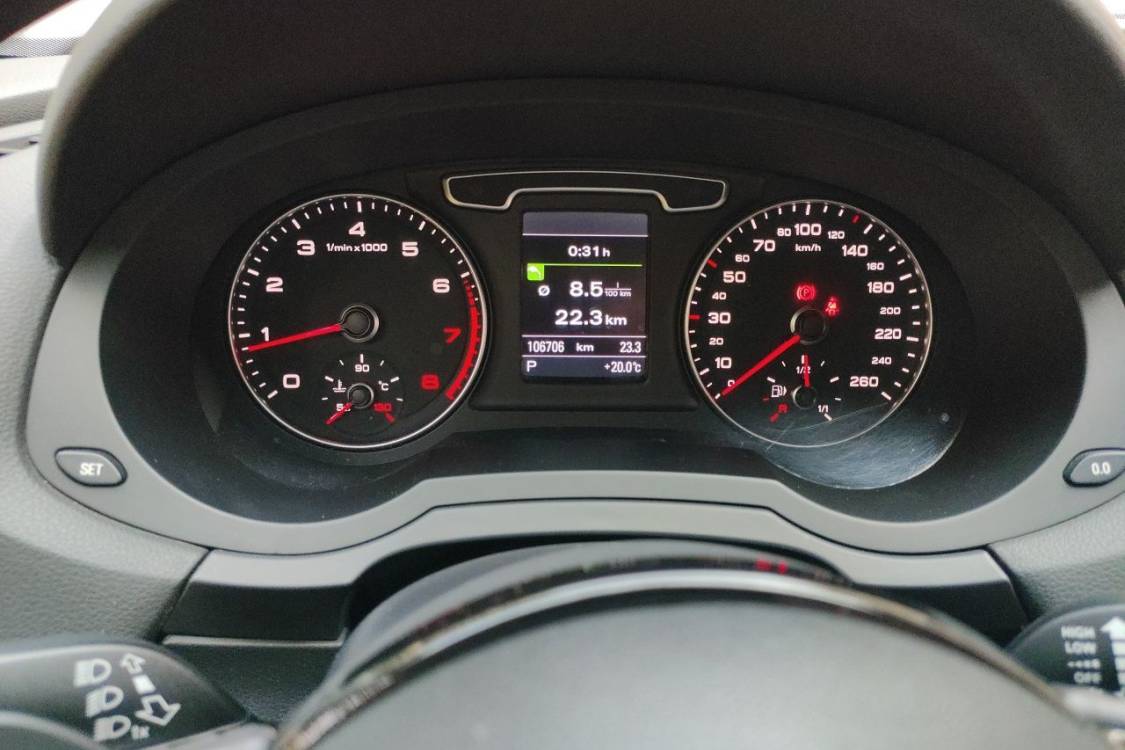
Mileage106,700km
Transfer Count-
FuelGasoline
TransmissionDCT
Engine2.0T 170 L4
ColorOther
Seats-

Condition Description

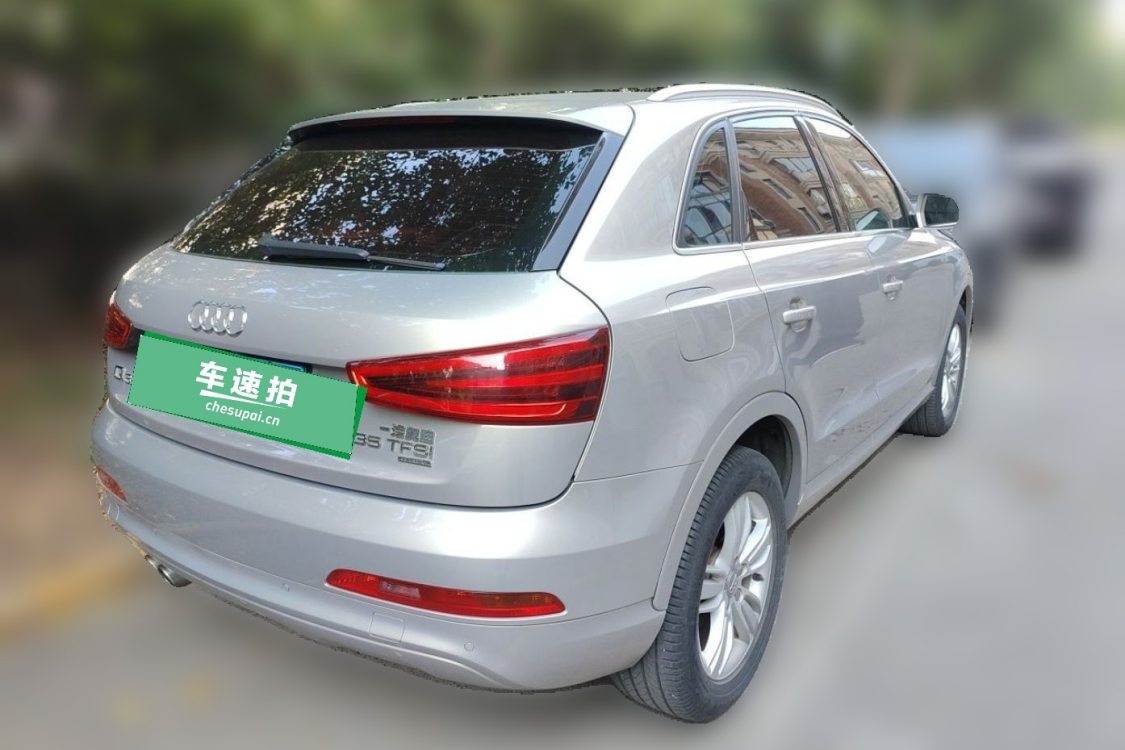
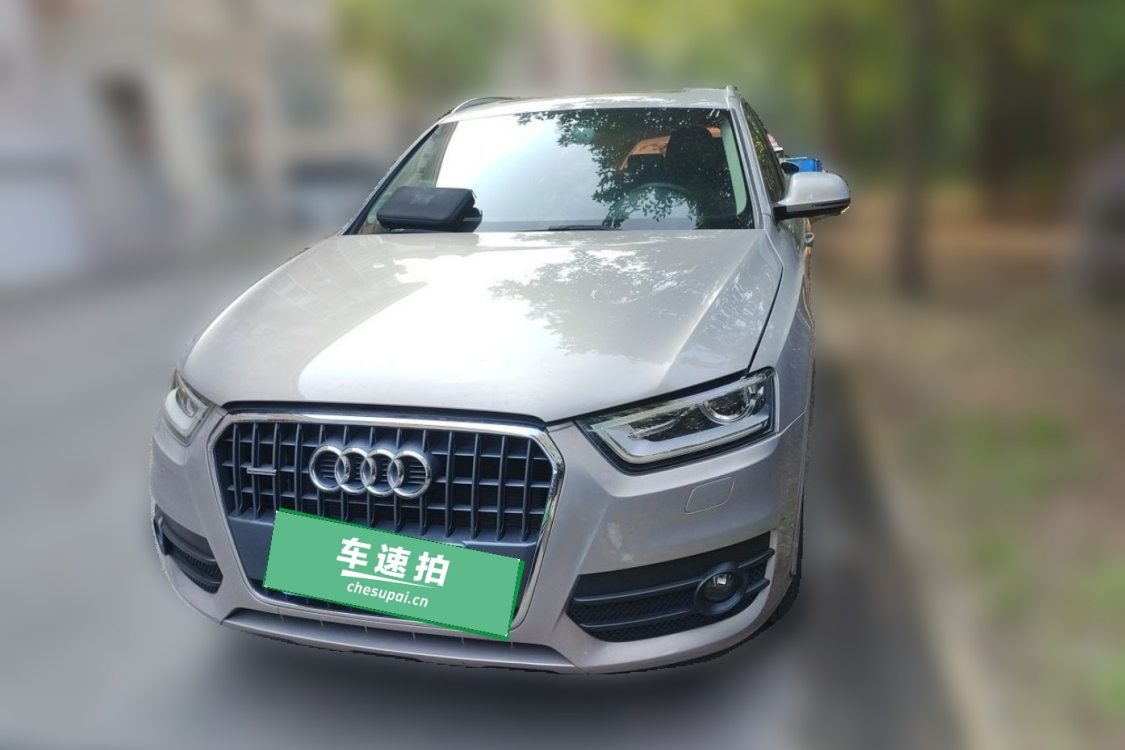
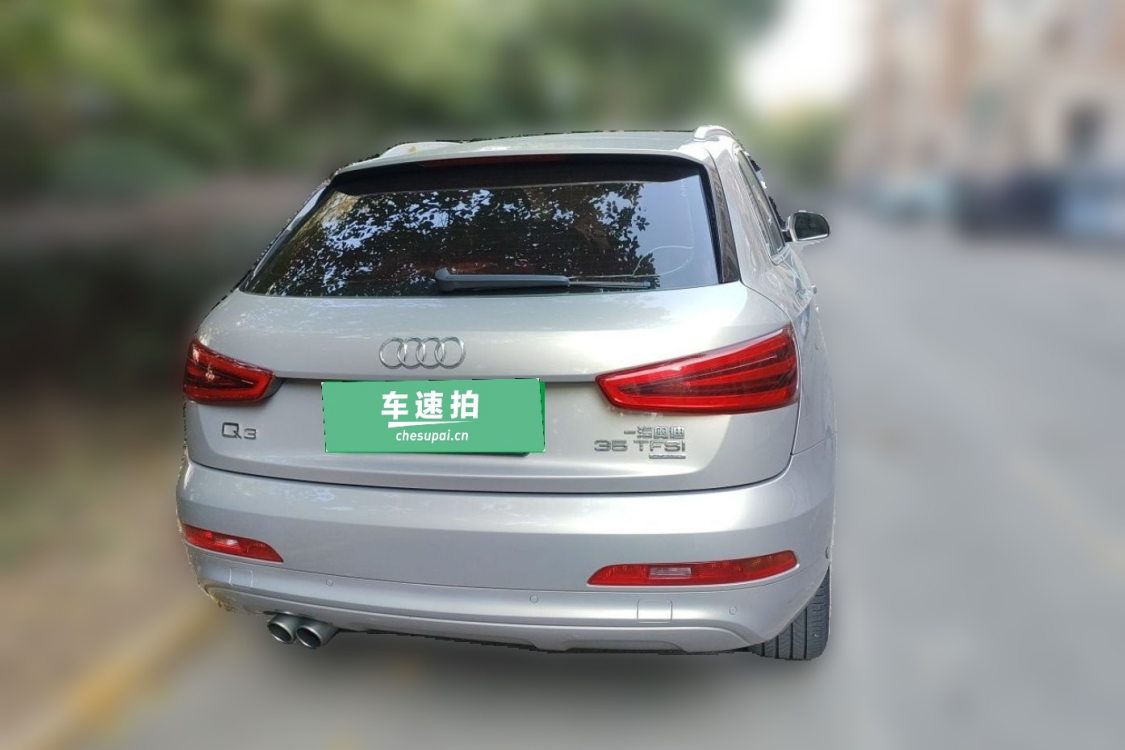
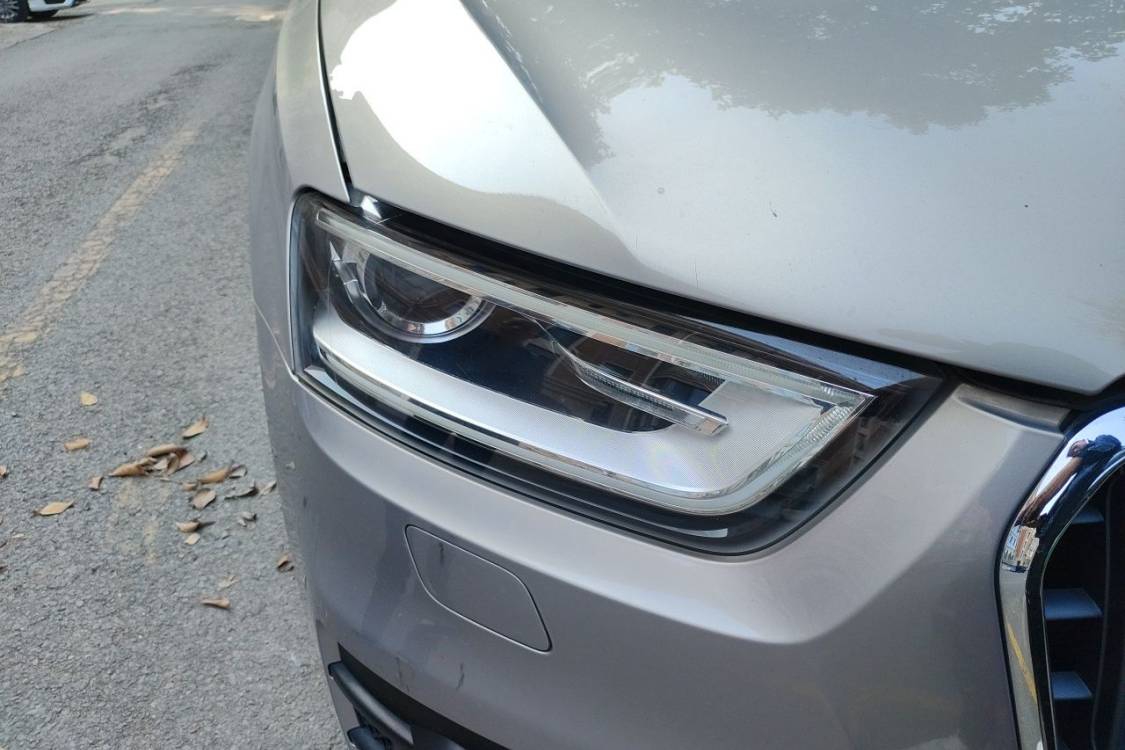
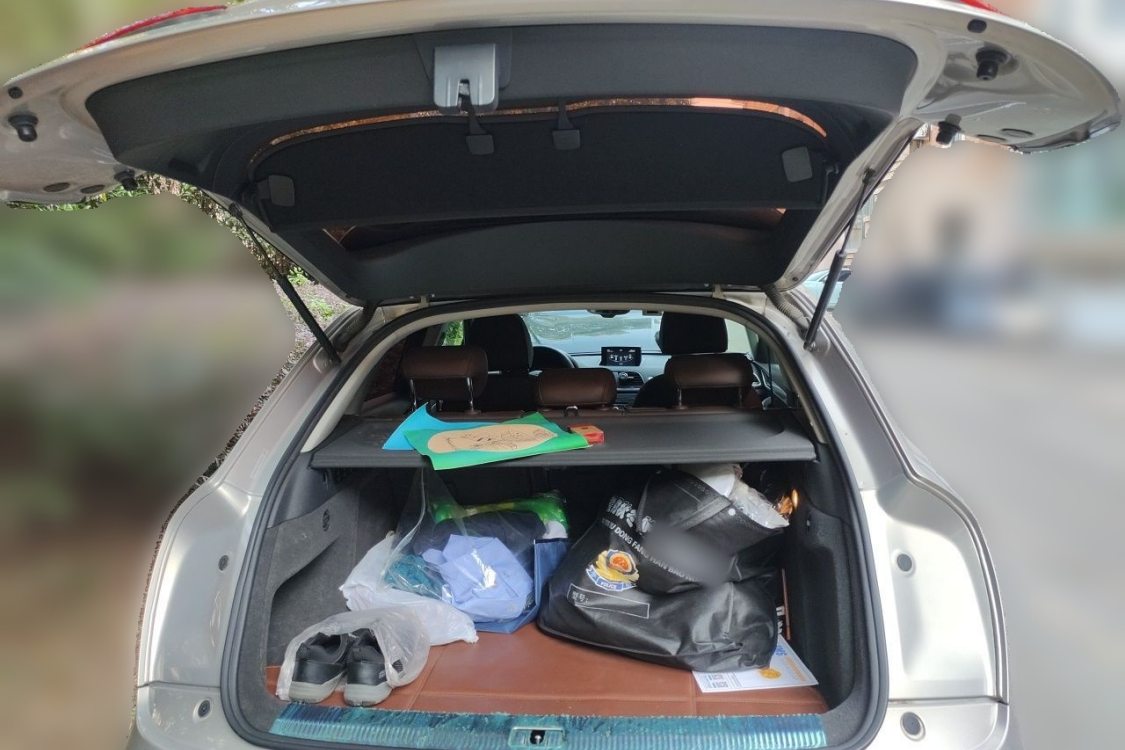
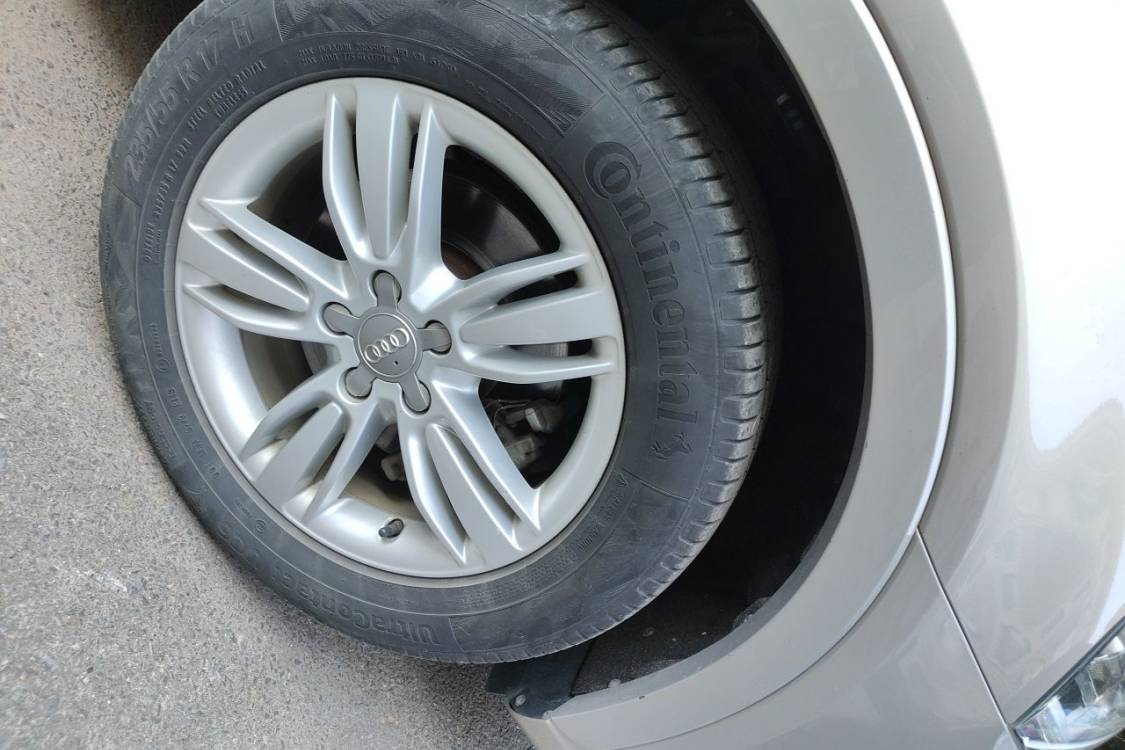
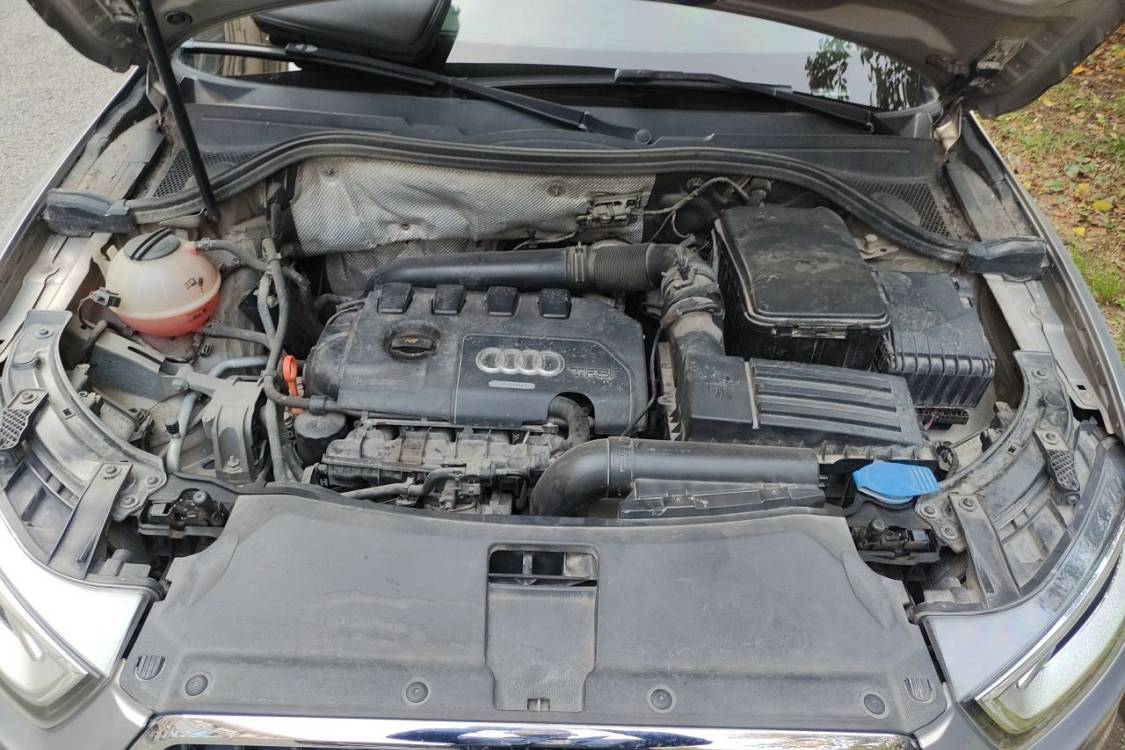
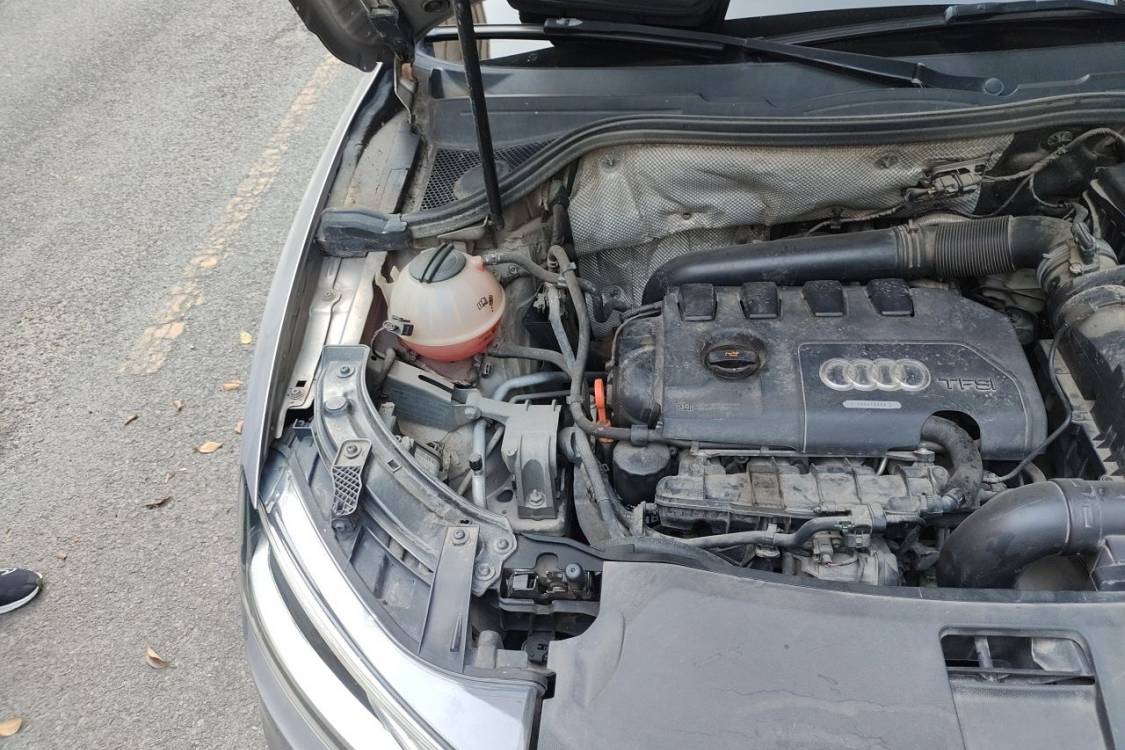
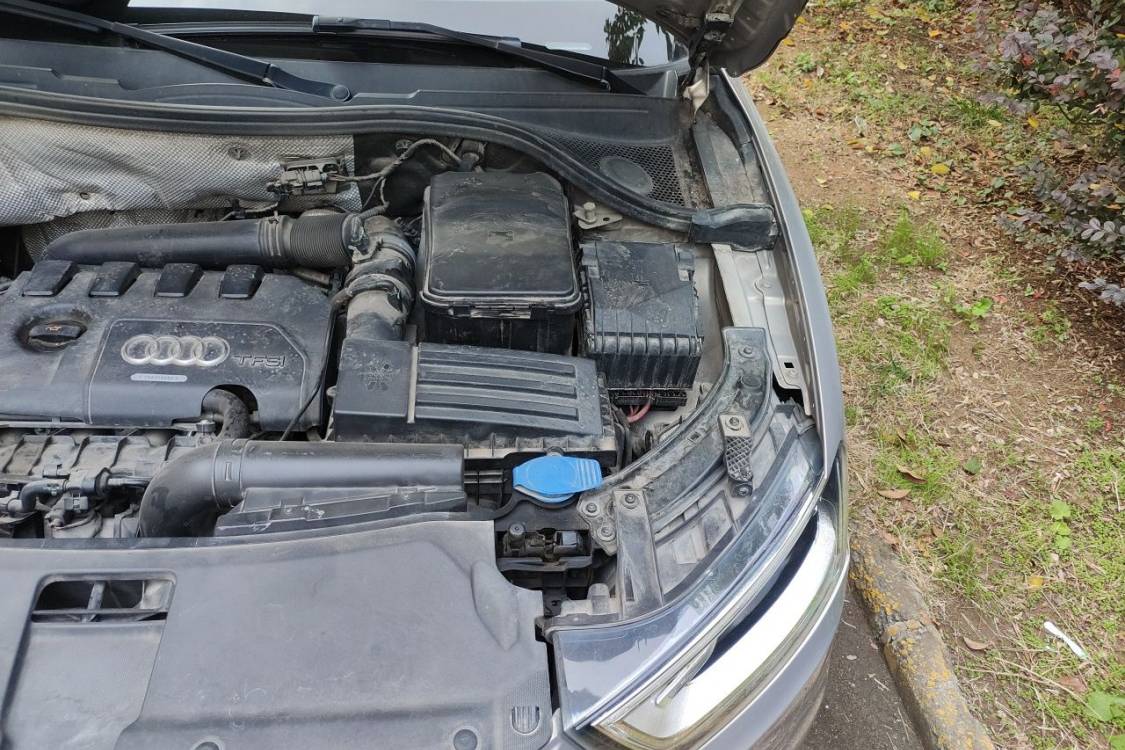
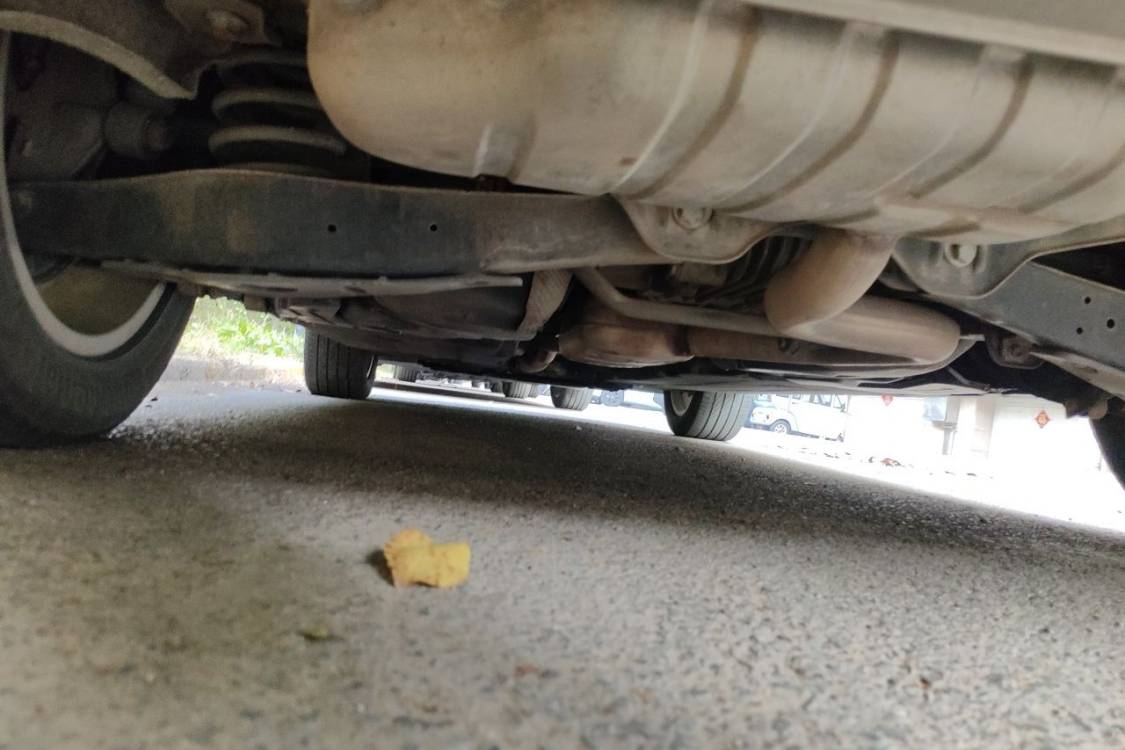
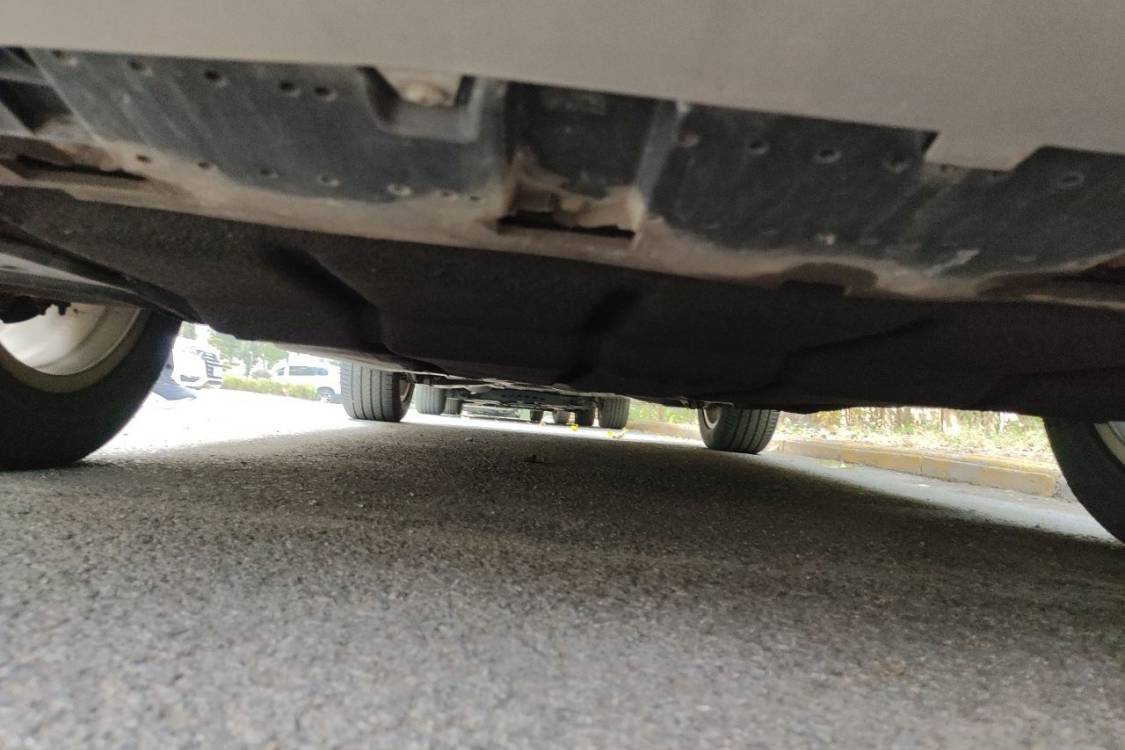
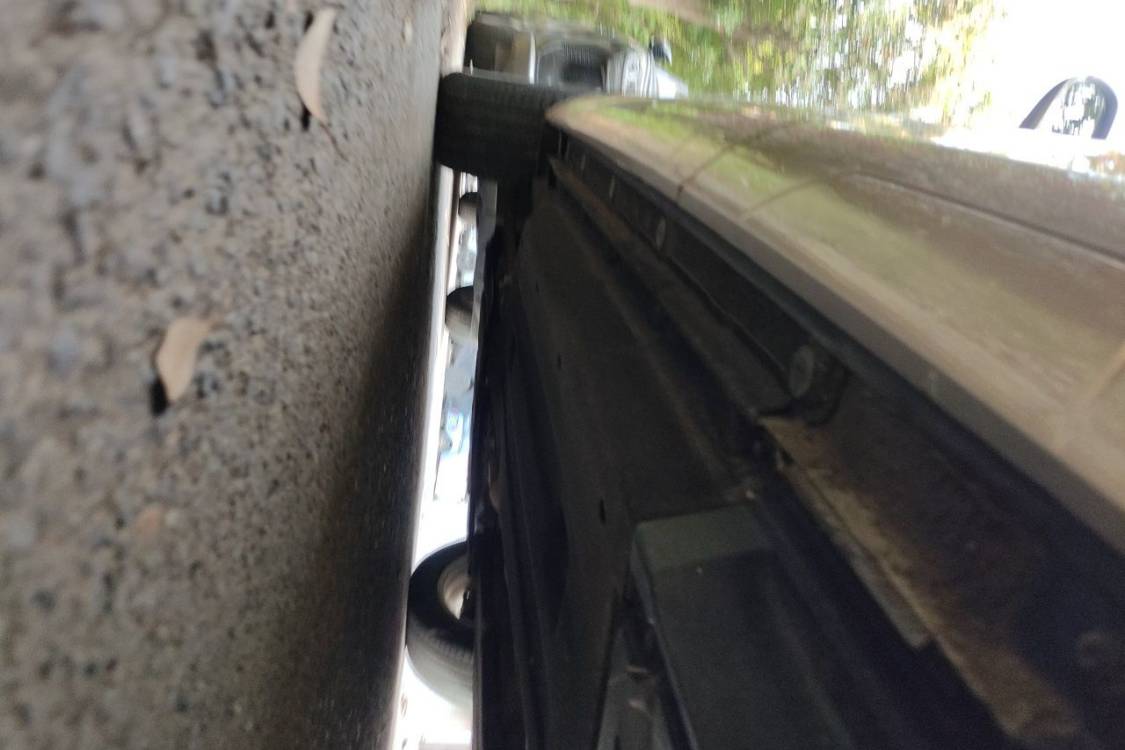
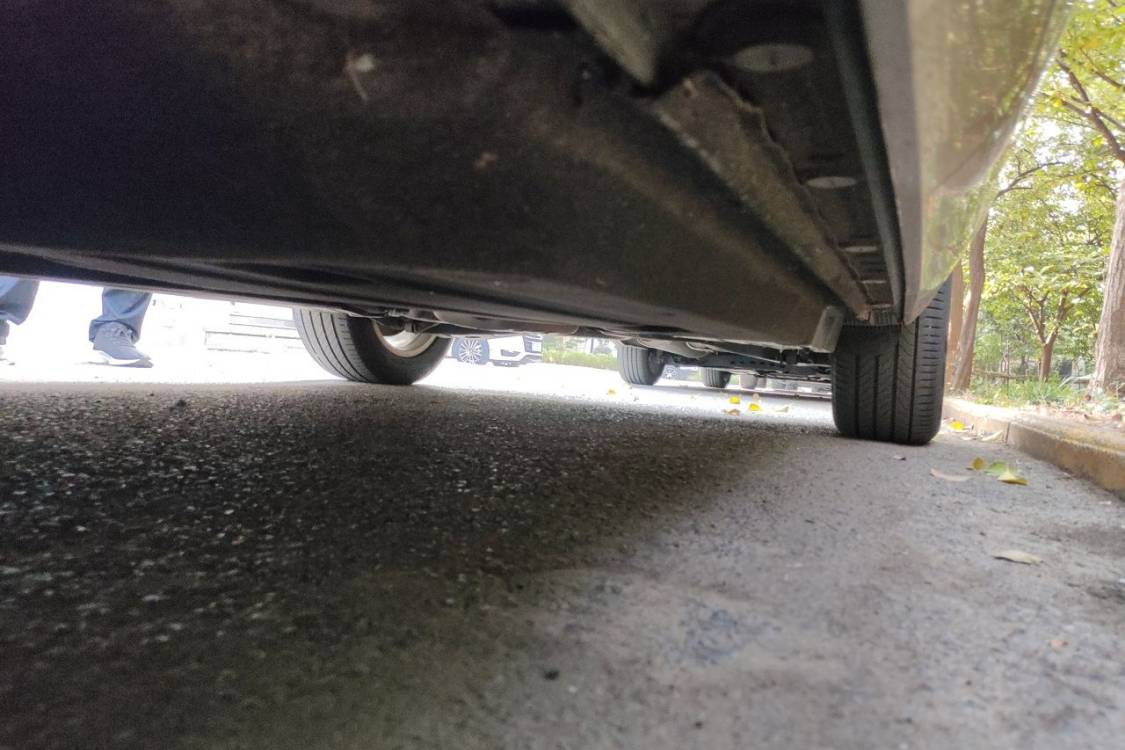
Localized body damage or repair marks present; no accident damage or repairs to structural or reinforcement components. Vehicle performance (including three-electric system) has degraded or is limited.

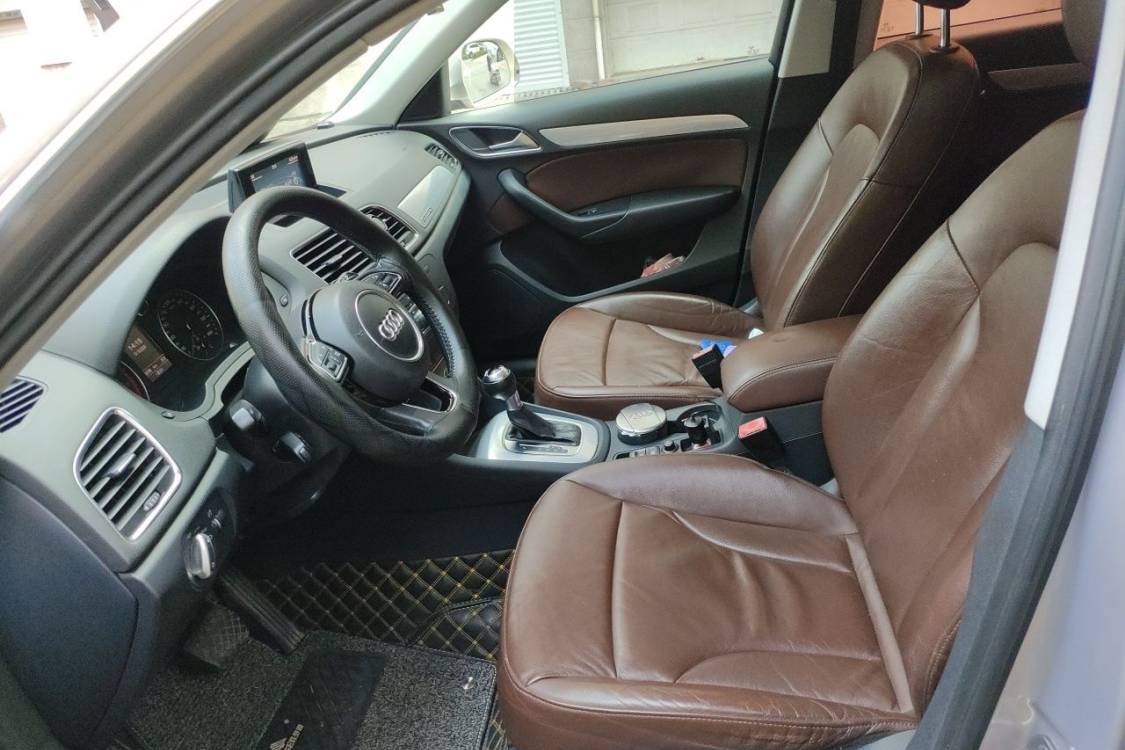
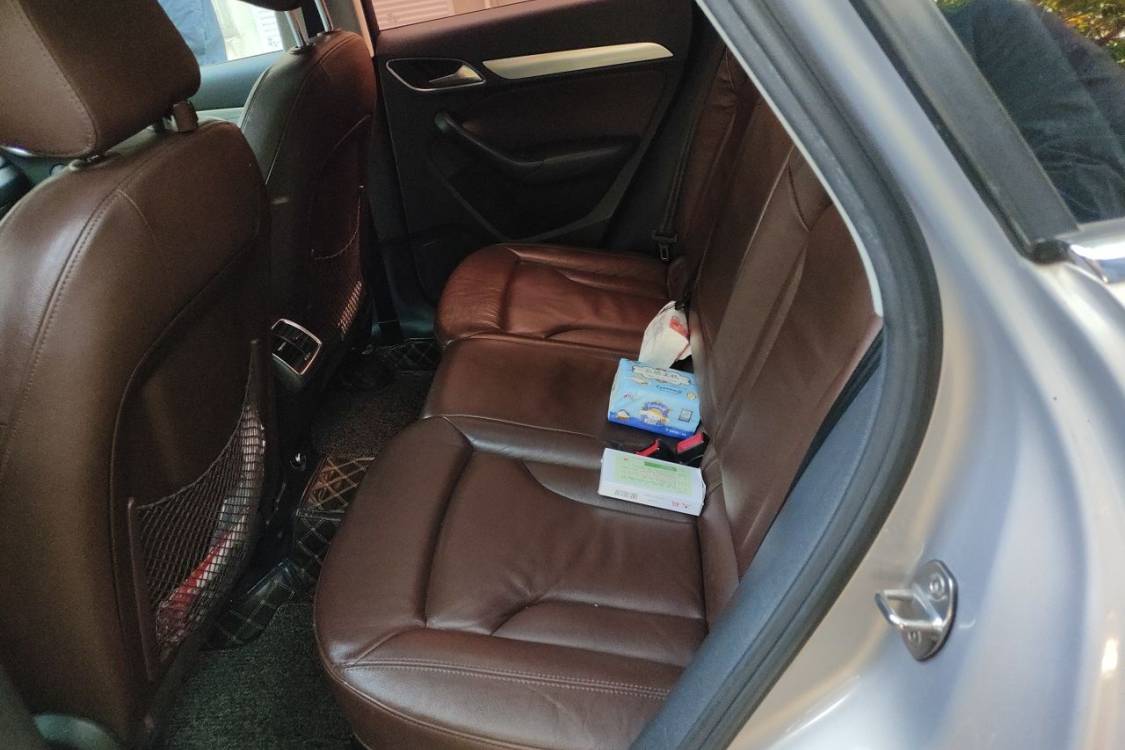
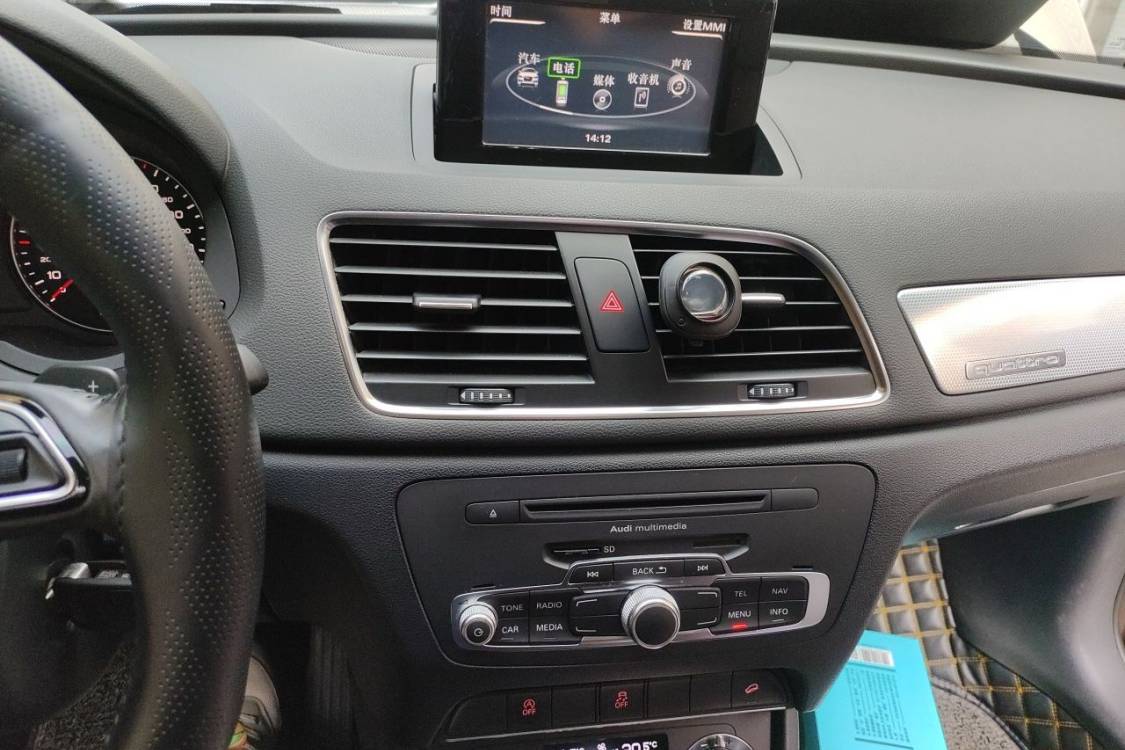
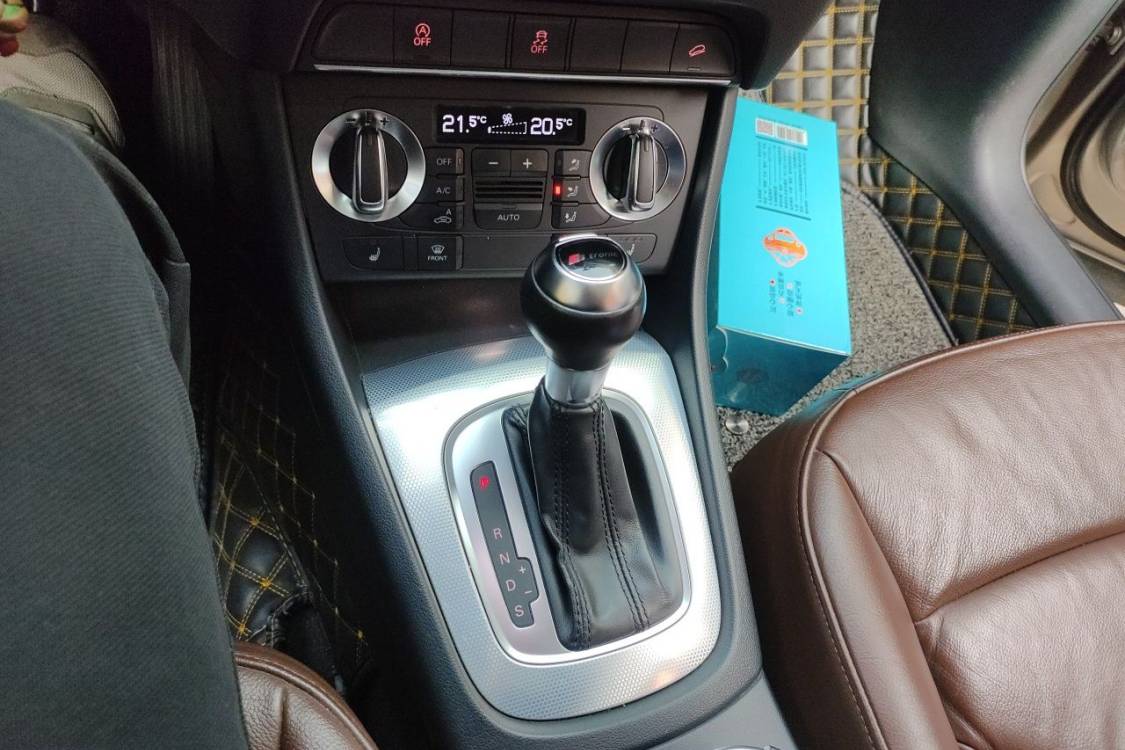
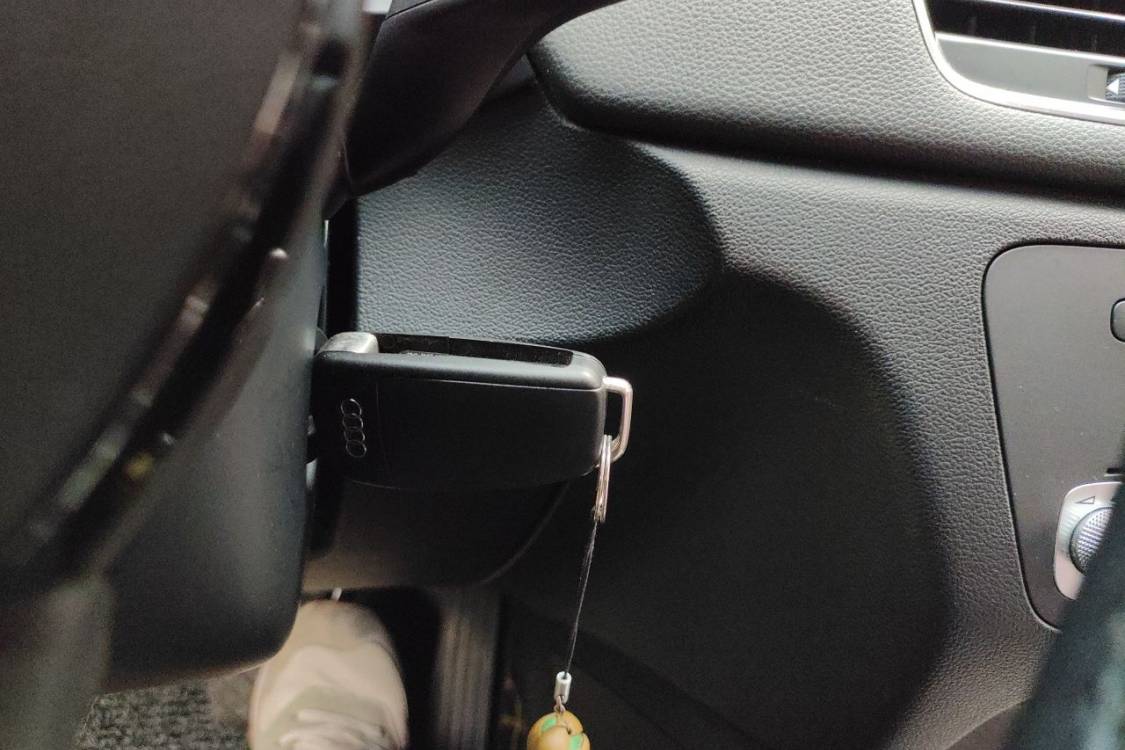
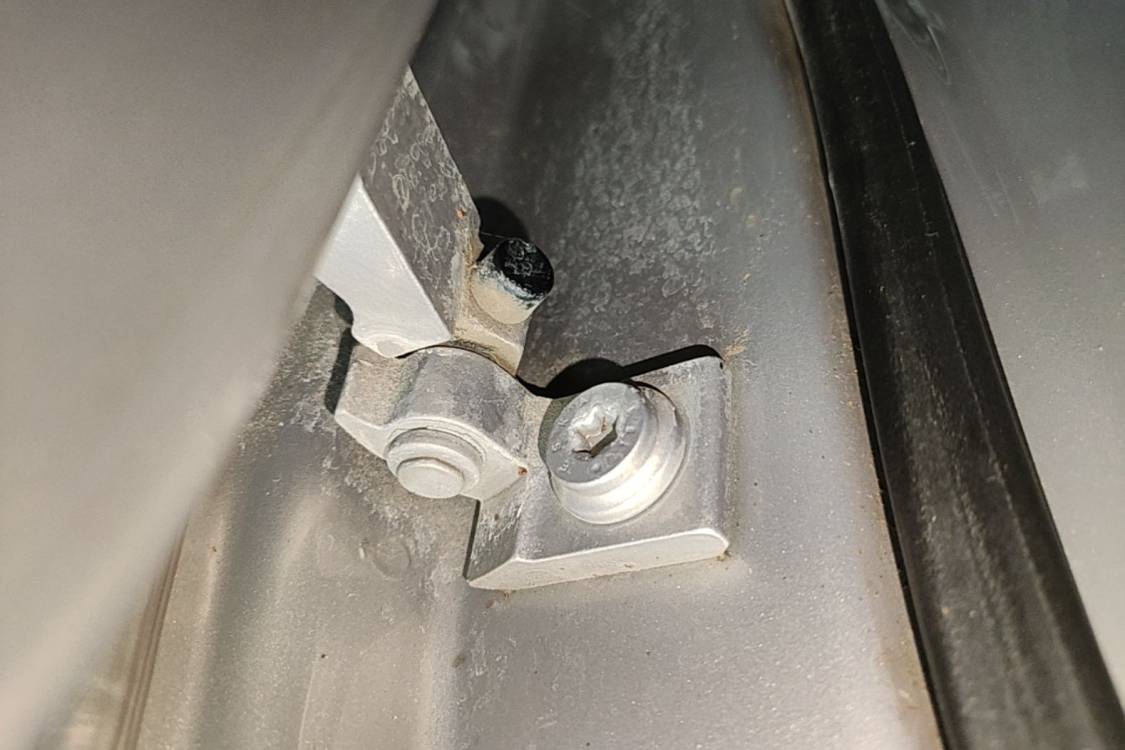
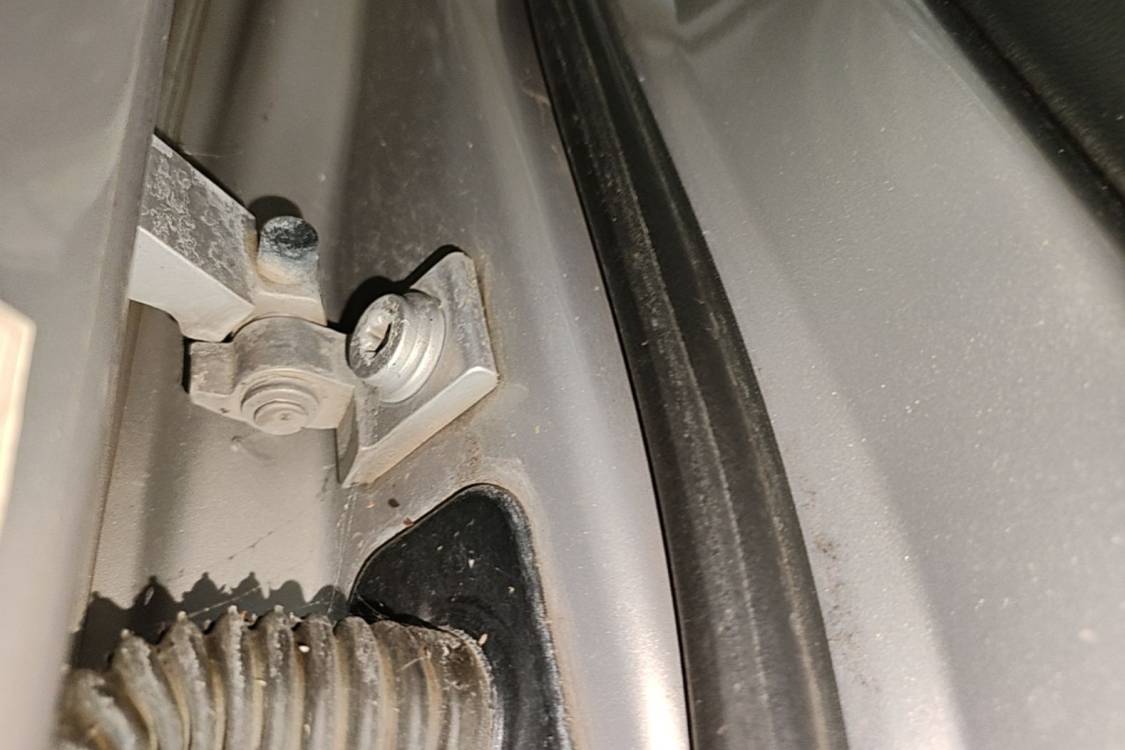
Accident inspection: main structure undamaged, reinforcement parts undamaged, cover panels undamaged, hinges abnormal. Engine bay: key mechanical components normal. Exterior: 1 area of sheet metal repair, 4 areas of repaint. Interior: most features normal, airbag system normal, seatbelts normal, dashboard normal, instrument readings normal, lighting system normal. Startup check: main components normal. Tool kit: absent.

电话直连
可讲价
平台物流
可转售
车主降价
3个工作日内过户
零过户
新检测标准升级>
非泡水

Document Information

Inspection Expiry Date2027/04
Warranty Expiry Date-
Insurance Expiry Date2027/04

Q&A

More

How does the step-by-step process work when buying a used car from China for export?

The standard process looks like this: 1. Selection: pick the car, request the VIN, registration certificate, and recent photos/videos. For higher-value cars, order an independent third-party inspection. 2. Negotiation and contract: agree on price and terms. Sign a written contract stating the car's condition, price, payment schedule, and delivery terms (FOB or CIF). 3. Deposit: typically 20-30% to reserve the car. Pay to the company's corporate account, never a personal one. 4. Verification: your agent or inspector confirms the car matches the contract before the balance is due. 5. Balance and export: pay the remaining amount; the seller arranges inland transport, export customs clearance, and port loading. 6. Shipping documents: you receive the commercial invoice, packing list, and bill of lading - usually by courier or email. 7. Arrival: your customs broker clears the car, you pay duties and taxes, then register it locally. Total timeline is usually 4-8 weeks depending on the shipping route.


What charging adapters or equipment will I need to charge a used Chinese EV in my country?

Chinese EVs ship with GB/T charging ports, which are not used in Europe (Type 2/CCS2), North America (J1772/CCS1/NACS), or most of Latin America. Plan for these extras: 1. GB/T to local standard adapter or converter box: this lets you charge at public stations. A simple passive adapter works for AC charging; DC fast charging needs an active converter, which is expensive — many owners skip it and rely on AC. 2. Portable charger swap: the included travel charger has a GB/T plug. Buy a local wallbox or a portable EVSE with your country's plug instead. 3. Home electrical check: confirm your home circuit can handle 7–11 kW, and have an electrician install a dedicated line if needed. Ask the exporter for the car's charging port photos and on-board charger capacity before buying. Budget roughly a few hundred dollars for adapters and a wallbox. Without planning, you may end up with a car that can only trickle-charge from a wall socket.

What are your assessment criteria and repair recommendations for vehicles with "slight oil seepage (non-dripping)" in the engine or transmission?

As rubber seals age, "slight oil seepage (oil stains but no dripping)" is very common in used cars and is not considered a major fault. Our recommendation is: as long as the oil level does not drop abnormally, just clean and monitor it regularly after arrival, without the need to immediately incur high costs to disassemble and replace the seals.