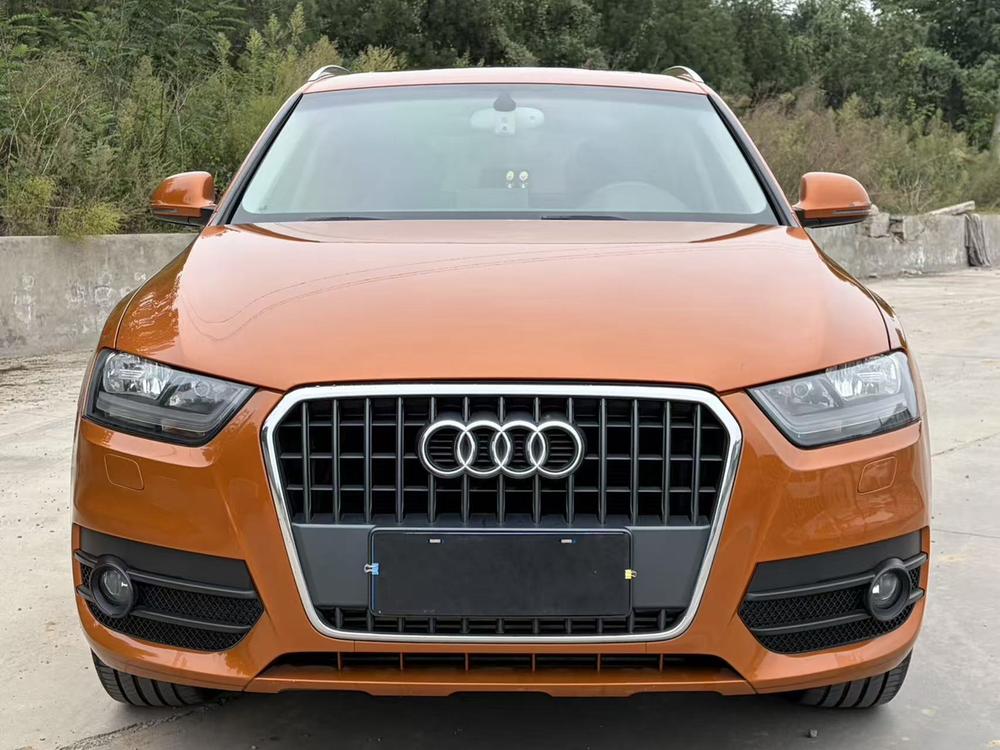
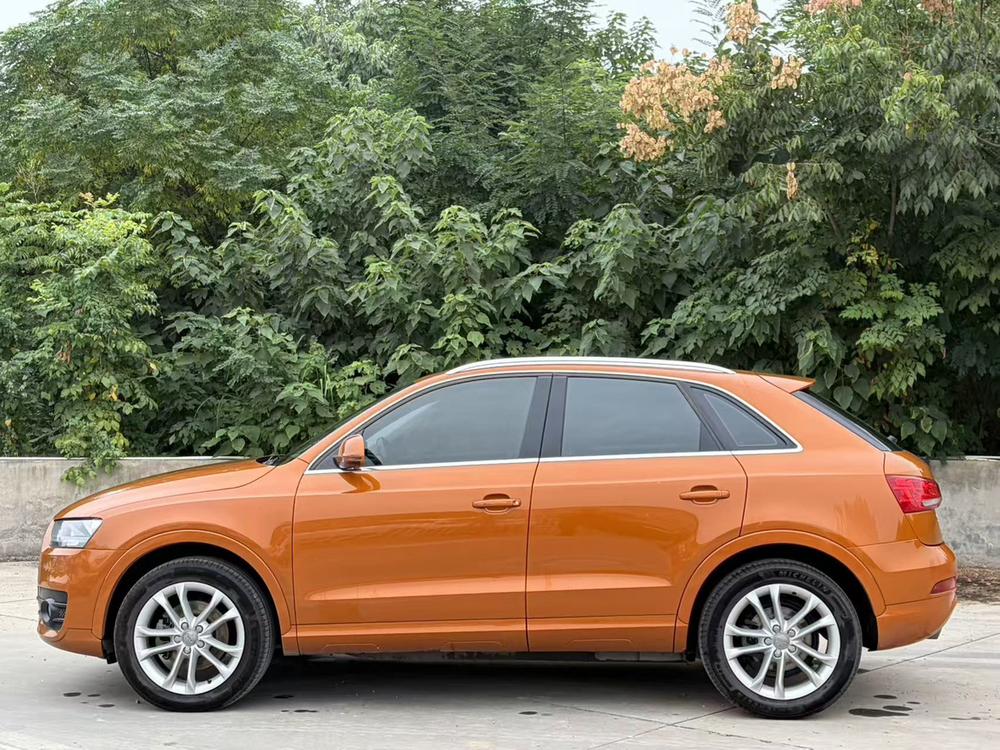
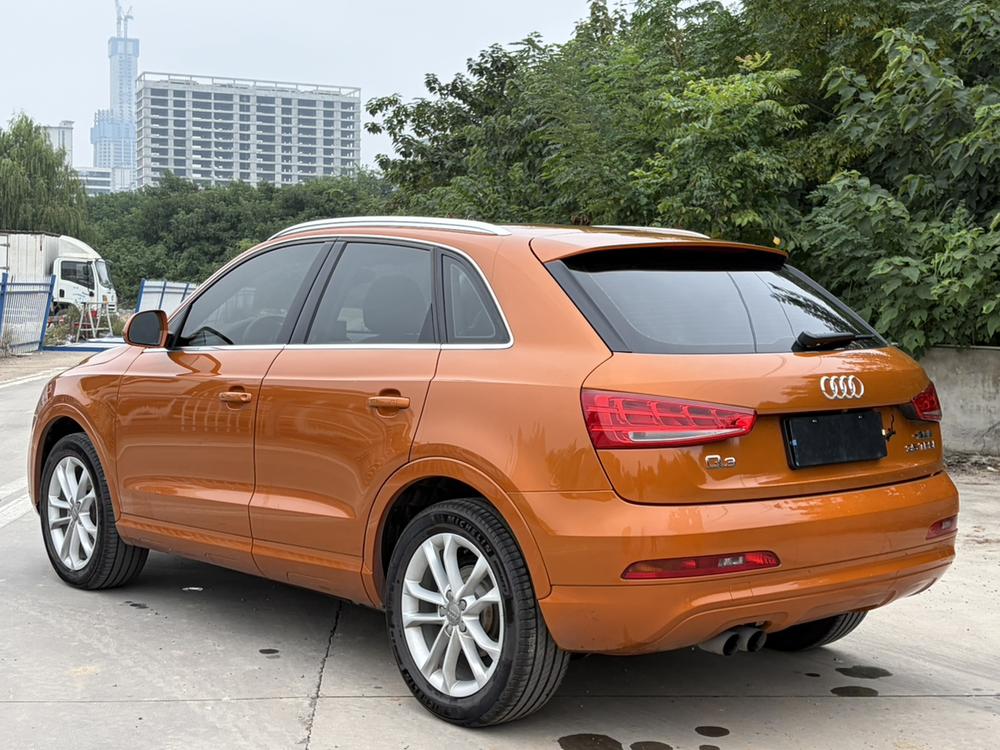
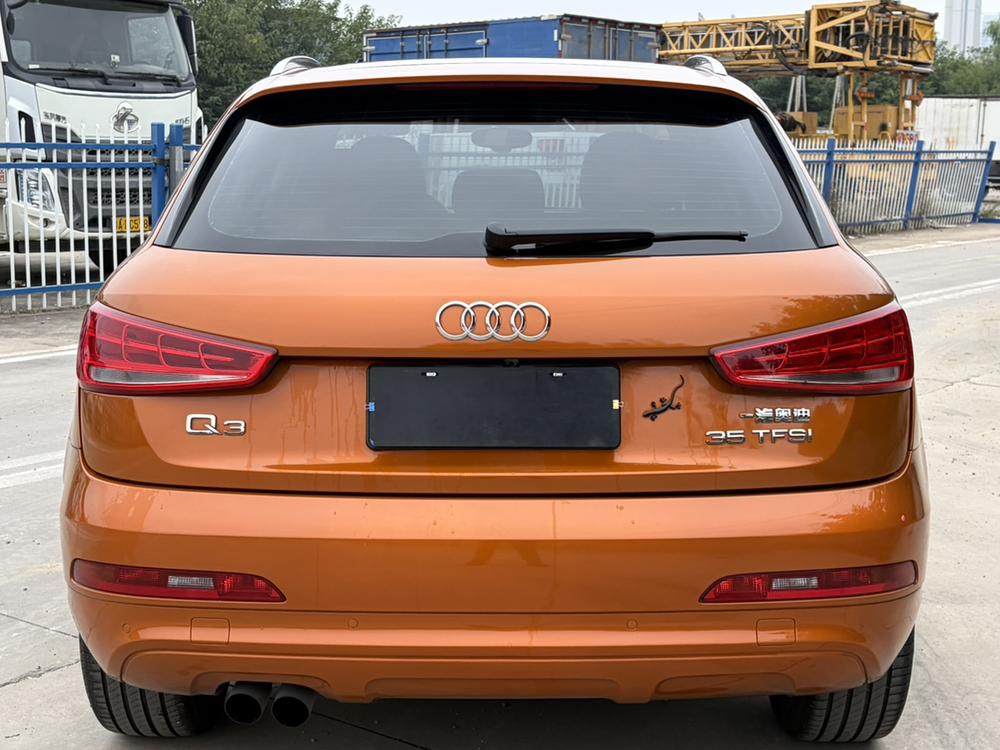
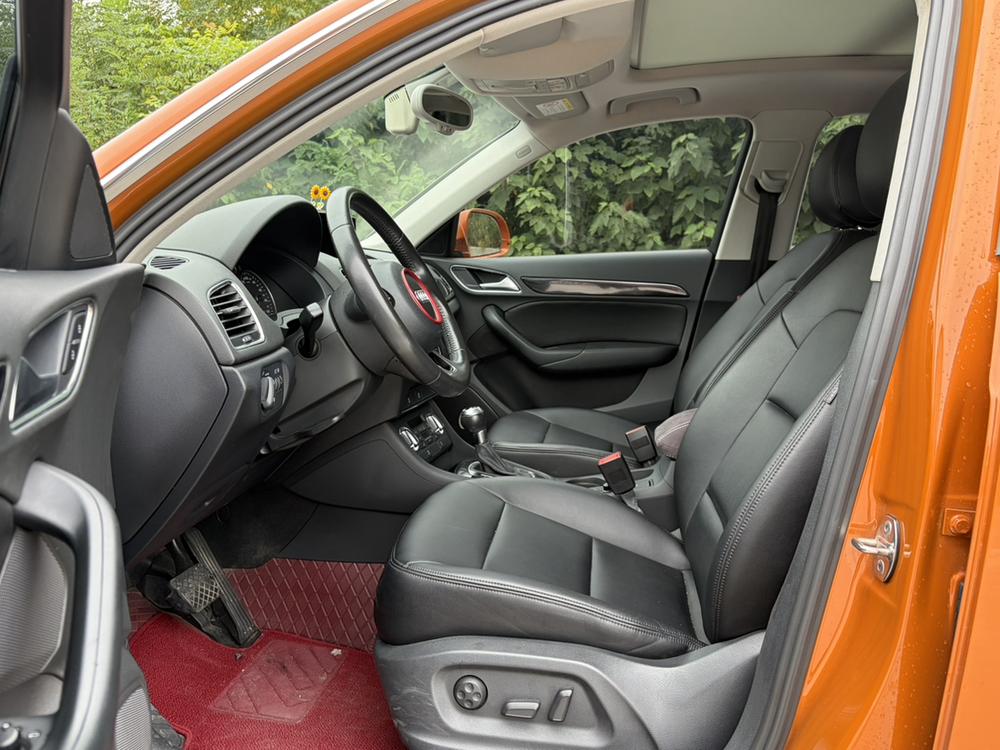
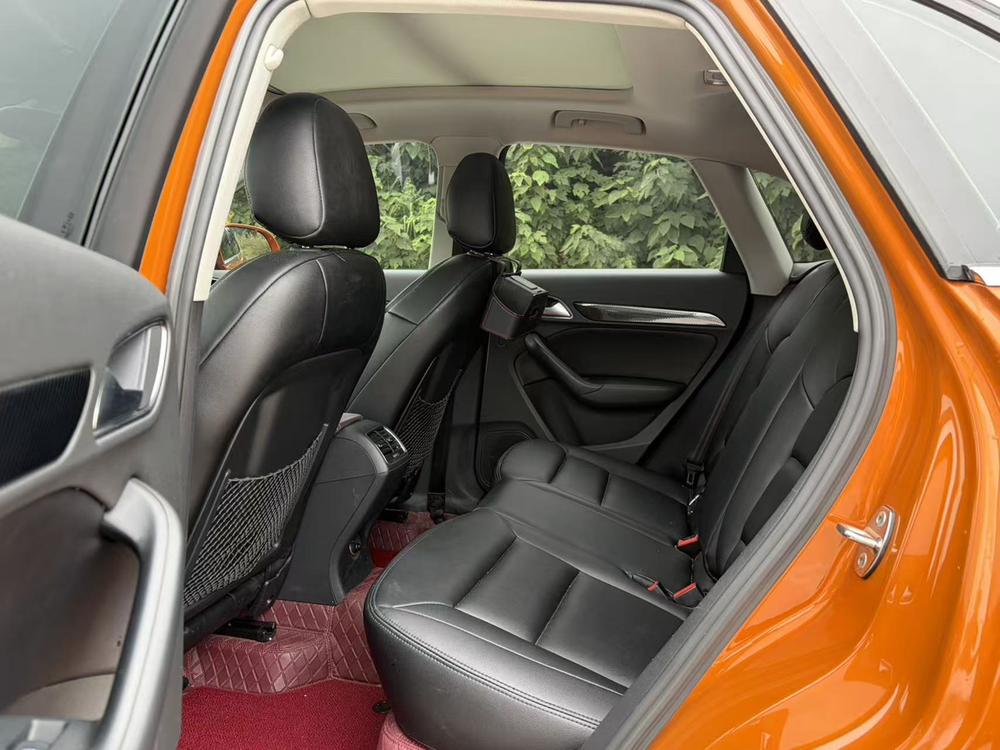
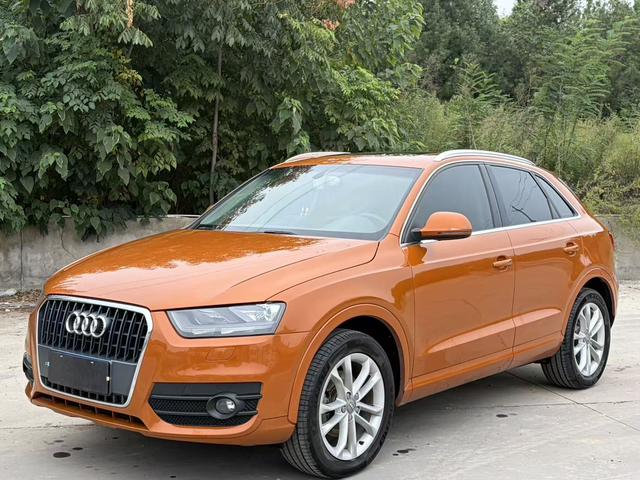



48H

Basic Information

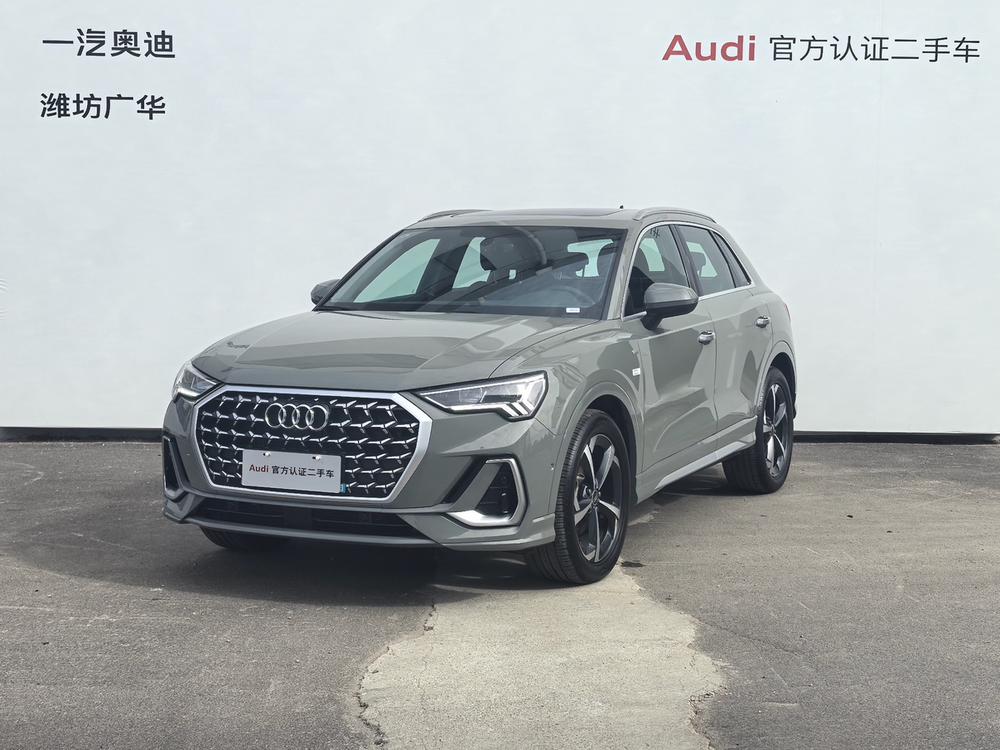
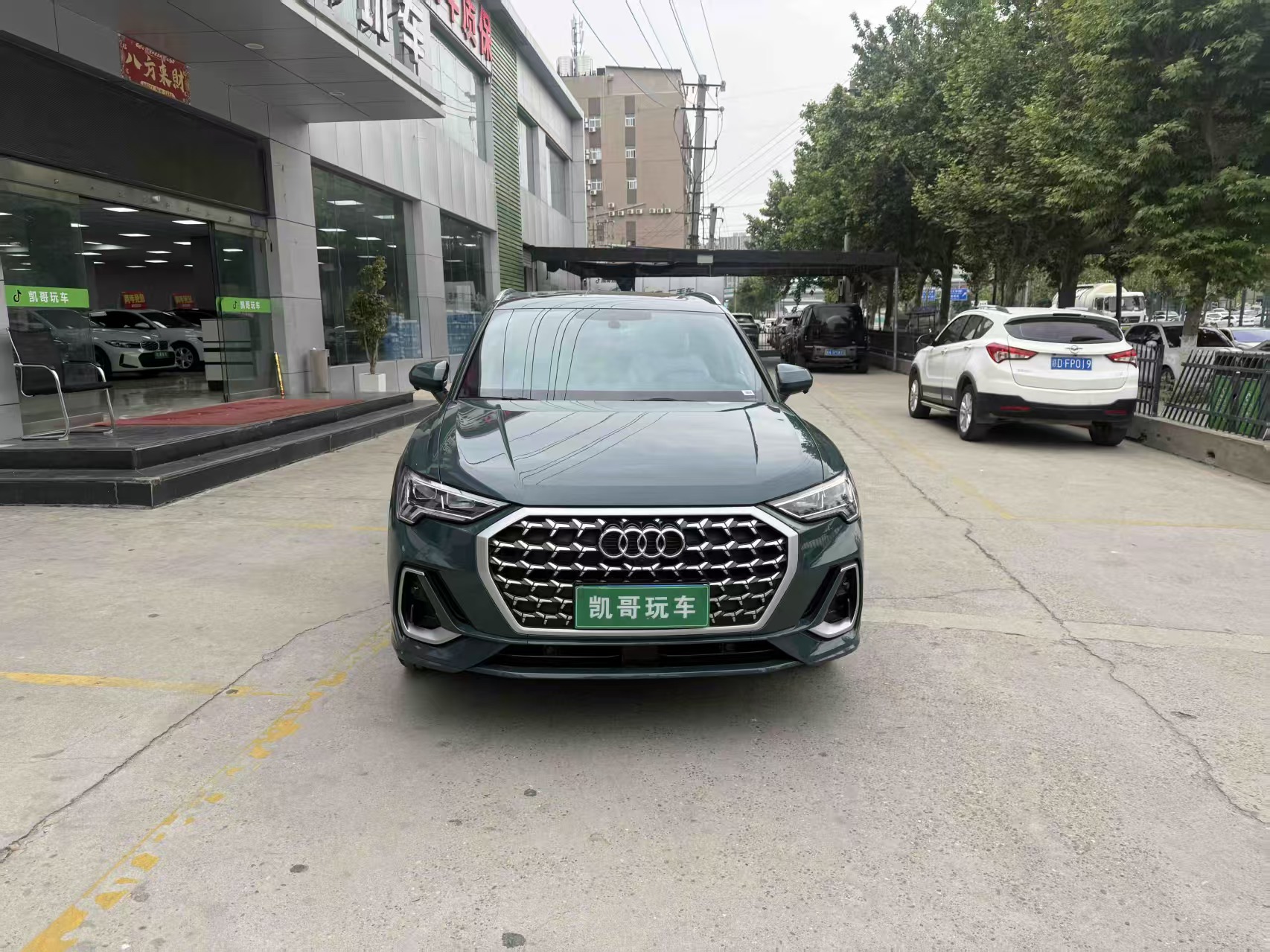
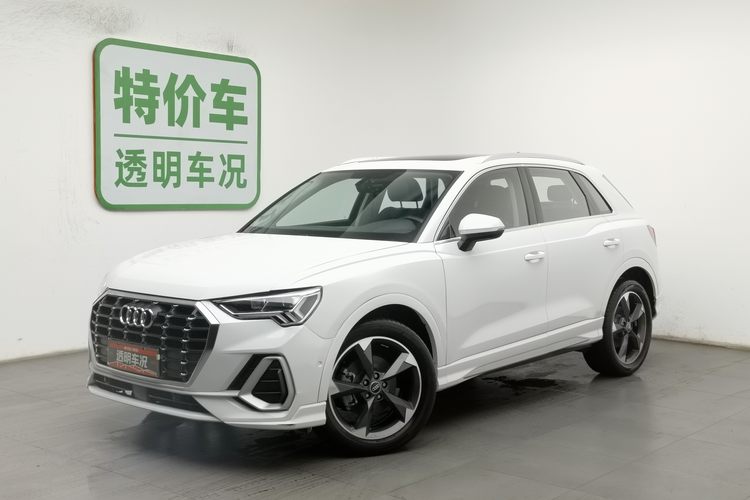
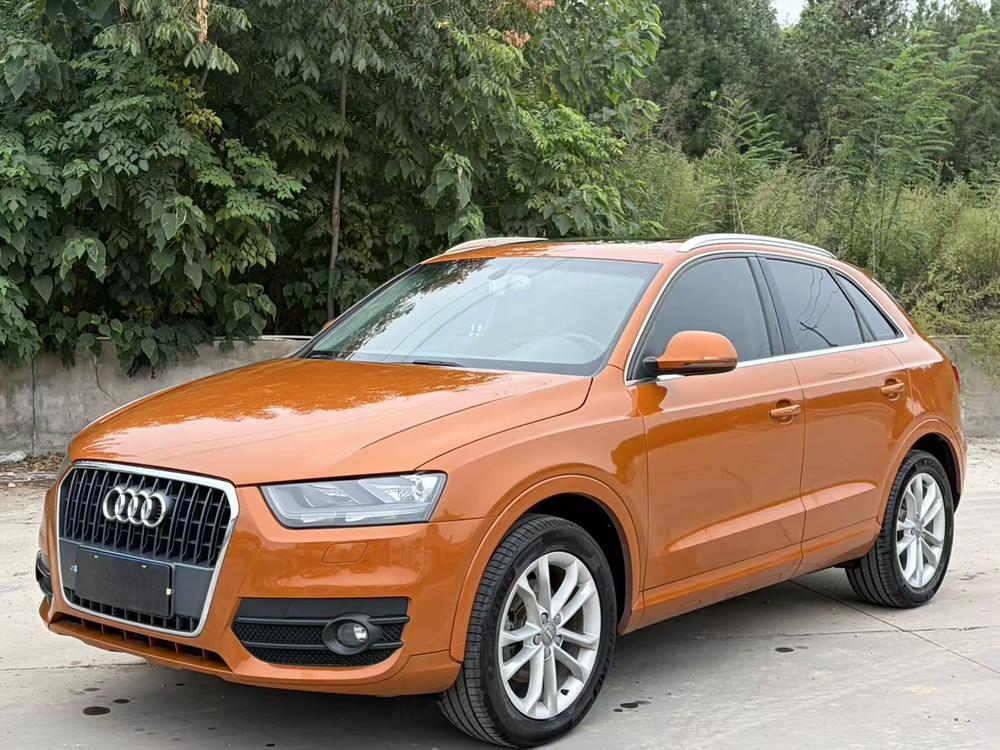
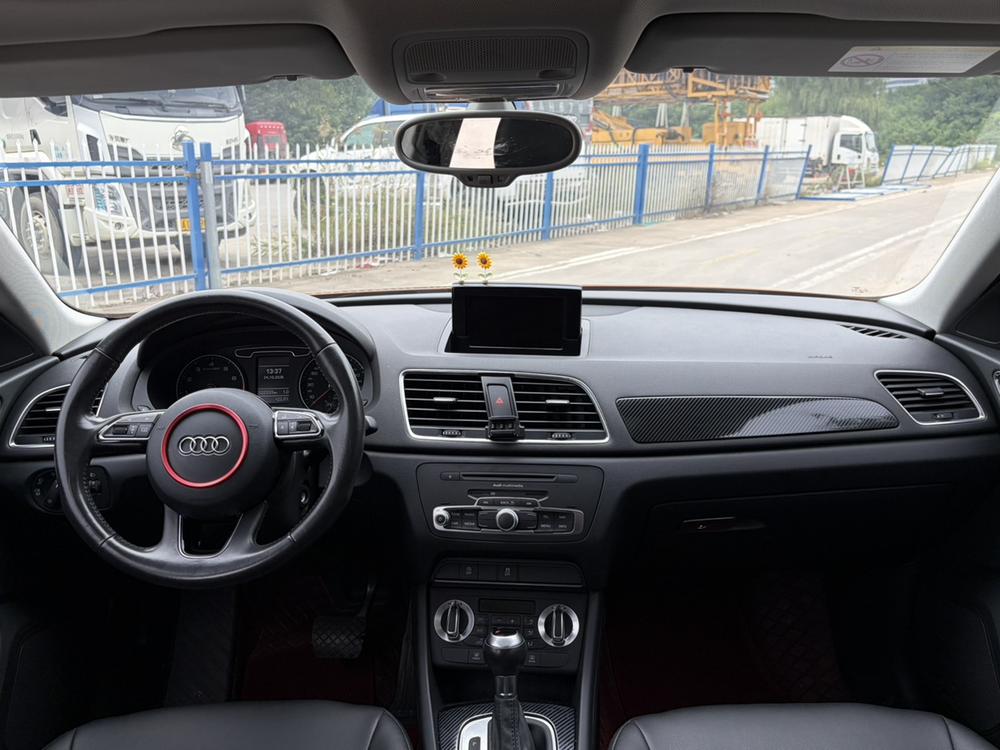
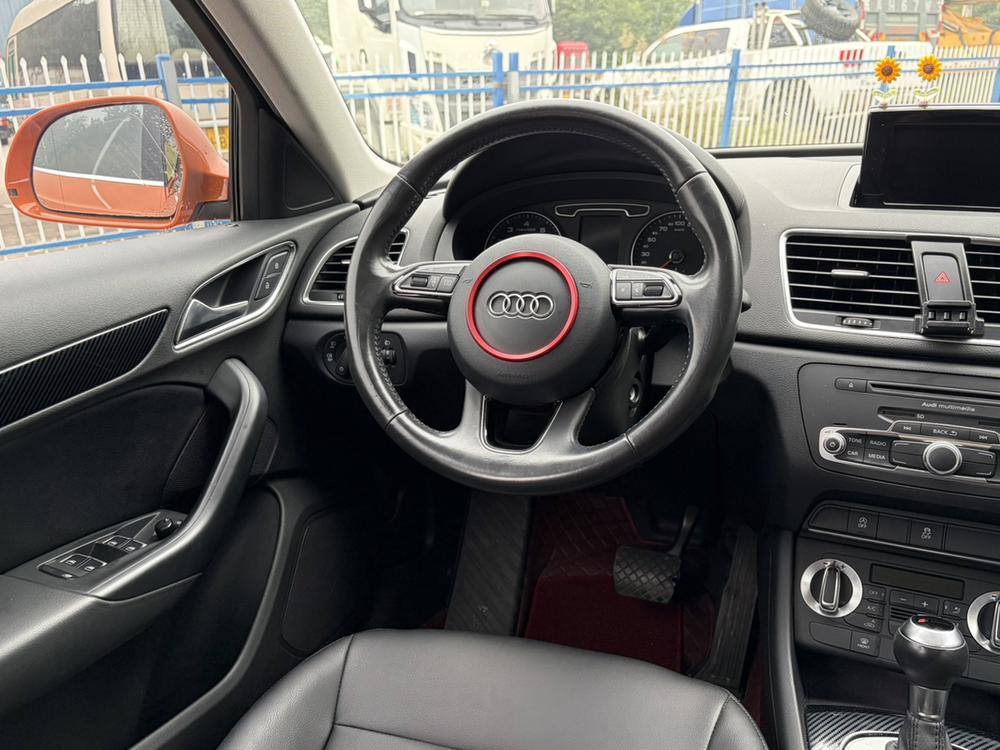
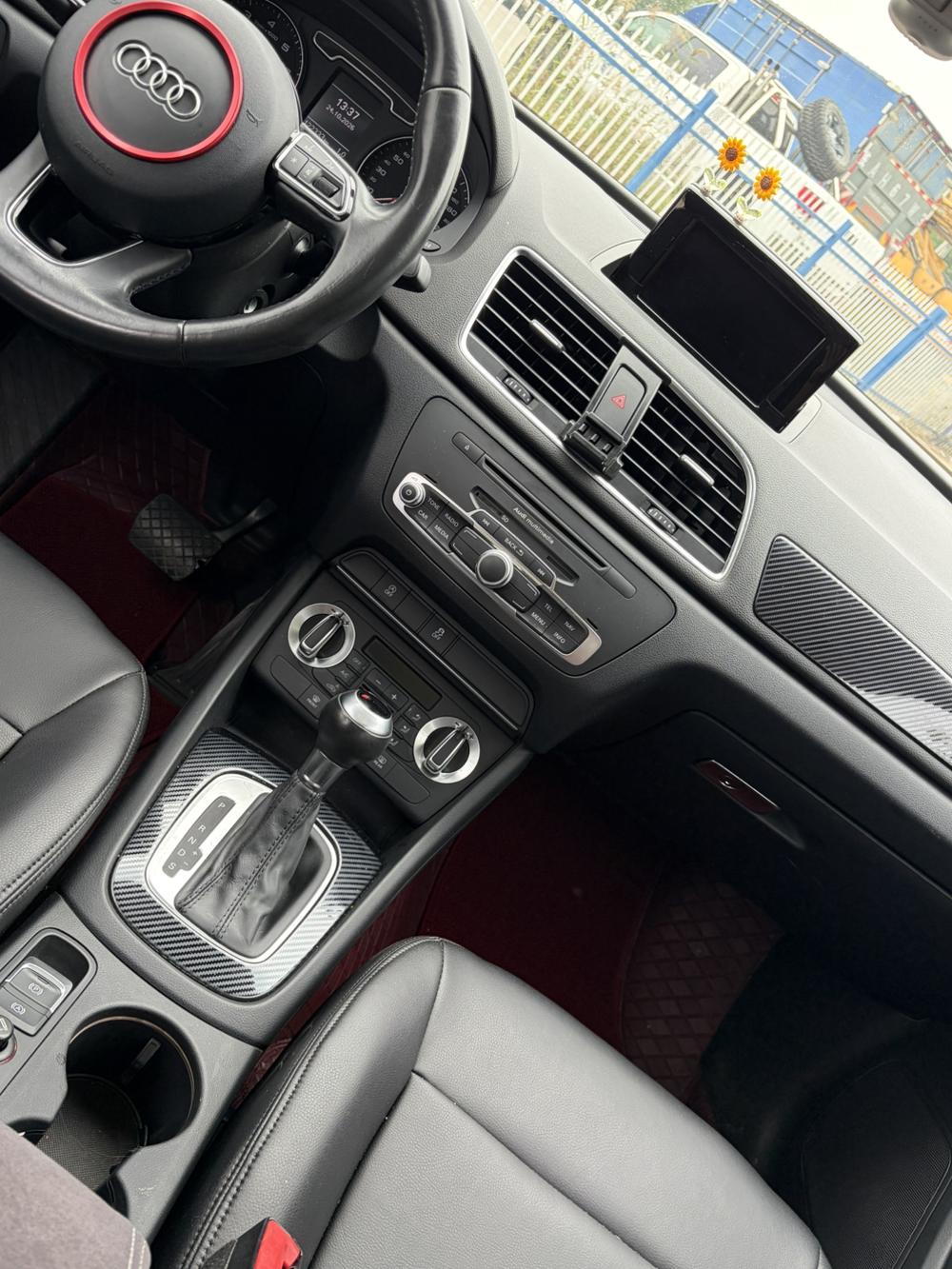
BrandAudi
SeriesQ3
Year2014
First Registration2014/08
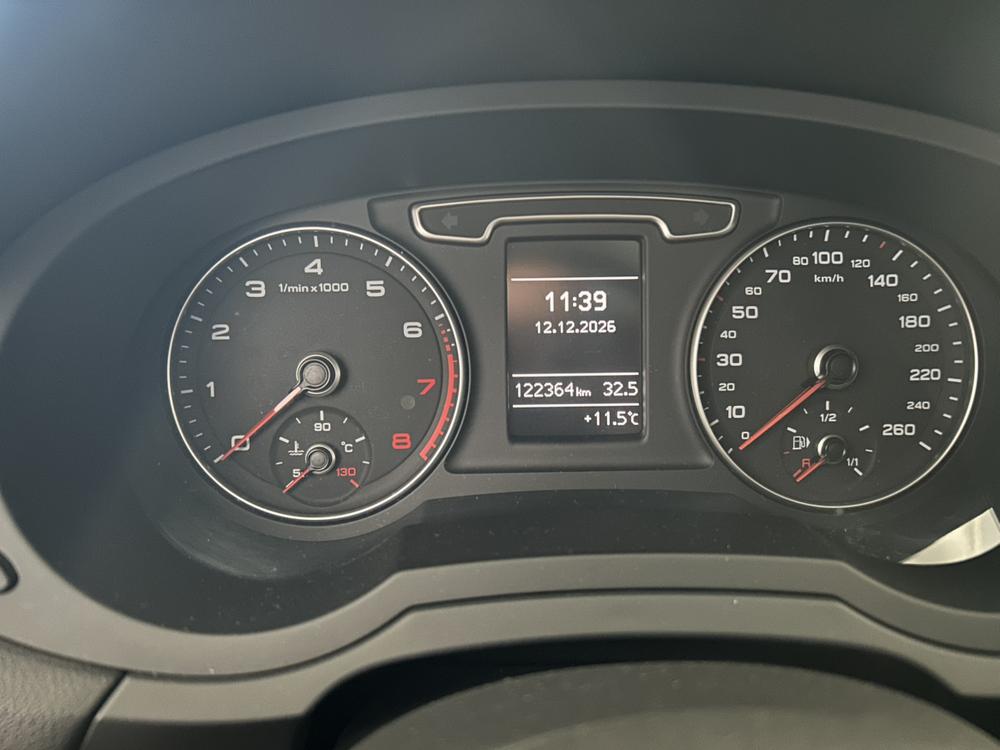
Mileage121,000km
Transfer Count0times
FuelGasoline
TransmissionDCT
Engine2.0T 170 L4
Color
Seats-

Condition Description

官方质检 · 60天全车质保· 7天无理由有偿退车

Configuration Highlights

✓上牌时间: 2014-08
✓表显里程: 12.1万公里
✓车源地: 西安
✓排放标准: 国四
✓百公里加速: 8.5s
✓发动机: 2.0T
✓轴距: 2603mm
✓变速箱: 自动
✓功能配置: 9项
✓安全配置: 2项
✓动力类型: 前驱
✓空间舒适性: 不错

Q&A

More

What are port free time and demurrage, and how do I avoid storage charges when my car arrives?

When your car reaches the destination port, the shipping line and terminal give you a limited number of free days — typically 5 to 14 — to clear customs and collect the vehicle. After that, storage and demurrage charges start accruing daily, and they add up fast: USD 20–80 per day is common depending on the port. To avoid these fees: 1. Before shipment, confirm the exact free time with your forwarder and get it in writing — it varies by carrier and port. 2. Prepare customs paperwork in advance: import declaration, invoice, bill of lading, and any required certificates. Most delays come from missing documents, not from the port itself. 3. Book a customs broker and a truck before the vessel arrives, not after. 4. Track the vessel online and plan pickup within the first free days. If you know you cannot clear in time, ask about extending free time when booking — it is sometimes negotiable and far cheaper than paying demurrage later.


How do I verify the battery health of a used Chinese EV before buying, and what is a State of Health report?

Battery condition is the single most important — and most expensive — variable in a used EV. Ask for a State of Health (SOH) report: in China, dealers and authorized service centers can read it via the manufacturer diagnostic system. It shows remaining capacity as a percentage of the original. Rule of thumb: above 90% is excellent, 85-90% is acceptable for the price, below 80% needs a serious price cut or battery refurbishment. Also get the battery's full charge and discharge history (次数) — a 3-year-old car with 800 fast-charge cycles has lived a harder life than one with 200. Physically, inspect the battery pack enclosure on a lift for dents, corrosion, or coolant leaks. Check that DC fast charging works during a test charge. Finally, verify the battery is not covered by an open recall or replacement program — this is both a risk and sometimes a free upgrade.

What is a safe payment structure for buying a used car from China remotely—how much deposit, when is the balance paid, and should I use escrow?

The industry-standard structure protects both sides. Pay 20-30% deposit after signing the contract and verifying the exporter's license—never more. The balance is paid only after your independent inspection report confirms the car matches the contract, ideally against a copy of the bill of lading so the exporter can't ship a different vehicle. For extra protection, tie payments to milestones: deposit on contract, second tranche after inspection passes, final payment when shipping documents are released. Some buyers use escrow services or trade assurance platforms for the first transaction with a new supplier; fees run 1-3% but are worth it for large amounts. Always pay to a corporate bank account matching the exporter's registered name. Keep every agreement in the written contract—verbal promises like 'we'll fix that before shipping' are unenforceable. If an exporter demands 50%+ upfront or full payment before inspection, walk away; that structure leaves you with no leverage.