48H

Basic Information

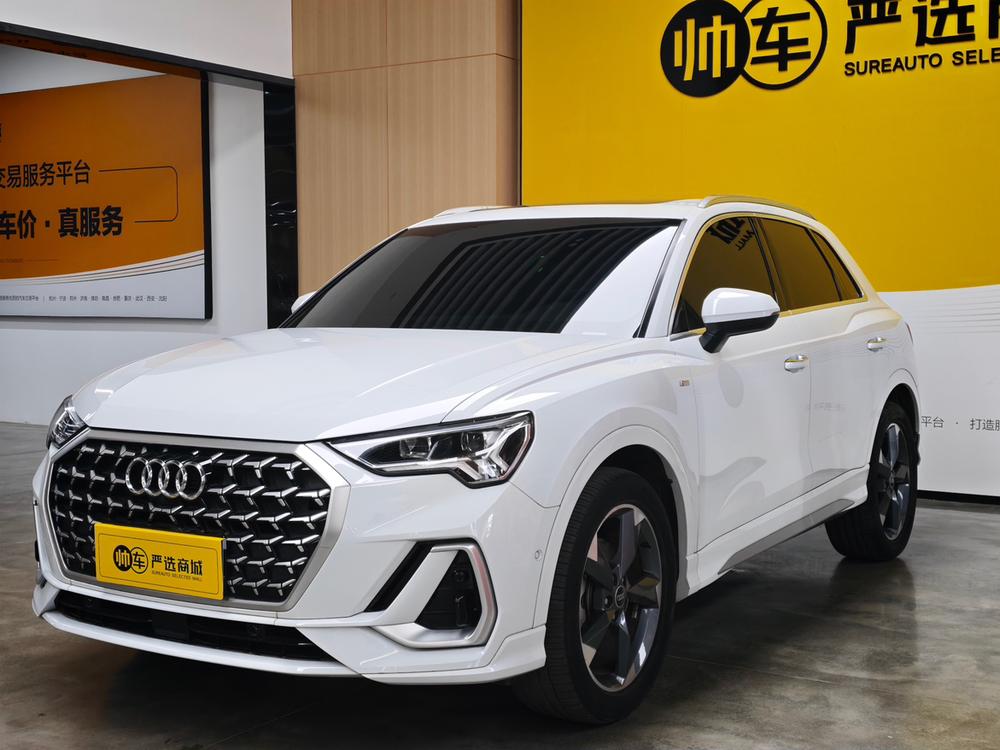
BrandAudi
SeriesQ3
Year2014
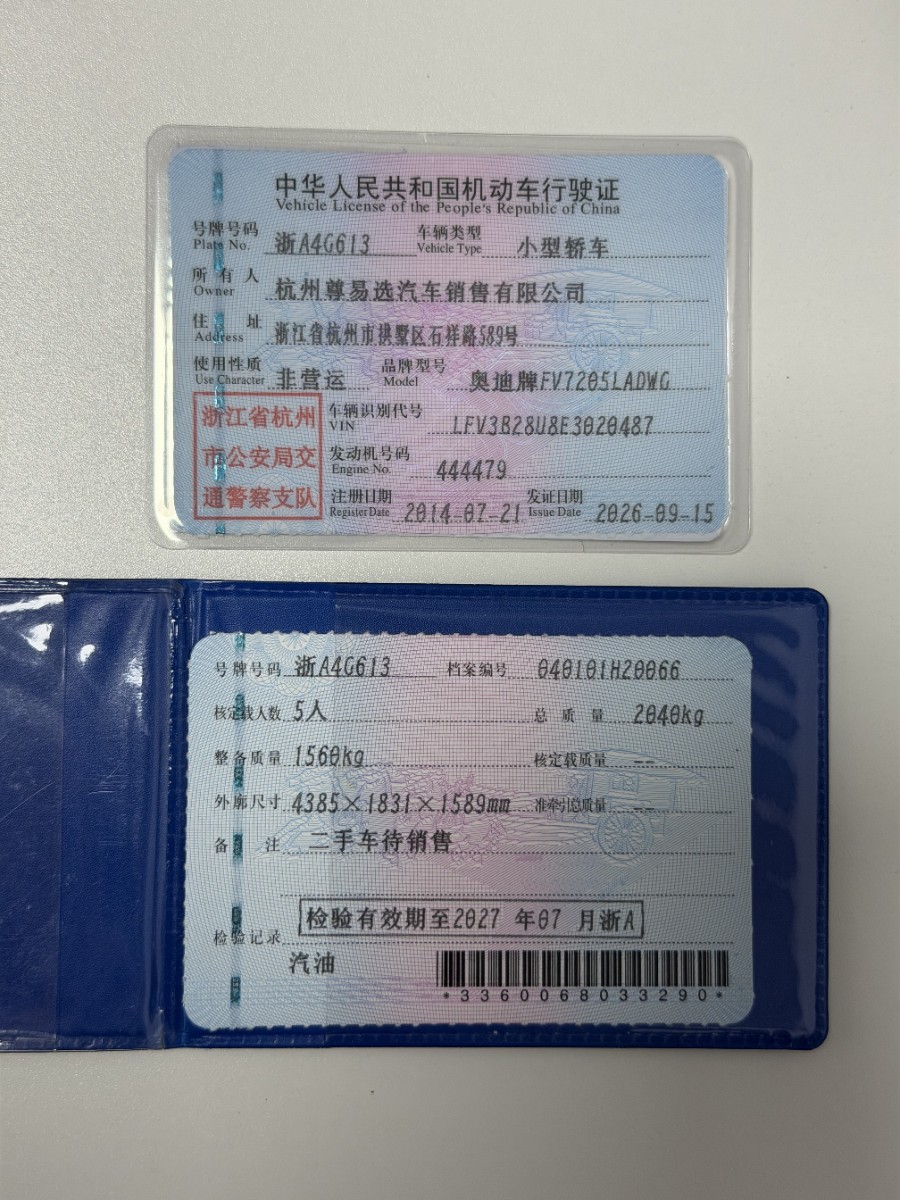
First Registration2014/07
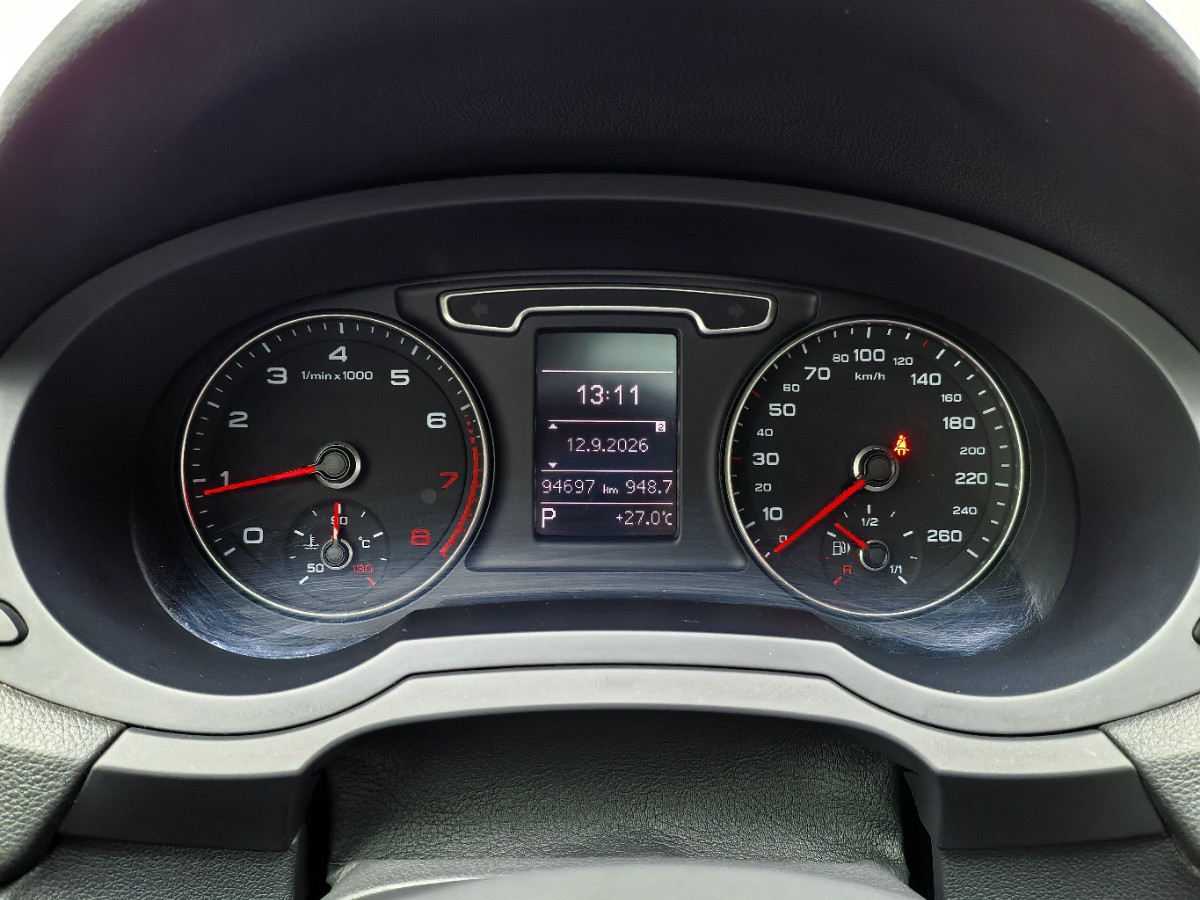
Mileage95,000km
Transfer Count1times
FuelGasoline
TransmissionDCT
Engine2.0T 170 L4
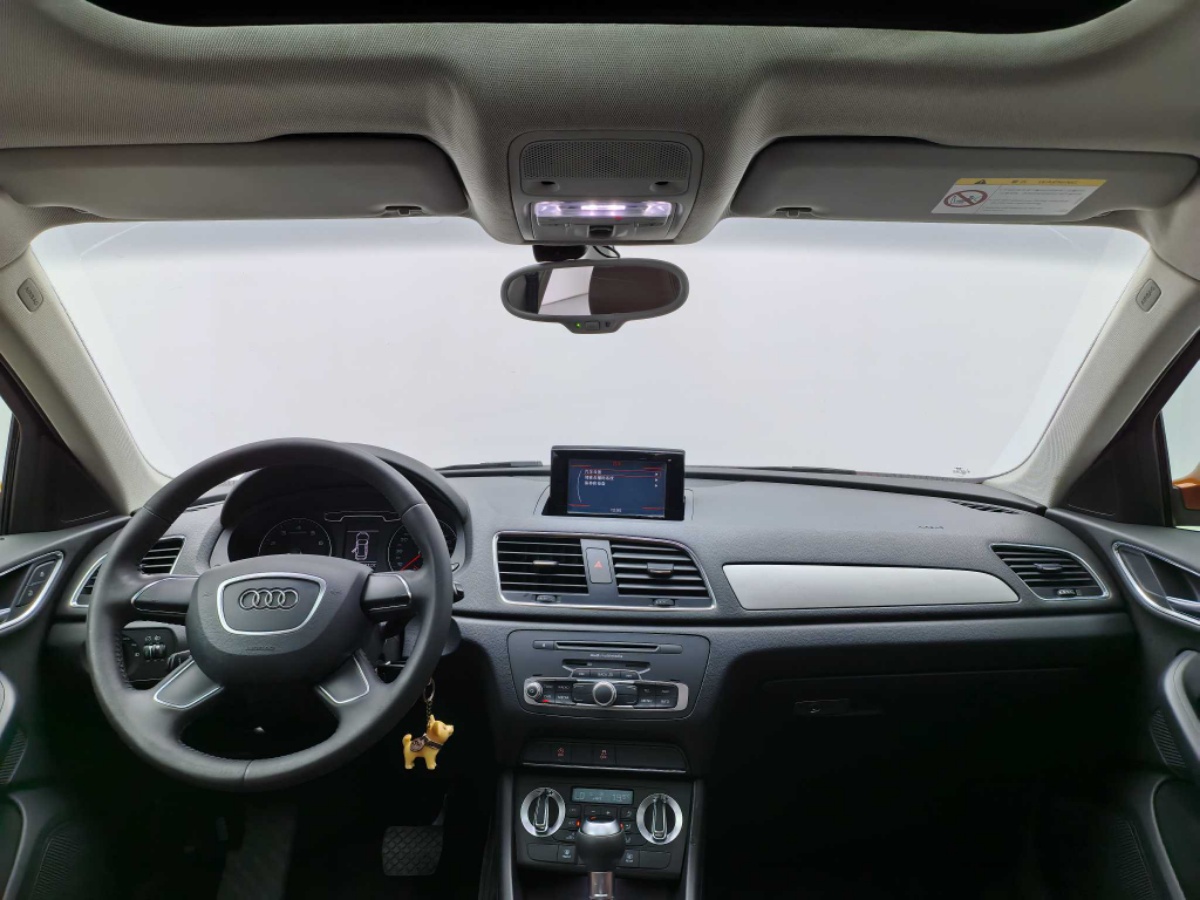
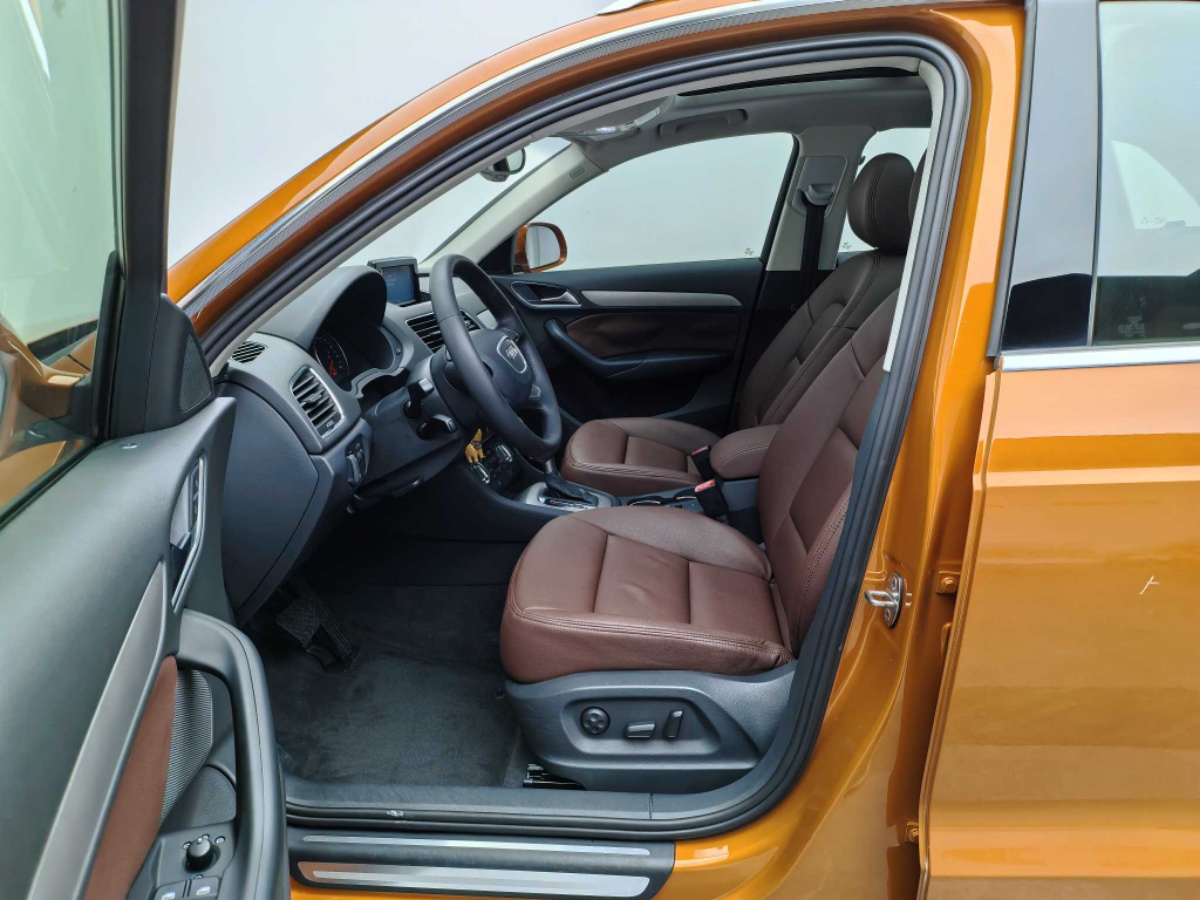
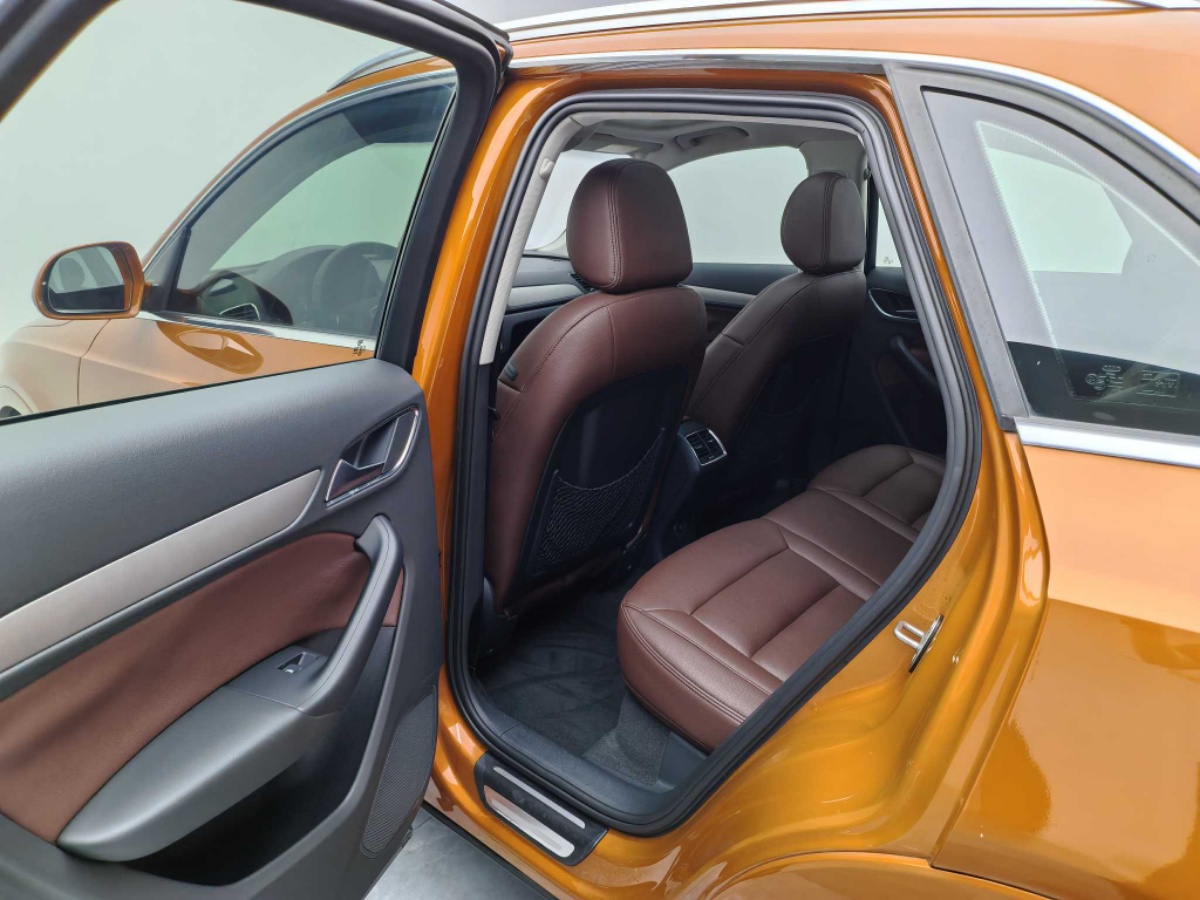
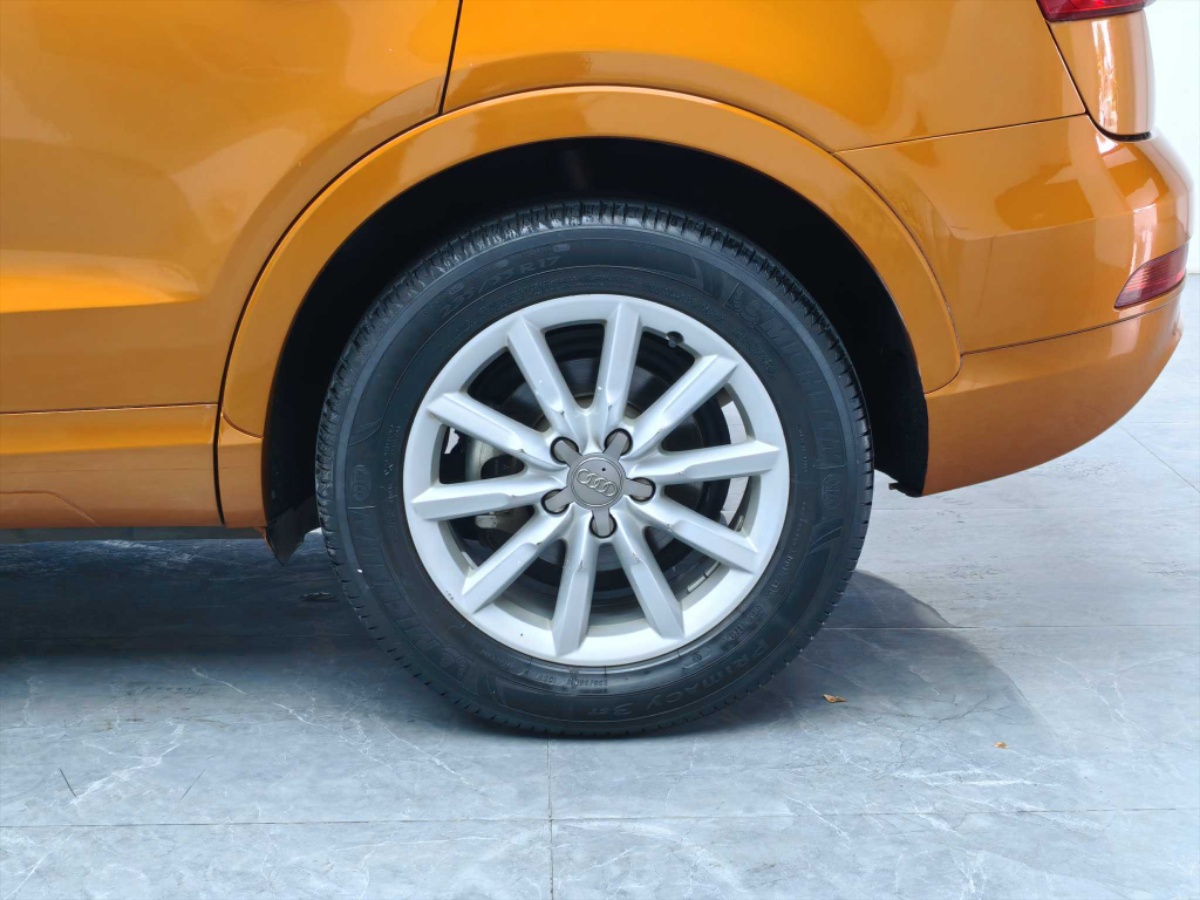
ColorBrown
Seats-

Condition Description

Right side repainted (with varying degrees of bodywork), left rear door repainted (bodywork), left rear fender repainted (bodywork), first owner.

燃油车
SUV
自动
维保开放
事故开放
查验开放

Configuration Highlights

✓品牌: 奥迪
✓车系: 奥迪Q3
✓车型: 2013款 35 TFSI 进取型
✓车身类型: SUV
✓座位数: 5
✓排量: 2.0T
✓变速箱: 自动
✓能源类型: 燃油车
✓VIN: LFV3B28U8E3020487
✓搜索关键词: 奥迪奥迪Q3 2013款奥迪Q335TFSI进取型

Document Information

Inspection Expiry Date2027/07
Warranty Expiry Date-
Insurance Expiry Date2027/07

Q&A

More

Has this vehicle been regularly maintained within the specified mileage and time?

We can only infer from the existing connected maintenance records. If the records show continuity and adhere to the recommended maintenance schedule, we will assign a high credit score; if there are gaps of tens of thousands of kilometers, we will assume it was not well maintained during that period and alert you.

What are the typical steps and timeline when buying a used car from China, from selection to delivery at my port?

A normal transaction moves through six stages. First, selection and verification: you shortlist cars, request VIN-level documents, and order an independent inspection (1-2 weeks). Second, contract signing and deposit: 10-30% is standard, paid against a signed contract listing the VIN and agreed spec. Third, export preparation: the seller handles deregistration and export licensing (1-3 weeks). Fourth, final payment against loading: pay the balance only after you receive the bill of lading or rail waybill number you can track. Fifth, transit: ocean shipping to most ports takes 3-6 weeks, rail to Central Asia or Europe 2-4 weeks. Sixth, destination clearance and registration: allow 1-2 weeks plus buffer for inspections. In total, plan for 2-4 months door to door. Any exporter promising full delivery in under six weeks is likely cutting corners on export paperwork.


Do you support using cryptocurrencies like USDT for cross-border vehicle procurement settlements?

Absolutely not. Exporting used cars requires clear proof of foreign currency receipts in USD/EUR (water bill) to be provided to the Chinese foreign exchange administration, customs, and tax authorities for document verification. Cryptocurrencies are considered illegal settlement channels.