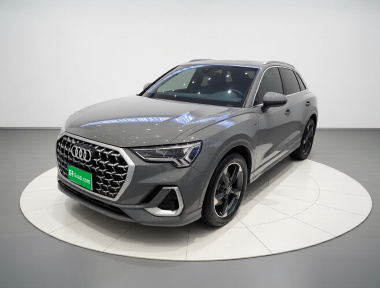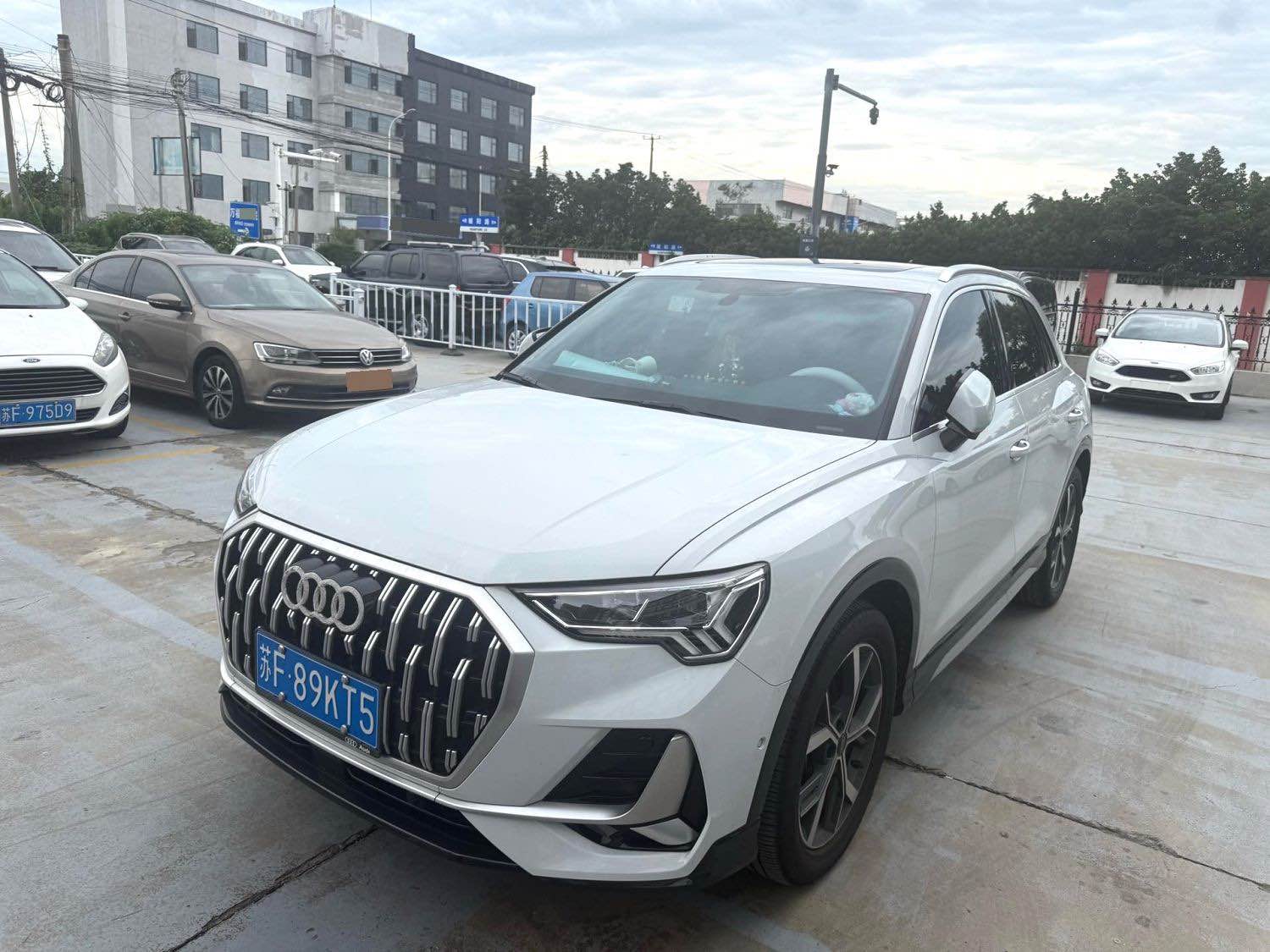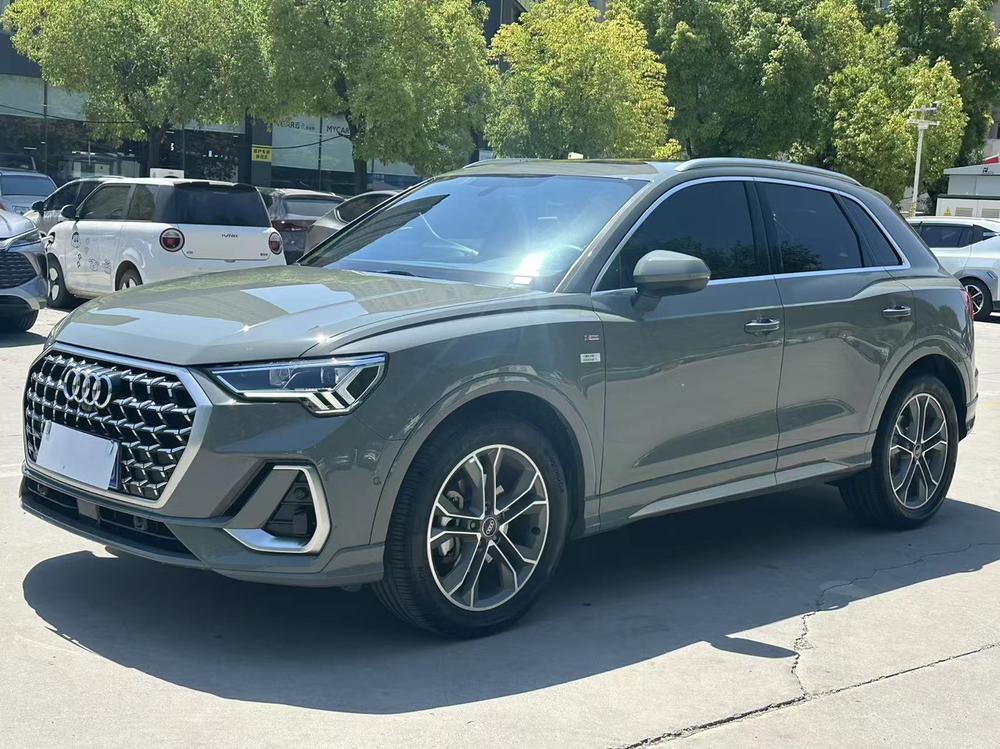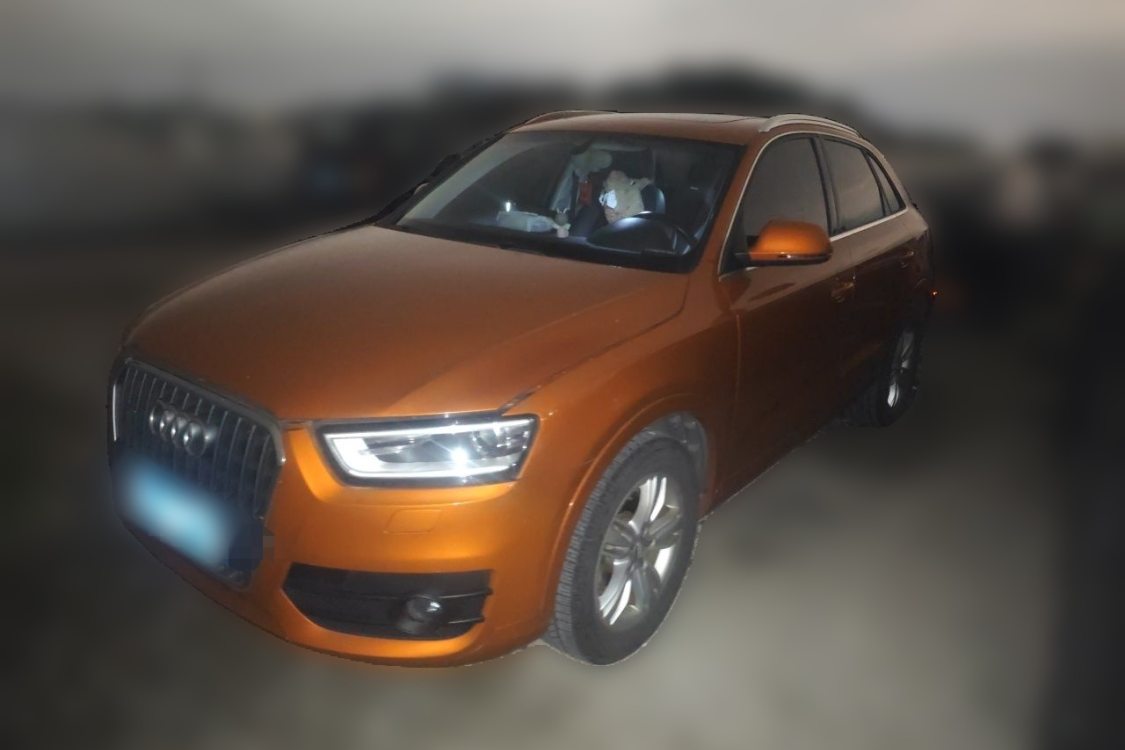



48H

Basic Information

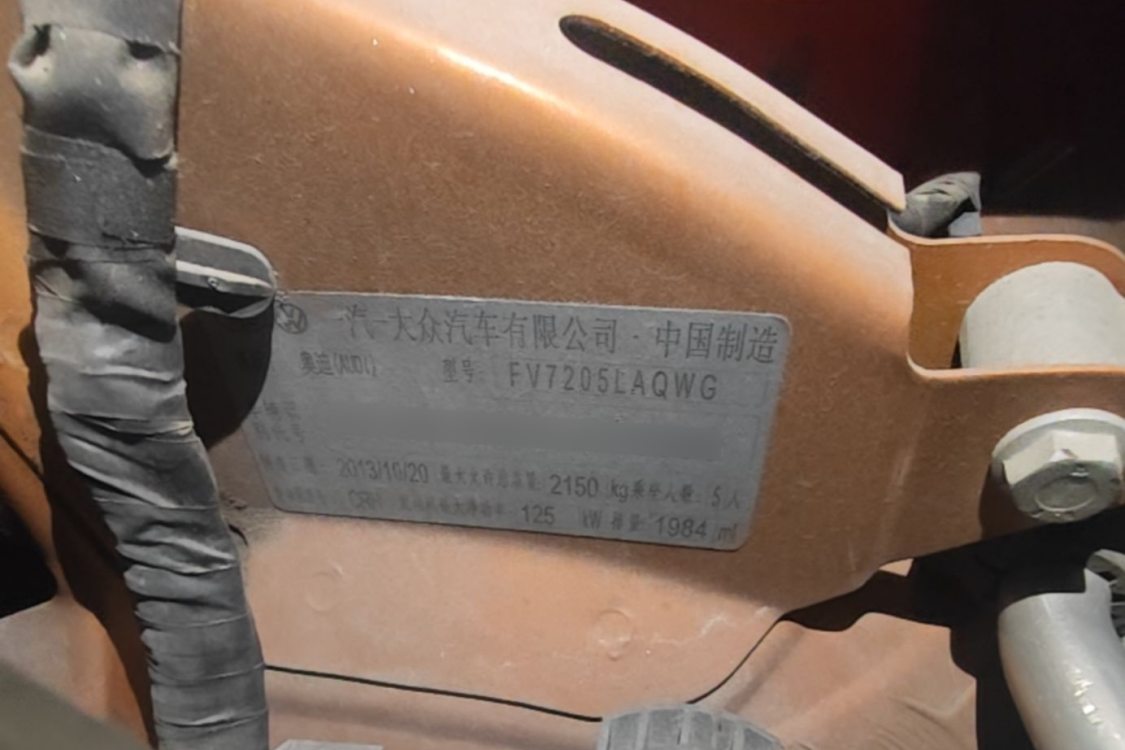
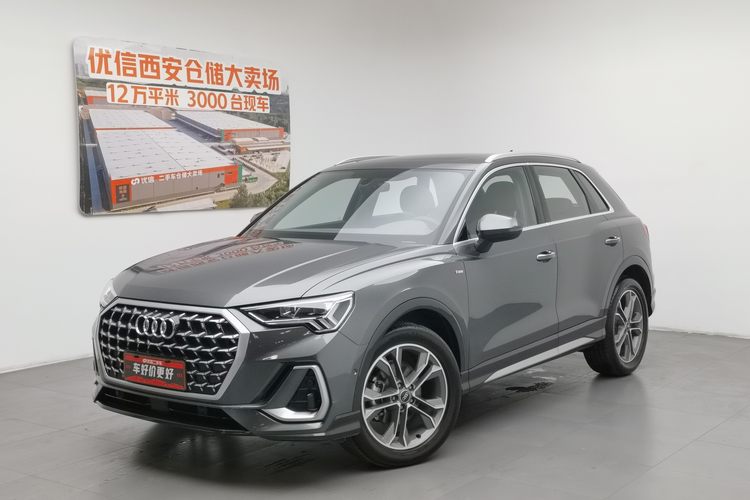
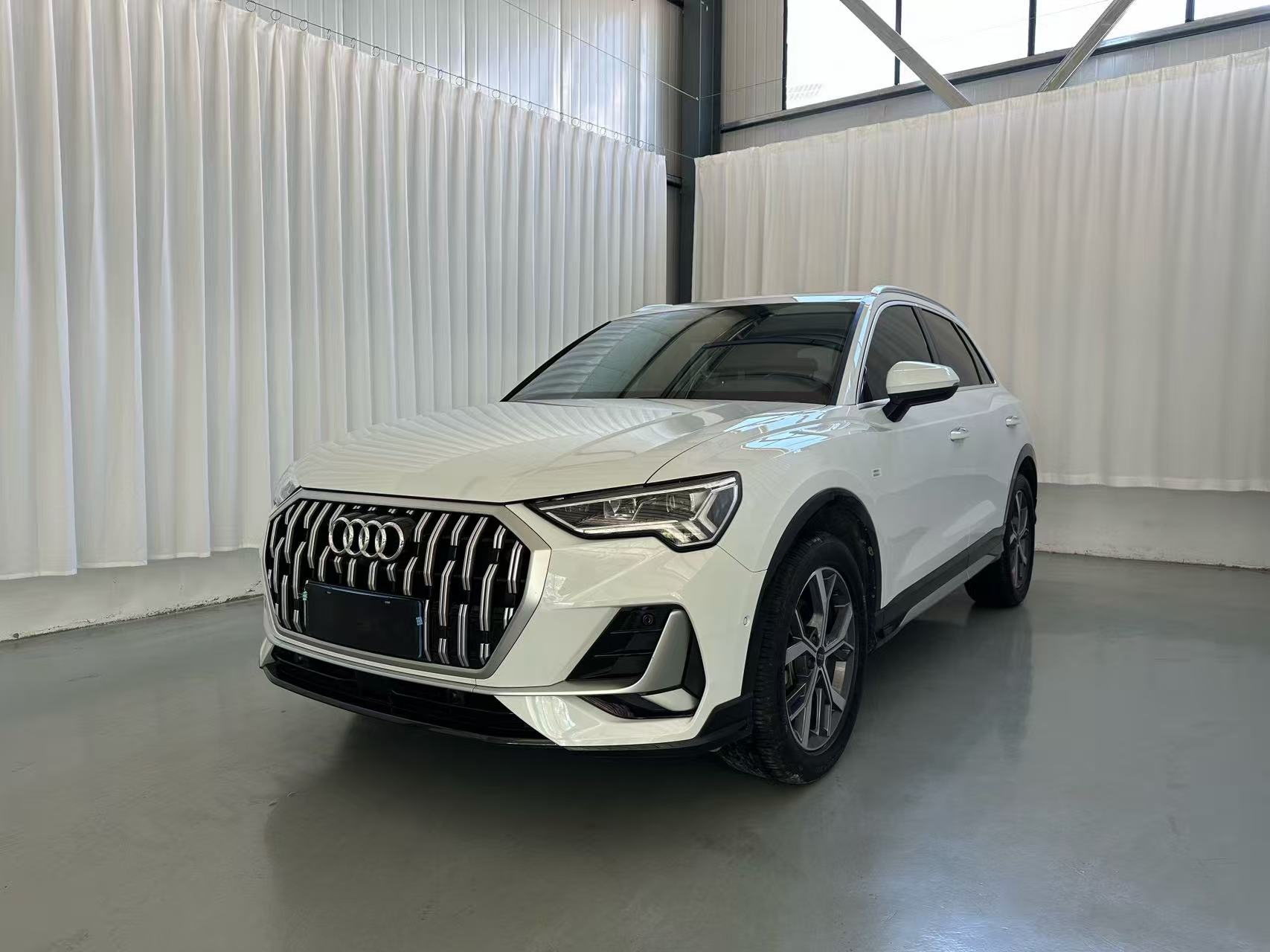
BrandAudi
SeriesQ3
Year2014
First Registration2014/03
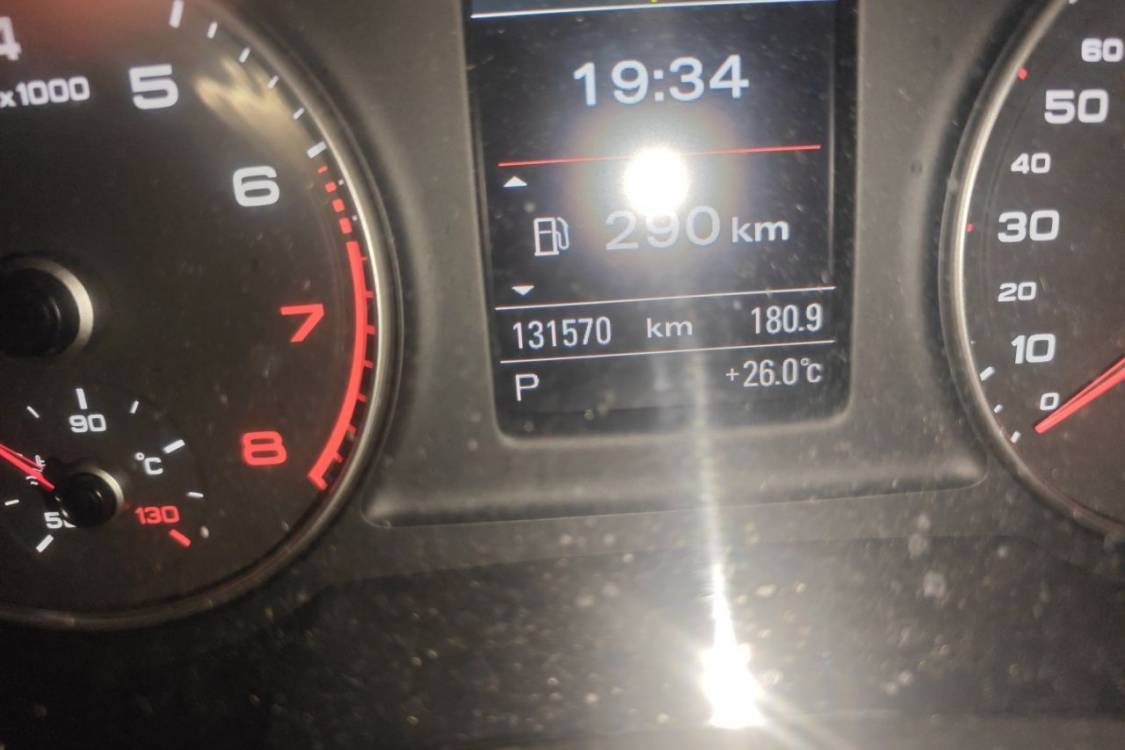
Mileage131,500km
Transfer Count2times
FuelGasoline
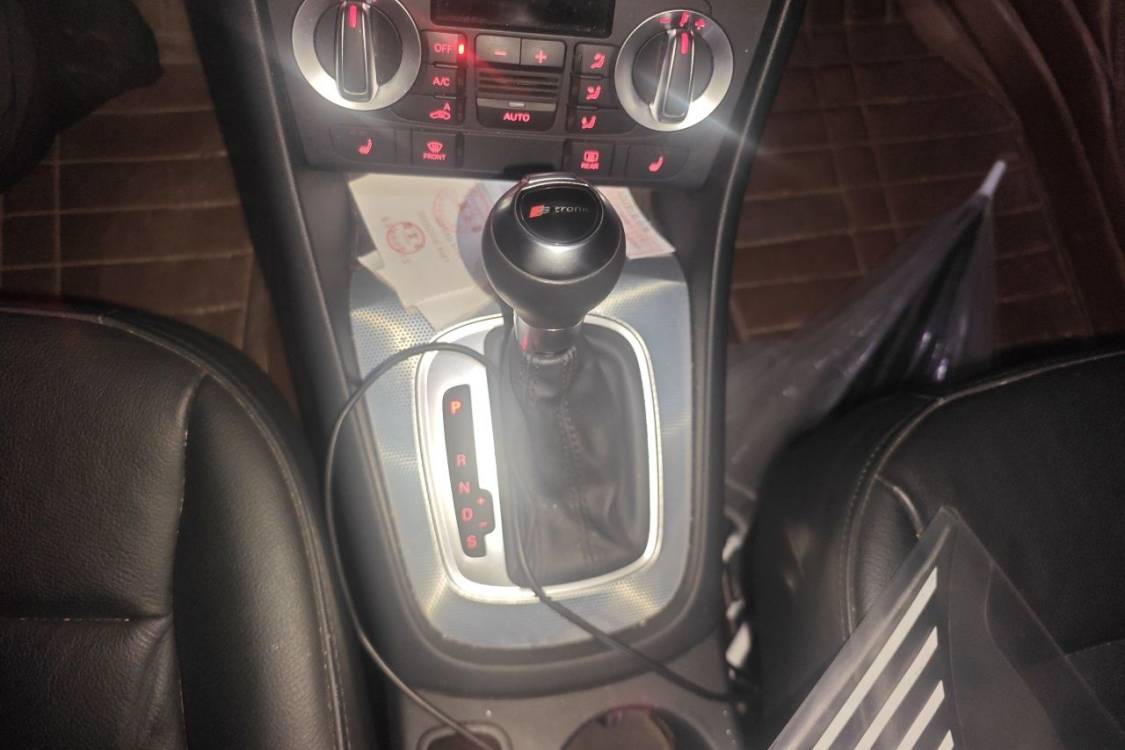
TransmissionDCT
Engine2.0T 170 L4
ColorOrigin
Seats-

Condition Description

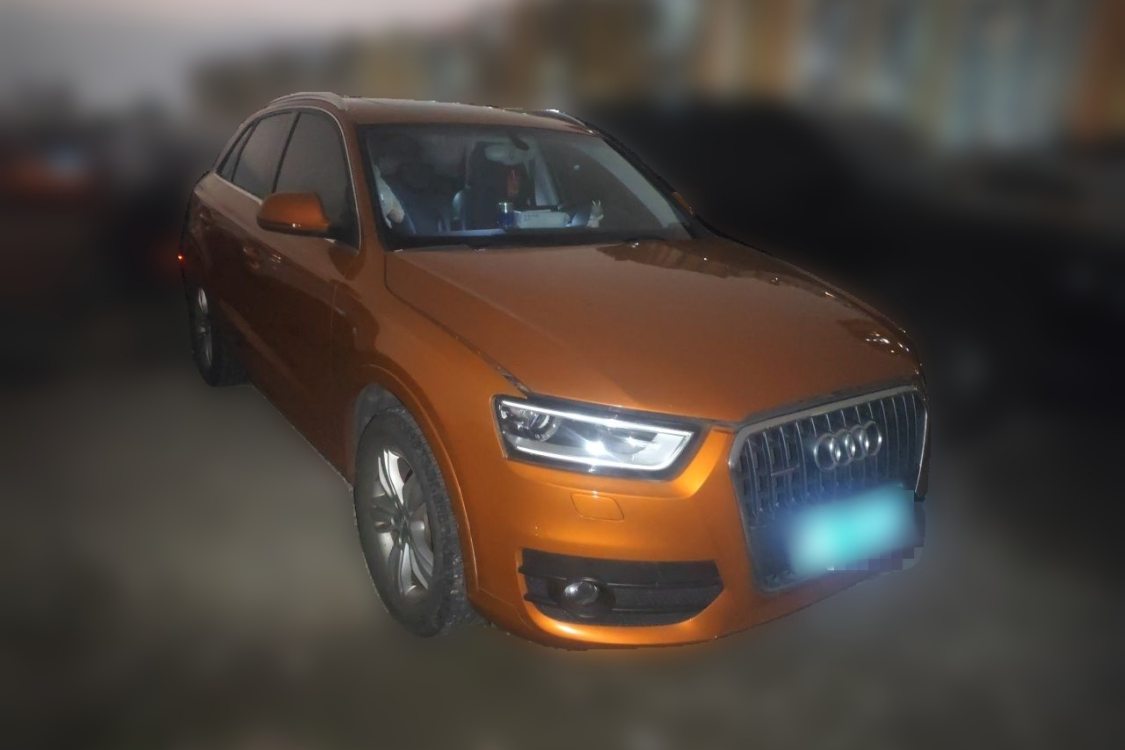
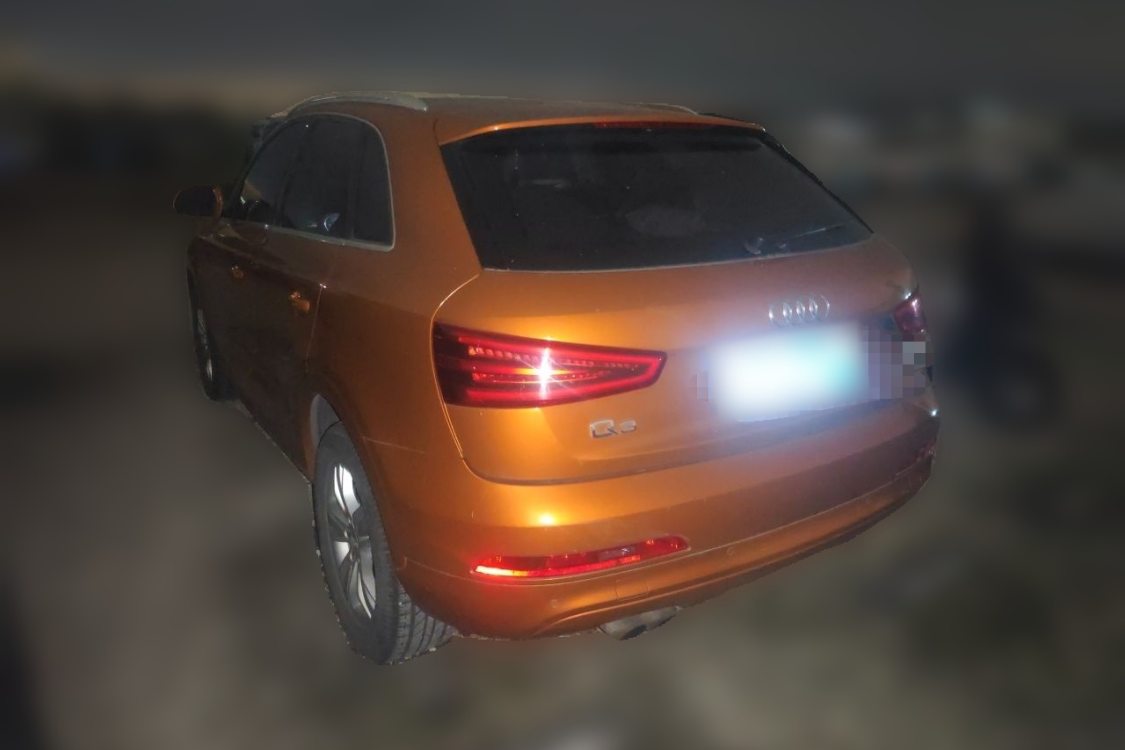
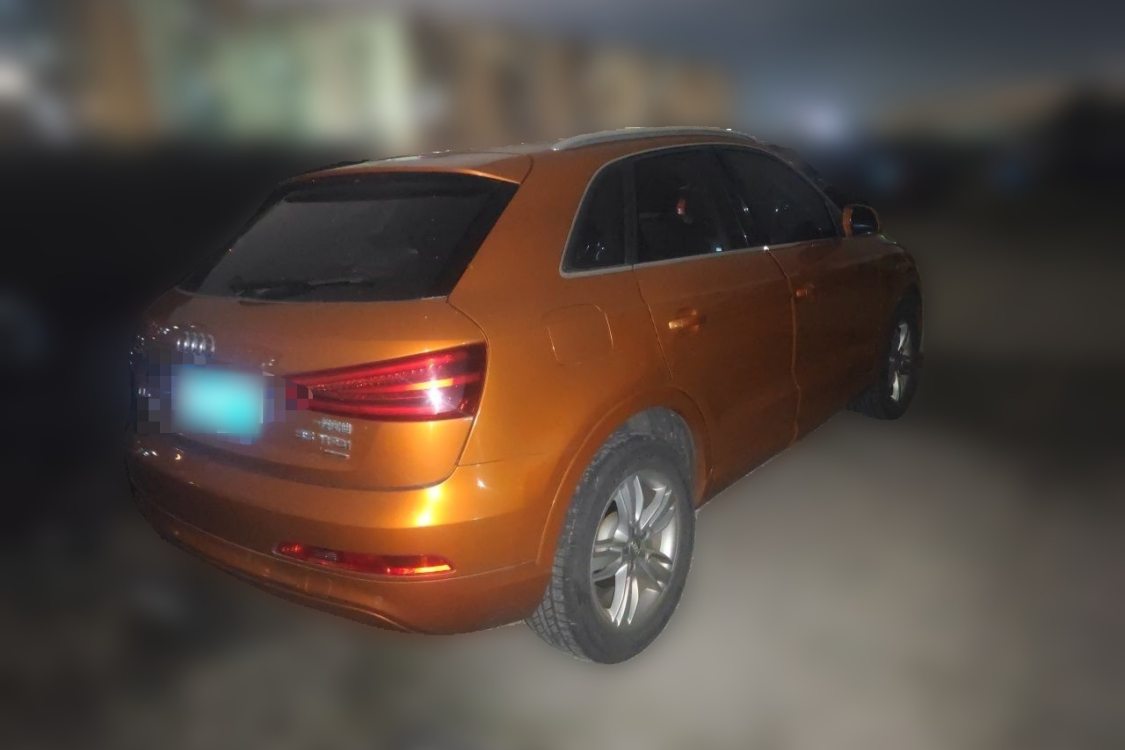
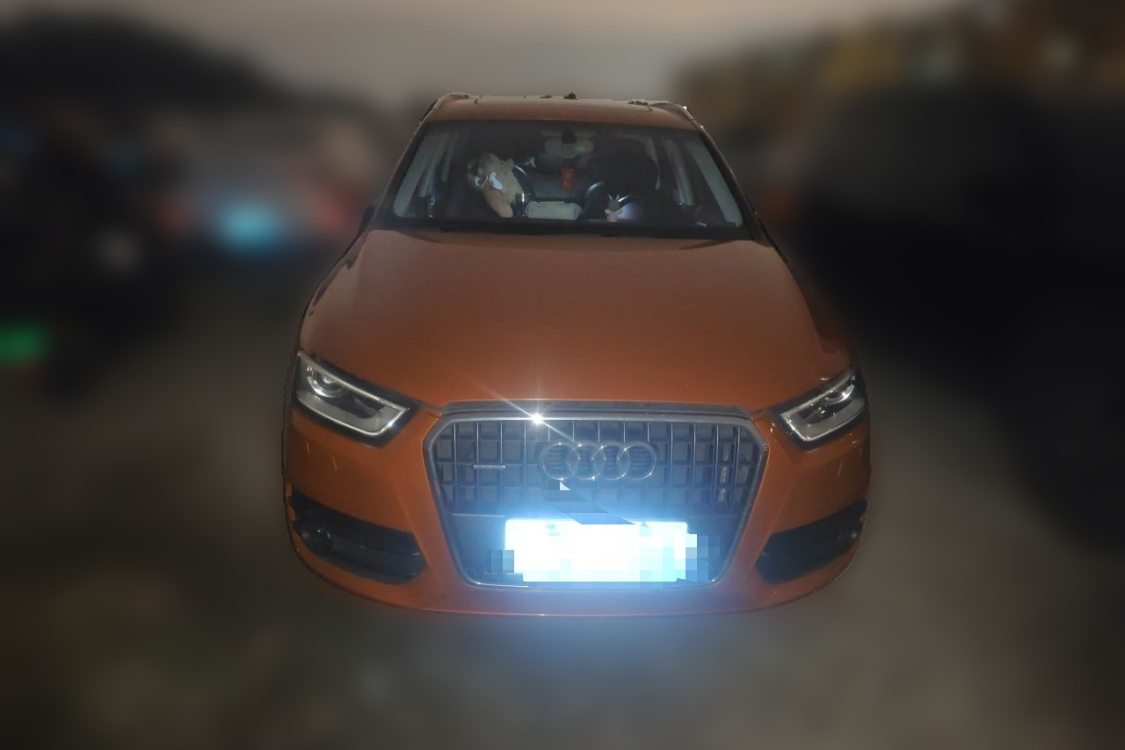
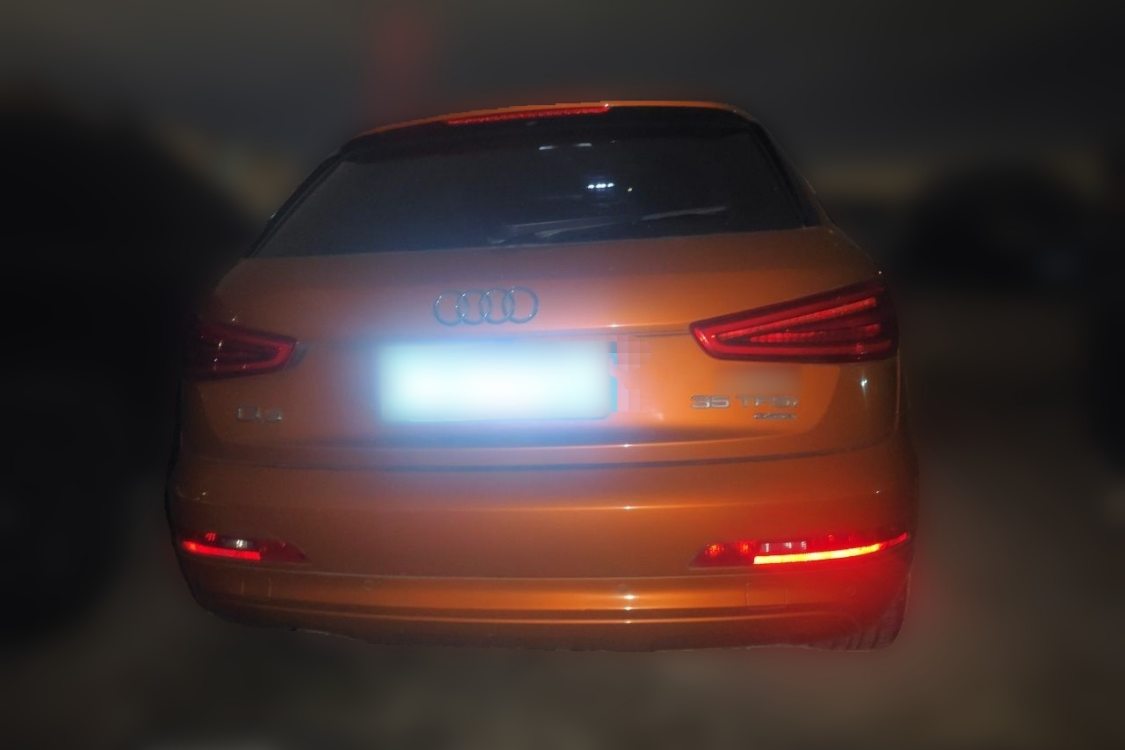
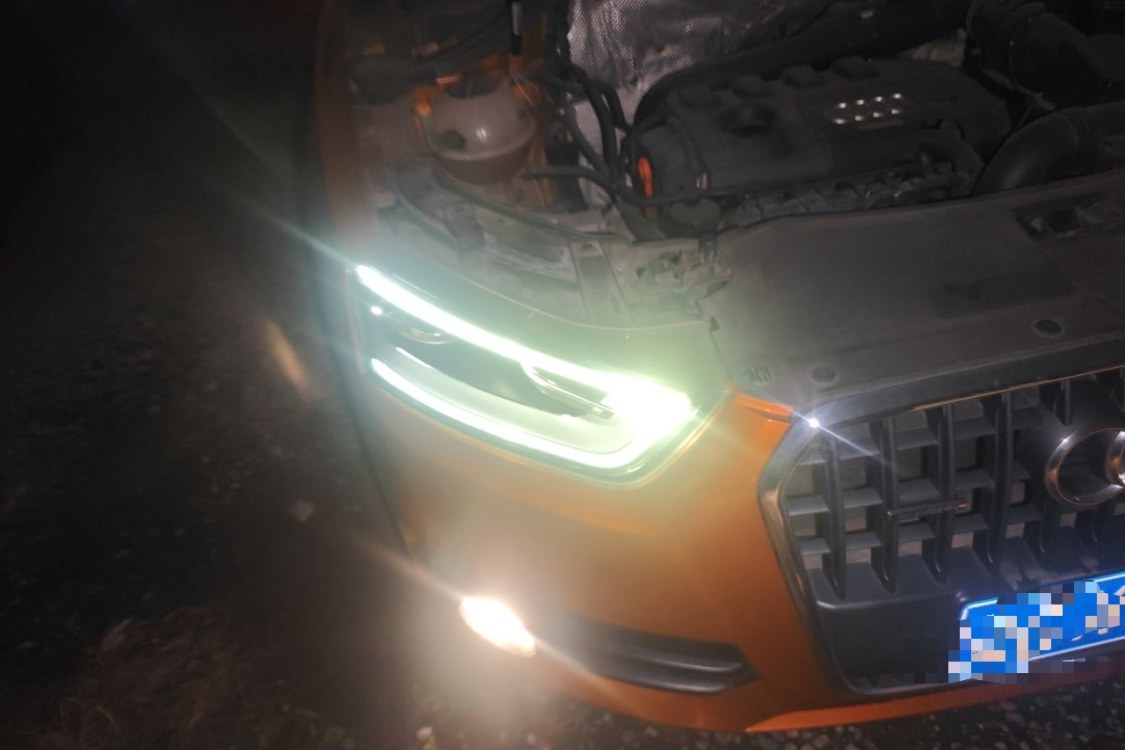
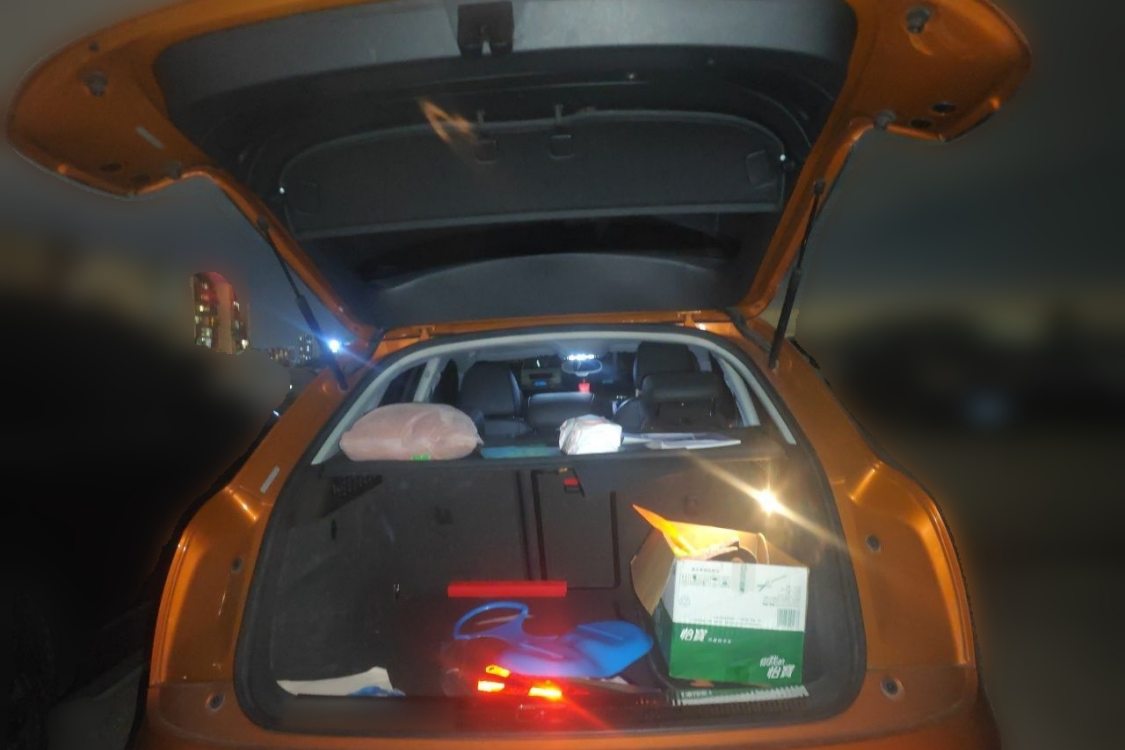
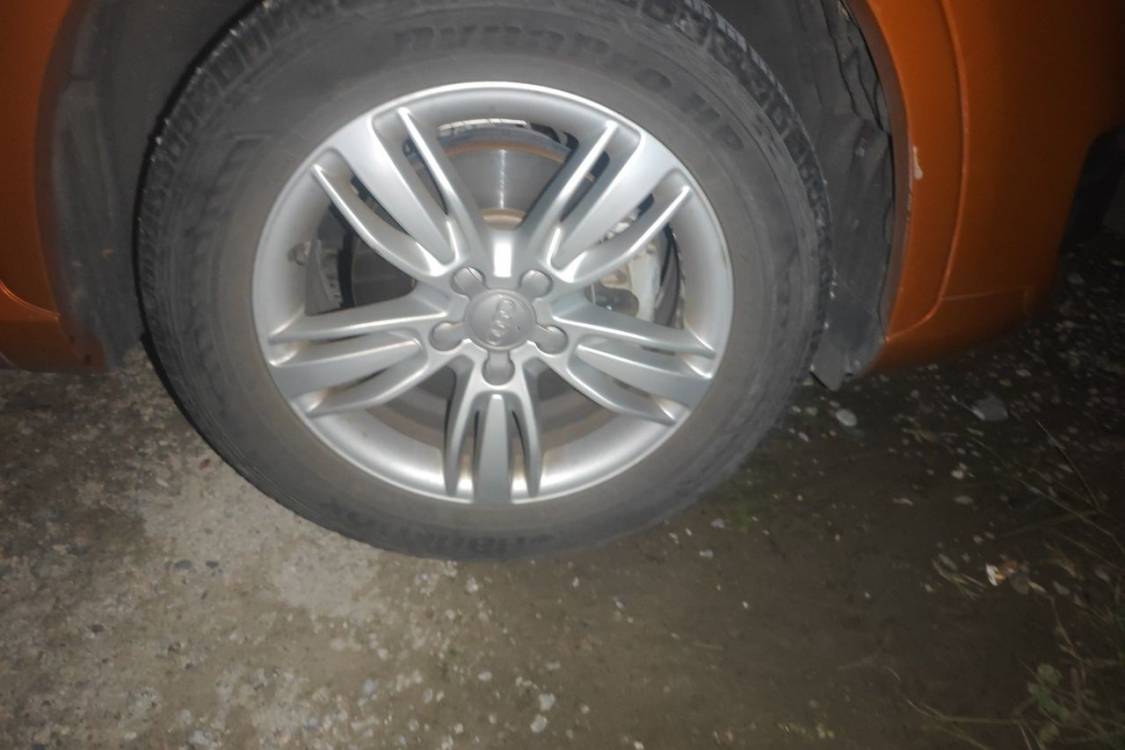
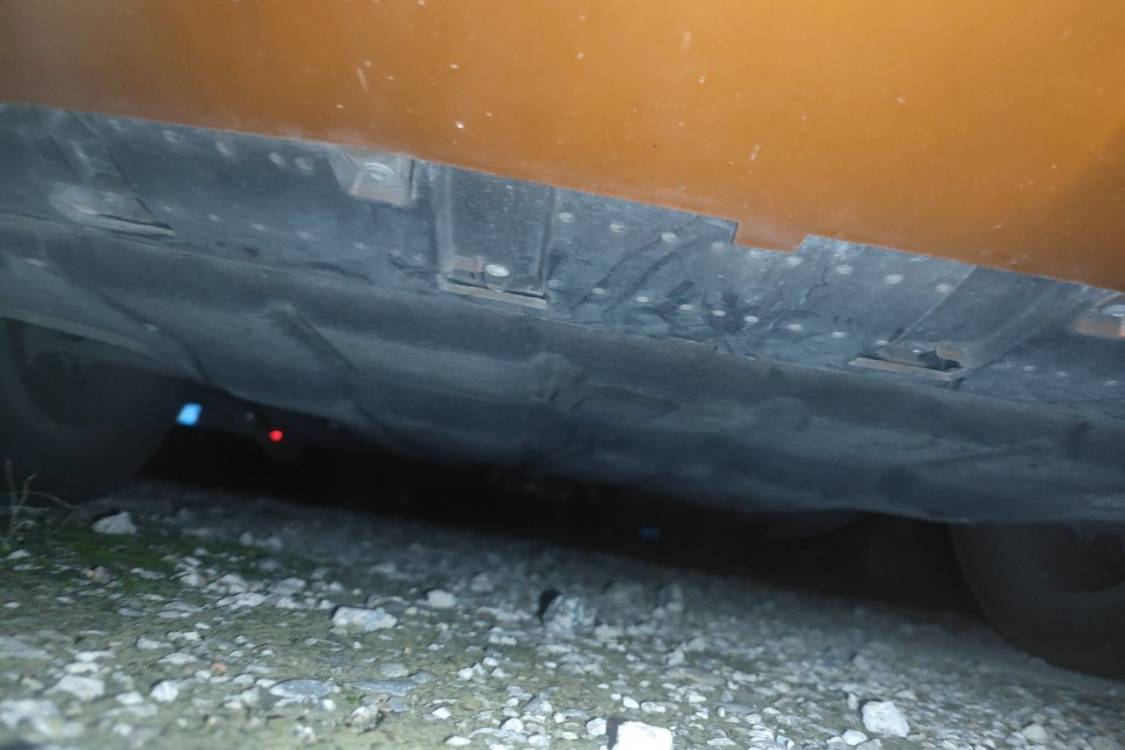
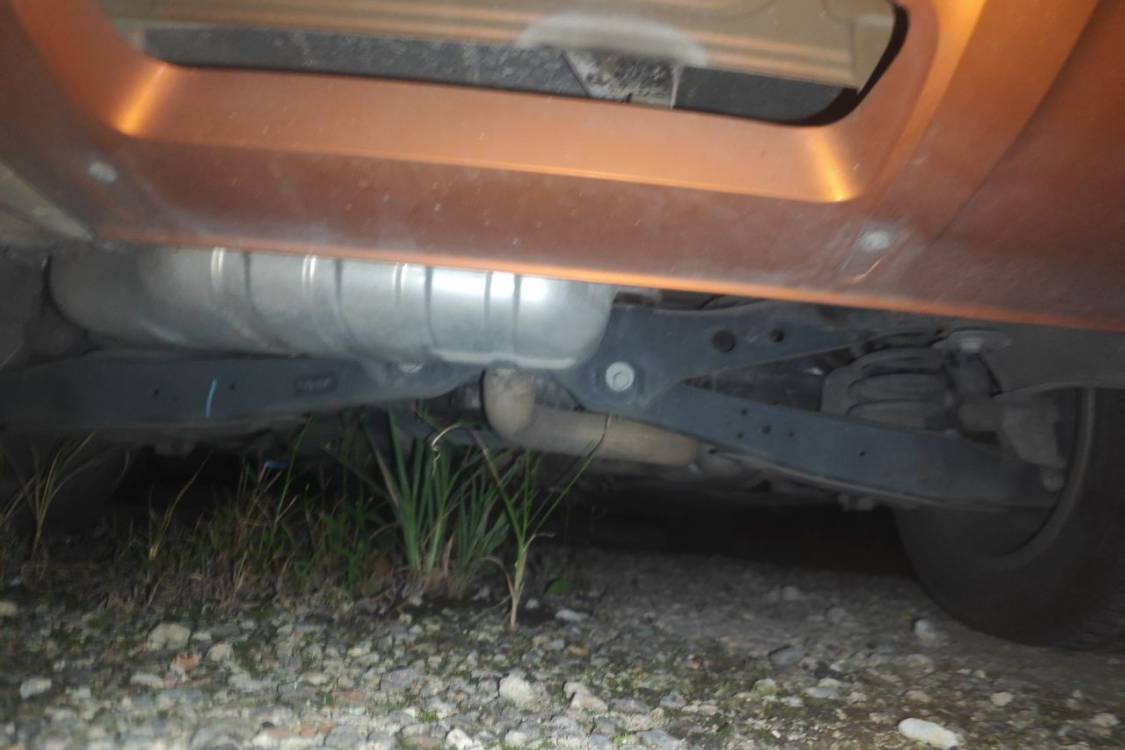
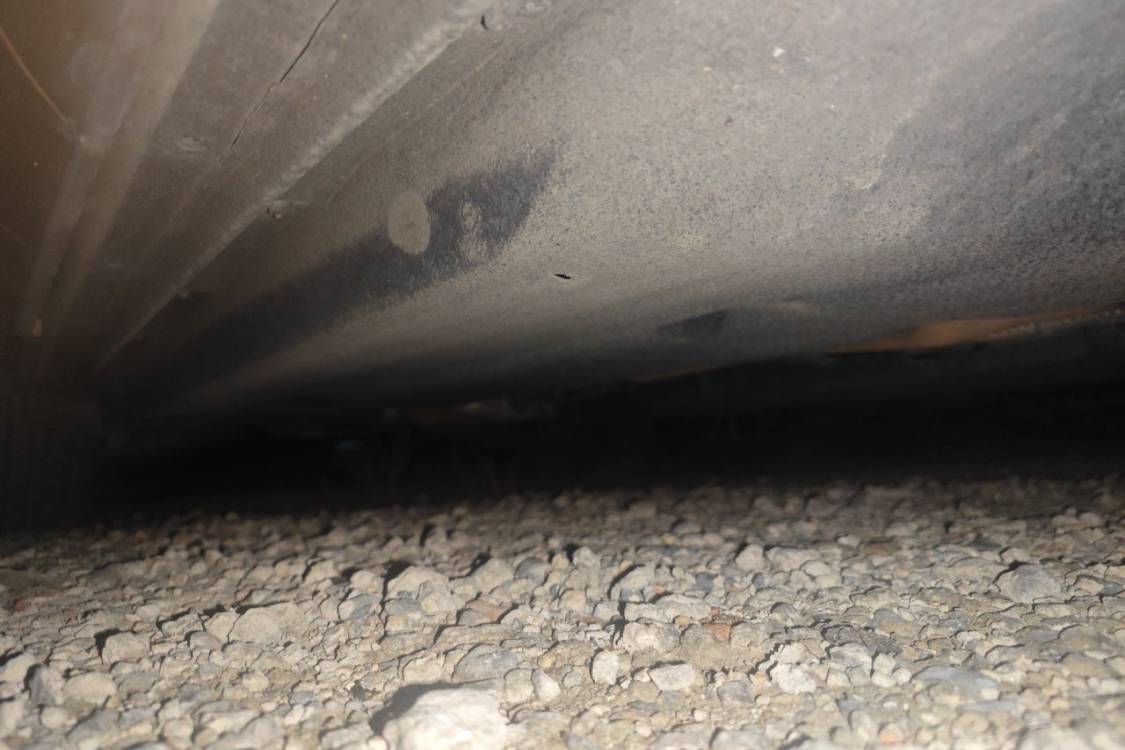
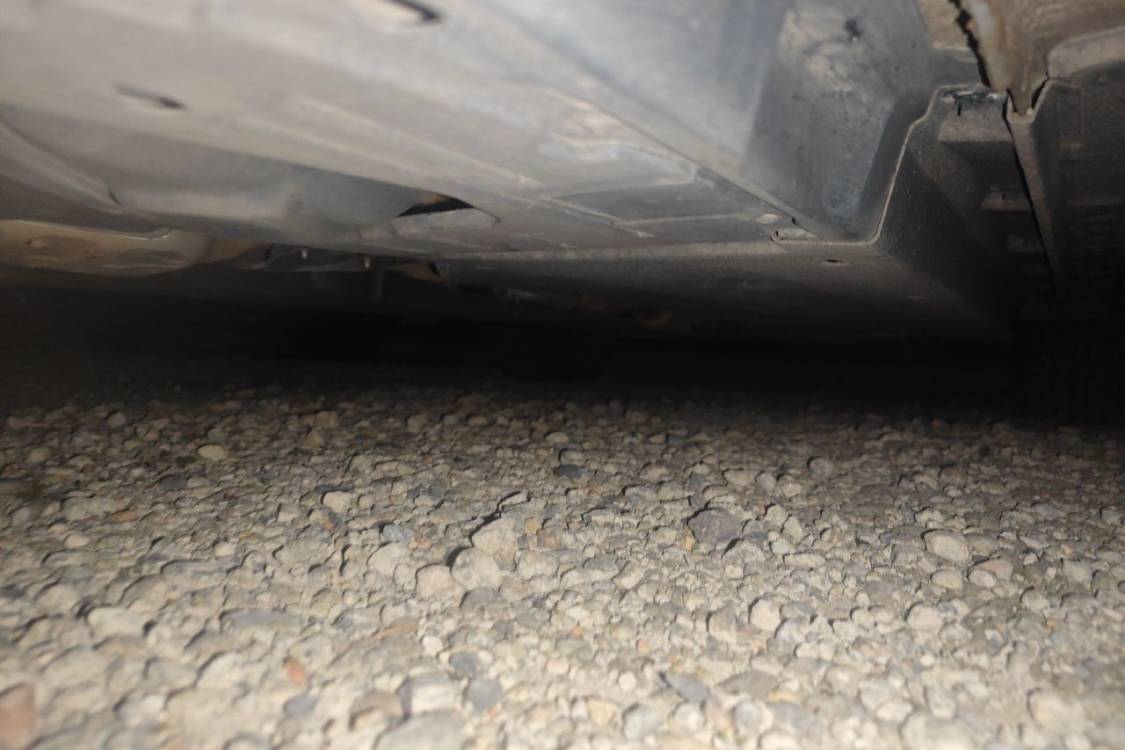
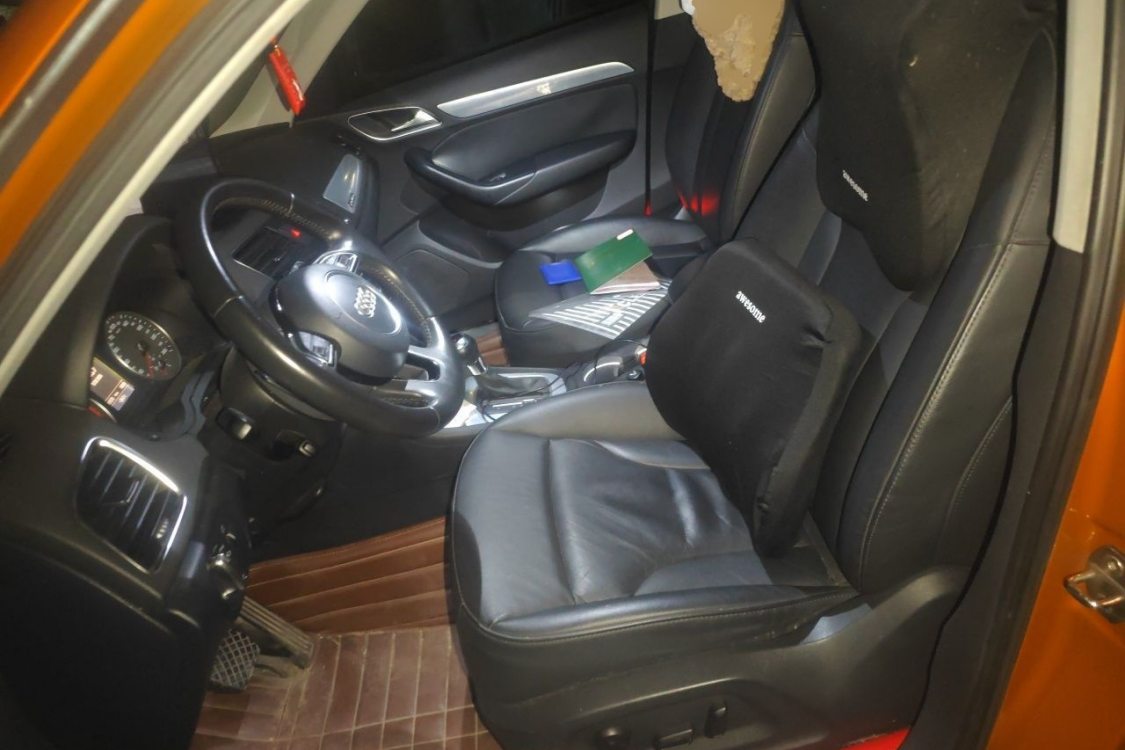
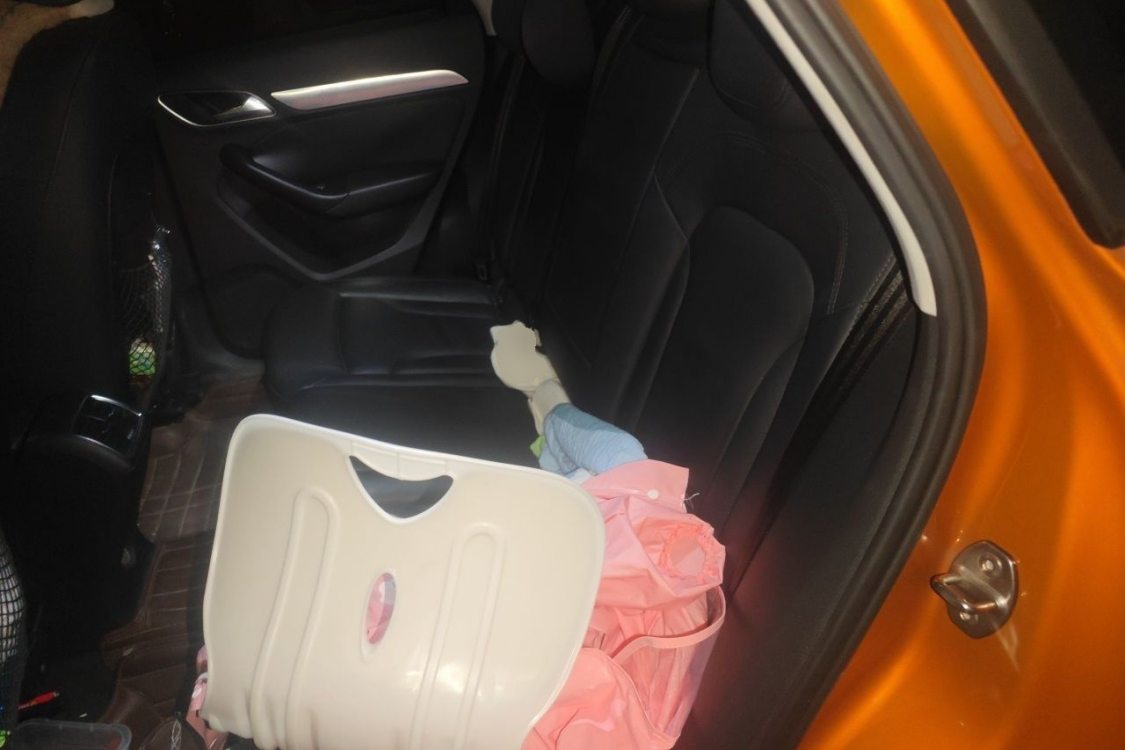
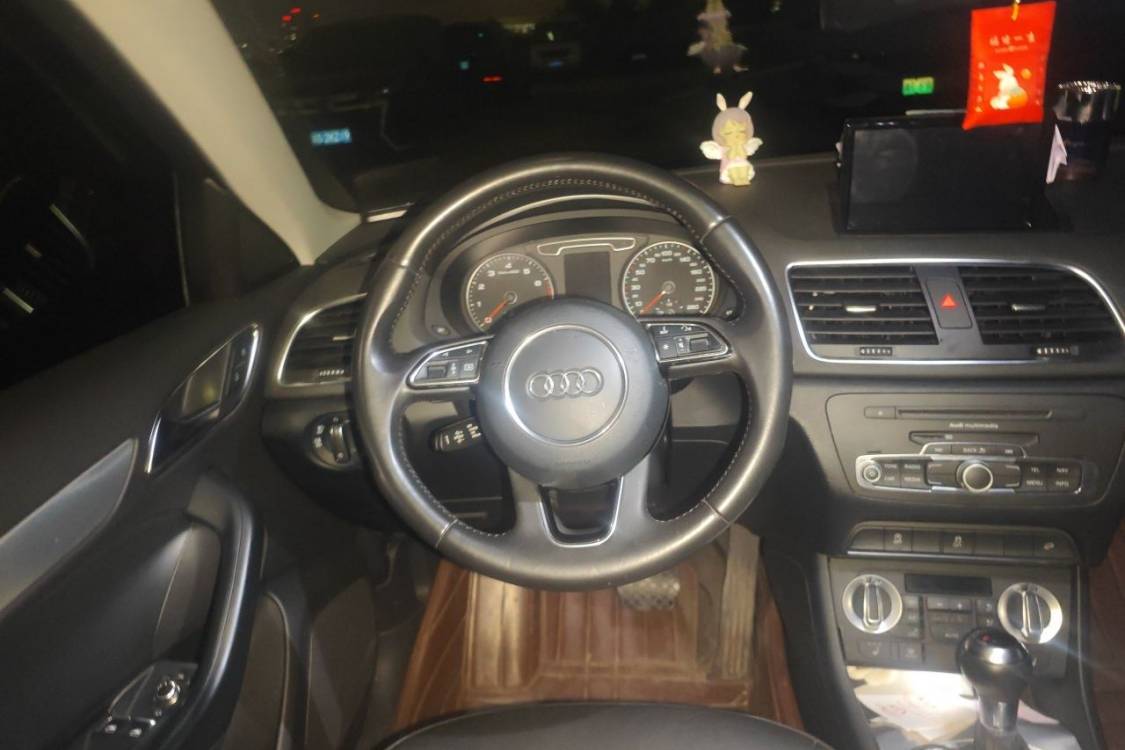
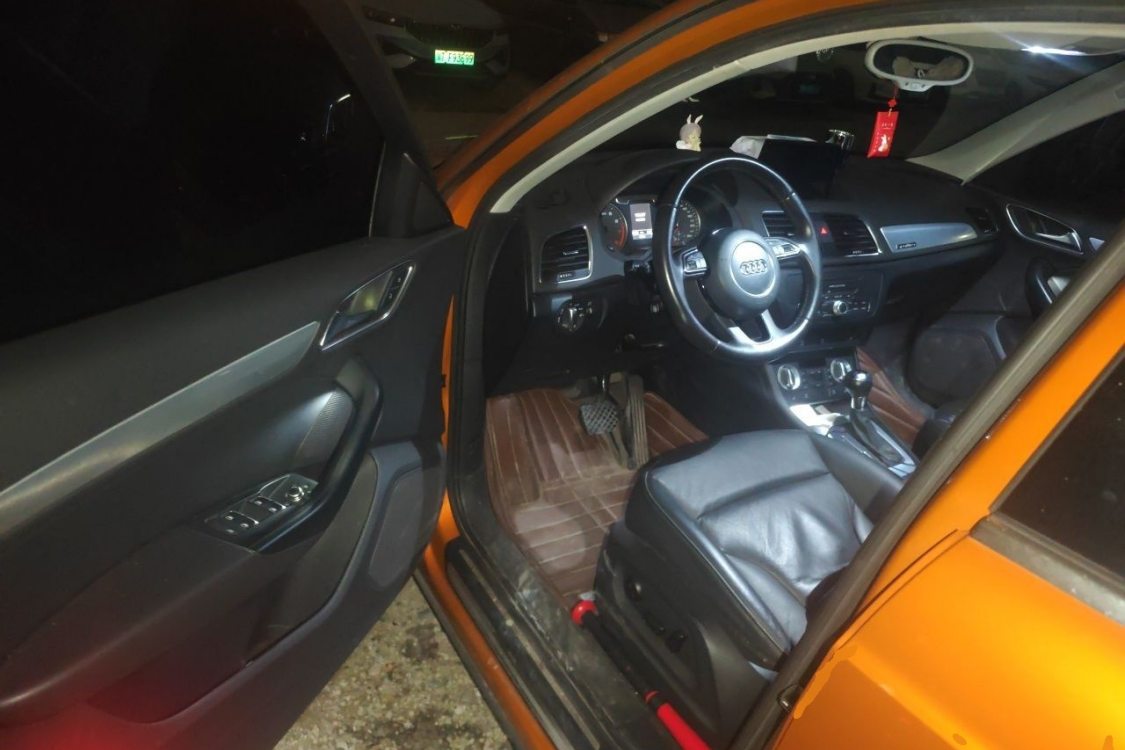
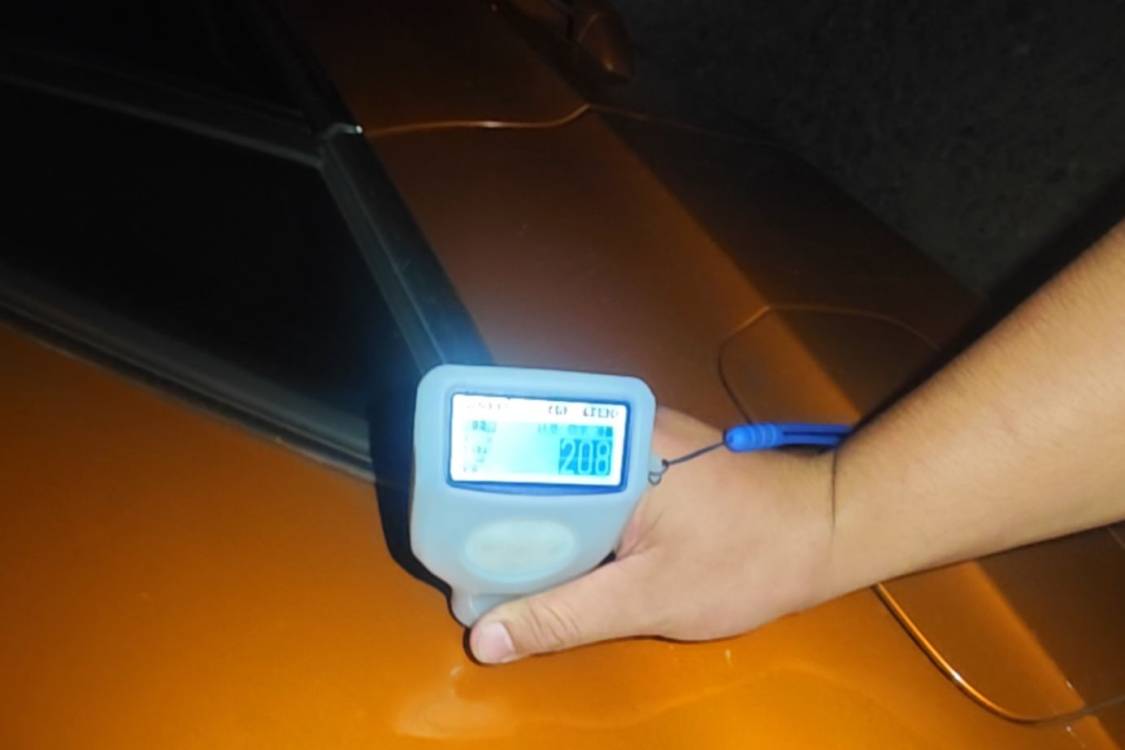
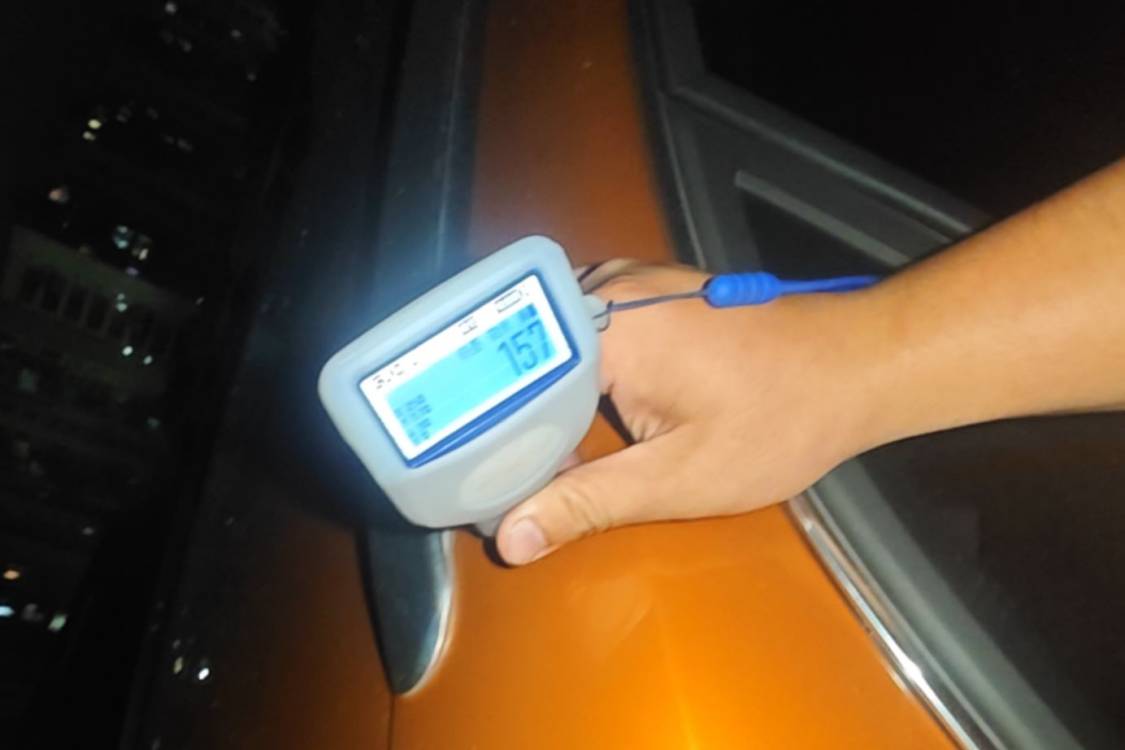
Localized body damage or repair marks present. No accident damage or repairs to structural or reinforcement components. Vehicle performance (including three-electric system) has degraded or is performance-limited.

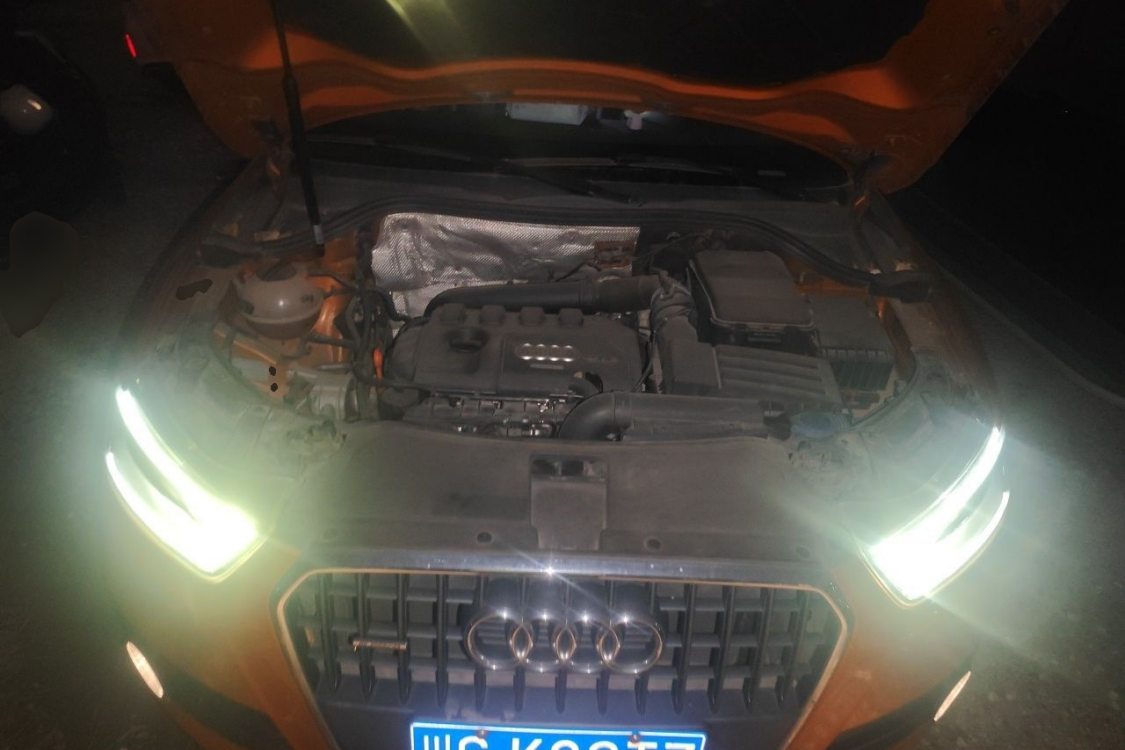
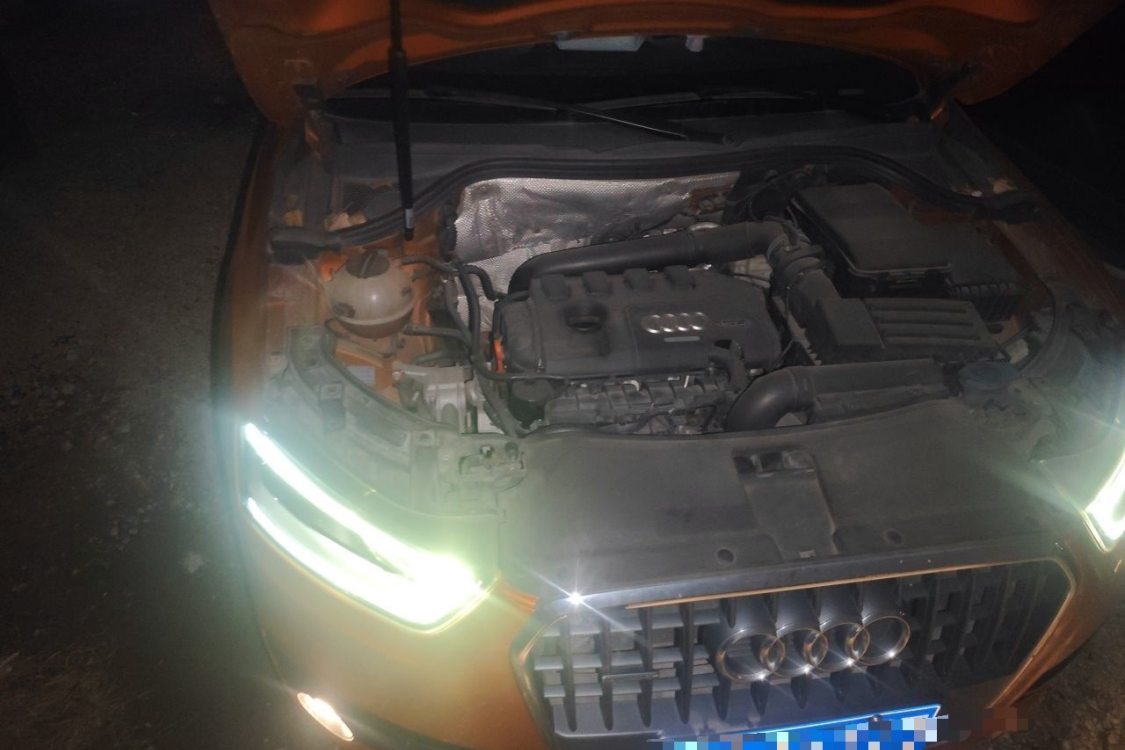
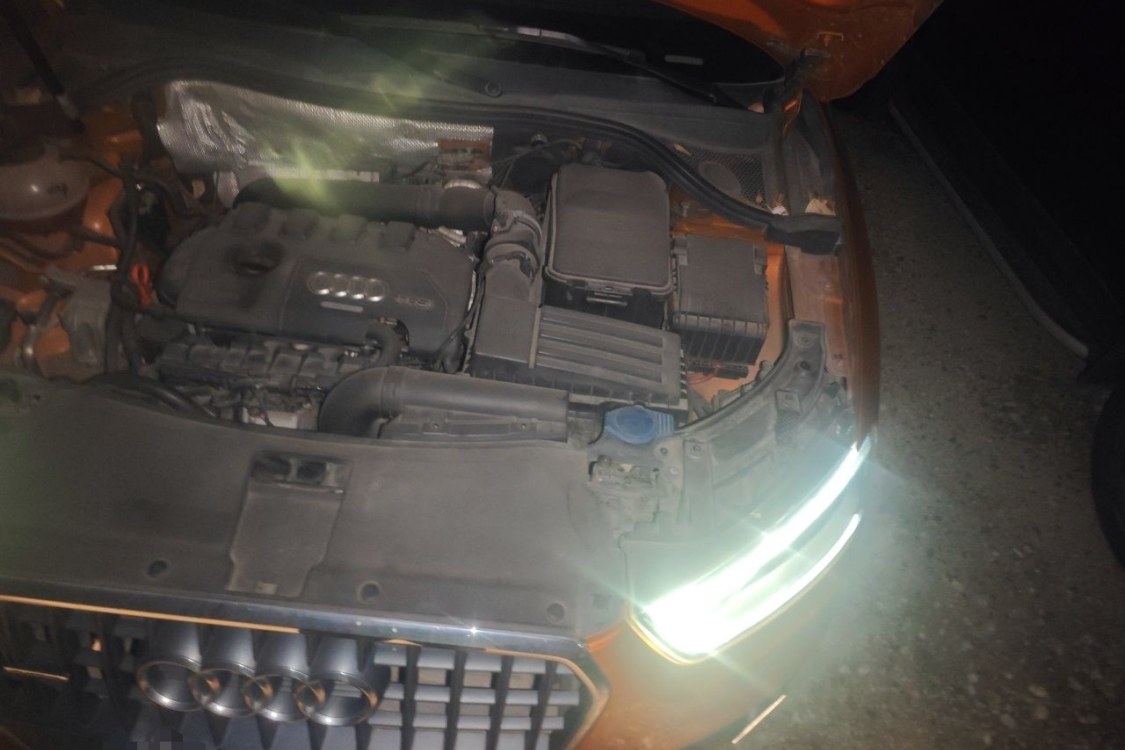
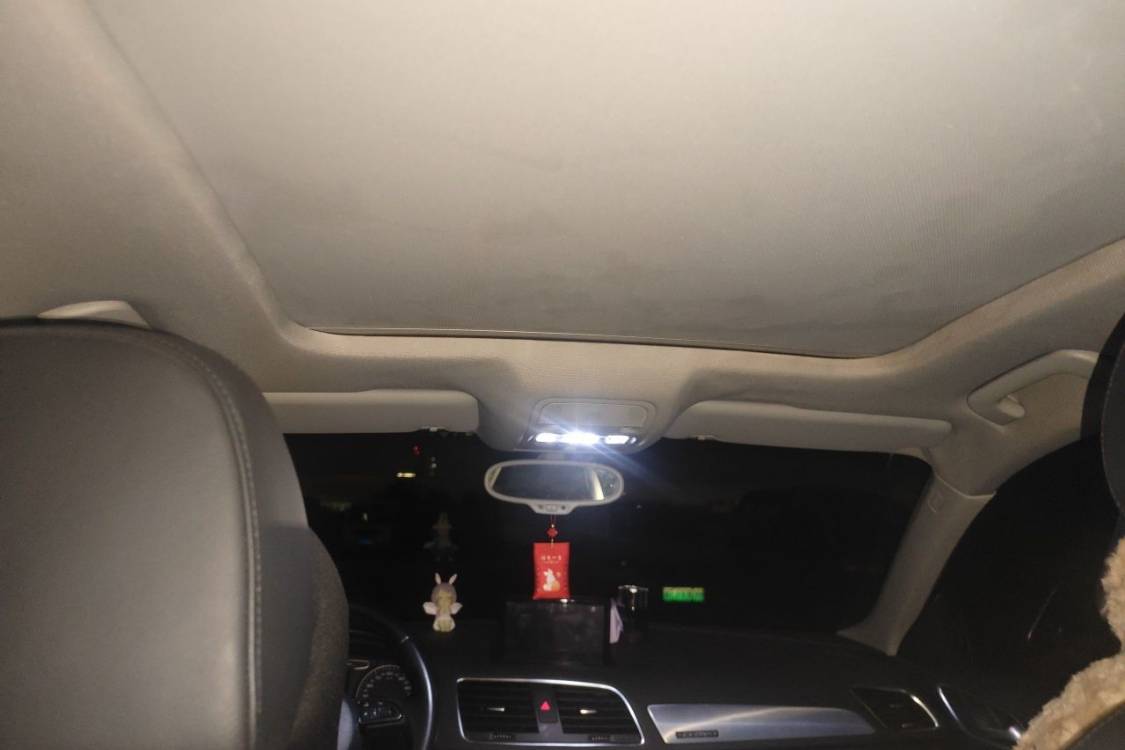
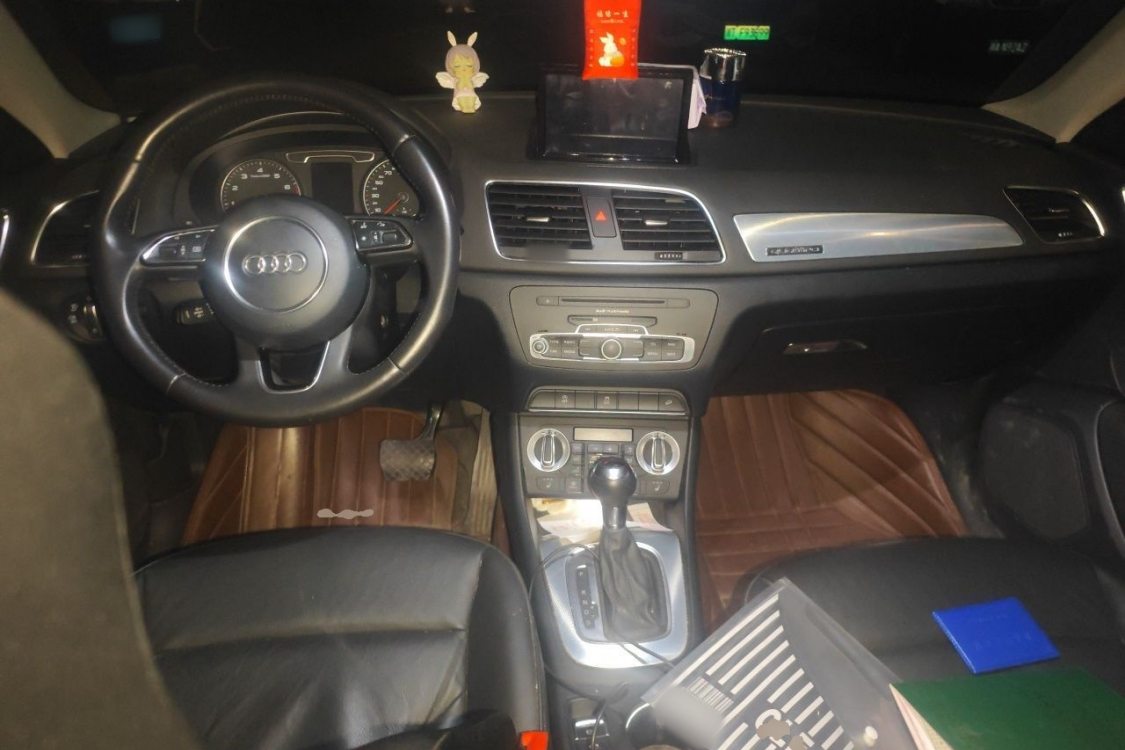
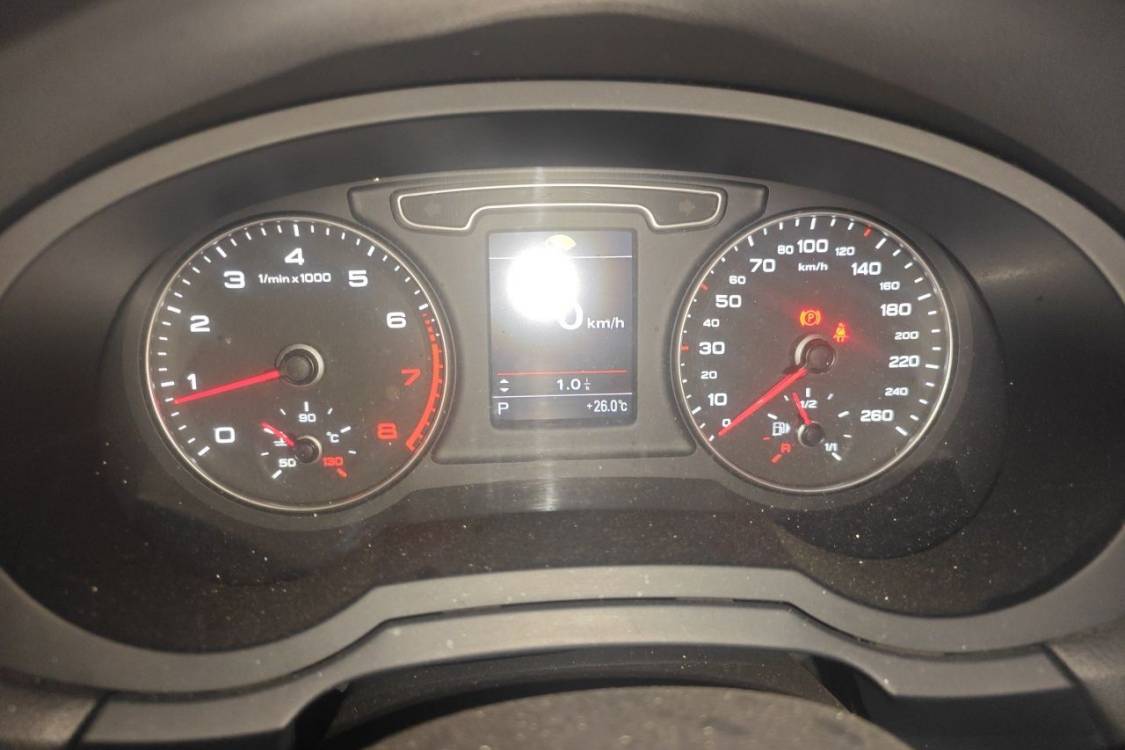
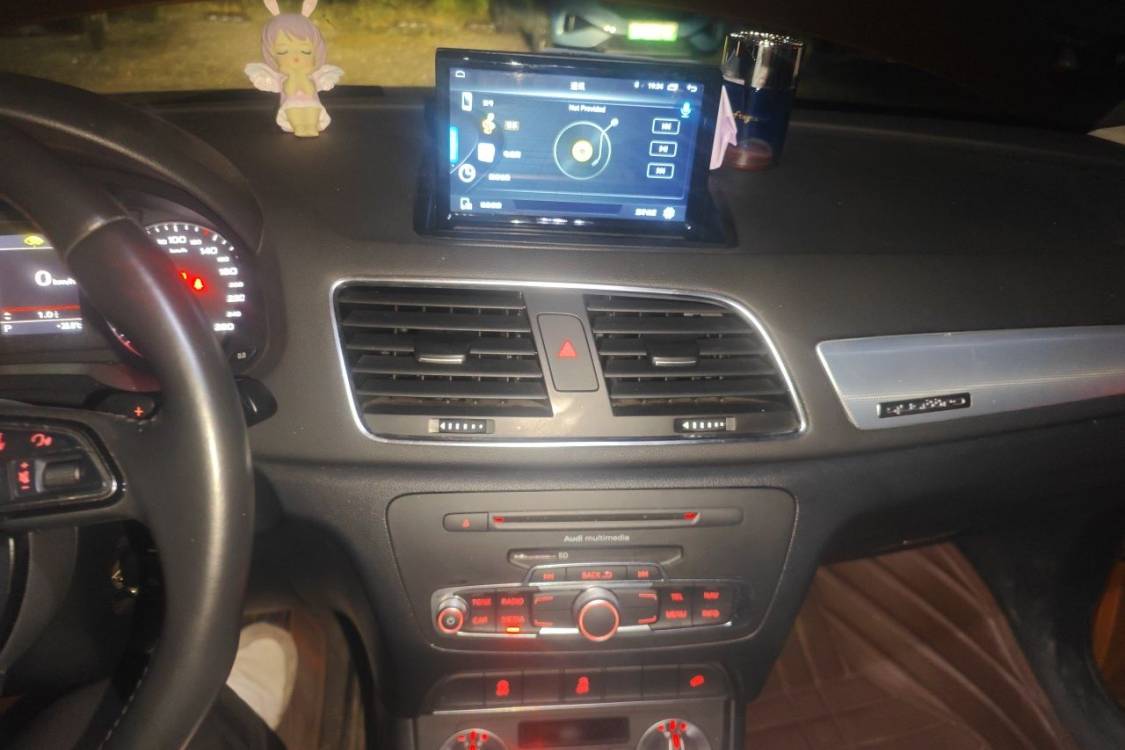
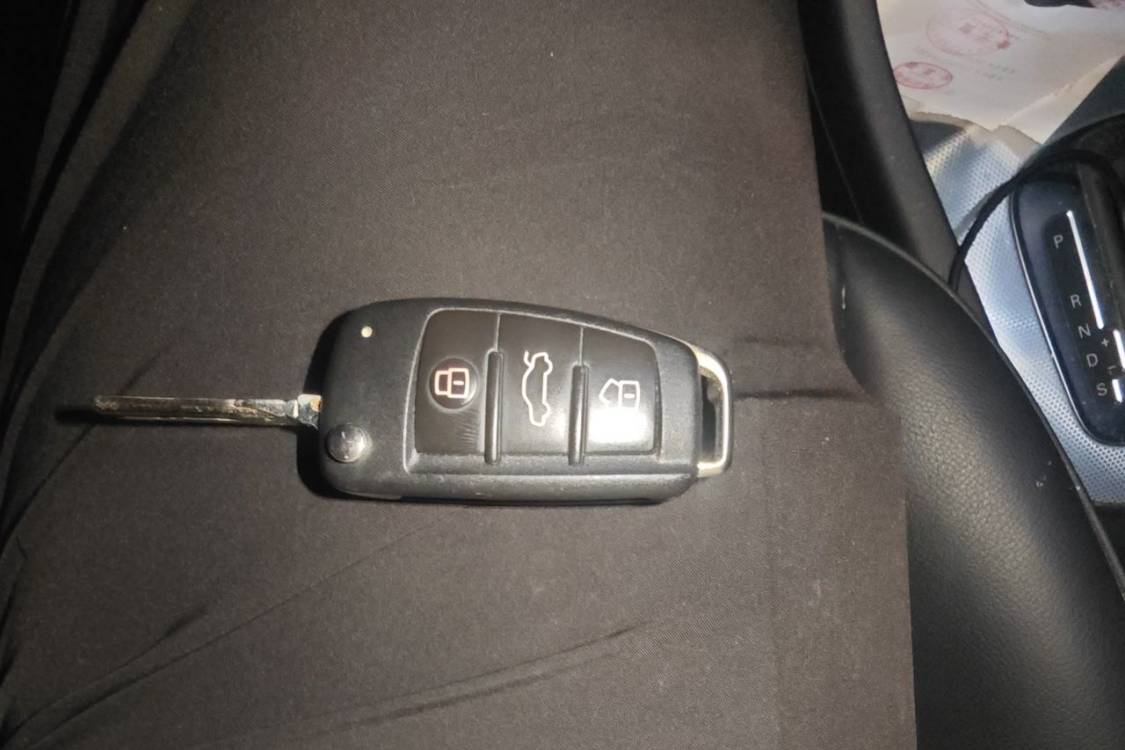
Accident inspection: main structure undamaged, reinforcement parts undamaged, cover panels damaged, hinges normal. Engine bay inspection: key mechanical components in engine compartment normal. Exterior: 1 replaced part, 5 panel-beaten repairs, 5 paint jobs. Interior: most features normal, airbag inspection normal, seatbelts normal, dashboard normal, instrument cluster normal, lighting system normal. Start-up inspection: main components normal. Onboard tools: none.

电话直连
可讲价
平台物流
可转售
新检测标准升级>
非泡水

Document Information

Inspection Expiry Date2027/03
Warranty Expiry Date-
Insurance Expiry Date2027/03

Q&A

More

Is the shipping insurance rate for used new energy vehicles higher than that for traditional fuel vehicles? What is the deductible?

Yes. Due to the significant difficulty in extinguishing lithium battery fires, insurance companies typically charge 20%-40% higher rates for comprehensive coverage on used EVs compared to ICE vehicles. Additionally, the absolute deductible for minor scratches on the body will also be increased accordingly.
Why do some low-mileage, relatively new "almost new cars" get sold by their original owners?

There are various reasons, including but not limited to: financial needs, restrictions from lottery policies, moving abroad, or dissatisfaction with certain features of the vehicle. We will ensure that the vehicle was not sold due to catastrophic failures by ruling out major accidents, water damage, and flooding.

Why are the shipping costs for used electric vehicles (EVs) usually higher than for internal combustion engine vehicles (ICEs)?

Pure electric vehicles are classified as Class 9 Dangerous Goods due to their large lithium batteries, leading to strict shipping regulations. Shipping companies have high requirements for the loading position and fire isolation measures for dangerous goods, and some roll-on/roll-off ships refuse to accept used EVs. As a result, EVs often require more expensive special container shipping and incur additional handling fees for hazardous materials.