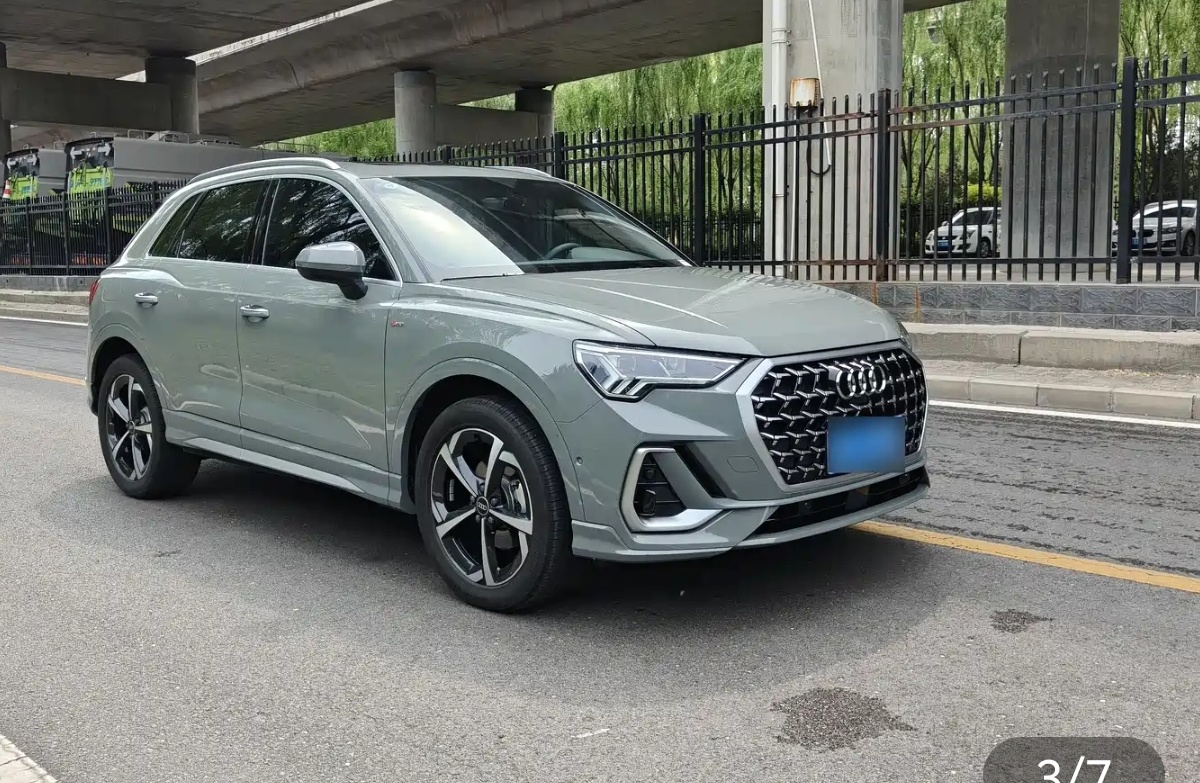


Basic Information

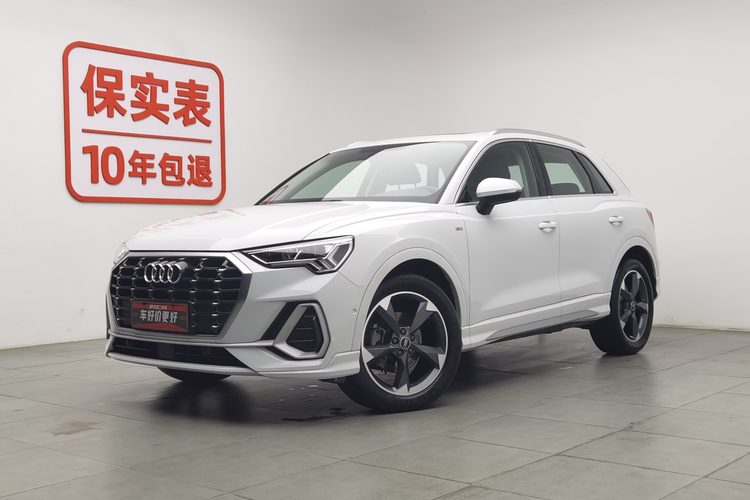
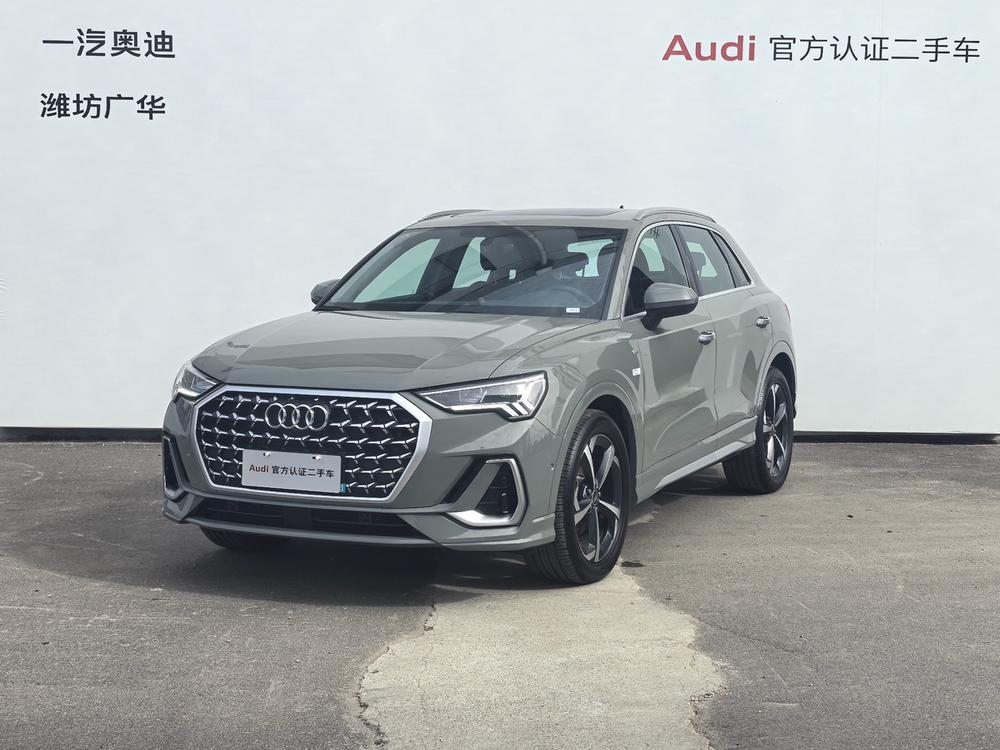
BrandAudi
SeriesQ3
Year2015
First Registration2015/01
Mileage172,100km
Transfer Count-
FuelGasoline
TransmissionDCT
Engine1.4T 150 L4
ColorWhite
Seats-

Condition Description

Localized body damage or repair marks present; structural and reinforcement components have no accident-related damage or repairs. Vehicle performance (including three-electric system) has degraded or is performance-limited.

Accident inspection: main structure undamaged, reinforcement components damaged, cover panels damaged, hinges normal. Engine bay: key mechanical components normal. Exterior: 1 replacement, 3 panel repairs, 2 paint jobs. Interior: most features normal, airbag normal, seatbelt normal, dashboard normal, instrument cluster normal, lighting system normal. Startup inspection: main components normal. Onboard tools: none.

电话直连
可讲价
平台物流
可转售
车主降价
零过户
非泡水

Document Information

Inspection Expiry Date2027/01
Warranty Expiry Date-
Insurance Expiry Date2027/01

Q&A

More

Do you test the freezing point and purity of various fluids like antifreeze, engine oil, and brake fluid before export?

We conduct basic visual inspections and freezing point tests. If the antifreeze's freezing point is insufficient or the engine oil is severely degraded, we will document it. However, considering the shipping duration, we strongly recommend a comprehensive "Full Fluid Service" upon arrival.
Is there a specialized aging testing instrument for the insulation test of the vehicle's high-voltage wiring harness?

We will use a megohmmeter (insulation resistance tester) to measure the insulation resistance of the high-voltage bus. If the resistance value is below the national safety standard, it indicates a risk of leakage, and the vehicle will be deemed unqualified.

Why are the shipping costs for used electric vehicles (EVs) usually higher than for internal combustion engine vehicles (ICEs)?

Pure electric vehicles are classified as Class 9 Dangerous Goods due to their large lithium batteries, leading to strict shipping regulations. Shipping companies have high requirements for the loading position and fire isolation measures for dangerous goods, and some roll-on/roll-off ships refuse to accept used EVs. As a result, EVs often require more expensive special container shipping and incur additional handling fees for hazardous materials.