Basic Information

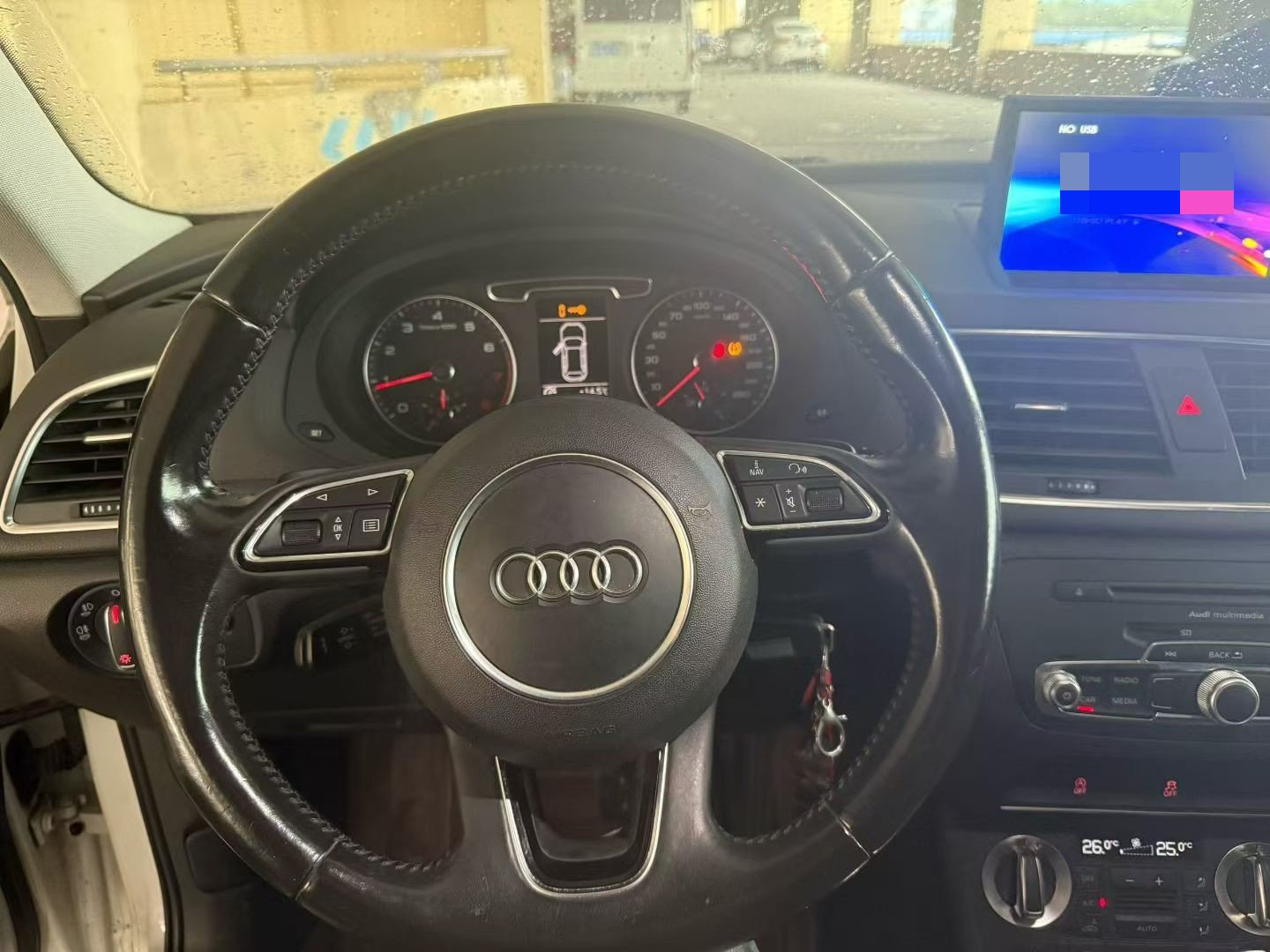
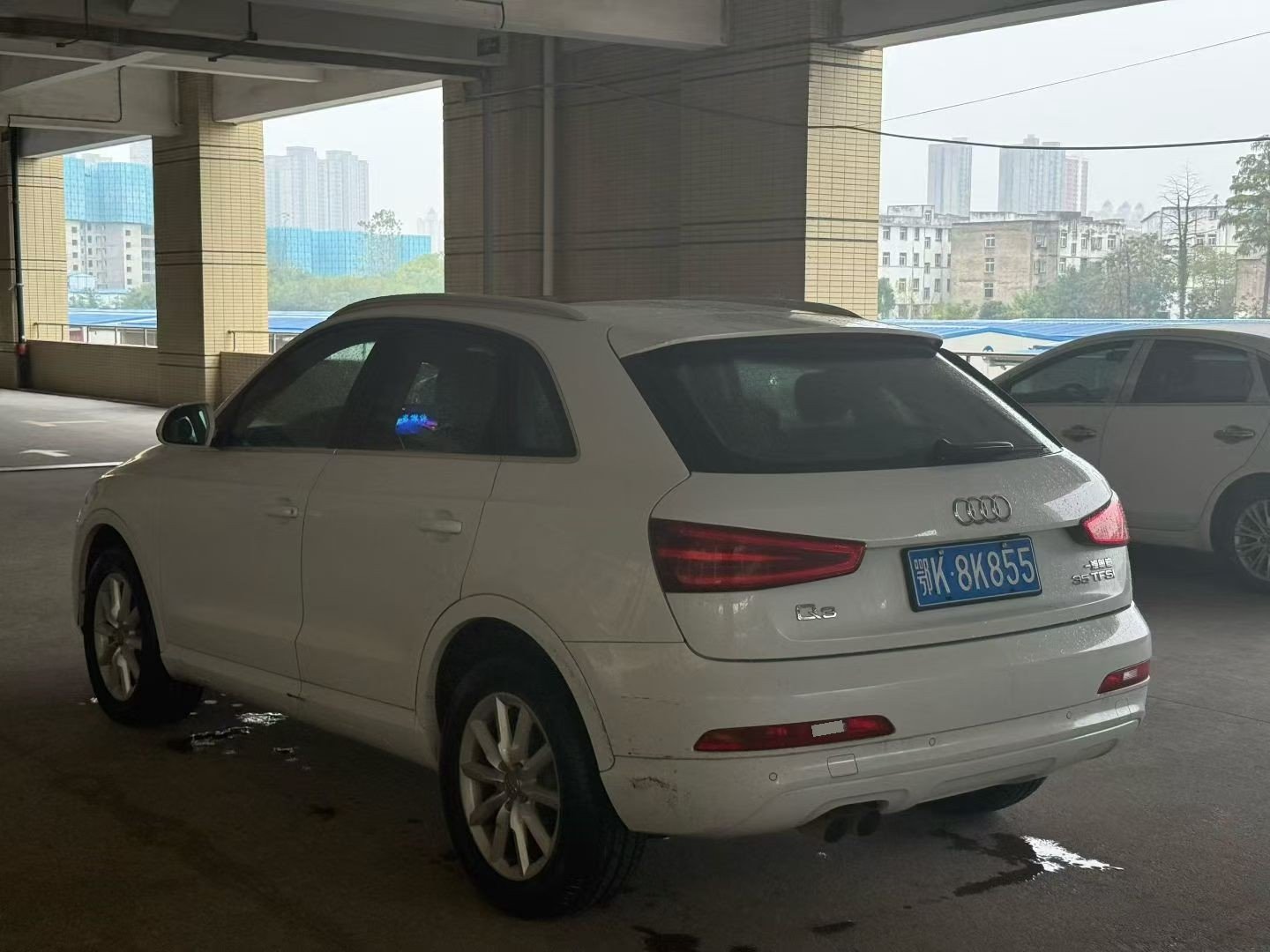
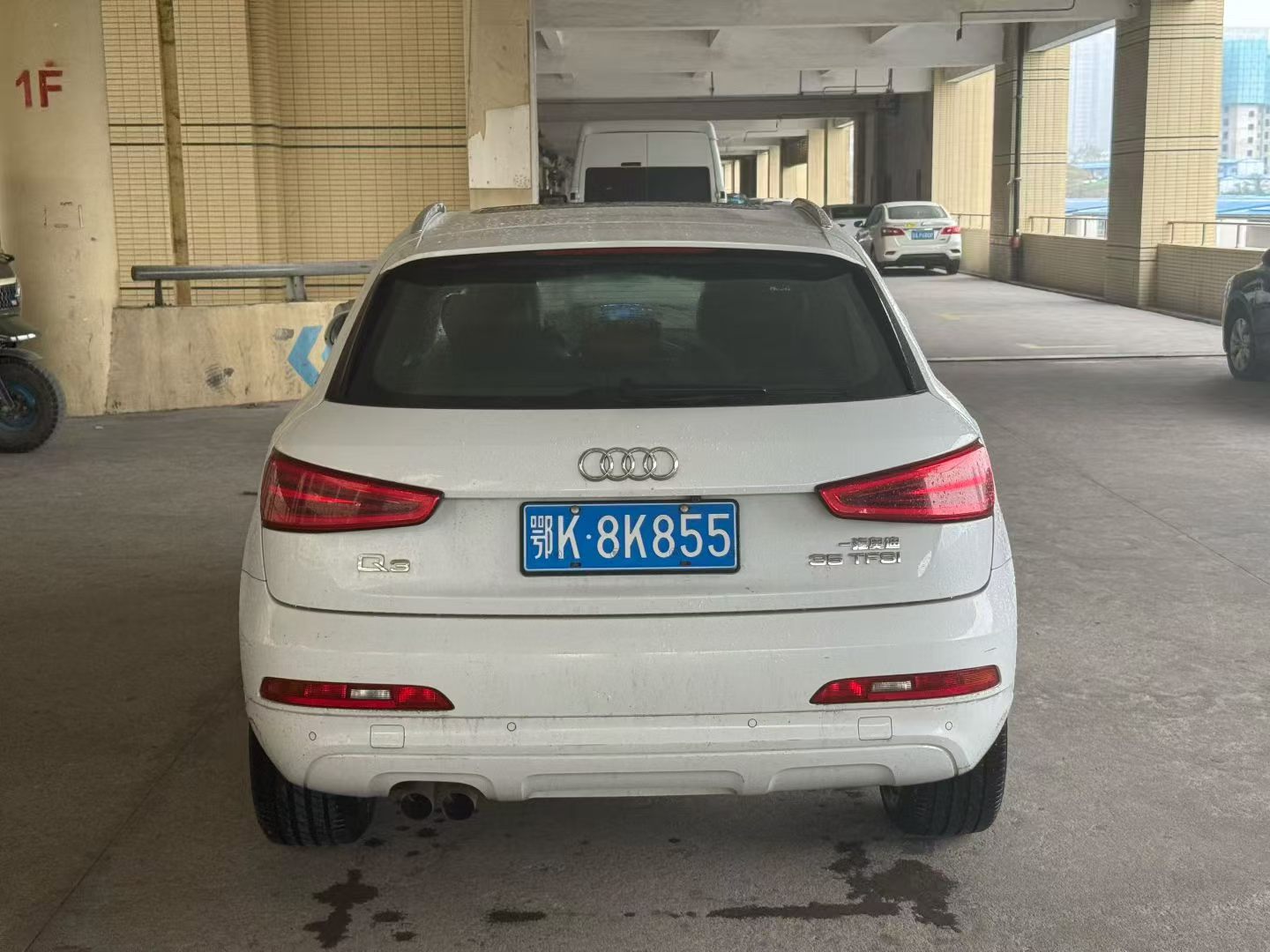
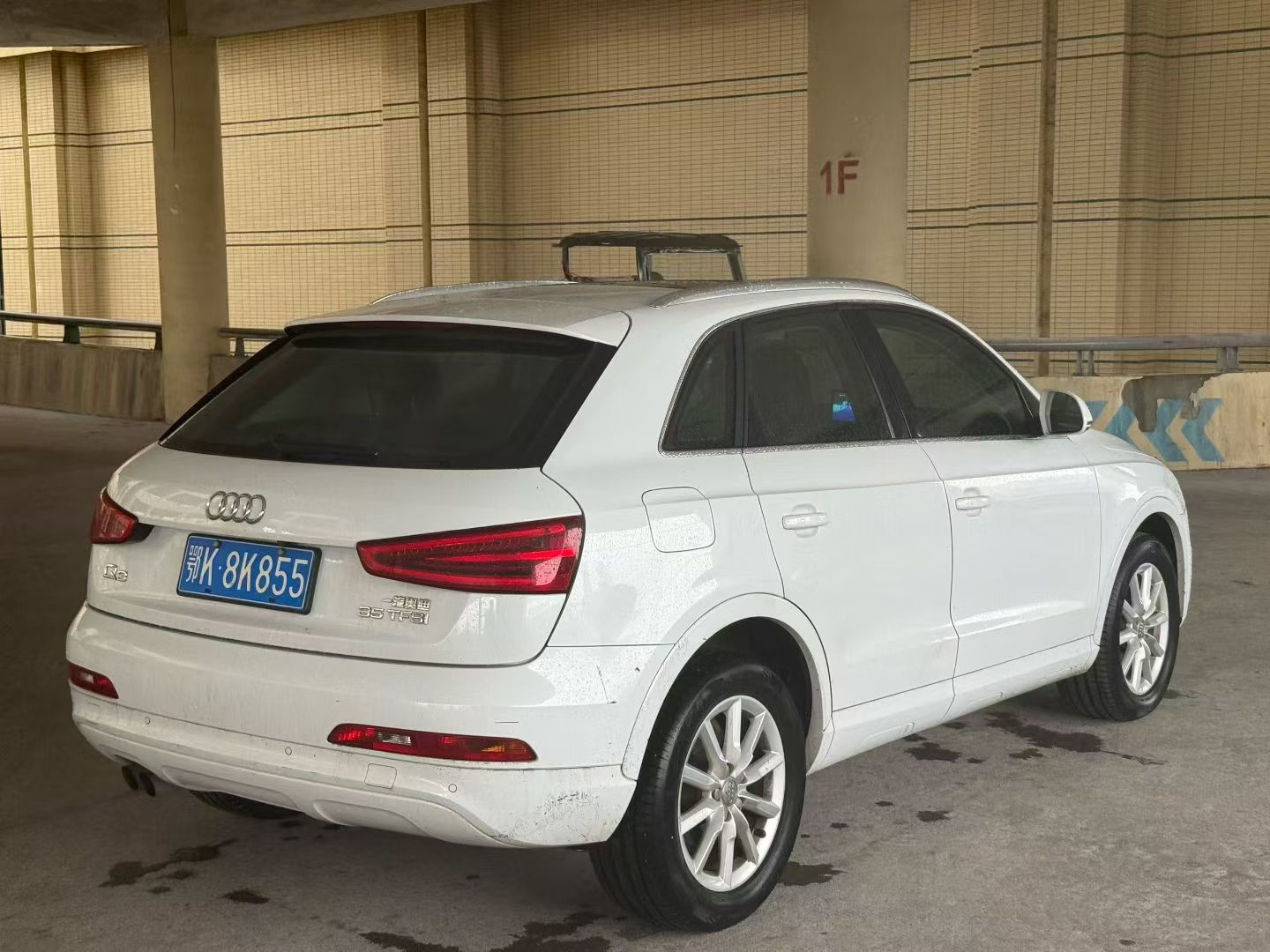
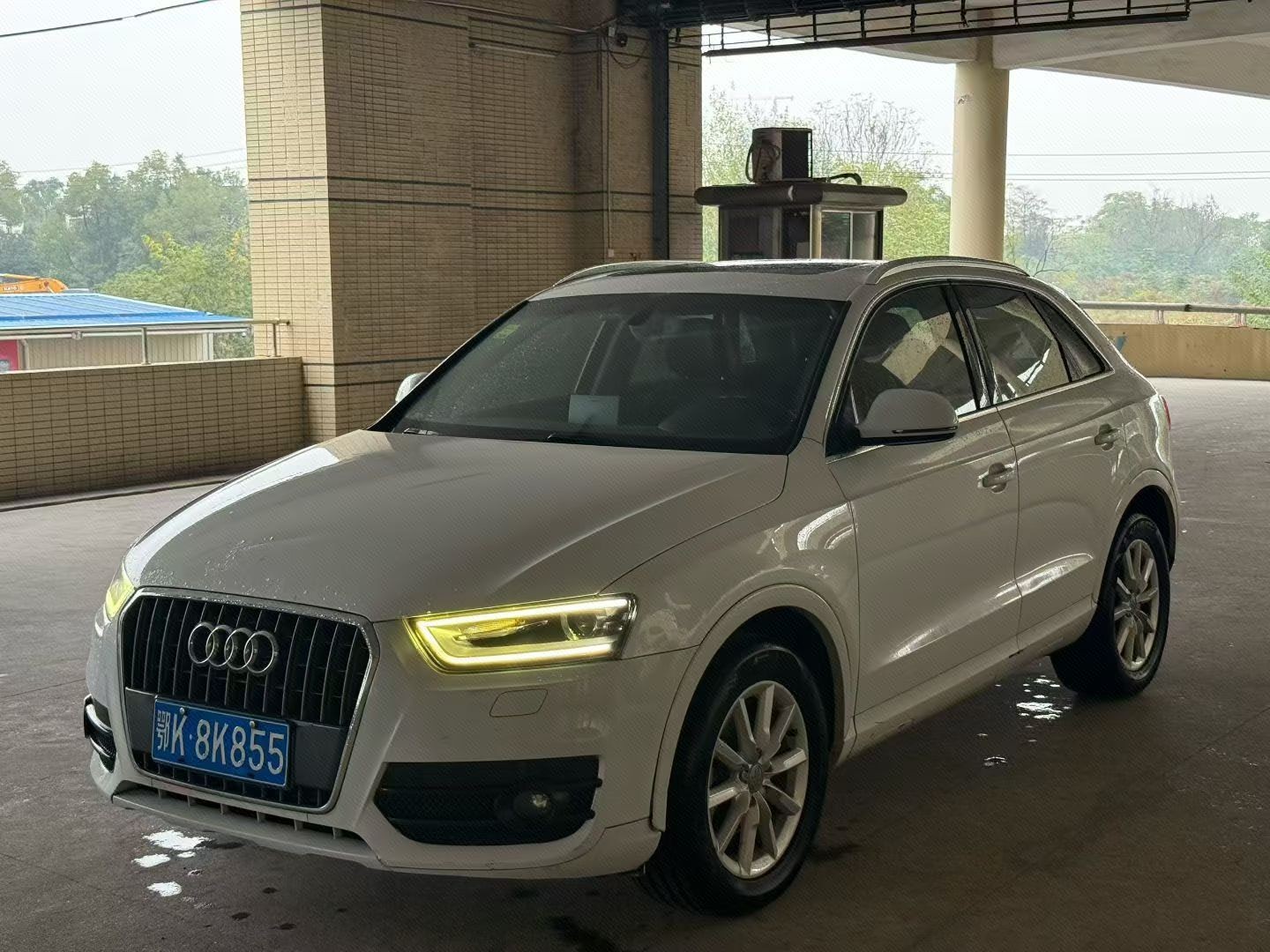
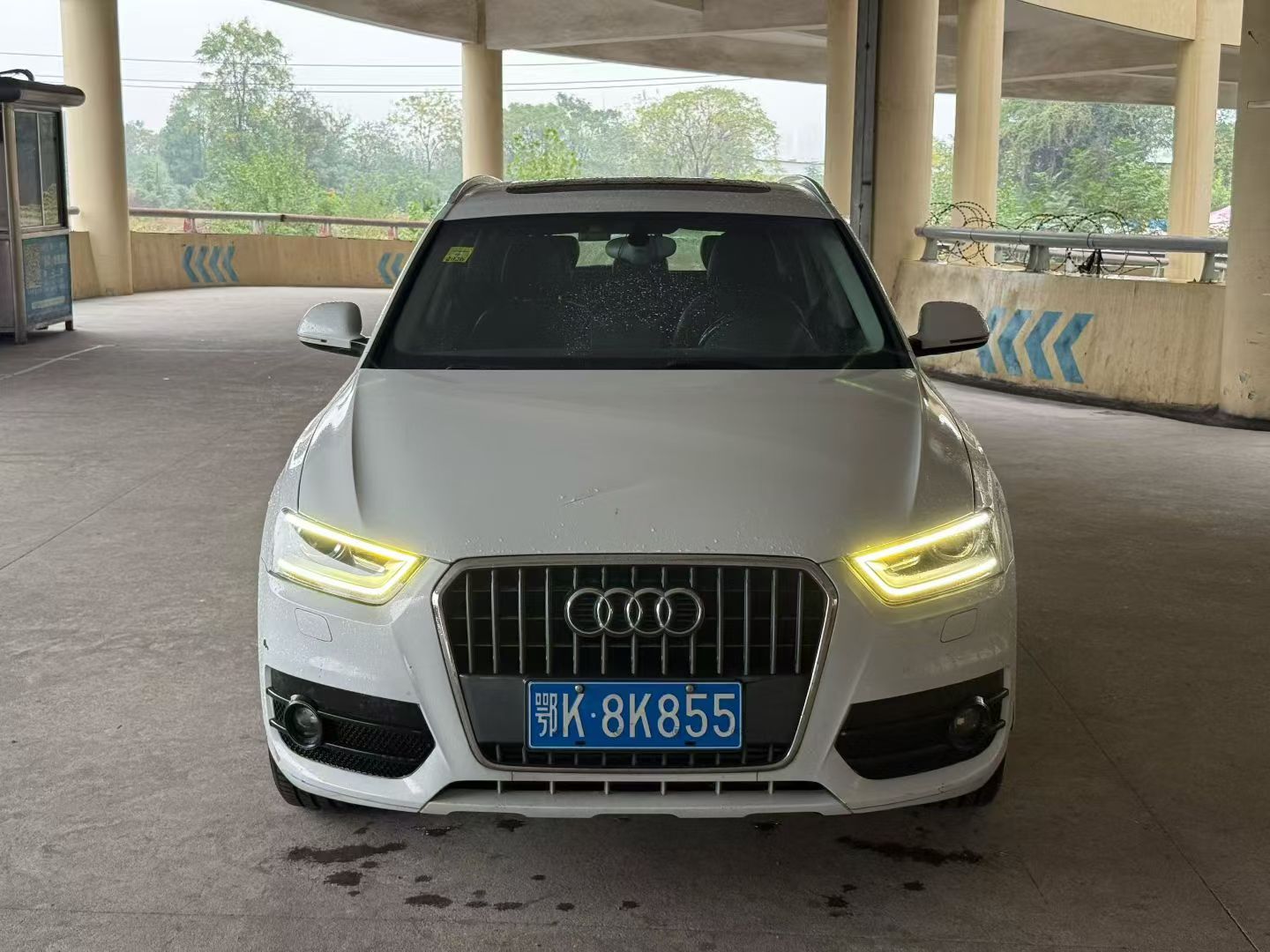
BrandAudi
SeriesQ3
Year2014
First Registration2014/11
Mileage140,000km
Transfer Count0times
FuelGasoline
TransmissionDCT
Engine2.0T 170 L4
ColorWhite
Seats-

Condition Description

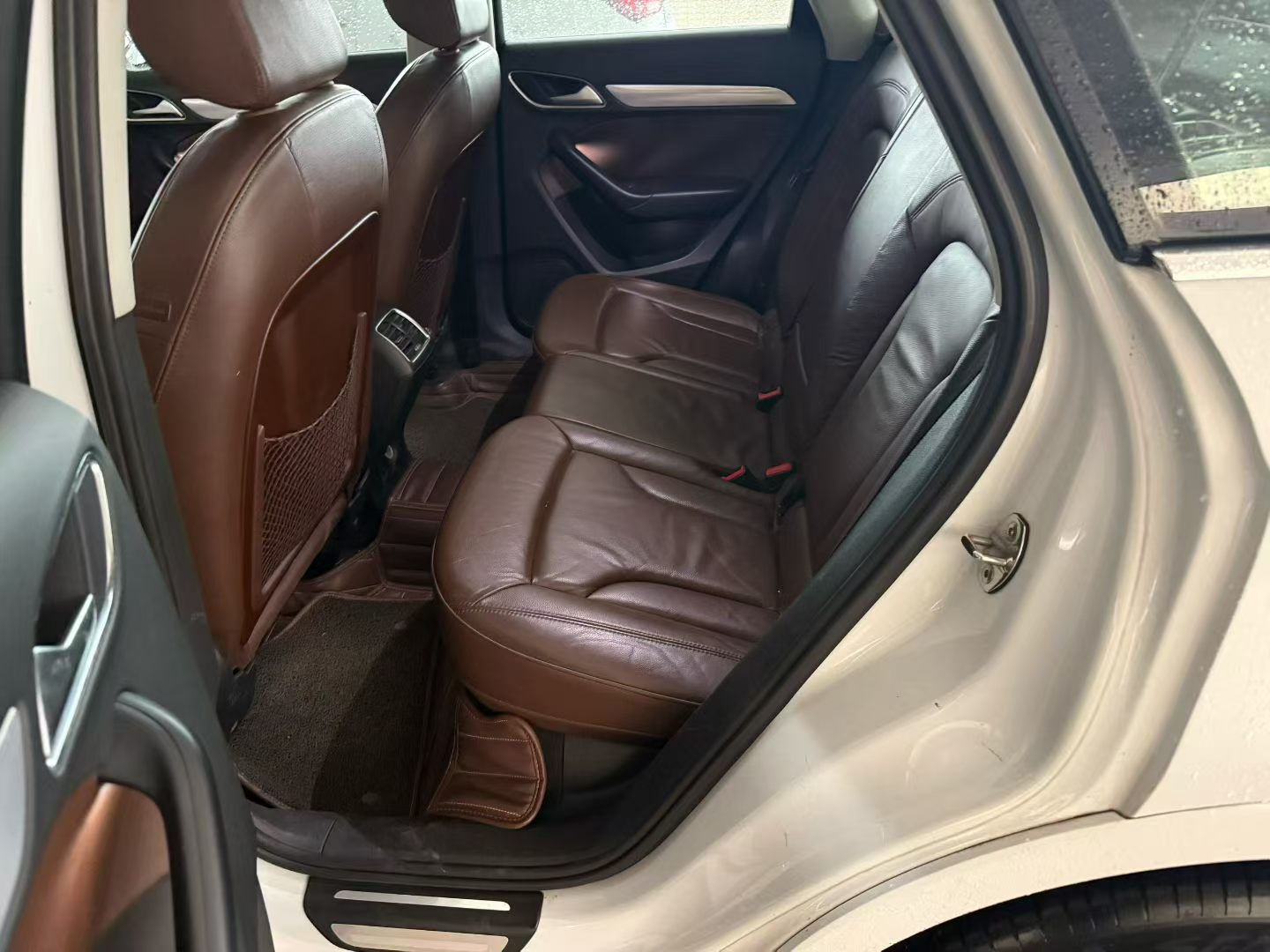
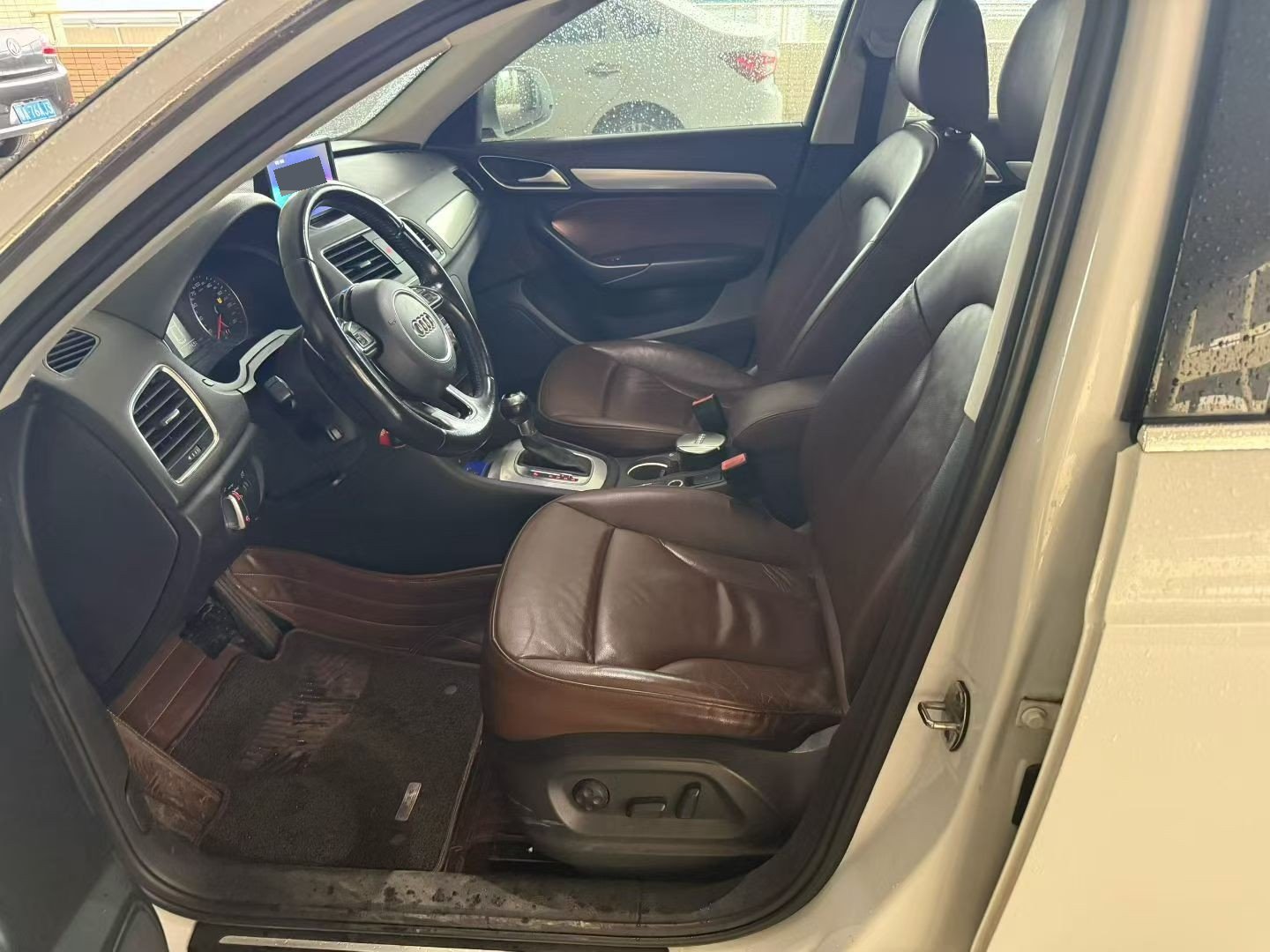
Original body panels throughout, three panels repainted.

Document Information

Inspection Expiry Date-
Warranty Expiry Date-
Insurance Expiry Date2027/11

Q&A

More

Why do used cars of the same brand, year, and configuration with complete 4S dealership records cost several hundred dollars more than those without records?

Complete records represent underlying trust and zero odometer adjustment risk. In the used car market, solid data history itself carries a high premium. The extra few hundred dollars buys you an impeccable endorsement when selling overseas.

Besides the purchase price, what other fees should I budget for when importing a used car from China?

The purchase price is only part of your total landed cost. Plan for these items: - Inland transport in China: moving the car from the seller's city to the export port, plus transfer and inspection fees. - Export fees: customs declaration, port handling, and terminal charges. Ask for an FOB (Free On Board) quote so these are included. - Ocean freight: RoRo (roll-on/roll-off) is cheapest for regular cars, but EVs often require special containers or dedicated EV shipping due to battery regulations, which costs more. - Insurance: marine cargo insurance, typically 1-3% of the car's value. - Import side: import duty, VAT or sales tax, customs brokerage, port charges at destination, and any homologation or compliance testing fees. As a rule of thumb, add 25-40% on top of the FOB price for a realistic landed-cost estimate, depending on your country's tax rates. Get a written breakdown from both your supplier and a customs broker before committing.
If the customs of the destination country values the vehicle higher than your commercial invoice amount, leading to a surge in duties, who is responsible?

The customs of the destination country has the right to disregard the commercial invoice and reassess the value based on its internal database (such as the customs valuation red book). Any additional duties incurred are a result of the importing country's policy and are fully borne by the buyer (importer).