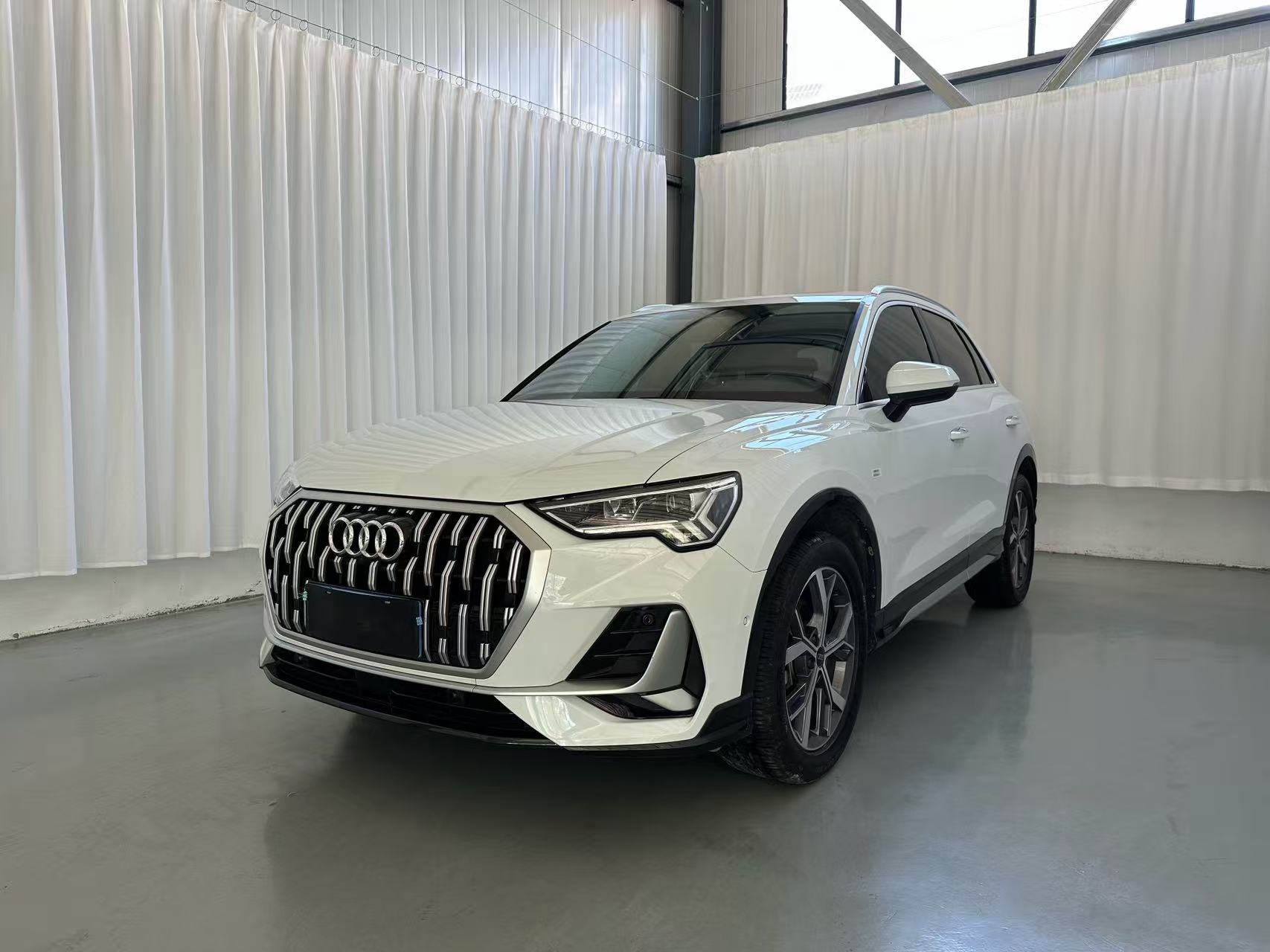
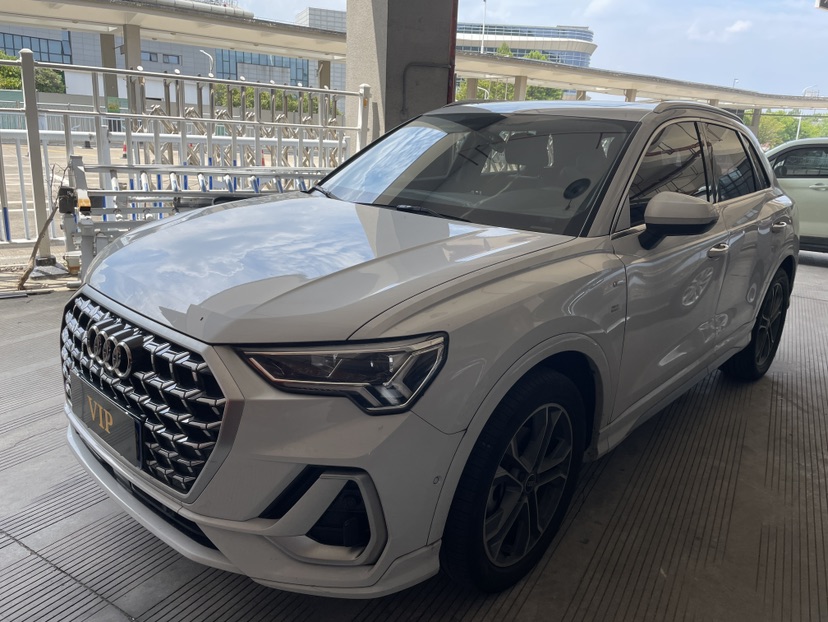
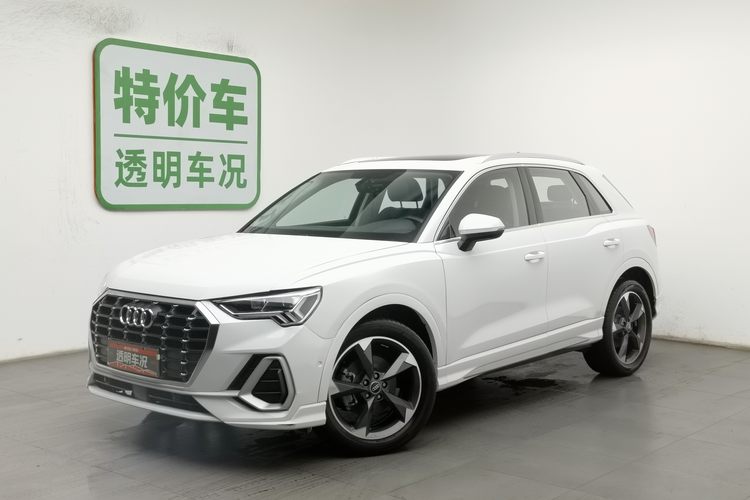
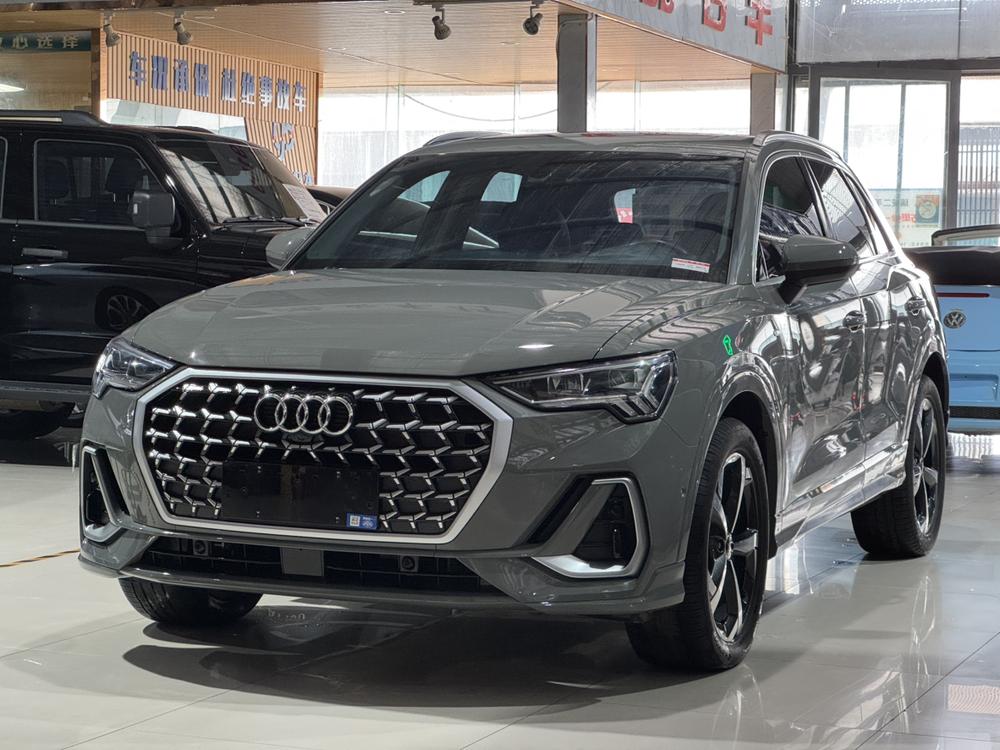
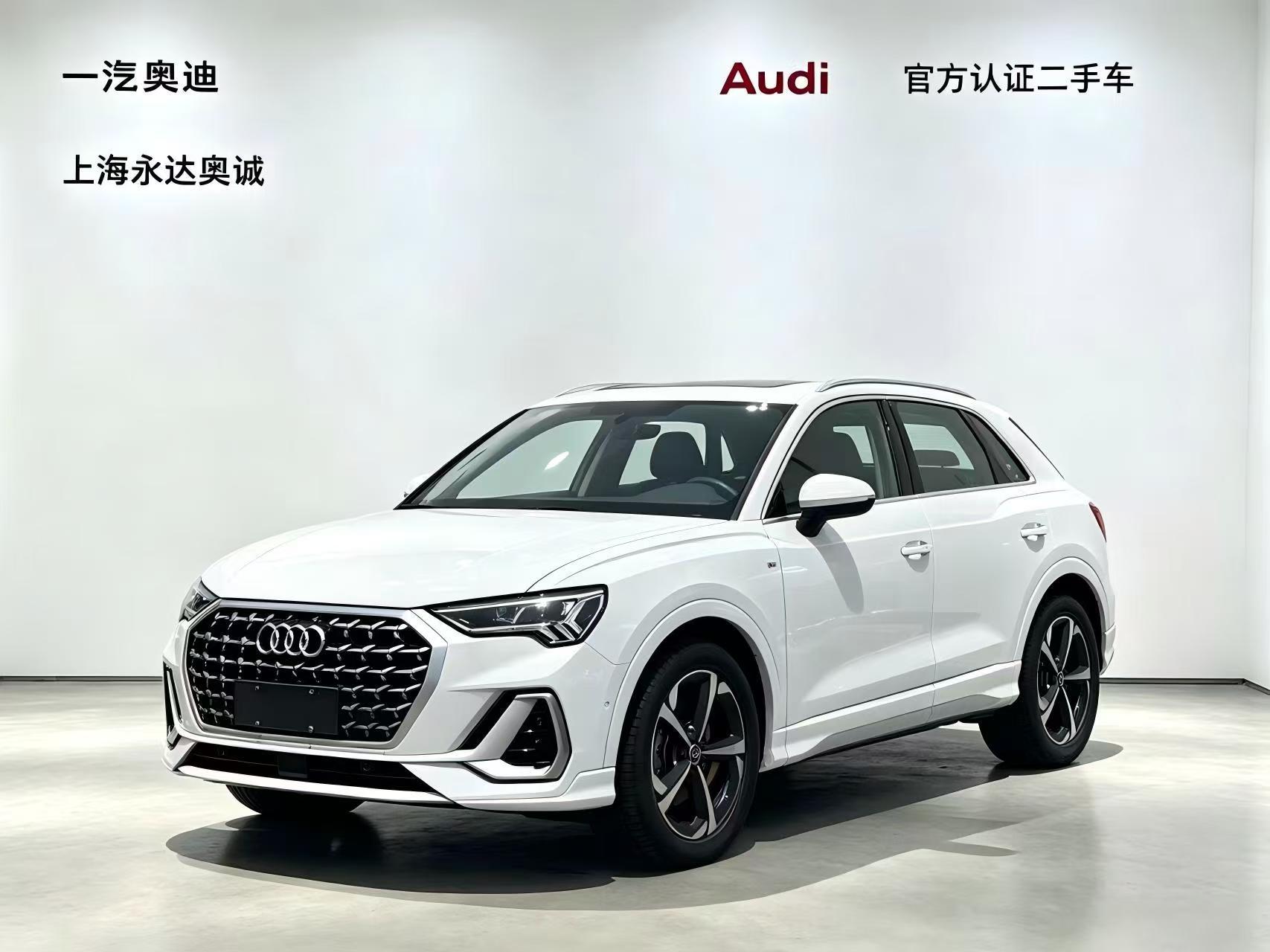
Basic Information

BrandAudi
SeriesQ3
Year2015
First Registration2015/12
Mileage55,800km
Transfer Count0times
FuelGasoline
TransmissionDCT
Engine2.0T 170 L4
Color
Seats-

Condition Description

官方质检 · 60天全车质保· 7天无理由有偿退车

Configuration Highlights

✓上牌时间: 2015-12
✓表显里程: 5.6万公里
✓车源地: 合肥
✓排放标准: 国五
✓百公里加速: 8.4s
✓发动机: 2.0T
✓轴距: 2603mm
✓变速箱: 自动
✓功能配置: 10项
✓安全配置: 2项
✓动力类型: 全时四驱
✓空间舒适性: 不错

Q&A

More

If I choose to abandon cargo at the destination port due to a cash flow issue, can I get a refund of the deposit and freight I previously paid?

No, it is absolutely impossible to get a refund. Not only will there be no refund, but if the proceeds from the port auction of the abandoned cargo are insufficient to cover the exorbitant demurrage and disposal fees, the shipping company and customs will still pursue you (the bill of lading recipient) for the remaining debt through international legal proceedings.

Can you export newer Chinese cars to the U.S. market (which requires vehicles to be at least 25 years old to be exempt from FMVSS)?

Absolutely not. The U.S. DOT and EPA have strict import restrictions on non-compliant vehicles. Any Chinese used car that is not 25 years old and not produced to U.S. standards will face mandatory crushing and destruction upon arrival at U.S. ports. We directly reject such non-compliant orders.

How can I find out if a used Chinese car has flood or water damage history?

Flood cars are common after heavy rain seasons, and the damage often shows up months later in the wiring and electronics. Here is how to check before you buy. First, ask for the insurance claim history using the VIN. Flood claims are usually recorded, and any mention of water damage, interior drying, or electrical repair should stop the deal. Second, inspect the interior yourself or via video call. Pull up the carpet edges and look for mud residue, water marks, or rust on seat rails and seatbelt buckles. Seatbelts that retract slowly or have a musty smell were often submerged. Third, check hidden cavities: the spare tire well, glove box, and under the trunk lining. Silt or a tide line there is a strong flood indicator. Fourth, look for condensation behind the instrument cluster and inside the headlights. Persistent fog in the lamps is a classic sign of water immersion. Finally, an OBD scan can help: flood cars often store scattered error codes across unrelated modules (airbag, ABS, body control) because corroded connectors corrupt the network. If several of these signs appear together, walk away. Flood damage is almost never worth repairing, and it will haunt the car's electronics for its whole life.