


24H

Basic Information

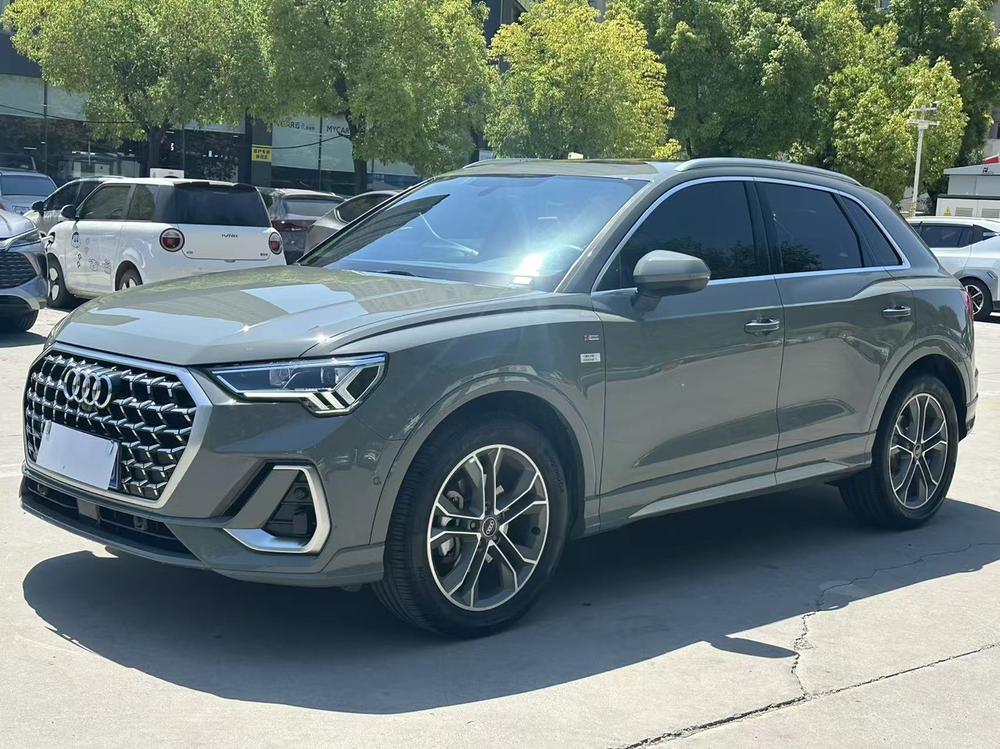
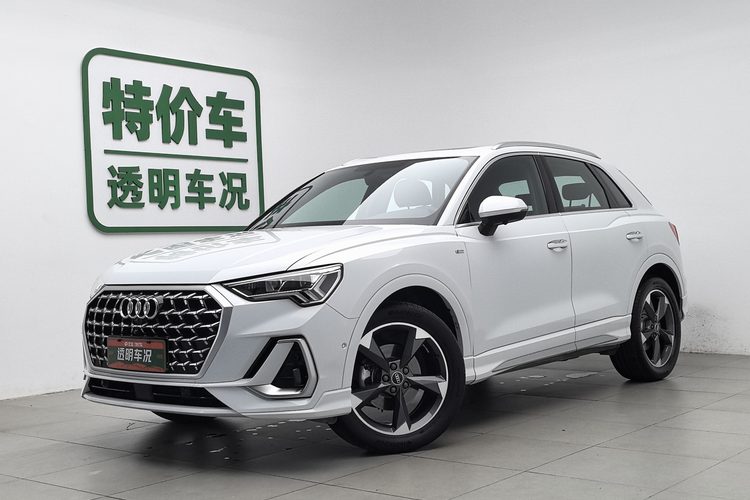
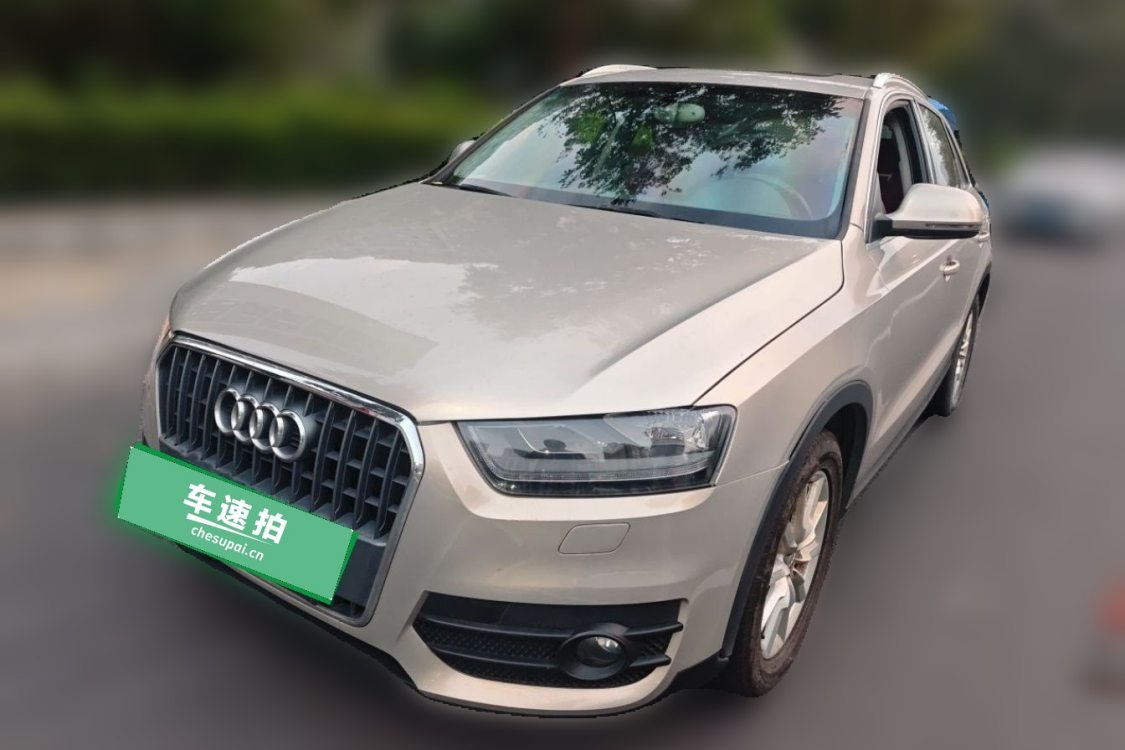
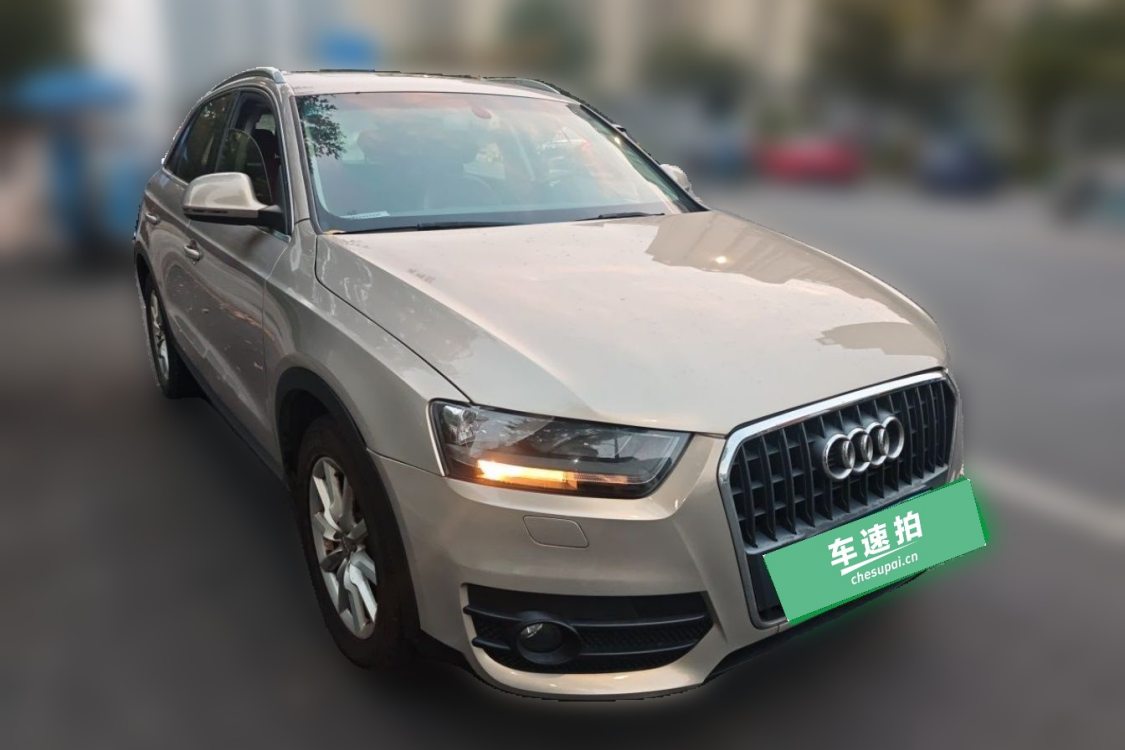
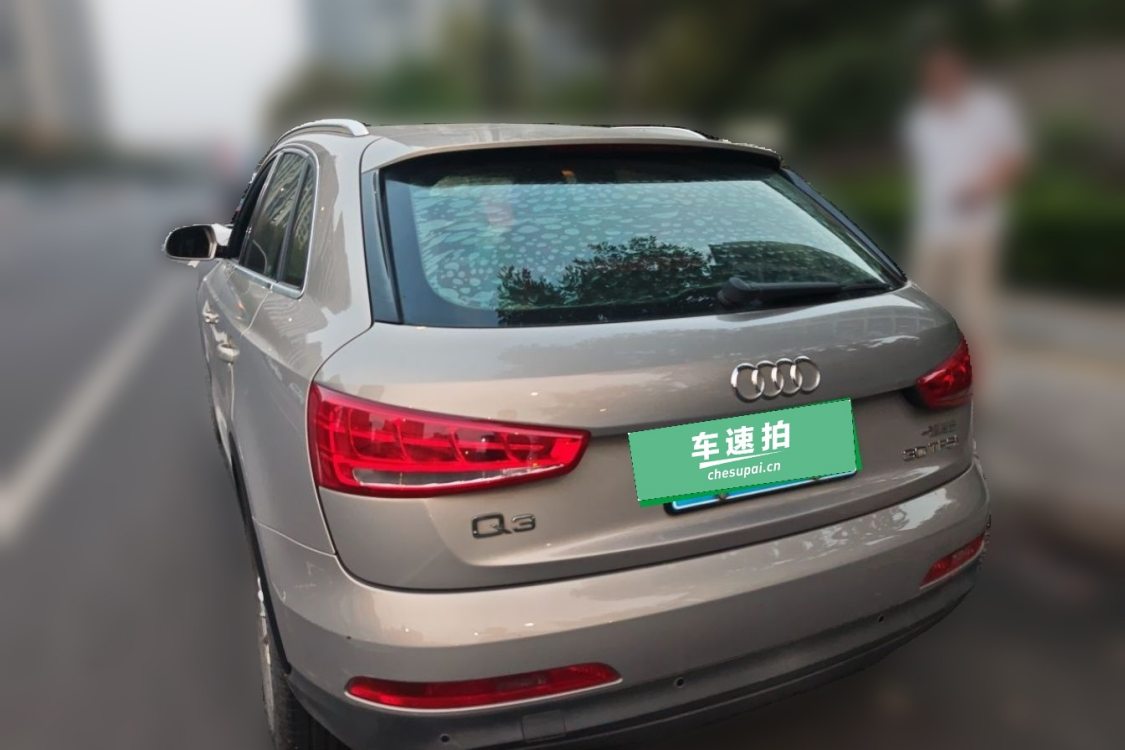
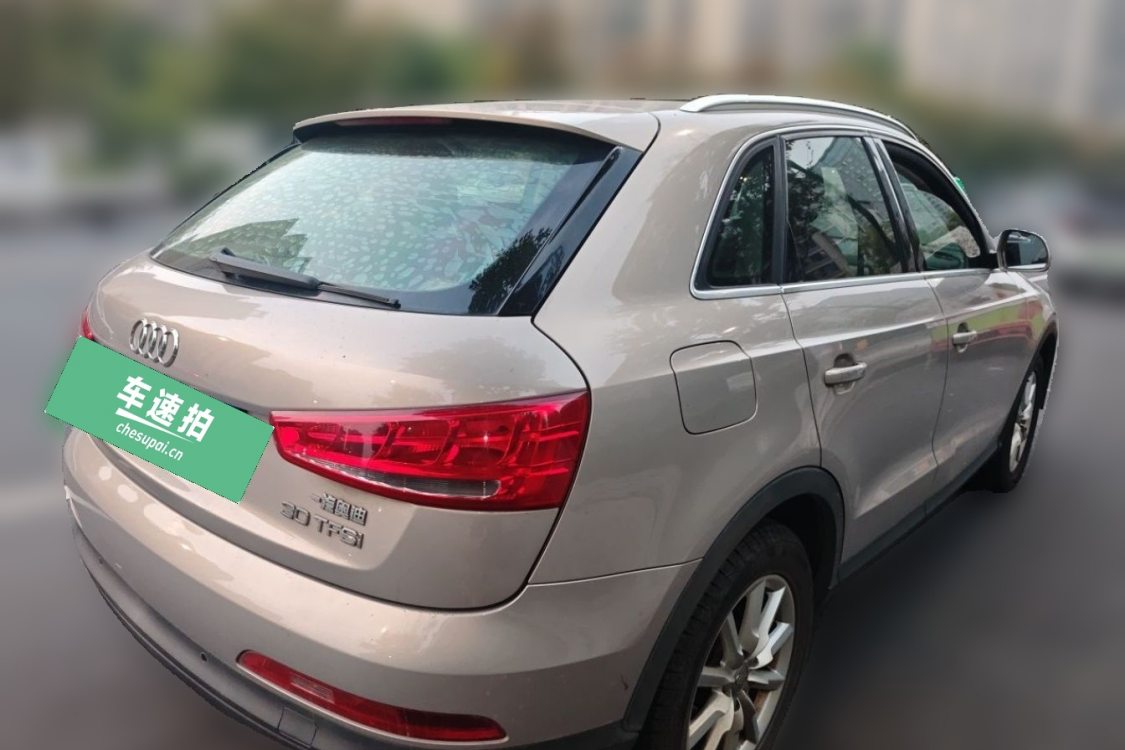
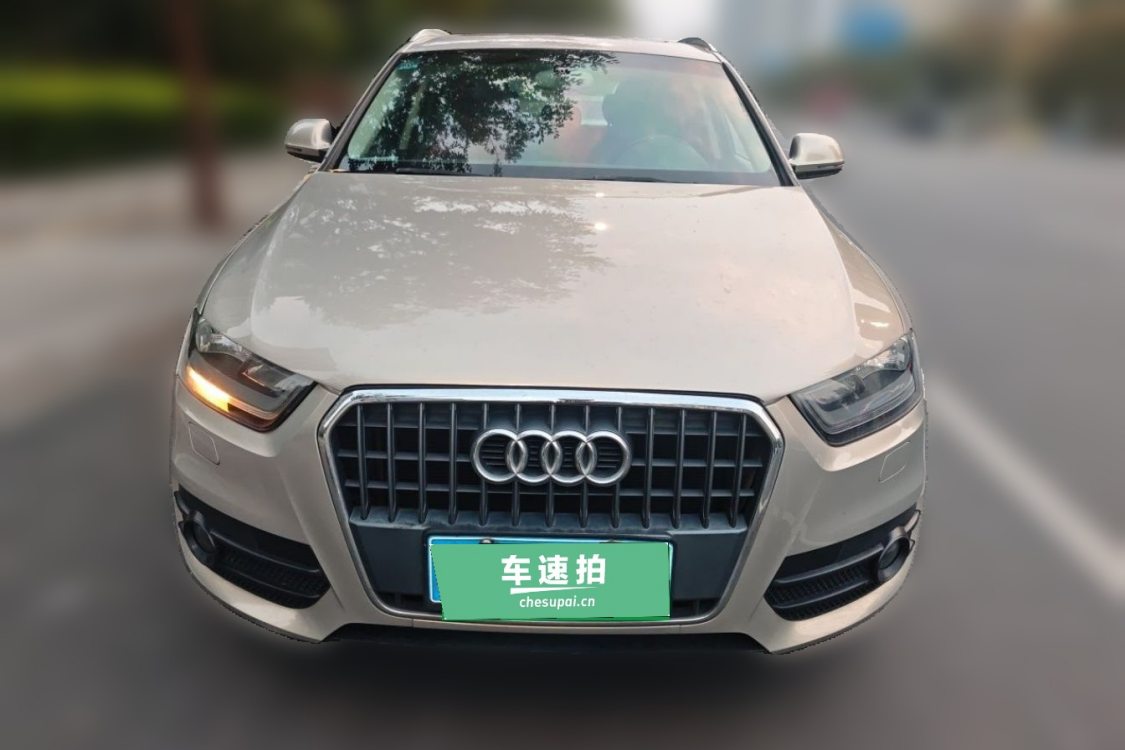
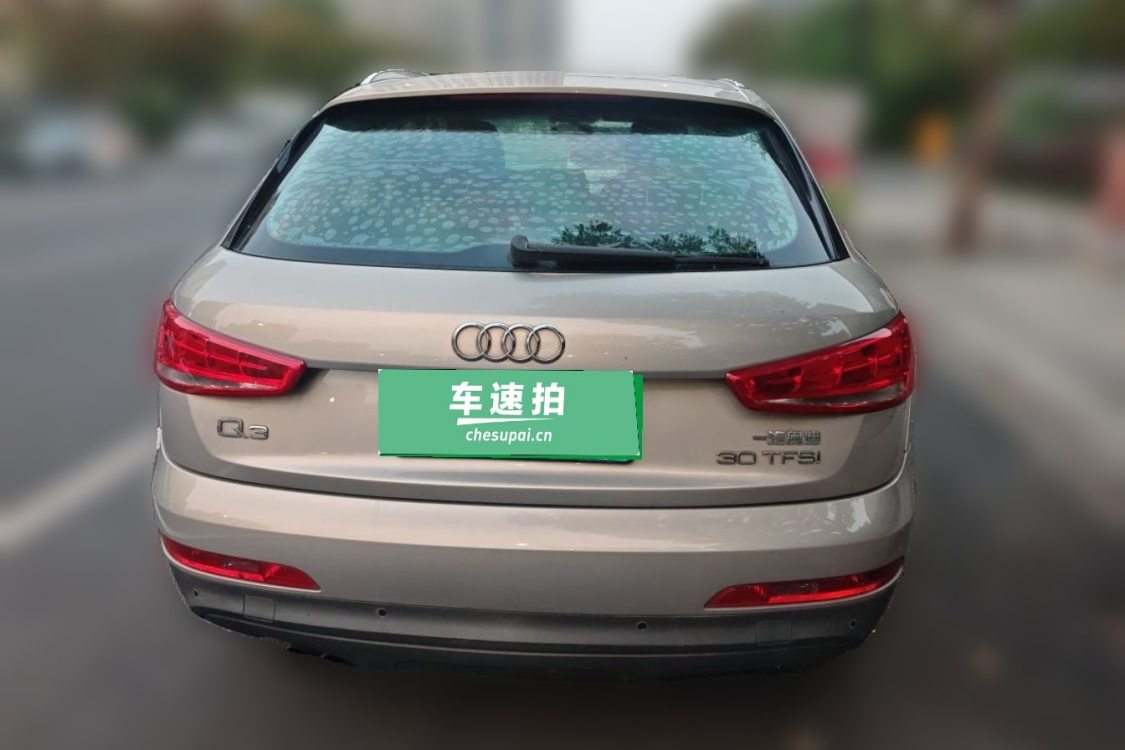
BrandAudi
SeriesQ3
Year2015
First Registration2015/11
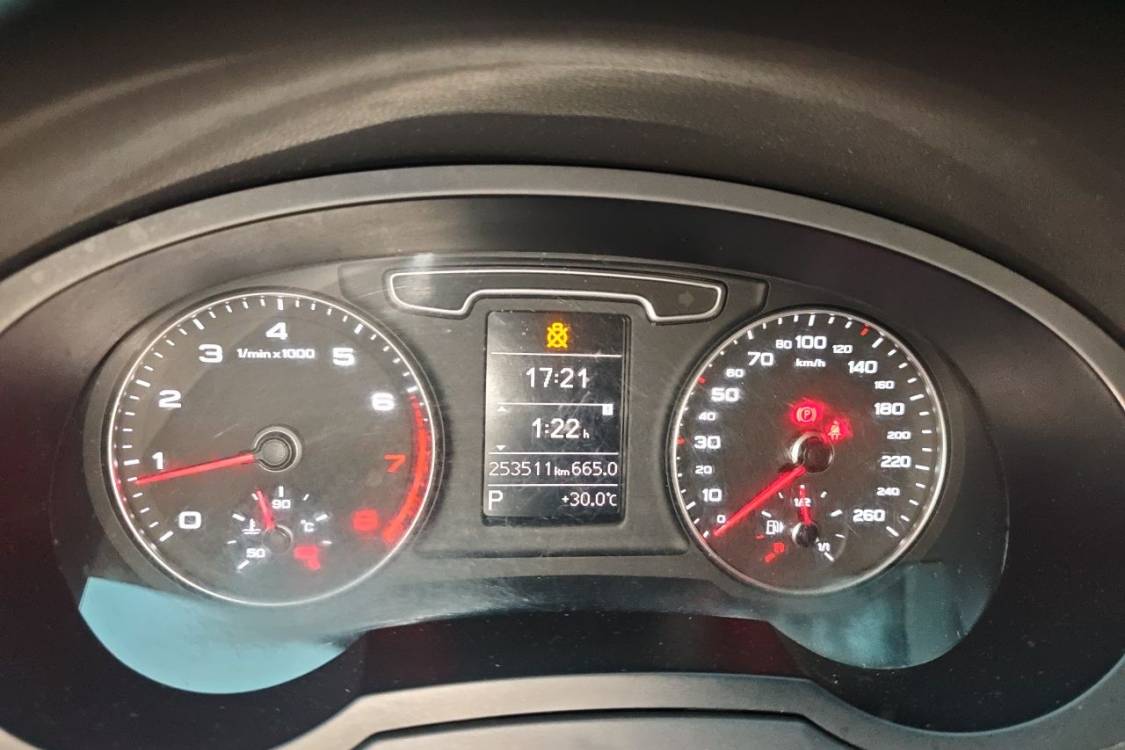
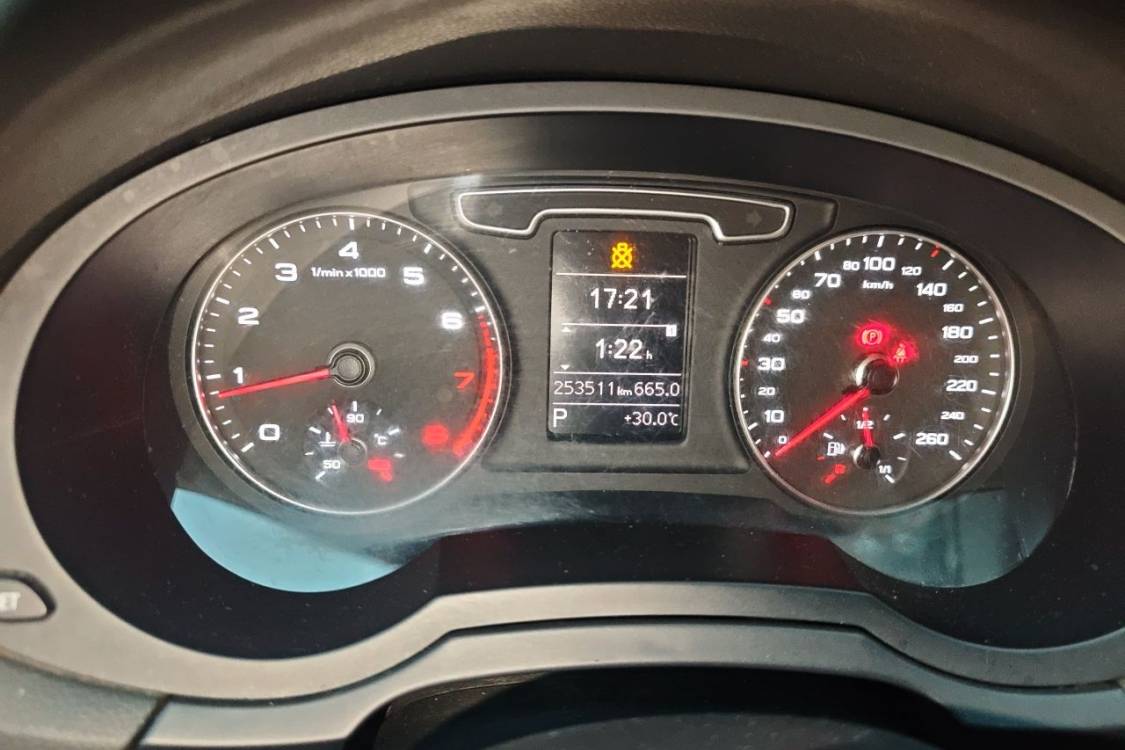
Mileage253,500km
Transfer Count-
FuelGasoline
TransmissionDCT
Engine1.4T 150 L4
ColorOther
Seats-

Condition Description

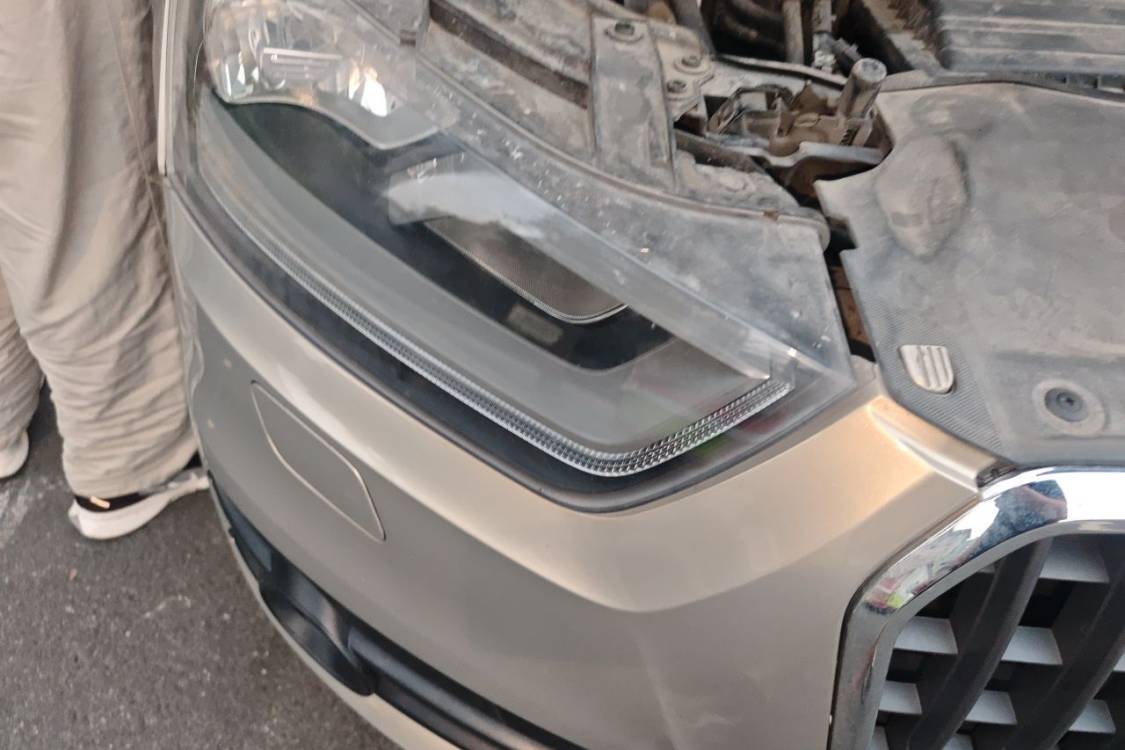
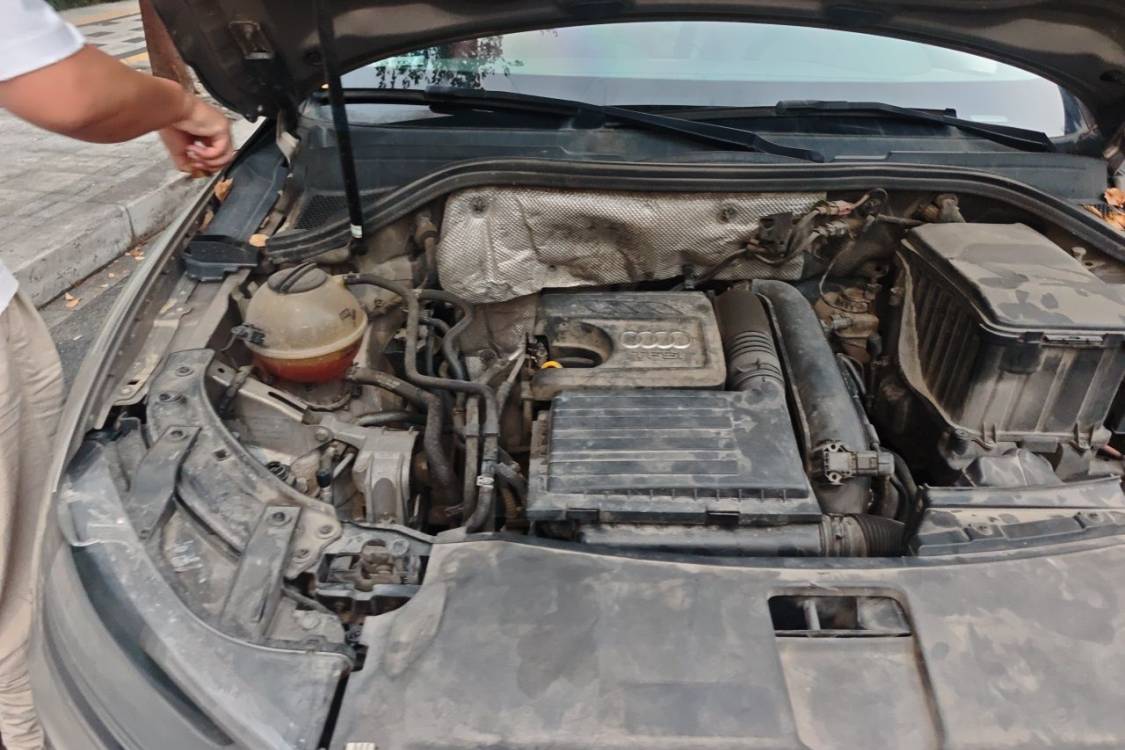
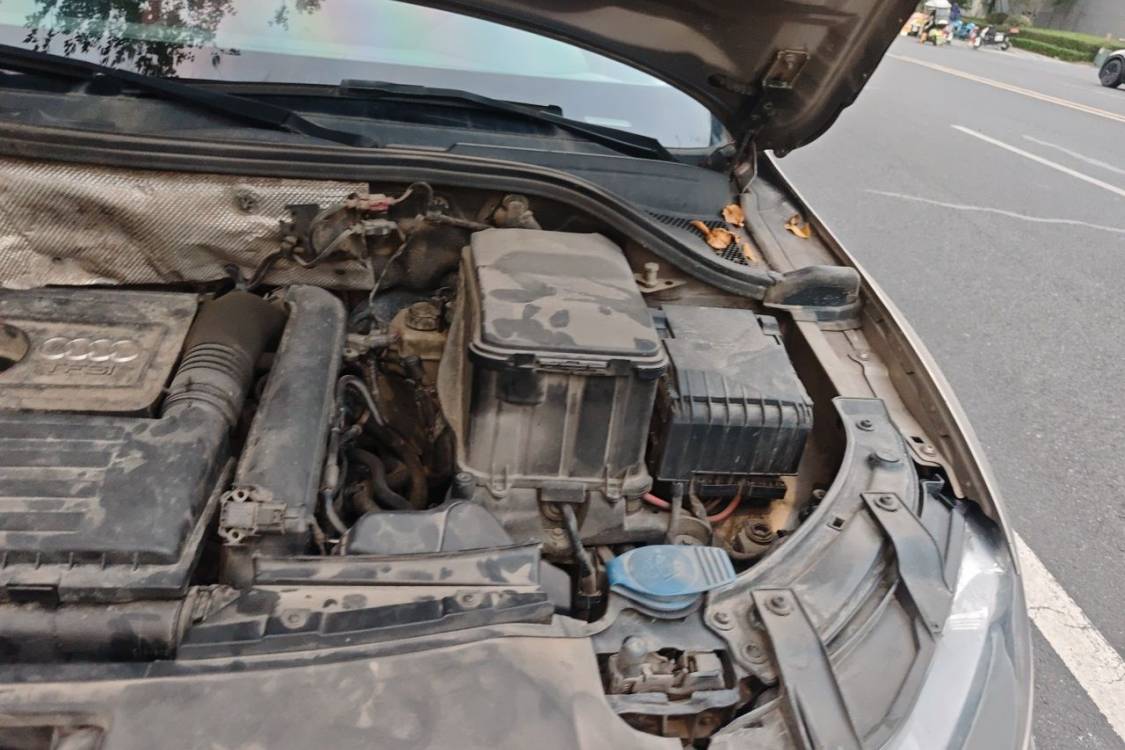
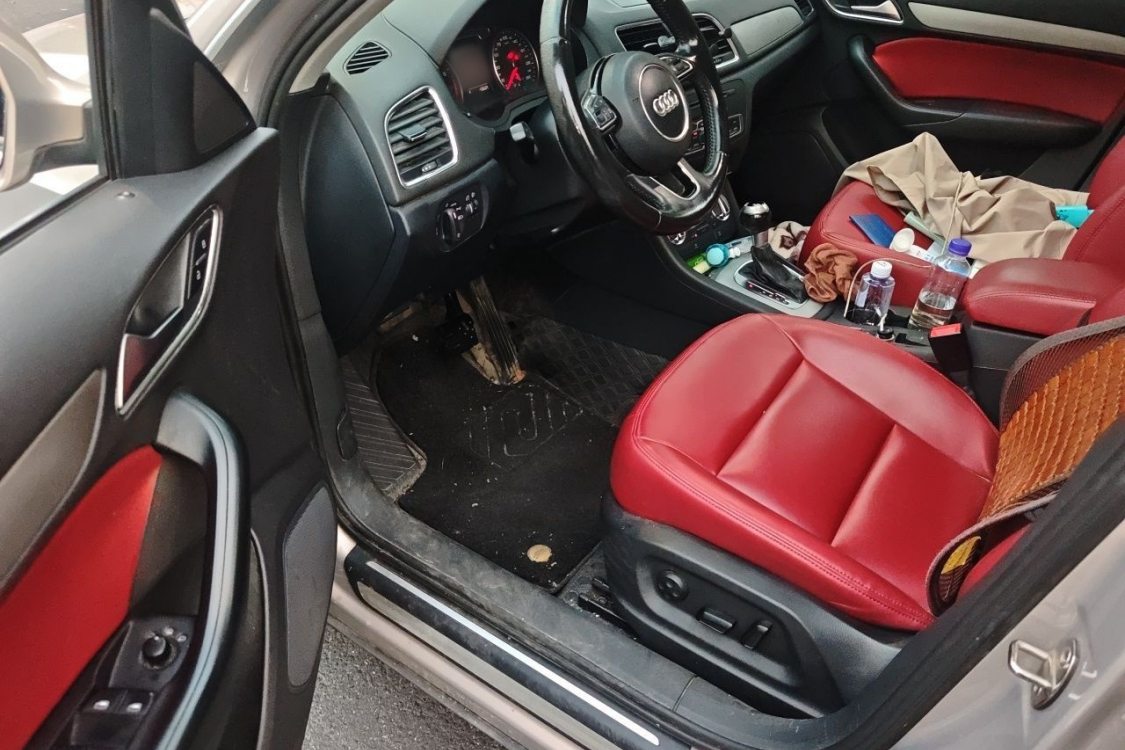
Vehicle has major accident/fire/flood damage or major defects in power battery components (structural/ reinforcement/ panel parts), repaired or unrepaired, still affecting body structural integrity or safe use, with hidden fault risks.

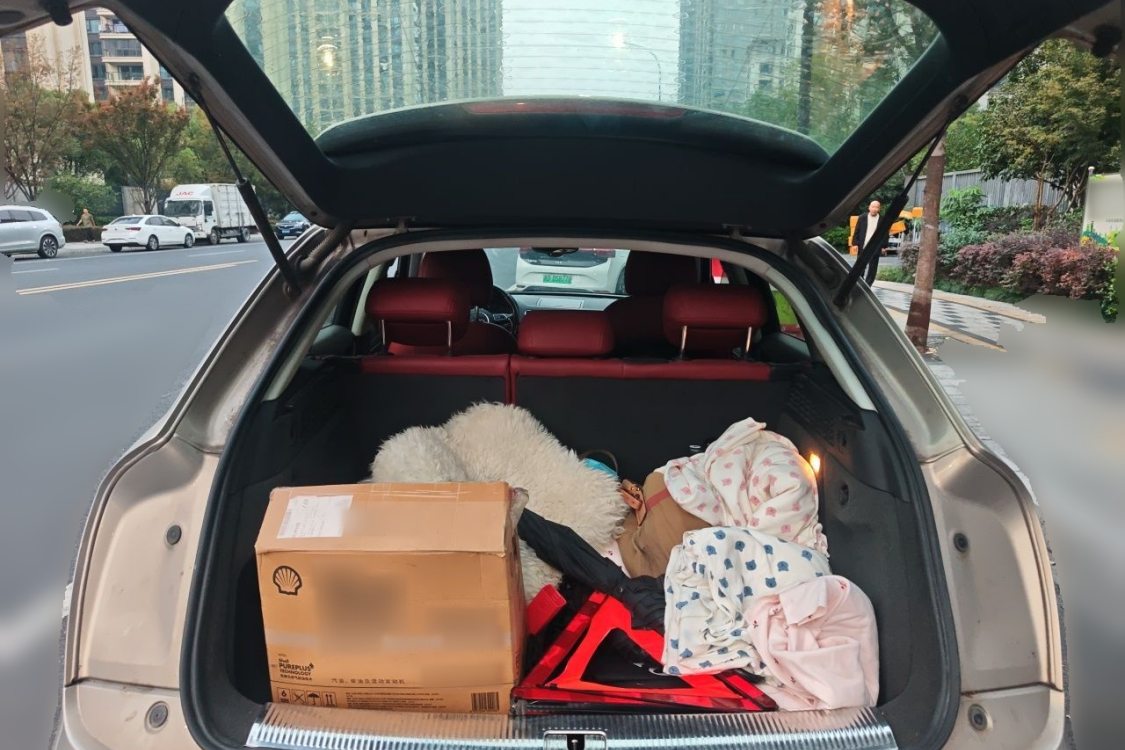
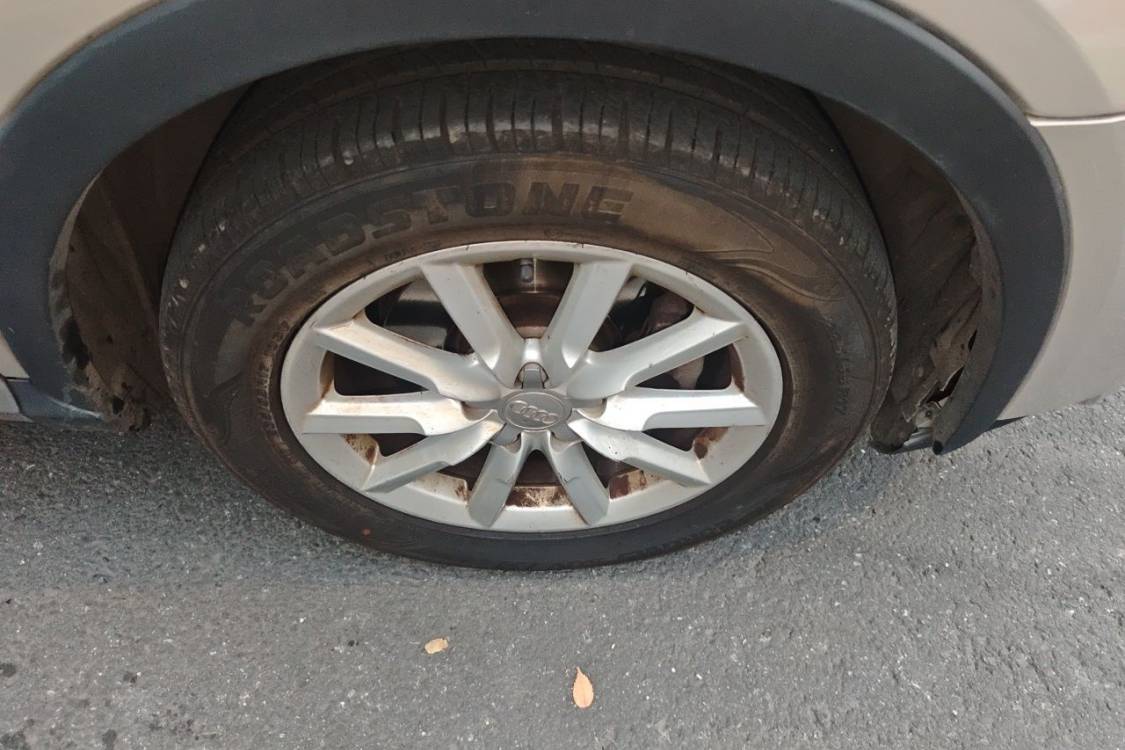
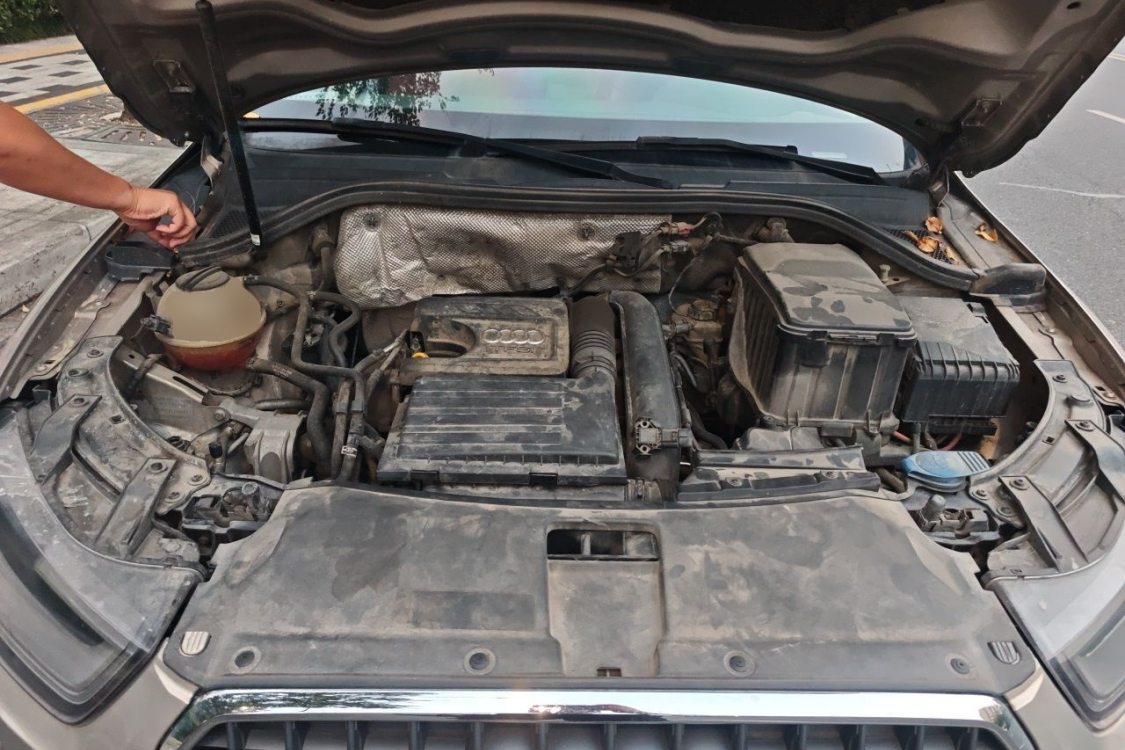
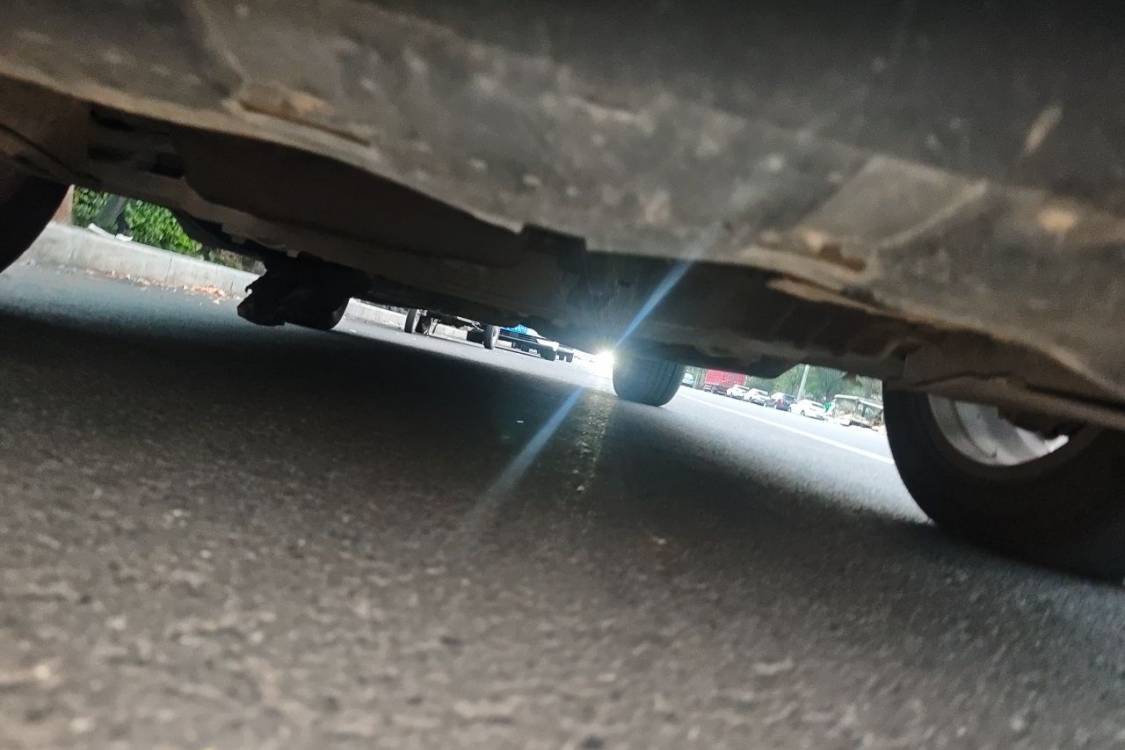
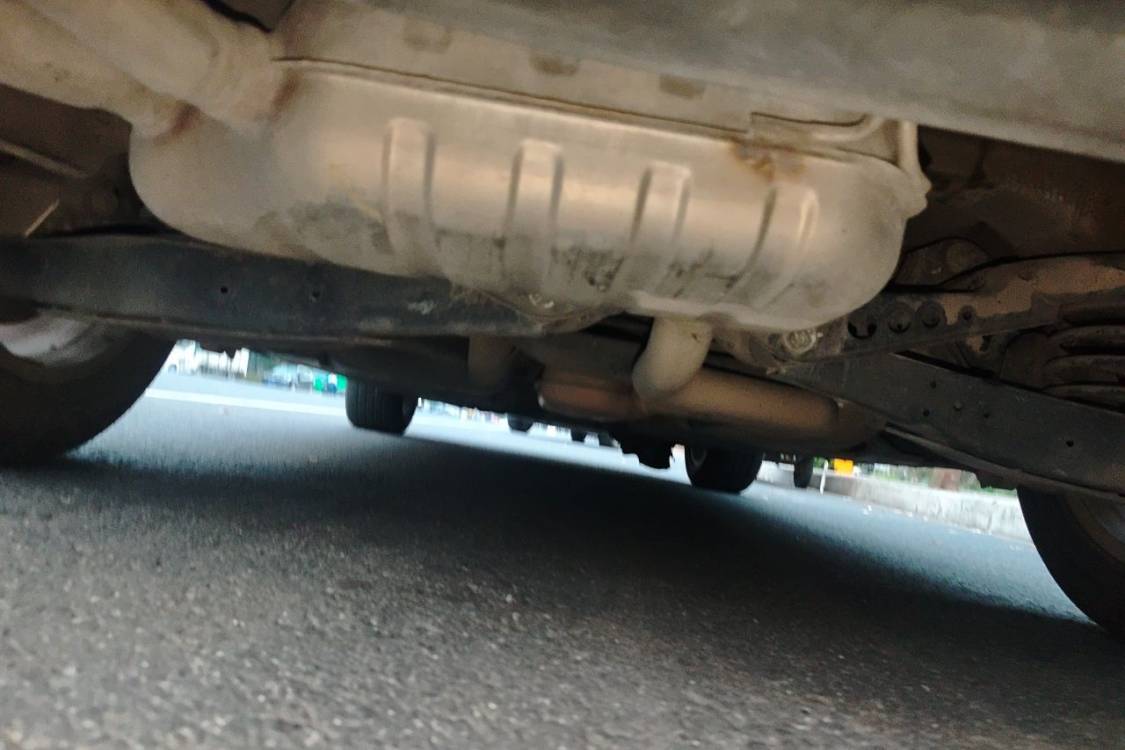
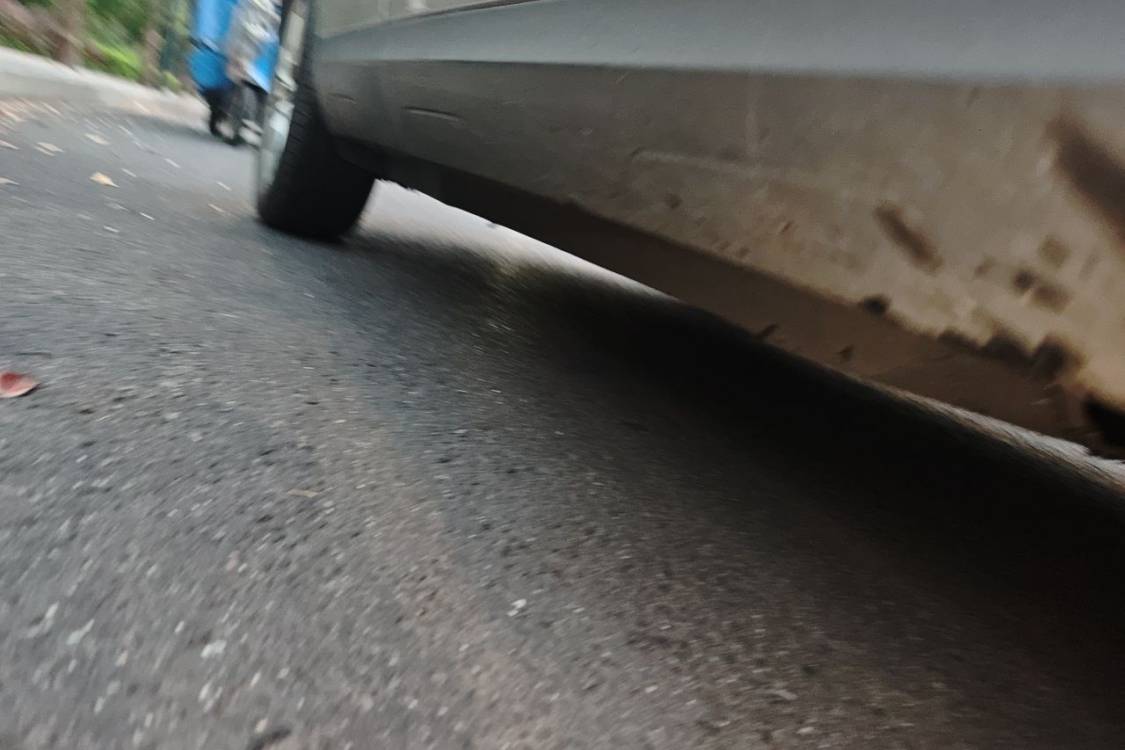
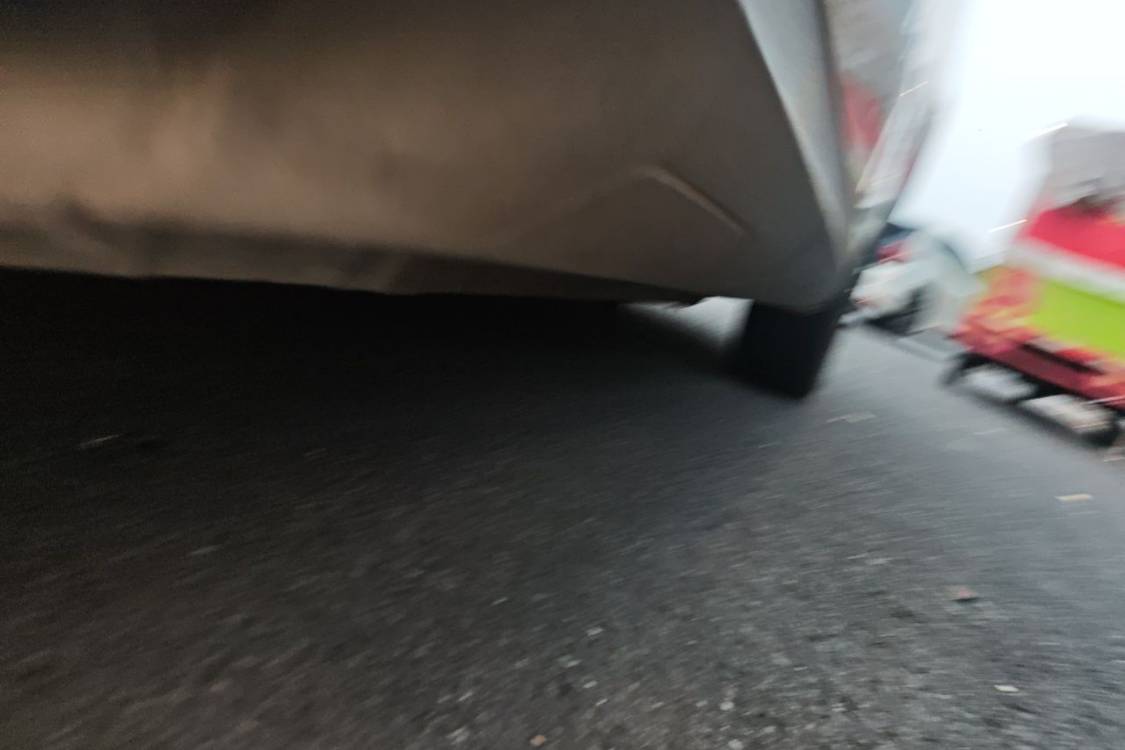
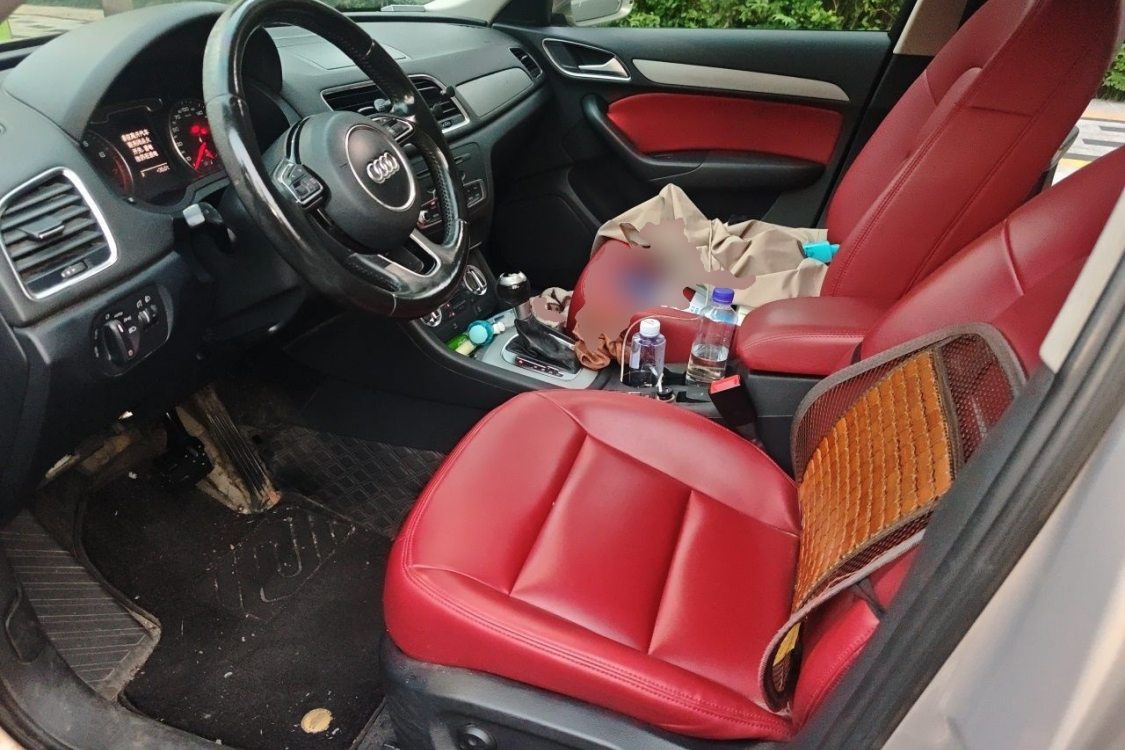
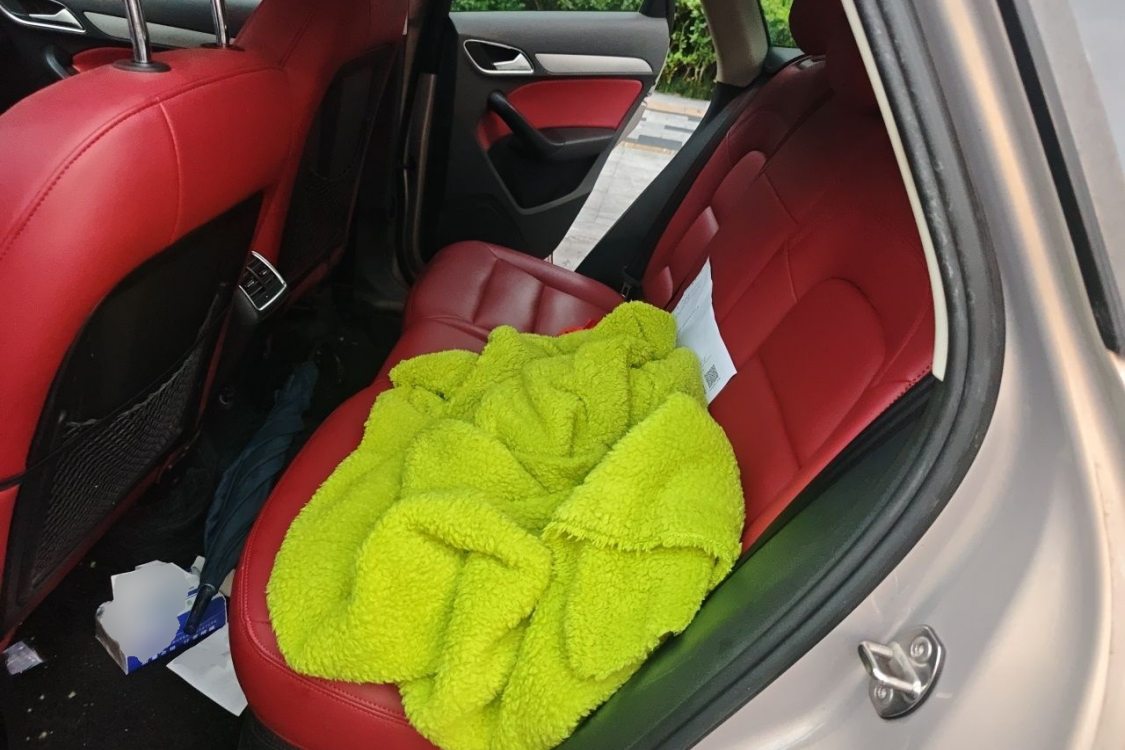
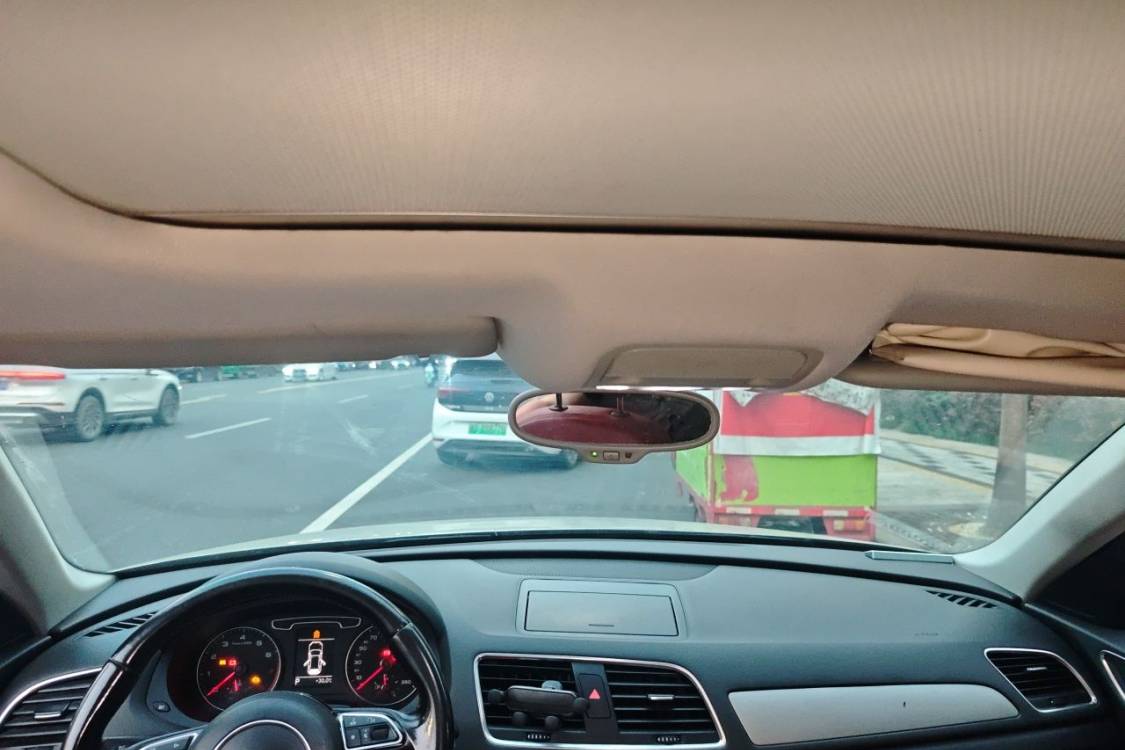
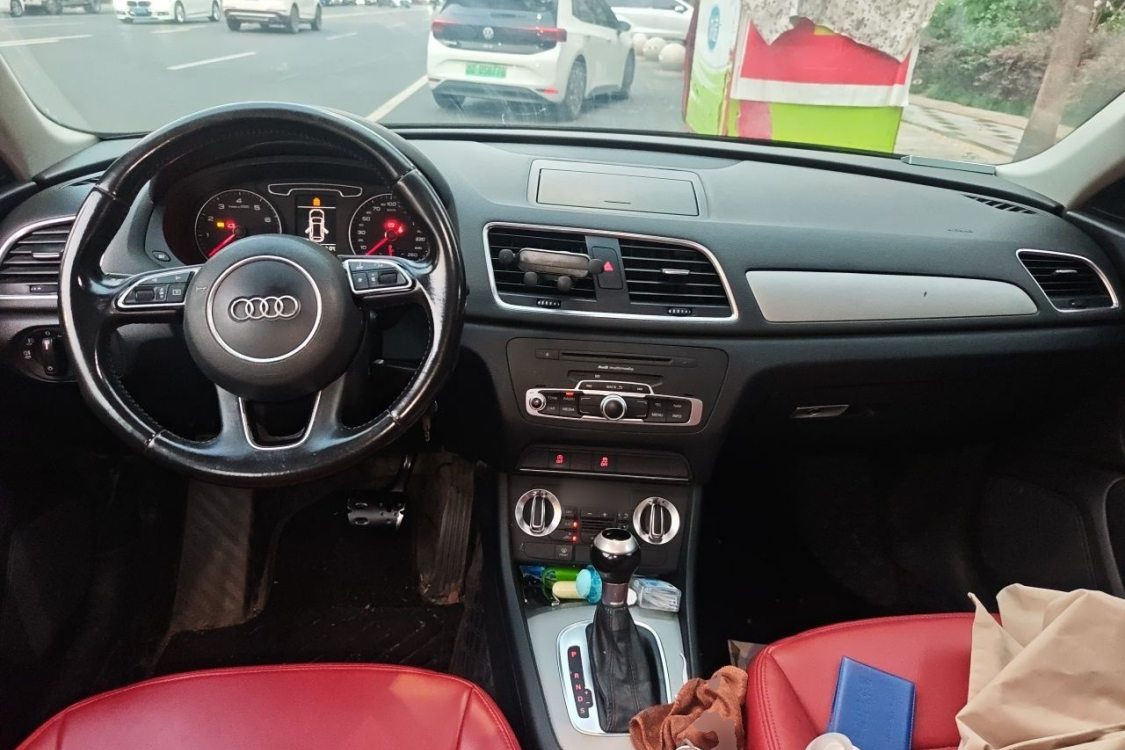
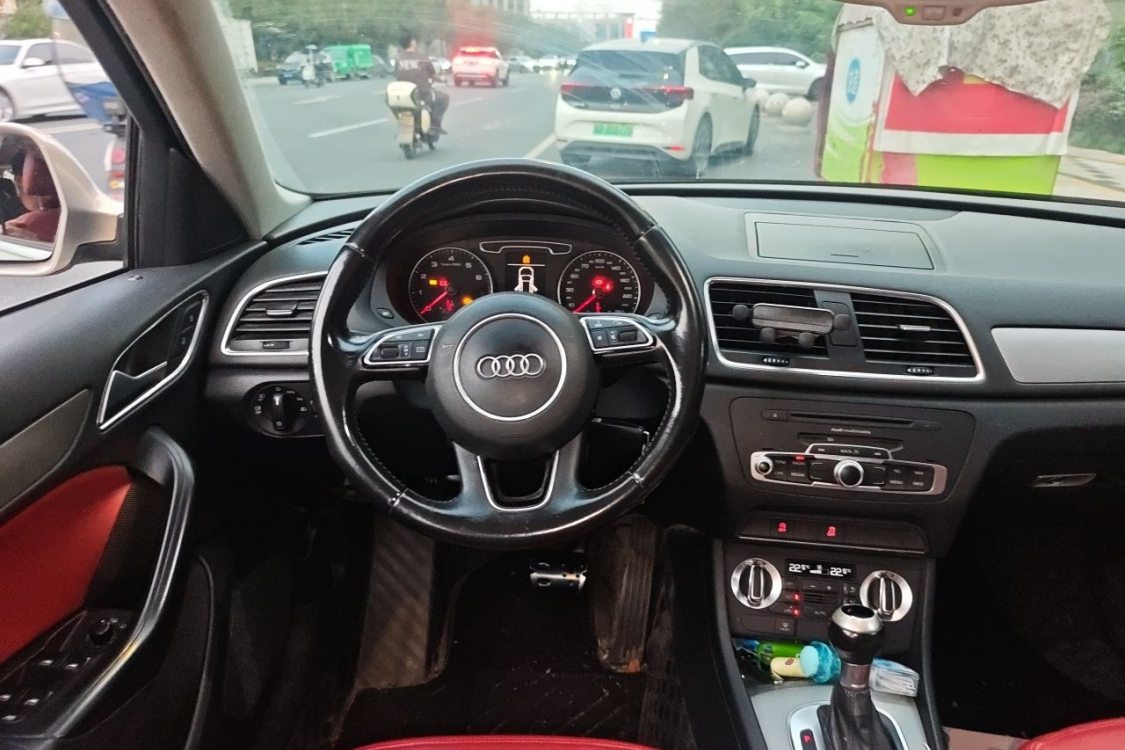
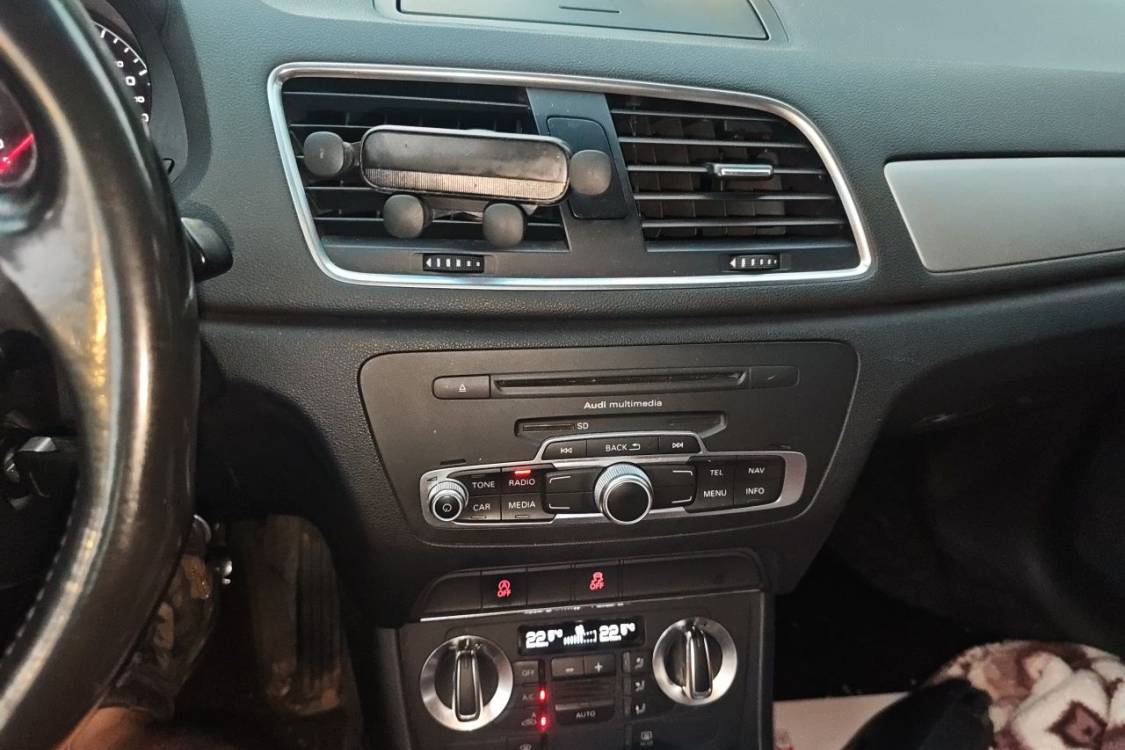
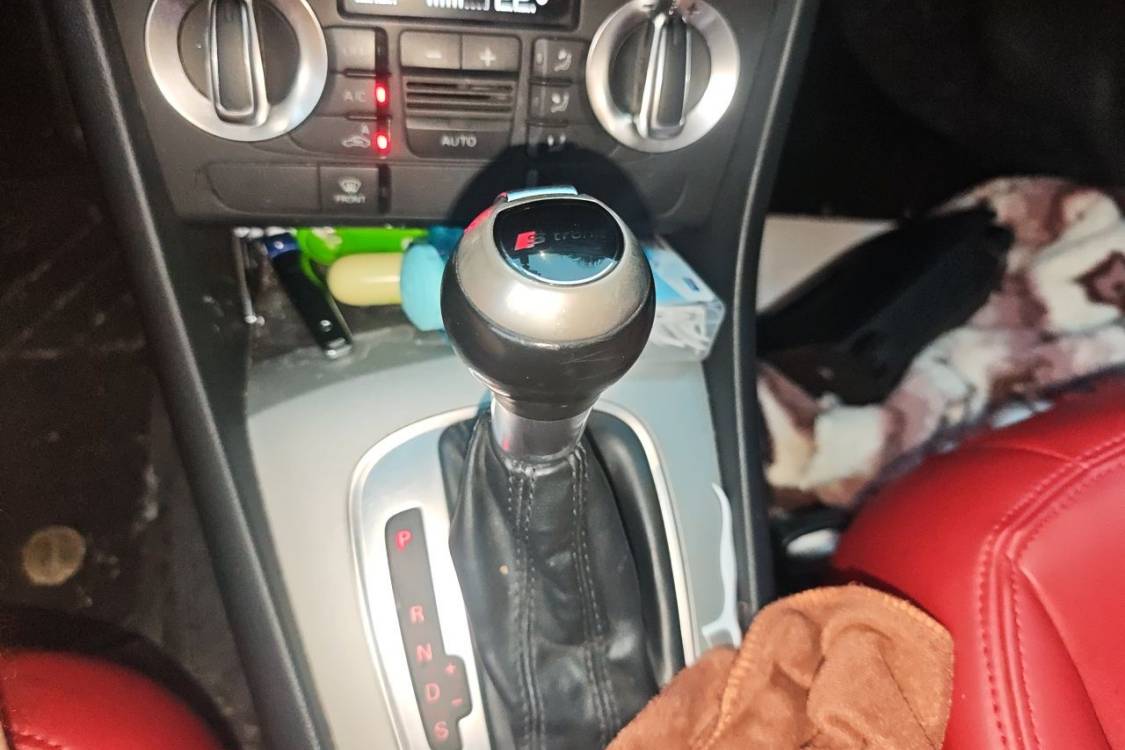
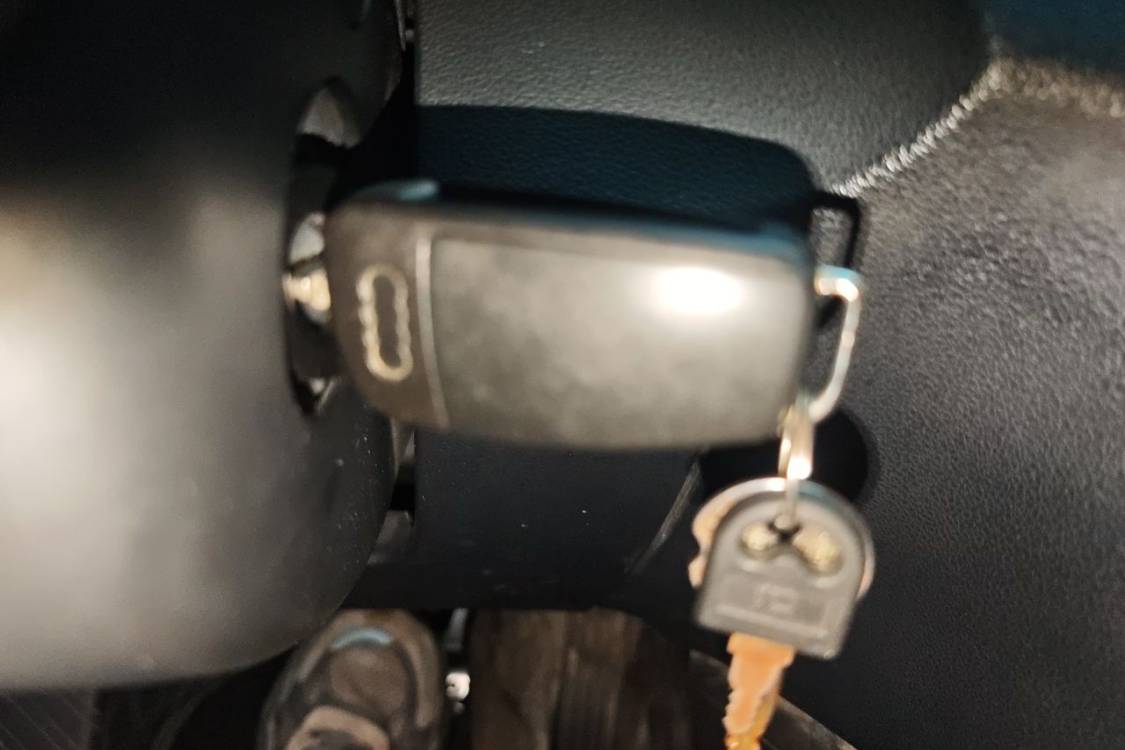
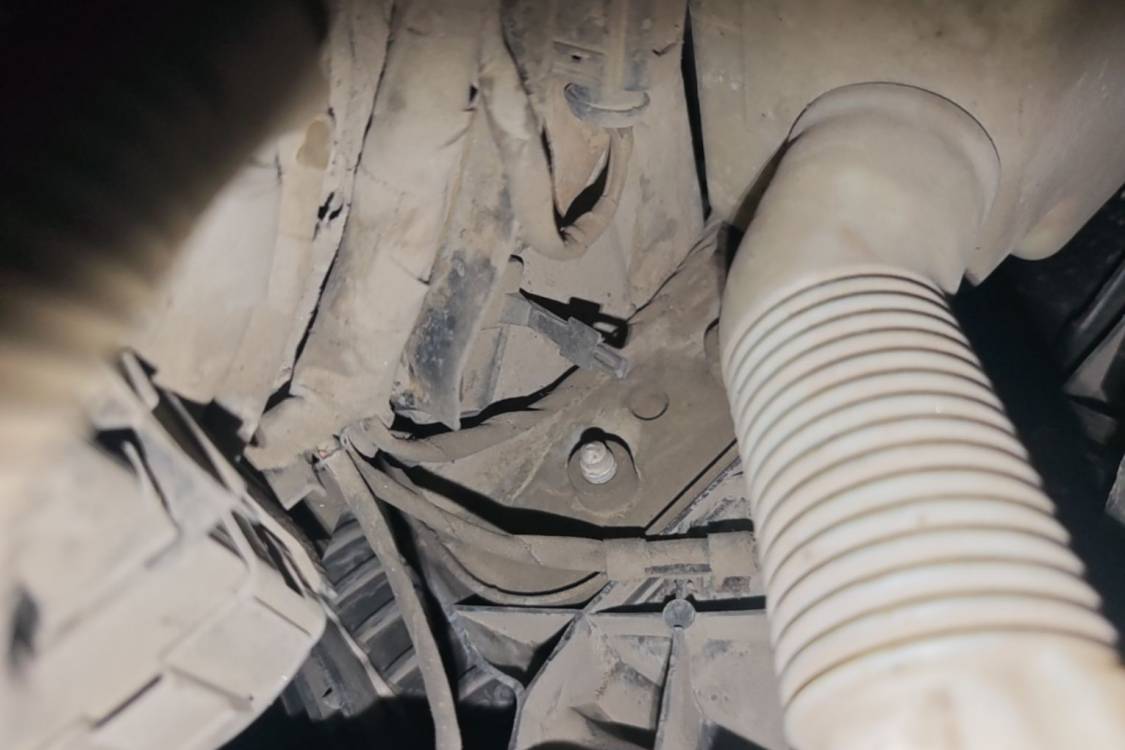
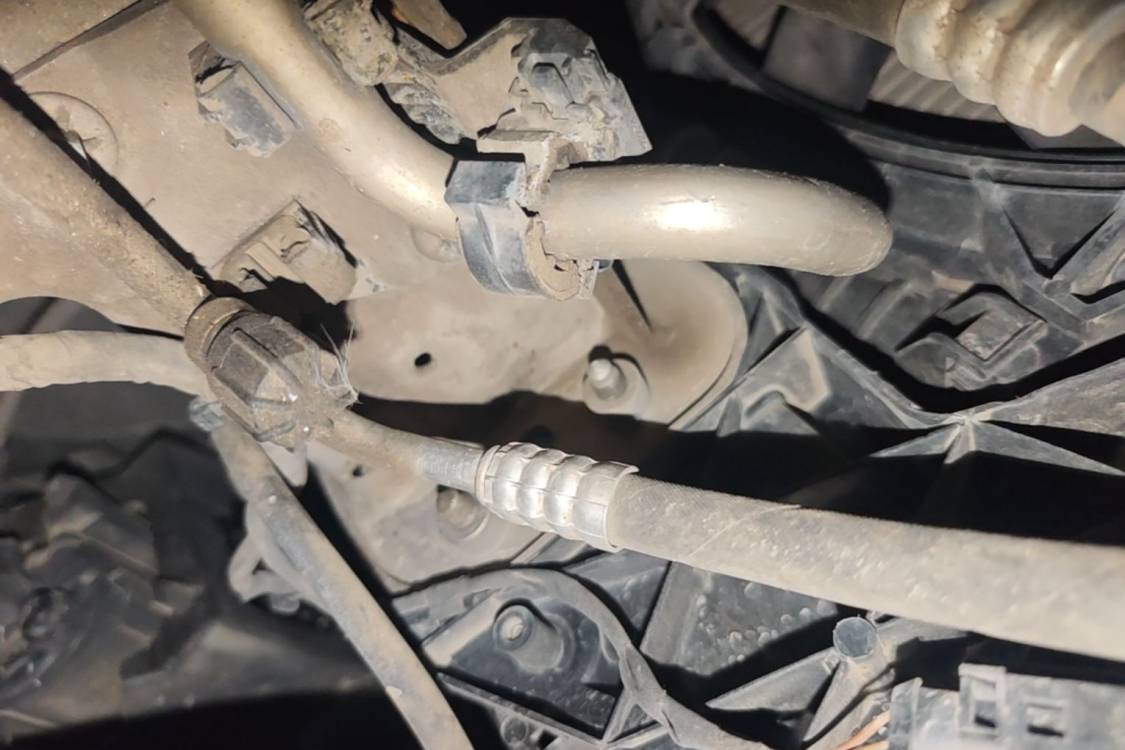
Accident inspection: main structure damaged, reinforcement parts damaged, panels damaged, hinges abnormal. Engine bay: valve cover gasket oil leak, timing cover (chain) oil leak. Exterior: 2 replaced parts, 3 panel repairs, 7 paint jobs. Interior: most features normal, airbag normal, seatbelts normal, dashboard normal, gauges normal, lights normal. Start-up test: main components normal. Tool kit: missing.

电话直连
可讲价
平台物流
可转售
零过户
新检测标准升级>
非泡水

Document Information

Inspection Expiry Date2026/11
Warranty Expiry Date-
Insurance Expiry Date2026/10

Q&A

More

Does the Chinese government provide tax rebates for used car exports? Is this subsidy reflected in the car price?

Unlike new car exports, there are currently no large national export tax rebates for used cars in China. Therefore, our FOB price is purely the vehicle's residual value plus compliant operating costs, leaving no room for price wars using subsidies.


Can you handle the complex communication regarding Scrap Tax and e-PTS for the Russian market?

Our responsibility ends with delivering the vehicle to the Russian border or Far East port and providing the legal Chinese export documents. The payment of Scrap Tax, application for SBKTS (Vehicle Structure Safety Certificate), and activation of the final e-PTS electronic passport must be fully handled by the Russian buyer and their local customs broker.

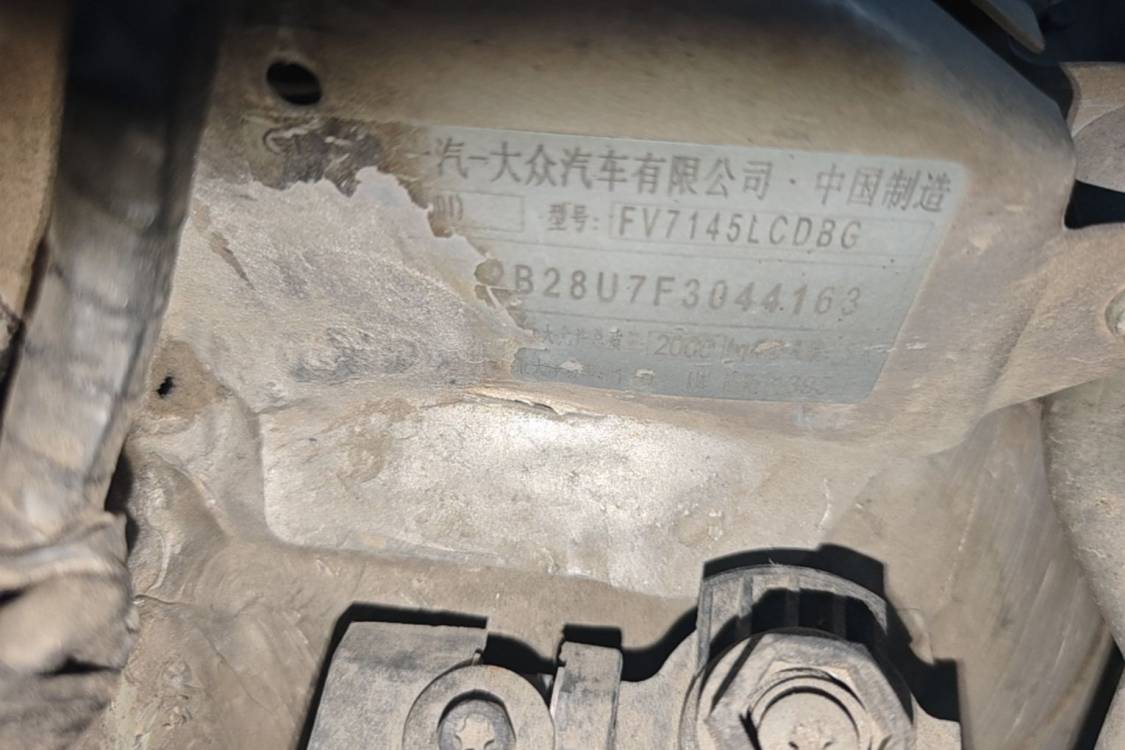
Which documents should I receive from a Chinese exporter before my used car ships, and how do I verify each one?

Before shipping you should hold: the sales contract and commercial invoice, the export declaration (customs form showing the VIN), the vehicle registration certificate, and the bill of lading or rail waybill once cargo is loaded. Verify them like this. The VIN on the invoice, the export declaration, and the waybill must be identical, character for character. The registration certificate should show a clear ownership chain with the seller as the current owner; ask for a scan before payment. The export declaration proves the car legally left China and is essential for customs clearance at destination. If the exporter cannot provide the registration certificate or hesitates on the VIN check, pause the deal. Also confirm who handles the document courier: originals should arrive before or with the vessel, because many ports will not release a car without original bills of lading.