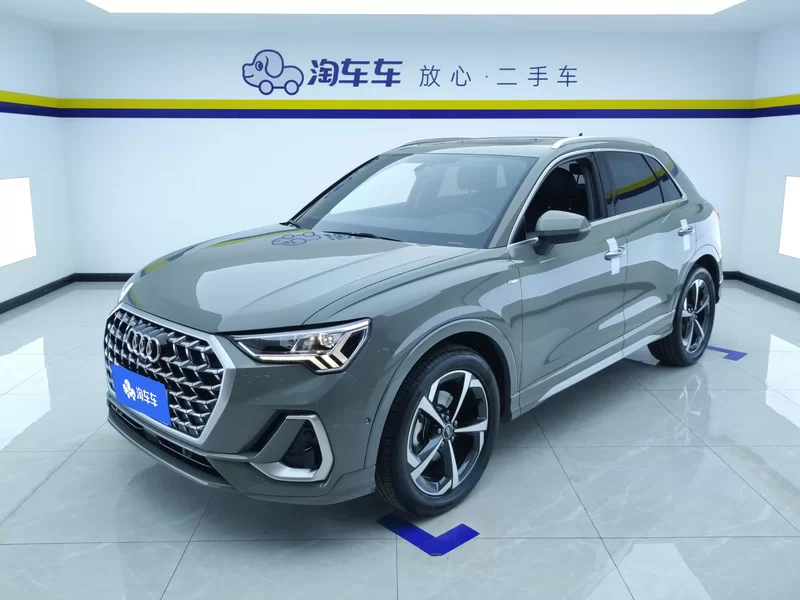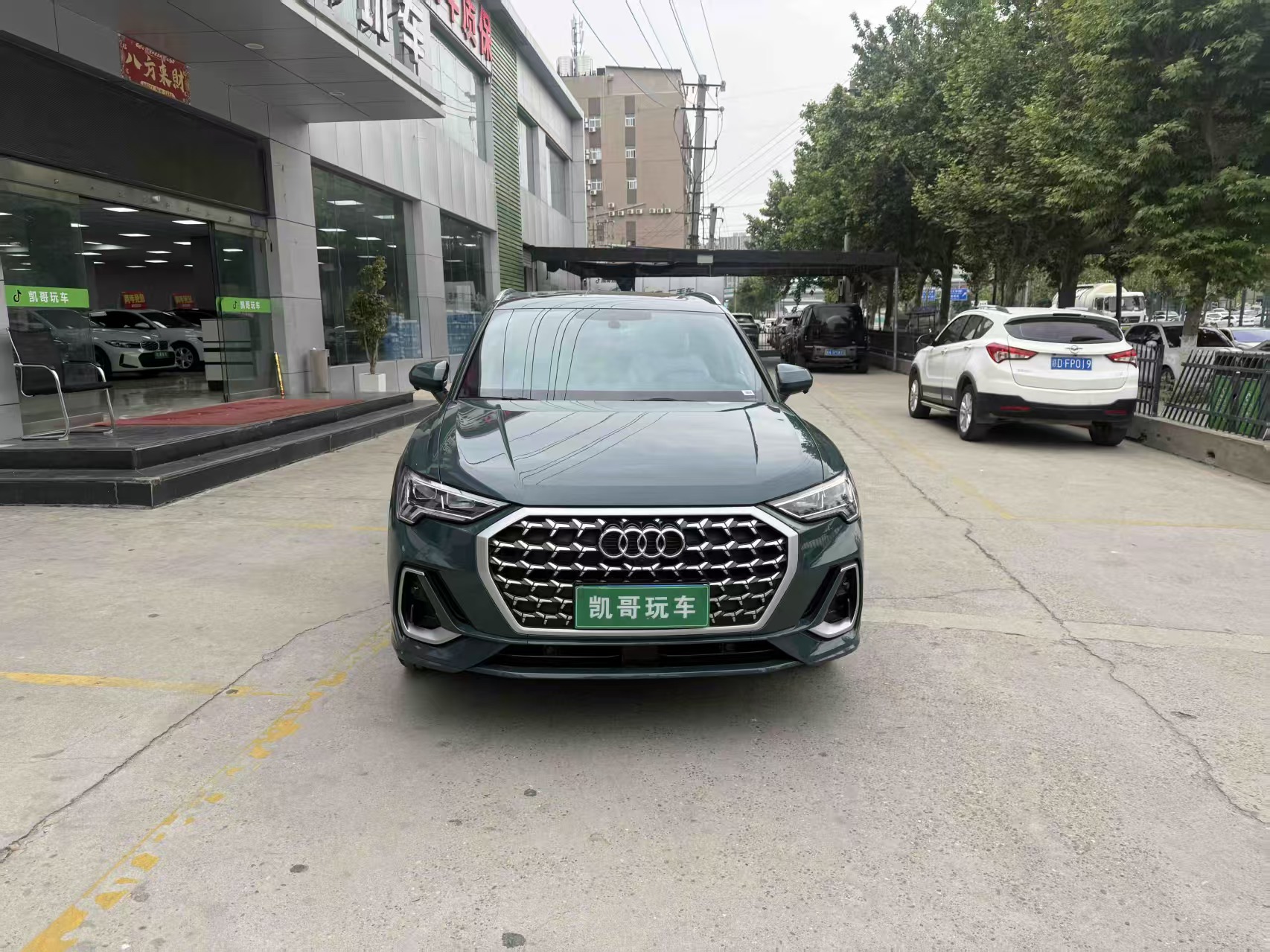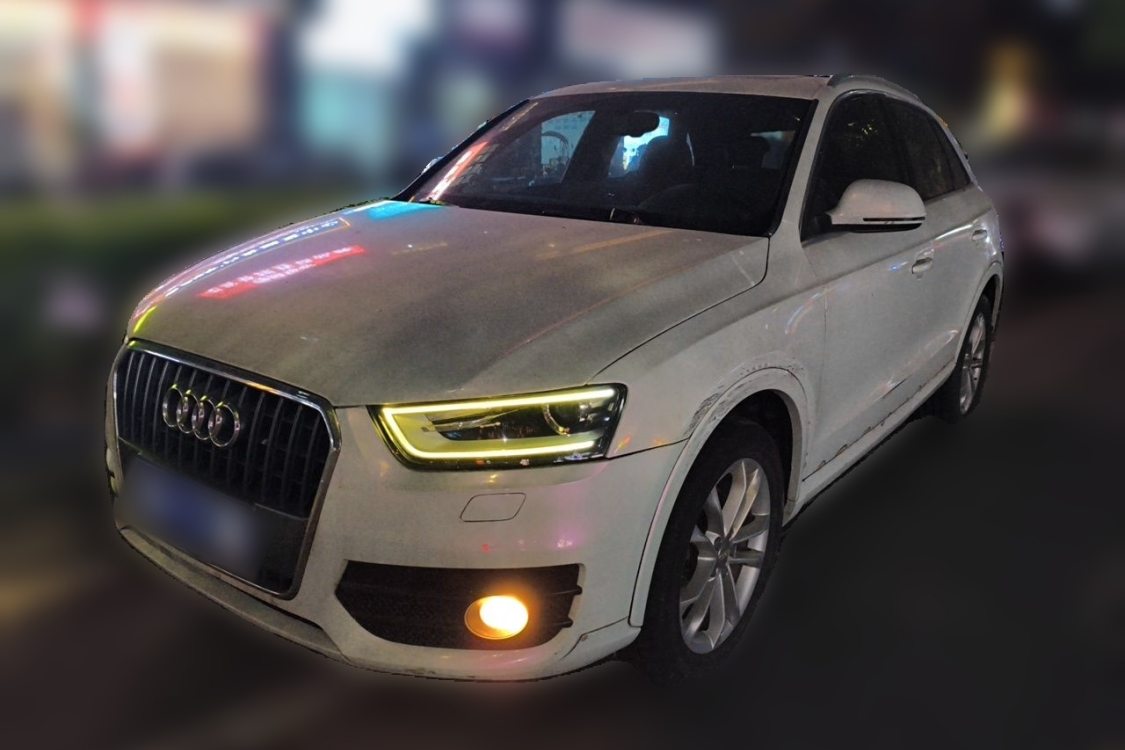
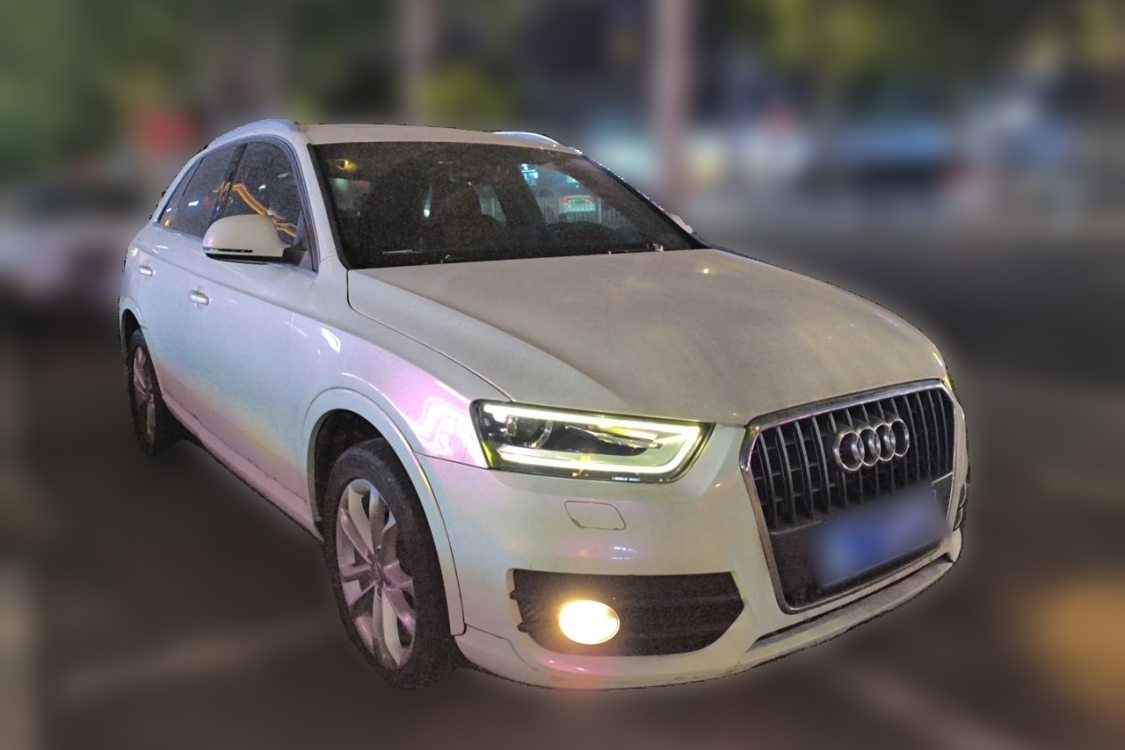
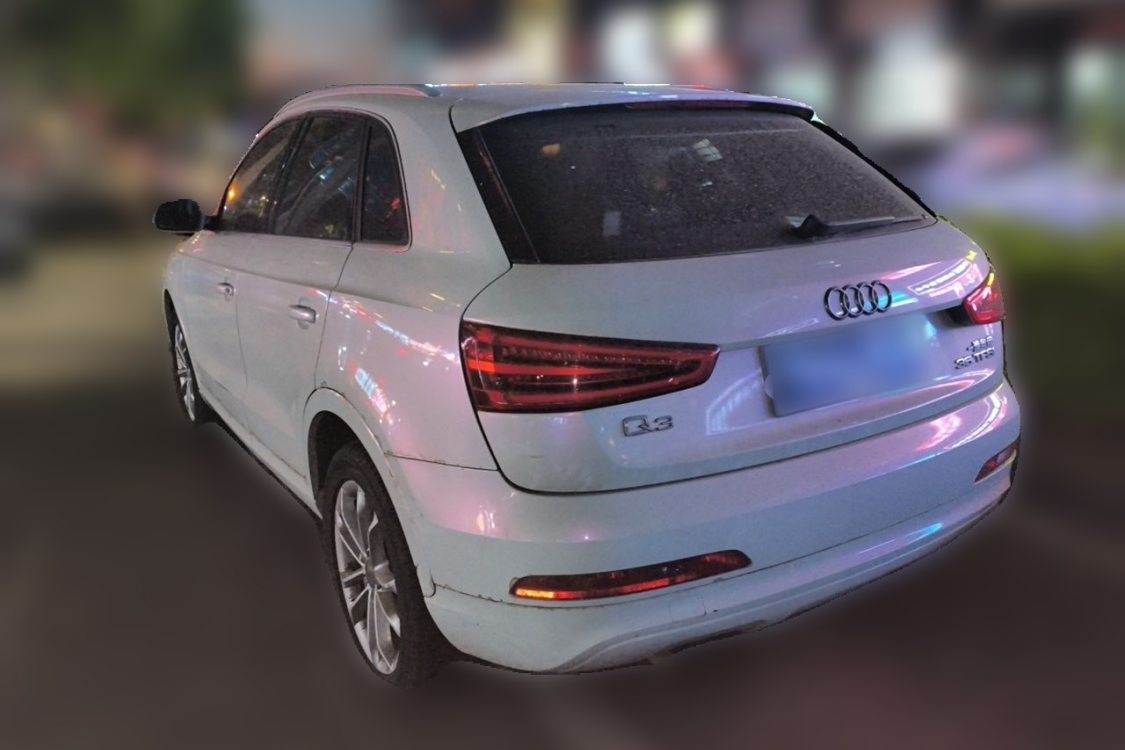
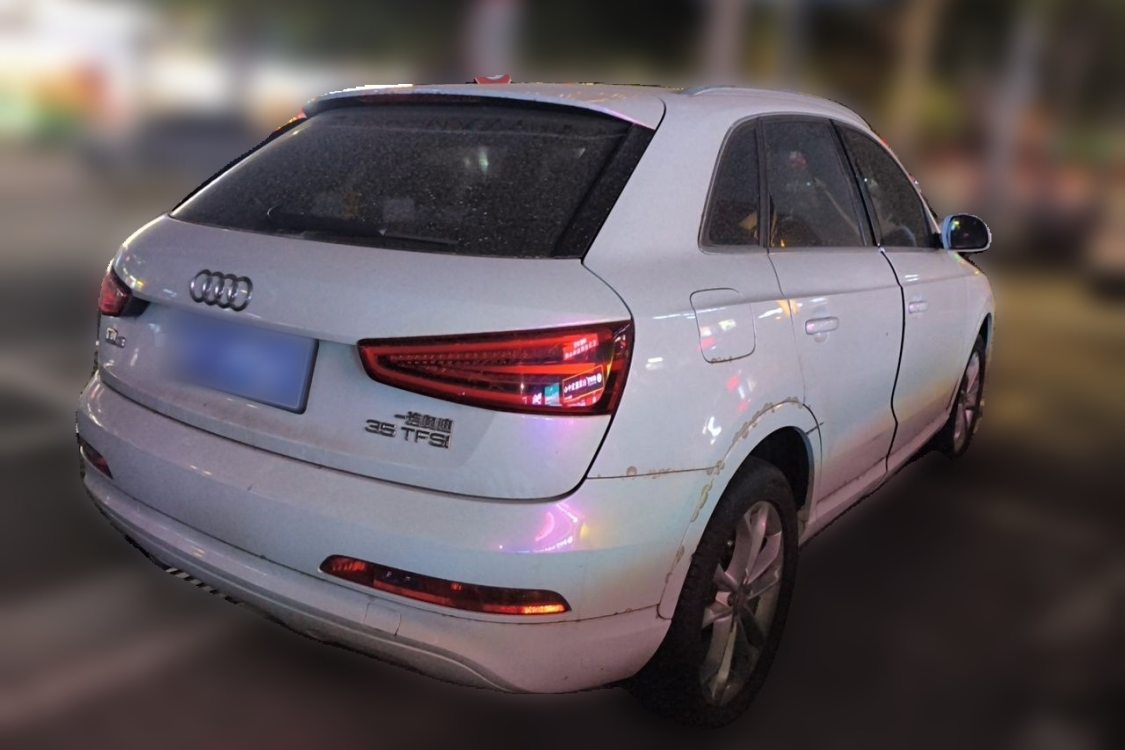
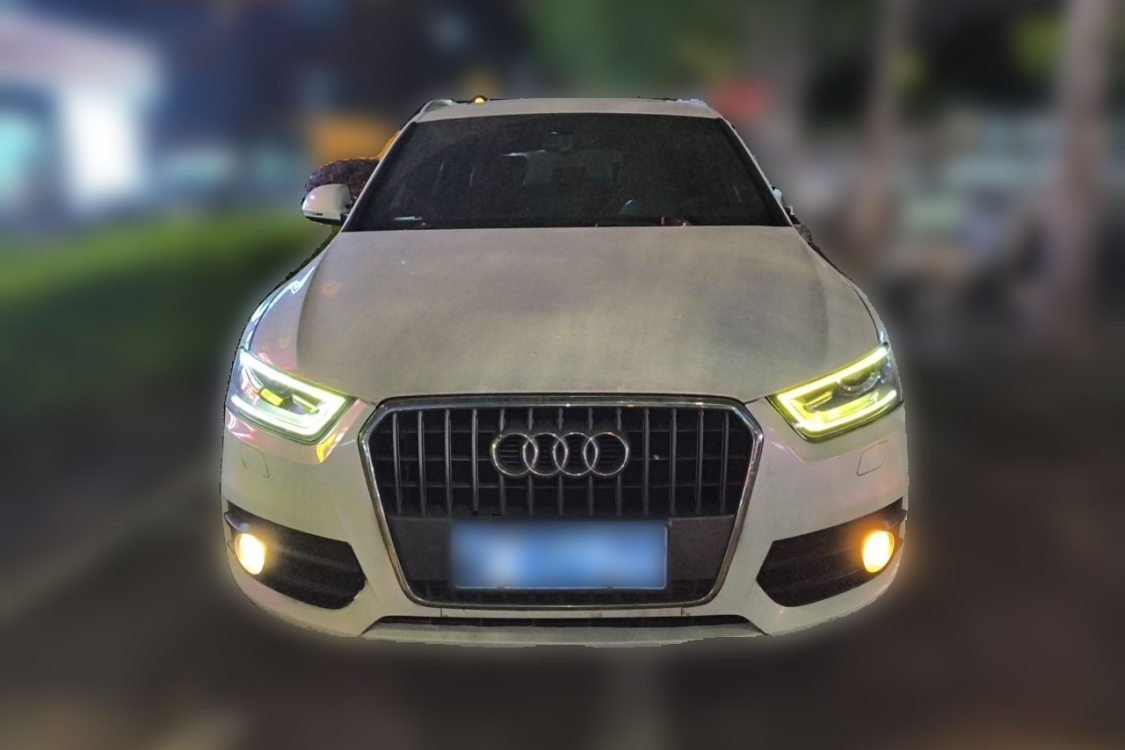
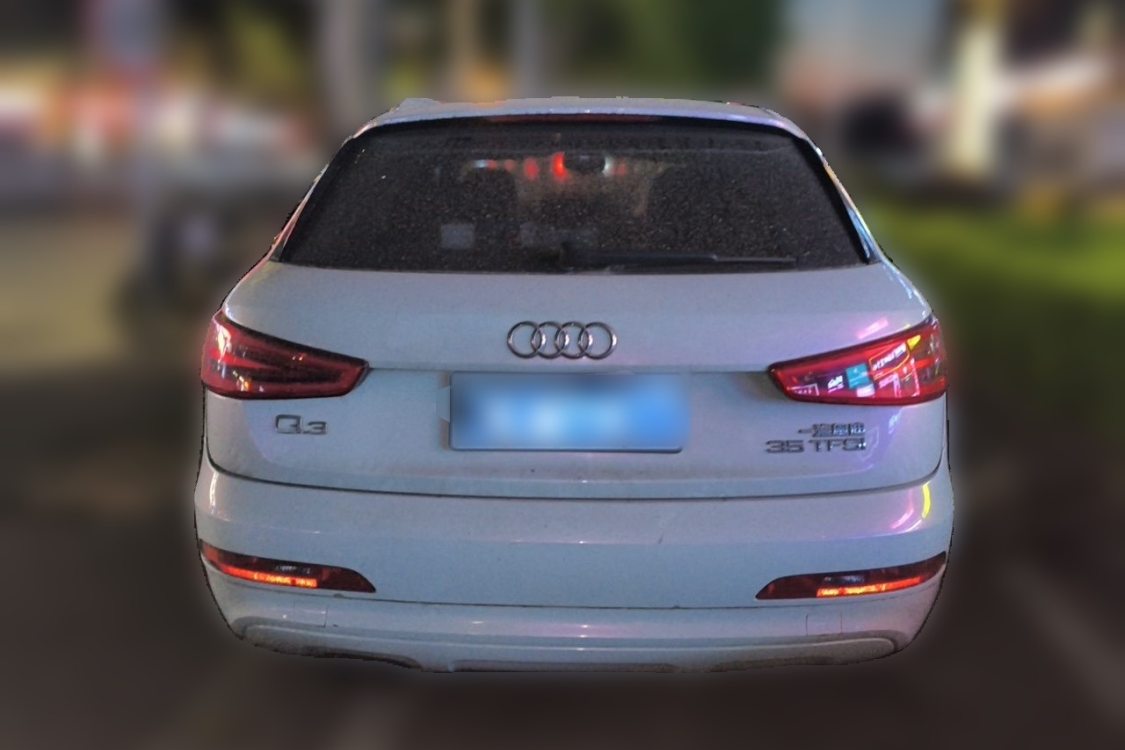
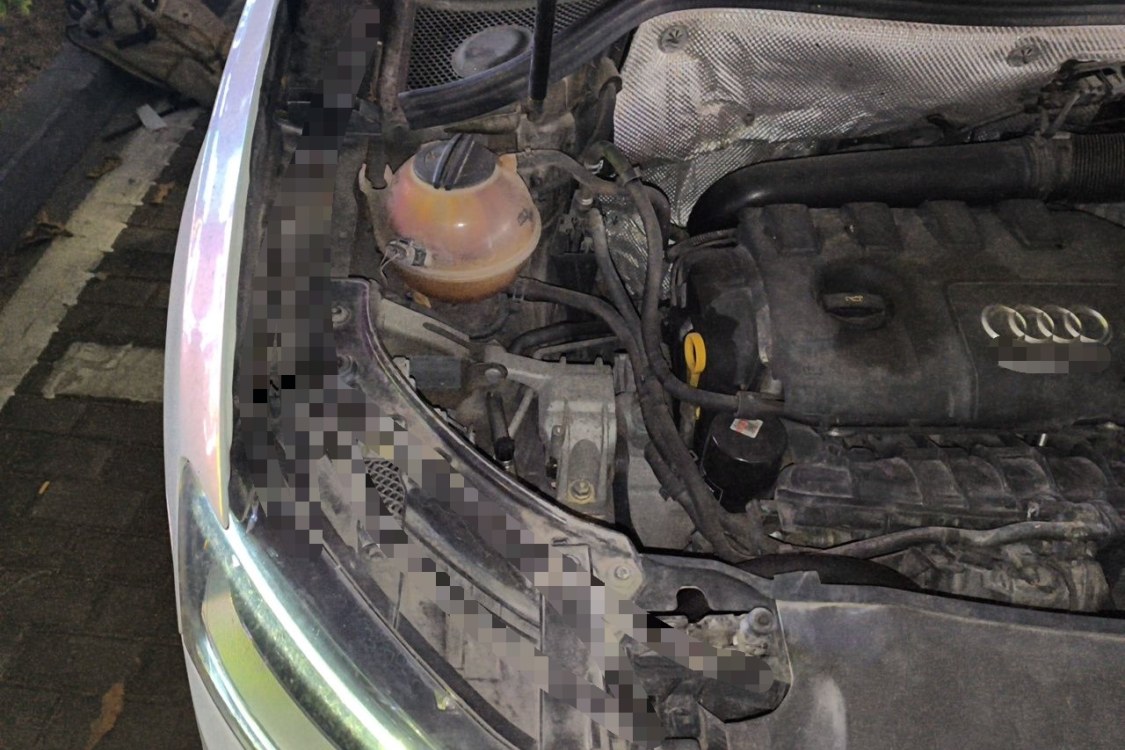
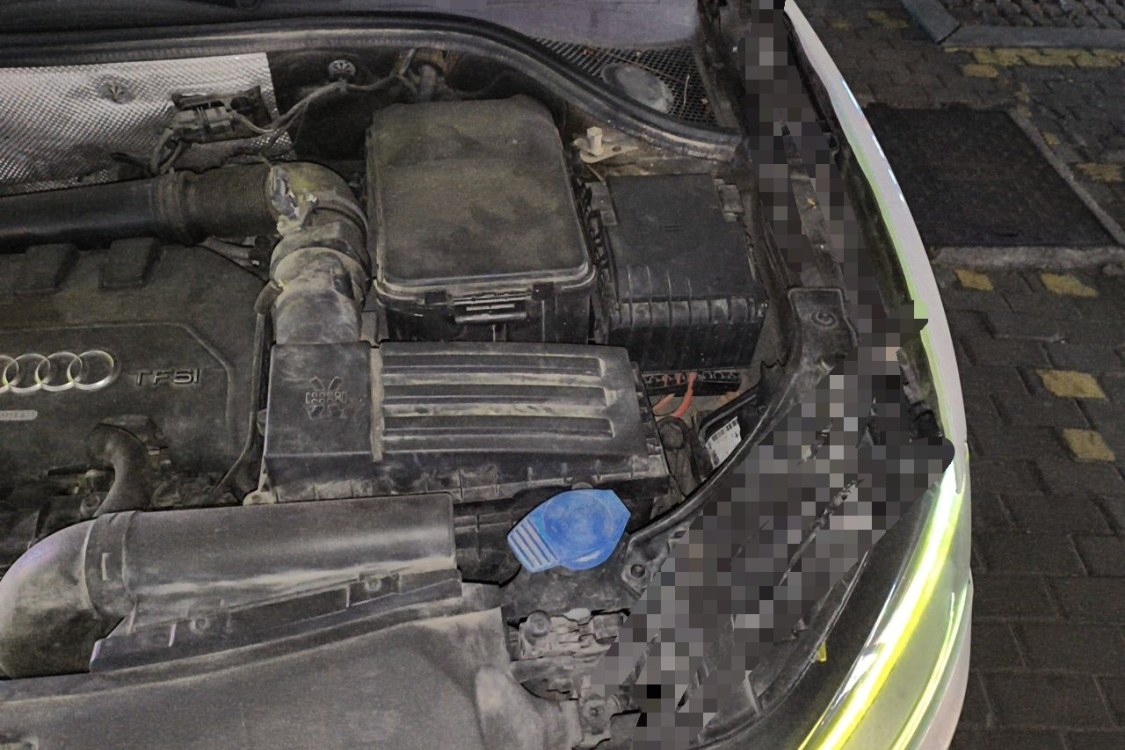
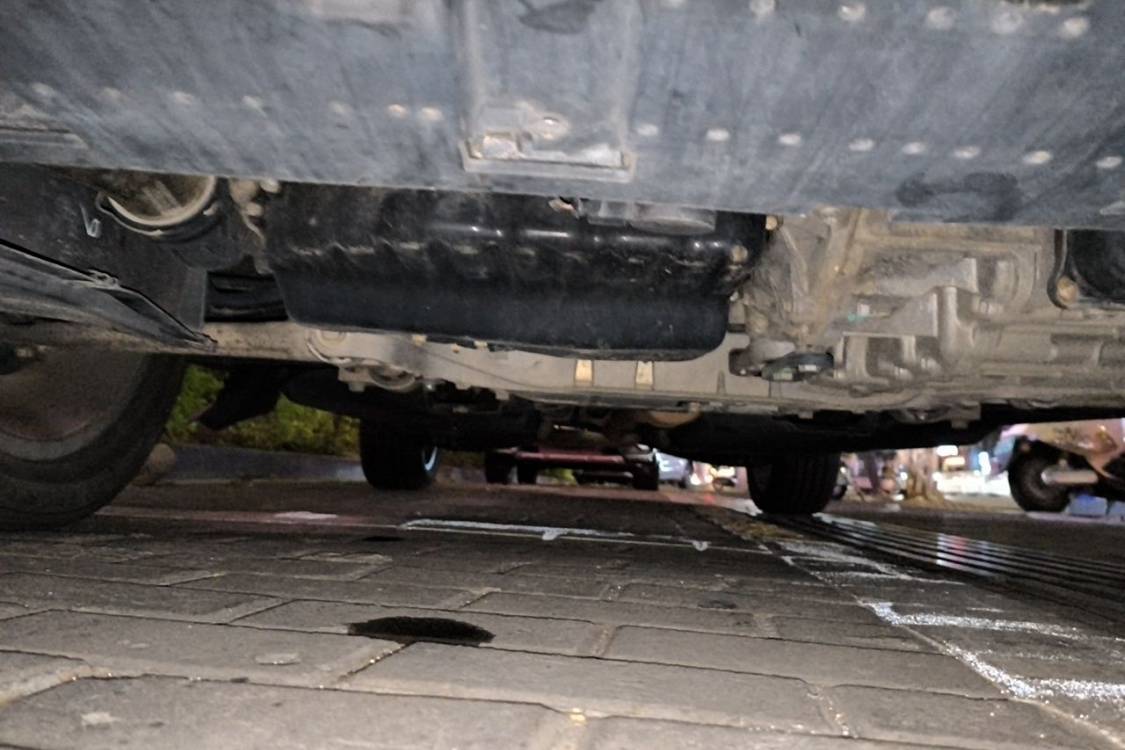
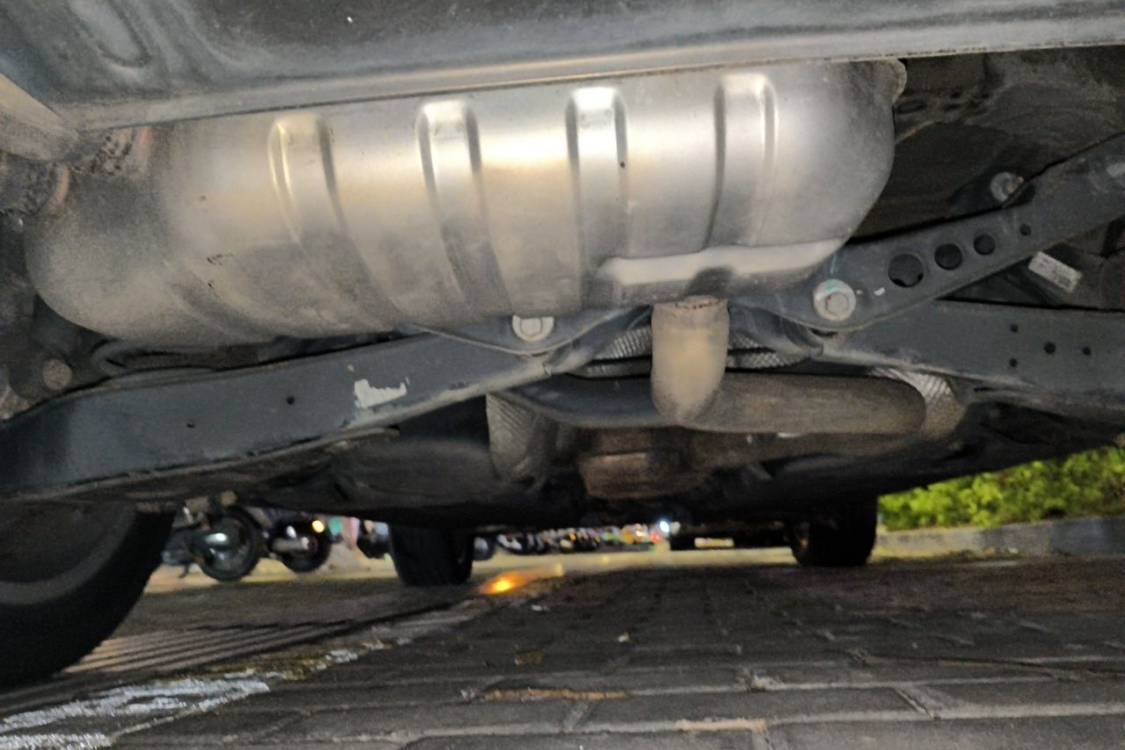




Basic Information

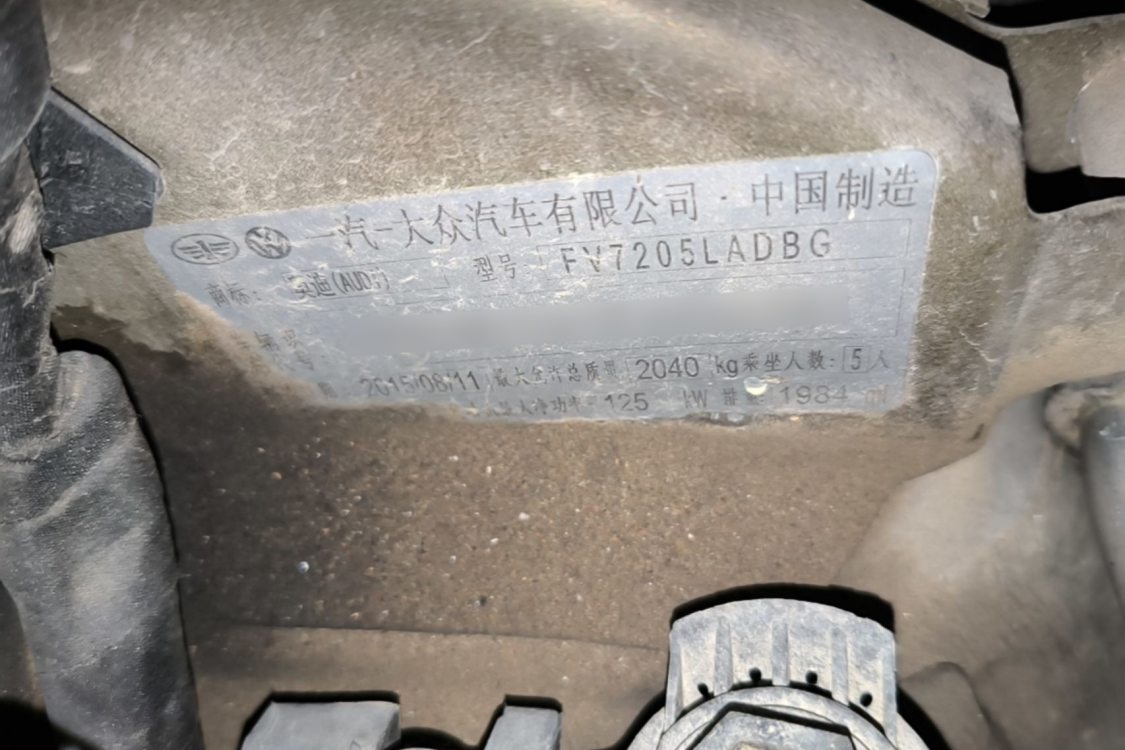
BrandAudi
SeriesQ3
Year2015
First Registration2015/08
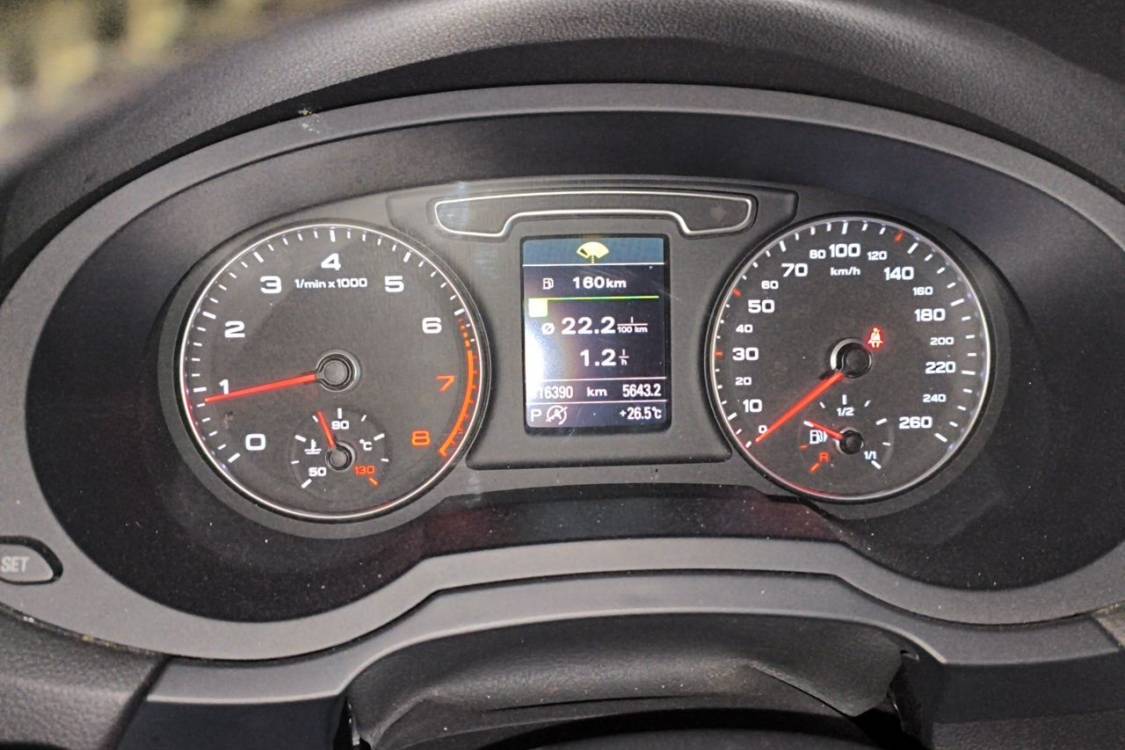
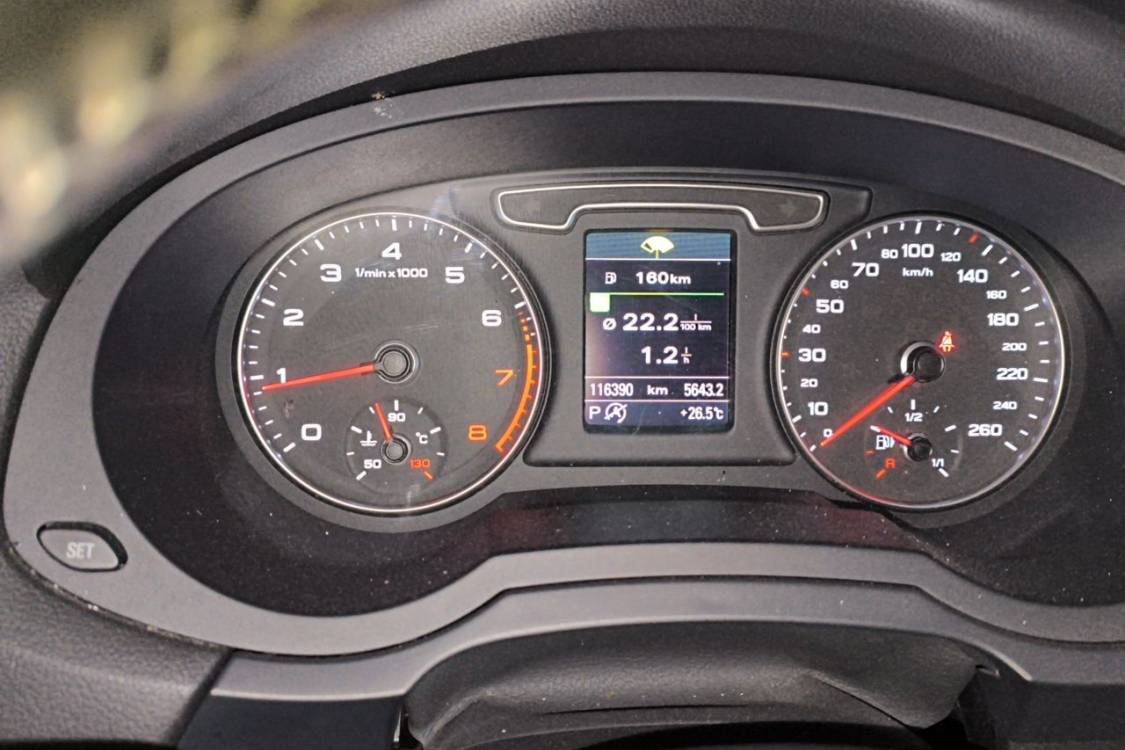
Mileage116,300km
Transfer Count3times
FuelGasoline
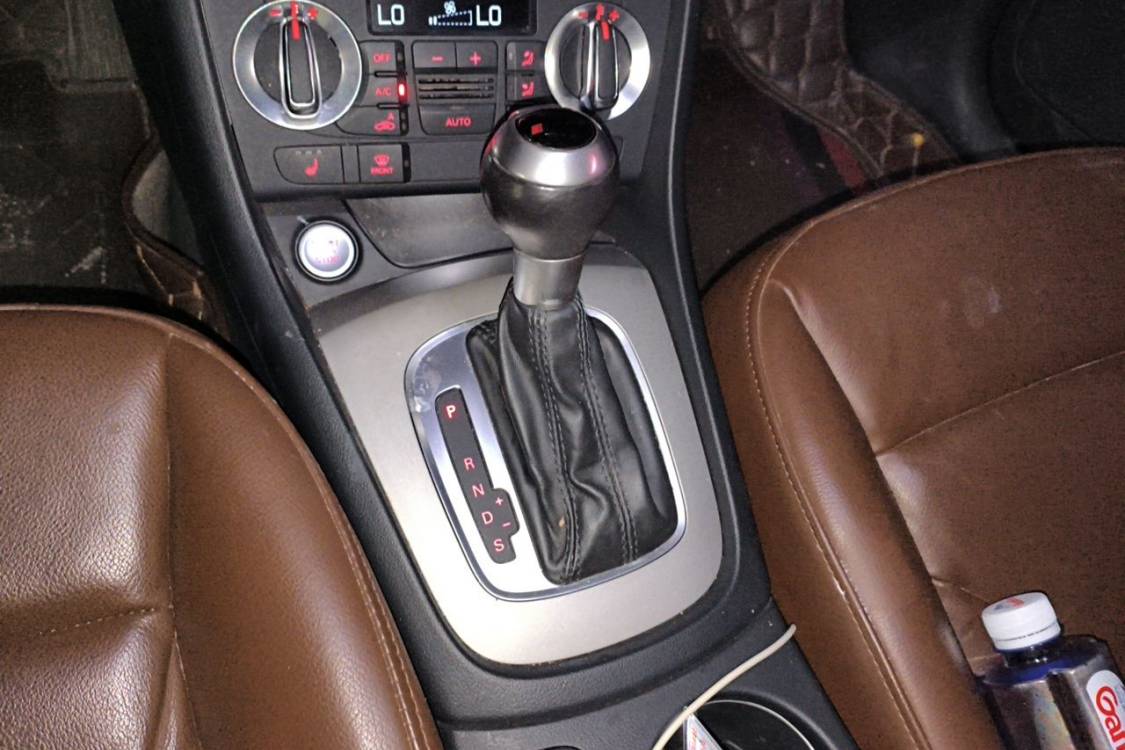
TransmissionDCT
Engine2.0T 170 L4
ColorWhite
Seats-

Condition Description

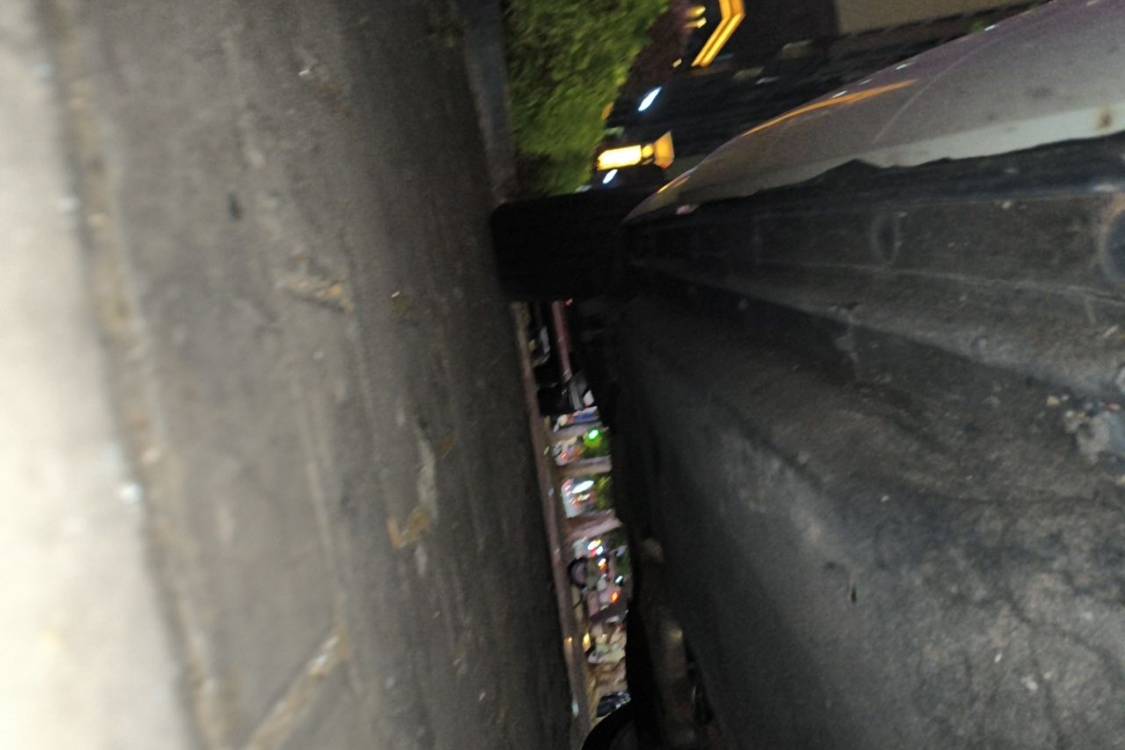
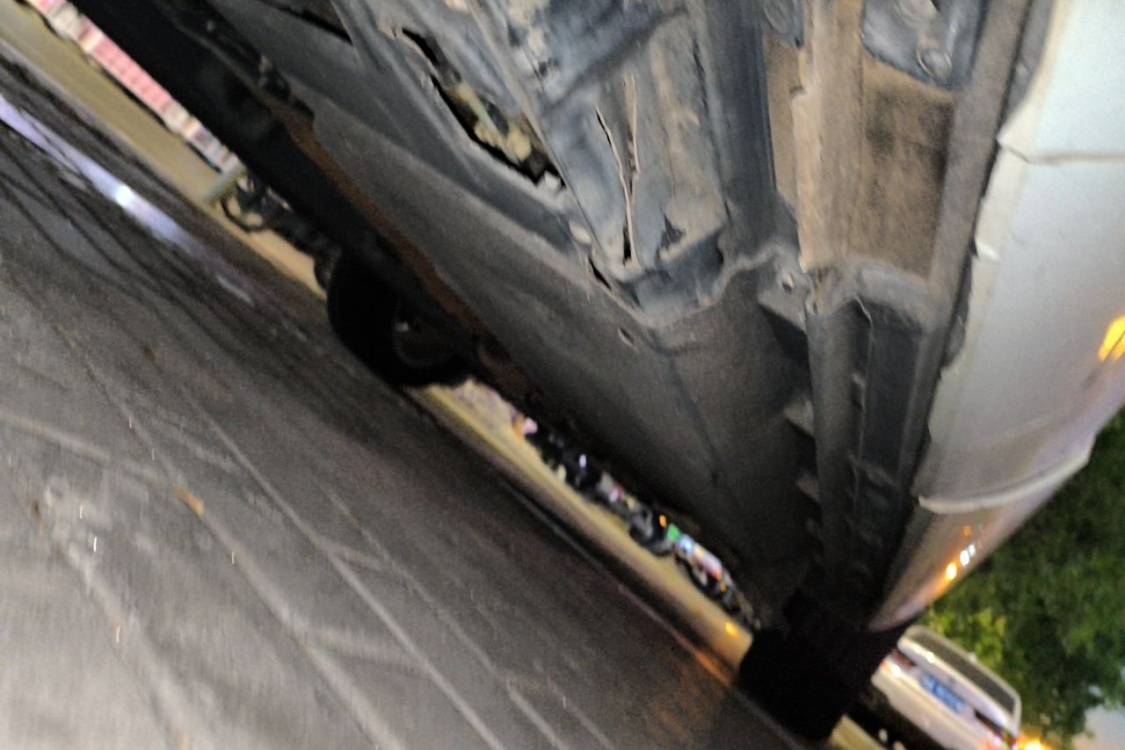
Vehicle has major defects from major accident/fire/flooding or power battery related components, repaired or unrepaired, still affecting body structural integrity or safe use, with hidden fault risks.

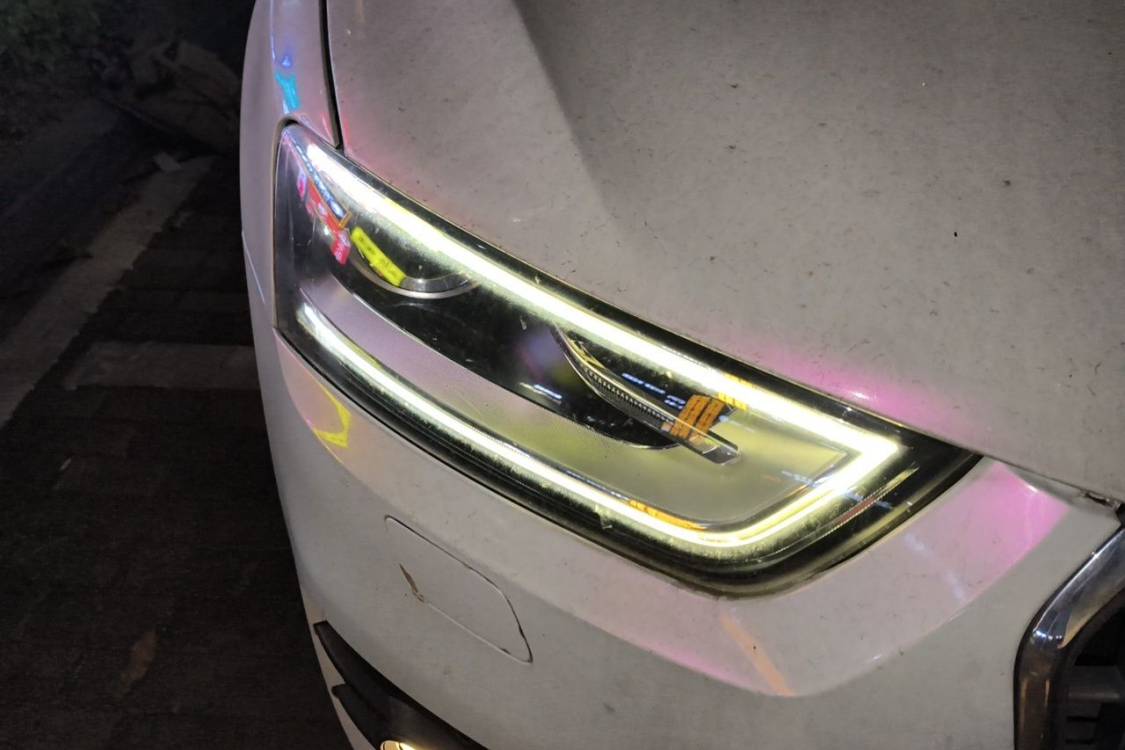
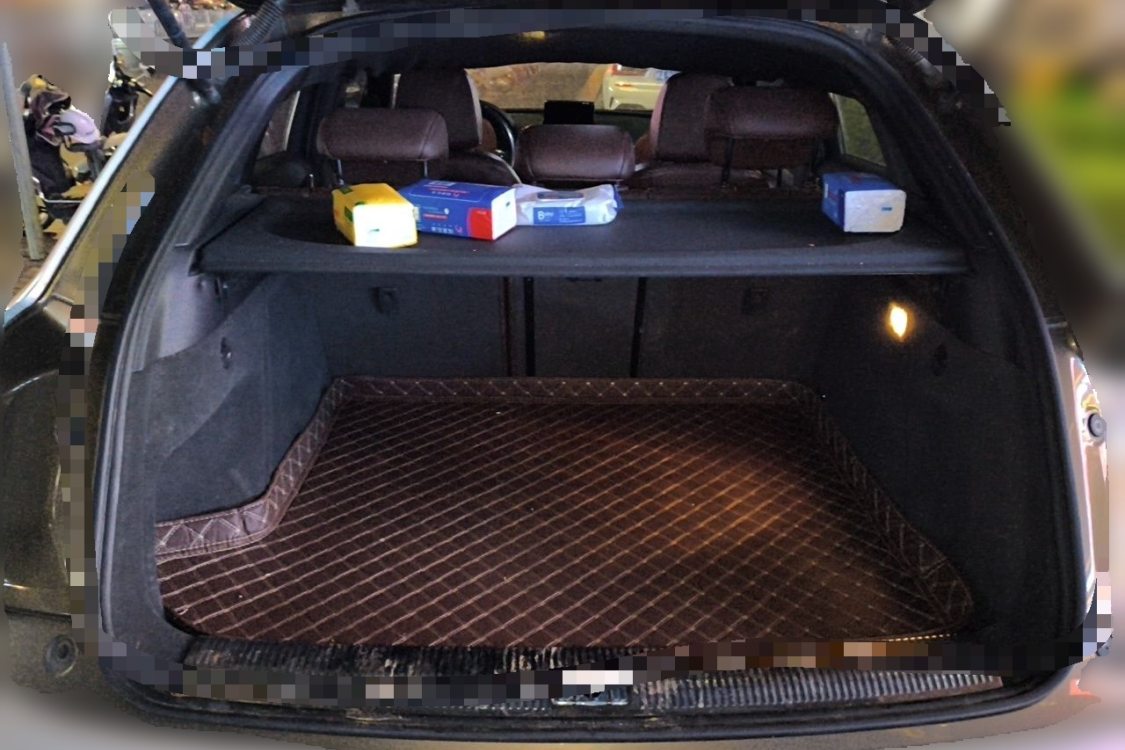
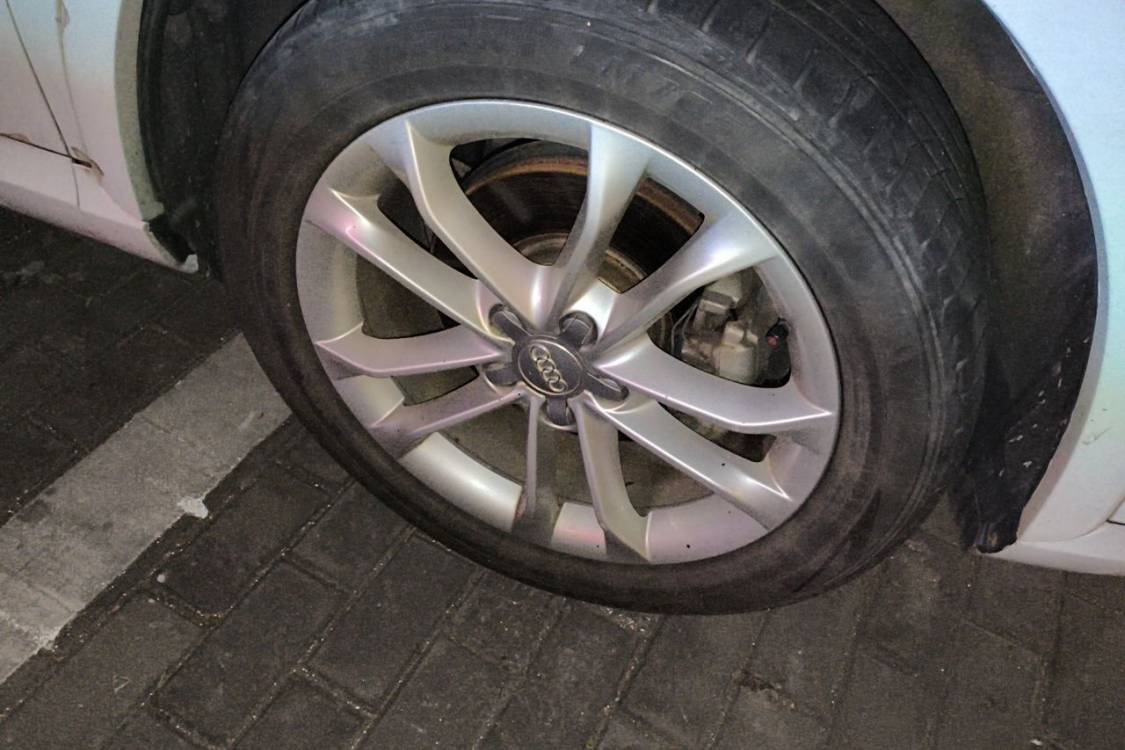
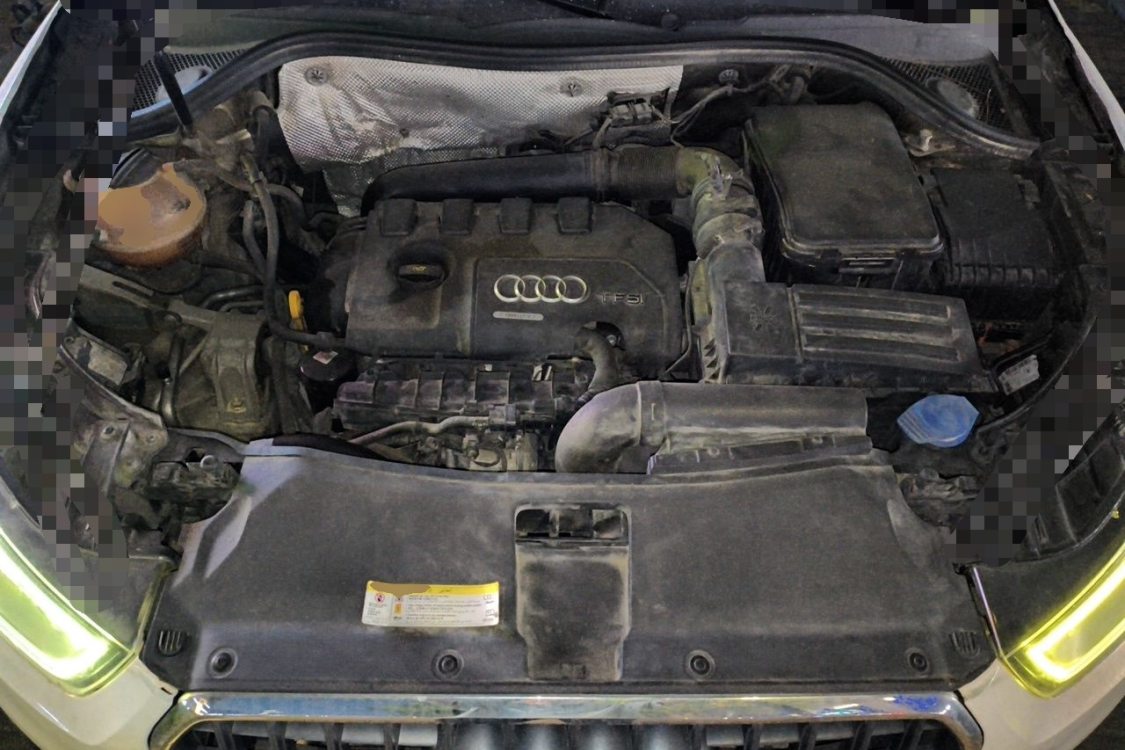
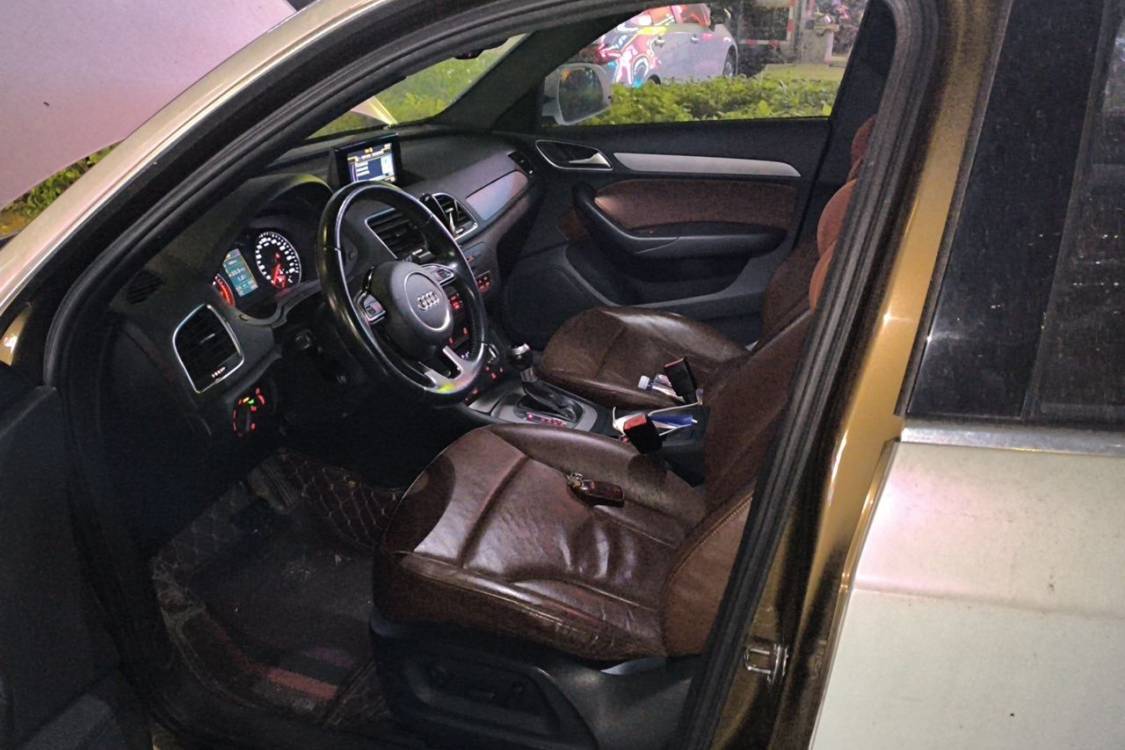
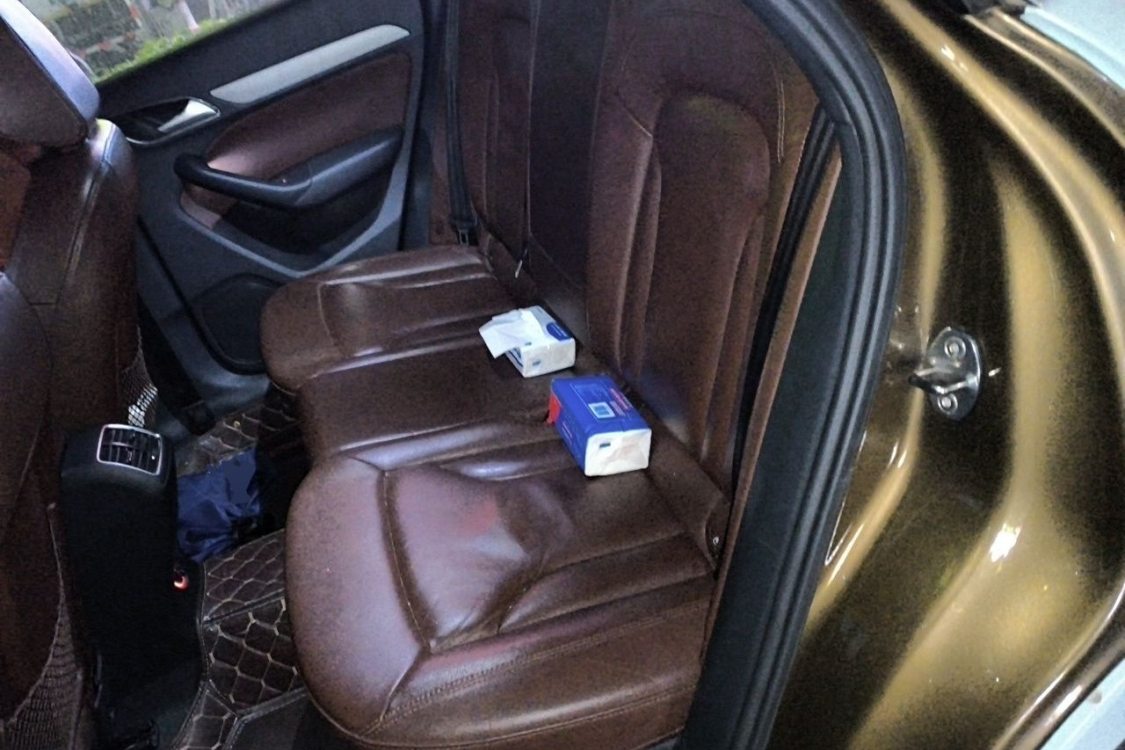
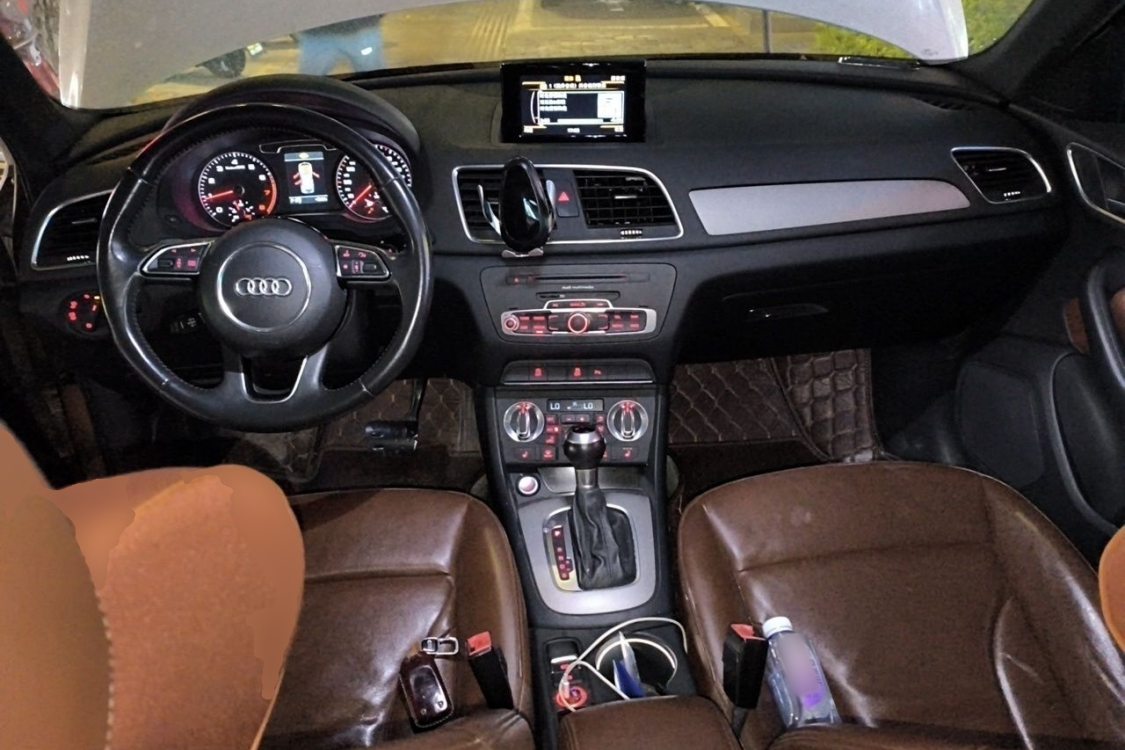
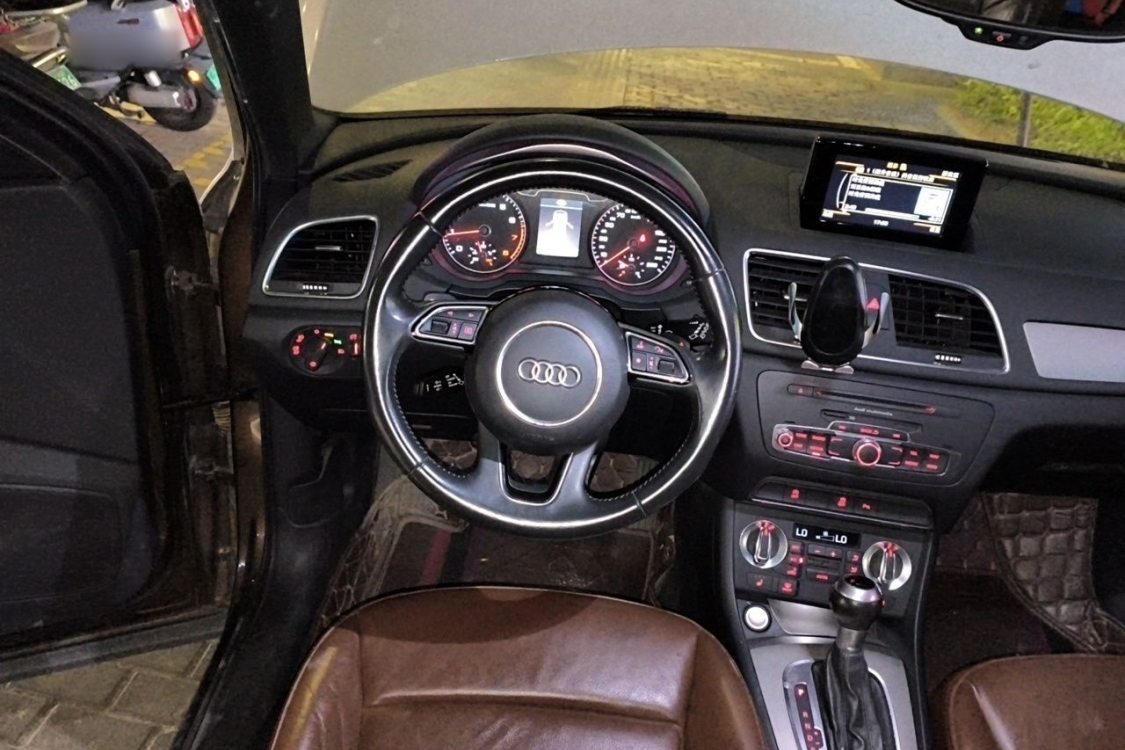
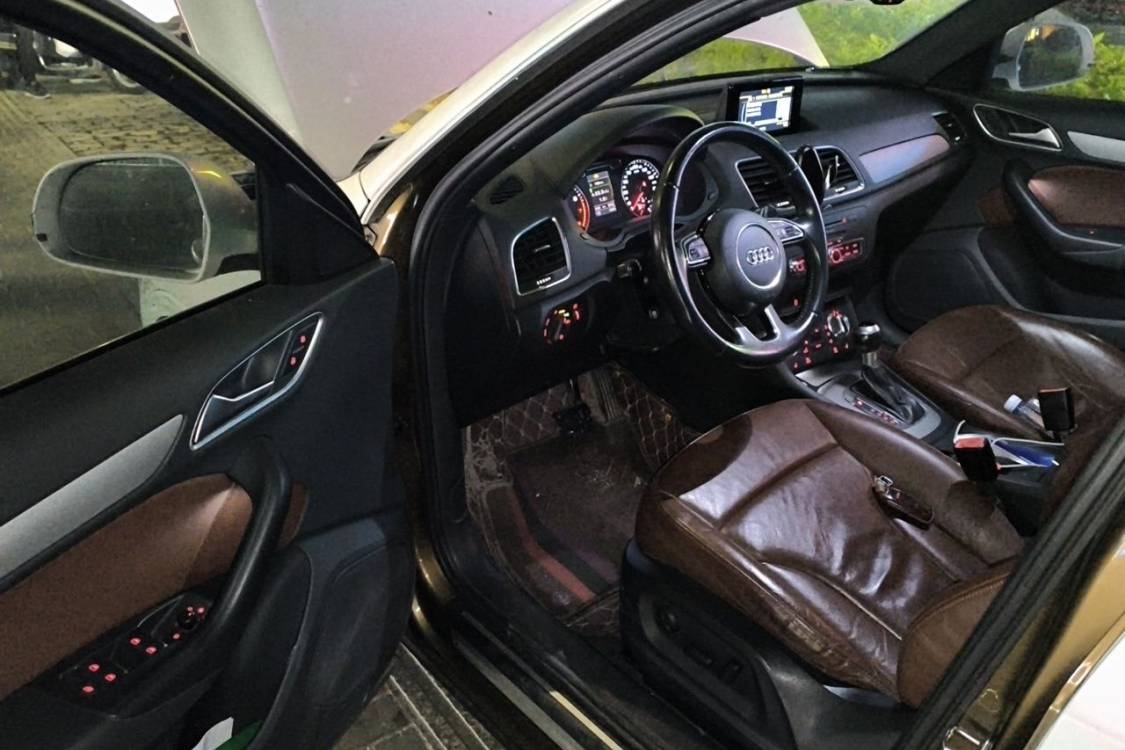
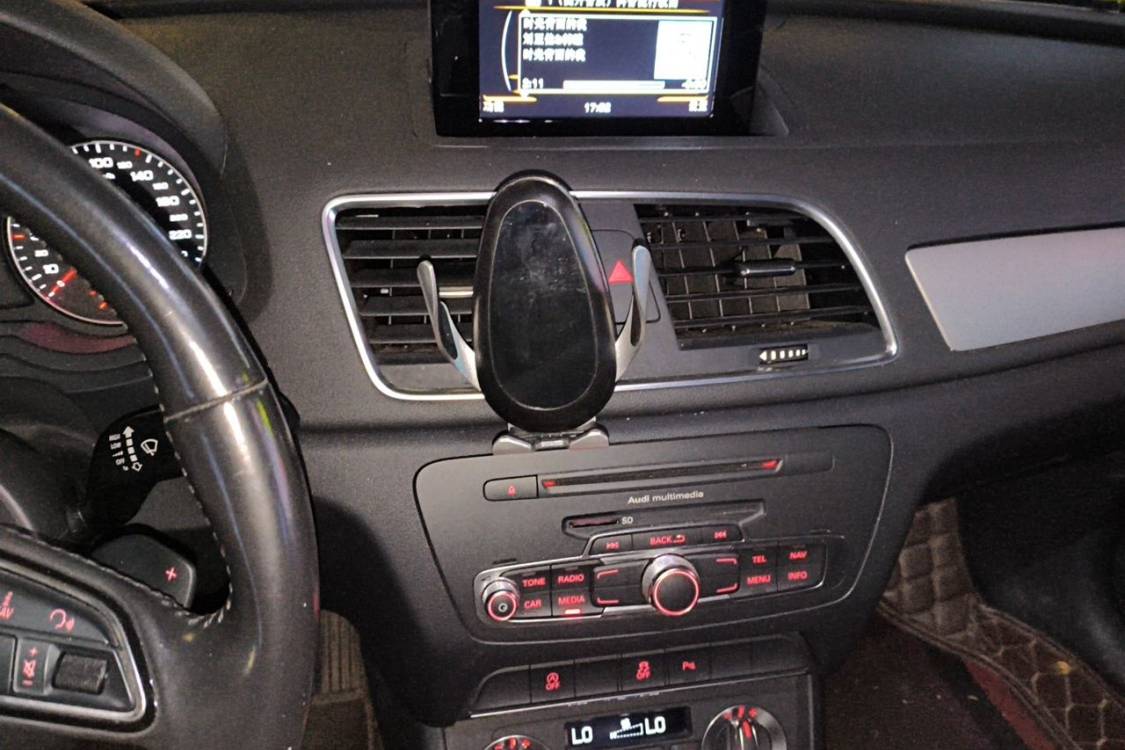
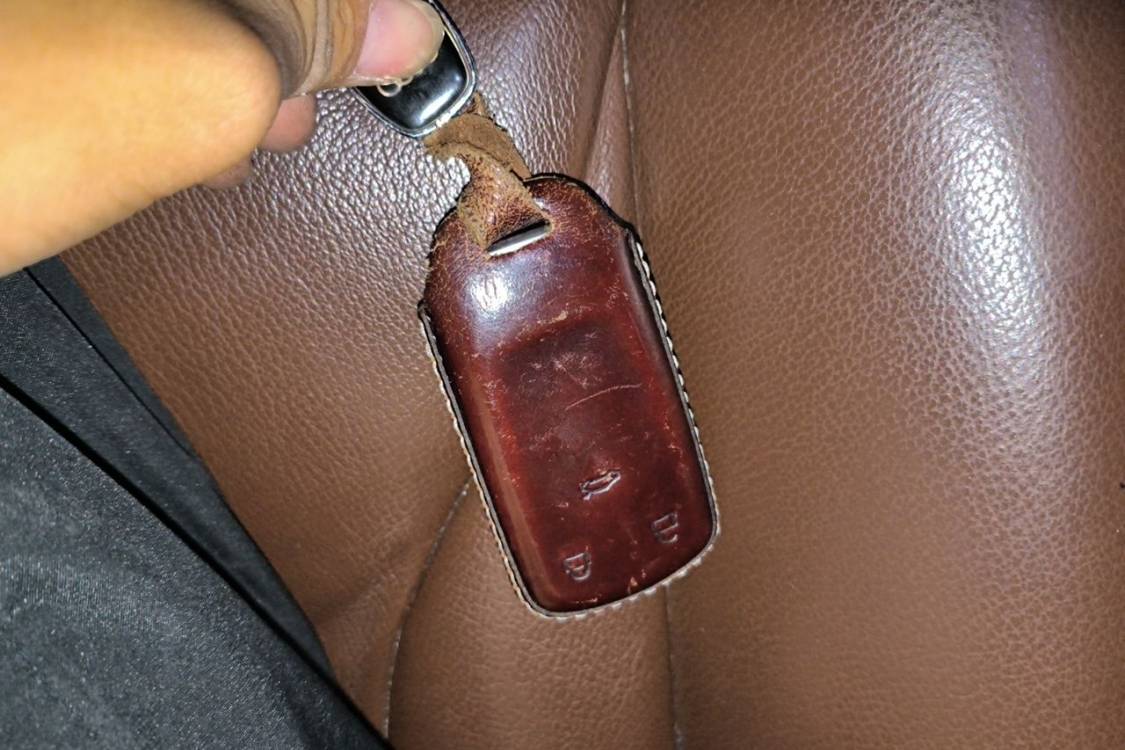
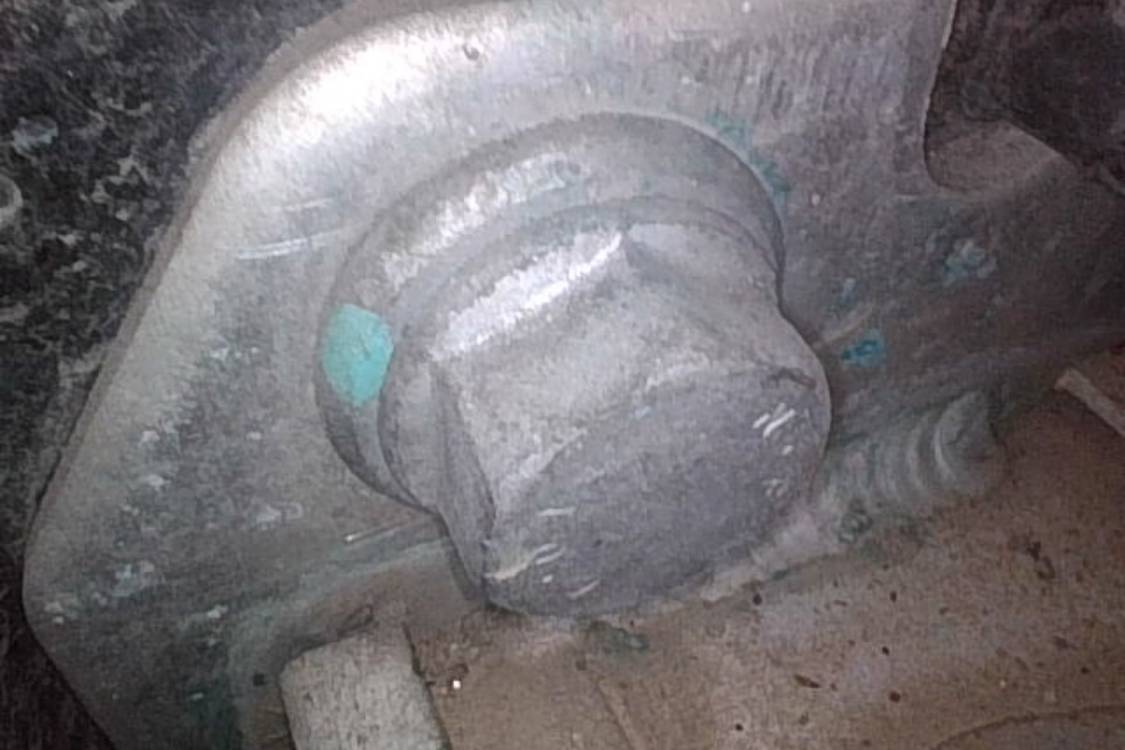
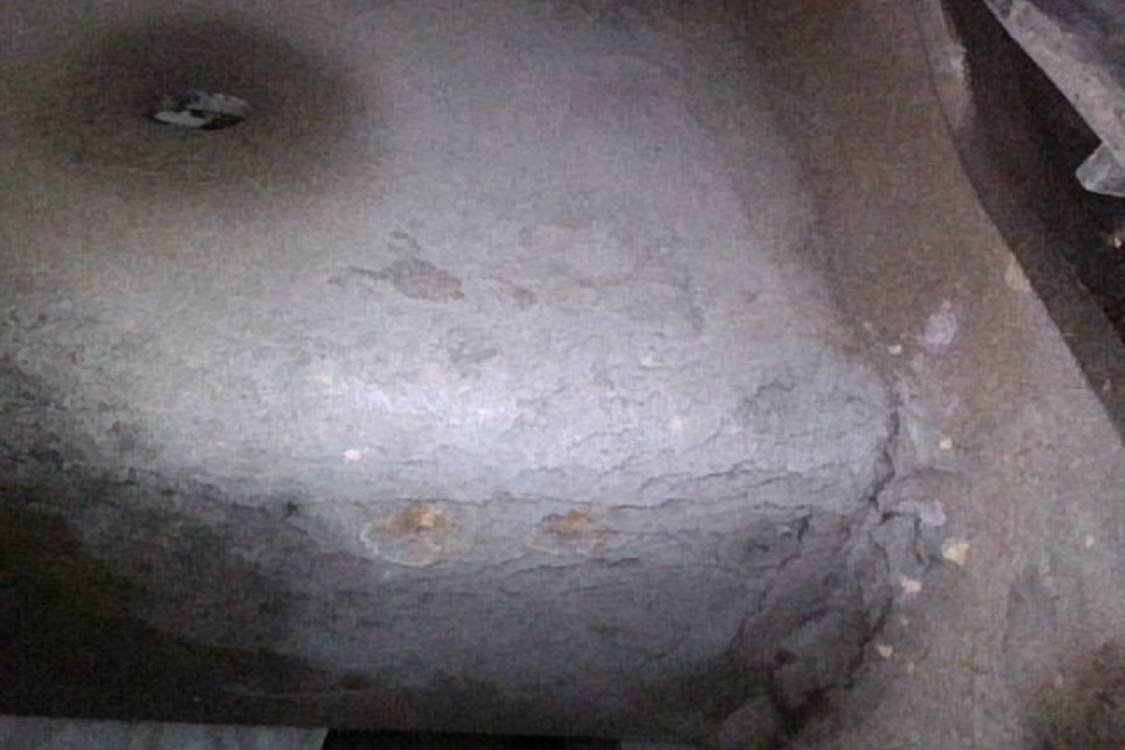
Accident inspection: main structure damaged, reinforcement parts damaged, cover panels undamaged, hinges abnormal; Engine bay: engine cylinder head gasket oil seepage; Exterior: 3 replaced parts, 5 sheet metal repairs, 1 repaint; Interior: airbag inspection abnormal, dashboard disassembly marks, most features normal, lighting system normal; Startup check: main components normal; Tool kit: absent.

电话直连
可讲价
平台物流
新检测标准升级>
非泡水

Document Information

Inspection Expiry Date2027/08
Warranty Expiry Date-
Insurance Expiry Date2026/11

Q&A

More

What documents should I prepare to import a used car from China?

Typically you will need: 1. The commercial invoice and packing list from the seller; 2. The bill of lading issued by the shipping line; 3. The vehicle's export customs declaration; 4. The original registration certificate and a deregistration or transfer proof from China; 5. A certificate of origin if your country requires it; 6. Destination-specific documents, such as a pre-shipment inspection certificate (for example ECTN for West African ports). Requirements vary by country, so confirm the full list with your customs broker before shipment.


What are the common issues with this car? Has this car resolved them?

We will honestly inform you of the common issues with this model (such as the water pump failure in certain German cars) and show that this car has had the improved parts replaced.

How long will the seat heating and ventilation features undergo continuous power testing before export?

To prevent intermittent failures due to aging of the resistance wire, we will start the engine and set the seat heating/ventilation to maximum for at least 5 minutes, confirming significant temperature changes or airflow output in the cushion and backrest using an infrared thermometer or body sensor.