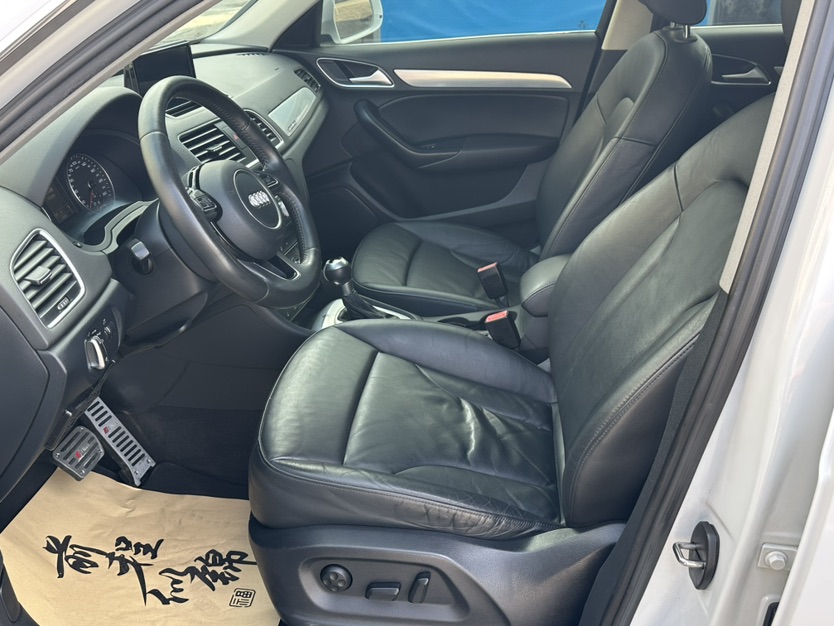
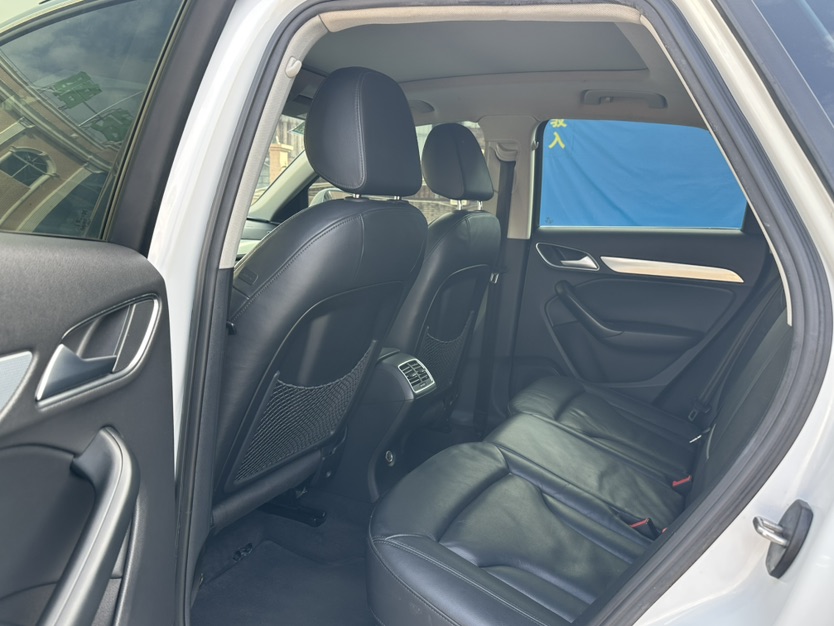
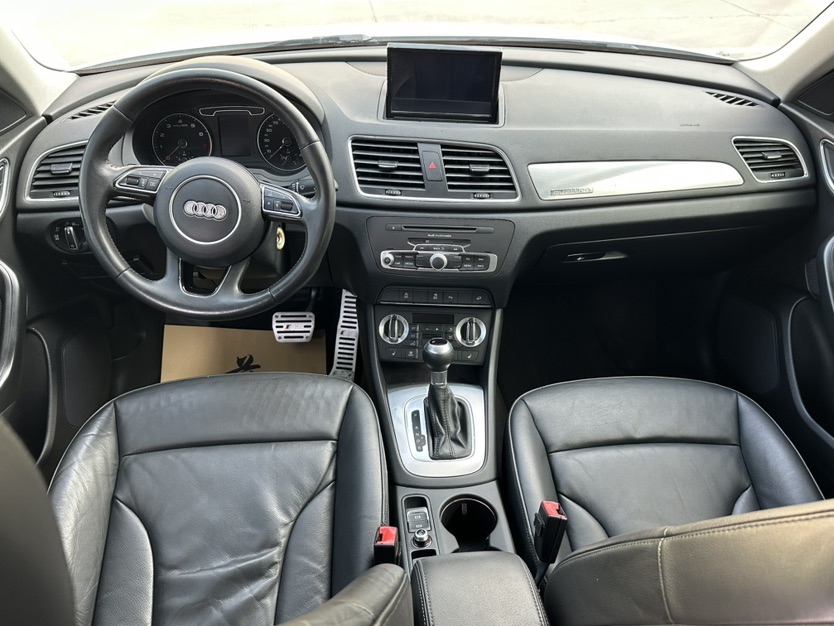
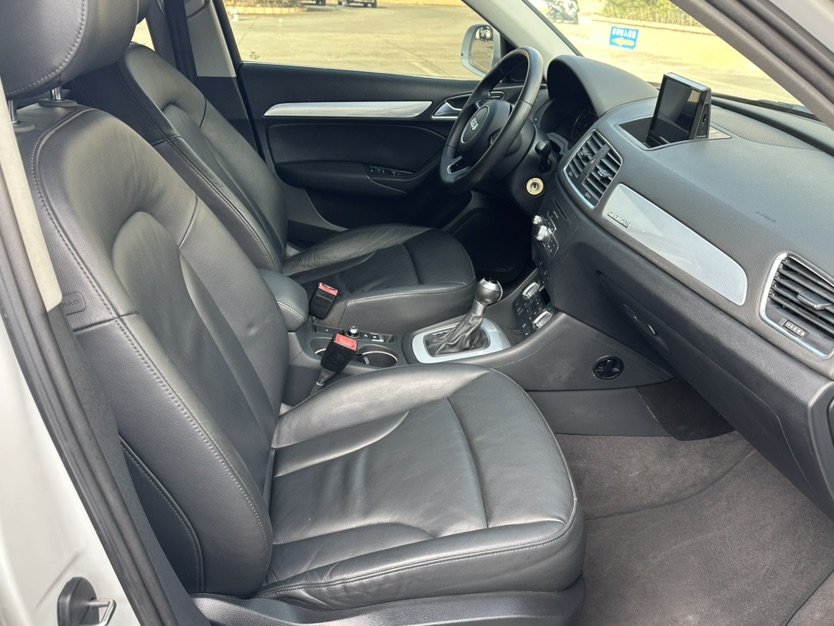
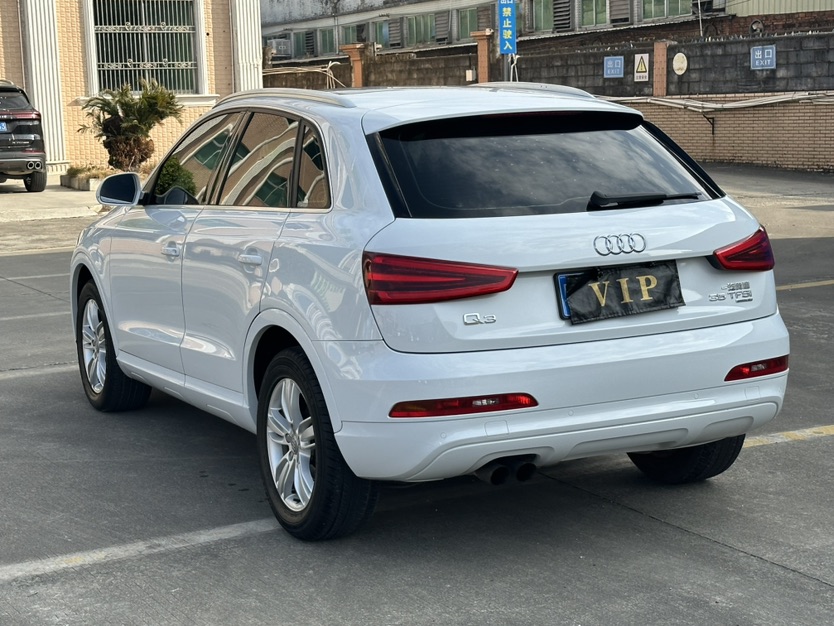
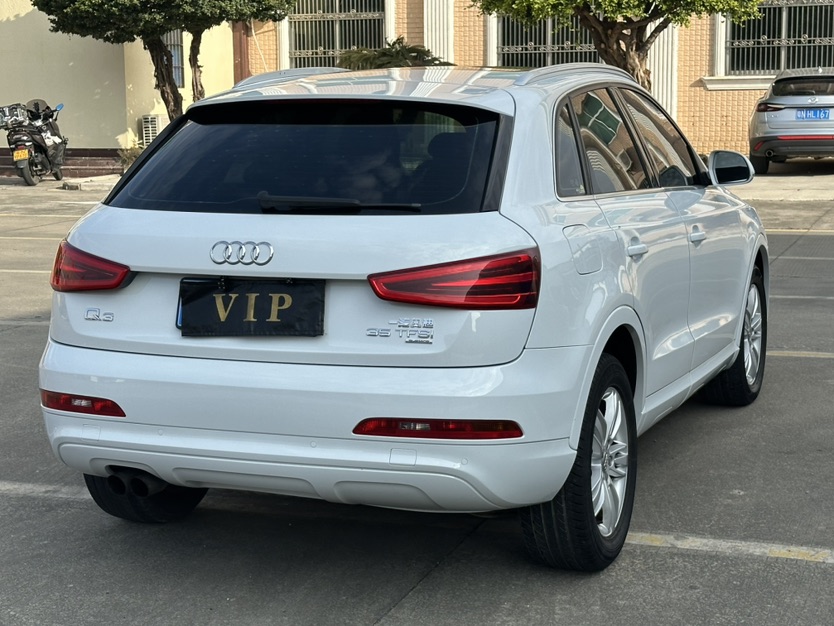



Basic Information

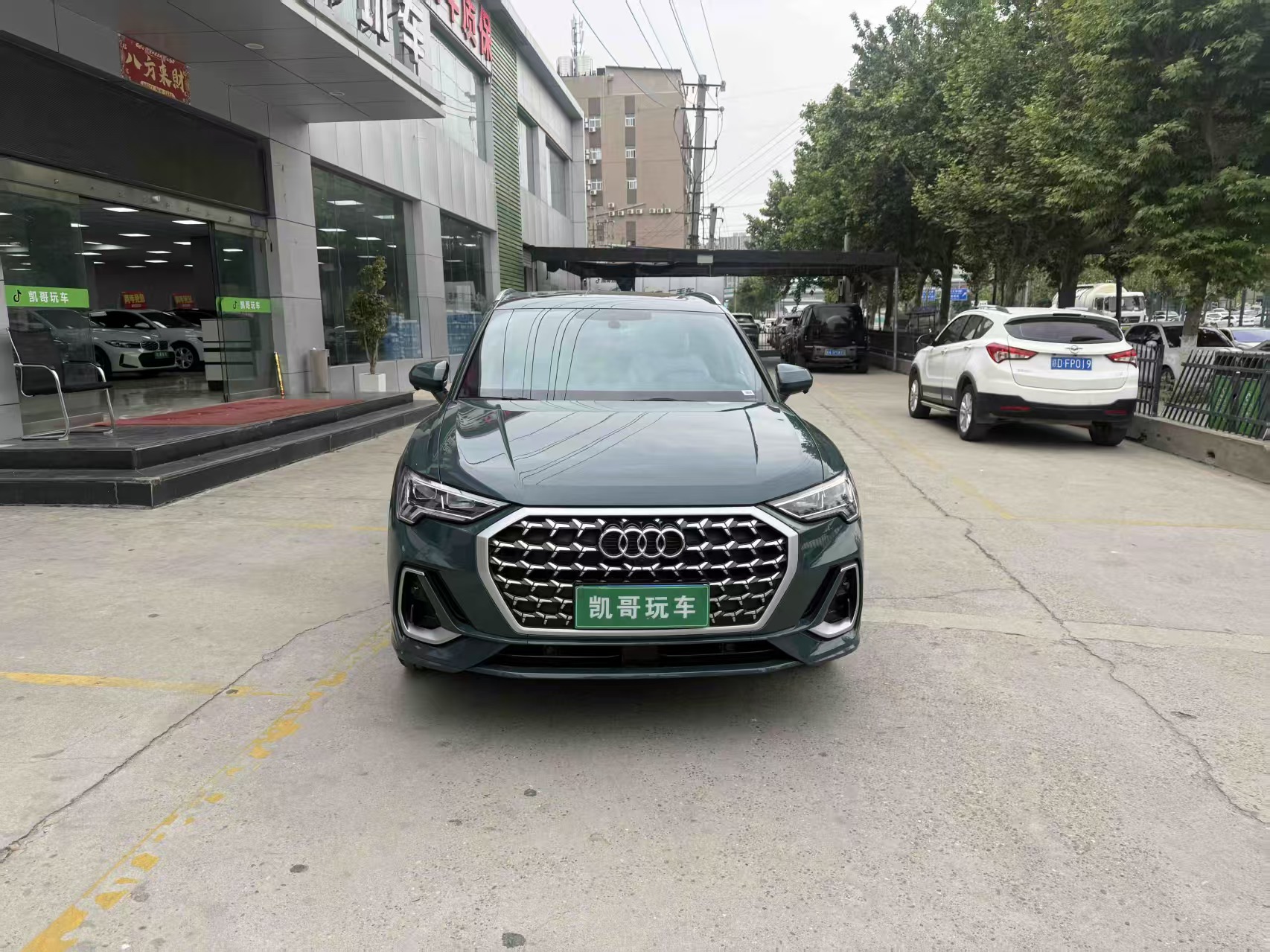
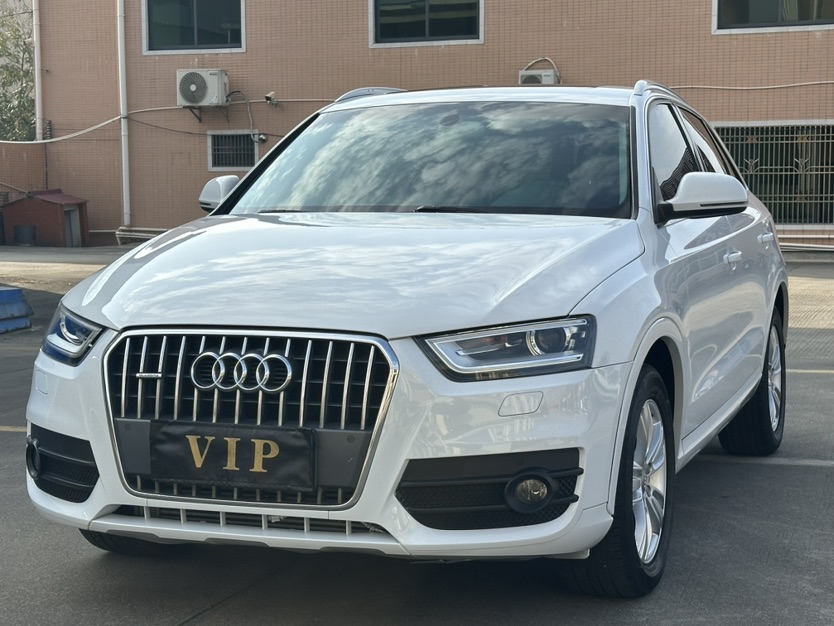
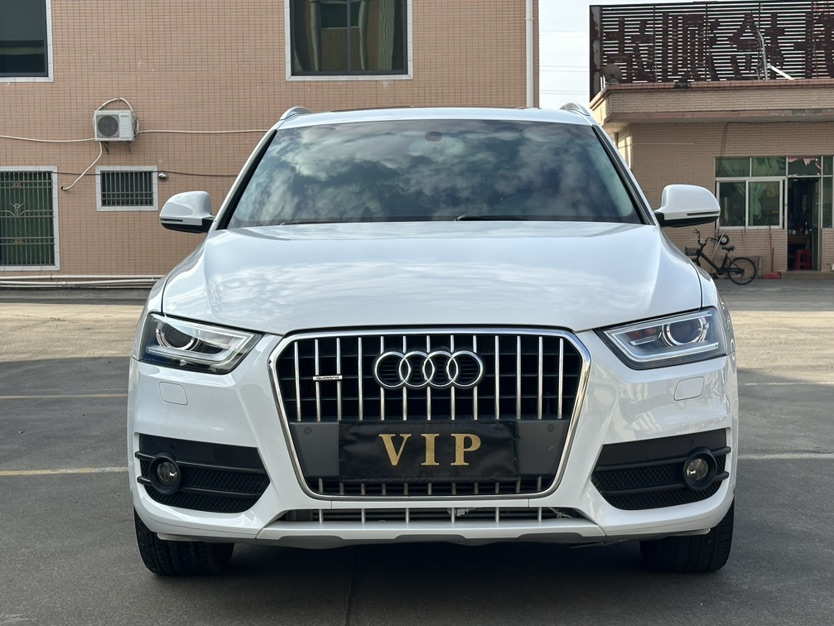
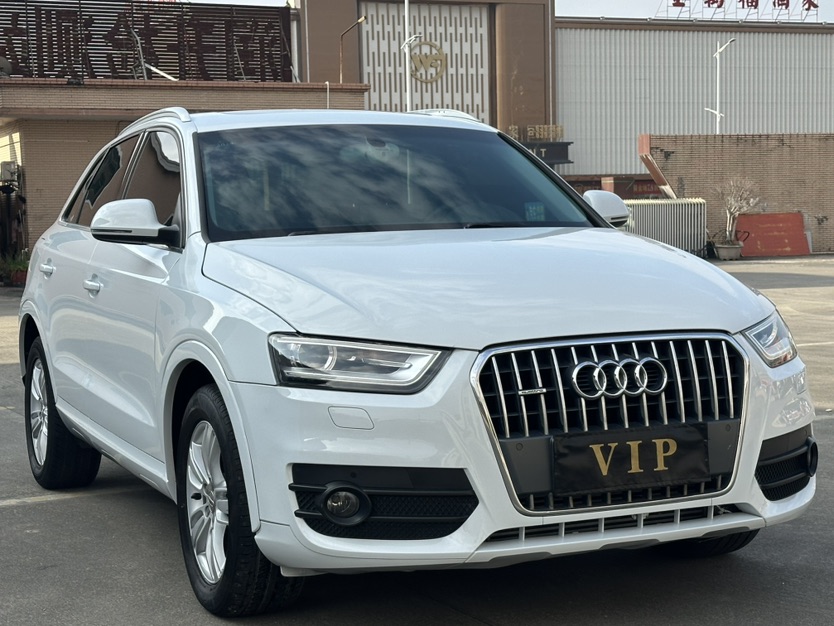
BrandAudi
SeriesQ3
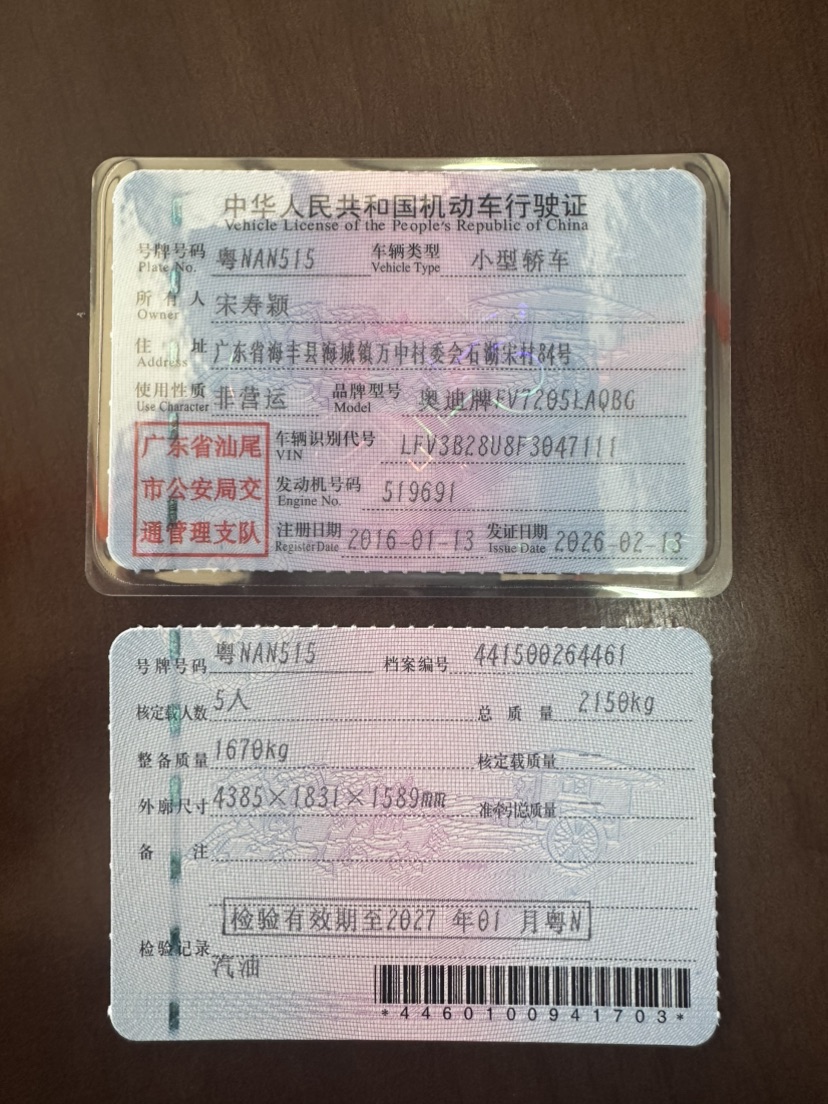
Year2016
First Registration2016/01
Mileage110,000km
Transfer Count1times
FuelGasoline
TransmissionDCT
Engine2.0T 170 L4
ColorWhite
Seats-

Condition Description

Right front fender replaced.

燃油车
SUV
自动
维保开放
事故开放
查验开放

Configuration Highlights

✓品牌: 奥迪
✓车系: 奥迪Q3
✓车型: 2015款 35 TFSI quattro 技术型
✓车身类型: SUV
✓座位数: 5
✓排量: 2.0T
✓变速箱: 自动
✓能源类型: 燃油车
✓VIN: LFV3B28U8F3047111
✓搜索关键词: 奥迪奥迪Q3 2015款奥迪Q335TFSIquattro技术型

Document Information

Inspection Expiry Date2027/01
Warranty Expiry Date-
Insurance Expiry Date2027/01

Q&A

More

Does the vehicle's smart car system (central control screen) have an English version? Can Google Maps or YouTube be installed?

It depends on the specific brand and model. Some brands (like BYD and MG) have native multilingual systems that can switch to English directly; however, some models designed for the Chinese domestic market only have a Chinese interface. For systems that only have Chinese, we can assist with compliant system flashing (installing international firmware) or adding modules that support Apple CarPlay/Android Auto, so you can use Google Maps. The details page will clearly indicate the language status of each vehicle's system.


If the destination country requires a "Certificate of Conformity (COC)" for the vehicle, can used cars from China provide the original factory COC?

Vehicles sold domestically in China only have the "Environmental Information List" and the "Vehicle Qualification Certificate," which are not the COC of the European system. We will provide a notarized English translation of the Chinese qualification certificate. If local customs strictly require the original European COC, the vehicle will not be able to clear customs.

If a car frequently transfers between extremely cold areas (like Northeast China) and extremely hot areas (like Hainan), would you provide special risk warnings?

Absolutely. The extreme temperature fluctuations will significantly accelerate the aging of chassis rubber parts, oil seals, and interior plastics. For vehicles frequently dispatched across such latitudes, we will conduct fatigue resistance checks on chassis rubber parts that are twice as stringent as those for vehicles in temperate regions.