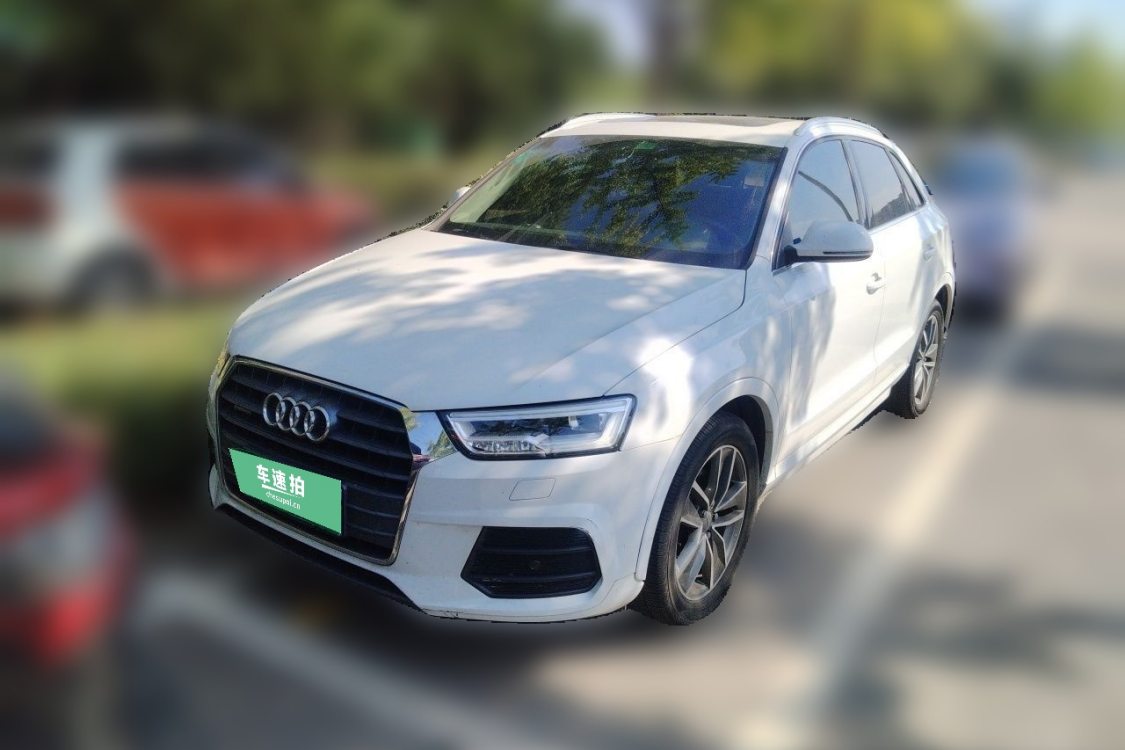
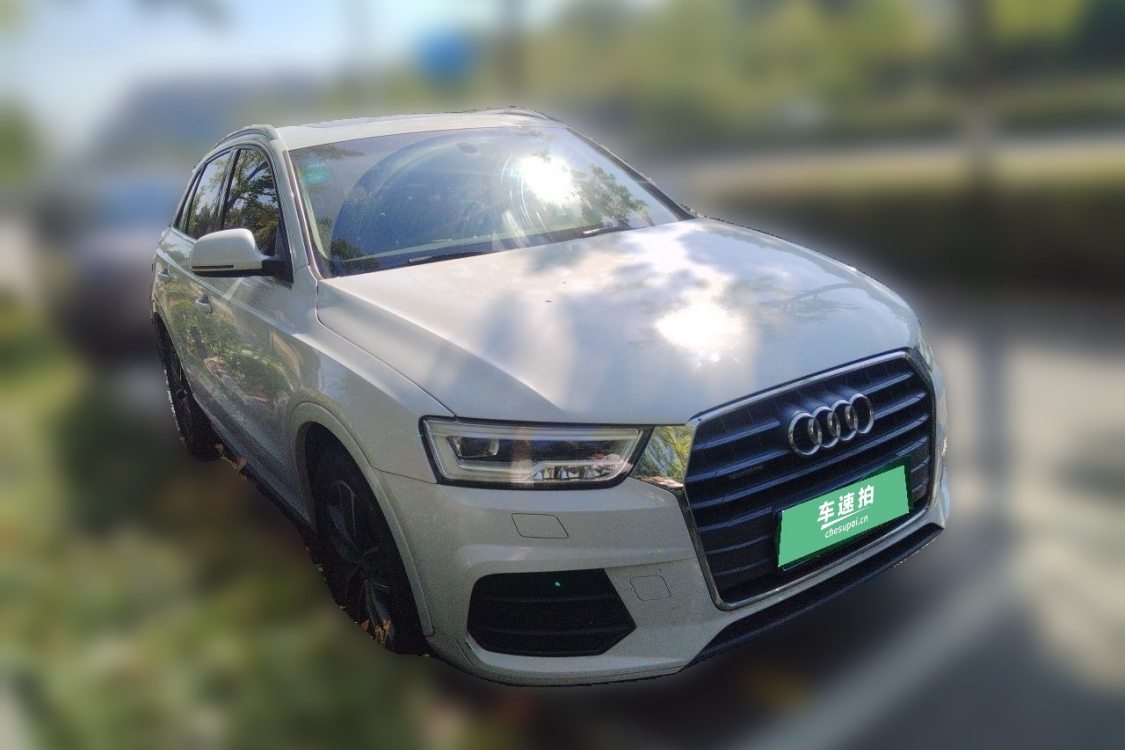
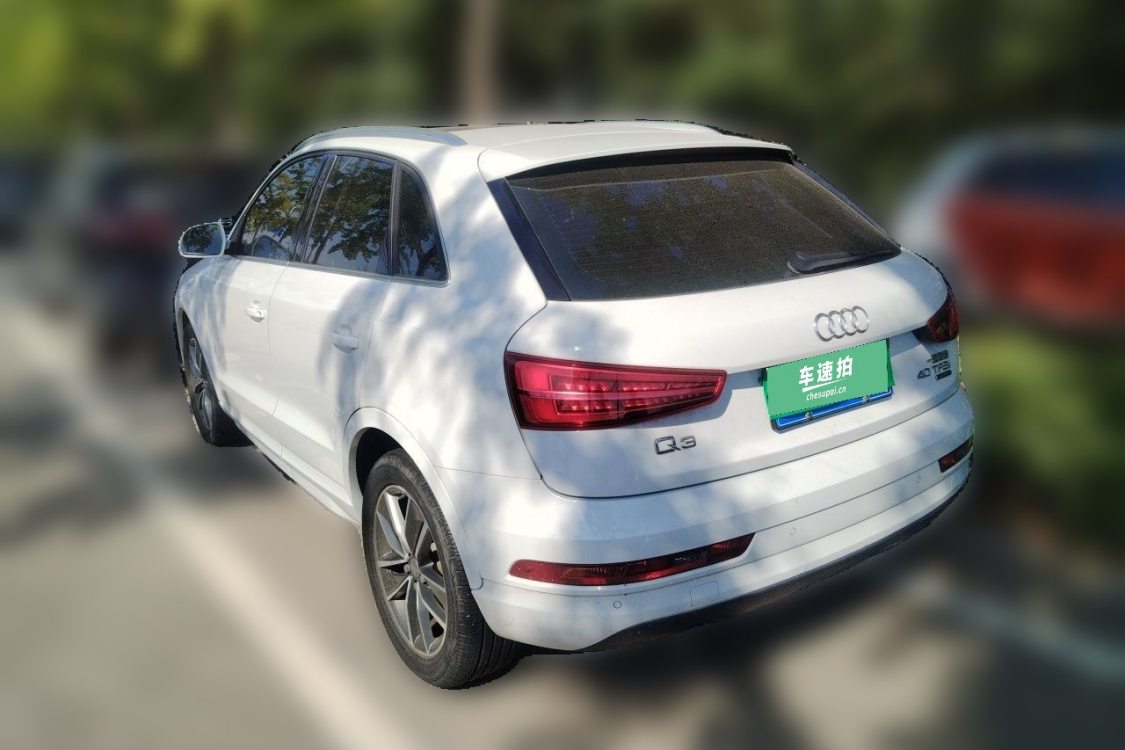
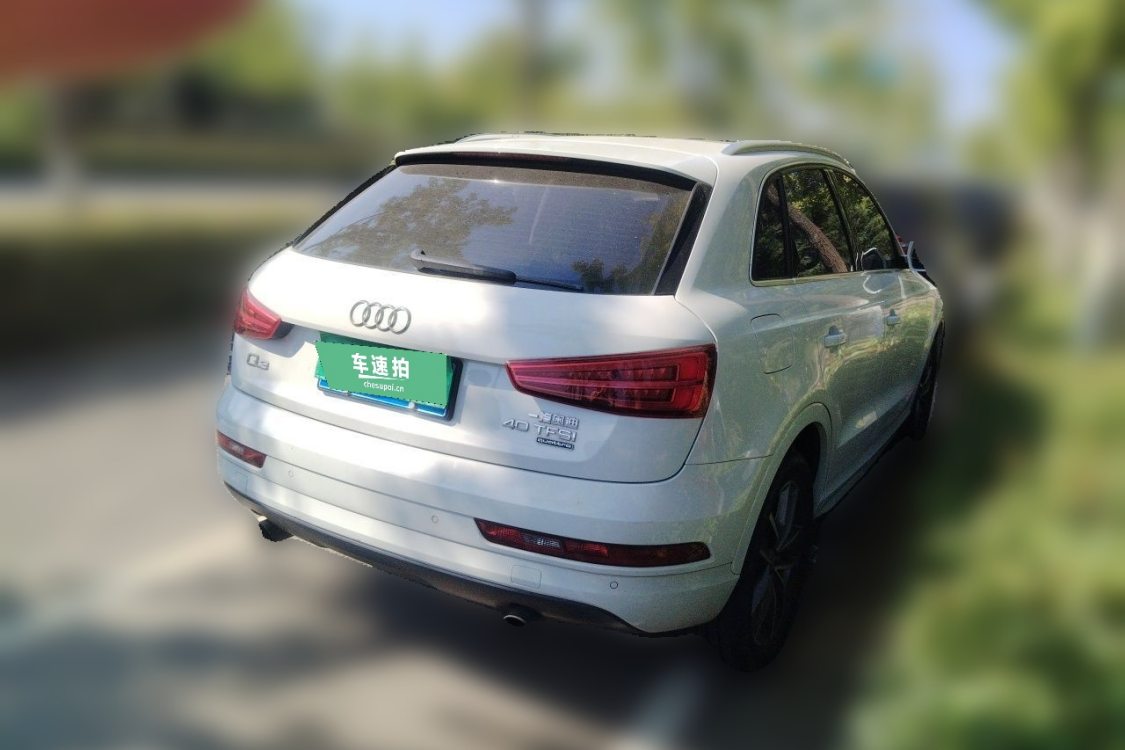
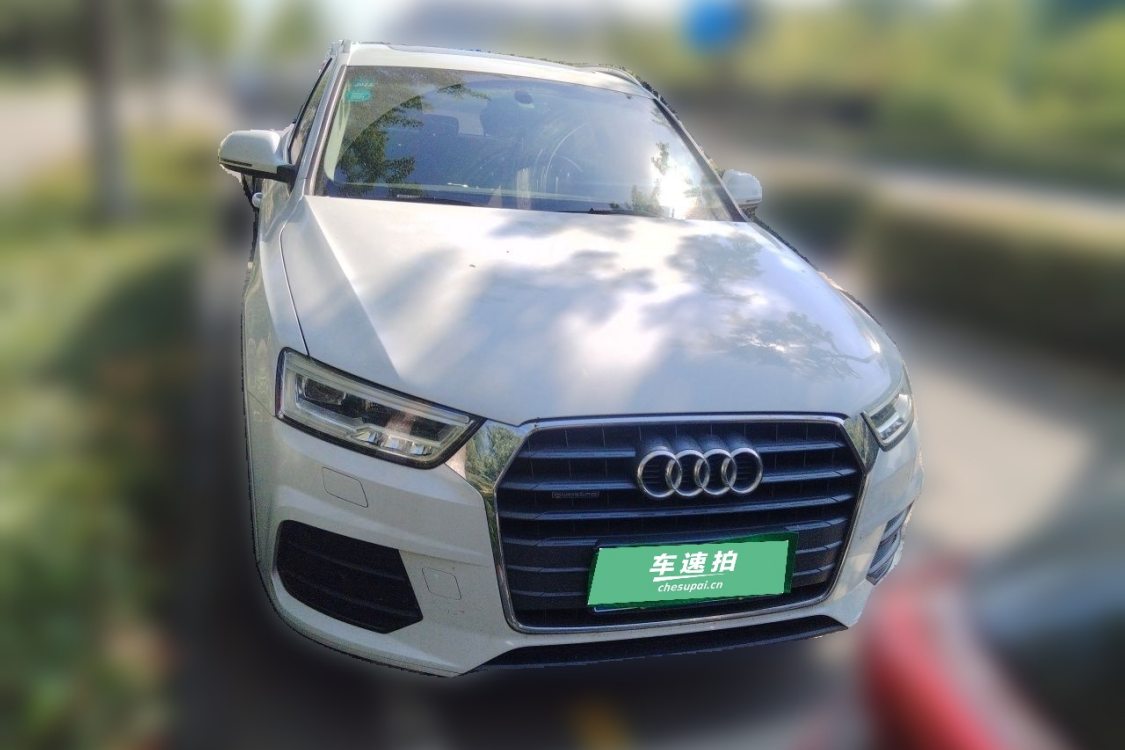
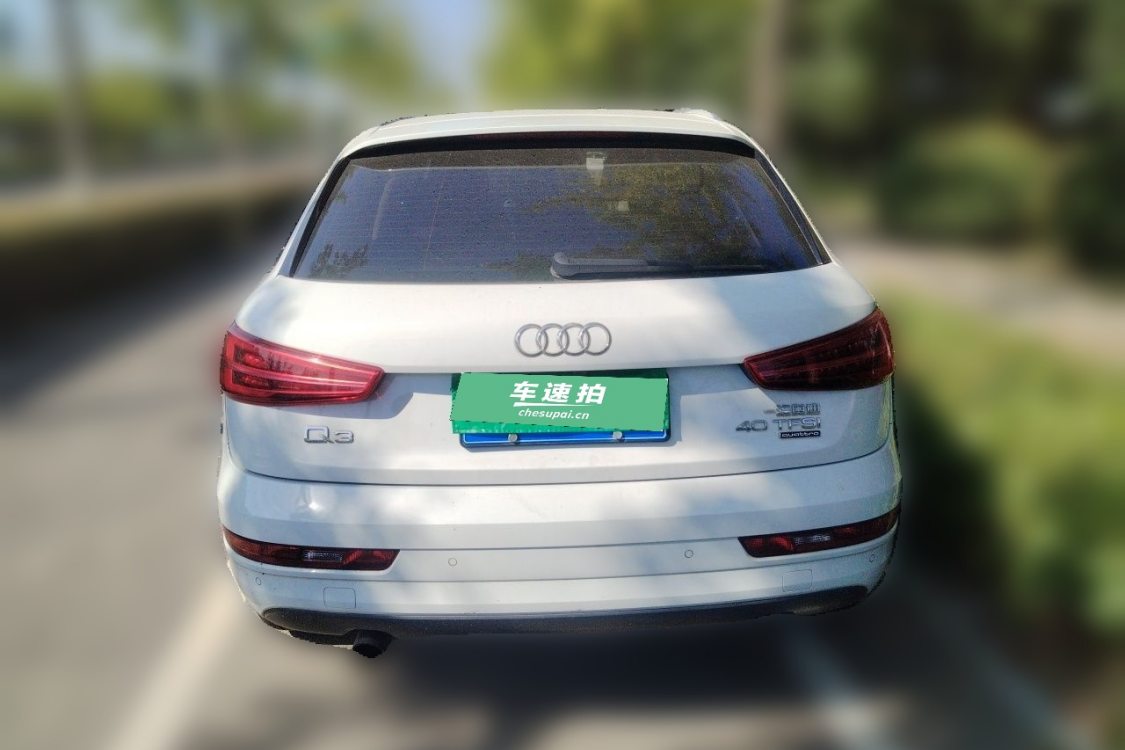
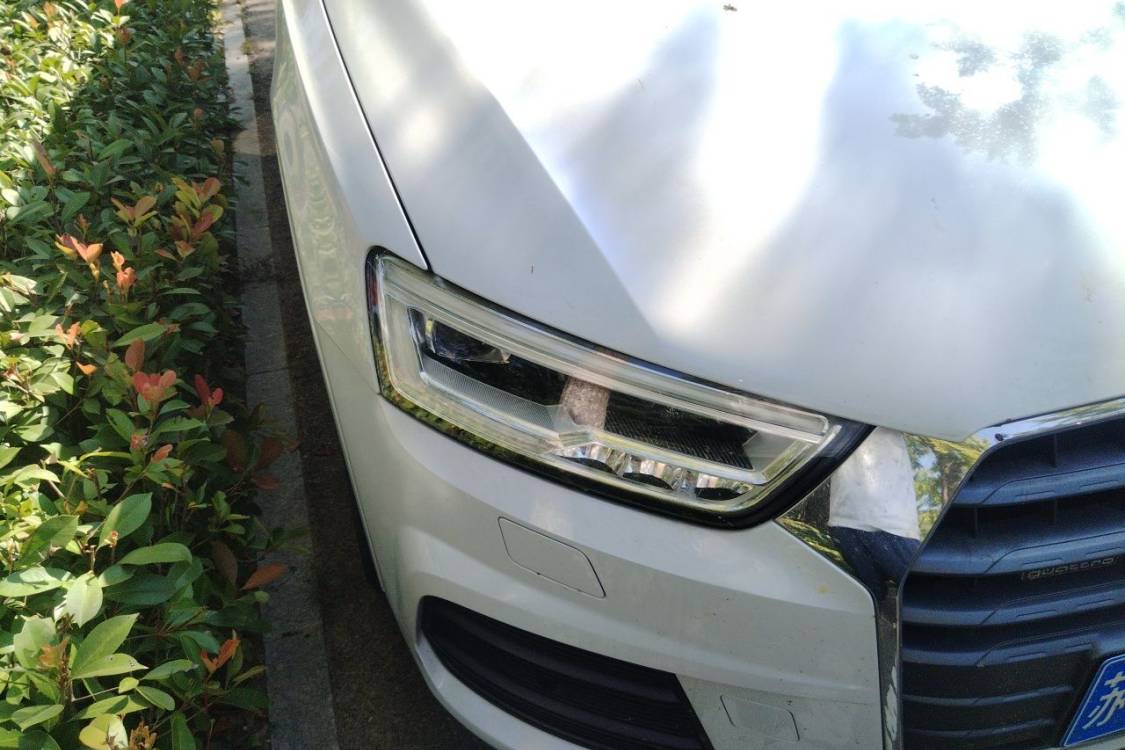
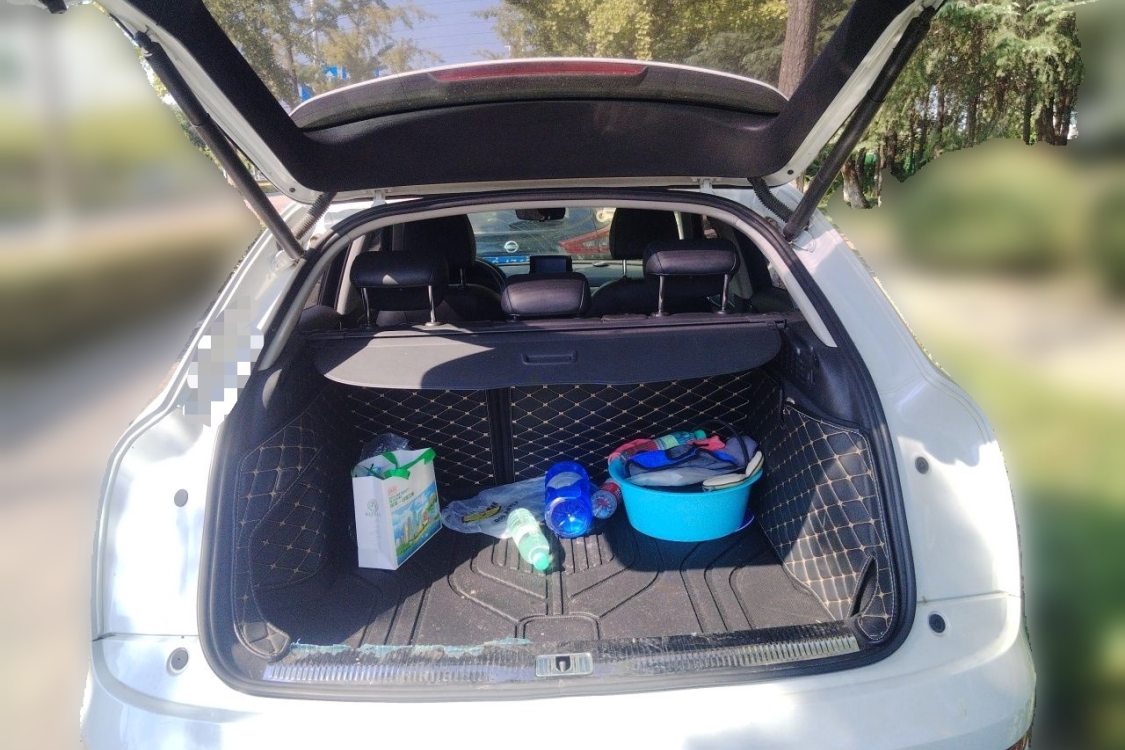
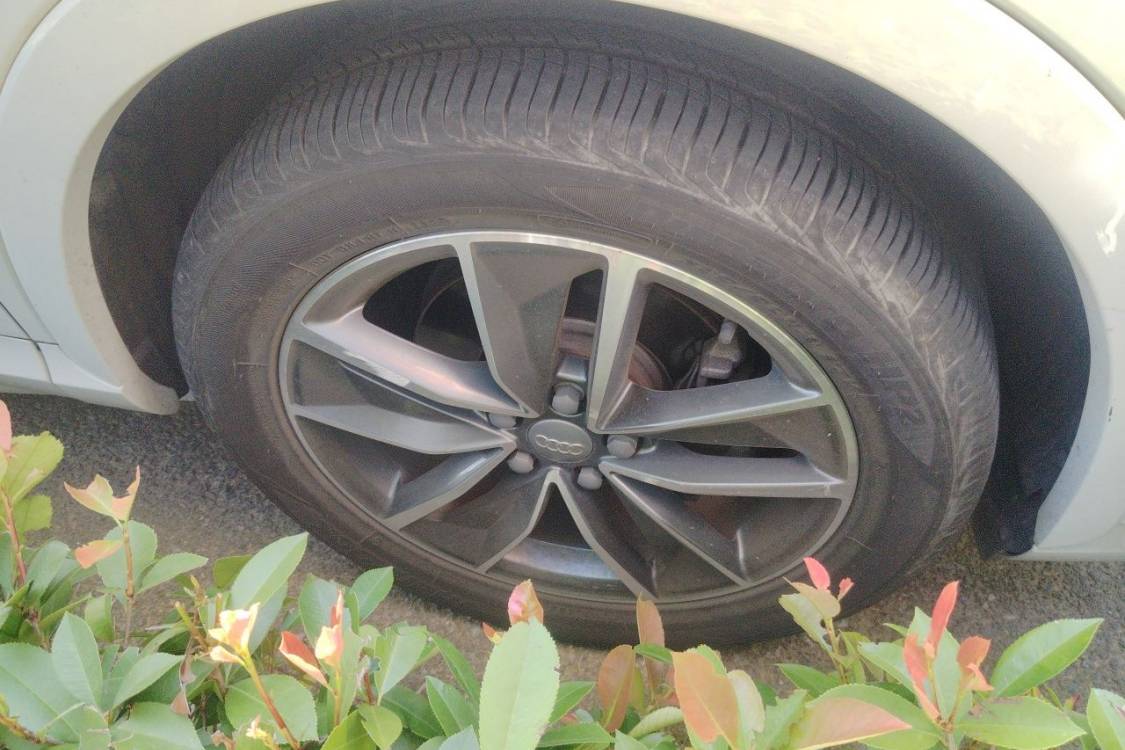
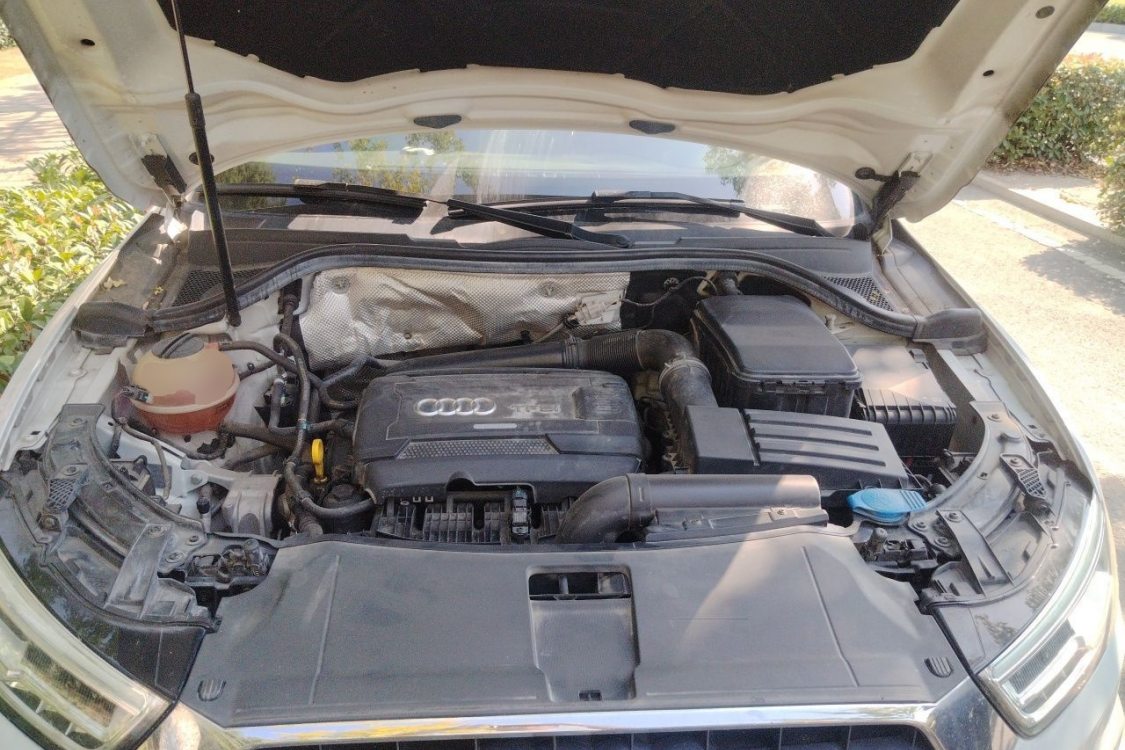
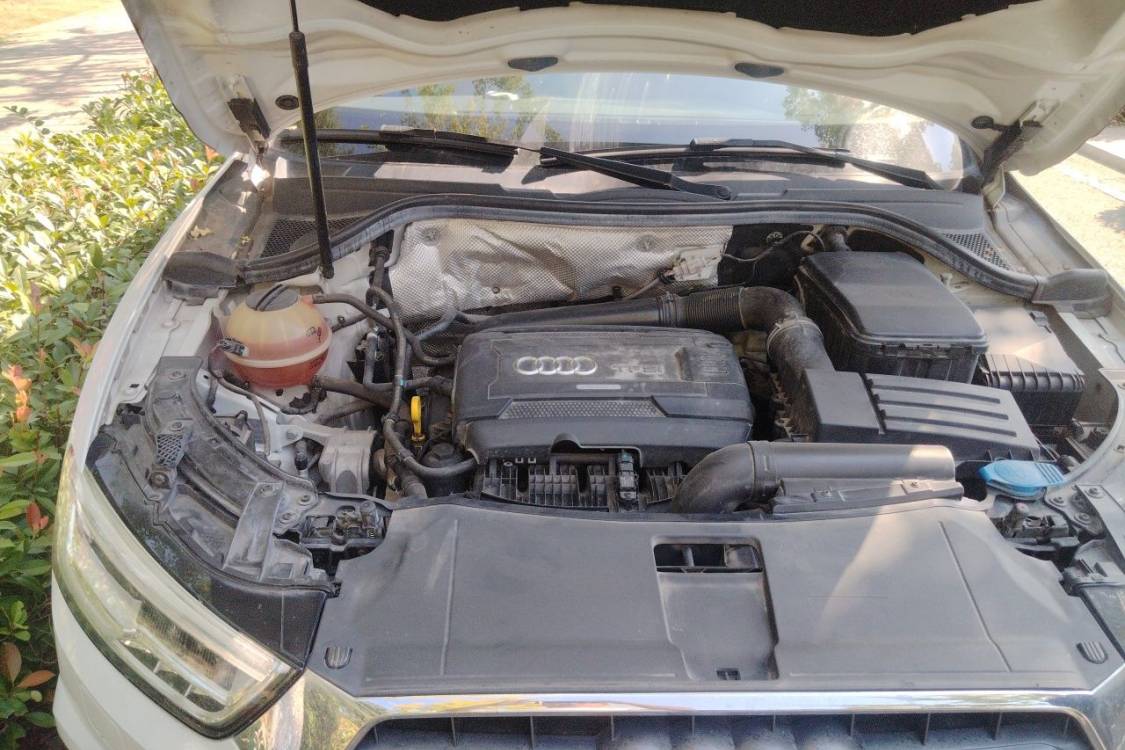
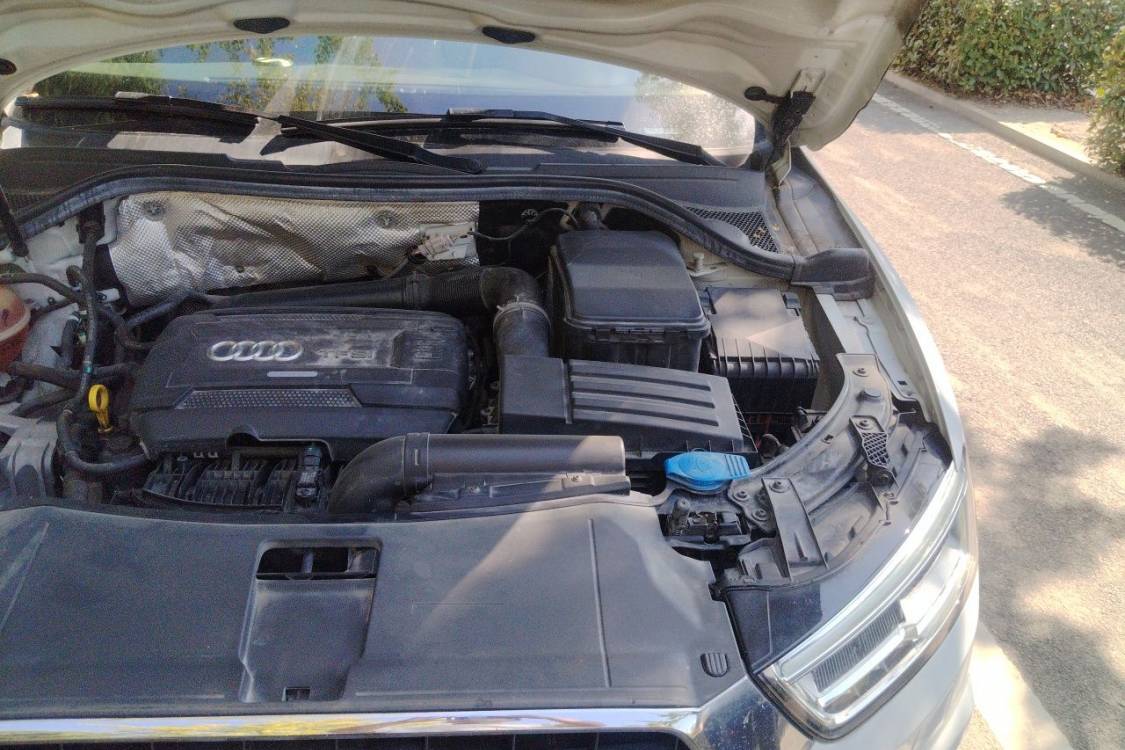
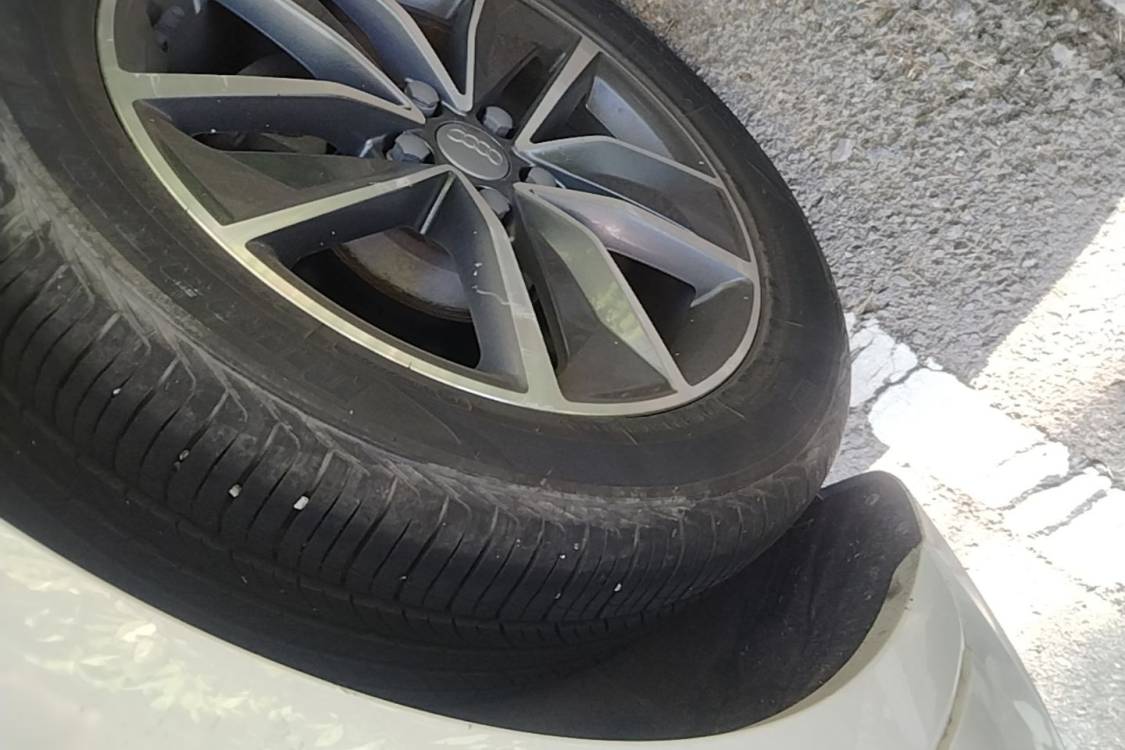
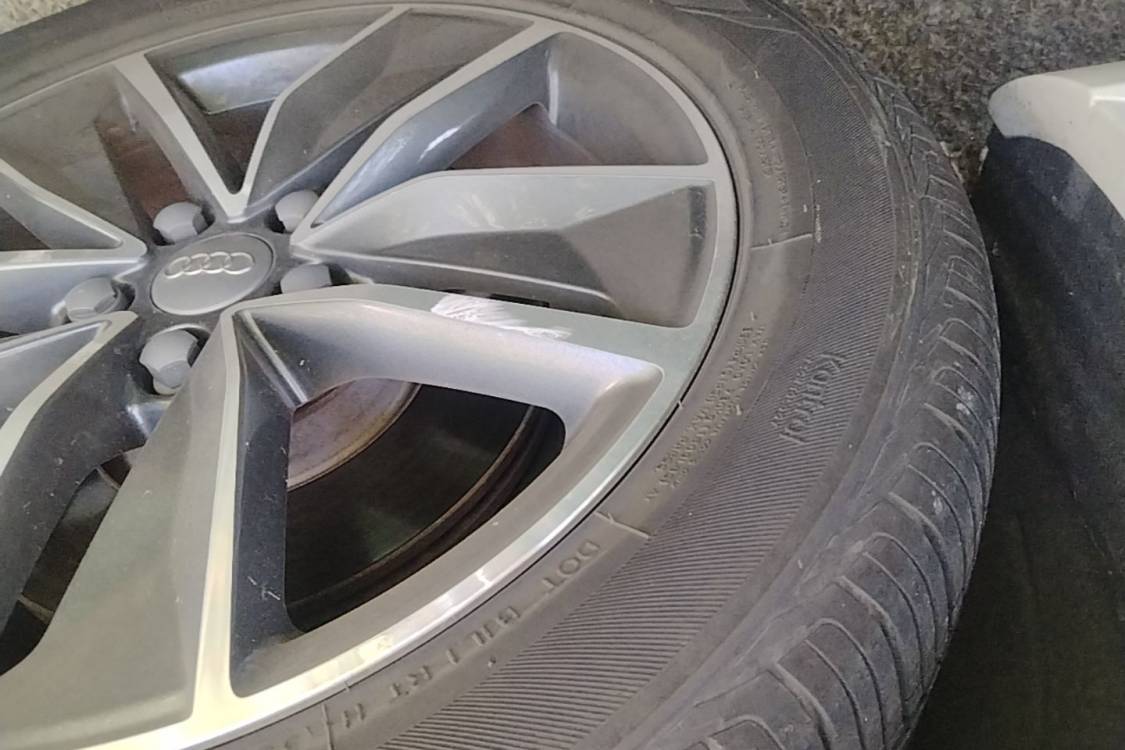



Basic Information

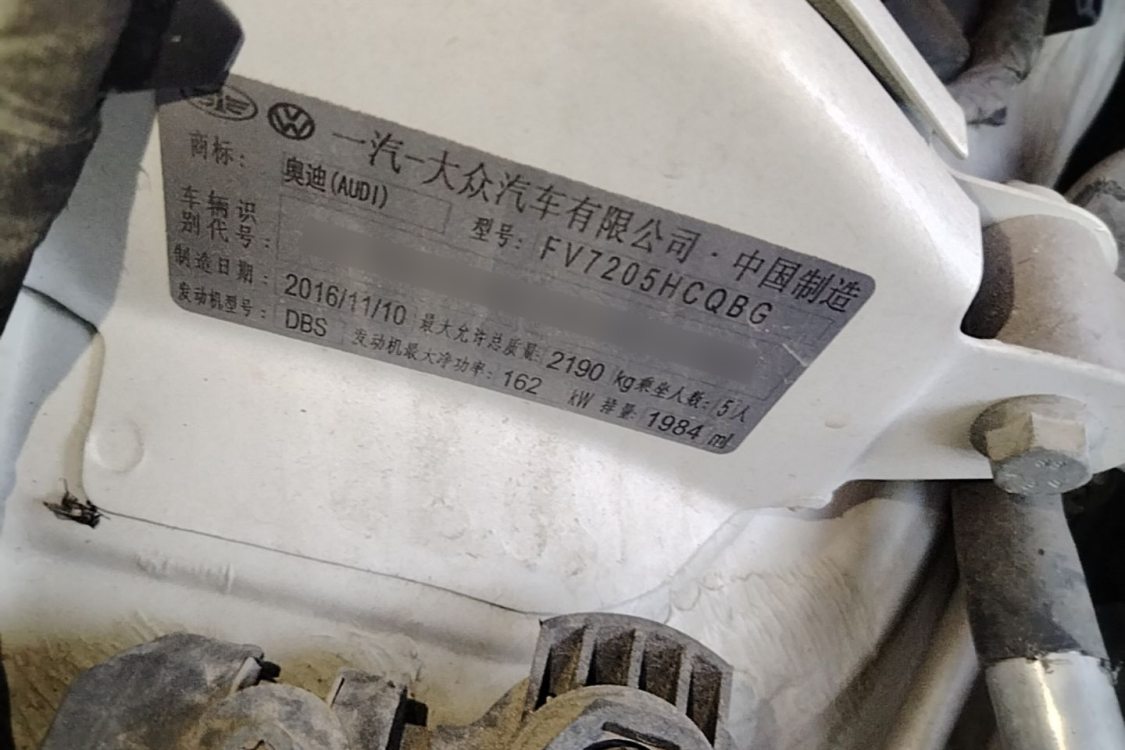
BrandAudi
SeriesQ3
Year2016
First Registration2016/12
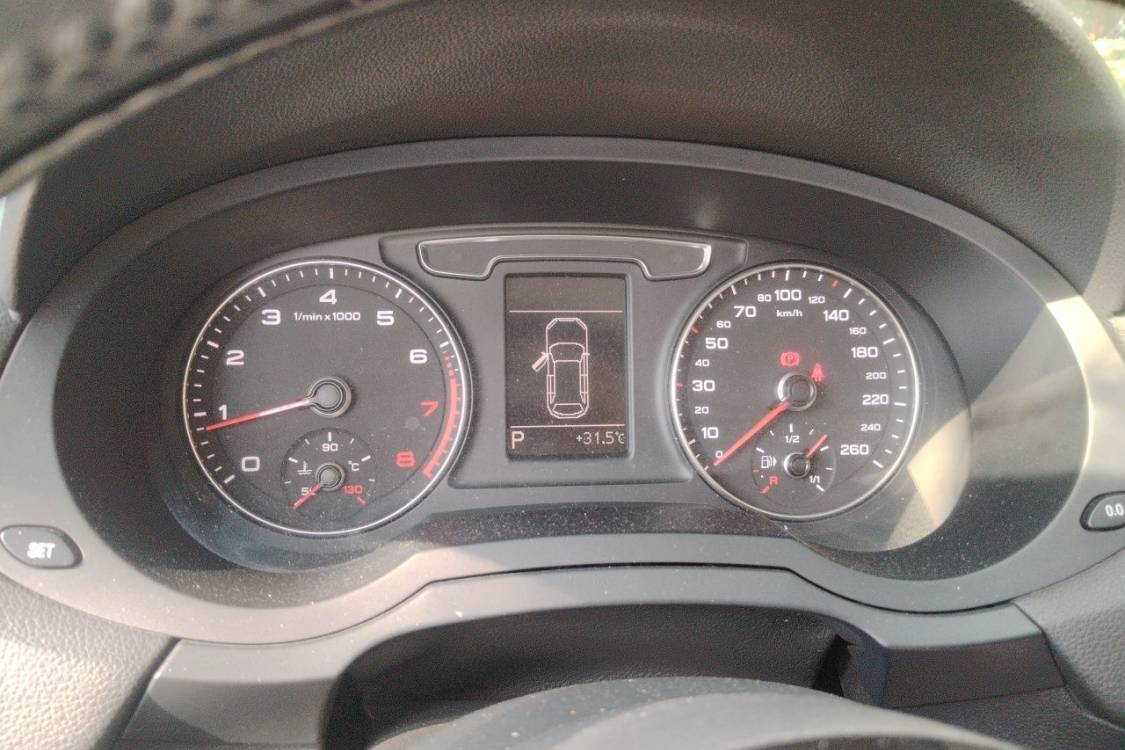
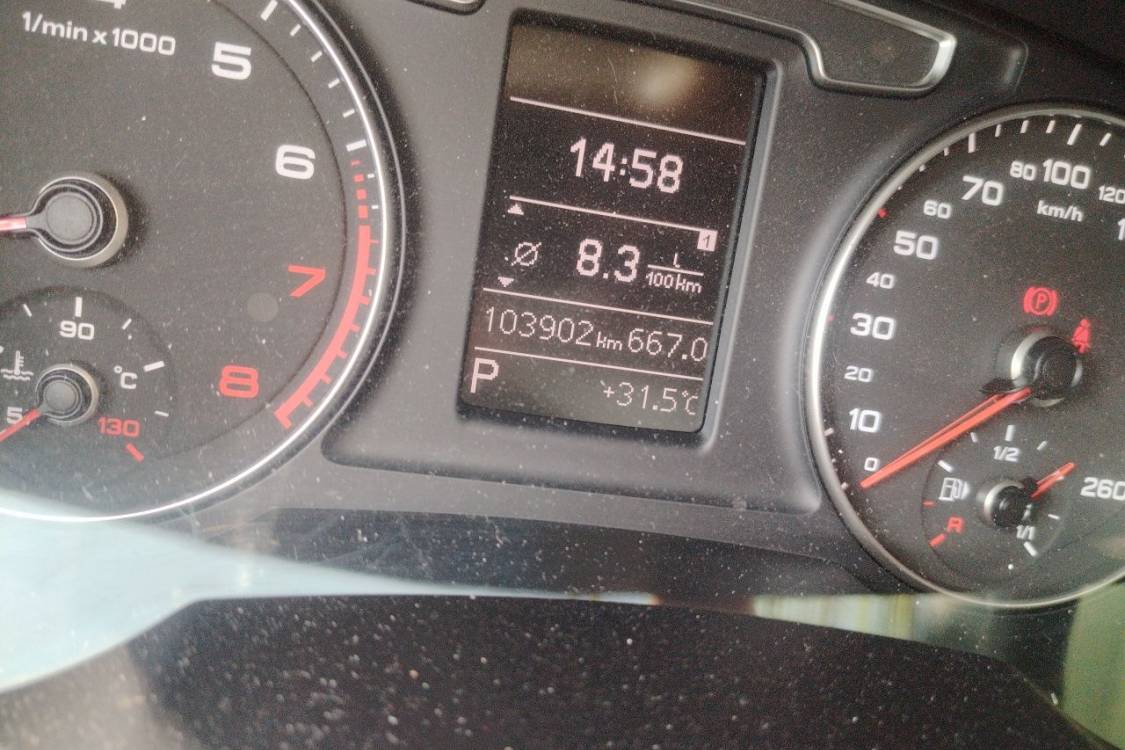
Mileage103,900km
Transfer Count1times
FuelGasoline
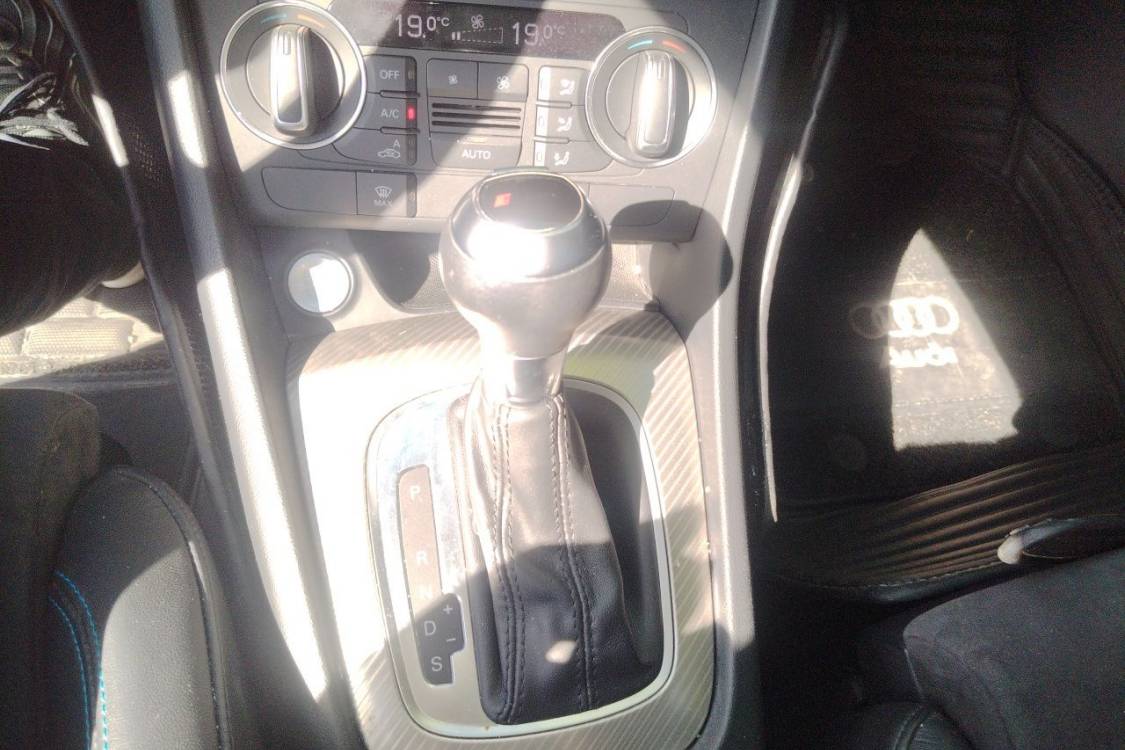
TransmissionDCT
Engine2.0T 220 L4
ColorWhite
Seats-

Condition Description

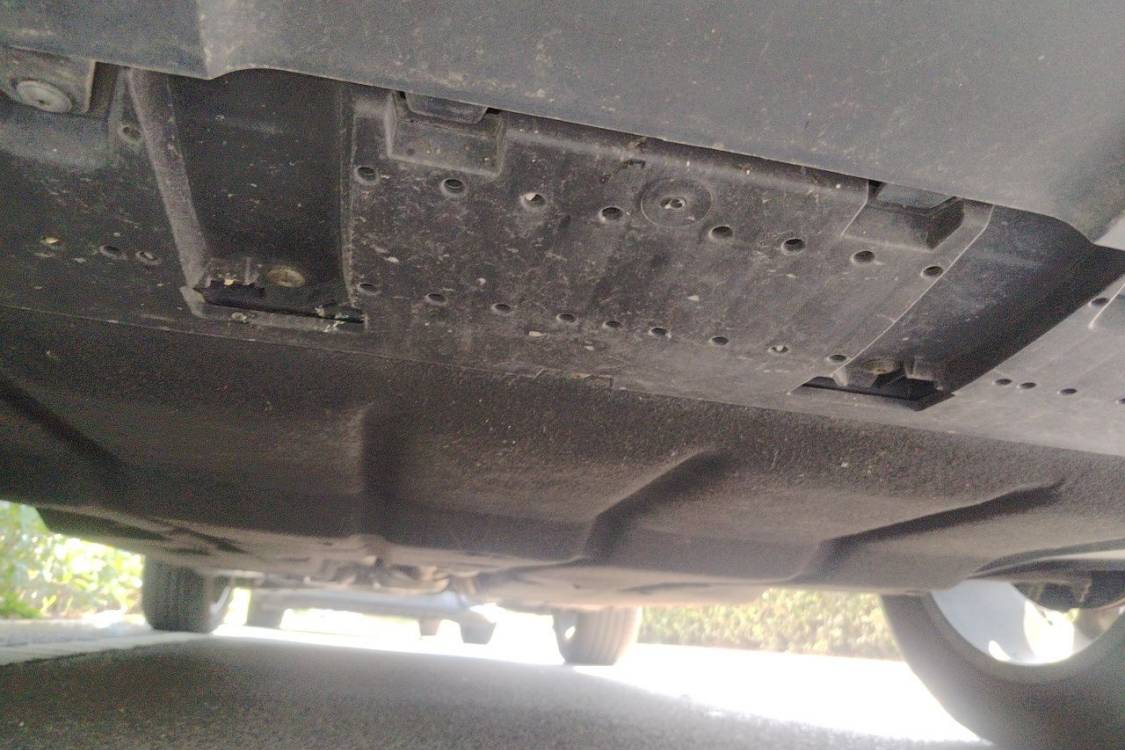
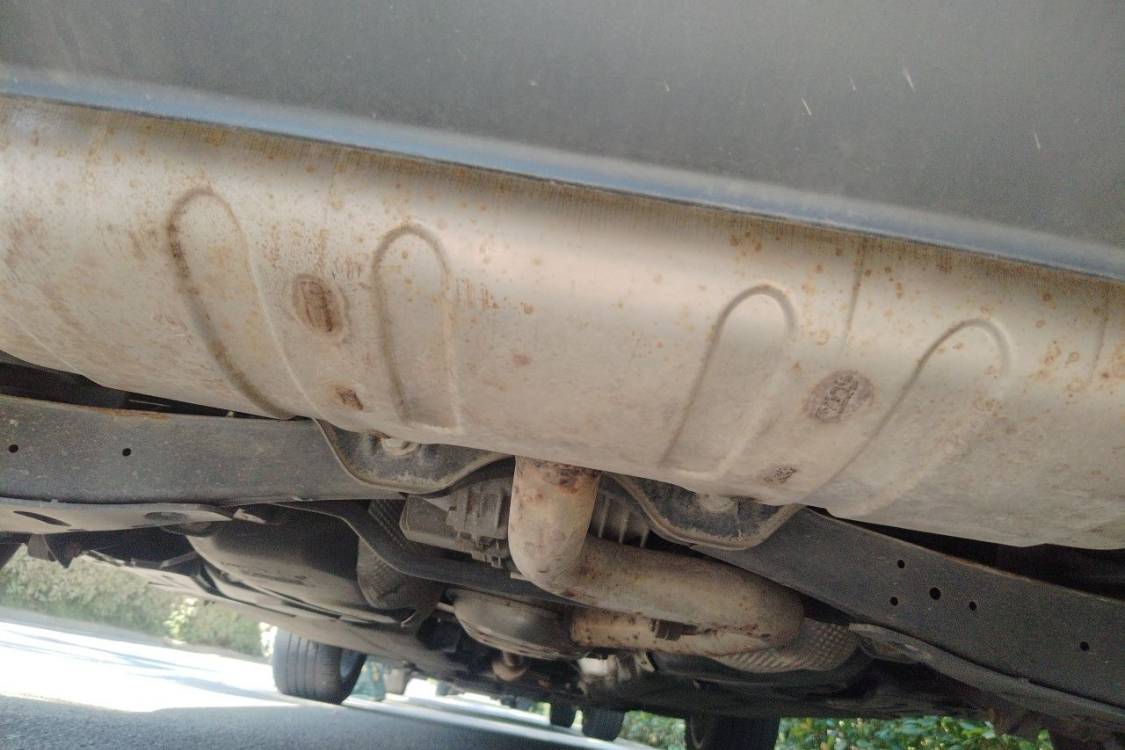
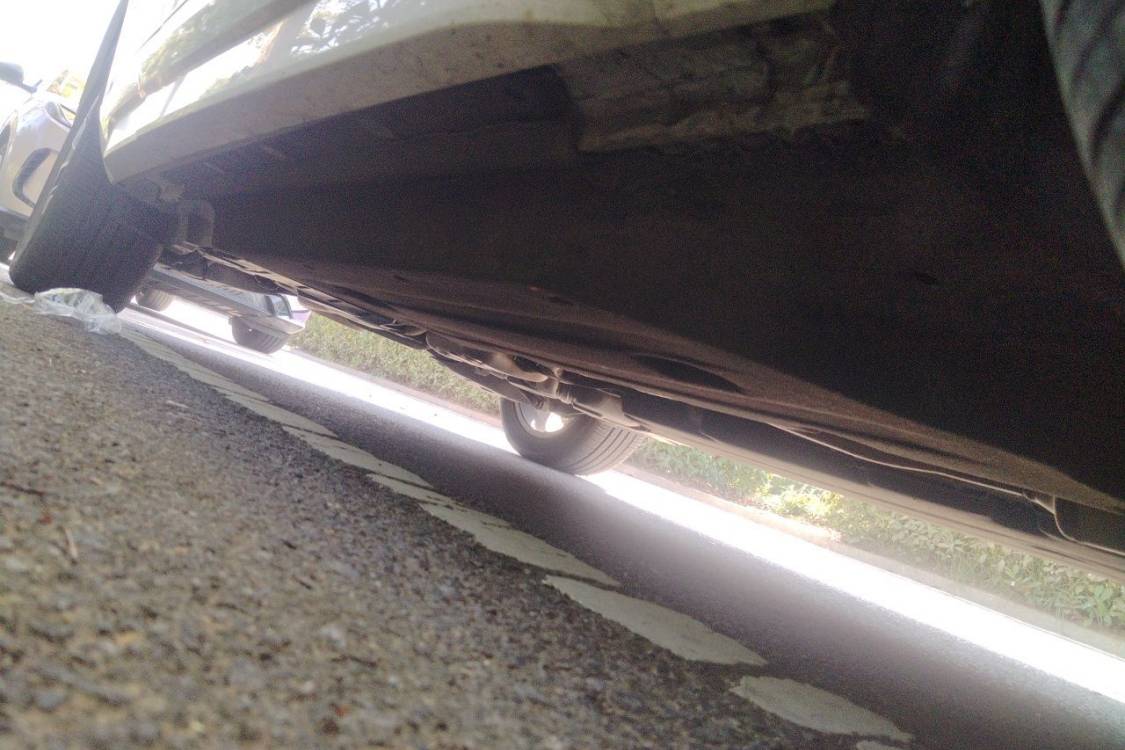
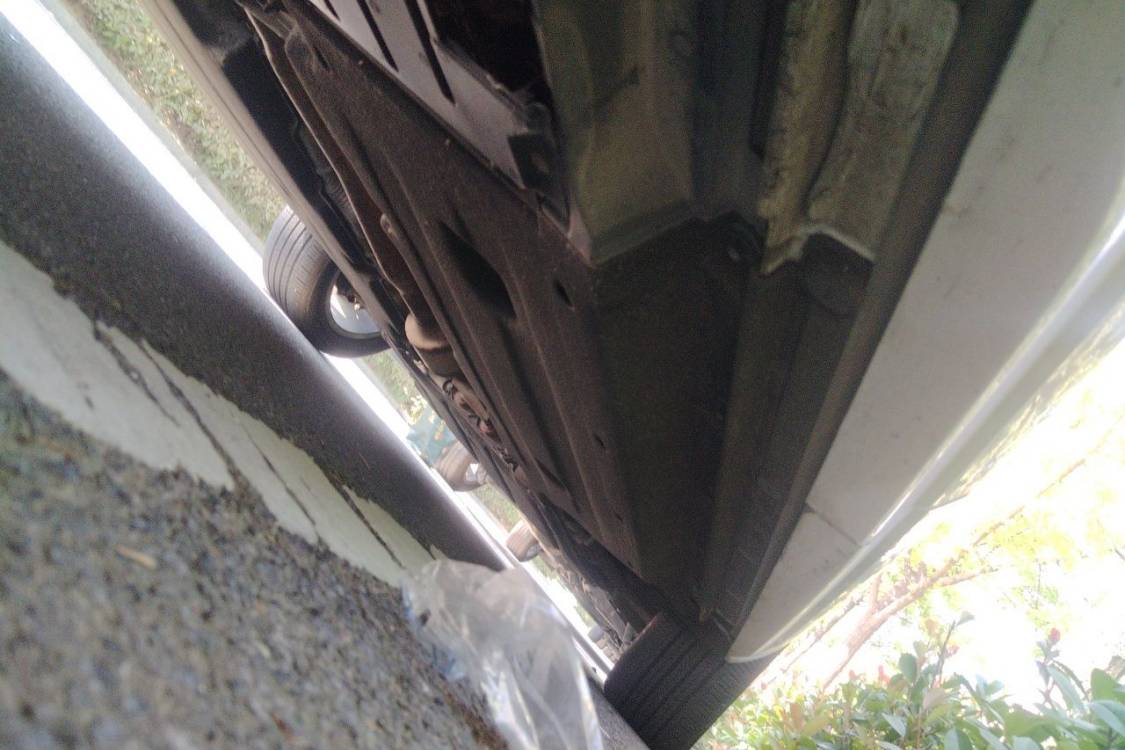
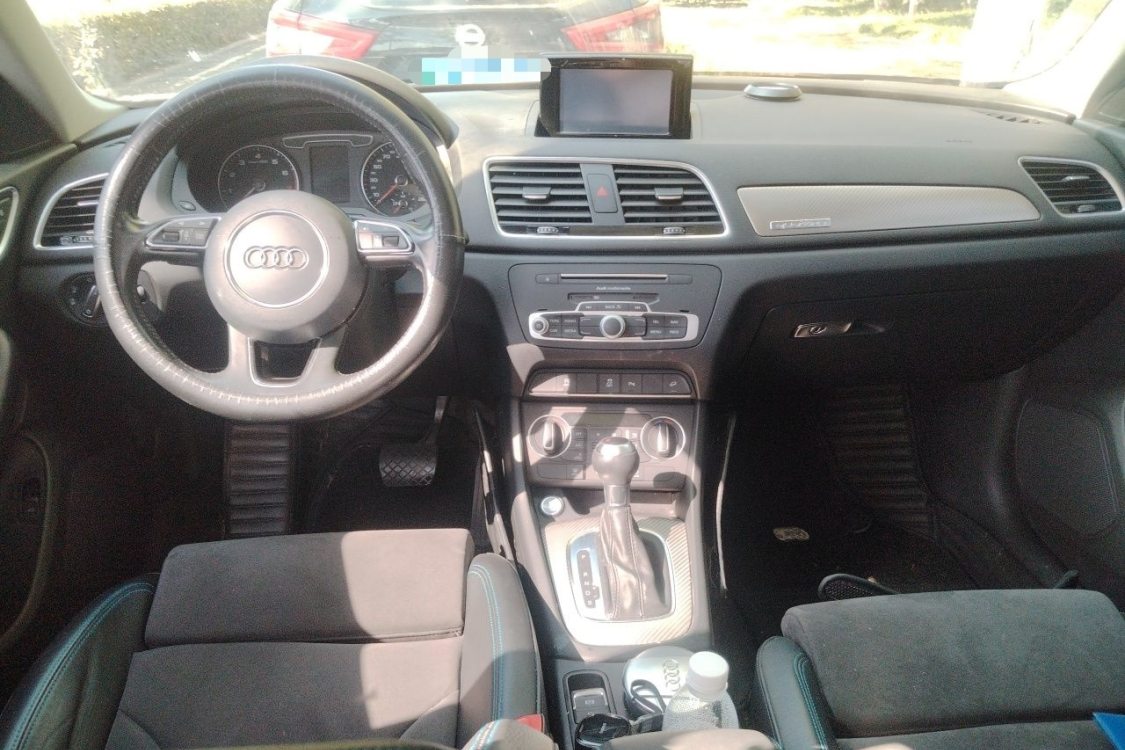
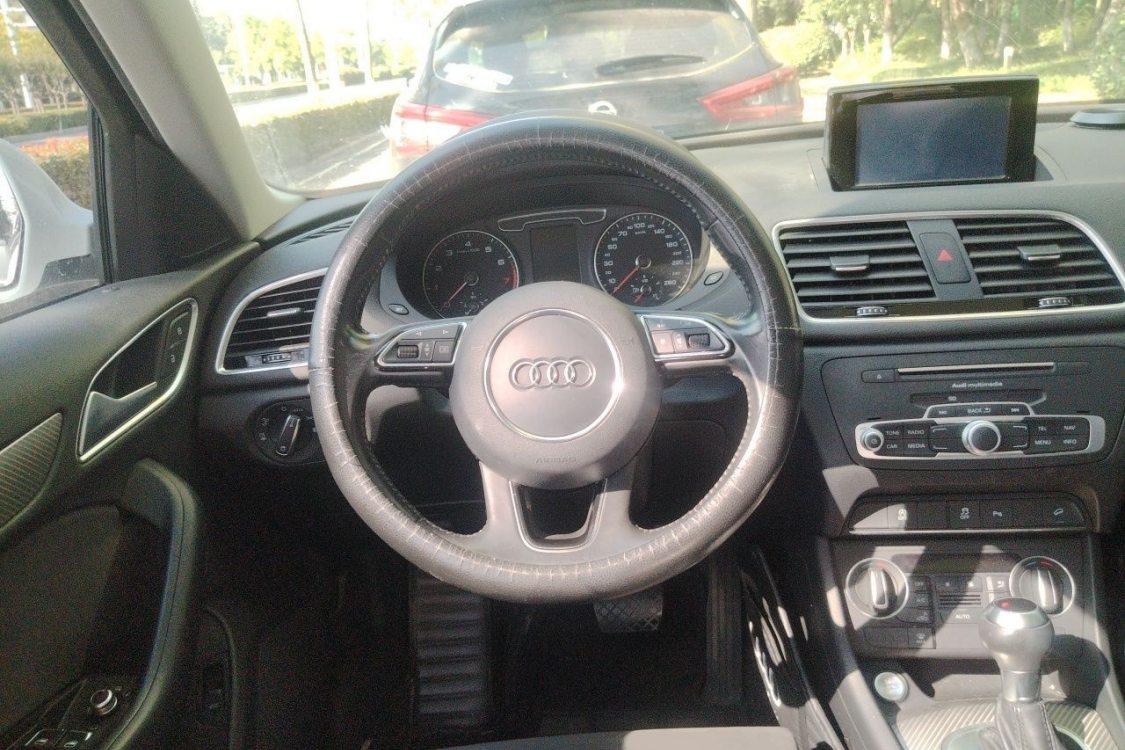
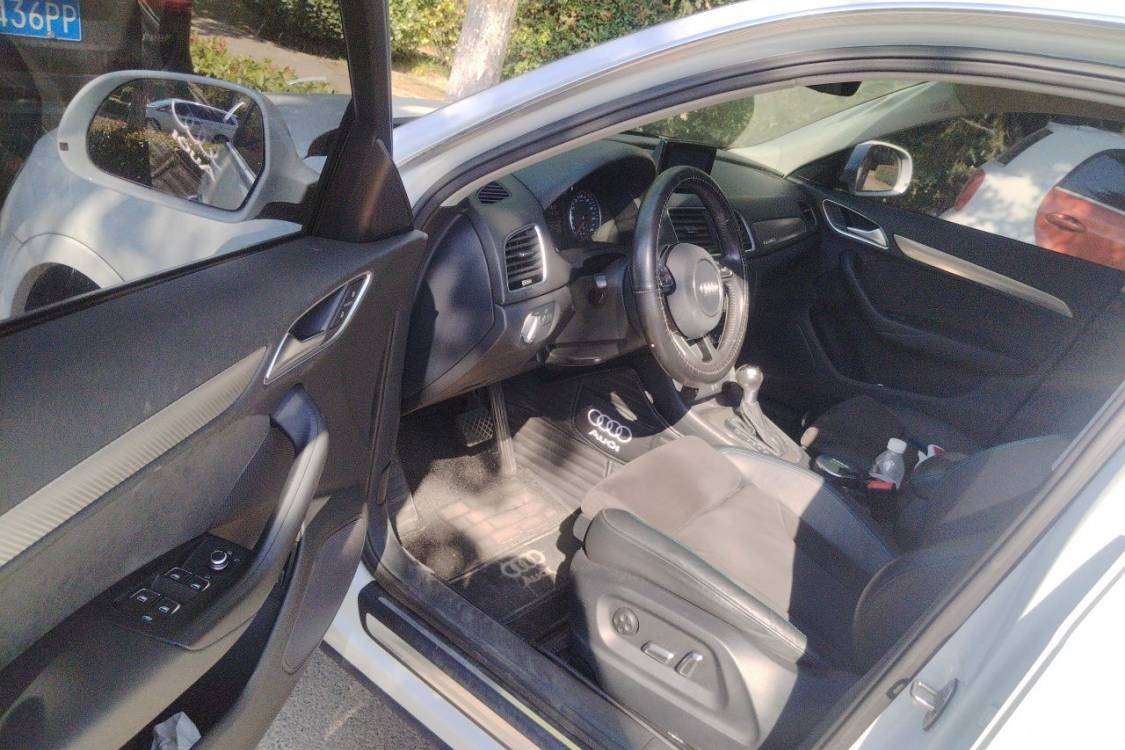
Vehicle performance is good. No accident-related damage or repairs to structural, reinforcing, or covering components. No damage to the three-electric system (battery, motor, electronic control).

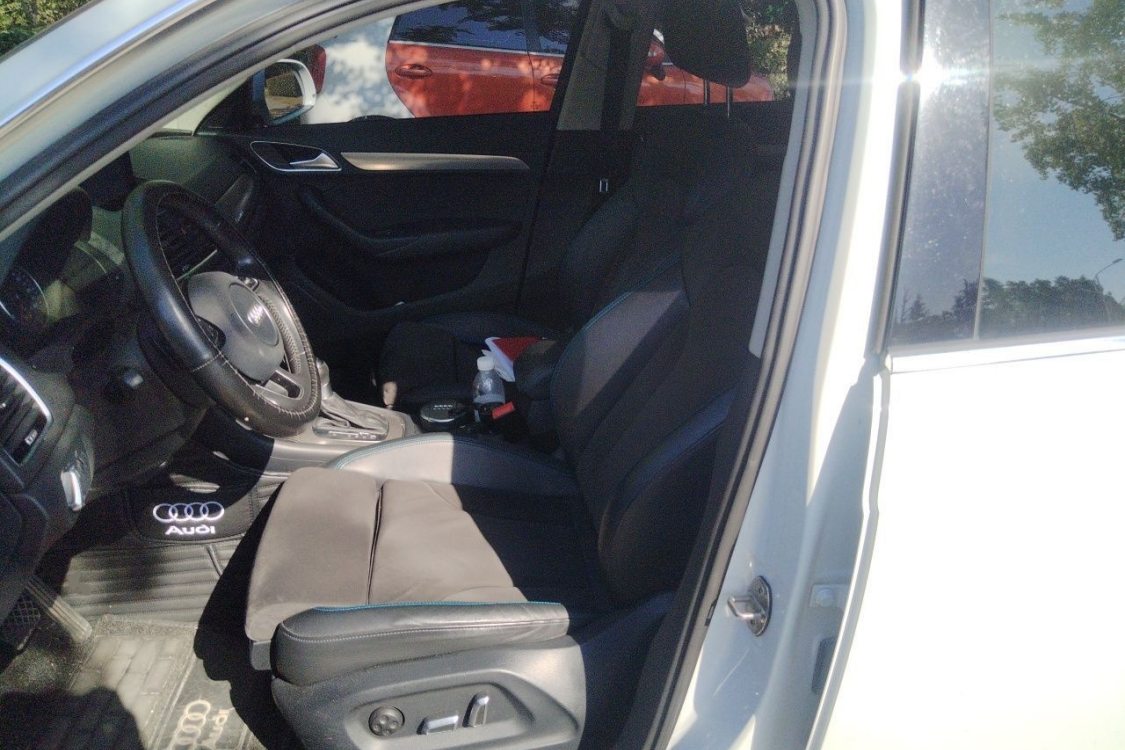
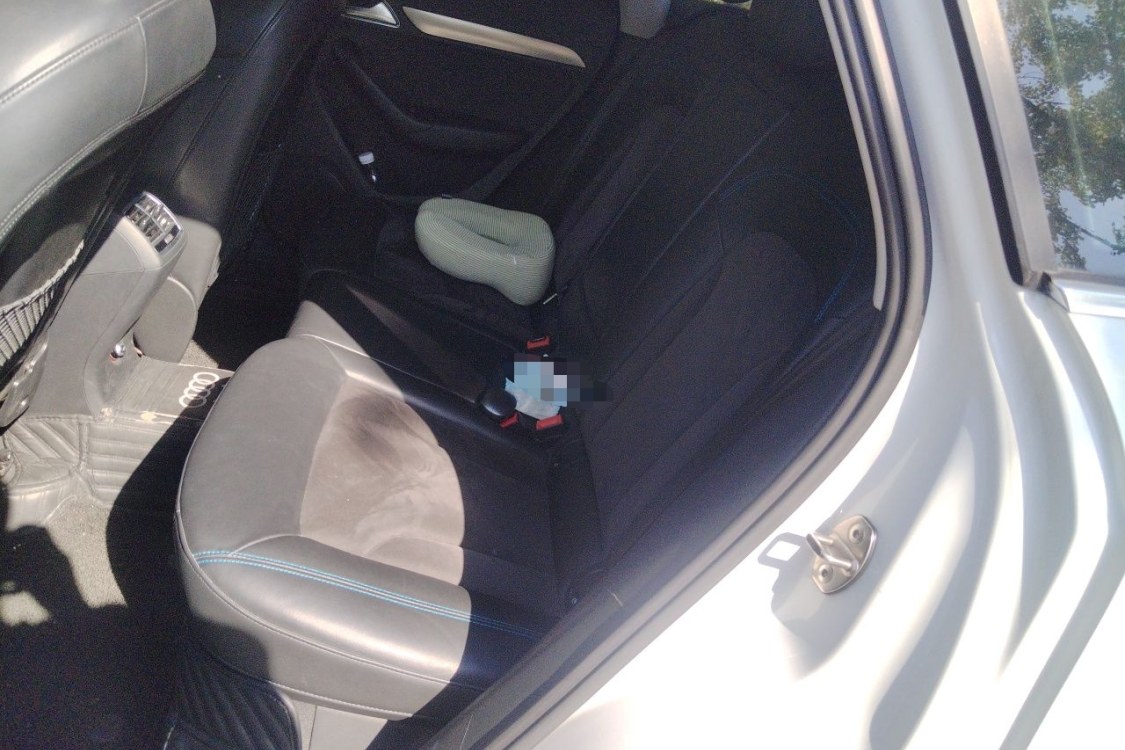
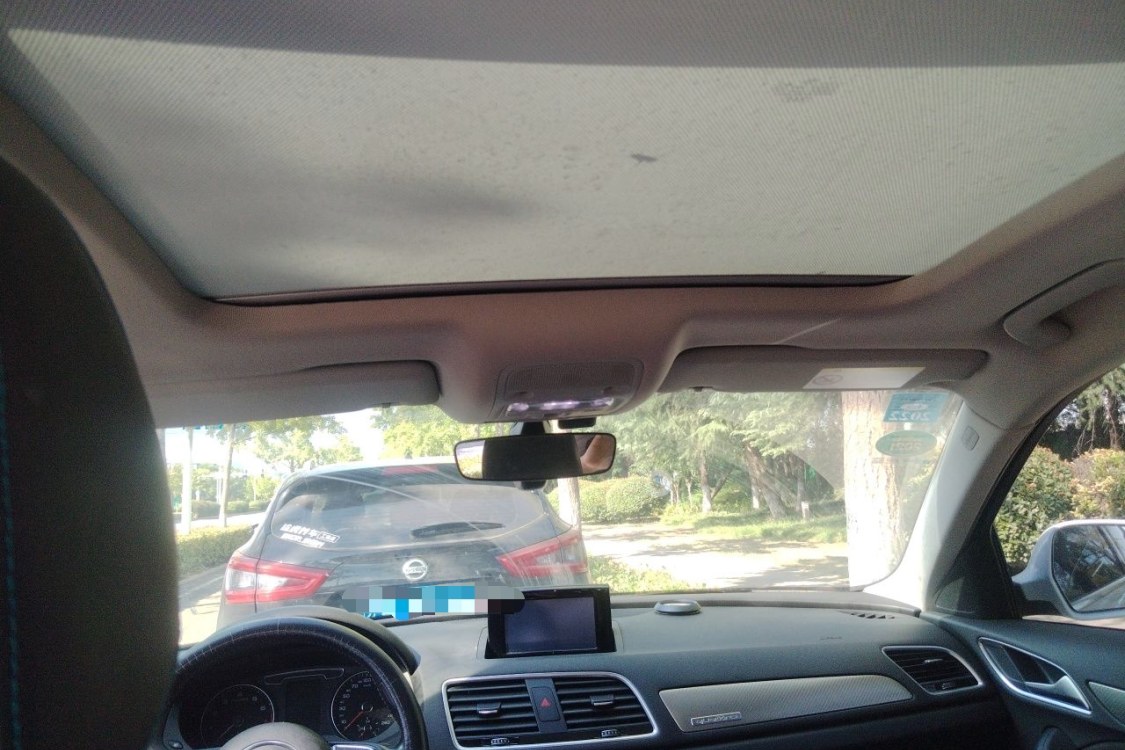
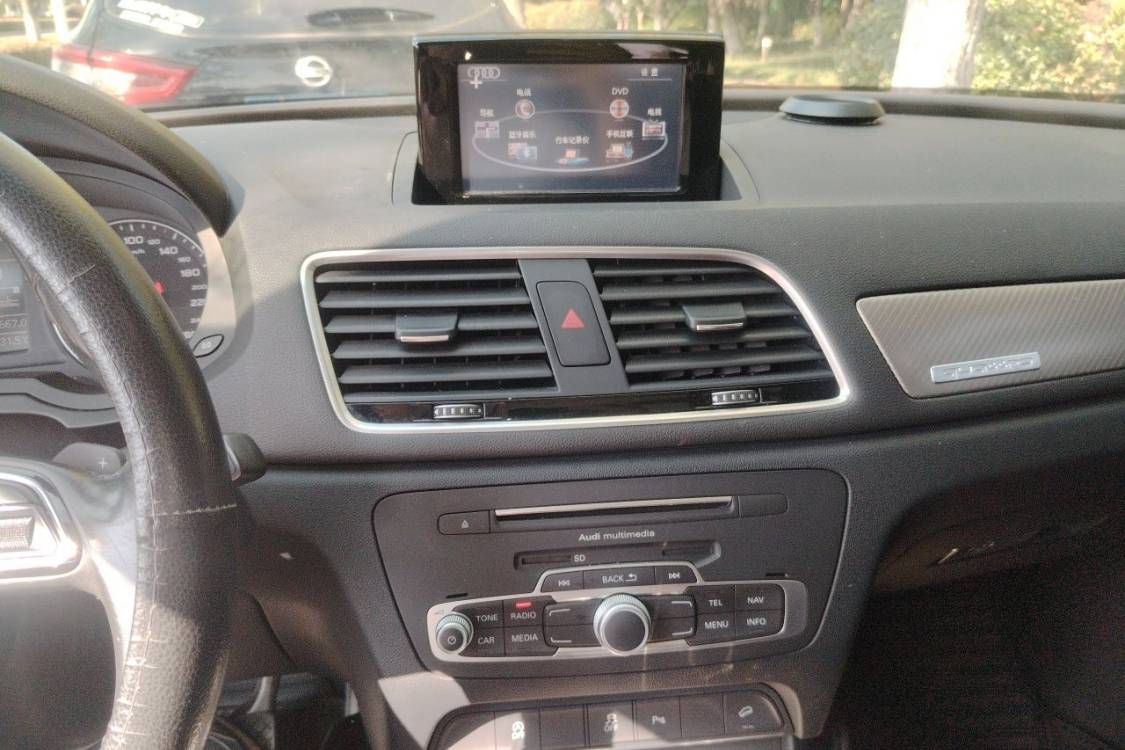
Accident inspection: main structure no damage, reinforcing parts no damage, covering parts no damage, hinges normal. Engine bay inspection: key mechanical components normal. Exterior: none. Interior: most features normal, airbag system normal, seatbelts normal, dashboard normal, instrument readings normal, lighting system normal. Startup inspection: main components normal. Onboard tools: none.

电话直连
可讲价

Document Information

Inspection Expiry Date2026/12
Warranty Expiry Date-
Insurance Expiry Date2027/05

Q&A

More

For PHEV plug-in hybrid models, are you responsible if overseas technicians do not follow the dedicated hybrid mode for exhaust during oil changes, leading to engine overheating?

This is a typical case of "secondary damage caused by unprofessional rescue." Many hybrid vehicles require access to "maintenance mode" via engineering computers to allow the water pump to run at full speed for exhaust. We do not bear any moral or financial responsibility for cylinder damage caused by local technicians' misoperation.

How is liability defined if the battery pack is damaged during long-distance sea transport due to extreme temperatures?

This is considered a force majeure risk. We will require the vehicle's state of charge (SOC) to be maintained in a safe dormant range of 30%-50% before loading, and we will insure you for all marine risks under CIF terms. If the battery suffers thermal runaway total loss due to abnormal cargo hold temperatures, the insurance company will compensate.

If a car frequently transfers between extremely cold areas (like Northeast China) and extremely hot areas (like Hainan), would you provide special risk warnings?

Absolutely. The extreme temperature fluctuations will significantly accelerate the aging of chassis rubber parts, oil seals, and interior plastics. For vehicles frequently dispatched across such latitudes, we will conduct fatigue resistance checks on chassis rubber parts that are twice as stringent as those for vehicles in temperate regions.