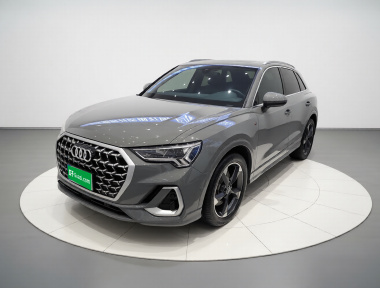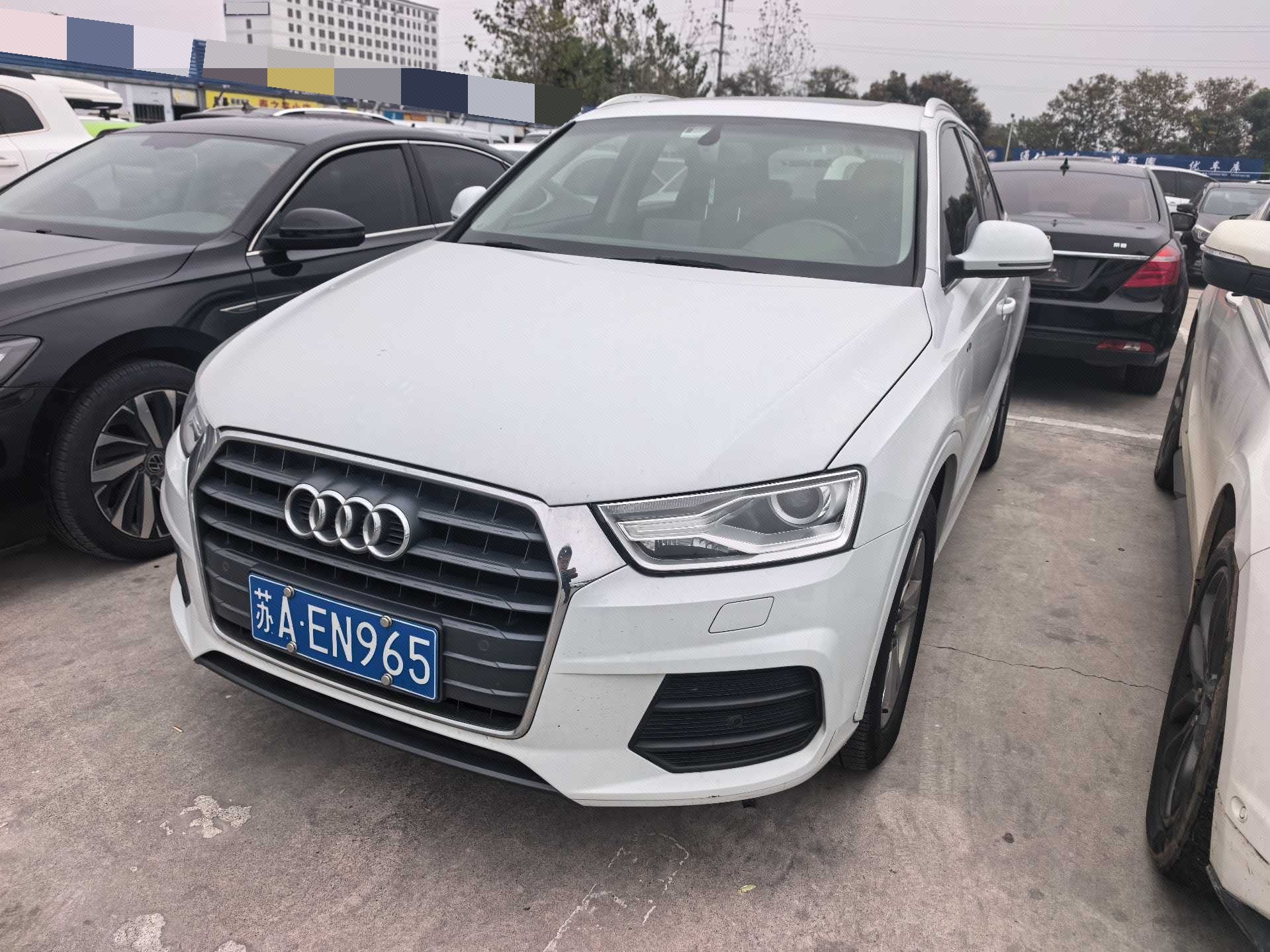
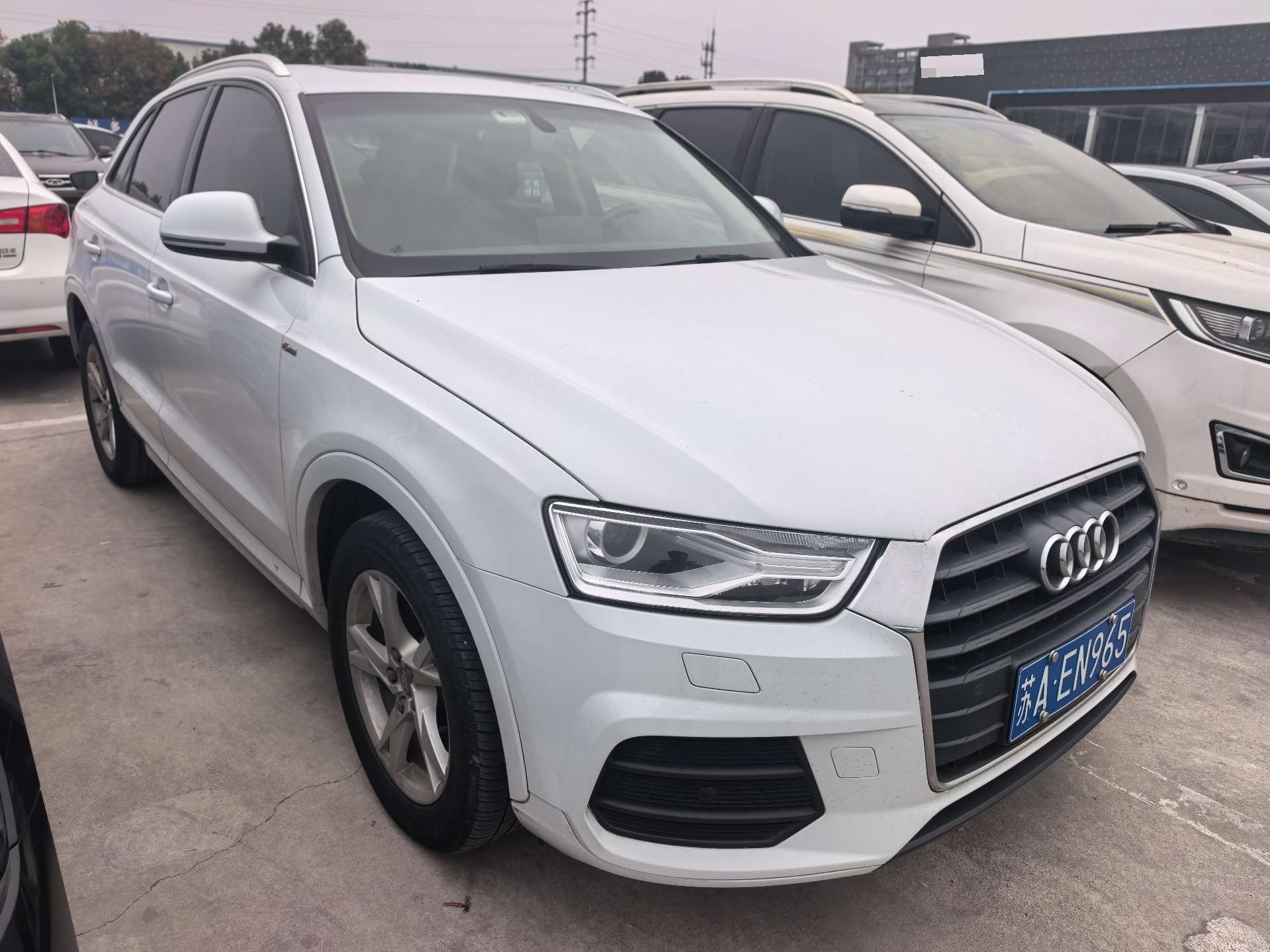
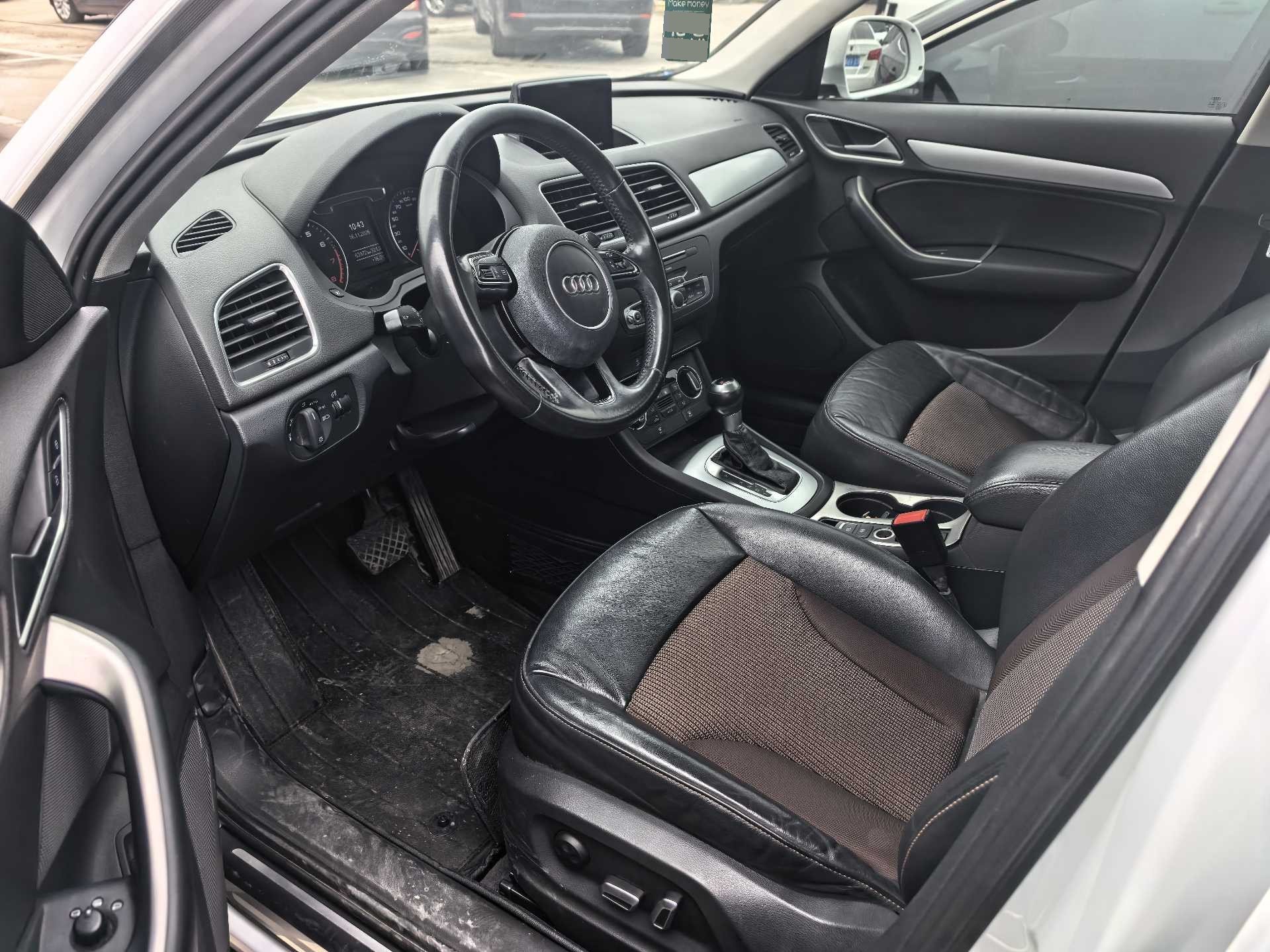
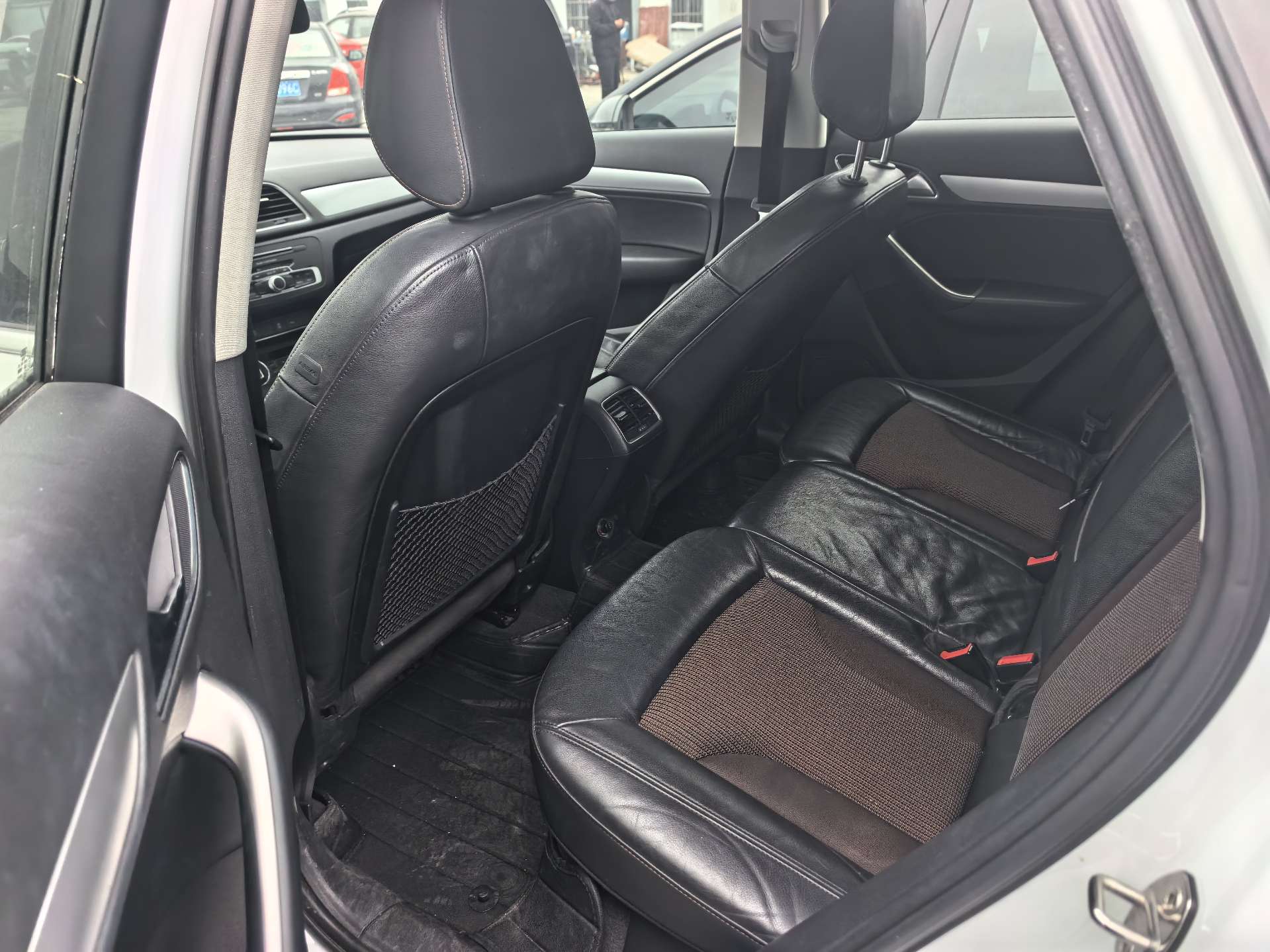
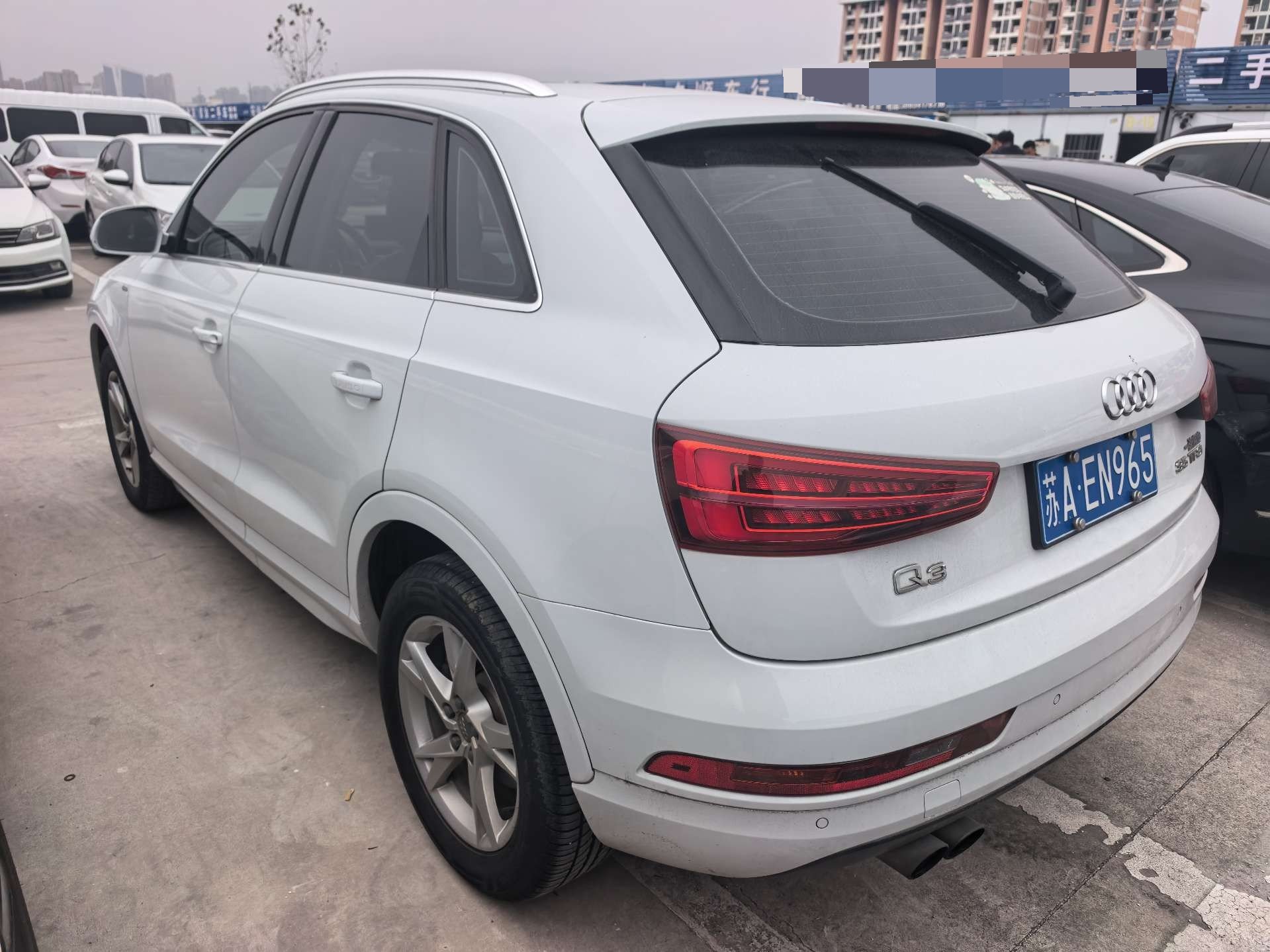
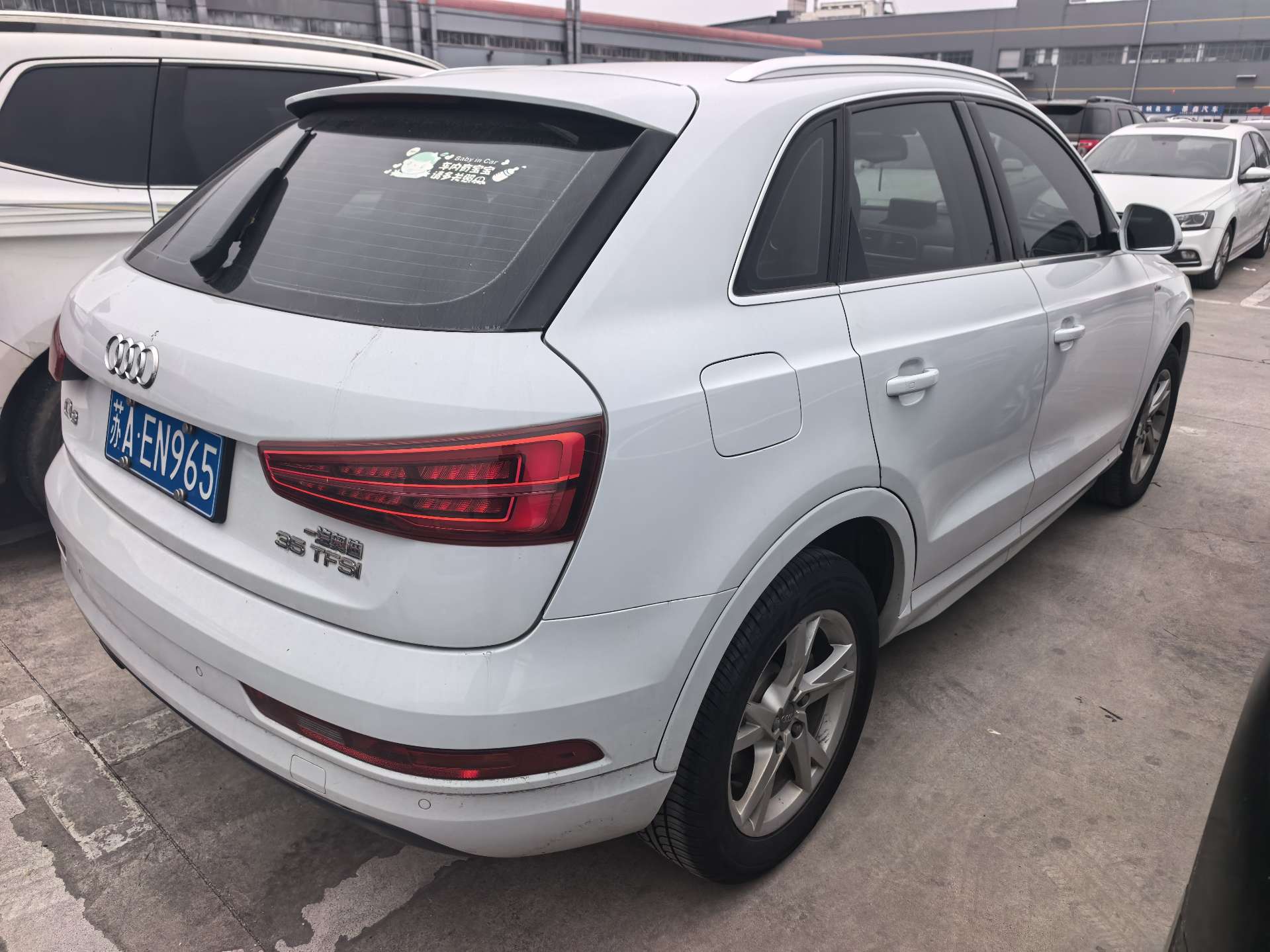



Basic Information

BrandAudi
SeriesQ3
Year2016
First Registration2016/06
Mileage160,000km
Transfer Count0times
FuelGasoline
TransmissionDCT
Engine2.0T 180 L4
ColorWhite
Seats-

Condition Description

Hood replaced; roof and rear deck lid retain original paint in five panels.

Document Information

Inspection Expiry Date-
Warranty Expiry Date-
Insurance Expiry Date2027/06

Q&A

More

How long does sea freight from China take to major destinations, and what shipping methods are available?

Two main shipping methods are used for used cars from China: 1) Container shipping: the car is loaded into a 20ft or 40ft container. Safer, protects from weather and damage, and allows personal items inside the car. Slightly more expensive. 2) RoRo (roll-on/roll-off): the car is driven onto the ship. Cheaper for single units, but no protection and no personal belongings allowed. Typical transit times from major Chinese ports (Shanghai, Guangzhou, Shenzhen, Qingdao): - Middle East: 12-20 days - Europe: 25-40 days - East/West Africa: 30-45 days - South America: 35-50 days - Southeast Asia: 5-12 days Add 5-10 days on each side for port handling, customs, and inland delivery. Peak season (before Chinese New Year and summer) can add delays, so book space 2-3 weeks ahead.


After picking up the car, I found the tire pressure warning (TPMS). How can I reset the tire pressure sensor myself?

Temperature differences during sea transport can easily trigger the tire pressure warning. After inflating the tires to the standard pressure (usually 2.5 Bar), most vehicles will automatically clear the warning after driving a few kilometers; some models require manually clicking "Tire Pressure Reset" in the "Vehicle Settings" on the central screen.

How do I check the underbody and frame of a used Chinese car for rust and prior repairs from inspection photos?

Ask your inspector for specific underbody shots rather than general views: the subframe mounting points, rocker panels, floor pan near the seat rails, and the spare tire well. Fresh underbody coating or thick black spray wax often hides repairs - it should look uniform, not patchy. Red flags: welded seams with grind marks or discolored paint around them (sign of structural repair); rust bubbling at panel edges or bolt heads; mismatched bolts on suspension arms (sign of disassembly after an impact); bent or freshly painted crossmembers. Surface rust on exhaust and bolts is normal in humid regions and not a dealbreaker - structural rust on load-bearing members is. Compare the underbody photos with the history report: if the report shows a rear-end accident, scrutinize the rear floor and spare tire area closely. Also check that jack points aren't crushed, which suggests improper lifting - a sign of repeated workshop visits. A 15-minute video of the car on a lift, slowly panned front to back, is worth more than 50 static photos.