Basic Information

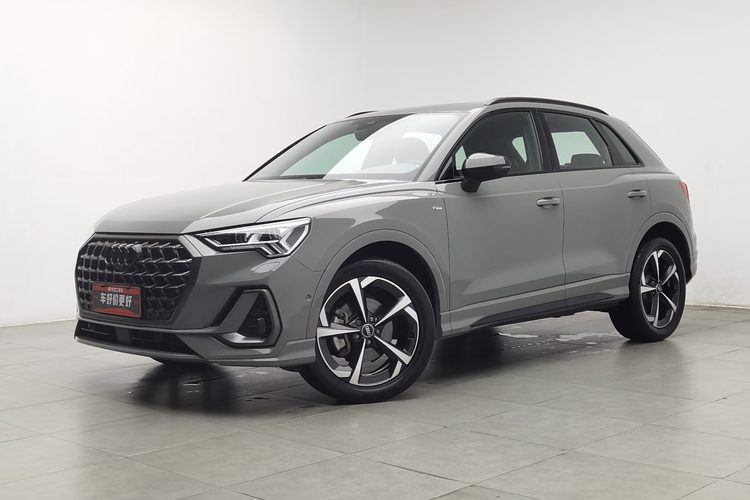
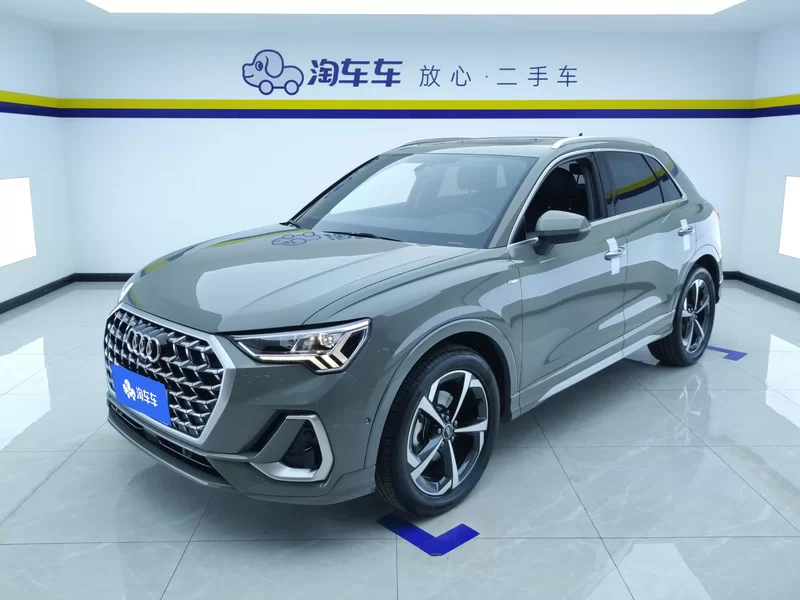
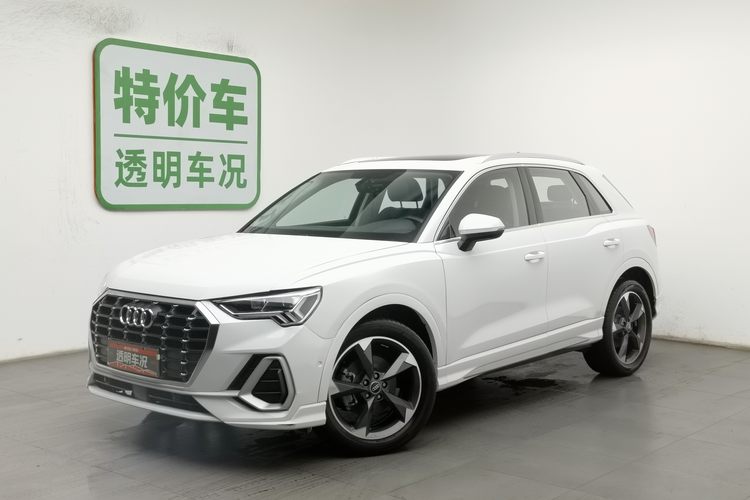
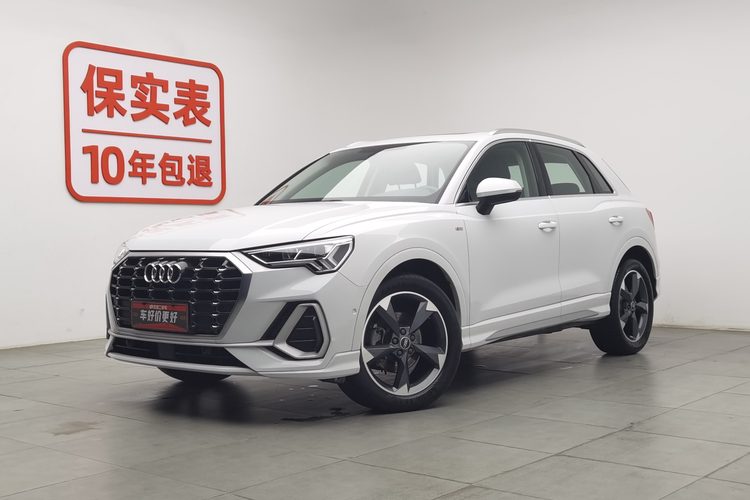
BrandAudi
SeriesQ3
Year2017
First Registration2017/12
Mileage135,400km
Transfer Count-
FuelGasoline
TransmissionDCT
Engine2.0T 180 L4
ColorWhite
Seats-

Condition Description

Localized body damage or repair marks present. No accident damage or repairs to structural or reinforcement components. Vehicle performance (including three-electric system) has degraded or is limited.

Accident inspection: main structure undamaged, reinforcement components undamaged, cover panels damaged, hinges normal. Engine bay inspection: valve cover gasket oil leak. Exterior: 1 replaced part, 3 panel repairs, 3 paint jobs. Interior: headliner falling, most features normal, airbag system normal, lighting system normal. Start test: major components normal. Tool kit: missing.

电话直连
可讲价

Document Information

Inspection Expiry Date2026/12
Warranty Expiry Date-
Insurance Expiry Date2026/12

Q&A

More

When checking the history records, can you distinguish whether the vehicle was involved in a "single-vehicle accident (like hitting a wall)" or a "multi-vehicle rear-end collision"?

If insurance claims records are accessed, there will usually be notes like "the insured vehicle is fully responsible for hitting a fixed object" or "third-party liability insurance payment." We can roughly reconstruct the accident scene based on this and cross-verify the stress points on the vehicle's frame with paint thickness gauge data.


How do I evaluate rust and corrosion on a used car from China, especially for coastal cities or snowy regions?

Rust is a deal-breaker that photos can hide, so be systematic. High-risk areas to check: 1. Underbody and frame rails—surface rust is normal, but flaking or bubbling paint means advanced corrosion 2. Wheel arches and rocker panels—these trap mud and salt 3. Door bottoms and the trunk floor—water collects here; lift the trunk mat and look for dampness or repair welds 4. Around the windshield and sunroof drains—leaks cause hidden rust in the A-pillars Ask the inspector to do a magnet test: filler-repaired areas won't hold a magnet, indicating past accident repairs. A paint thickness gauge reveals resprayed sections—uniform readings around 80-150 microns are normal; spikes over 300 suggest bodywork. Cars from northern China (salted roads in winter) or coastal cities need extra scrutiny on the underbody. If structural members show corrosion, walk away—repairs rarely restore original strength.

Should I pay the Chinese exporter in USD or RMB, and how do exchange rates affect the final price?

Most exporters quote in USD for international buyers, but some accept RMB (CNY). Key points: 1. USD payment is standard and easiest; the exchange-rate risk usually sits with the exporter, so the price may be slightly higher. 2. Paying in RMB can save 1-3% if you have access to CNY through your bank or a trading company. 3. Lock the exchange rate in the contract: agree the final amount is fixed in the invoicing currency on the invoice date. 4. Always pay by corporate bank transfer (T/T) to the exporter's company account — never to personal accounts. Ask for a proforma invoice with a validity date (usually 7-15 days) so you know exactly how much to wire, and confirm who bears the bank transfer fees.