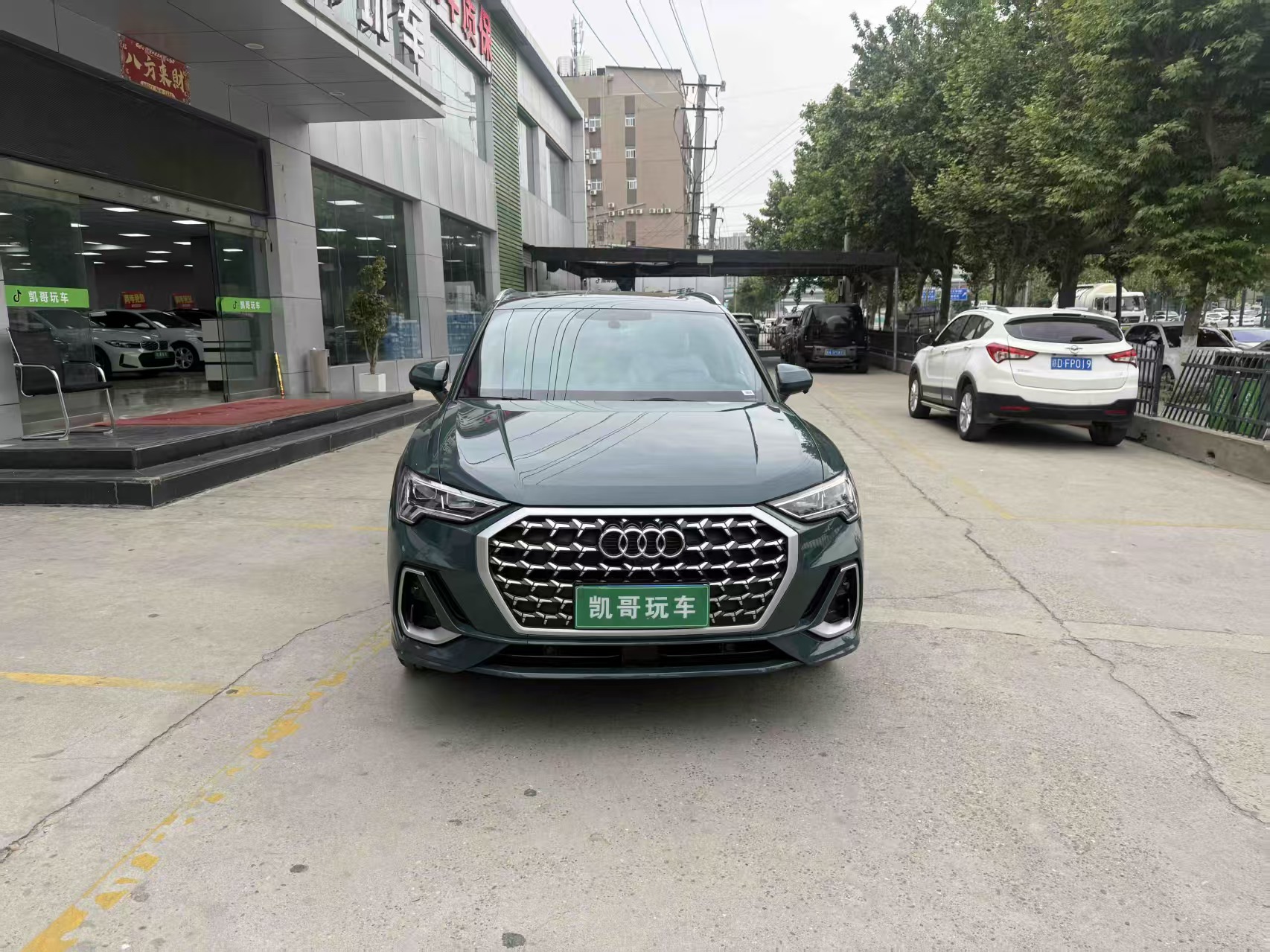
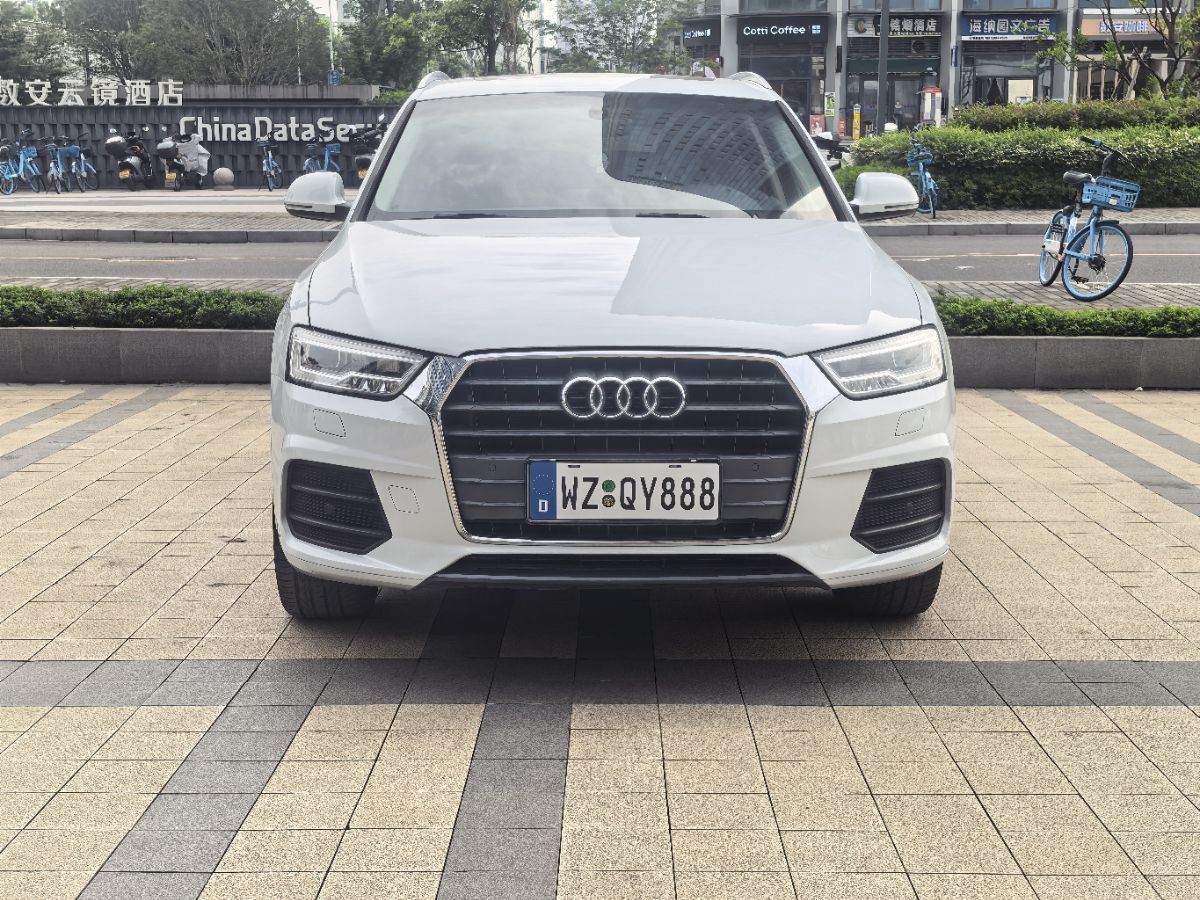
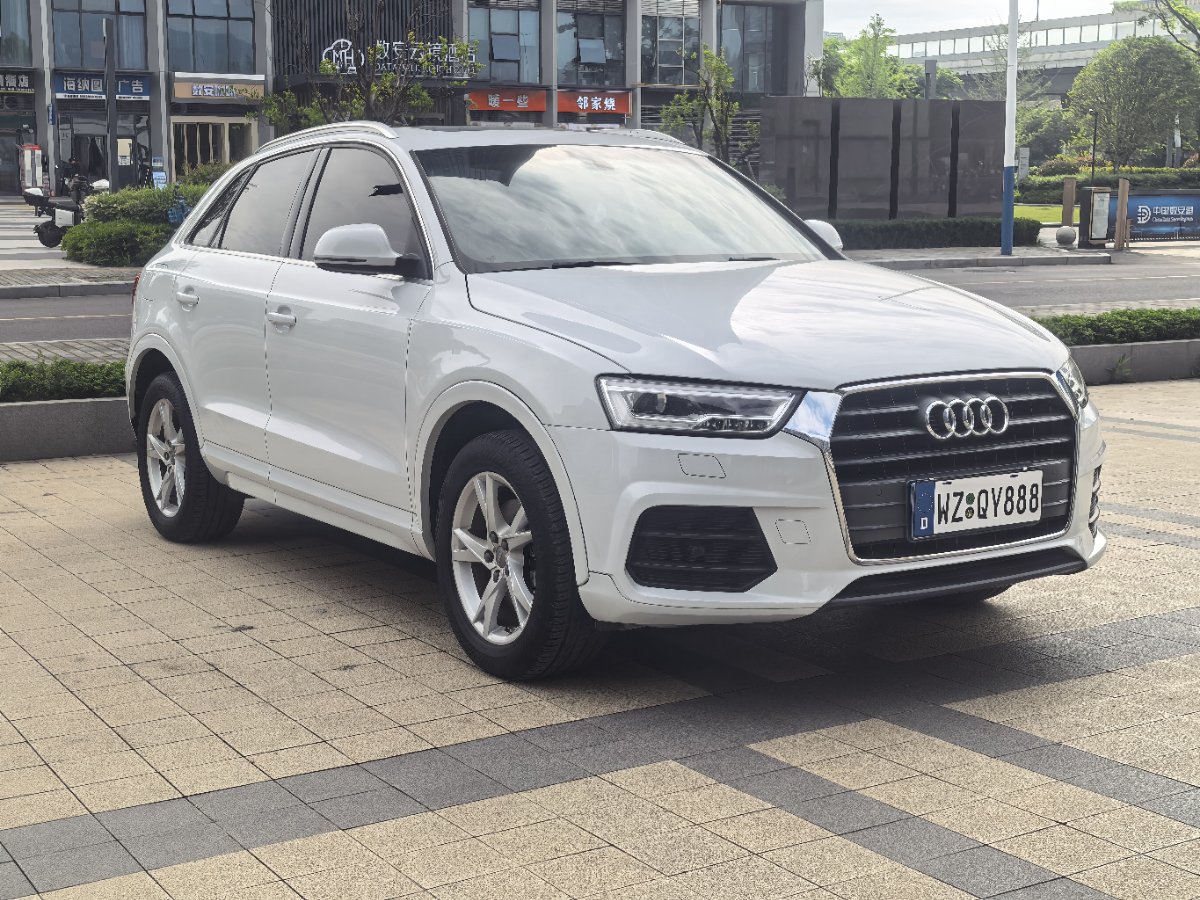
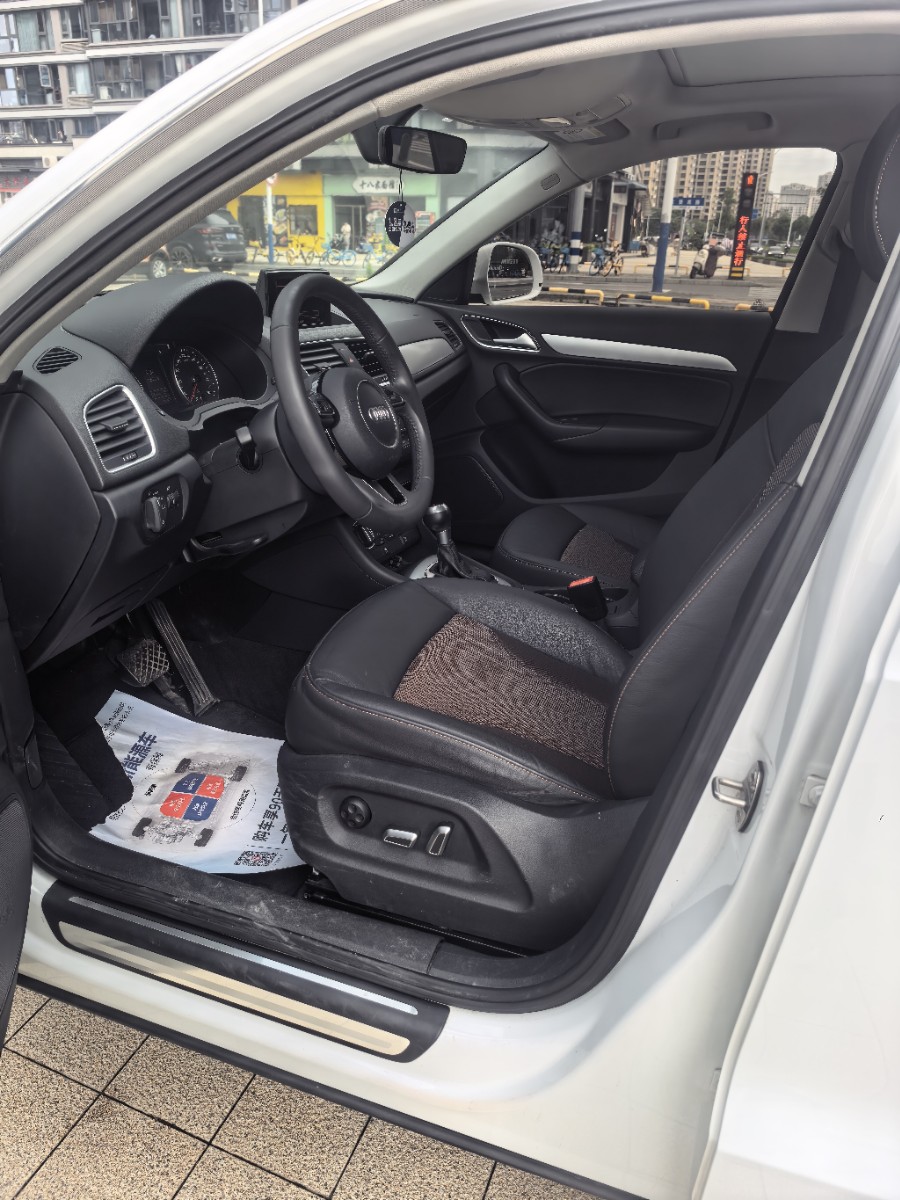
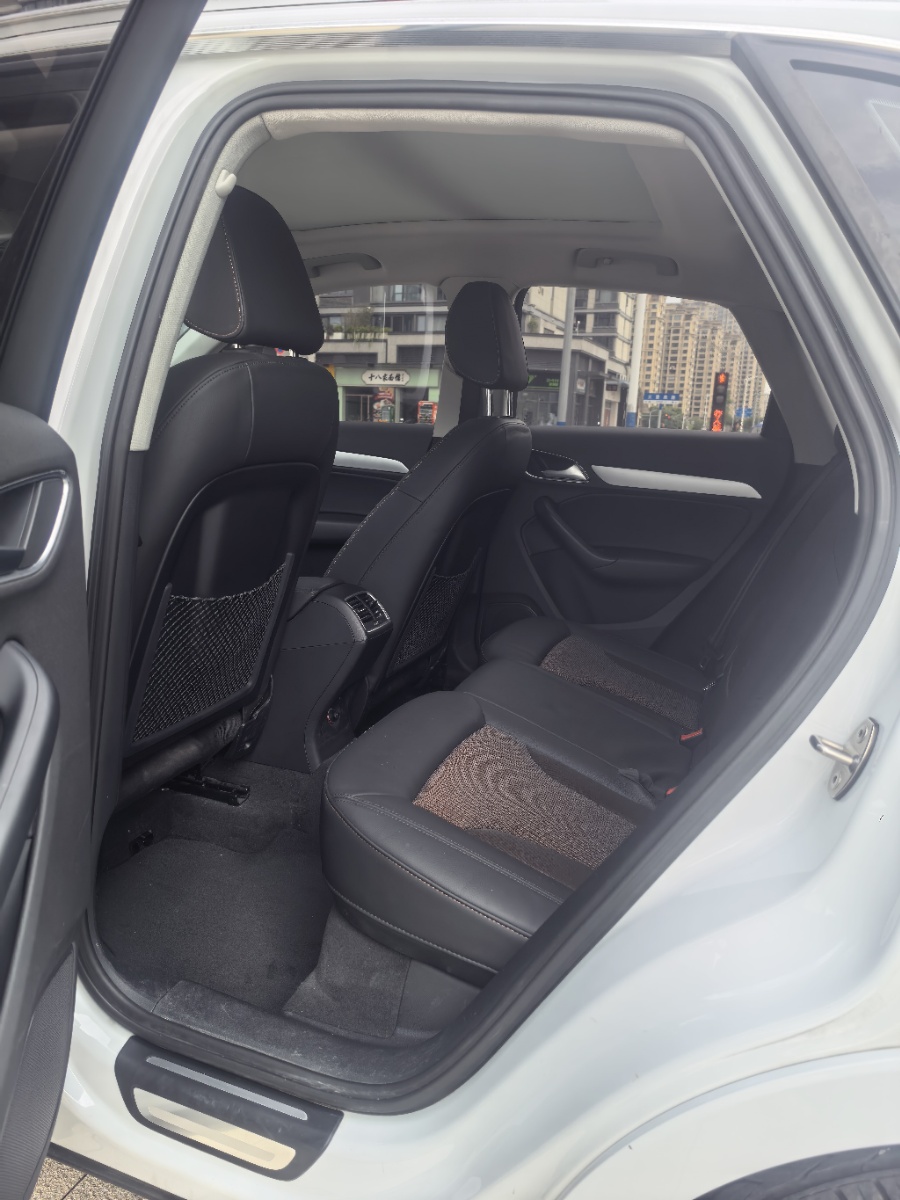
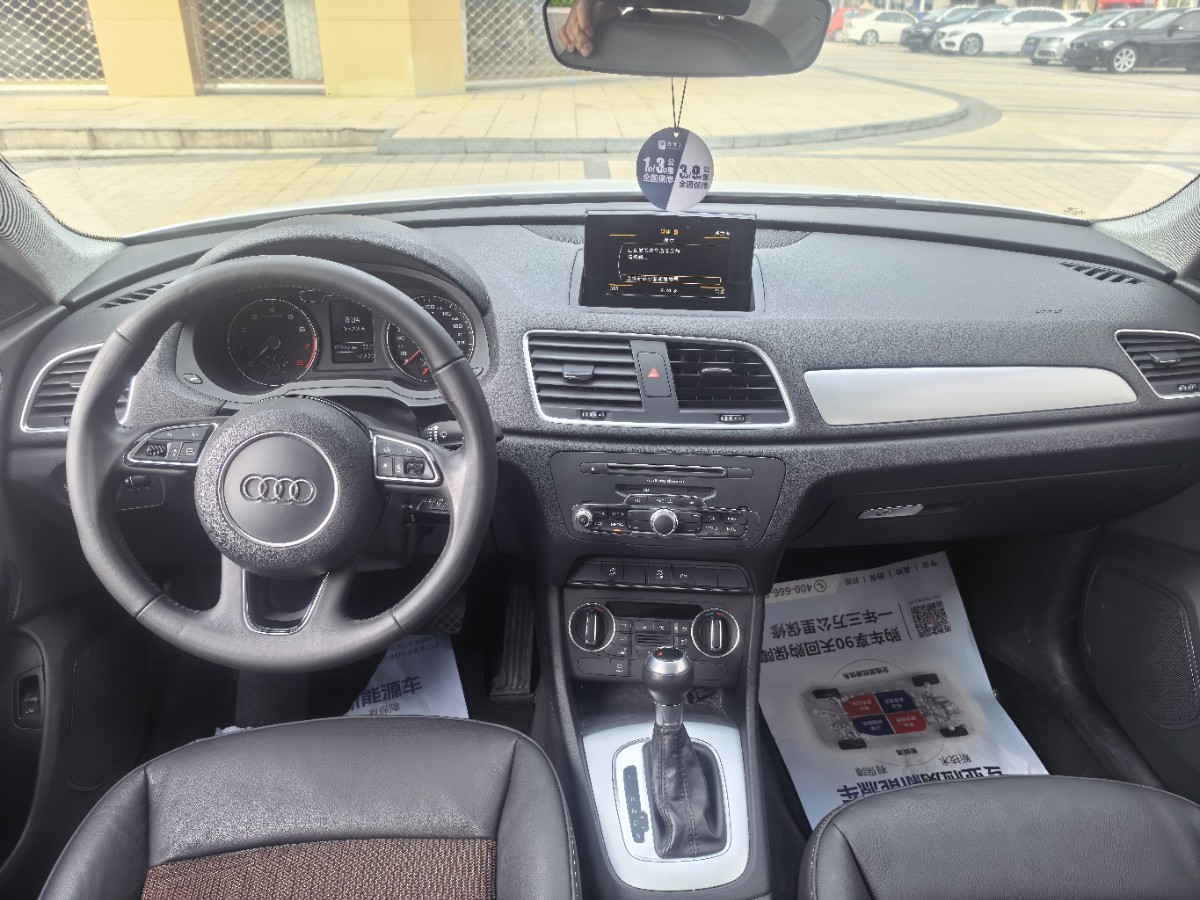
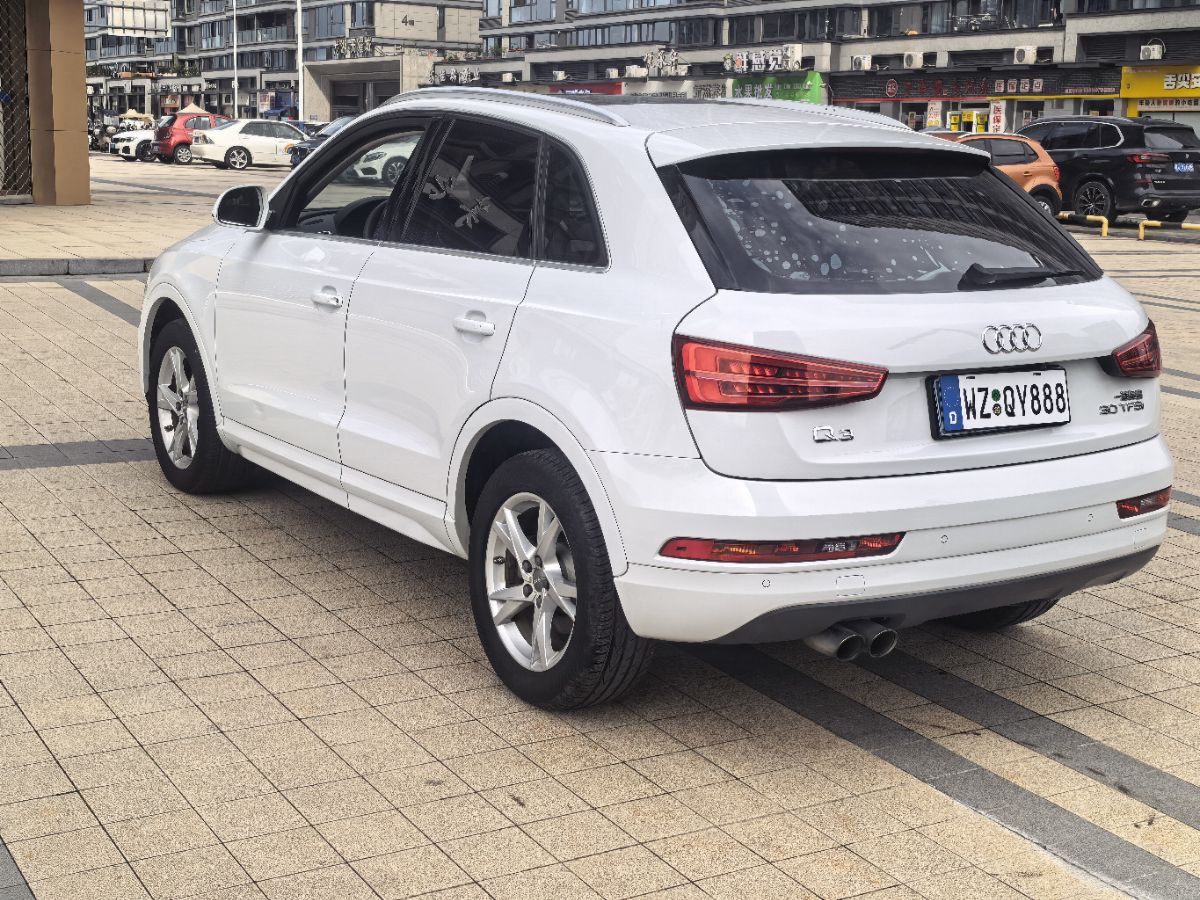
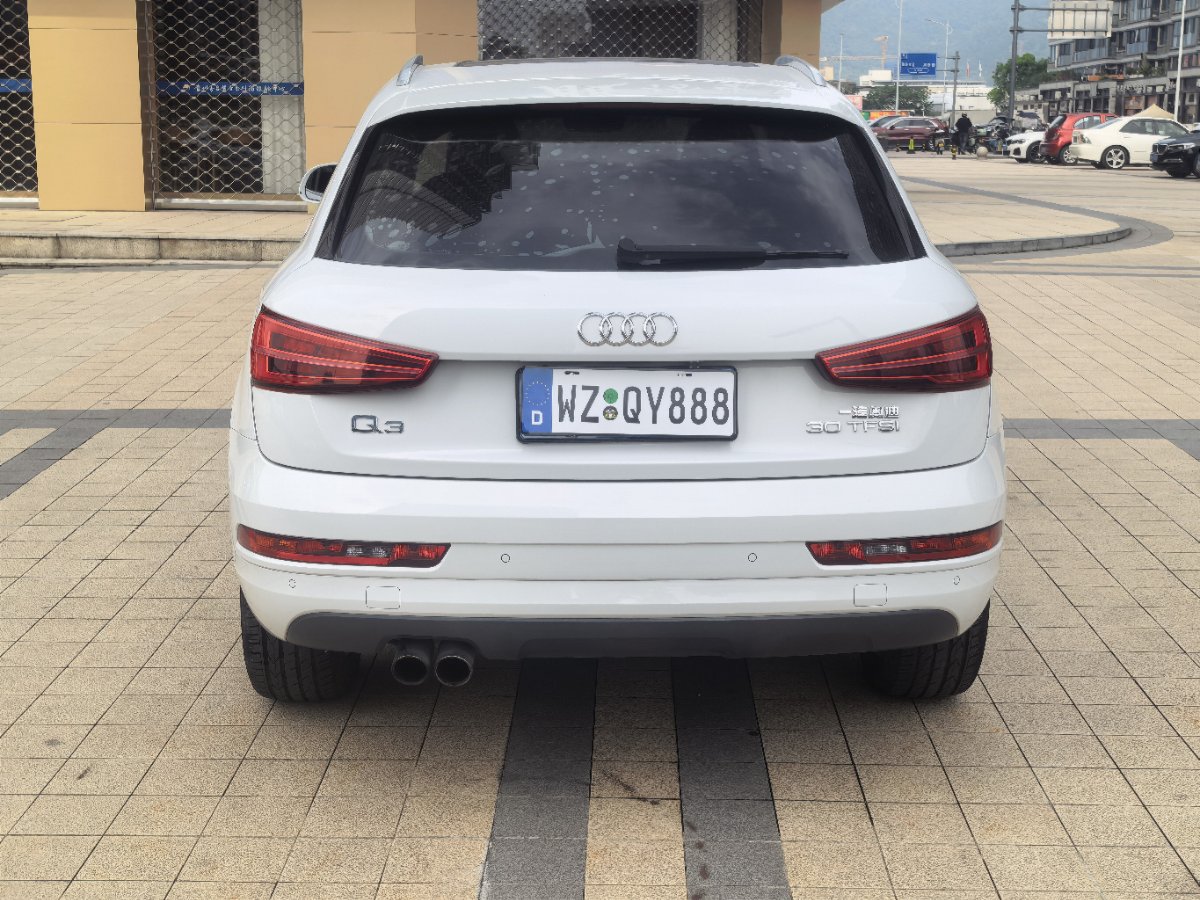
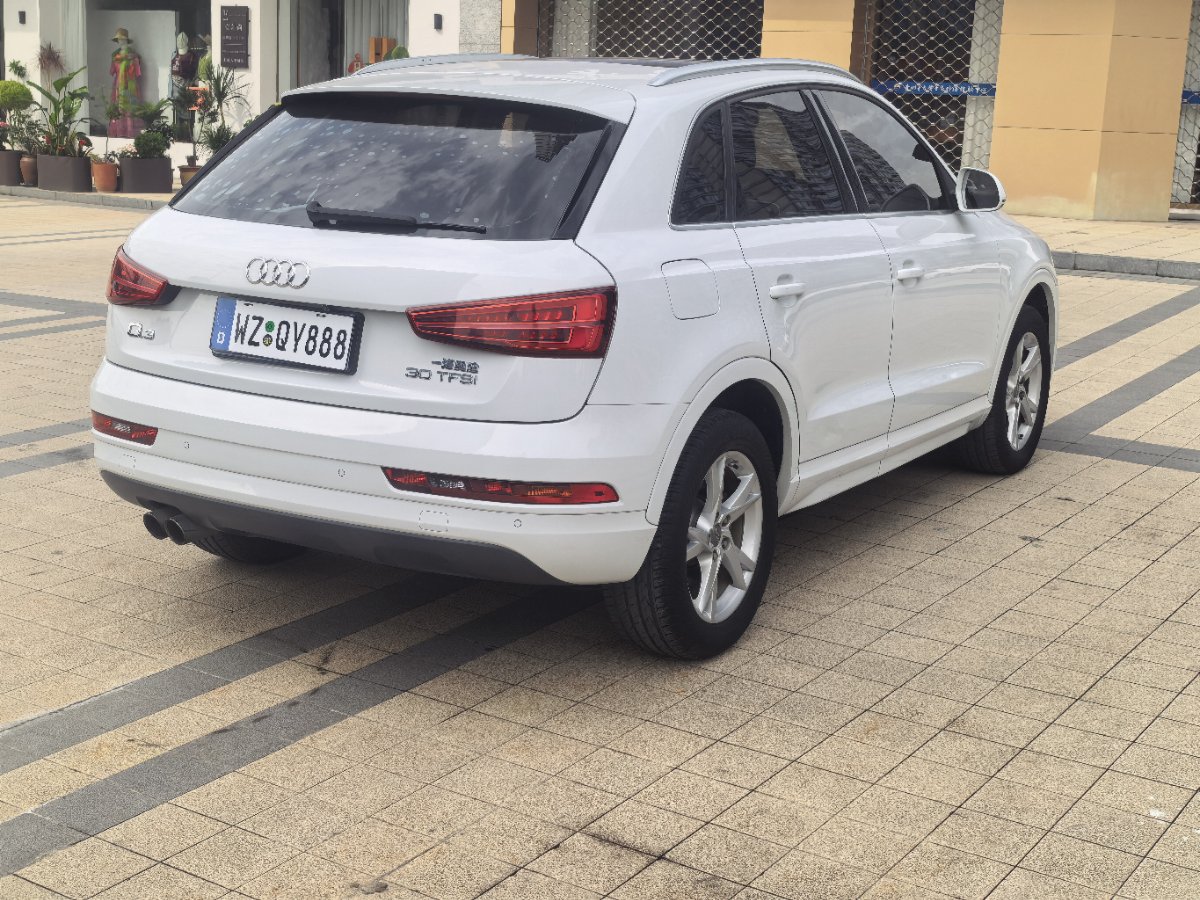
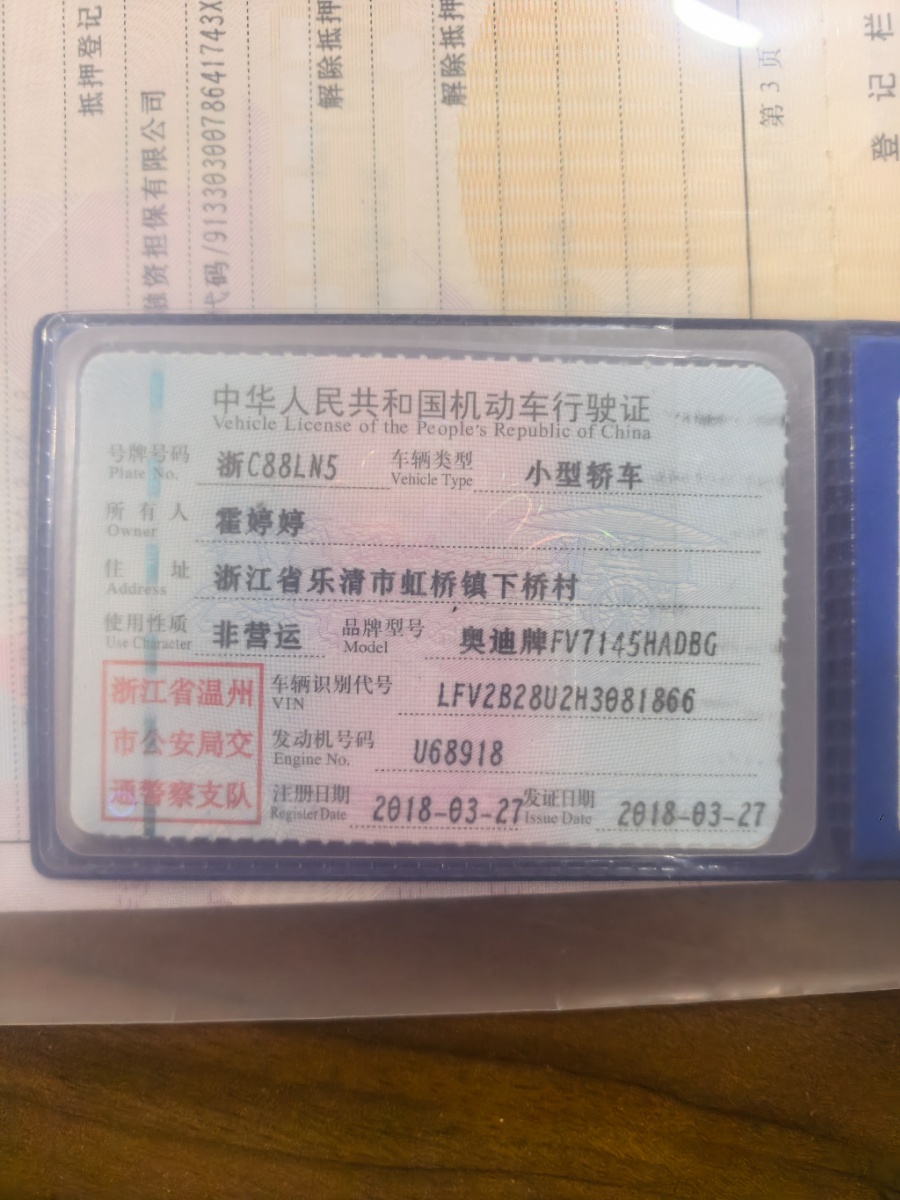



Basic Information

BrandAudi
SeriesQ3
Year2018
First Registration2018/03
Mileage47,000km
Transfer Count1times
FuelGasoline
TransmissionDCT
Engine1.4T 150 L4
ColorWhite
Seats-

Condition Description

Original condition

燃油车
SUV
自动
维保开放
事故开放
查验开放

Configuration Highlights

✓品牌: 奥迪
✓车系: 奥迪Q3
✓车型: 2018款 30周年年型 30 TFSI 时尚型
✓车身类型: SUV
✓座位数: 5
✓排量: 1.4T
✓变速箱: 自动
✓能源类型: 燃油车
✓VIN: LFV2B28U2H3081866
✓搜索关键词: 奥迪奥迪Q3 2018款奥迪Q330周年年型30TFSI时尚型

Document Information

Inspection Expiry Date2027/03
Warranty Expiry Date-
Insurance Expiry Date2027/03

Q&A

More

Can the buyer track the GPS location of the vehicle during domestic towing transport to the port?

Internal logistics scheduling uses GPS, but direct access accounts are not open to the public. We implement a "node reporting system": our customer service will proactively send you on-site photos with watermarks at three key points: when the vehicle is loaded onto the trailer, when it arrives at the port for storage, and when customs clearance is completed.


How to prove the state of health (SOH) of a second-hand electric vehicle battery? Will a testing report be provided?

We understand that the power battery is the core asset of an EV. Before export, our technical team will use professional OBD diagnostic equipment to read the underlying data from the Battery Management System (BMS). We will provide you with a technical report that includes key indicators such as battery health percentage (SOH), cell pressure differences, and charge-discharge cycle counts. If the SOH is below our established export safety standard (usually above 80%, depending on the vehicle's age), the vehicle will be intercepted and not sent overseas.

If the previous owner modified the vehicle (like wheels or exhaust), will you keep it or restore it?

Unless the previous owner retained the original parts and provided them to us, we usually keep the existing modifications and clearly state in the report "includes non-original modifications." Since the standards for illegal modifications vary by country, buyers should assess whether these modifications can legally pass inspection in their destination country.