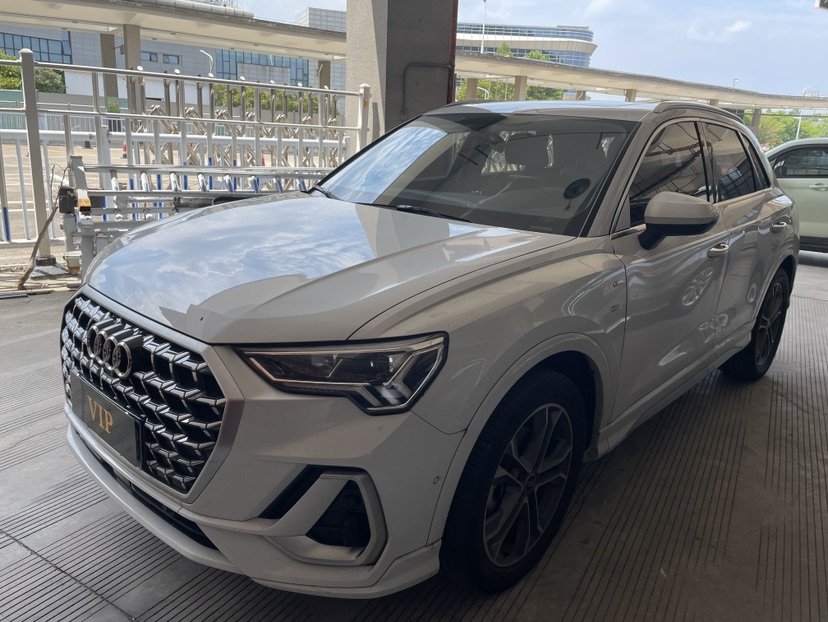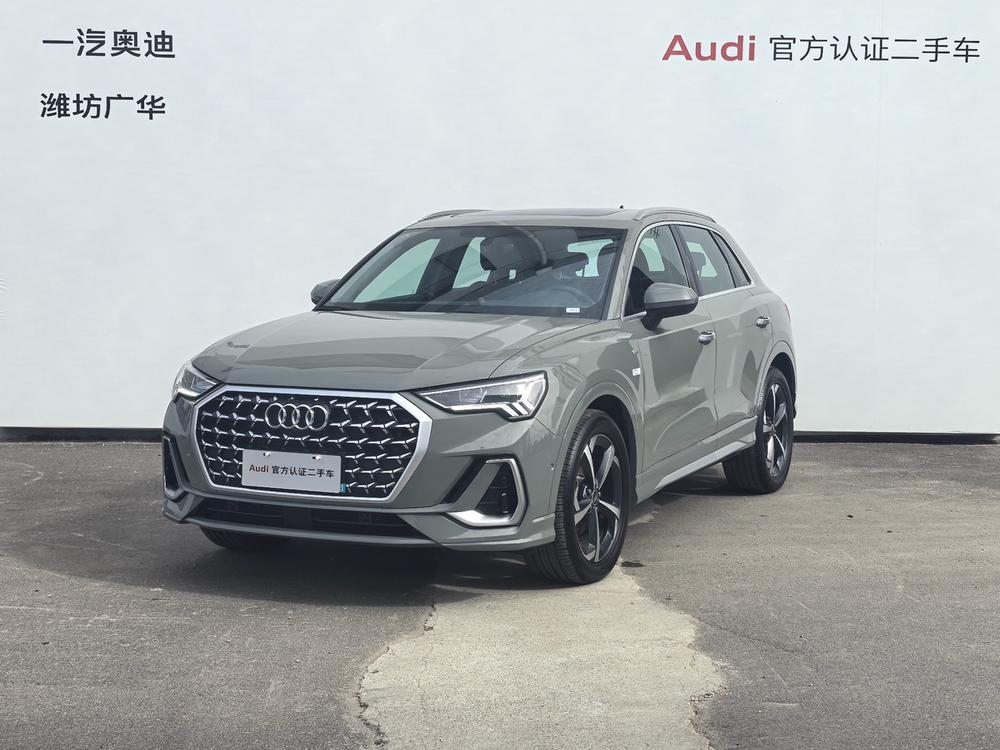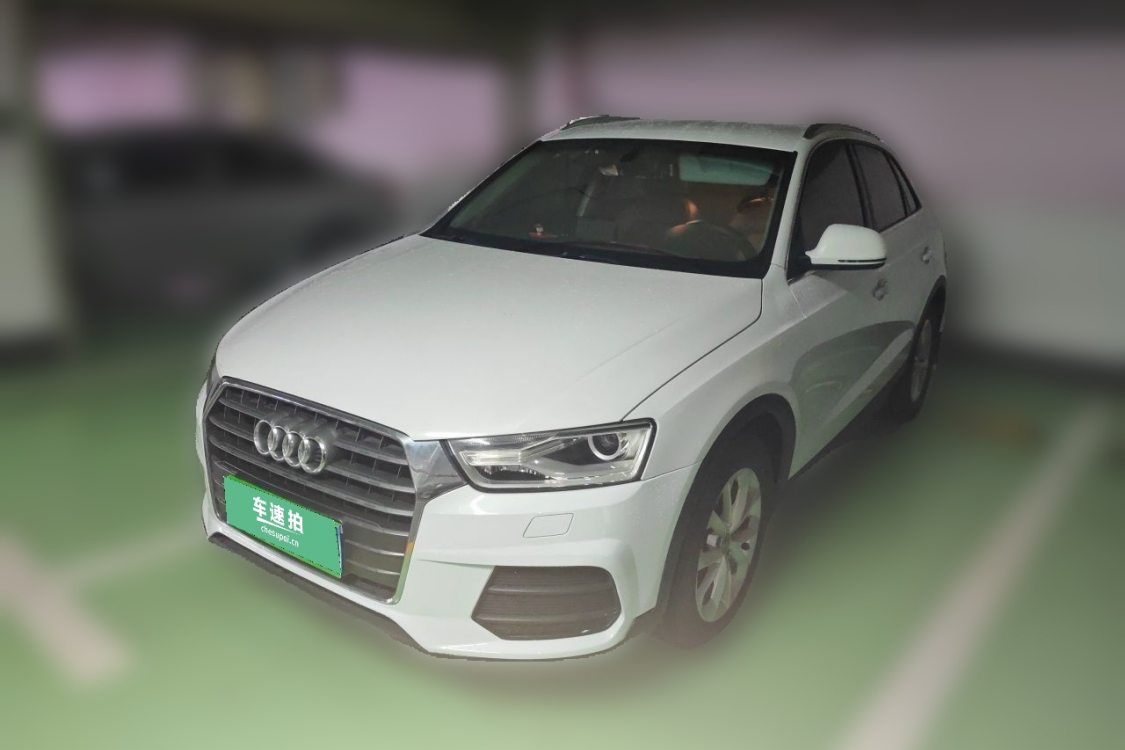
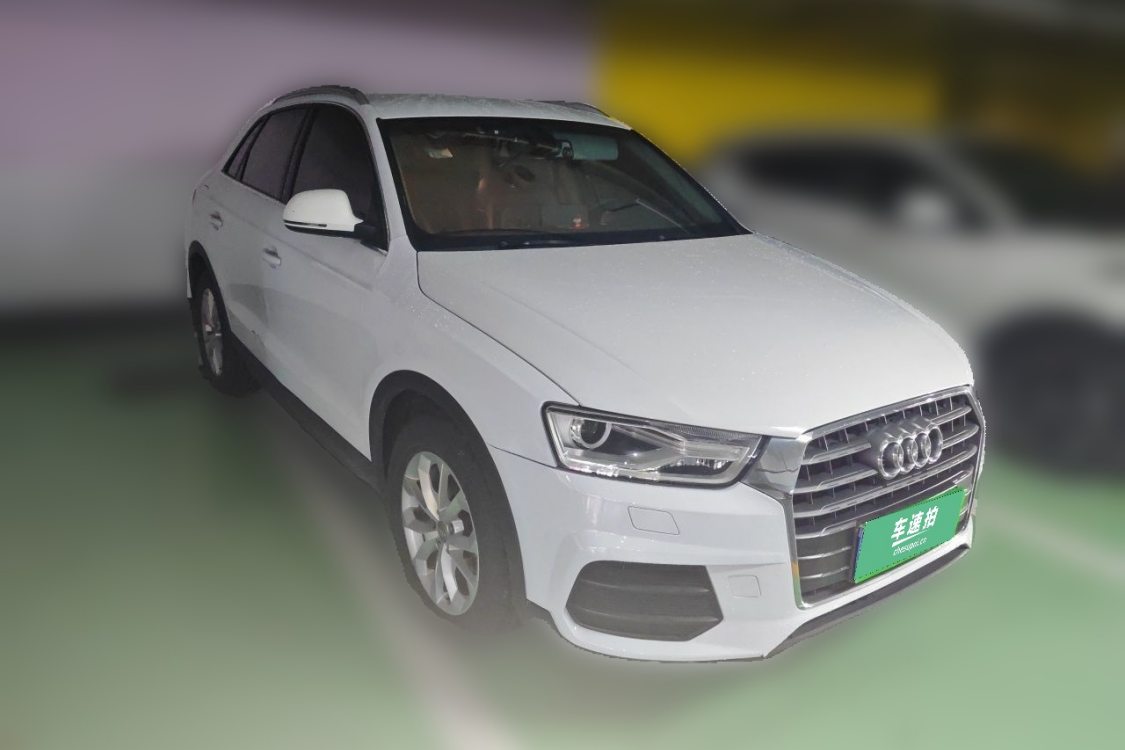
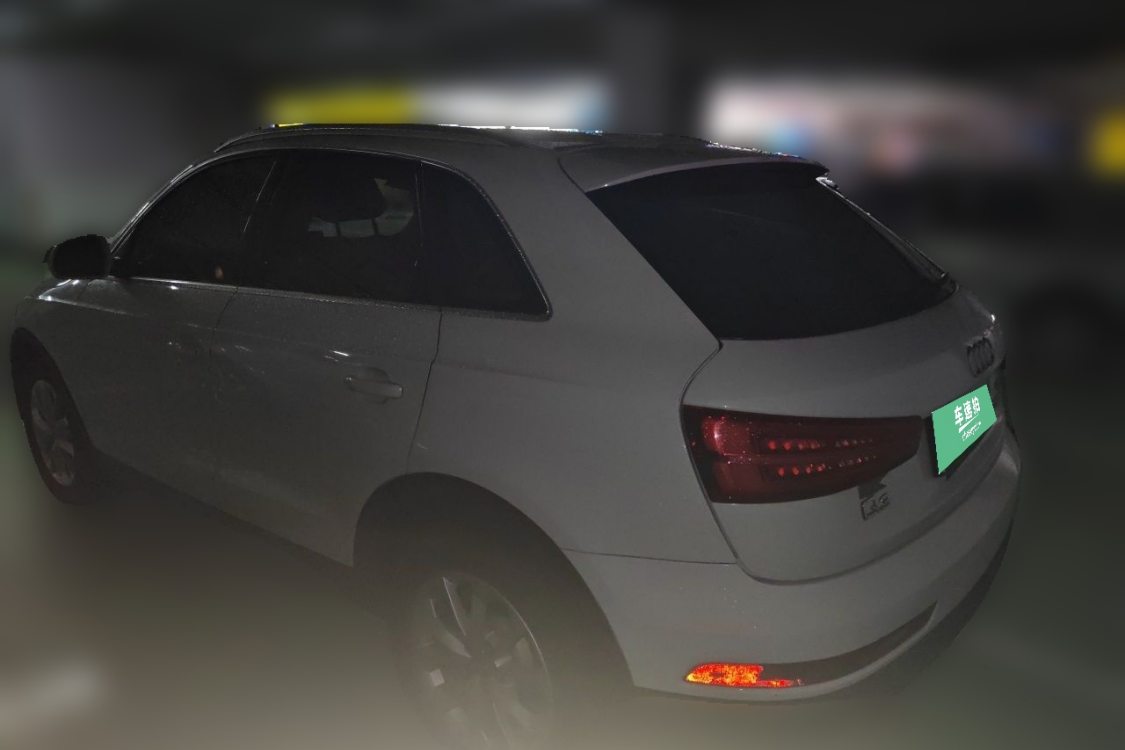
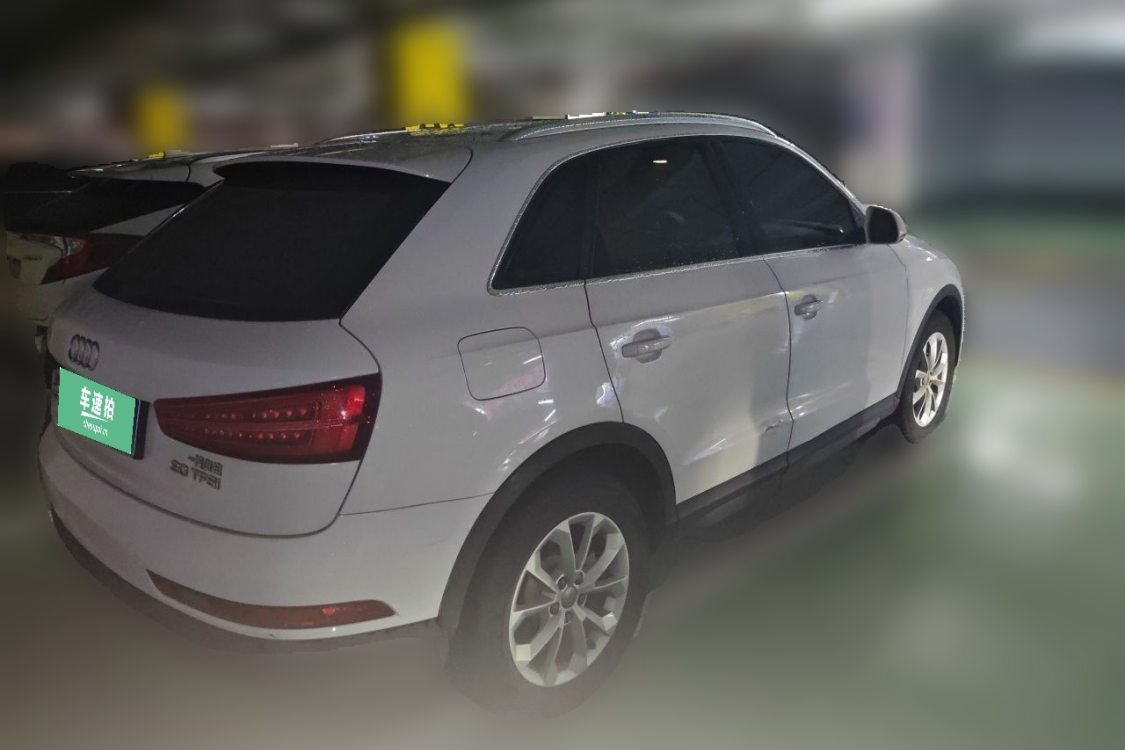
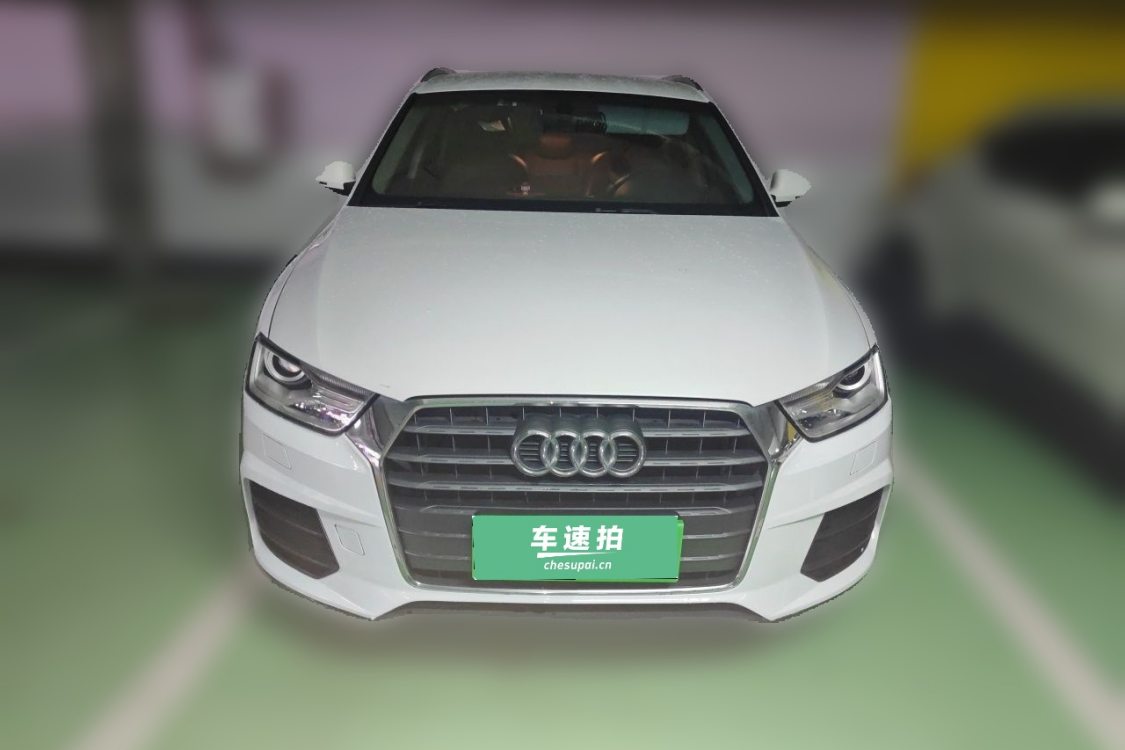
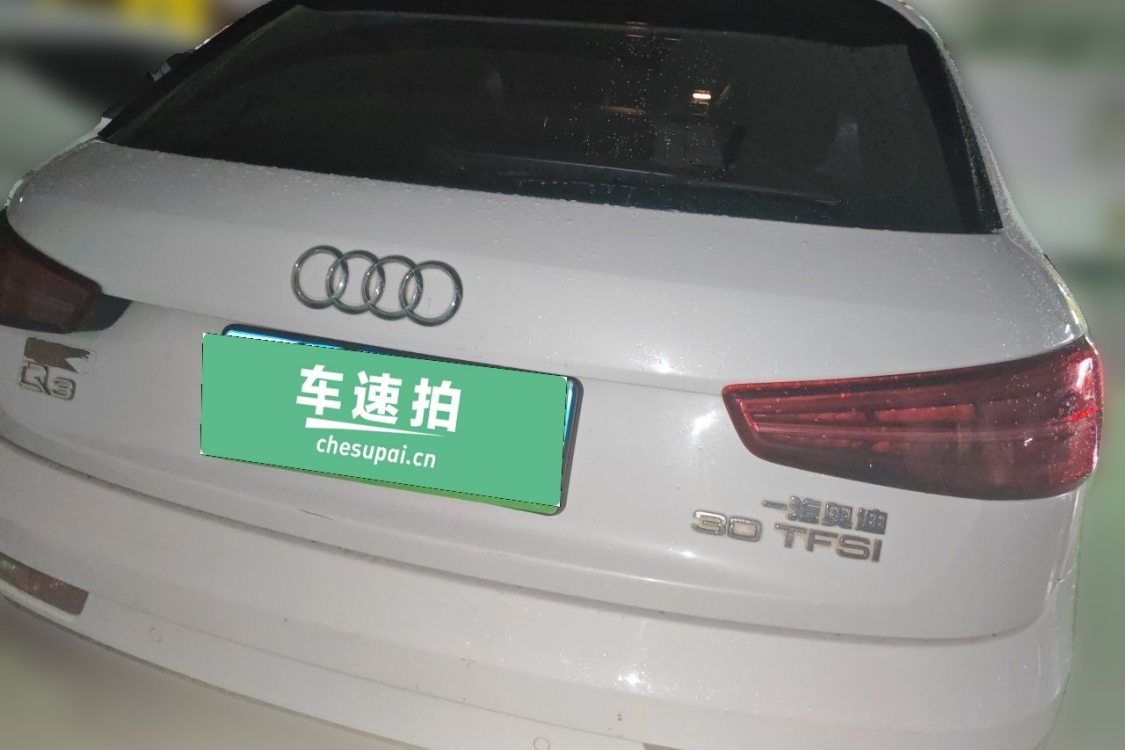
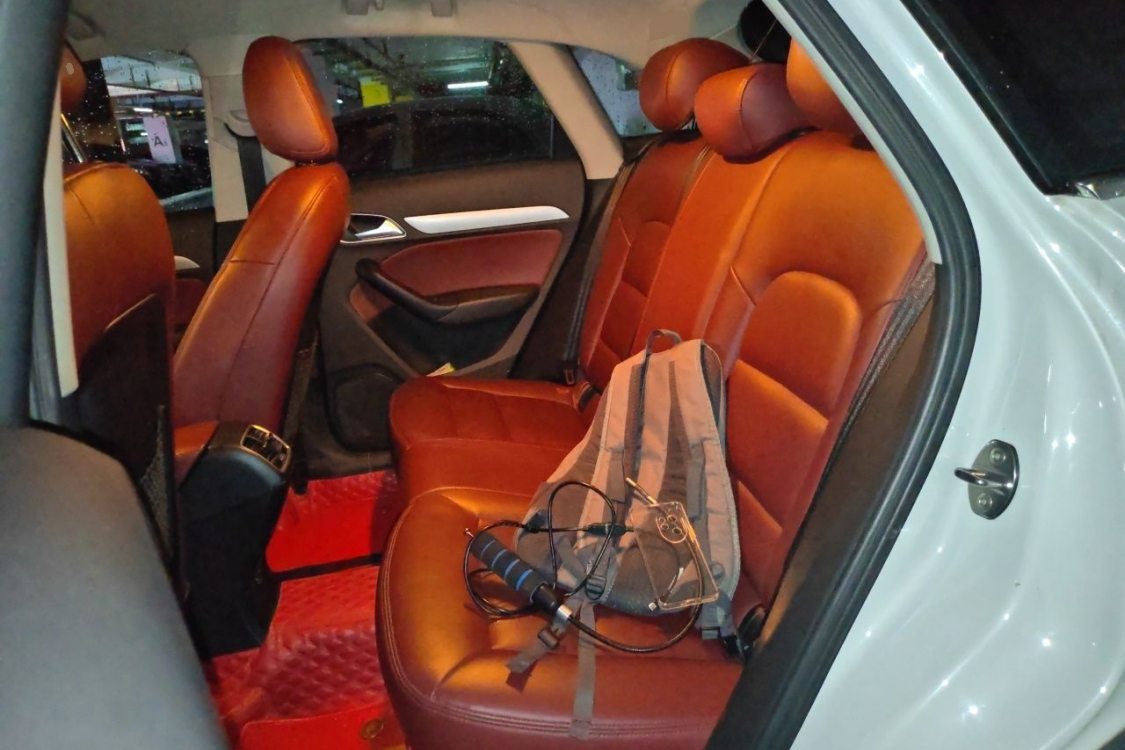
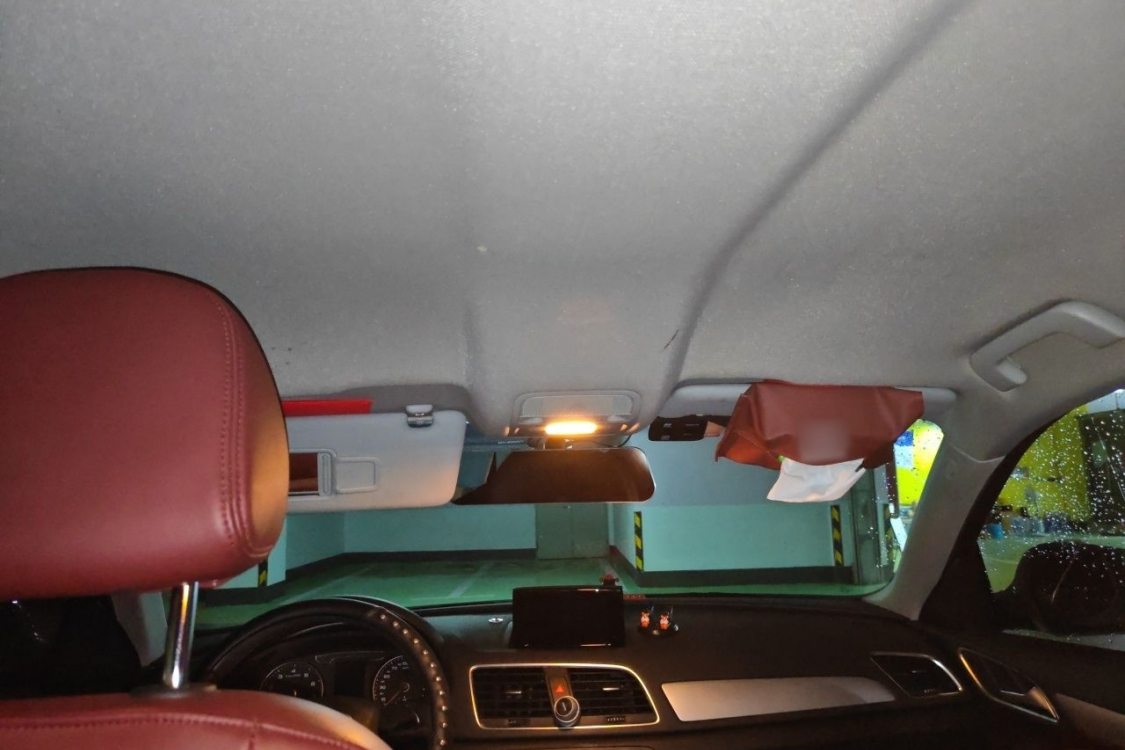
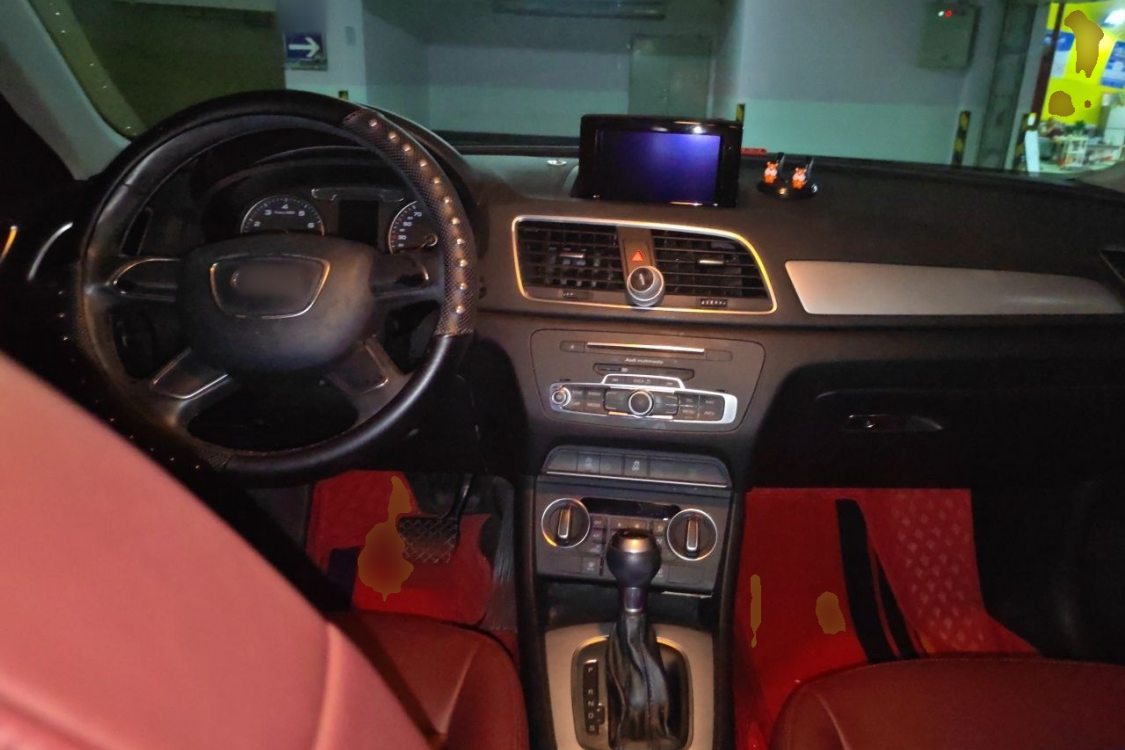
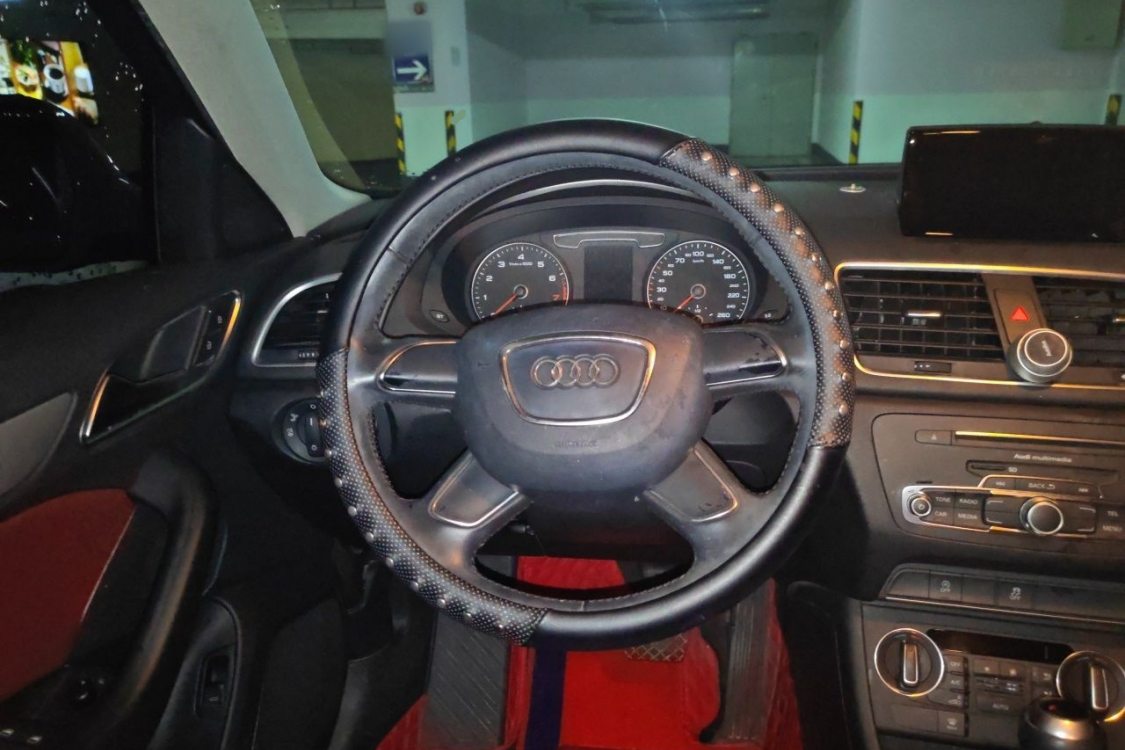
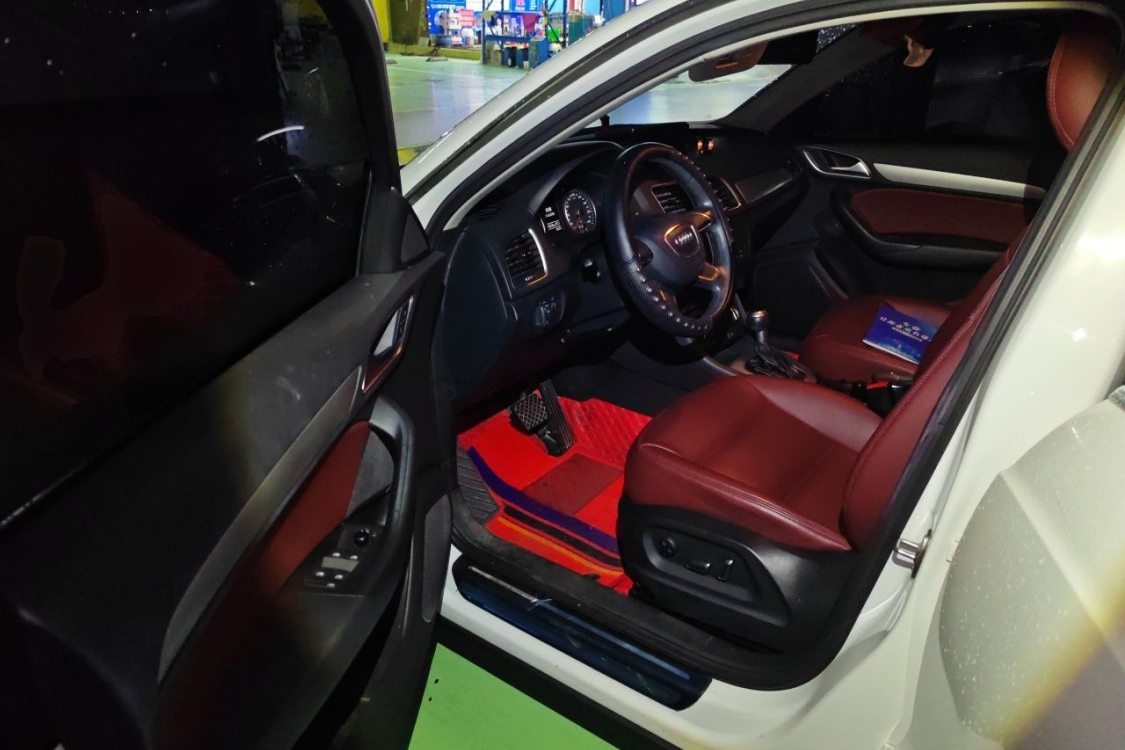
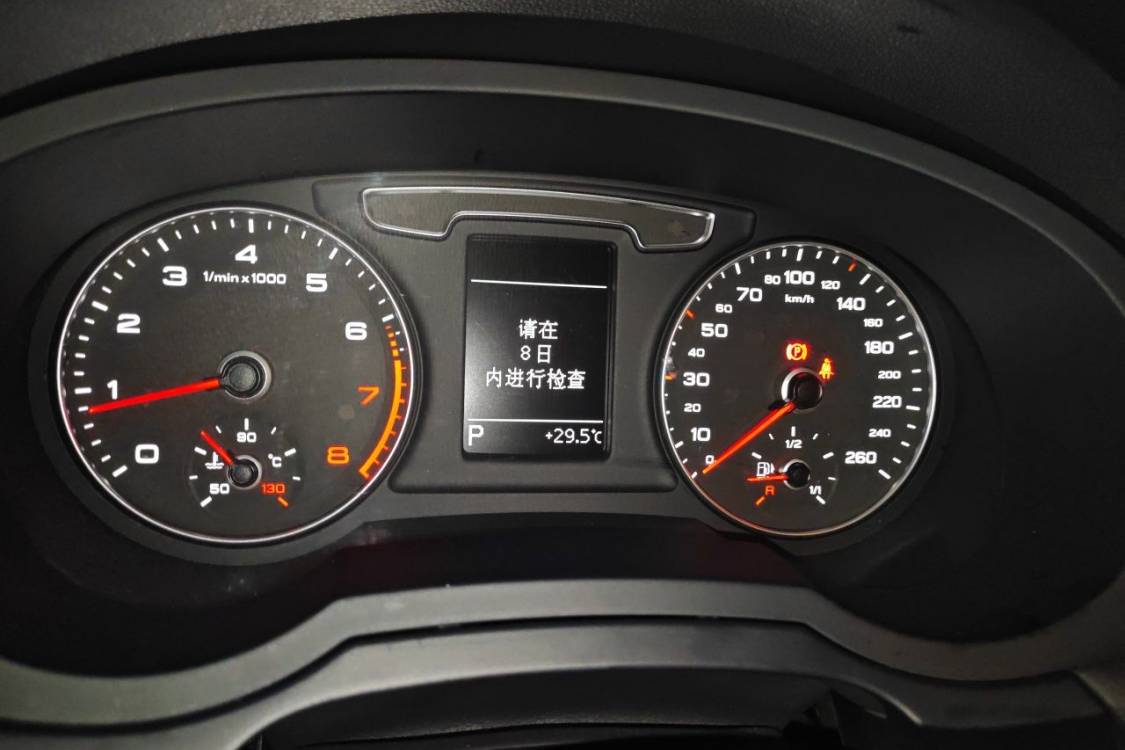
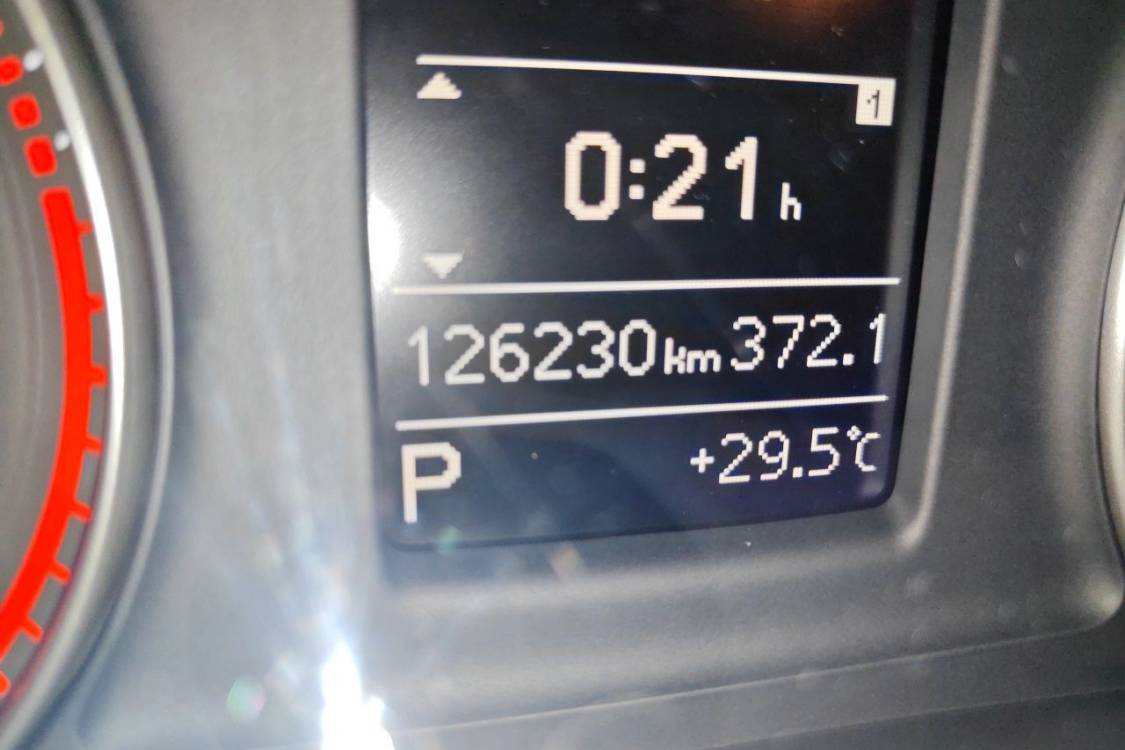
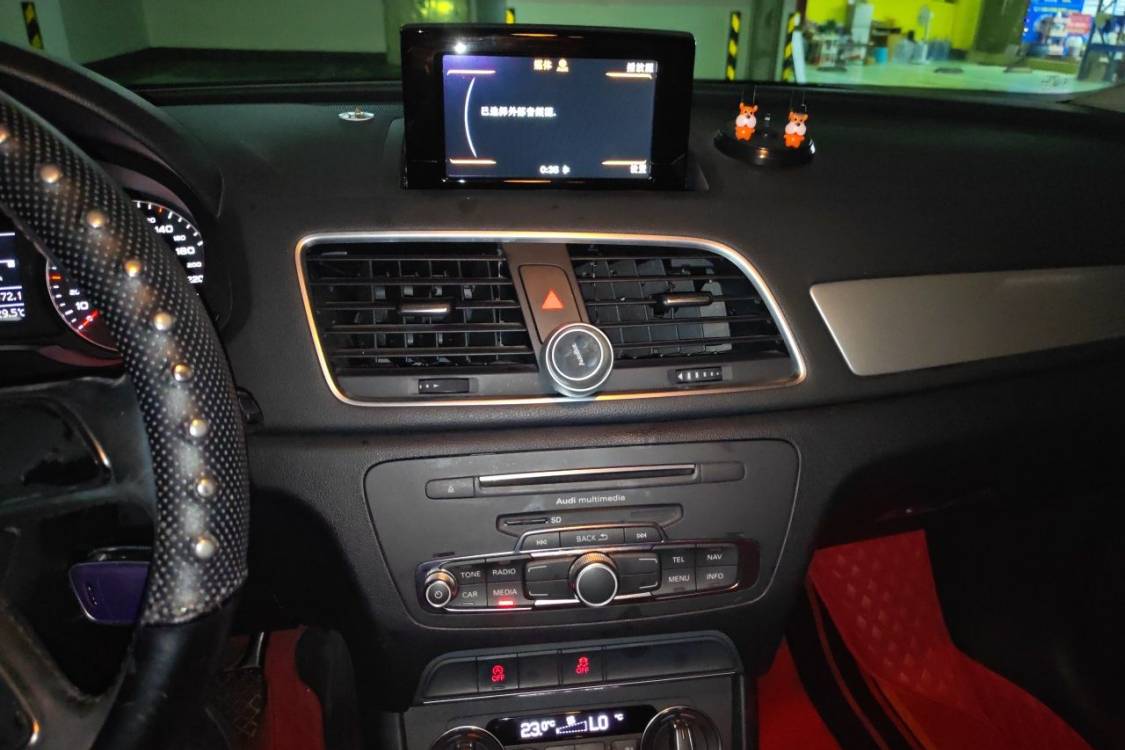



Basic Information

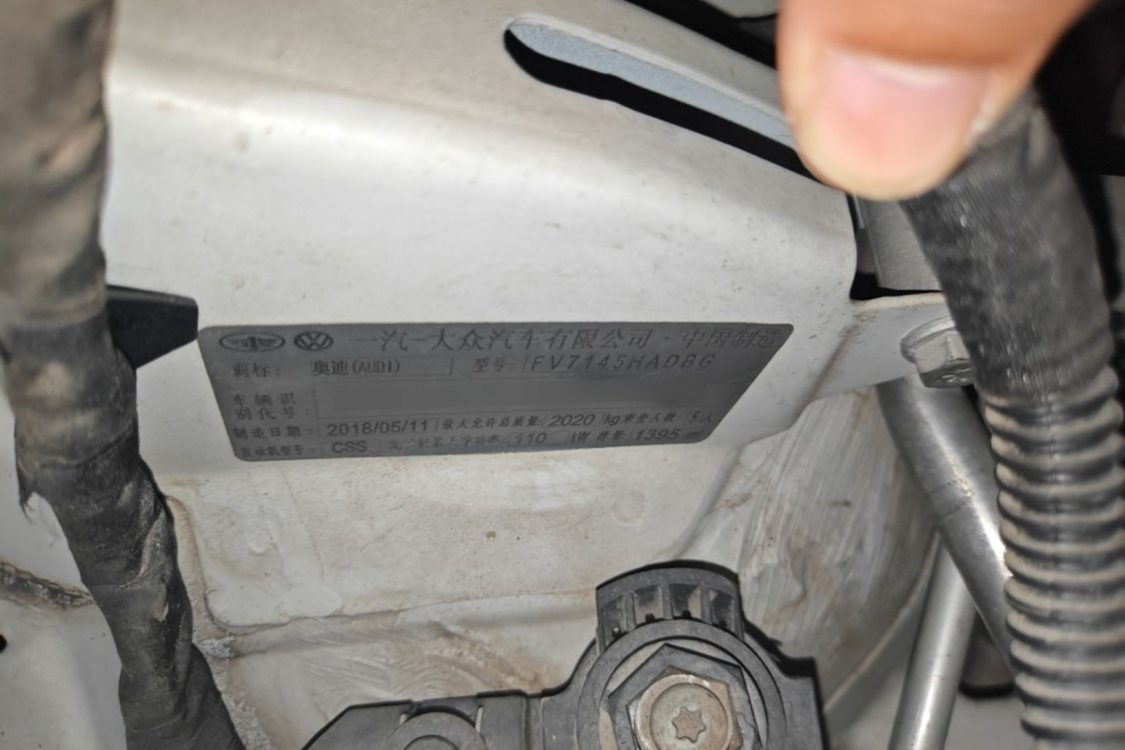
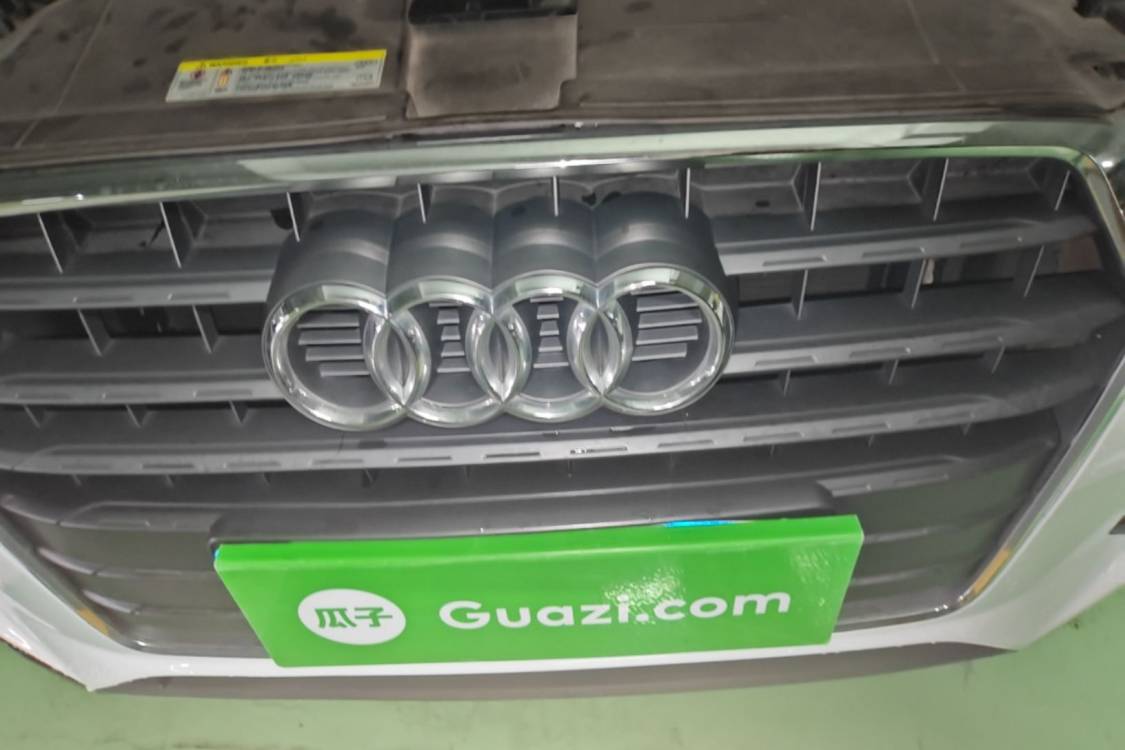
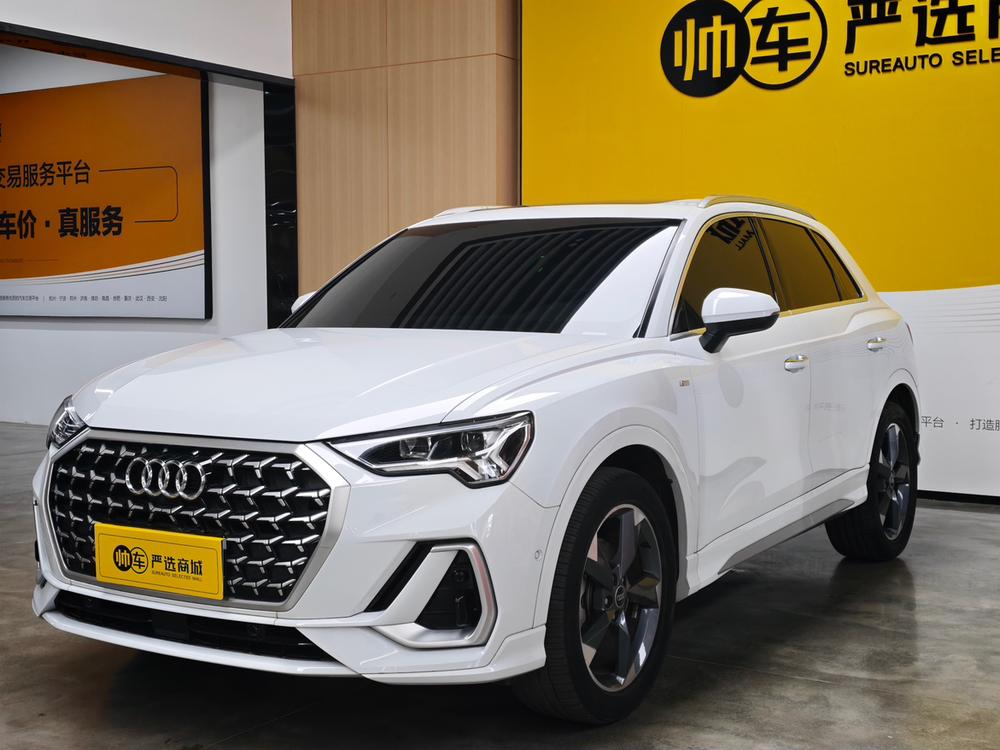
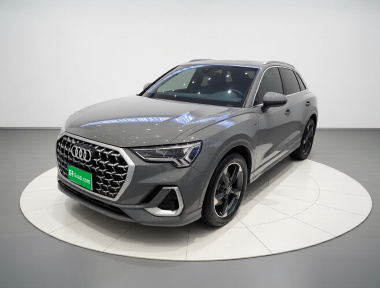
BrandAudi
SeriesQ3
Year2018
First Registration2018/08
Mileage126,200km
Transfer Count1times
FuelGasoline
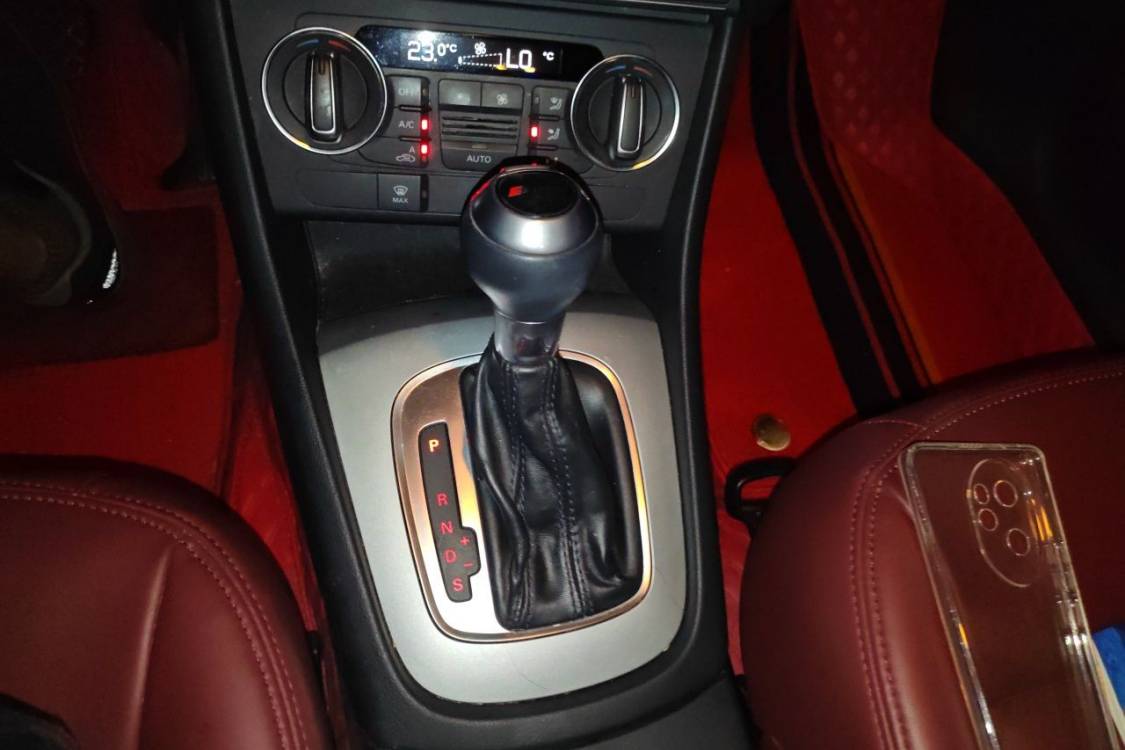
TransmissionDCT
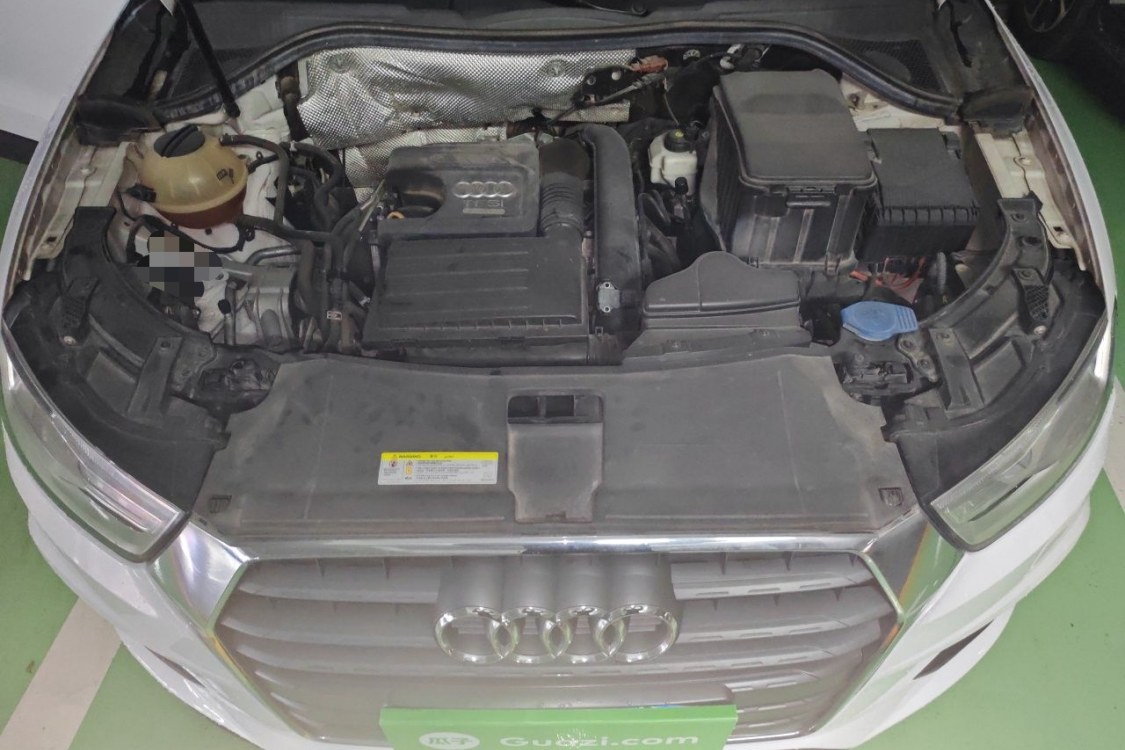
Engine1.4T 150 L4
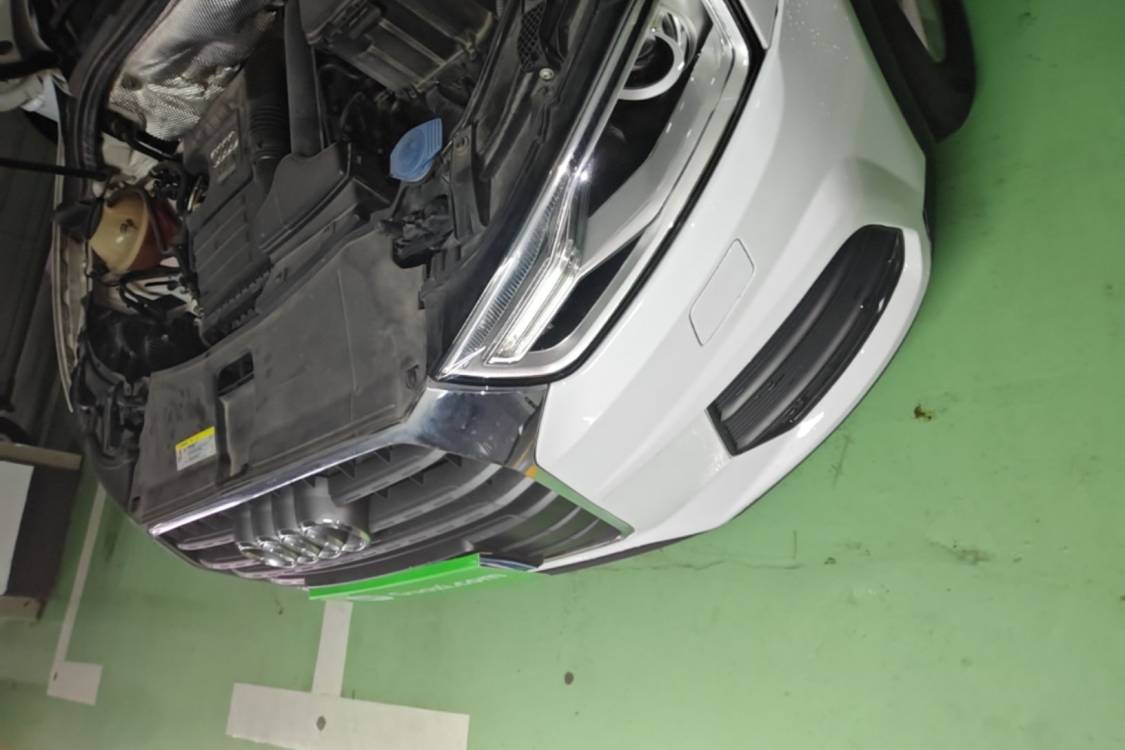
ColorWhite
Seats-

Condition Description

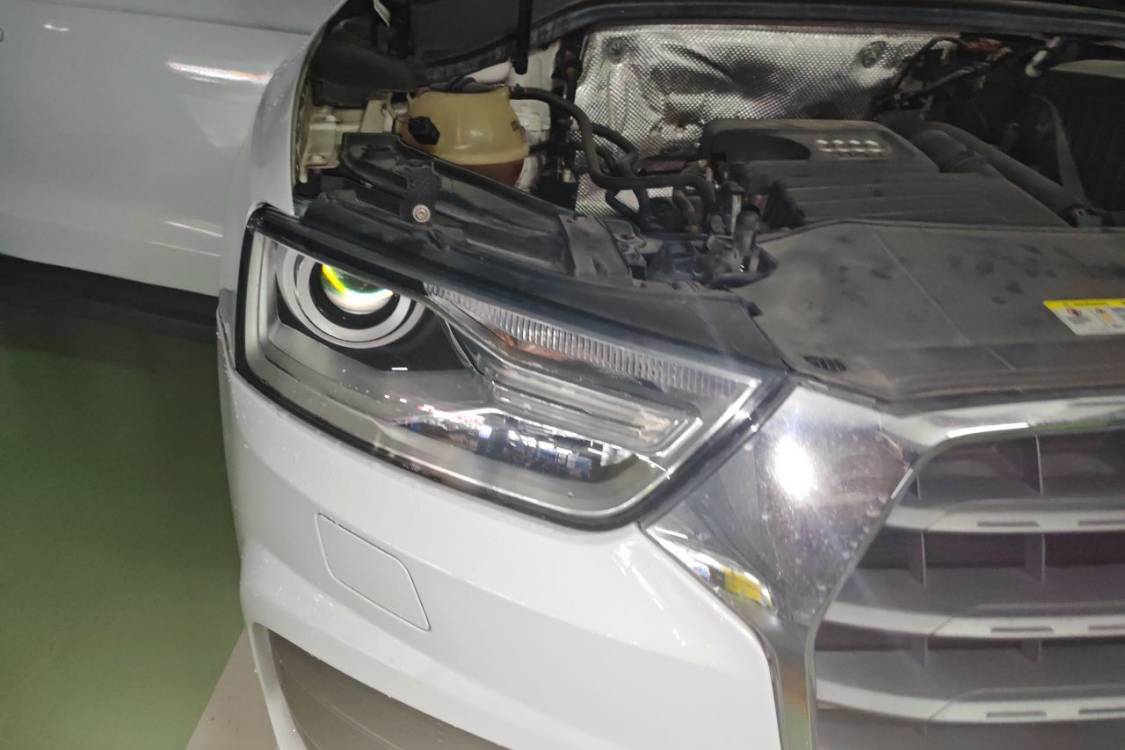
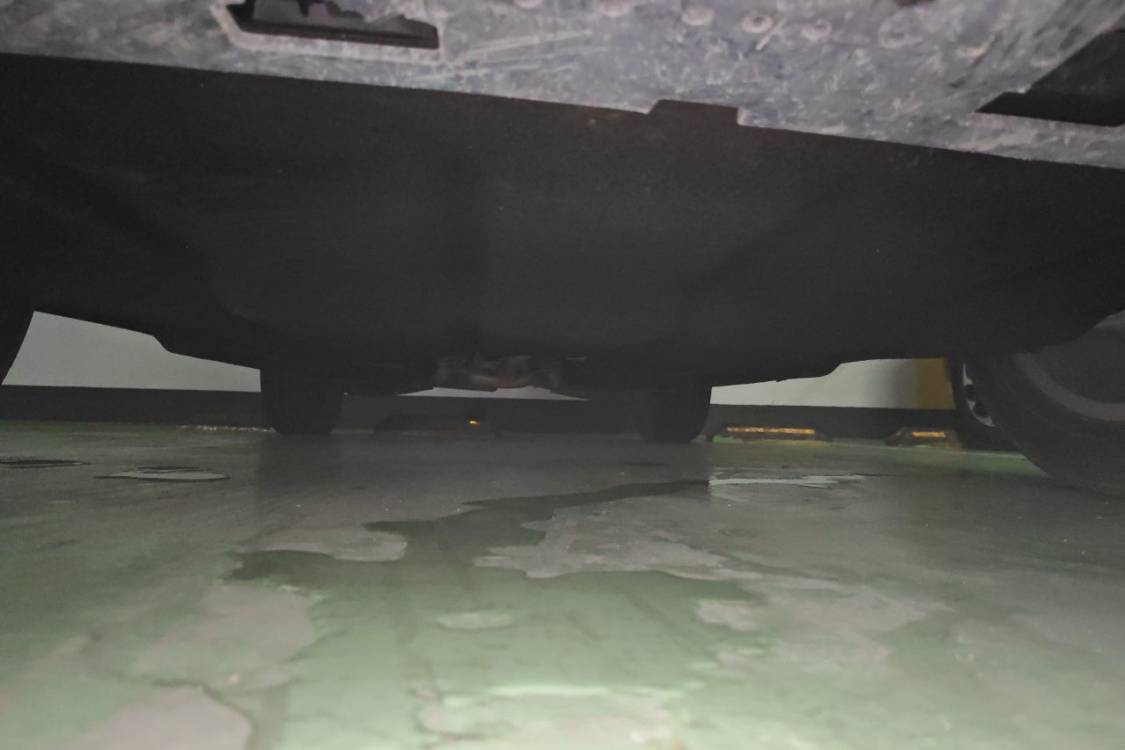
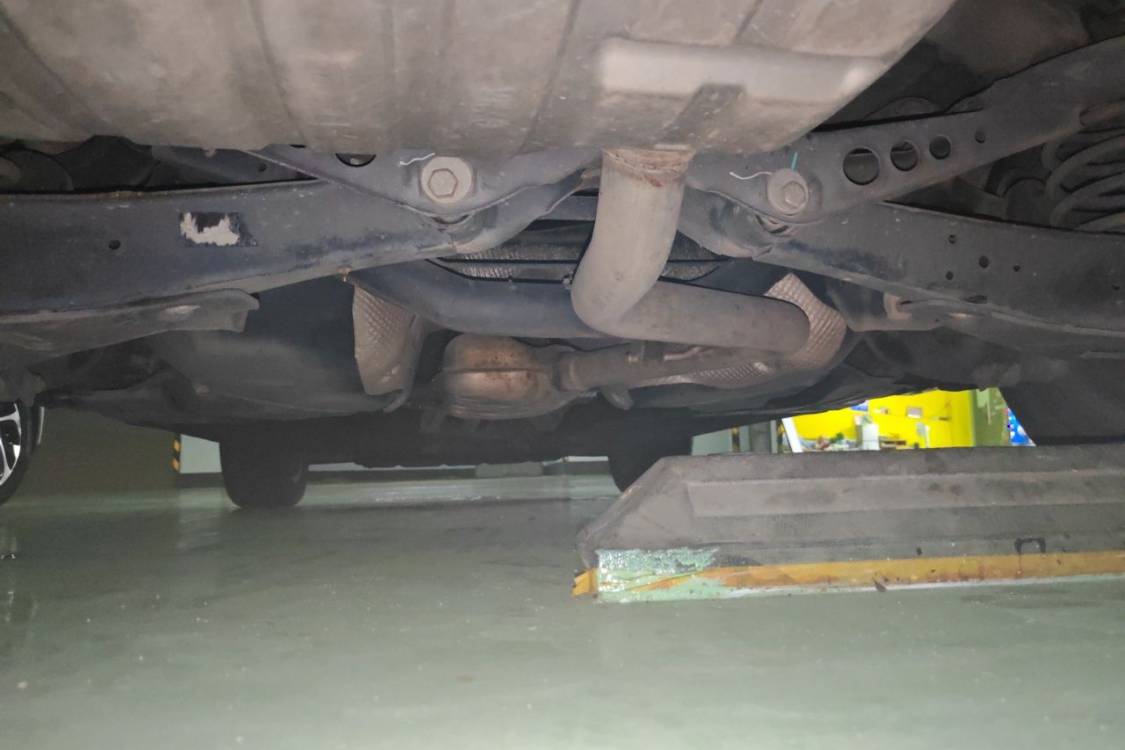
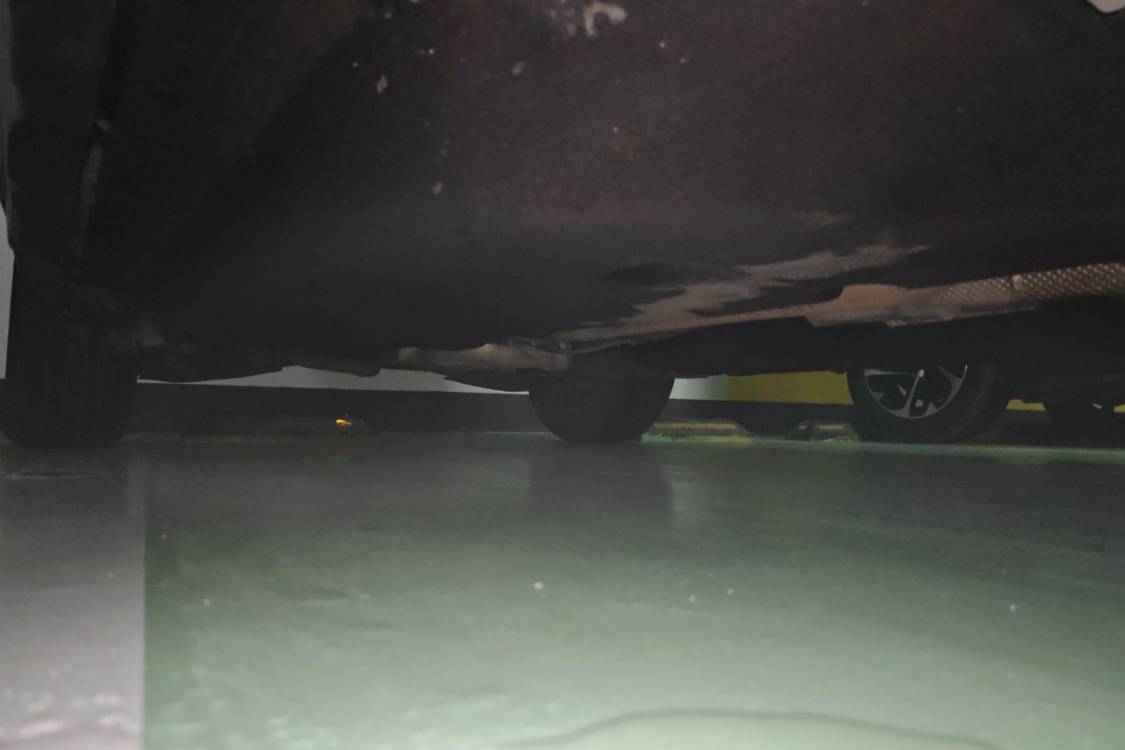
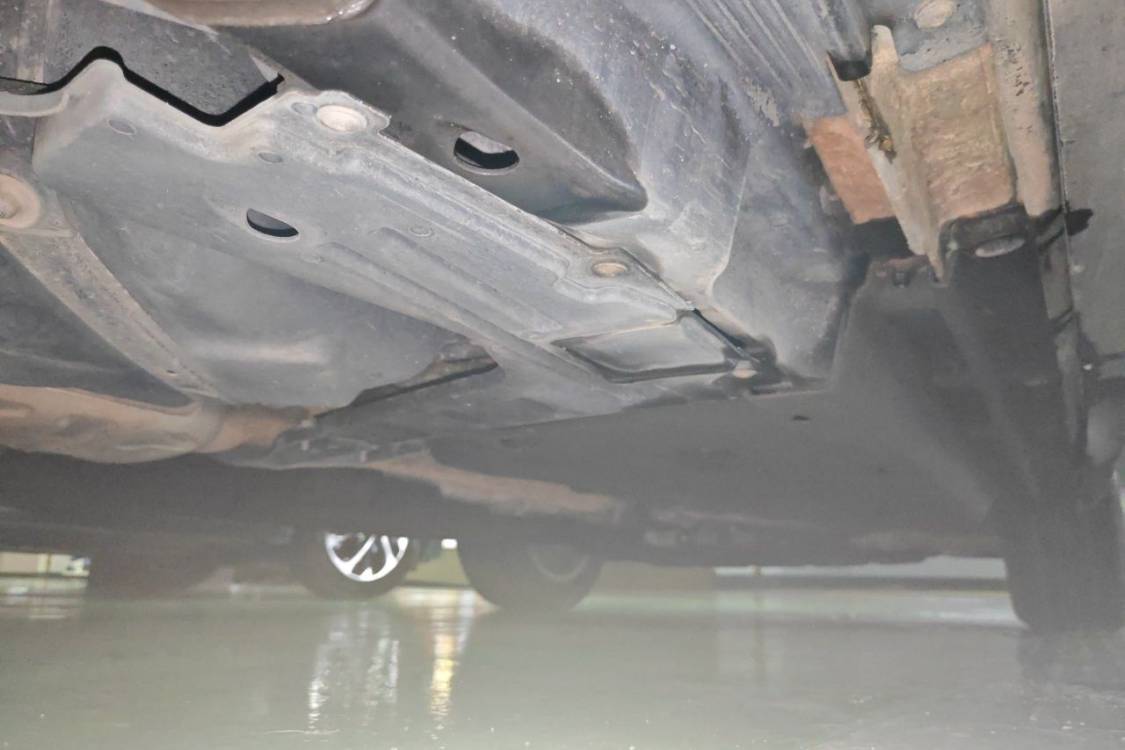
Localized body damage or repair marks present. No accident-related damage or repairs to structural or reinforcement components. Vehicle performance (including three-electric system) has degraded or is limited.

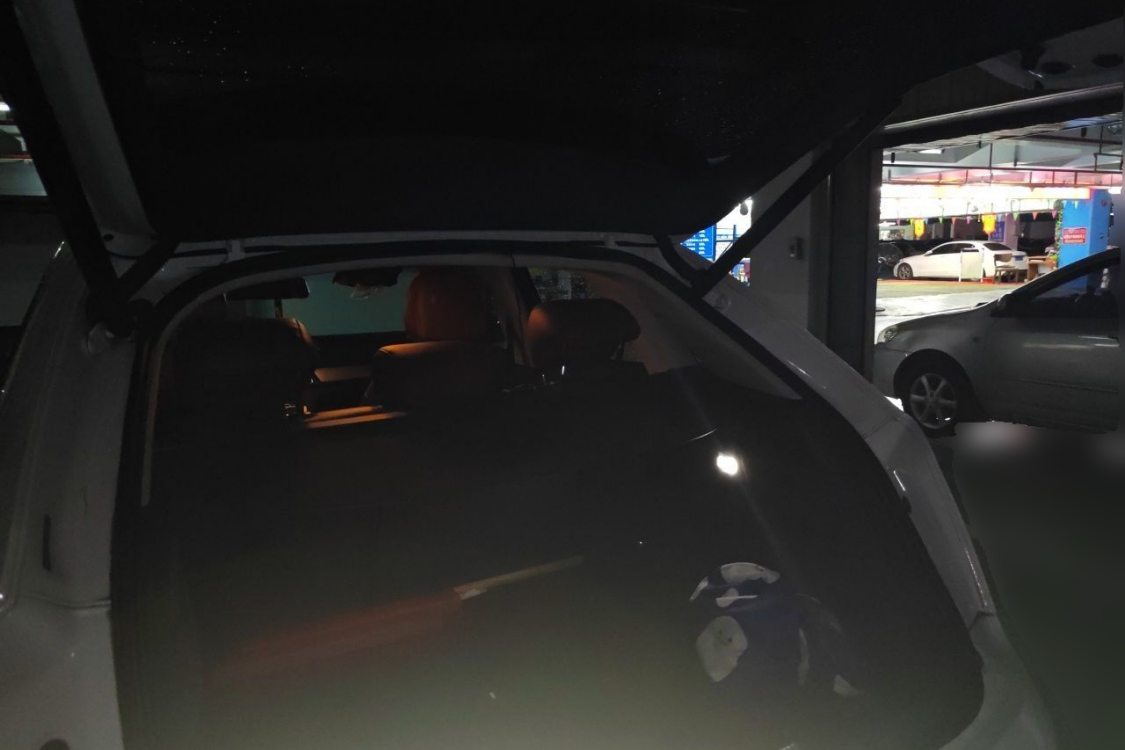
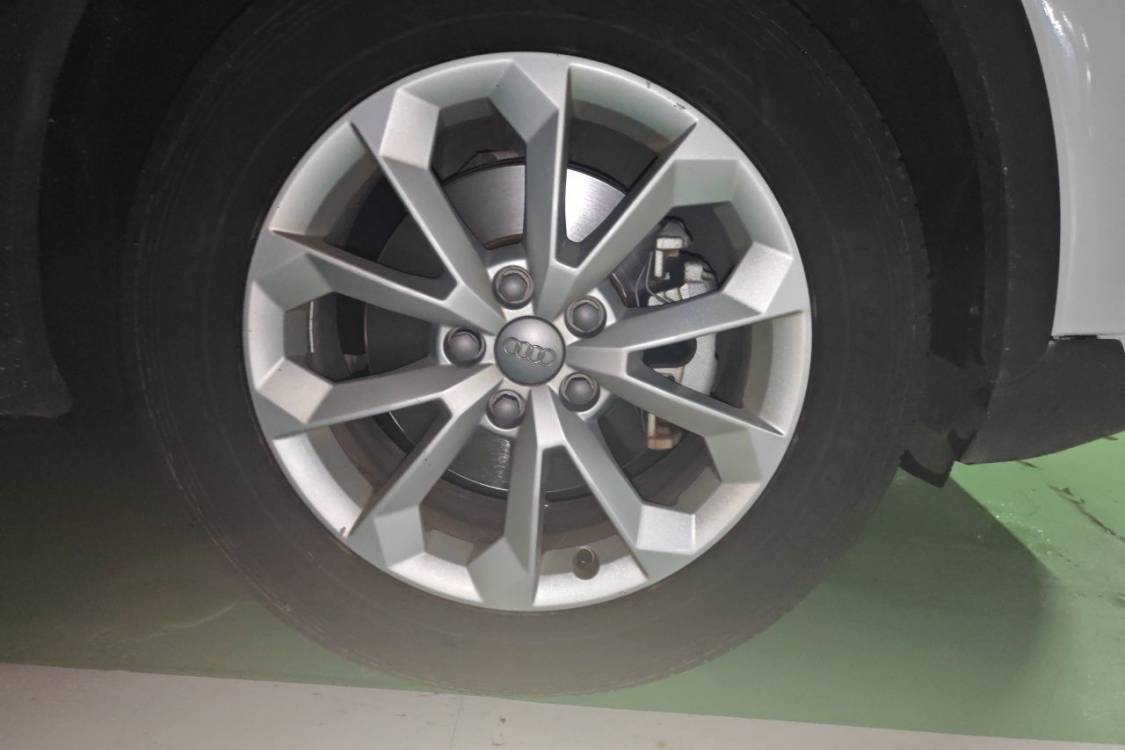
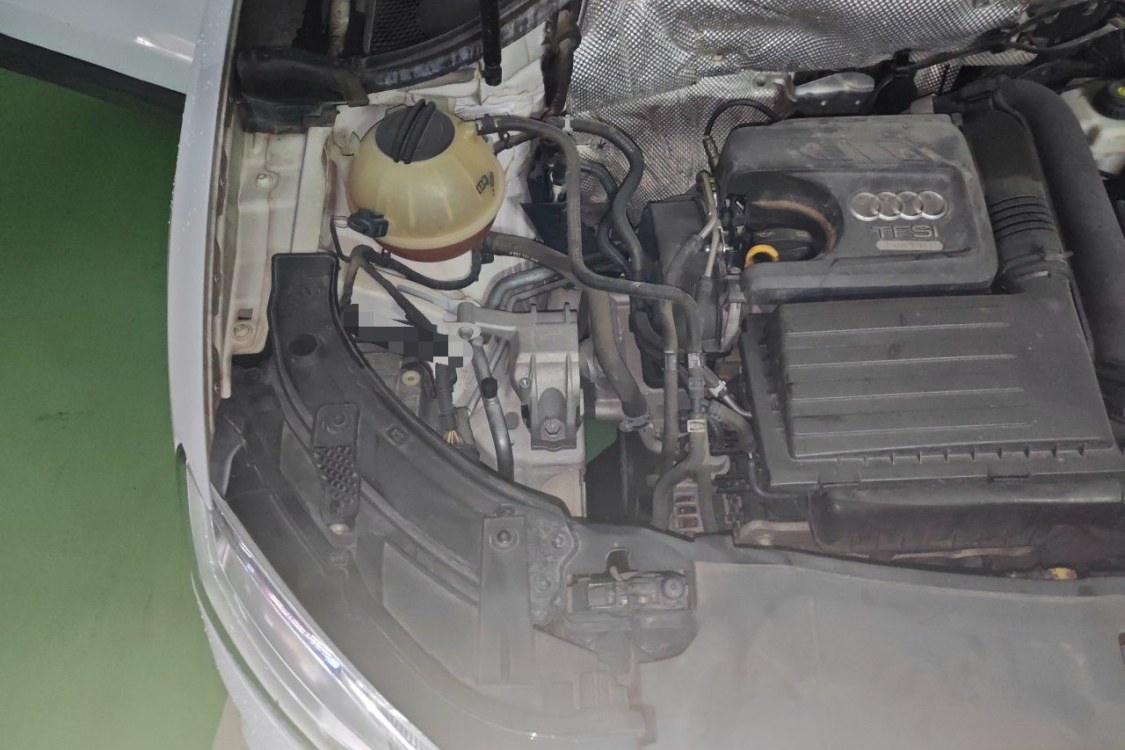
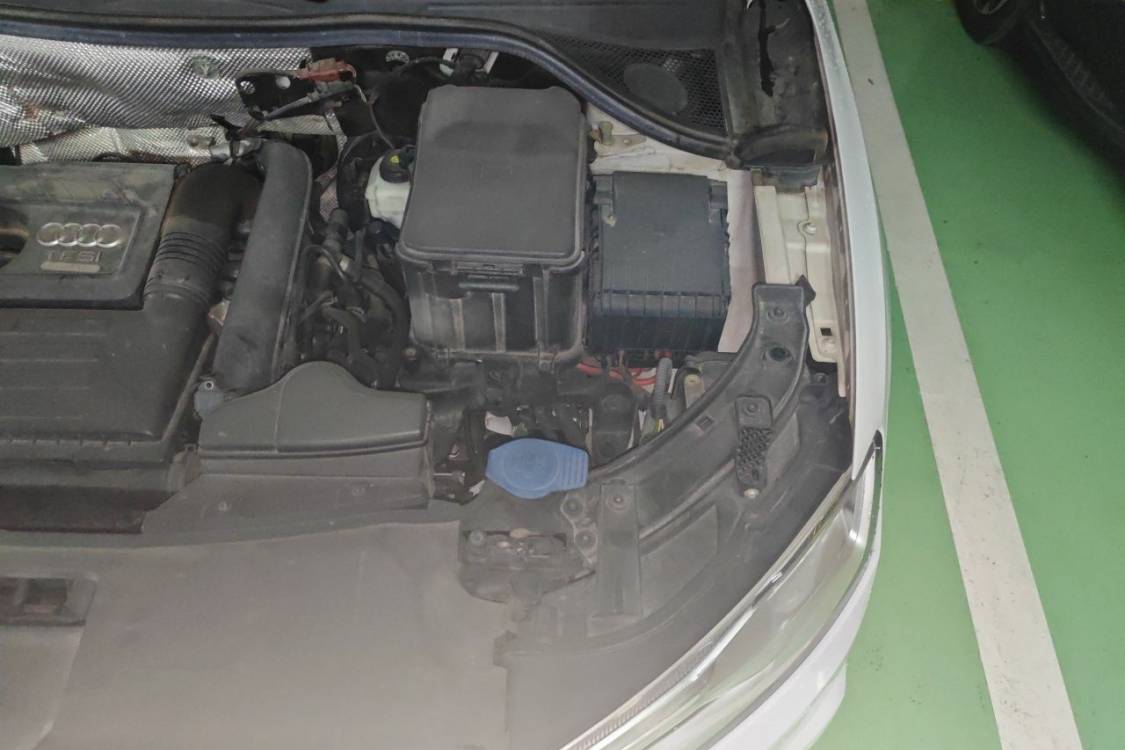
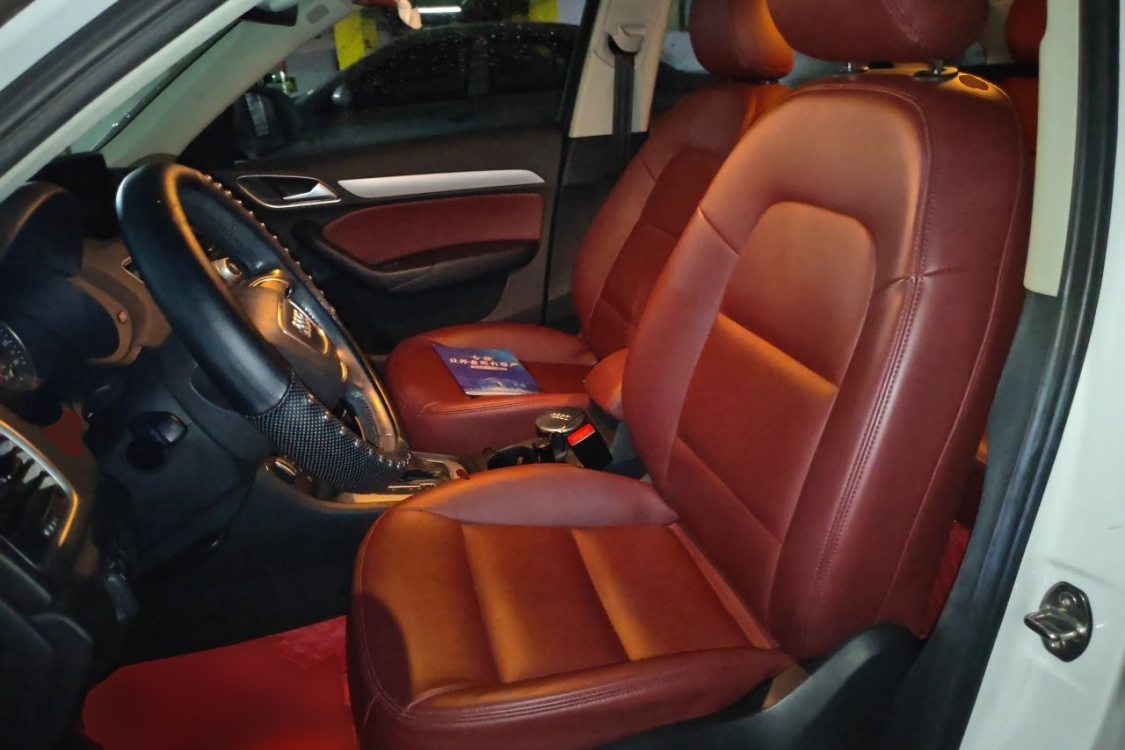
Accident inspection: main structure undamaged, reinforcement components undamaged, cover panels undamaged, hinges normal. Engine bay inspection: key mechanical components in engine compartment normal. Exterior: 2 areas of sheet metal repair, 1 area of repaint. Interior: most features normal, airbag inspection normal, seatbelts normal, dashboard normal, instrument cluster normal, lighting system normal. Start-up inspection: main components normal. Onboard tools: missing.

电话直连
可讲价
平台物流
可转售
新检测标准升级>

Document Information

Inspection Expiry Date2027/08
Warranty Expiry Date-
Insurance Expiry Date2027/08

Q&A

More

When B2B buyers make bulk purchases, can they request to combine the accessory costs and vehicle price on the same commercial invoice to reduce overall tariffs?

No, this is a serious customs violation. Complete vehicles (HS Code 8703) and auto parts (HS Code 8708, etc.) are subject to completely different import tax rates. Combining them on one invoice could lead to the invoice being returned by customs and may expose you to tax fraud accusations at the destination port.
Is it okay if the name of my overseas company does not match the bank account title for the final remittance?

It is extremely dangerous and usually not allowed. This can easily trigger the anti-money laundering (AML) controls of China's foreign exchange administration. The remittance account title must closely match the contract buyer and the bill of lading consignee. If payment on behalf is necessary, a legally binding "Tripartite Payment Agreement" must be provided in advance and undergo compliance review by our finance department.

How long will the seat heating and ventilation features undergo continuous power testing before export?

To prevent intermittent failures due to aging of the resistance wire, we will start the engine and set the seat heating/ventilation to maximum for at least 5 minutes, confirming significant temperature changes or airflow output in the cushion and backrest using an infrared thermometer or body sensor.