


Basic Information

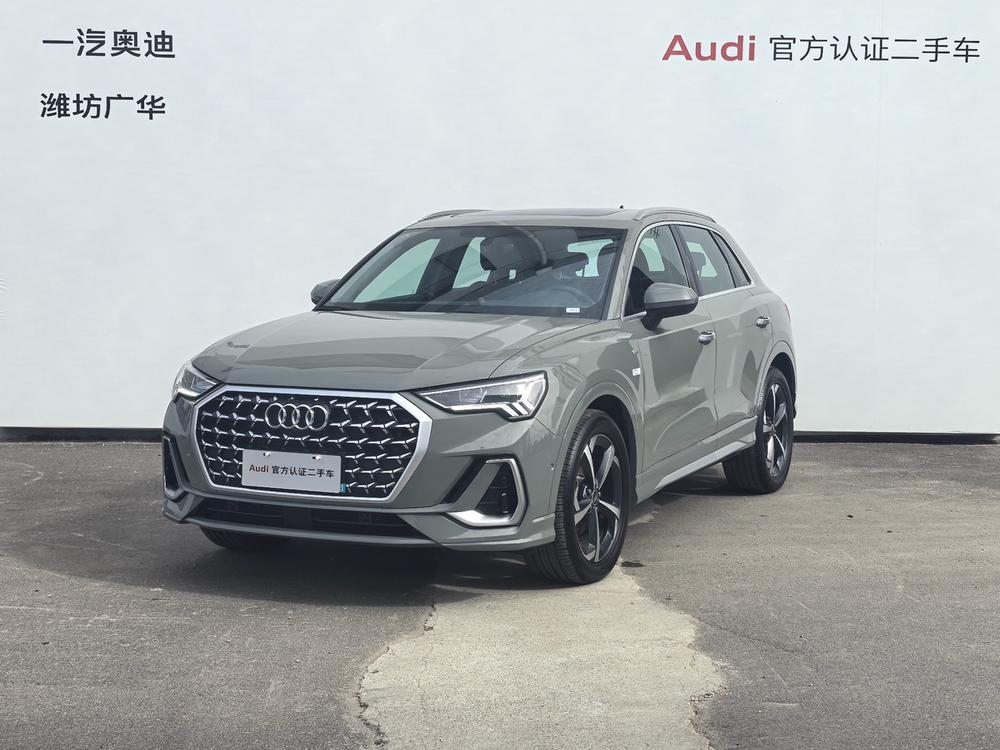
BrandAudi
SeriesQ3
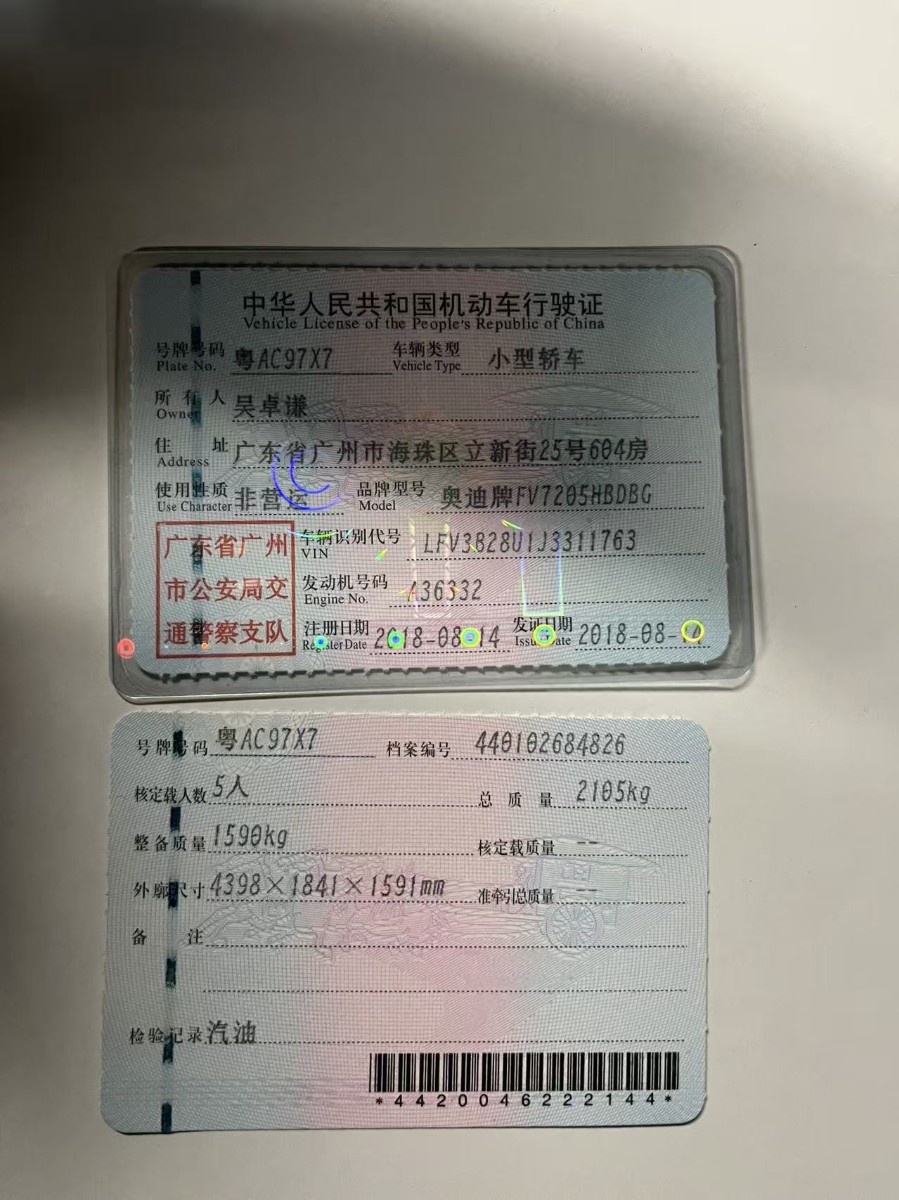
Year2018
First Registration2018/08
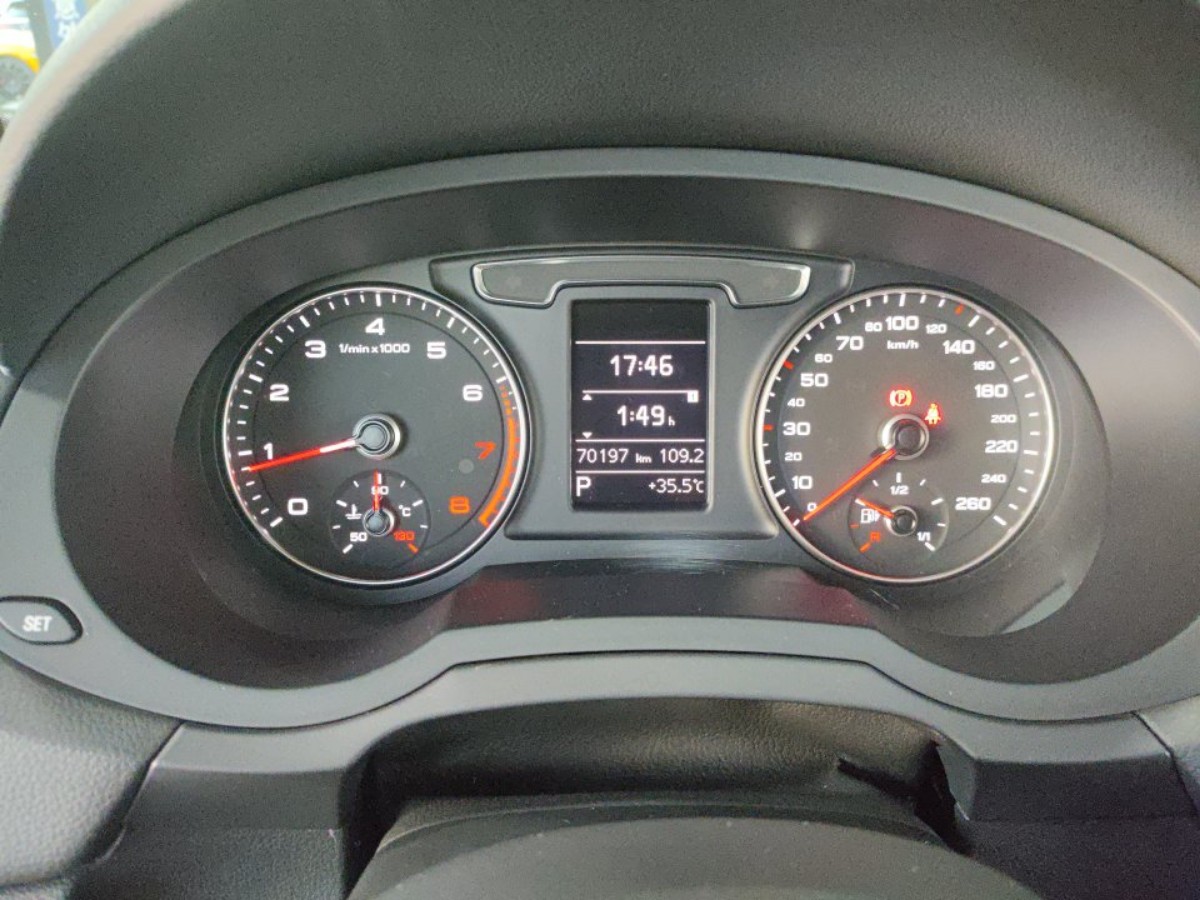
Mileage70,000km
Transfer Count1times
FuelGasoline
TransmissionDCT
Engine2.0T 180 L4
ColorWhite
Seats-

Condition Description

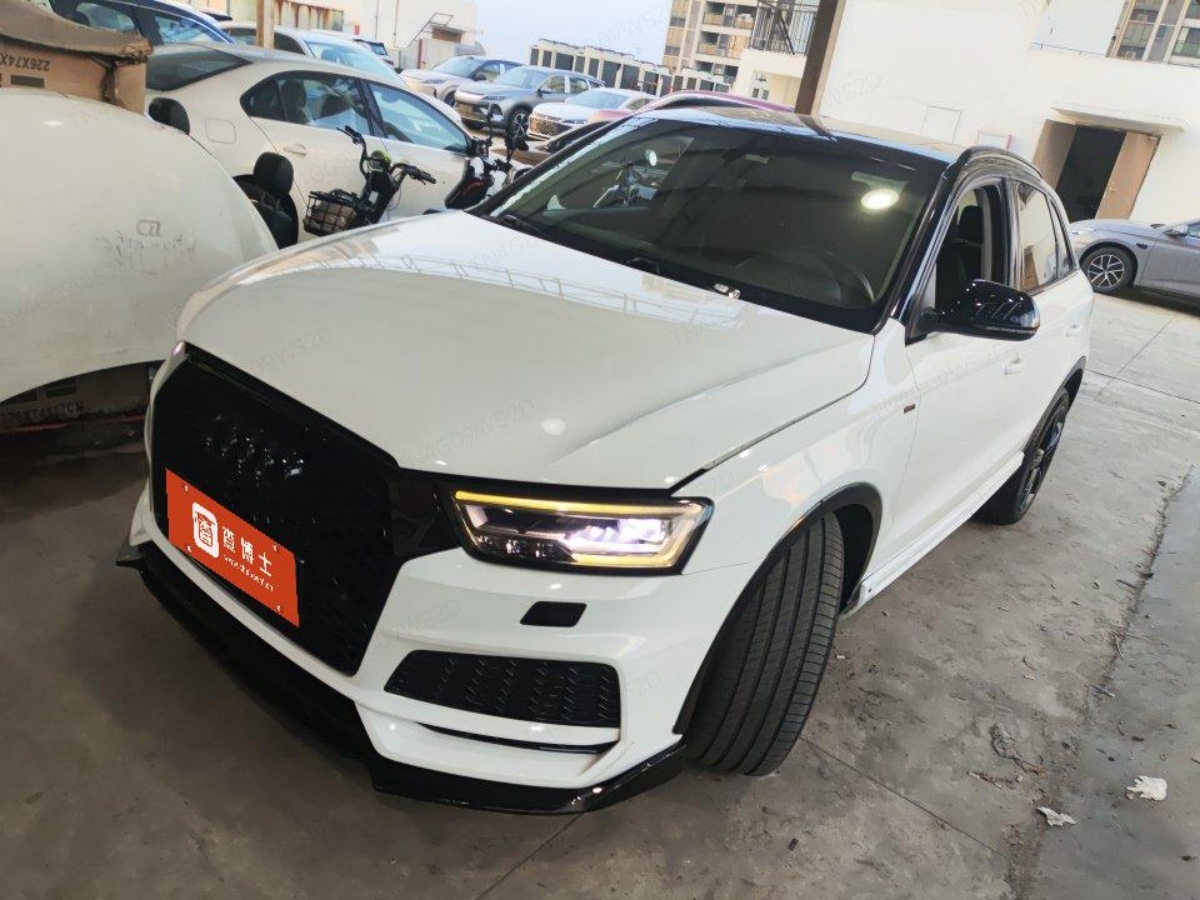
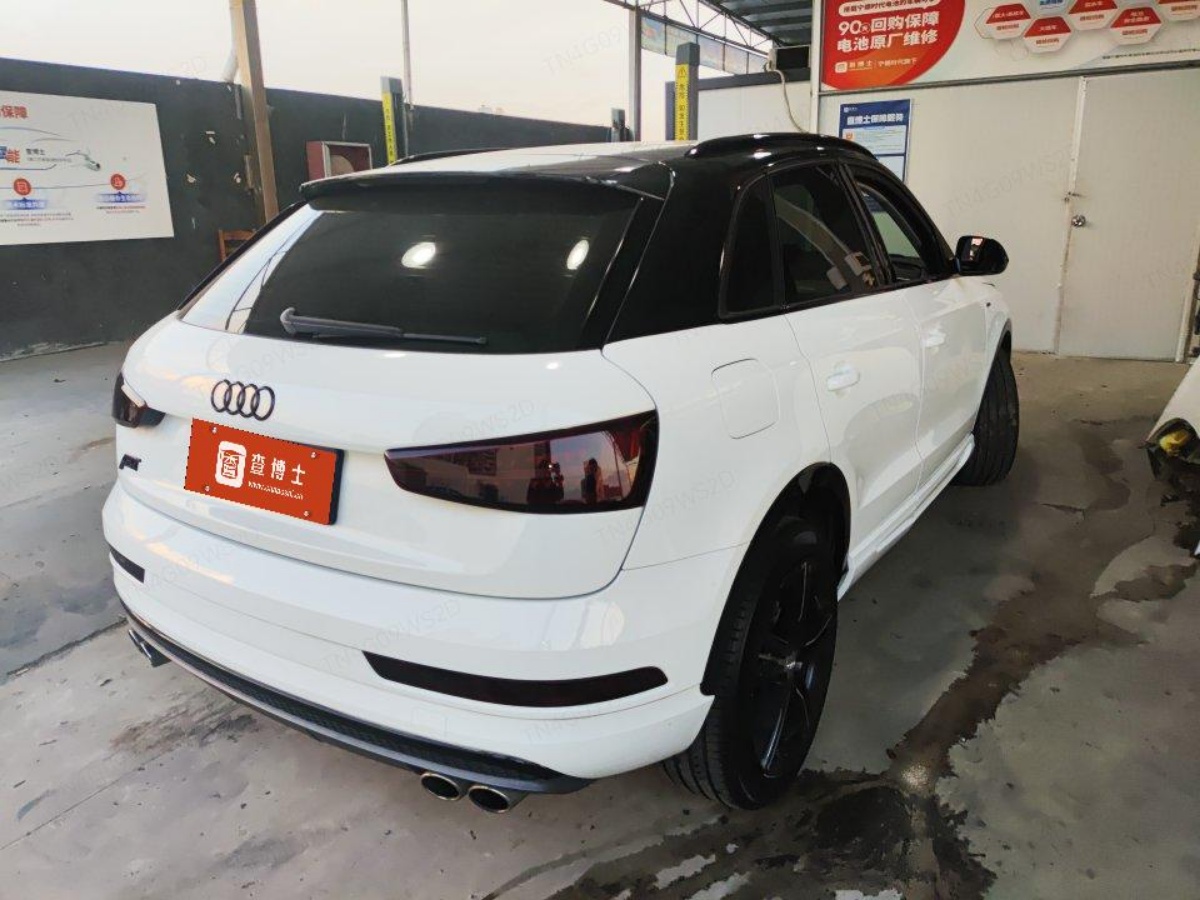
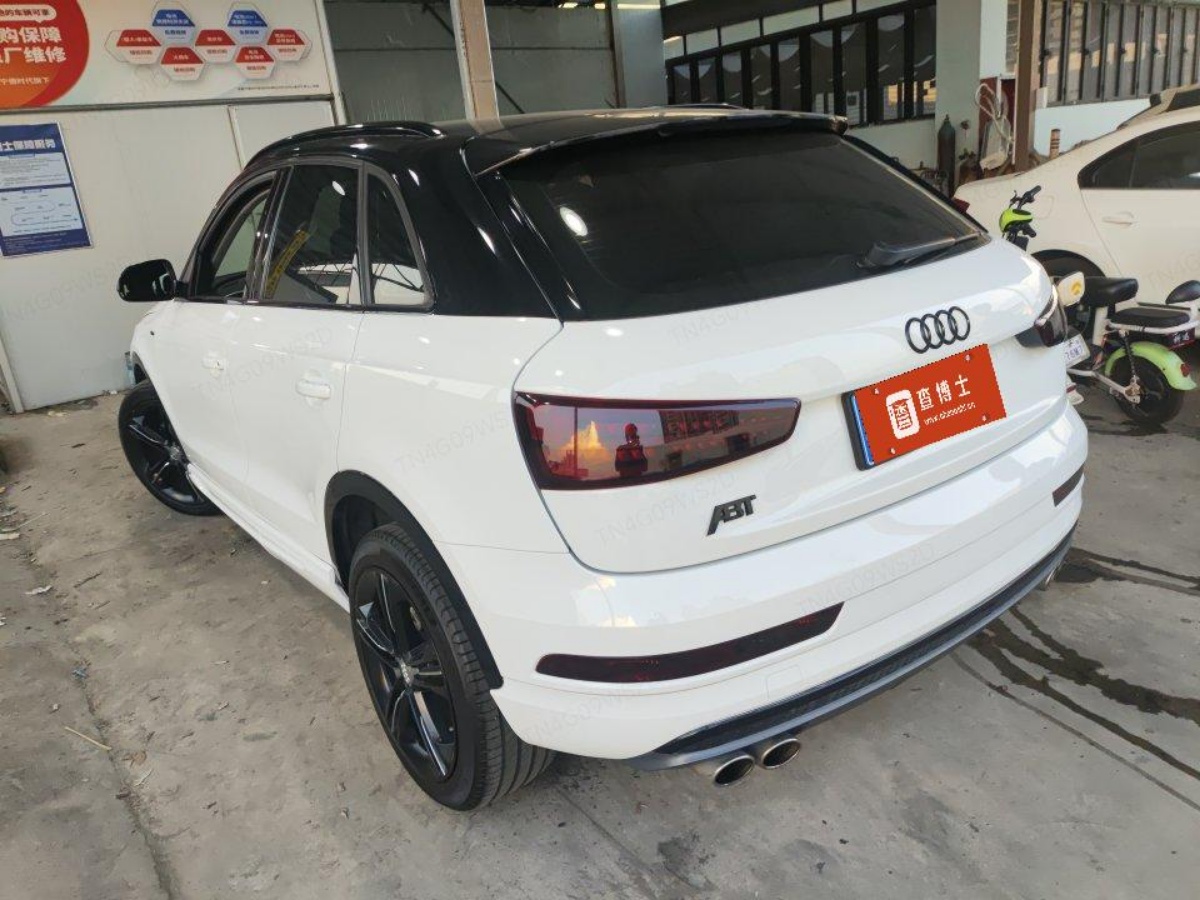
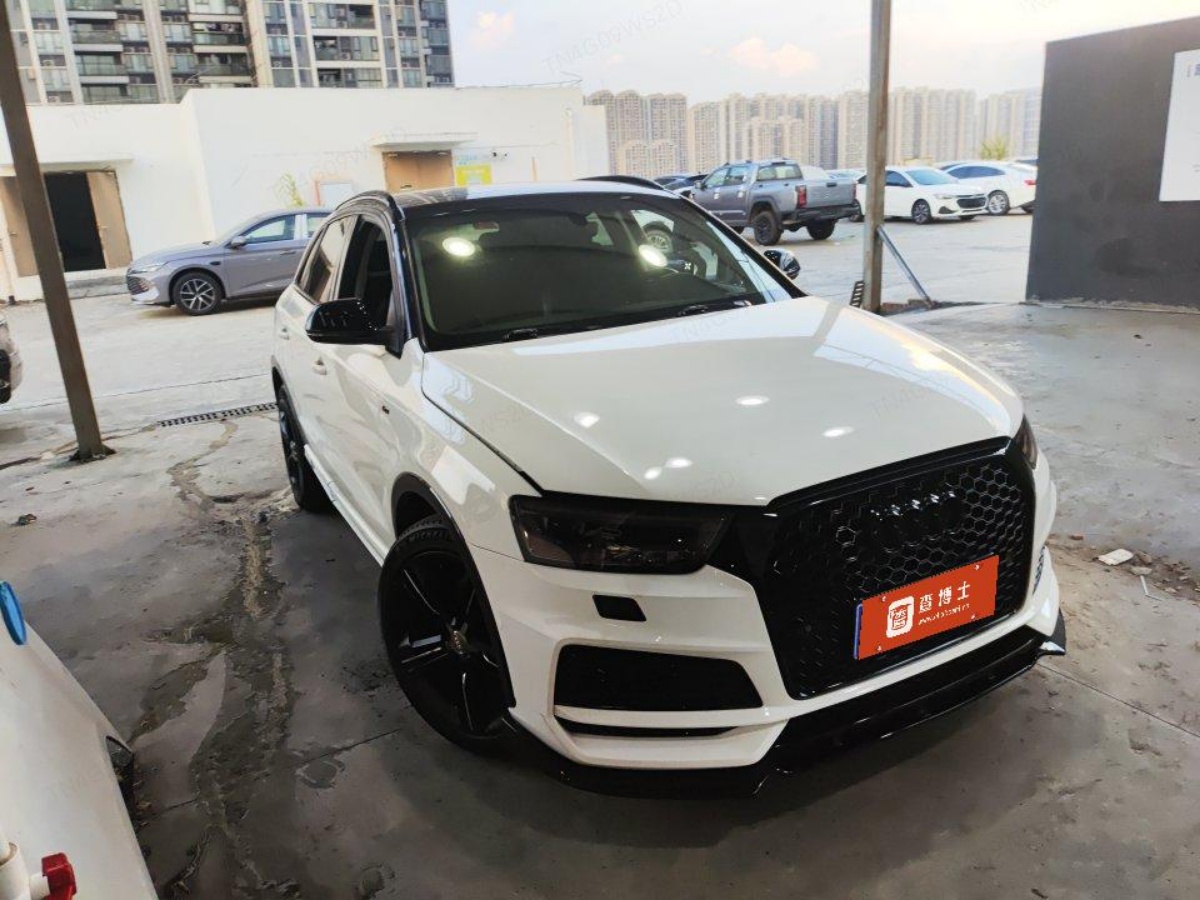
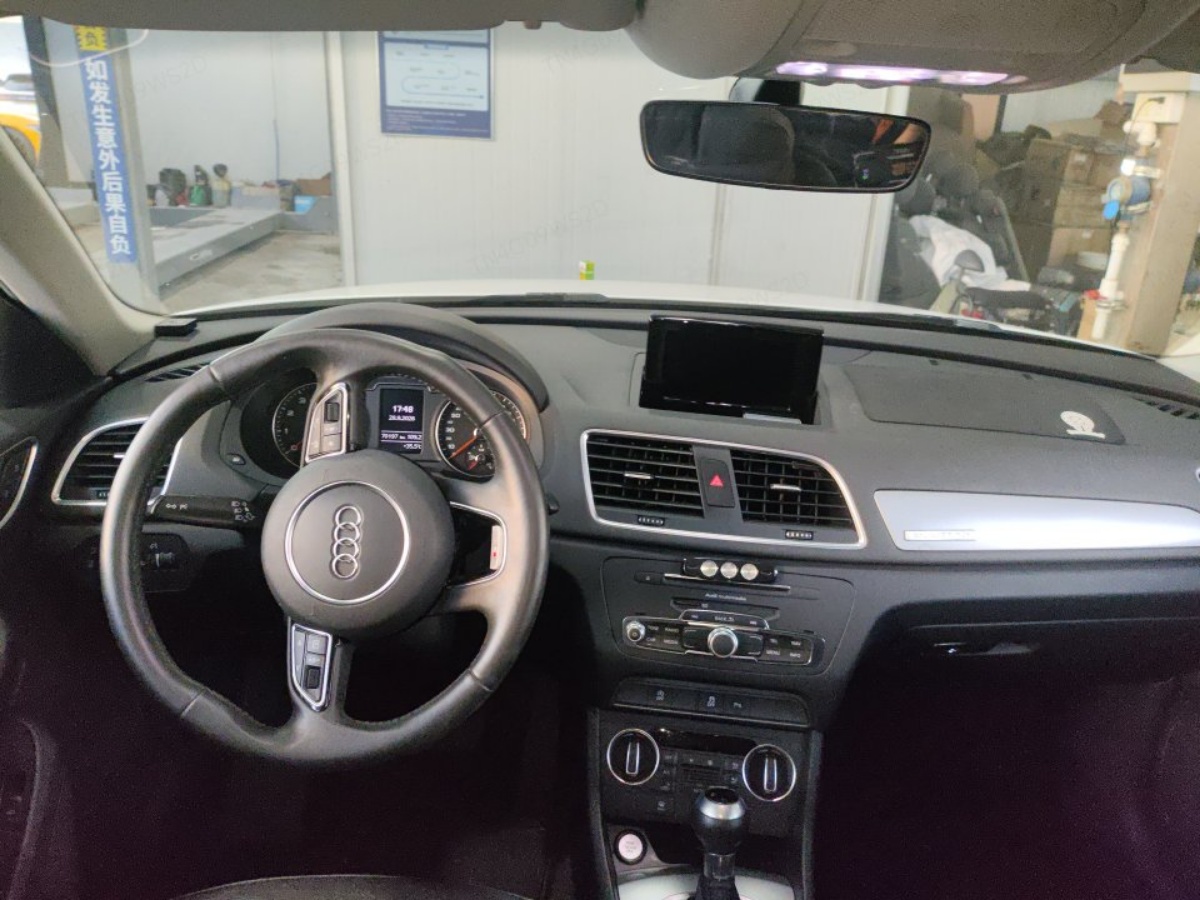
August 2018, 70,000 km, single owner. Full body paint protection film. Insurance claim of 34,000 RMB: right front headlight replaced, right front fender has disassembly/installation marks (treated as replaced). Mostly original paint.

燃油车
SUV
自动
维保开放
事故开放
查验开放

Configuration Highlights

✓品牌: 奥迪
✓车系: 奥迪Q3
✓车型: 2018款 30周年年型 35 TFSI 时尚型
✓车身类型: SUV
✓座位数: 5
✓排量: 2.0T
✓变速箱: 自动
✓能源类型: 燃油车
✓VIN: LFV3B28U1J3311763
✓搜索关键词: 奥迪奥迪Q3 2018款奥迪Q330周年年型35TFSI时尚型

Document Information

Inspection Expiry Date2027/08
Warranty Expiry Date-
Insurance Expiry Date2027/08

Q&A

More

Are the quality assessment standards for used commercial vehicles (pickups, light vans) the same as for passenger cars?

Completely different. The assessment of commercial vehicles focuses on: the extent of wear/deformation in the cargo area, whether the frame has been twisted due to overload, the fatigue of the leaf springs, and the emissions of the diesel engine. Minor exterior scratches carry very little weight in the assessment of commercial vehicles.
Will the Advanced Driver Assistance Systems (ADAS) work under overseas road conditions?

Basic perception functions (like Adaptive Cruise Control ACC, Lane Keeping Assist LKA, and Automatic Emergency Braking AEB) rely on the vehicle's local radar and cameras, and can operate normally overseas. However, advanced features that heavily depend on high-precision maps and cloud data (like Navigation on Autopilot NOA and Full Self-Driving FSD) cannot be activated overseas.

Is China's "National VI B" emission standard equivalent to Europe's Euro VI standard?

From a technical perspective, China's "National VI B (China VI-b)" is one of the strictest emission standards globally, with limits on carbon monoxide, nitrogen oxides, and particulate matter that are even stricter than some of Europe's Euro VI standards. However, the two are not legally recognized by each other, depending on your country's import regulations.