


48H

Basic Information

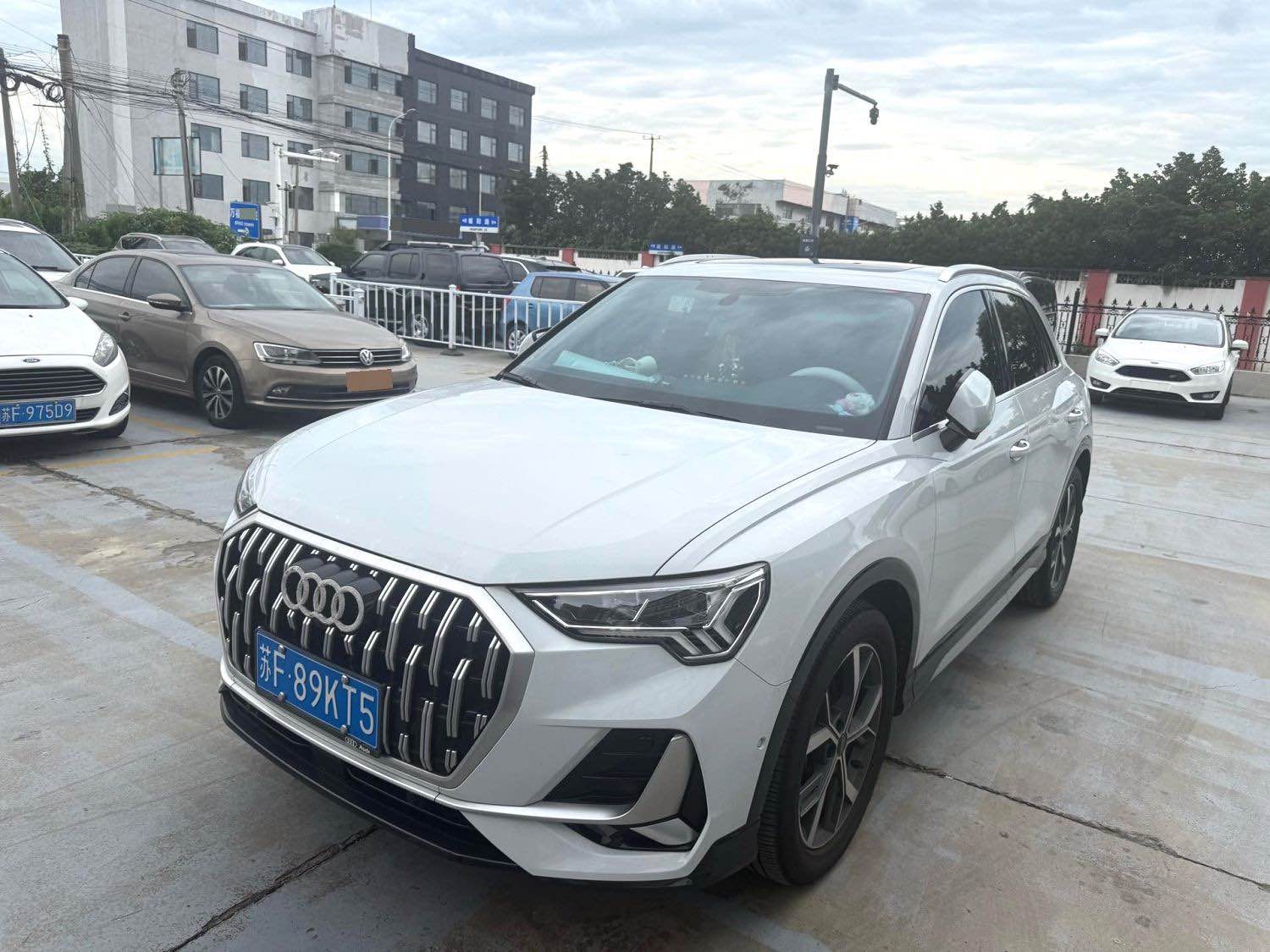
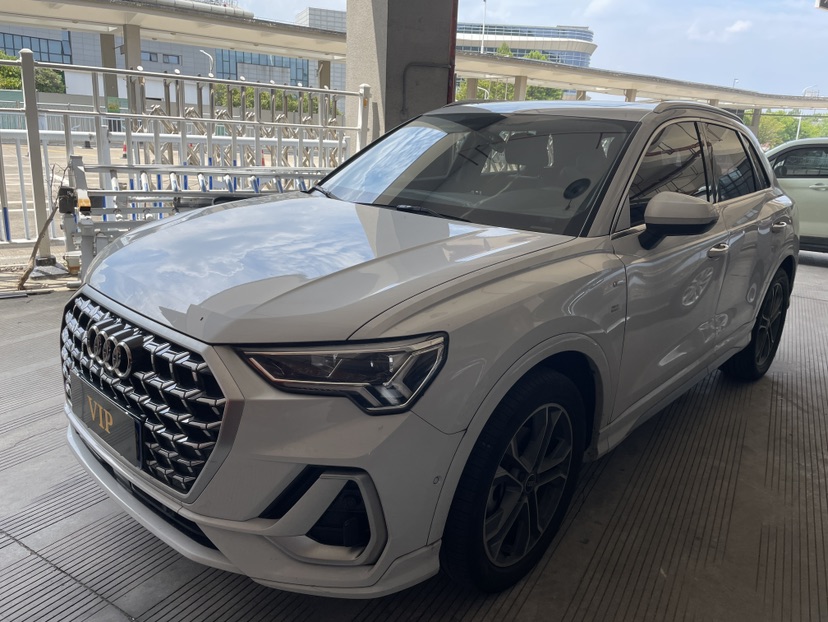
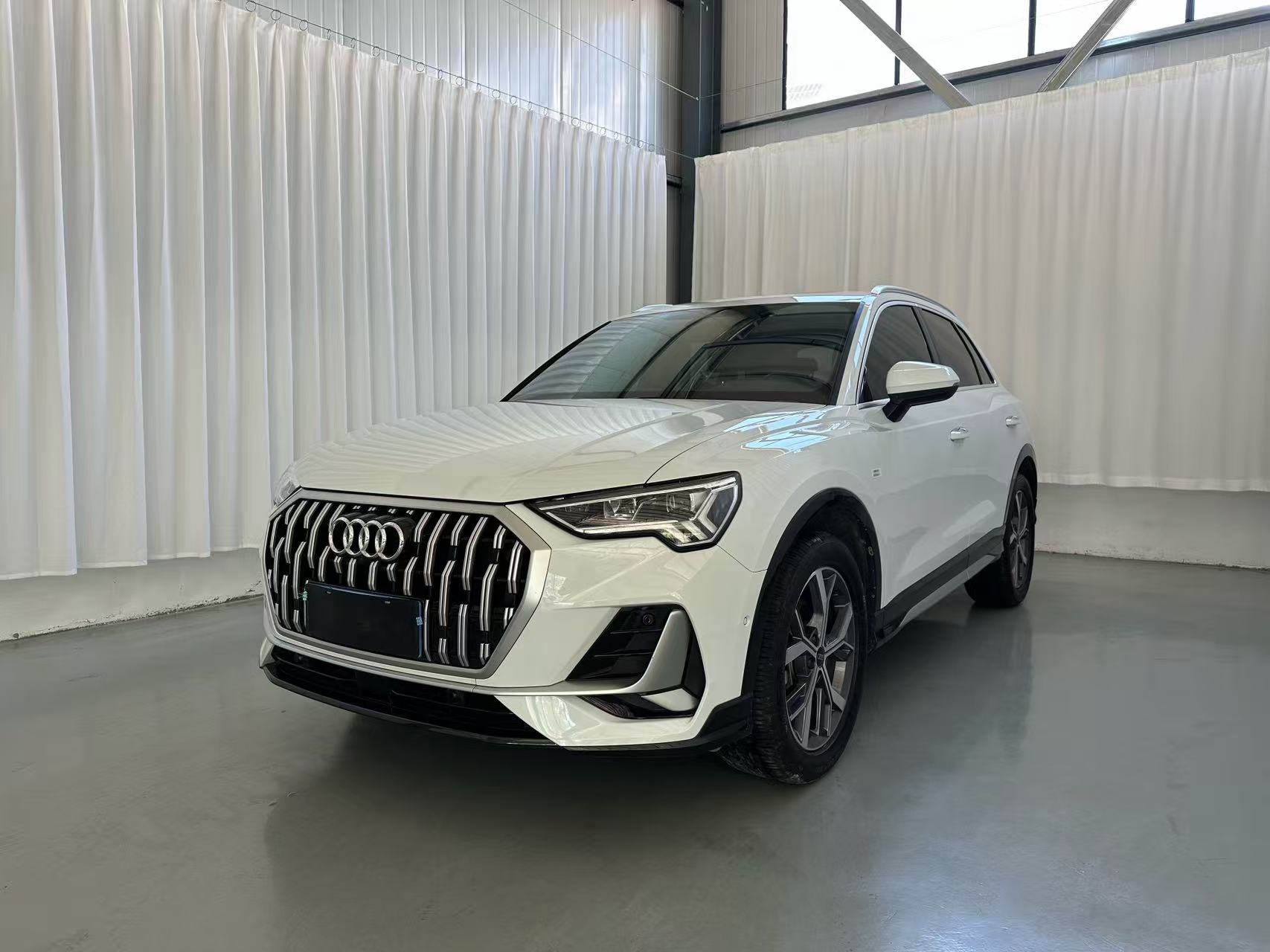
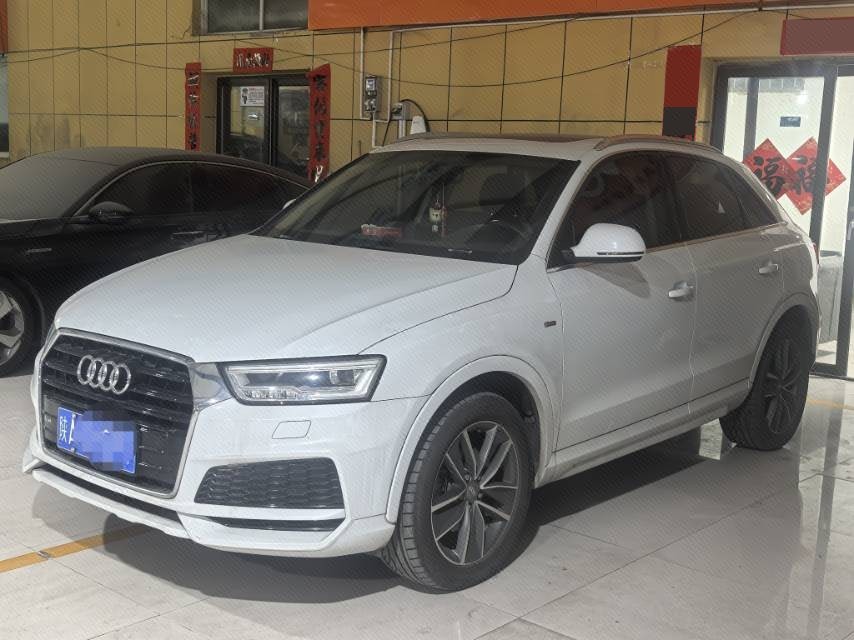
BrandAudi
SeriesQ3
Year2018
First Registration2018/08
Mileage40,000km
Transfer Count0times
FuelGasoline
TransmissionDCT
Engine2.0T 180 L4
ColorWhite
Seats-

Condition Description

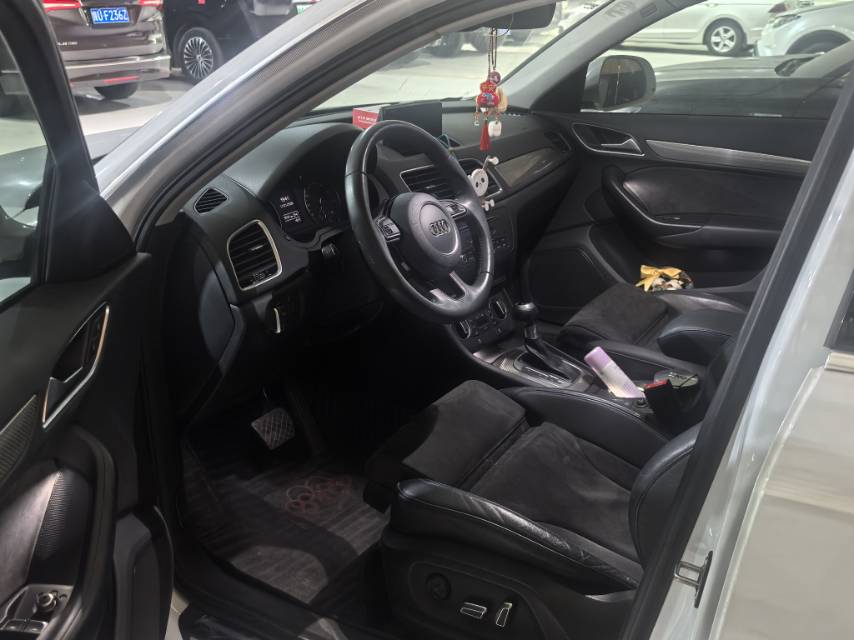
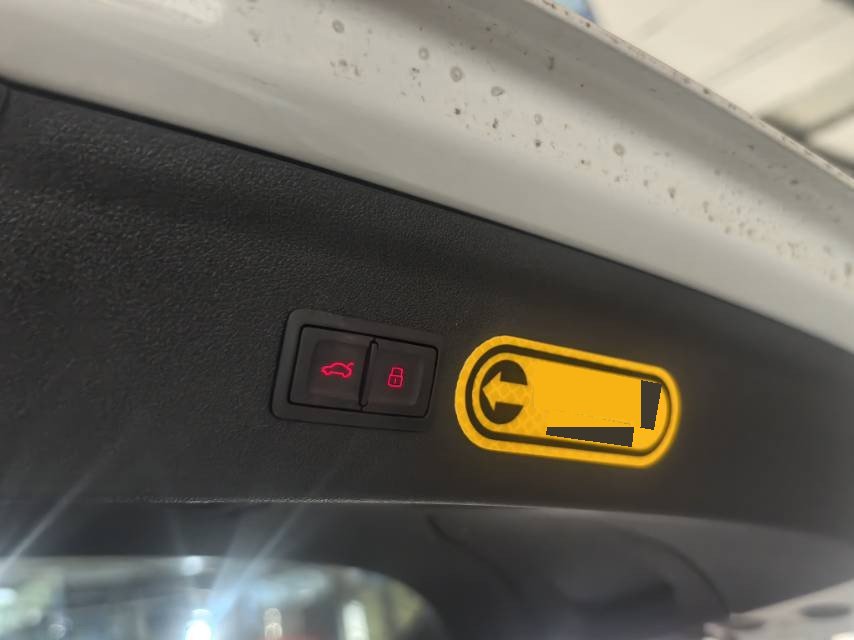
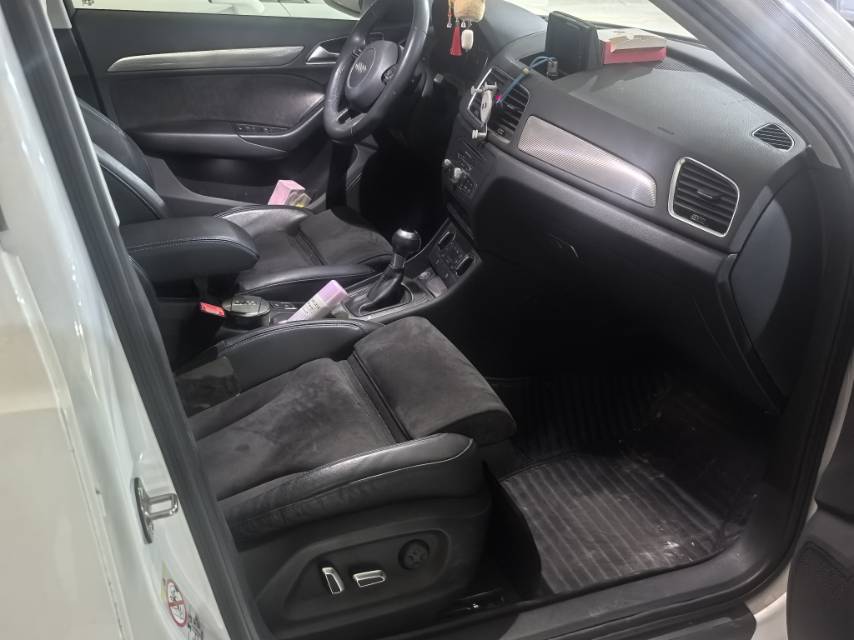
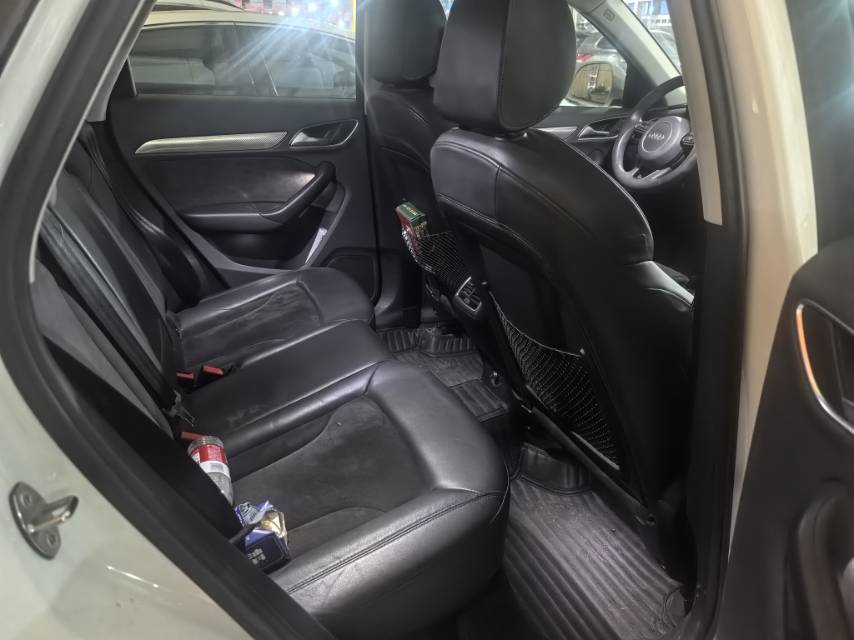
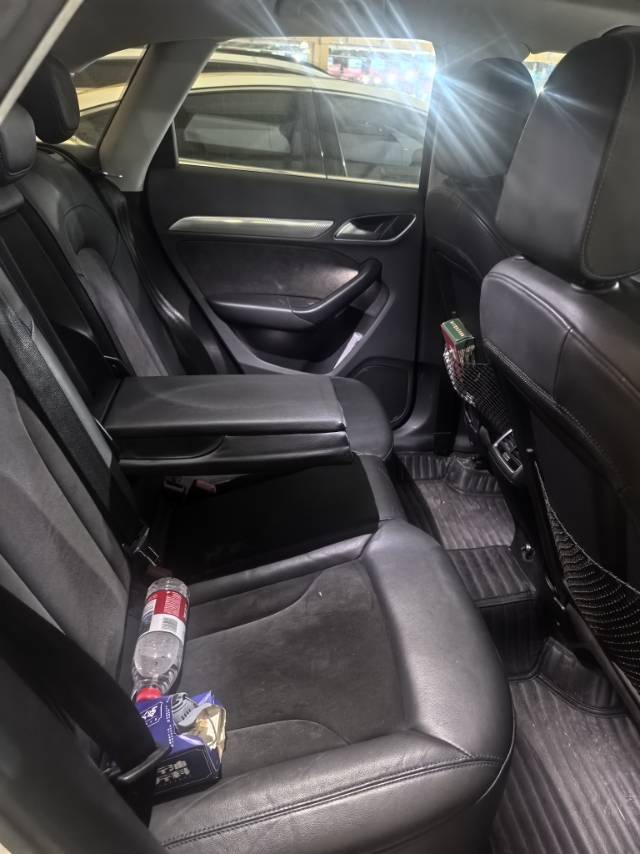
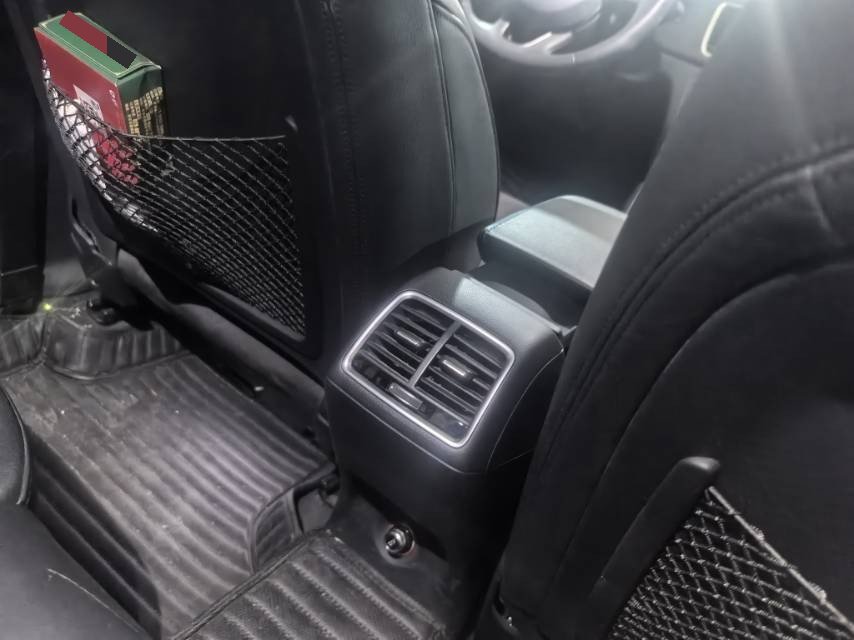
4万公里实表,一手车,补漆多,换个门,三方能过。

Document Information

Inspection Expiry Date-
Warranty Expiry Date-
Insurance Expiry Date2027/08

Q&A

More

How do seasonal factors—peak seasons, weather, holidays—affect shipping times and rates from China?

Timing your shipment can save both money and weeks of waiting. Several predictable patterns affect routes from China. Peak season surcharges: January through March, before Chinese New Year, exporters rush to ship, so container and RoRo space tightens and rates rise 20-50%. Book at least 3-4 weeks ahead during this window. After the holiday (usually February), factories and ports restart gradually, causing 2-3 weeks of backlog. Weather effects: Typhoon season (July-September) can delay departures from southern Chinese ports like Shenzhen and Guangzhou. Winter fog and ice affect northern ports like Dalian and Tianjin, slowing loading operations. Destination-side factors: Monsoon seasons can slow port operations in South and Southeast Asia. Holiday periods at destination (e.g., Ramadan in the Gulf, year-end holidays elsewhere) reduce customs staffing and extend clearance times. Practical advice: ask your forwarder for rate calendars, avoid booking right before major Chinese holidays, and build 1-2 weeks of buffer into delivery promises to your customers. Flexible departure ports (Shanghai vs. Ningbo vs. Shenzhen) can also help you find available space.


How can I judge the real condition of the tires and suspension of a used Chinese car from photos and video?

Photos and video can reveal a lot if you know what to ask for. Tires: ask for close-ups of all four tire sidewalls showing the DOT date code—the last four digits are the week and year of manufacture. Tires older than 5-6 years should be replaced or discounted, even with good tread. Uneven wear (more worn on one edge or one side) suggests alignment or suspension problems. Suspension: ask the seller to shoot a short video while slowly driving over a speed bump or rough pavement, and listen for clunks and rattles. During the walkaround, look at the ride height: if one corner sits lower, a shock absorber may be worn. Also check for fresh underbody paint or brand-new shocks on an otherwise original car—this can hide accident damage. For anything uncertain, a paid pre-purchase inspection at a local shop is worth the cost.

What are the safest payment milestones when buying a used car from China for export?

Never pay 100% upfront. A widely used, safe structure is: 1. Deposit: 10-20% after the third-party inspection report confirms the car's condition. Pay only to the exporter's corporate bank account. 2. Balance: 70-80% after you receive scanned copies of the bill of lading, export license and deregistration proof — this confirms the car is genuinely on the ship. 3. Retention (recommended): hold back 5-10% until the car arrives and passes your own inspection at the destination port. Write these milestones into the sales contract with exact document requirements and deadlines for each step. Reject requests to split payments into personal accounts or to pay undocumented extra charges outside the contract.