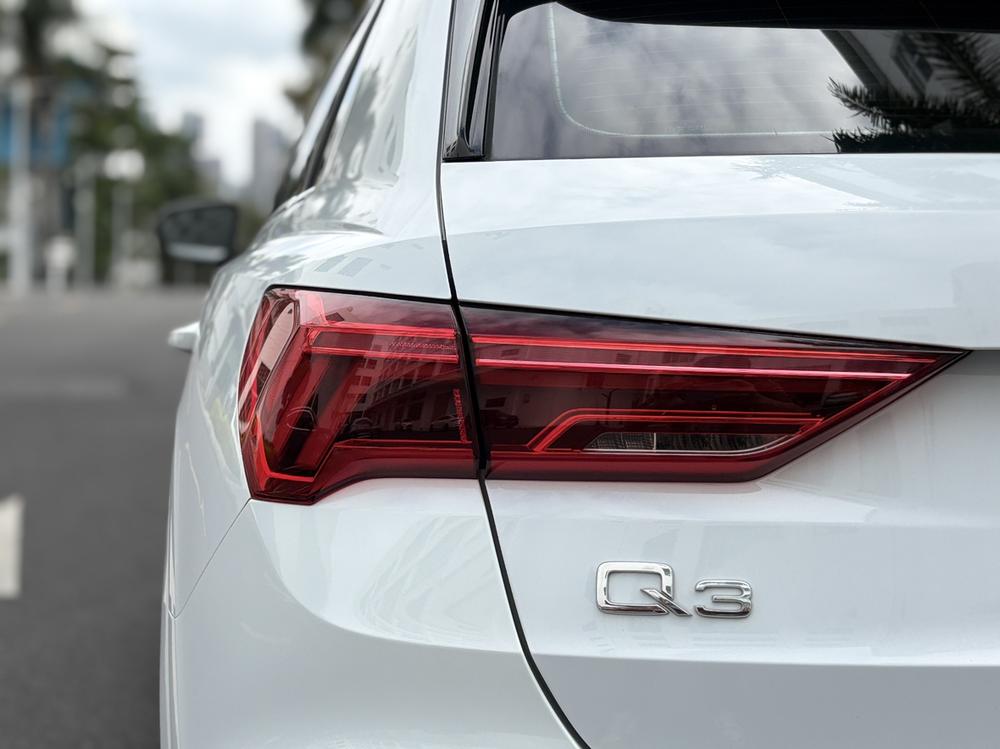
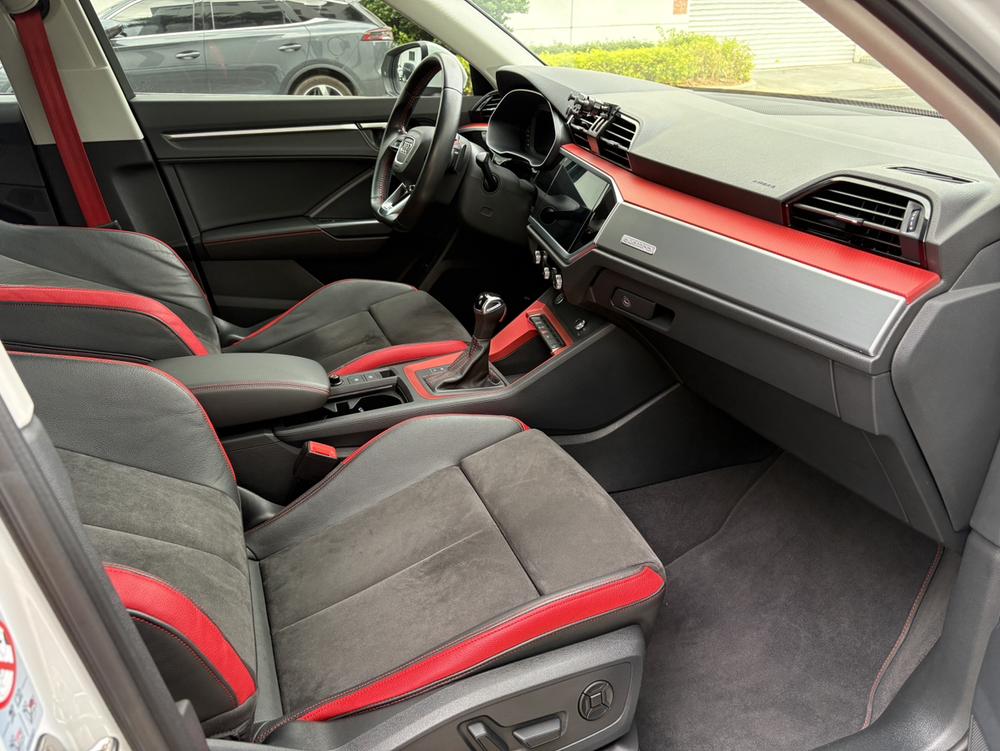
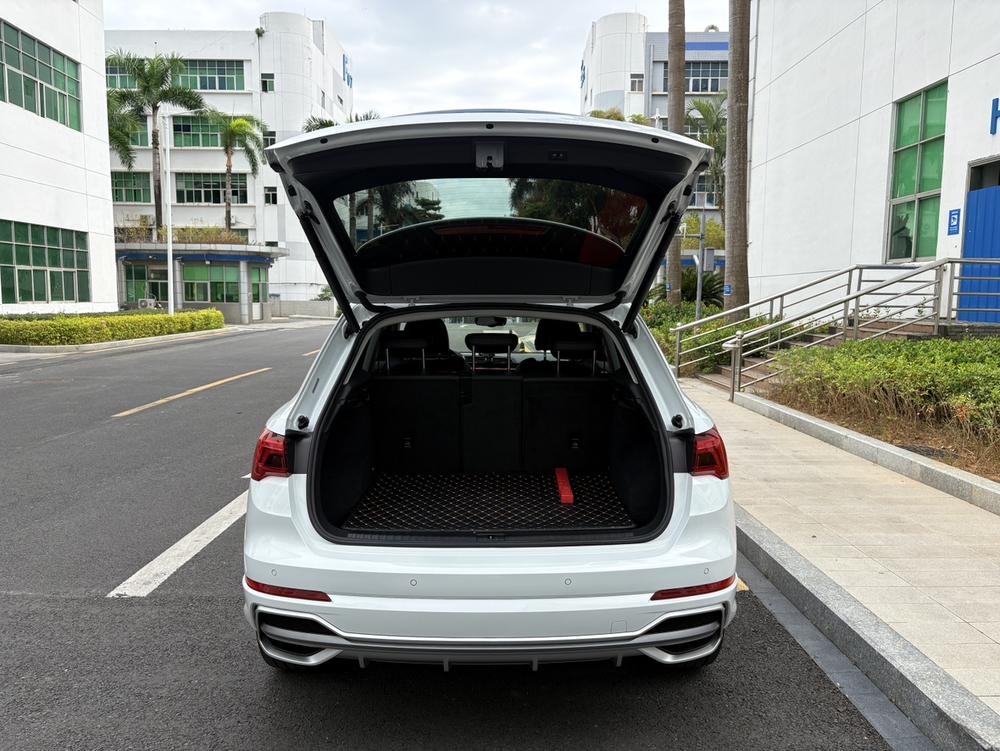
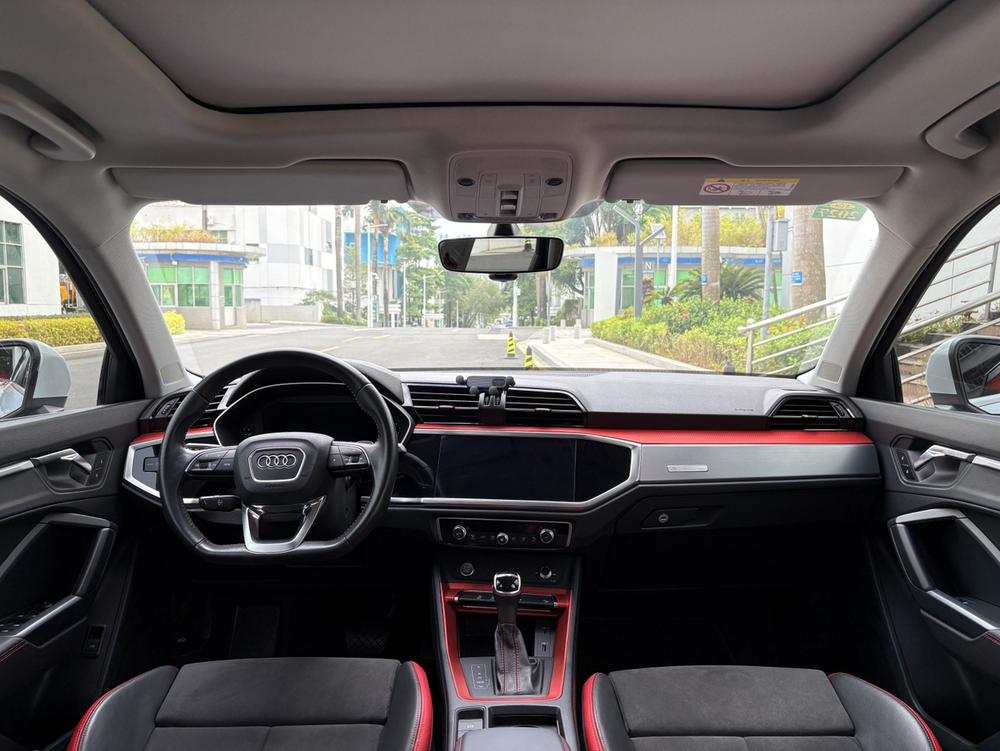
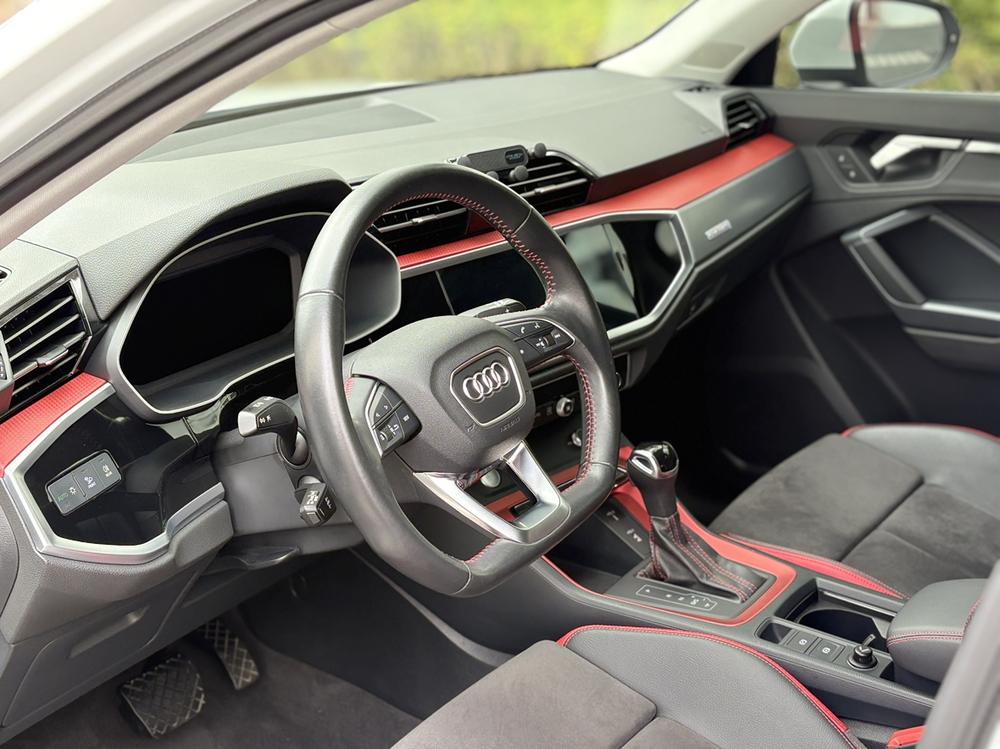
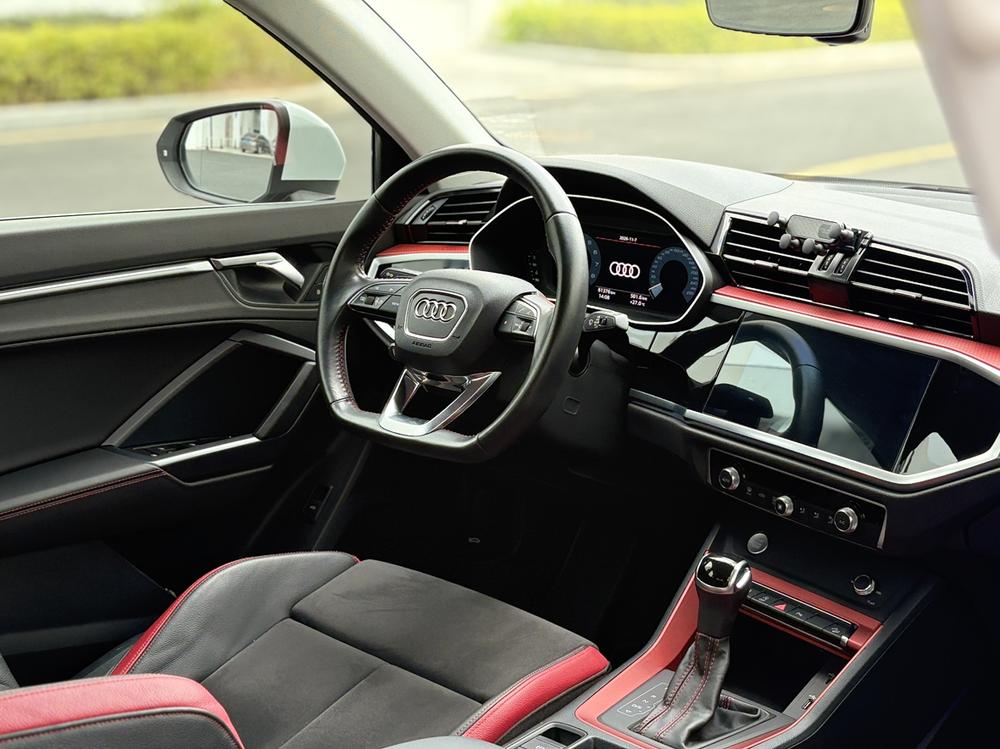
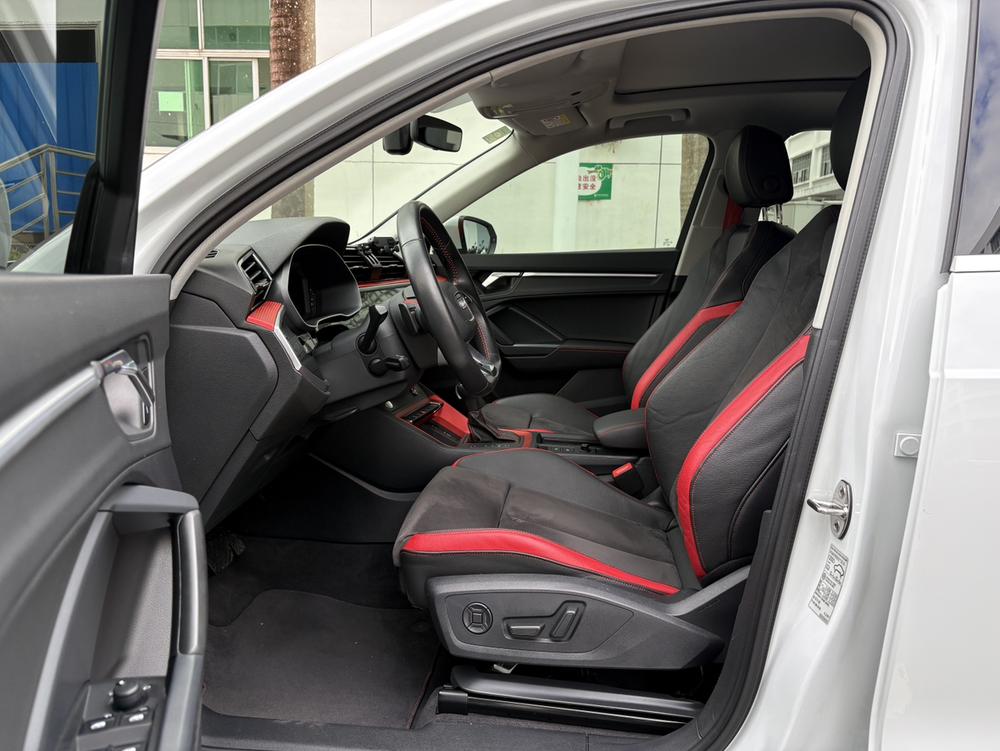
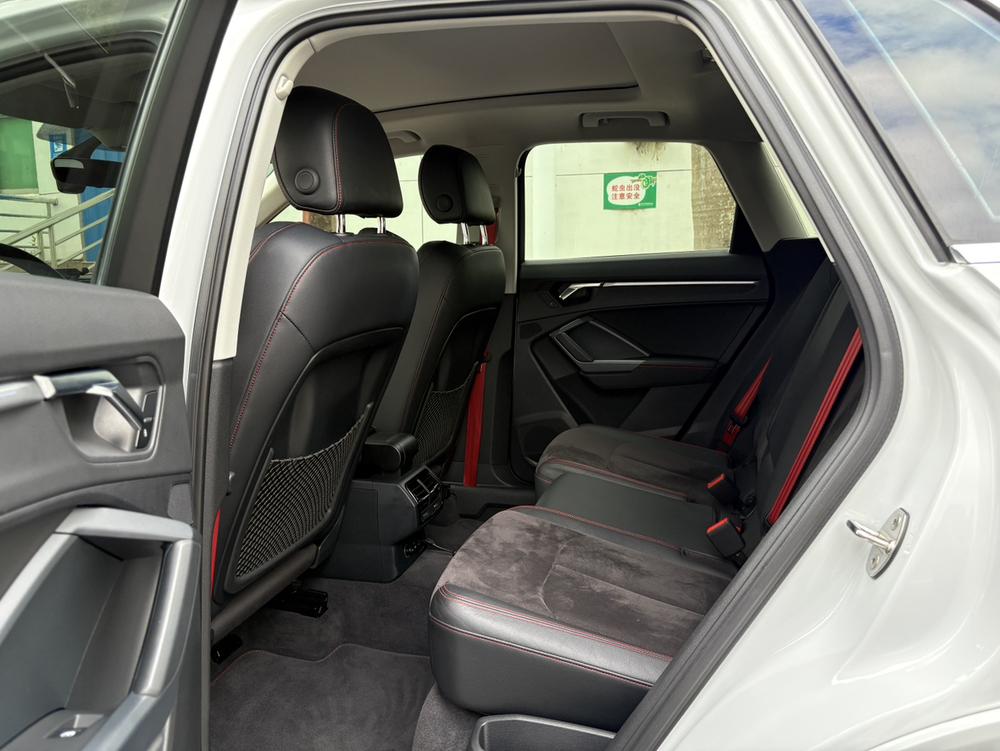
48H

Basic Information

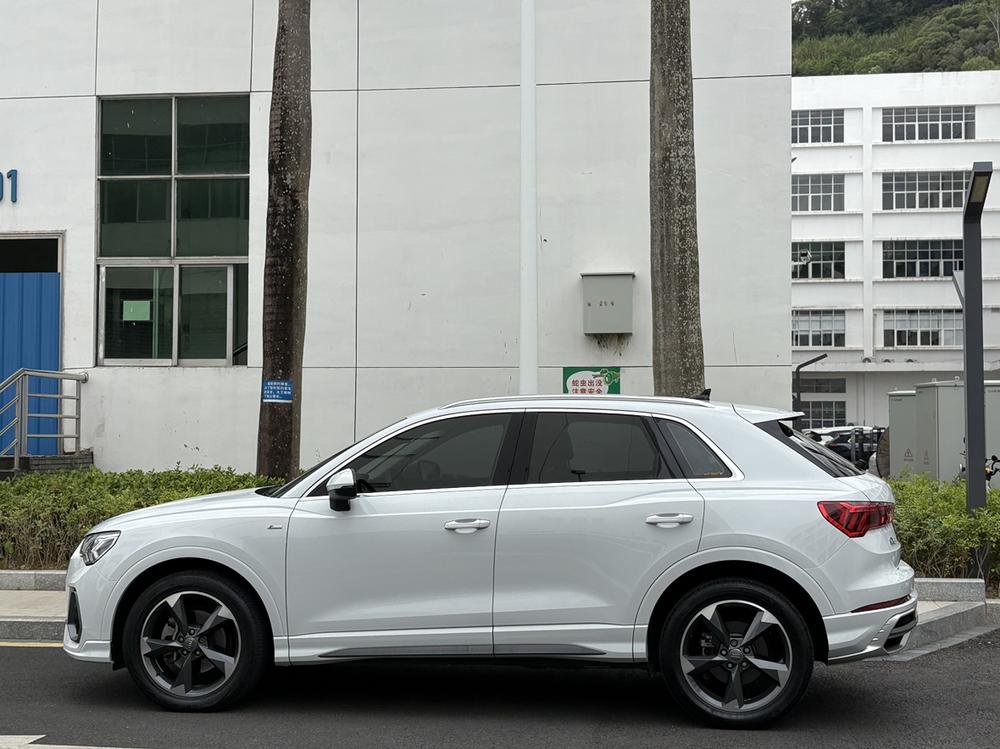
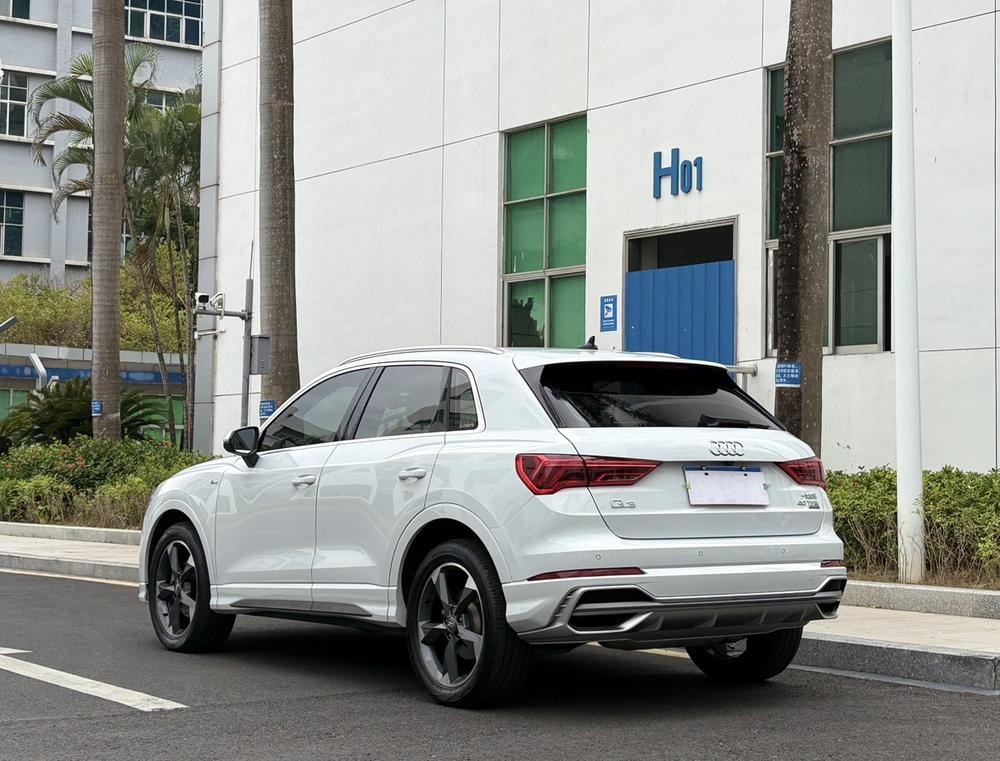
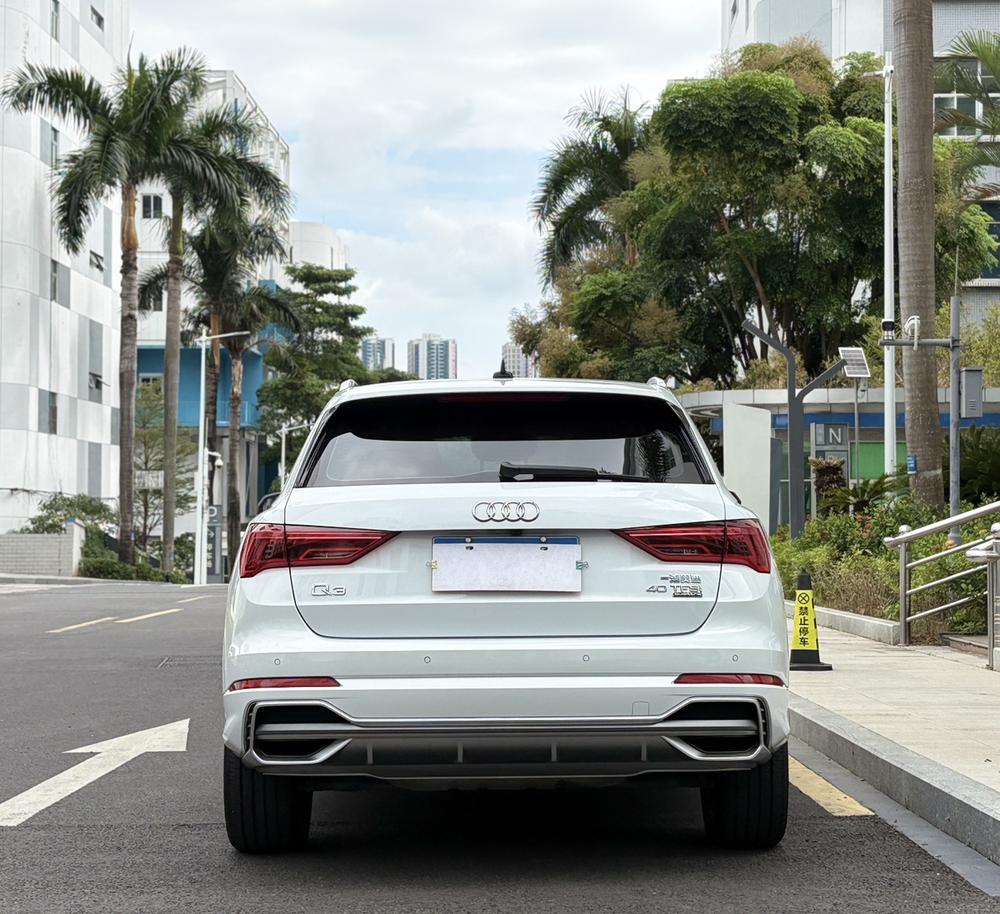
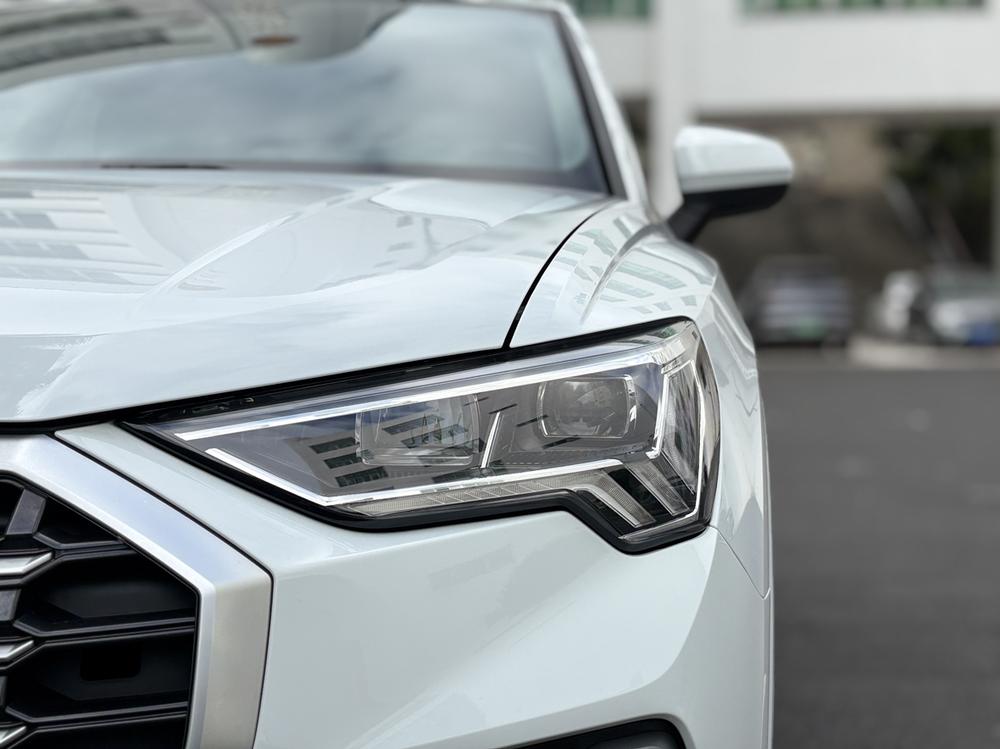
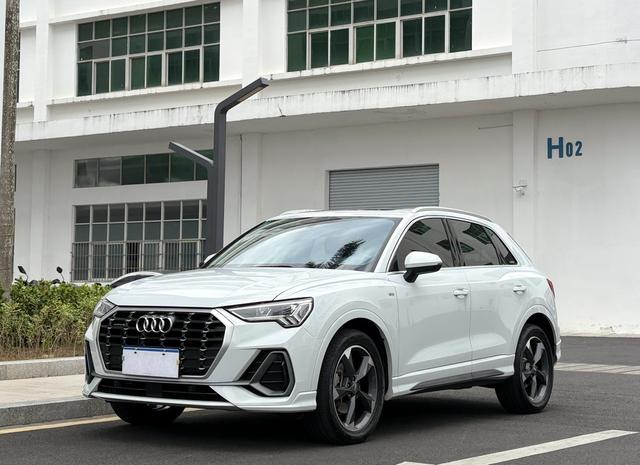
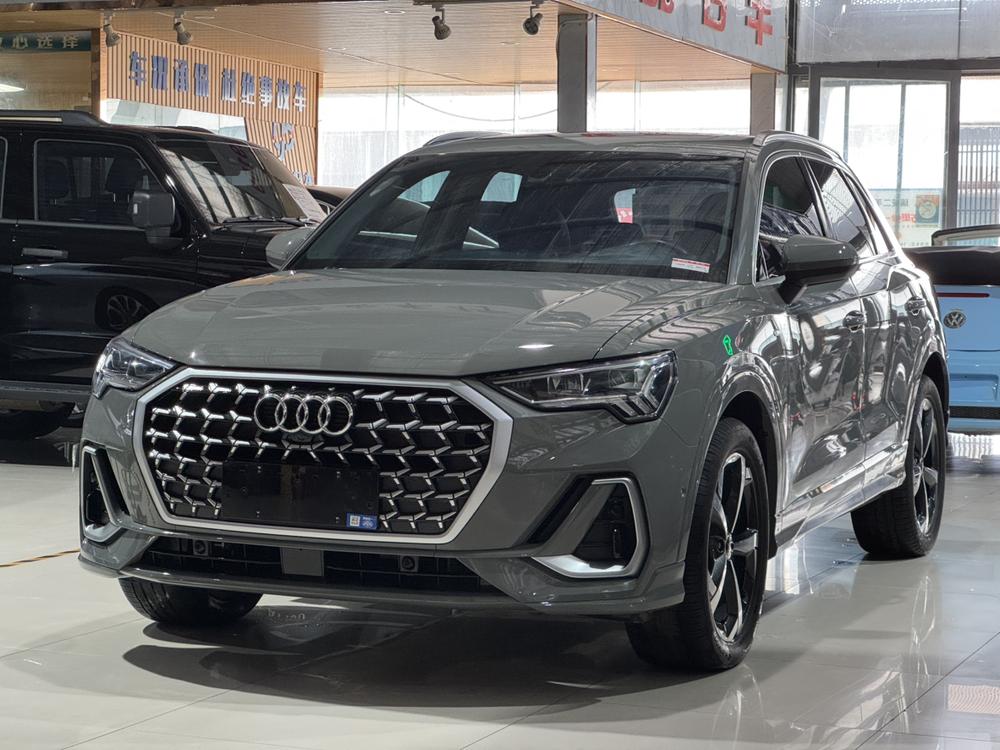
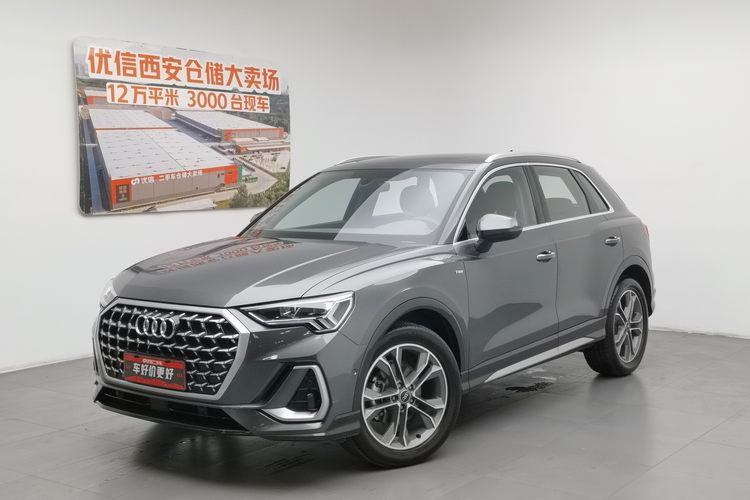
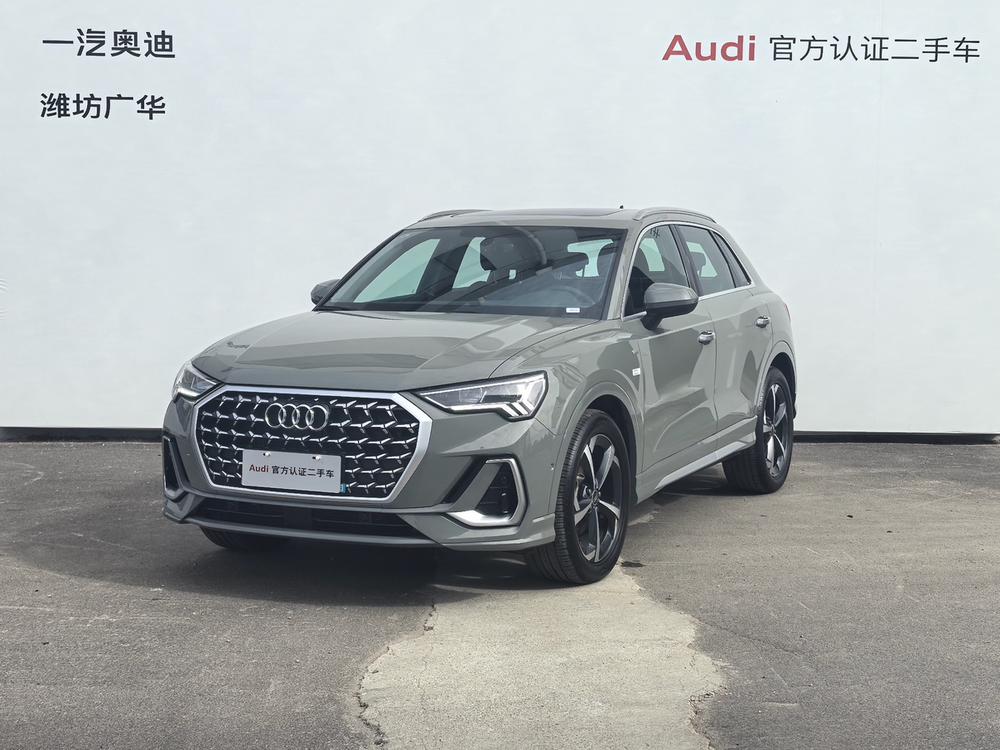
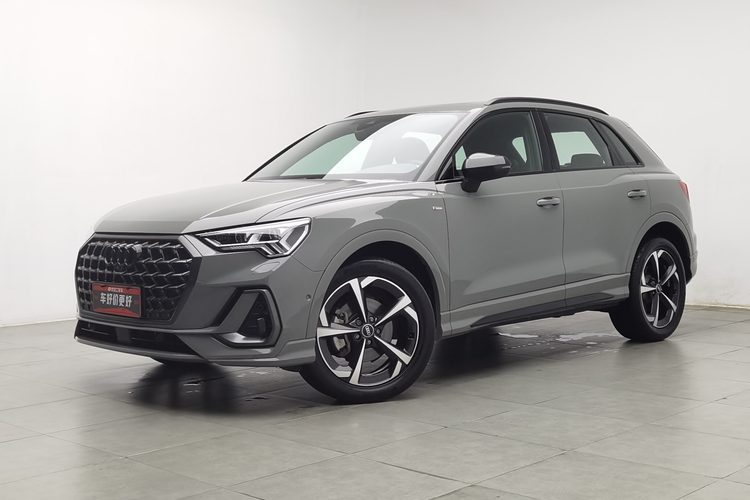
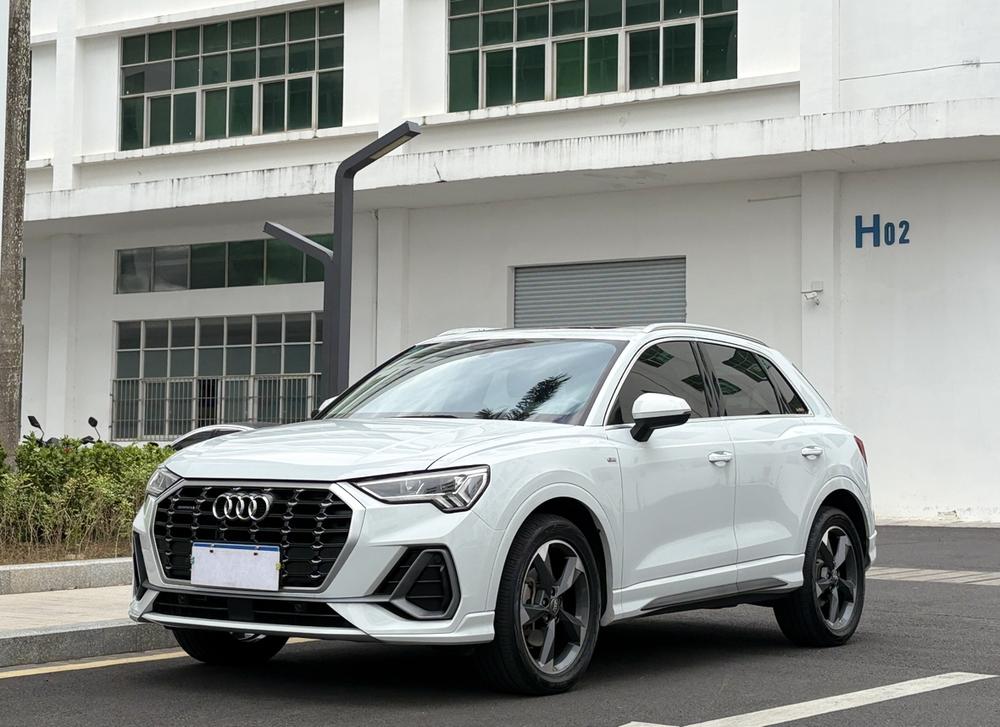
BrandAudi
SeriesQ3
Year2019
First Registration2019/09
Mileage61,000km
Transfer Count0times
FuelGasoline
TransmissionDCT
Engine2.0T 186 L4
Color
Seats-

Condition Description

官方质检 · 60天全车质保· 7天无理由有偿退车

Configuration Highlights

✓上牌时间: 2019-09
✓表显里程: 6.1万公里
✓车源地: 深圳
✓排放标准: 国六
✓百公里加速: 8.5s
✓发动机: 2.0T
✓轴距: 2680mm
✓变速箱: 自动
✓功能配置: 18项
✓安全配置: 3项
✓动力类型: 适时四驱
✓空间舒适性: 好

Q&A

More

Can I designate my freight forwarder in China to pick up the goods directly from your warehouse (EXW delivery)?

Yes, but this falls under EXW (Ex Works) terms. In this case, the seller's risk transfers at the moment the goods are ready at the warehouse. Any subsequent domestic trucking accidents, customs inspections at the port, or issues with obtaining export licenses will be fully borne by your designated freight forwarder.

What is a safe payment schedule when buying a used car from China, and why should I never pay 100% upfront?

The standard structure protects both sides and looks like this: Deposit: 20–30% after signing the contract and confirming the car's inspection report. This commits the exporter to reserve the car and start export procedures. Pay by bank transfer (T/T) to the company's corporate account — never to a personal account. Balance: 70–80% after the car is loaded on the vessel, against verifiable proof — the bill of lading copy, the booking confirmation, and ideally loading photos/video with the container or vessel number visible. Why not 100% upfront? Because once you pay in full, your only leverage is gone. Common real-world problems: the exporter ships a different car than inspected, delays shipment by months, or becomes unreachable. Withholding the balance until loading is documented keeps pressure on them to perform. Red flags: demands for full payment before inspection, 'discounts' for paying 100% immediately, requests to split payment between company and personal accounts, or pressure to use informal channels (crypto, gift cards, money transfer apps). For deals above $20,000, consider a letter of credit or an escrow service. The 1–3% extra cost is cheap insurance.
How can I check if a used car in China was previously used as a taxi, rental car, or government fleet vehicle?

Fleet usage dramatically shortens a car's real life, so it is worth checking before you pay. Start with the registration certificate: the nature-of-use field shows whether the car was registered as non-commercial or commercial. Commercial registration is a red flag for taxis and rental cars. Next, review the maintenance records: fleet vehicles show unusually uniform service intervals, high-volume tire replacements, and repairs done at the same shop repeatedly. A car with 60,000 km on the clock but three sets of brake pads is a fleet vehicle, not a private one. For government or corporate fleet cars, ask the seller for the complete ownership chain; several short-term owners from leasing companies or government auction platforms are a strong signal. Finally, check the interior remotely: rear seat wear, trunk scratches, and multiple ignition keys all suggest shared use. Add a contractual warranty that the vehicle was never commercially operated — if the seller refuses, walk away.