
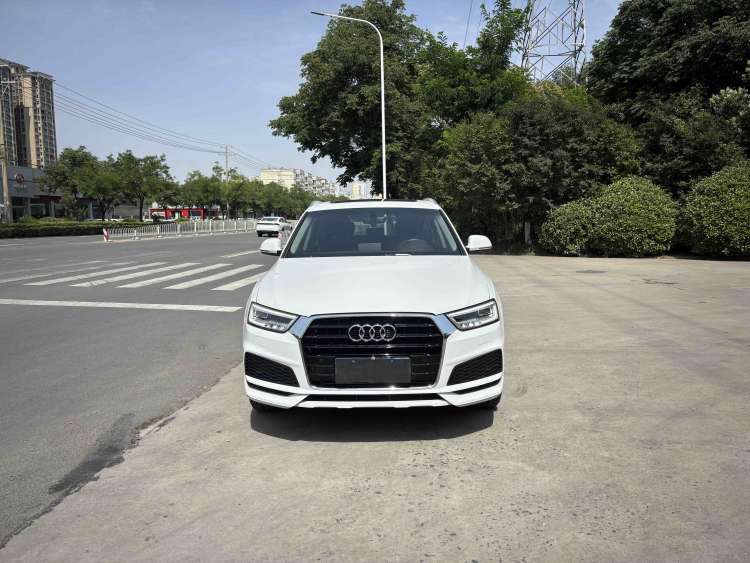


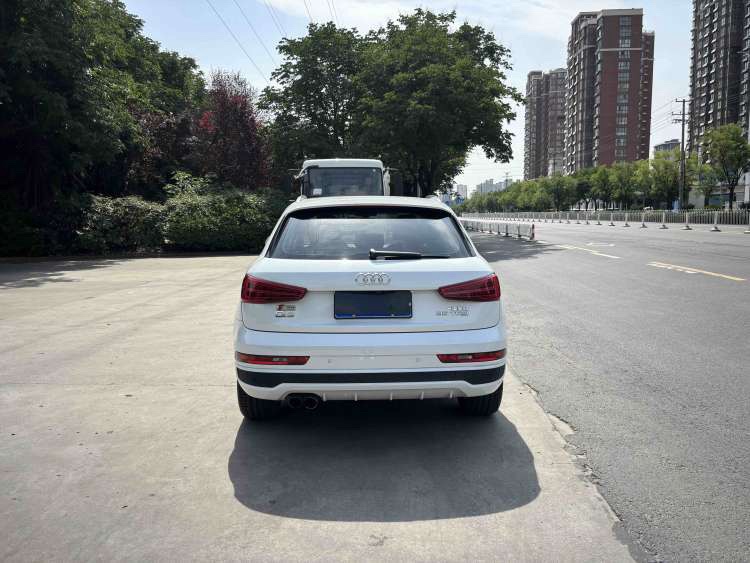
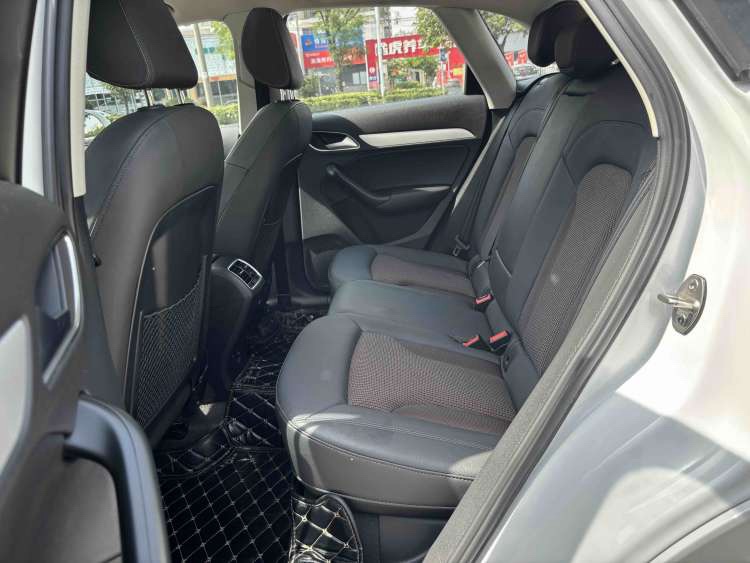
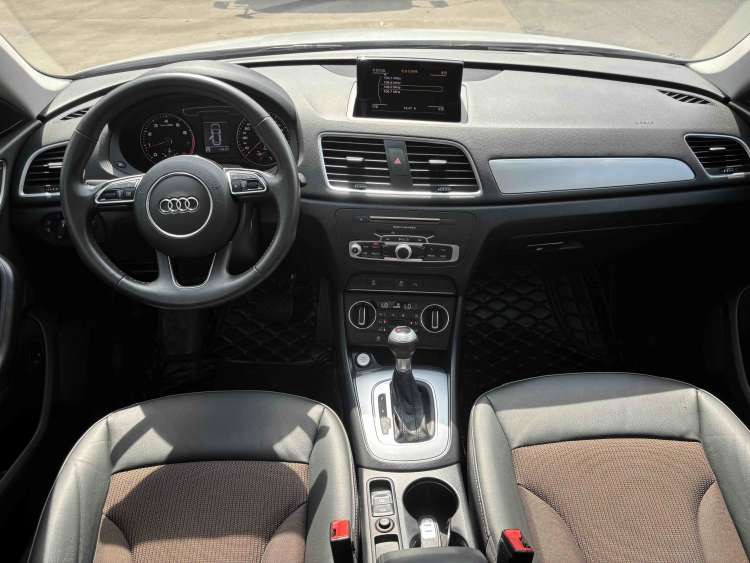
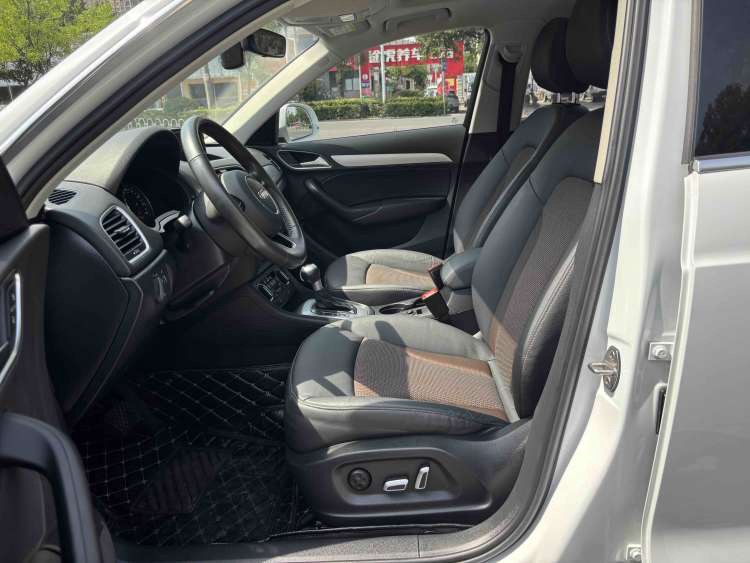
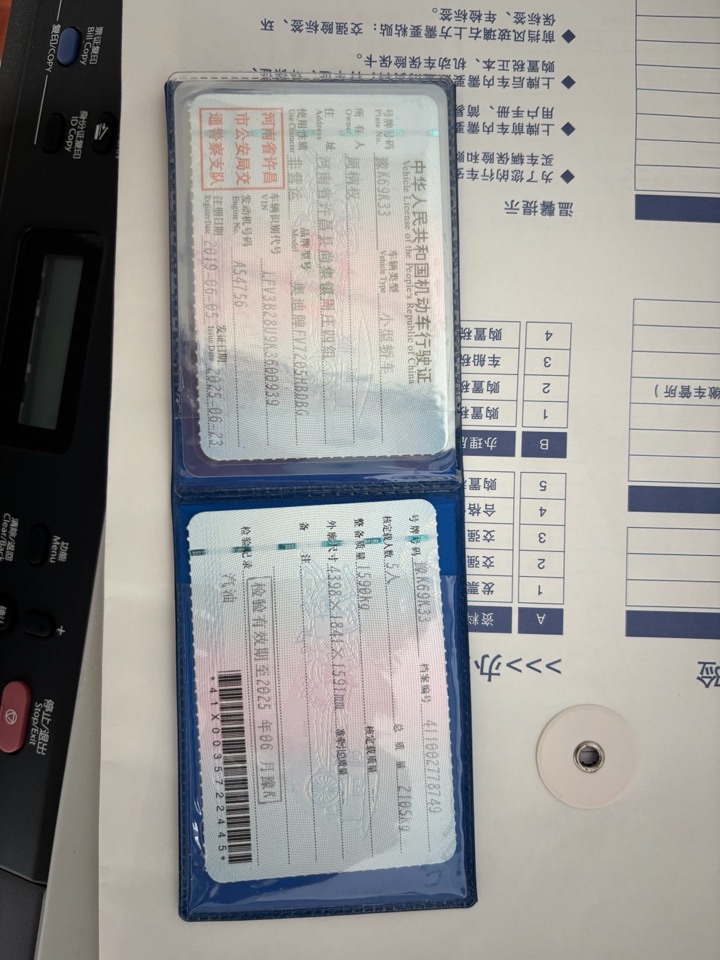



Basic Information

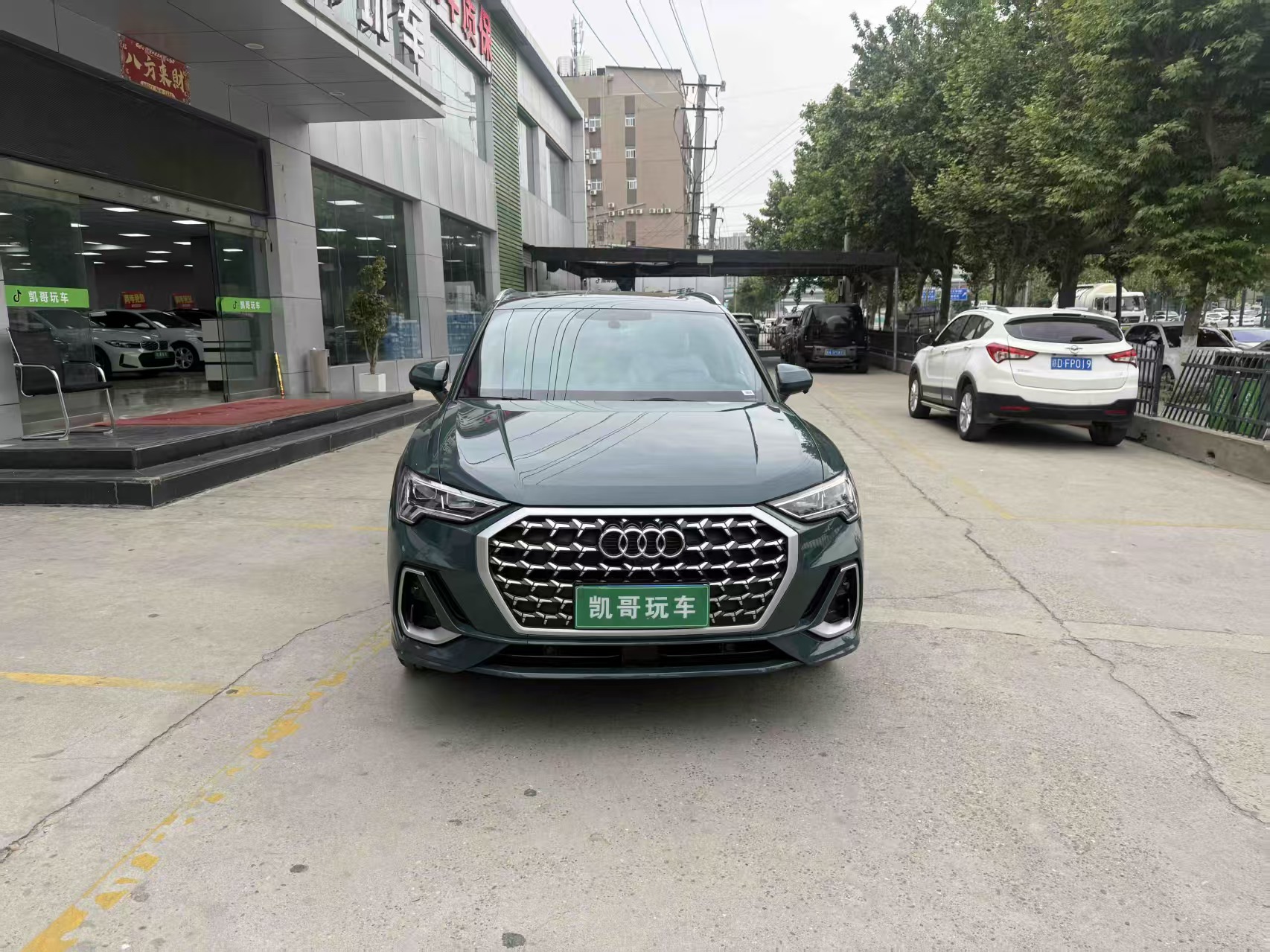
BrandAudi
SeriesQ3
Year2019
First Registration2019/06
Mileage23,000km
Transfer Count1times
FuelGasoline
TransmissionDCT
Engine2.0T 180 L4
ColorWhite
Seats-

Condition Description

Repainted, the vehicle condition is acceptable, inspection completed.

燃油车
SUV
自动
维保开放
事故开放
查验开放

Configuration Highlights

✓品牌: 奥迪
✓车系: 奥迪Q3
✓车型: 2018款 30周年年型 35 TFSI 运动型
✓车身类型: SUV
✓座位数: 5
✓排量: 2.0T
✓变速箱: 自动
✓能源类型: 燃油车
✓VIN: LFV3B28U9K3600939
✓搜索关键词: 奥迪奥迪Q3 2018款奥迪Q330周年年型35TFSI运动型

Document Information

Inspection Expiry Date2027/06
Warranty Expiry Date-
Insurance Expiry Date2026/06

Q&A

More

Why is there a time difference between the production date on the vehicle nameplate and the first registration date on the registration certificate?

The nameplate date is the absolute time when the vehicle leaves the factory; the registration date is when the vehicle is registered with the traffic management department after sale. The difference represents the time the vehicle spent in the dealer's warehouse or logistics. If the time difference exceeds 6-8 months, the vehicle is considered a "stock vehicle," and we pay special attention to the natural aging of its rubber components.

What qualifications do the third-party testing organizations have? Are they internationally recognized (e.g., SGS)?

We mainly collaborate with professional organizations certified by China's national CMA (Certification of Inspection and Testing Institutions). If you need the highest level of international endorsement, we can arrange for independent inspection agencies like SGS or TÜV to conduct Pre-Shipment Inspections (PSI) before loading at the port.

How is the degree of wear on the interior defined? (e.g., steering wheel, seat patina or cracking)

Interior assessment is divided into three core areas: the driver's high-frequency contact area (steering wheel, gear shift, edge of the driver's seat), central control button area, and rear seats and ceiling. The natural sheen of leather surfaces (patina) is normal; however, any physical damage (such as leather tearing, fabric burn holes, or plastic breakage) will be classified as "structural interior damage" and clearly marked.