




24H

Basic Information

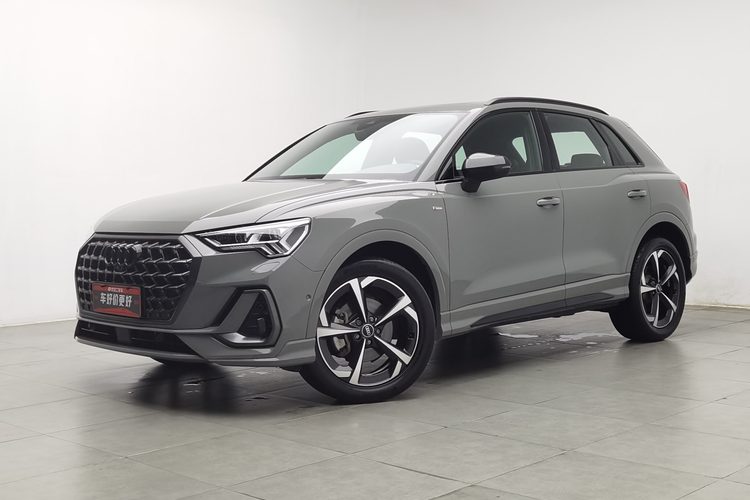
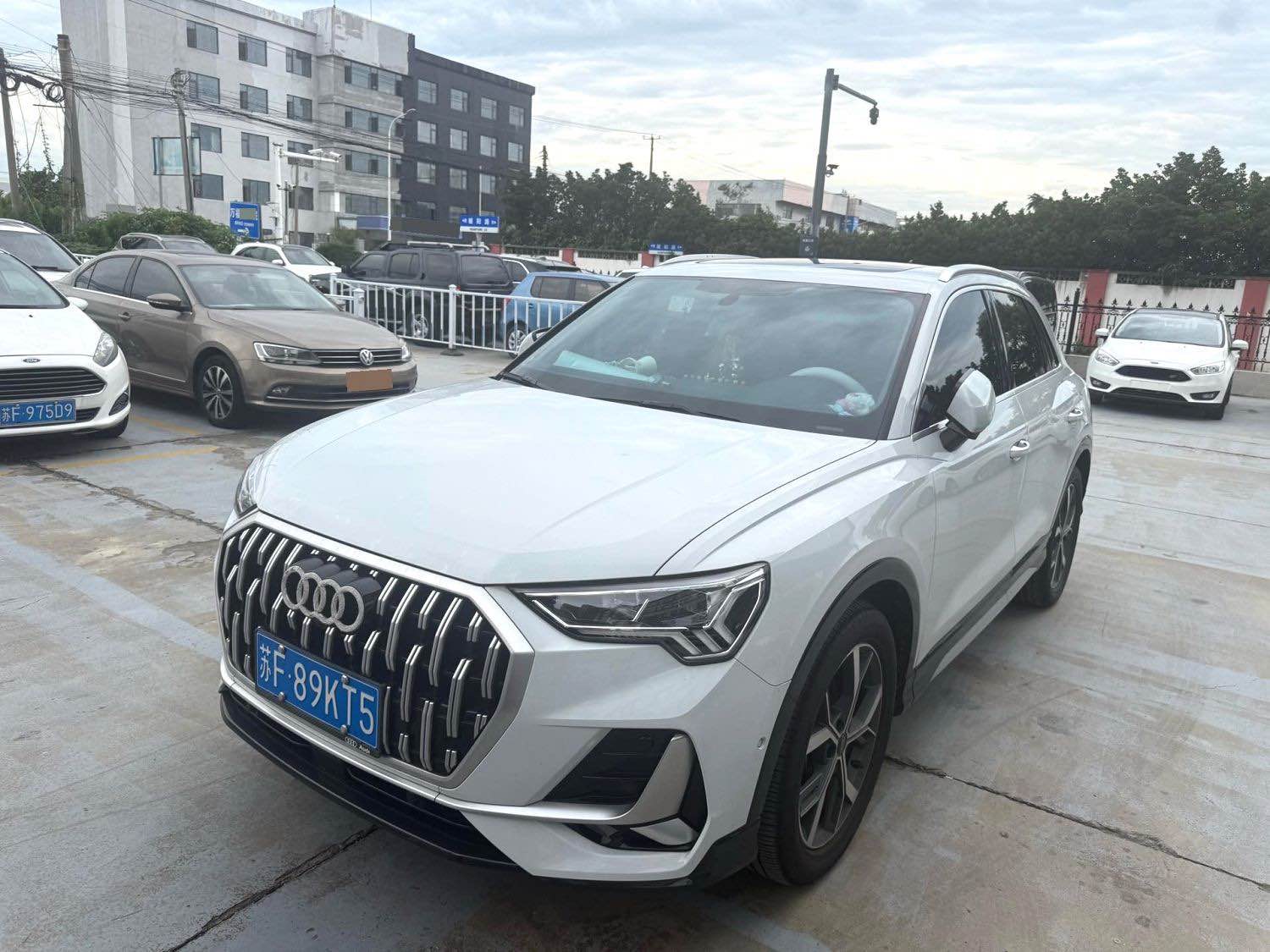
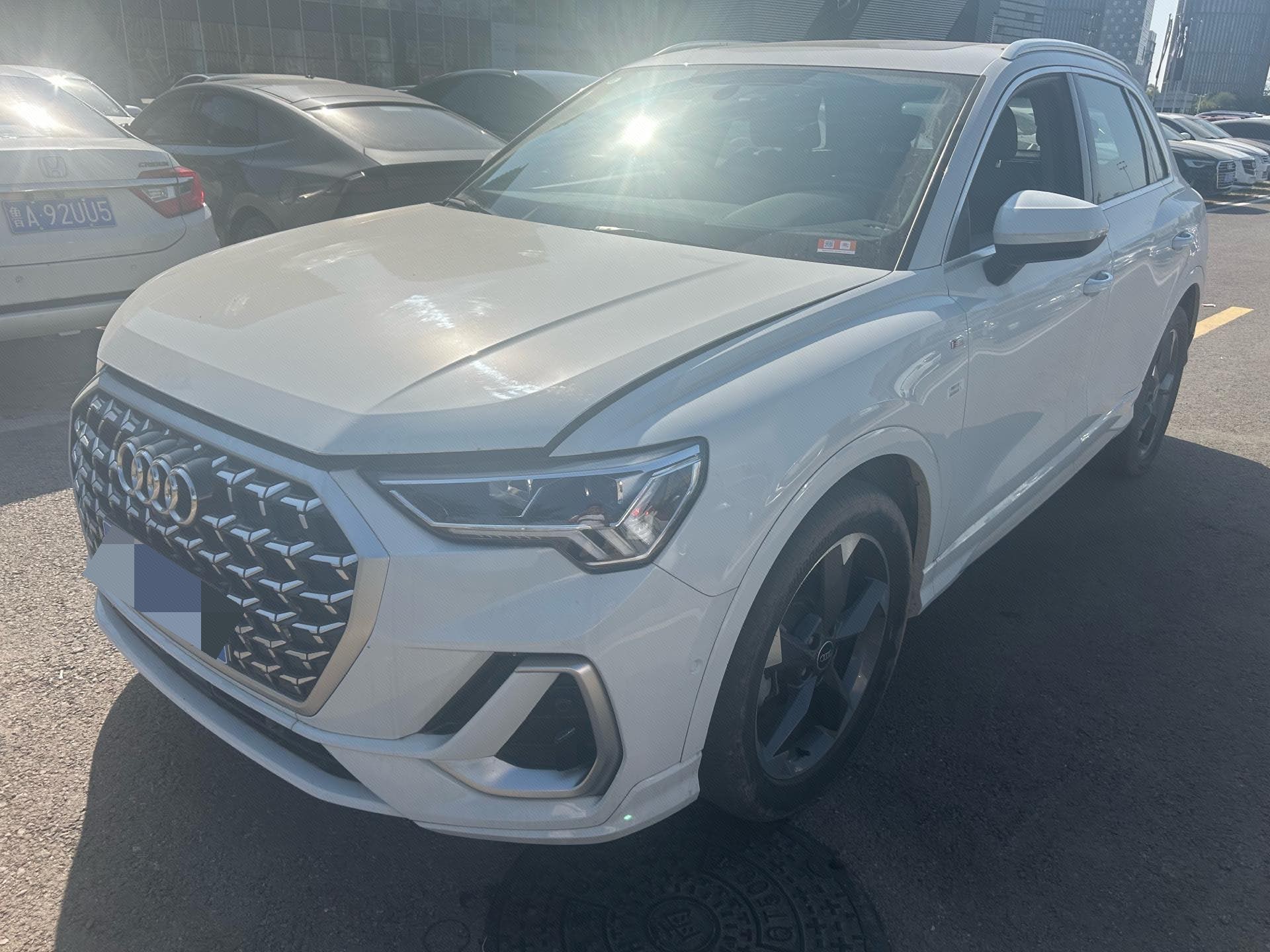
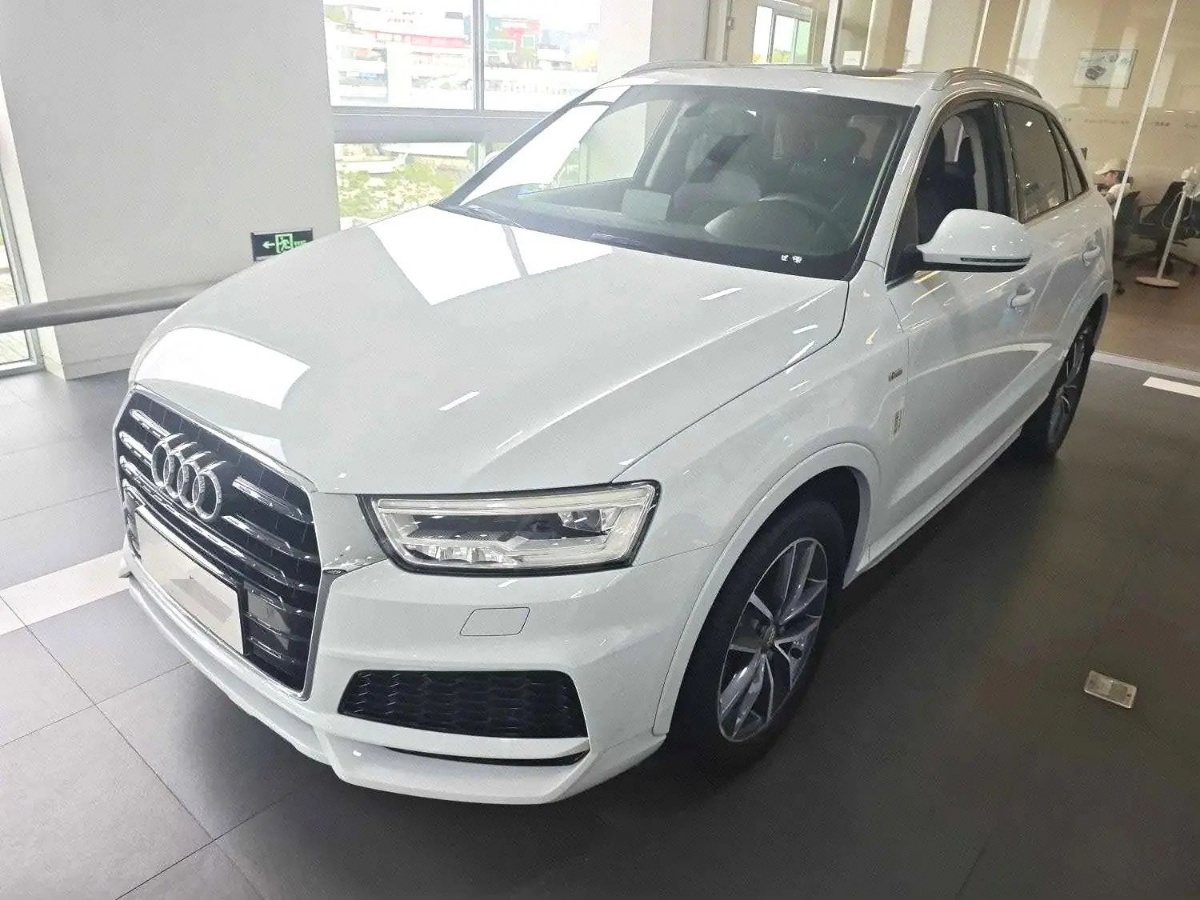
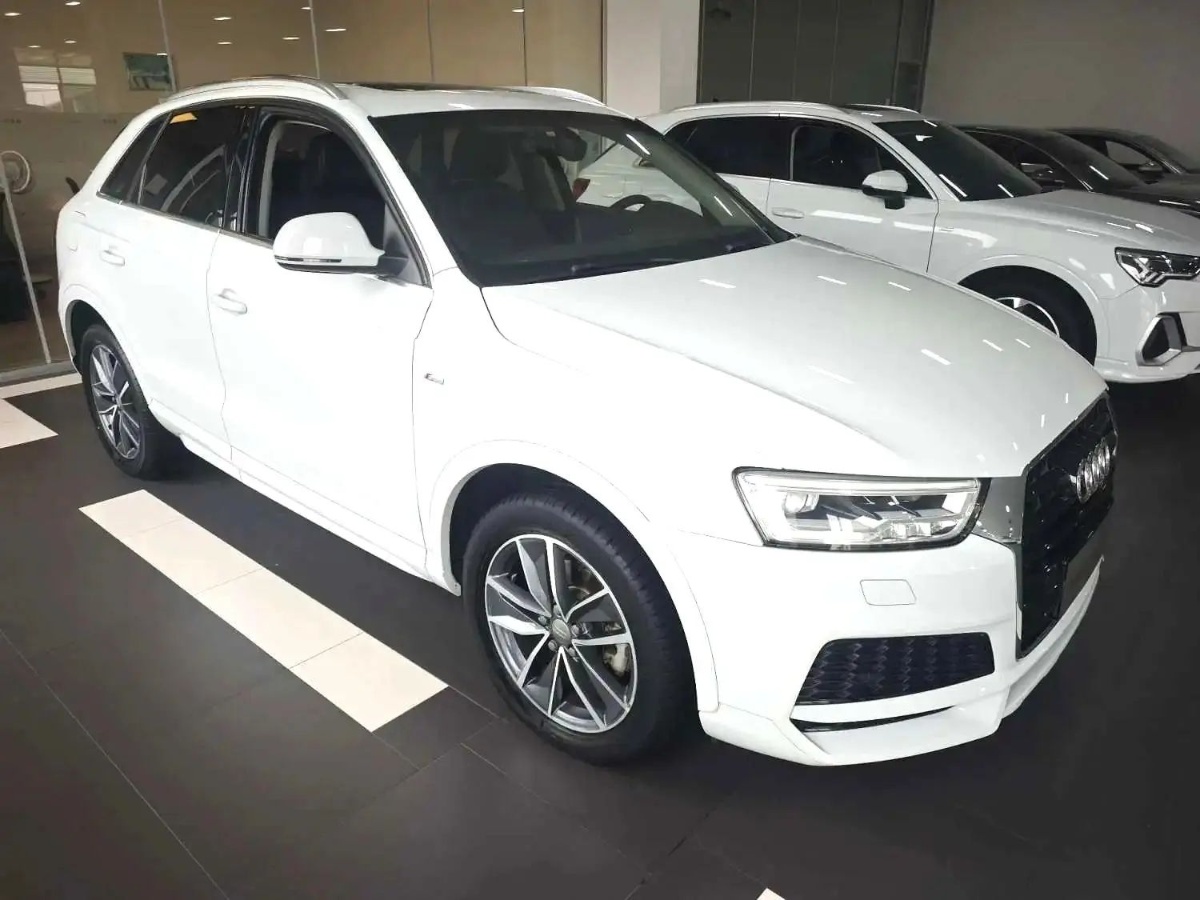
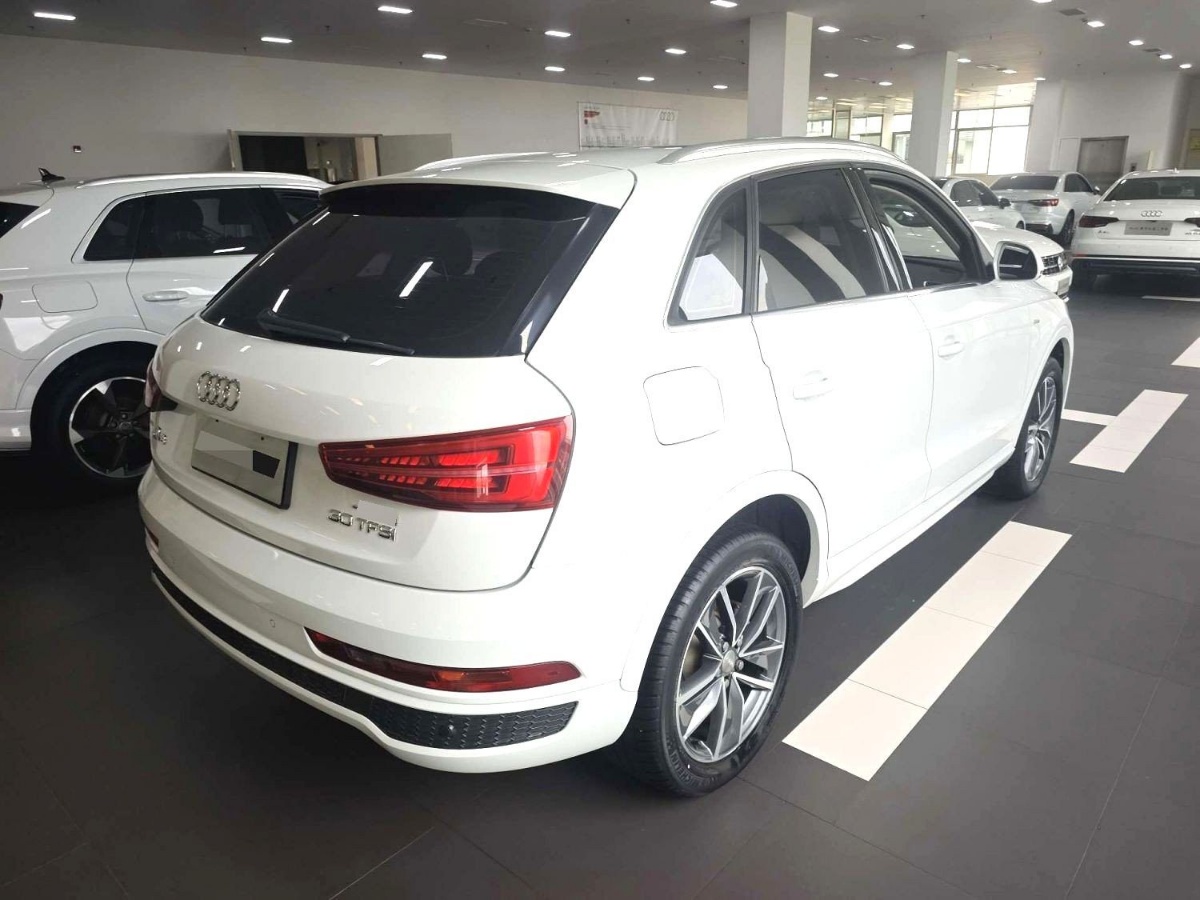
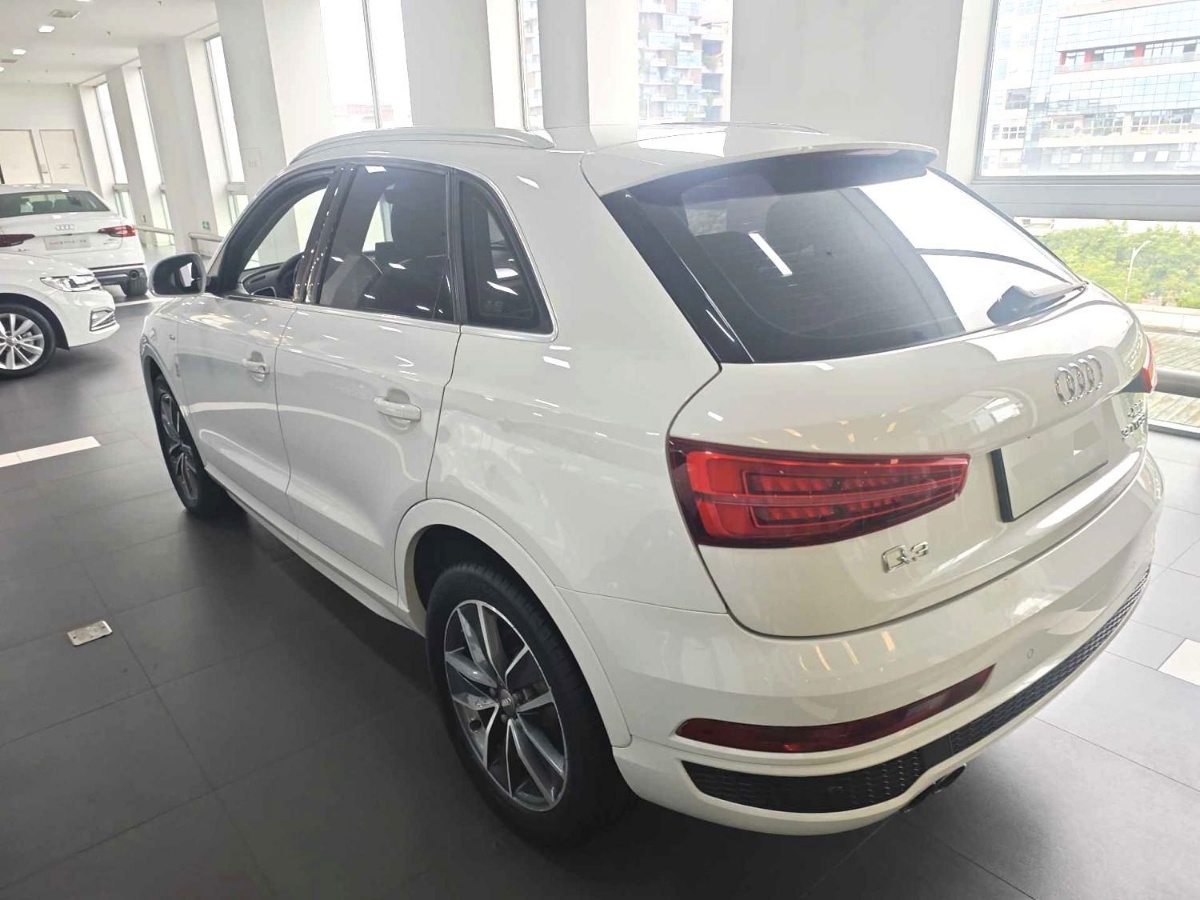
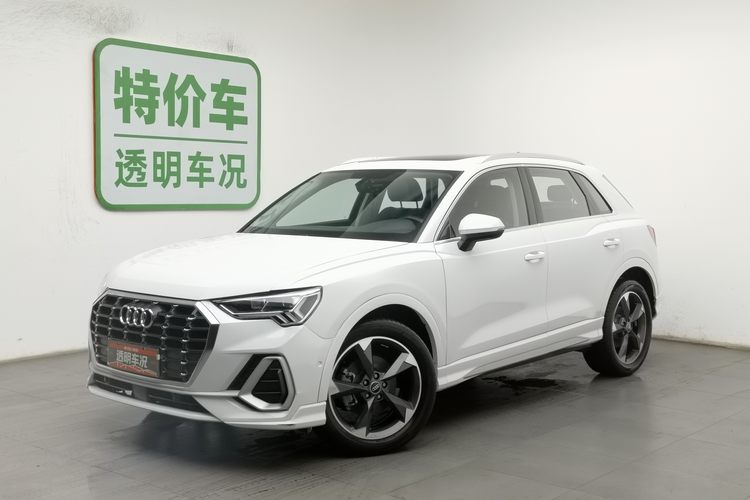
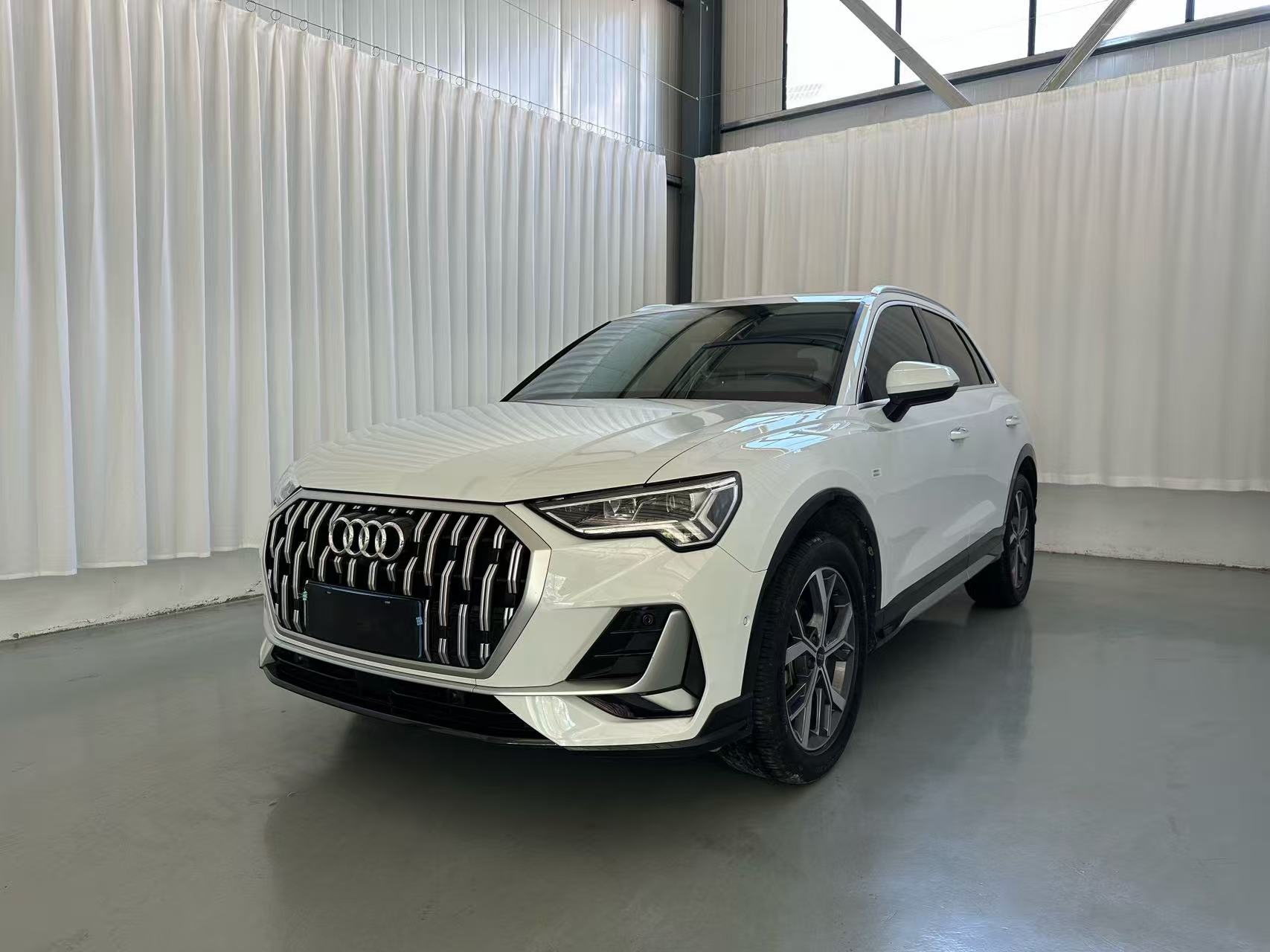
BrandAudi
SeriesQ3
Year2019
First Registration2019/02
Mileage49,000km
Transfer Count1times
FuelGasoline
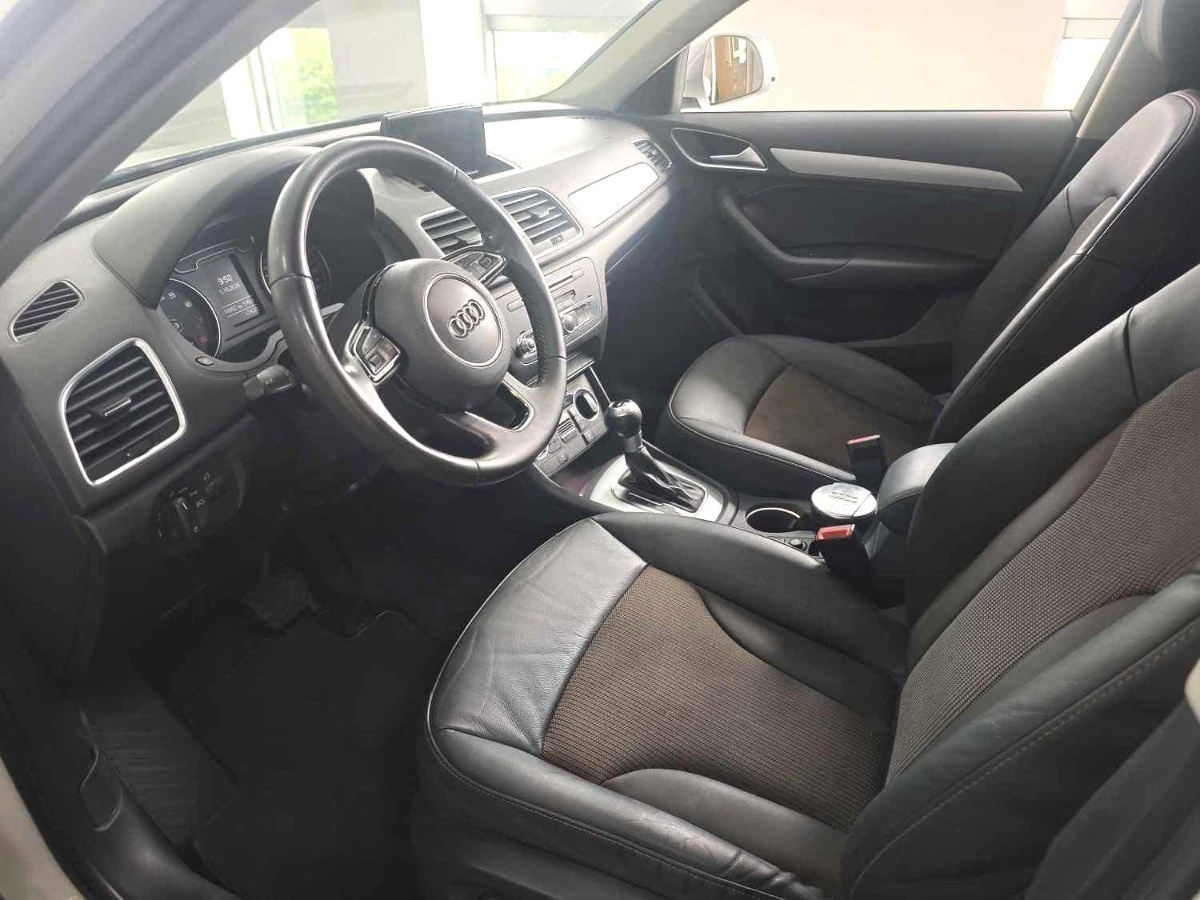
TransmissionDCT
Engine1.4T 150 L4
ColorWhite
Seats-

Condition Description

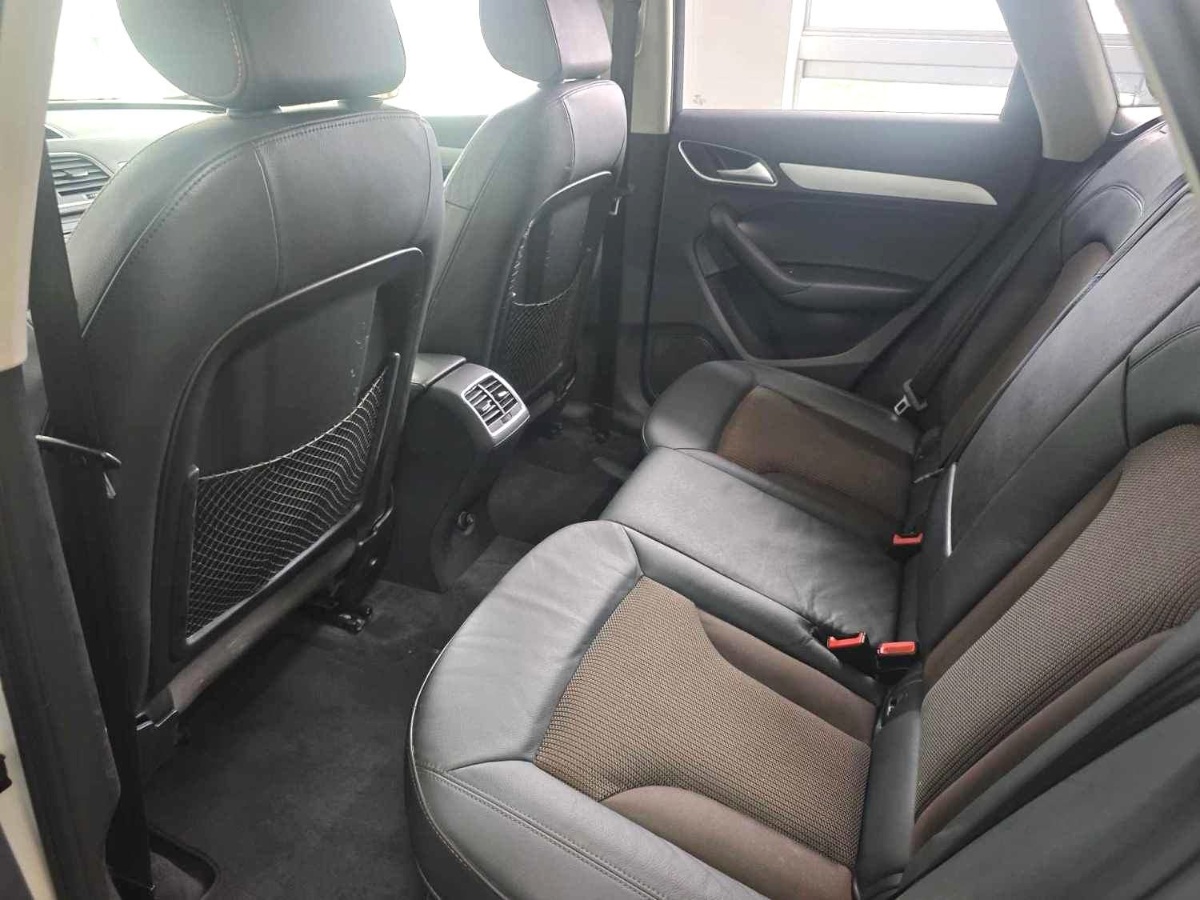
0 insurance claims, actual mileage, original paint on metal parts

燃油车
SUV
自动
维保开放
事故开放
查验开放

Configuration Highlights

✓品牌: 奥迪
✓车系: 奥迪Q3
✓车型: 2018款 30 TFSI 时尚型典藏版
✓车身类型: SUV
✓座位数: 5
✓排量: 1.4T
✓变速箱: 自动
✓能源类型: 燃油车
✓VIN: LFV2B28U0K3600386
✓搜索关键词: 奥迪奥迪Q3 2018款奥迪Q330TFSI时尚型典藏版

Document Information

Inspection Expiry Date2027/02
Warranty Expiry Date-
Insurance Expiry Date2027/02

Q&A

More

How can we verify the integrity of a vehicle's airbag system through technical means, ensuring it has never been deployed or repaired with resistors?

The method to deceive the dashboard warning light is to install a resistor. Our technicians will deeply read the real-time resistance values from the airbag control module (SRS Module) data stream and check for any non-factory stitching or adhesive marks on the steering wheel/passenger panel to uncover the disguise.
Is it okay if the name of my overseas company does not match the bank account title for the final remittance?

It is extremely dangerous and usually not allowed. This can easily trigger the anti-money laundering (AML) controls of China's foreign exchange administration. The remittance account title must closely match the contract buyer and the bill of lading consignee. If payment on behalf is necessary, a legally binding "Tripartite Payment Agreement" must be provided in advance and undergo compliance review by our finance department.

Why are the shipping costs for used electric vehicles (EVs) usually higher than for internal combustion engine vehicles (ICEs)?

Pure electric vehicles are classified as Class 9 Dangerous Goods due to their large lithium batteries, leading to strict shipping regulations. Shipping companies have high requirements for the loading position and fire isolation measures for dangerous goods, and some roll-on/roll-off ships refuse to accept used EVs. As a result, EVs often require more expensive special container shipping and incur additional handling fees for hazardous materials.